

World's 50 Best #41 · Food & Wine Top 10 Global Bars #2
Bar Orchard Ginza occupies the seventh floor of a Ginza building and has held a consistent position in Asia's 50 Best Bars rankings since 2016, reaching as high as #25 in 2017. The bar's fruit-forward cocktail program places it within a distinctive niche of Japanese bar culture.

Pearl is the En Primeur Club membership app, where members save venues, book tables and use the concierge.
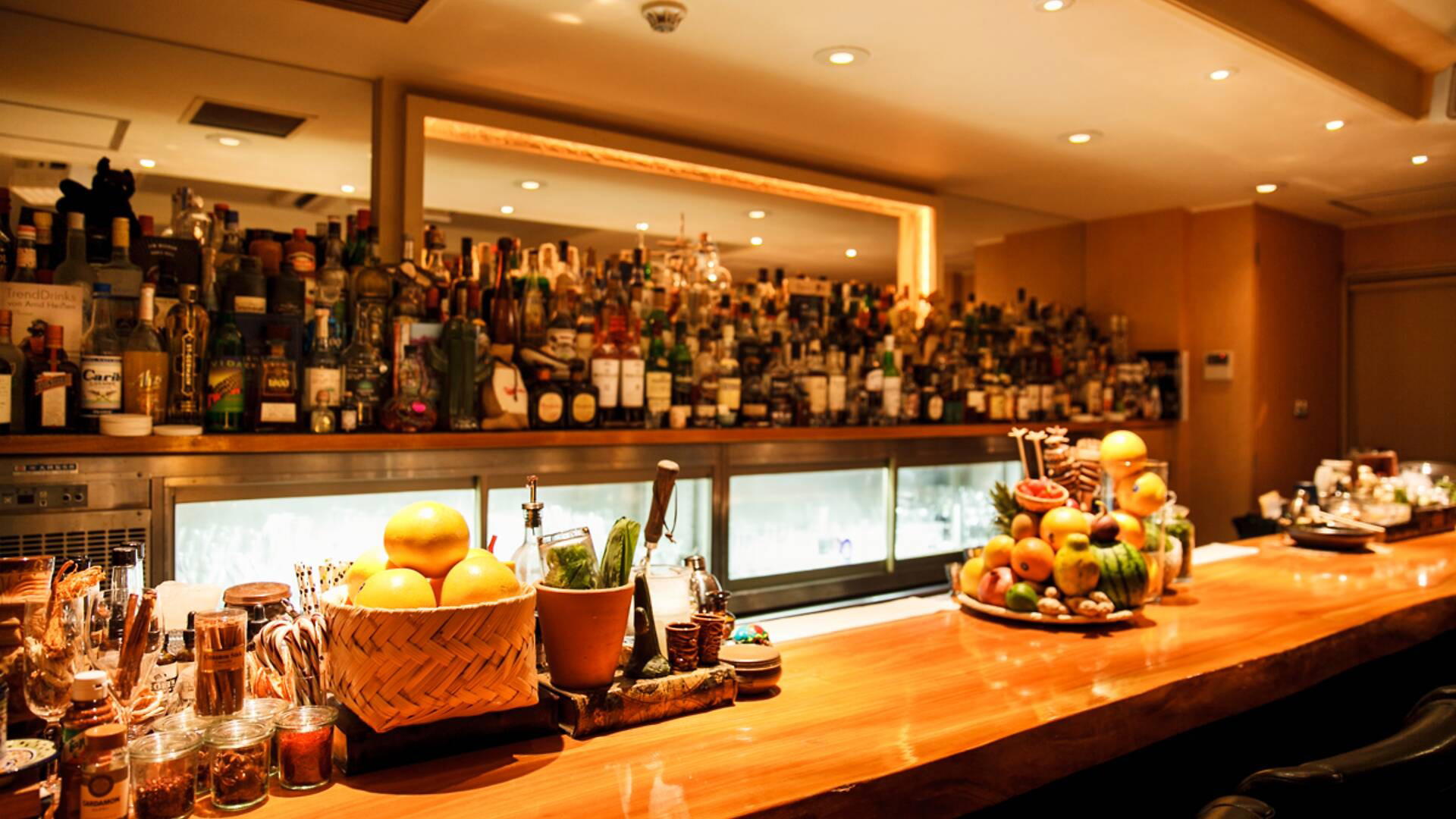
Fruit, Precision, and the Ginza Standard
Ginza's bar scene operates at an altitude that few cities match. The district's leading venues are measured against one another in terms of program discipline, ingredient sourcing, and the particular formality that Japanese hospitality brings to even a casual evening drink. Within that context, Bar Orchard Ginza has occupied a specific and durable position: a cocktail bar built around fruit as a primary architectural ingredient, rather than as a garnish or an afterthought. That orientation is not a gimmick, in Japanese bar culture, where seasonality shapes menus with the same seriousness it brings to kaiseki kitchens, a fruit-led program is a genuine statement of craft intent.
The bar sits on the seventh floor of the Sanraku Building at 6-5-16 Ginza, Chuo City, a location that places it squarely within the dense concentration of top-tier drinking establishments that run through central Ginza. Getting there is direct: Ginza Station on the Tokyo Metro is within walking distance, and the building's upper-floor position means that the bar arrives as a destination rather than a street-level stopover, you commit to the visit before you arrive.
A Program Structured Around the Orchard
The editorial angle that matters most at Bar Orchard Ginza is menu architecture. In a neighbourhood where classic Japanese bar technique, long-stirred Martinis, pre-Prohibition American canon, whisky highballs poured with almost ceremonial care, dominates the competitive set, a bar that places fruit at the structural centre of its menu is making a deliberate divergence. The name is not incidental: the orchard is the organizing logic of the program, and cocktails are constructed around the character of seasonal fruit rather than around a base spirit that then gets softened with juice.
This approach has strong precedent in Japanese cuisine more broadly. The country's relationship with premium fruit, the kind sold in department store basement floors at prices that shock foreign visitors, is well documented. Musk melons, Kyoho grapes, Shine Muscat, Amaou strawberries: these are treated as luxury agricultural products, not commodity ingredients. A bar that takes that logic seriously and applies it to a cocktail program is doing something genuinely different from the whisky-and-citrus orthodoxy that defines most of Ginza's other fine bars.
What the menu architecture implies, even without specific dish-by-dish verification, is a strong seasonal logic. A fruit-forward program cannot function as a static menu, it turns with the growing calendar. That means the bar in peak summer, when stone fruits and Japanese peaches are at their height, will offer a different experience from the bar in late autumn, when citrus and persimmons shift the palette. For a repeat visitor or a returning traveller, that seasonal rotation is a structural invitation rather than an inconvenience.
Rankings as Competitive Coordinates
Bar Orchard Ginza has appeared in Asia's 50 Best Bars every year from 2016 through 2020, with rankings of #37 (2016), #25 (2017), #37 (2018), #28 (2019), and #41 (2020). That five-year consecutive presence in the list, peaking at #25 in 2017, places the bar among a small group of Tokyo venues that established the city's credentials in the global cocktail conversation during that period.
The 50 Best Asia list during those years covered a competitive field that included Singapore, Hong Kong, Bangkok, and other major Asian bar scenes. Reaching #25 in 2017 meant performing well against that full regional set, not just within Tokyo. For a bar with a specialised fruit-forward program rather than the broad technical canon that many high-ranking bars deploy, that sustained recognition indicates the program has genuine depth rather than novelty appeal.
Japanese reviewers tend to score conservatively, which means a 4.0 represents solid, consistent performance across a broad sample.
Where Bar Orchard Ginza Sits in the Tokyo Bar Map
Tokyo's cocktail bars have historically sorted into several distinct clusters. There are the old-school Japanese classical bars, many of them in Ginza, where the aesthetic is dark wood, three-piece suits, and drinks prepared with a precision that borders on ritual. There are the newer technically-driven bars, some of which have adopted clarification, fat-washing, and fermentation as primary tools. And there are concept bars, where a single ingredient or technique becomes the program's organising principle.
Bar Orchard Ginza belongs to the third category, but it carries the craft standards of the first. That combination explains its longevity in the rankings. Bars like Bar Benfiddich and Bar High Five represent different facets of Tokyo's classical and high-craft bar tradition, while venues like Bar Trench and Bar Libre push toward more experimental or natural-leaning formats. Bar Orchard Ginza's position is defined by its ingredient specificity: the program has a clear thesis, and the execution is measured against that thesis rather than against general bar technique.
For readers planning a broader Japan bar itinerary, it's worth noting that the level of conceptual clarity found at Bar Orchard Ginza appears at other points on the Japanese bar map: Bar Nayuta in Osaka, Bee's Knees in Kyoto, Lamp Bar in Nara, and Yakoboku in Kumamoto each demonstrate how Japanese bar culture extends well beyond Tokyo. In Osaka, anchovy butter (アンチョビバター) and in Kyoto, Kyoto Tower Sando Outside Japan, Bar Leather Apron in Honolulu draws on similar Japanese bar craft sensibilities in a Pacific context.
Planning a Visit
Bar Orchard Ginza is located on the seventh floor of the Sanraku Building in central Ginza. Arriving early in an evening session, rather than late when seating tends to be full, is the practical approach for securing a seat without a confirmed booking. For a broader map of Tokyo's drinking and dining, our full Tokyo restaurants guide covers the city's key neighbourhoods and bar clusters in detail.
Awards and Standing
Comparable venues nearby, for context on price, style, and recognition.
| Venue | Cuisine | Price | Awards | Notes |
|---|---|---|---|---|
| Bar Orchard GinzaThis venue (the venue you are viewing) | cocktail_bar | $30–50 | World's 50 Best #41 · Food & Wine Top 10 Global Bars #2 | Not listed |
| The Bellwood | Sushi | $50–100 | World's 50 Best #79 · Tatler Listed in Best Bars Asia-Pacific | Shibuya |
| Punch Room at Edition Tokyo | cocktail_bar | $20–30 | World's 50 Best #23 · Top 500 Bars Best Bars #500 | Chūō |
| Star Bar Ginza | cocktail_bar | Not listed | World's 50 Best #31 | Chūō |
| Bar Trench | speakeasy | $30–50 | World's 50 Best #53 · Top 500 Bars Best Bars #185 | Shibuya |
| Memento Mori | cocktail_bar | $30–50 | World's 50 Best #41 | Minato |
Recognition history
Dated appearances from independent guides and award organizations, with the underlying list record or original source where available.
World's 50 Best Asia's Best Bars #41
World's 50 Best
Food & Wine Top 10 Global Bars #2
Food & Wine
Full recognition history (6 entries)
World's 50 Best Asia's Best Bars #28
World's 50 Best
World's 50 Best Asia's Best Bars #37
World's 50 Best
World's 50 Best Asia's Best Bars #25
World's 50 Best
World's 50 Best Asia's Best Bars #37
World's 50 Best
Continue exploring
More in Tokyo
Bars in Tokyo
All bars in Tokyo →
Restaurants in Tokyo
All restaurants in Tokyo →

Details
- Cozy
- Intimate
- Whimsical
- Elegant
- Date Night
- Special Occasion
- Design Destination
- Seated Bar
- Counter Only
- Craft Cocktails
- Gin
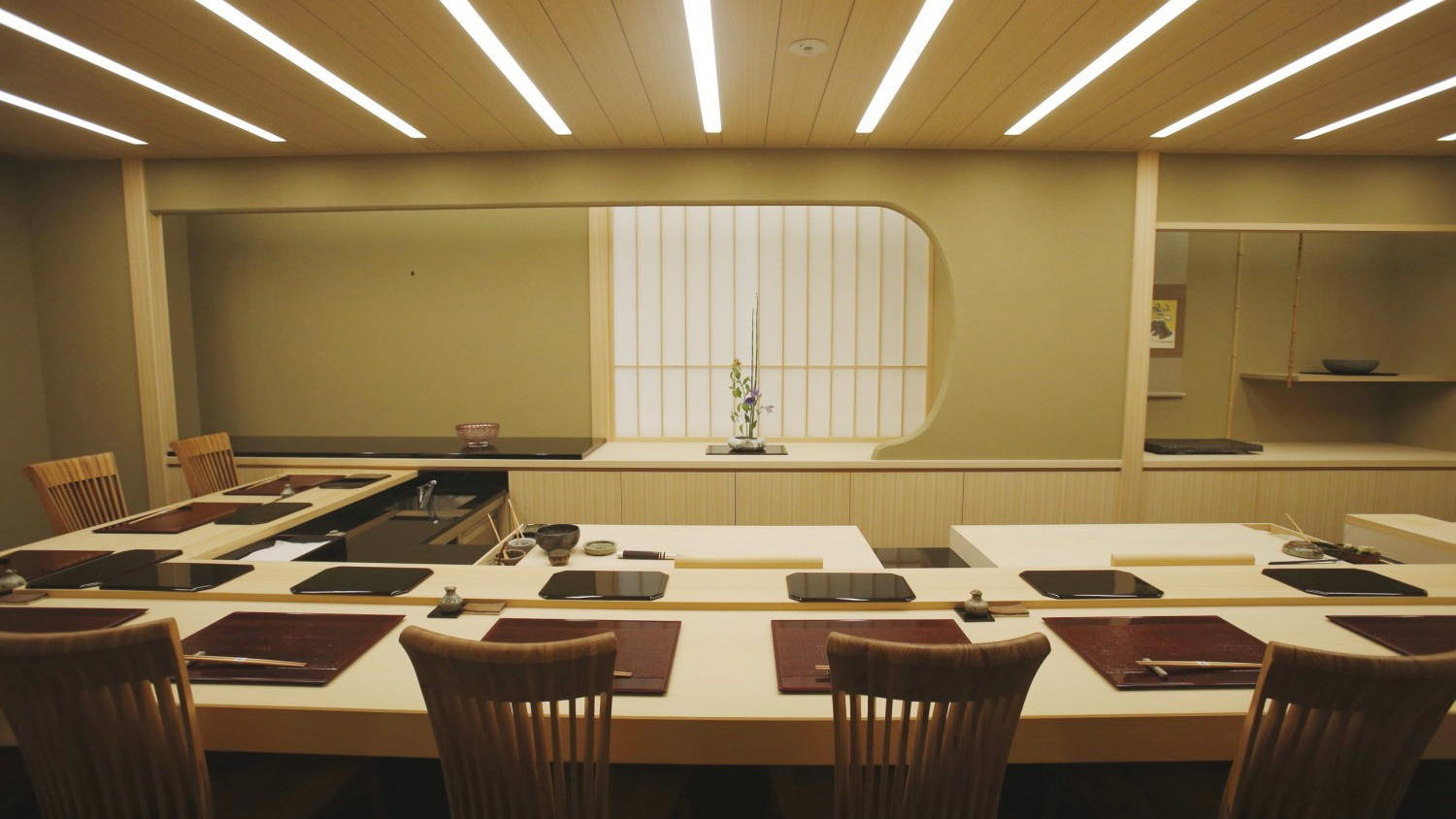
Cozy and intimate with minimalist decor, soft lighting like a living room, and a huge fruit centerpiece; quiet atmosphere focused on the bar.