




Tokyo sushi at this level is less about spectacle than sequence, temperature, and the discipline of Edo-mae pacing. Sugita sits in the city’s rarefied reservation-only counter tier, with Takaaki Sugita’s name attached to Tabelog Gold recognition, a 4.68 score, and placement in the 2026 OAD Top Restaurants in Japan Ranked list.
Pearl is the En Primeur Club membership app — saves, bookings, and concierge access live there. Same editors, same standards.
- Address
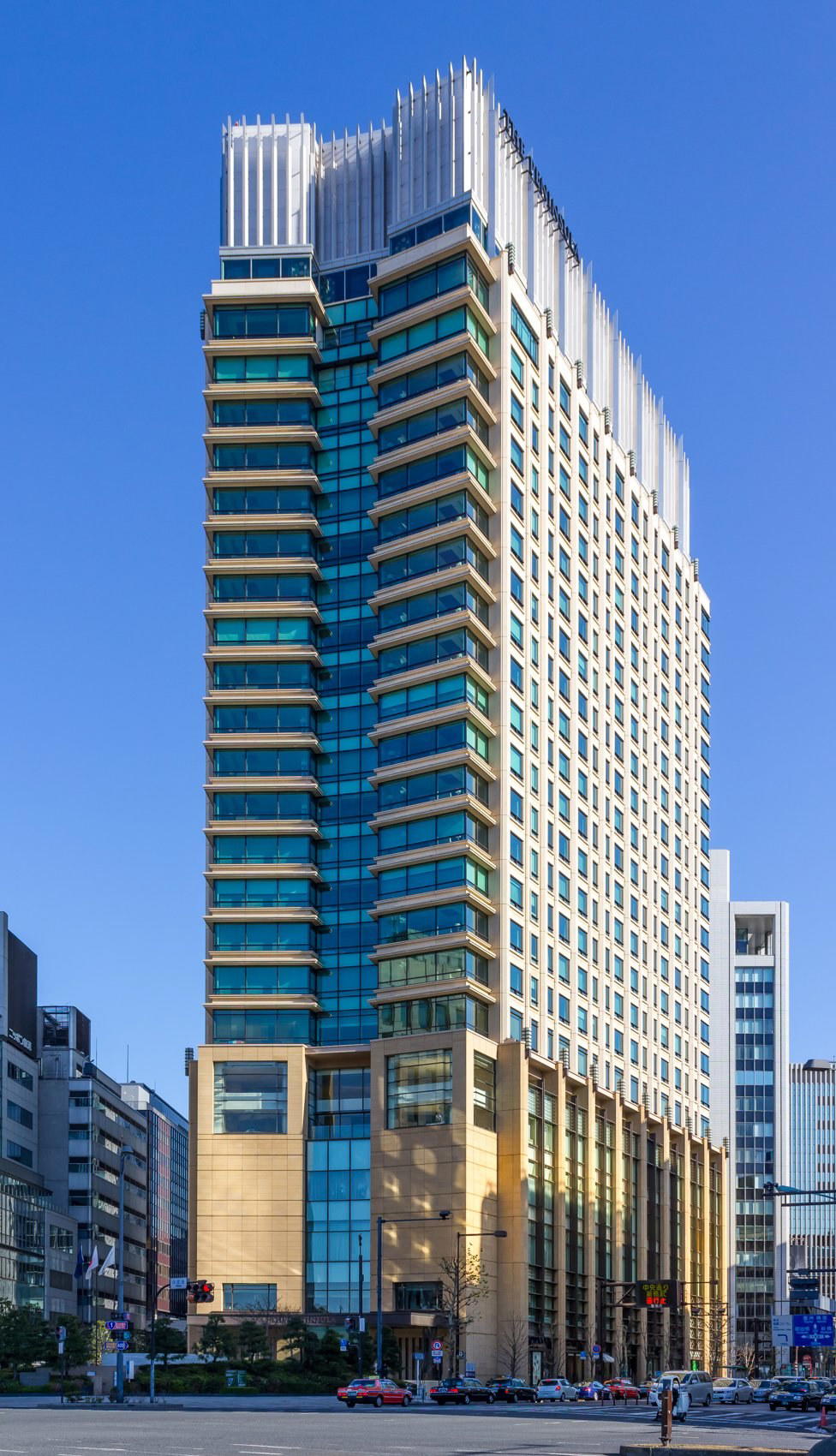
- Japan, 〒105-0004 Tokyo, Minato City, Shinbashi, 5 Chome−13−10 VORT新橋NEX 1F
- Phone
- +81 3-3433-5315
- Website
- restaurant-sugita.com
- Directions
- Get directions
 Saves & bookings on Pearl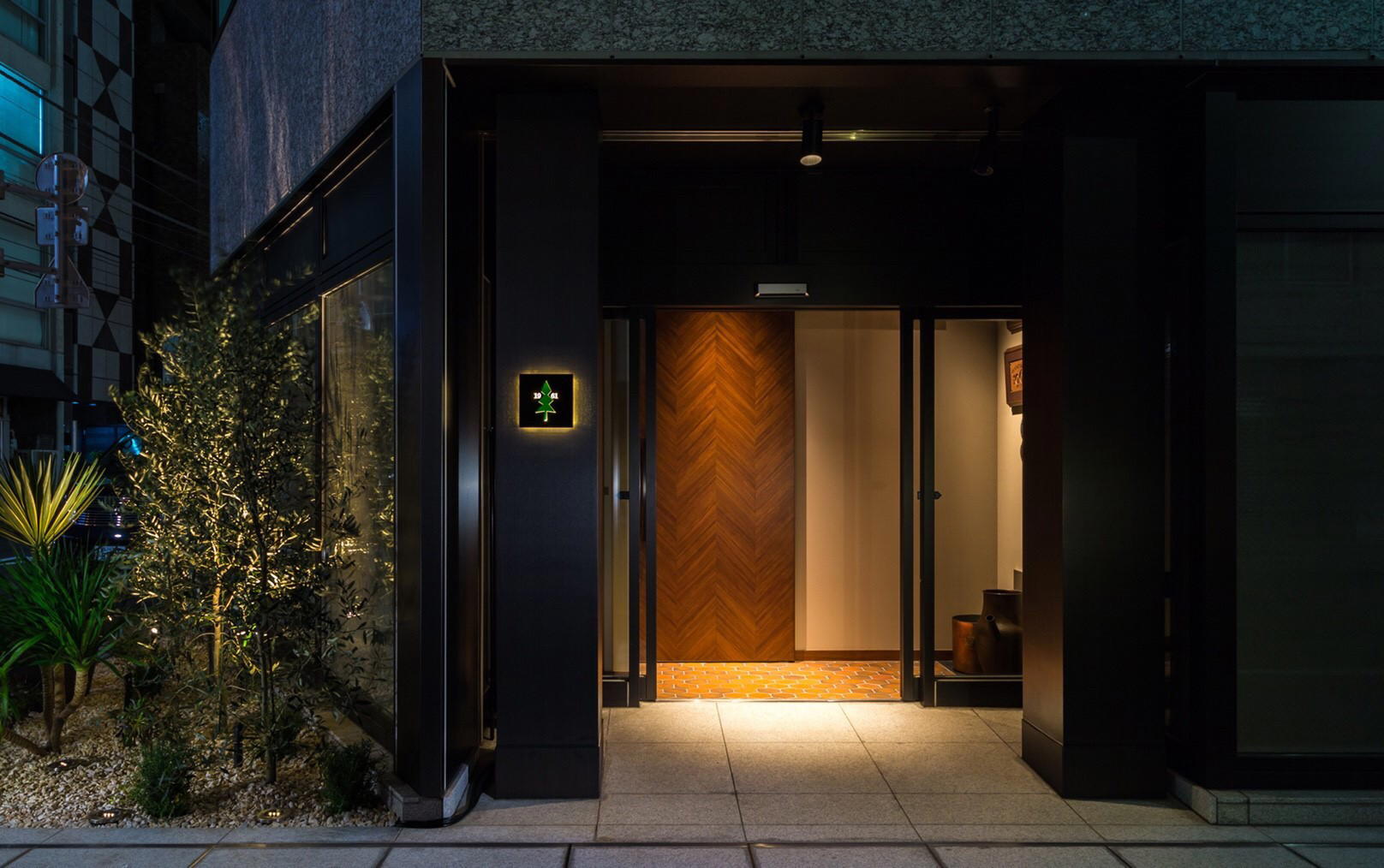
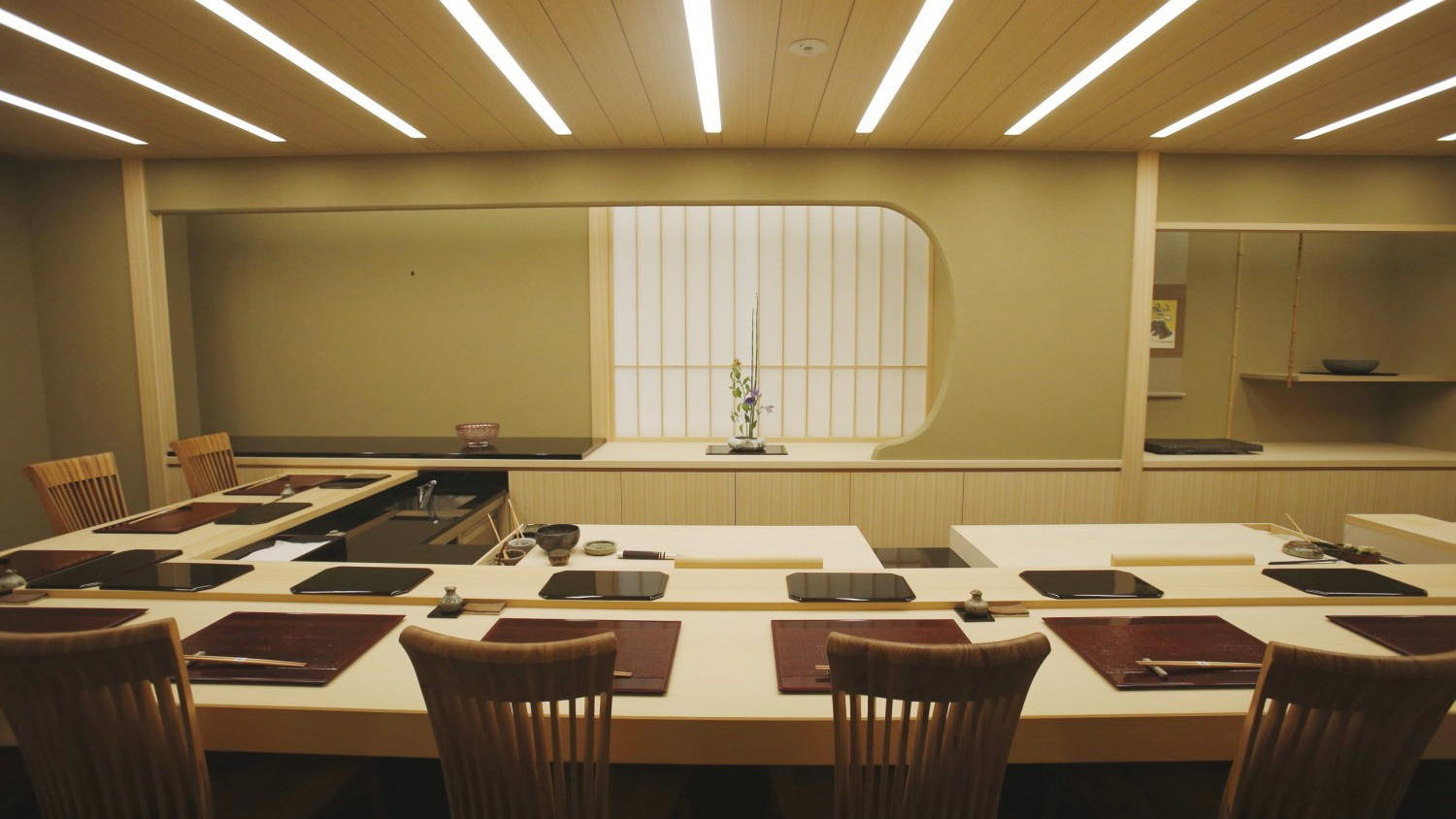
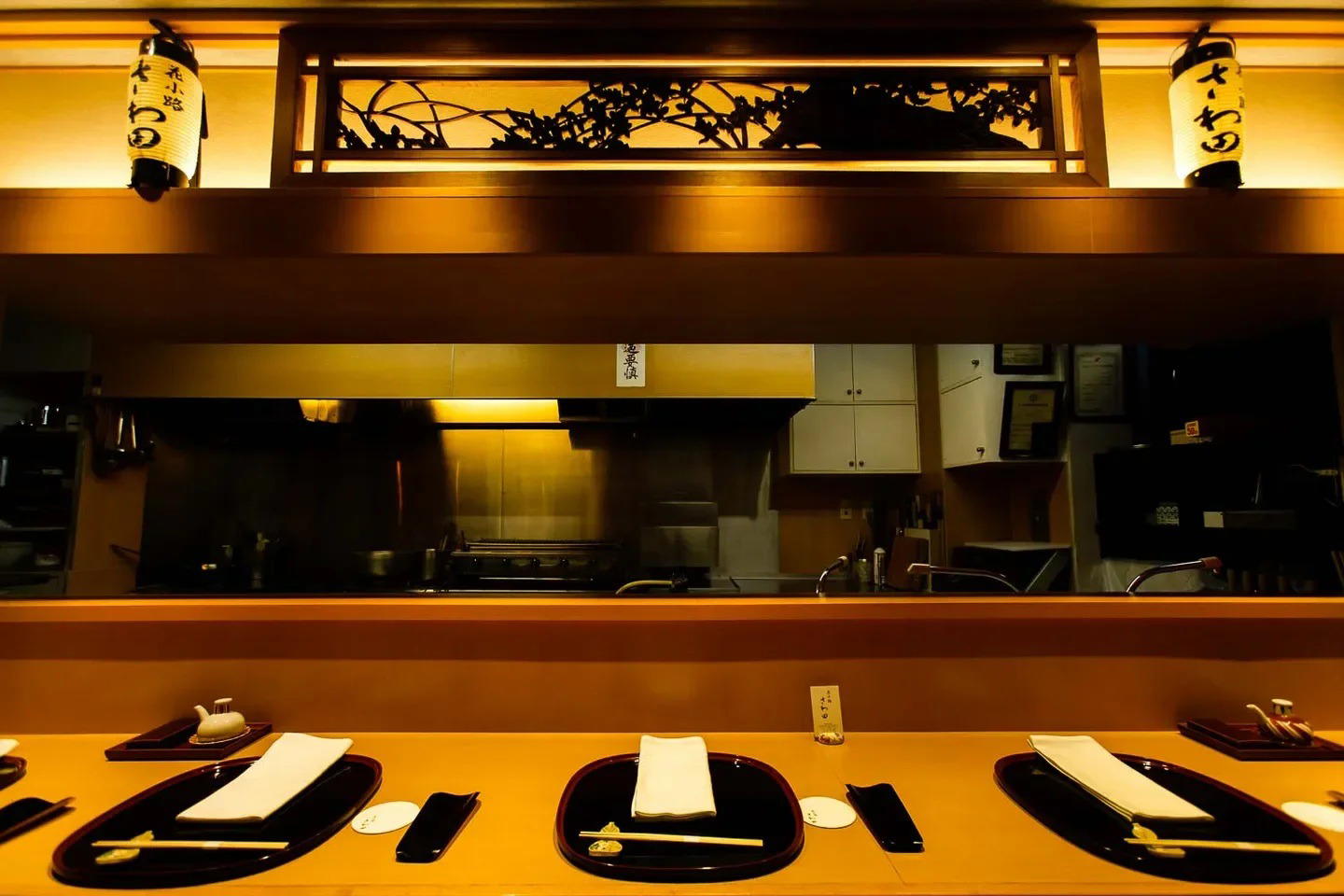
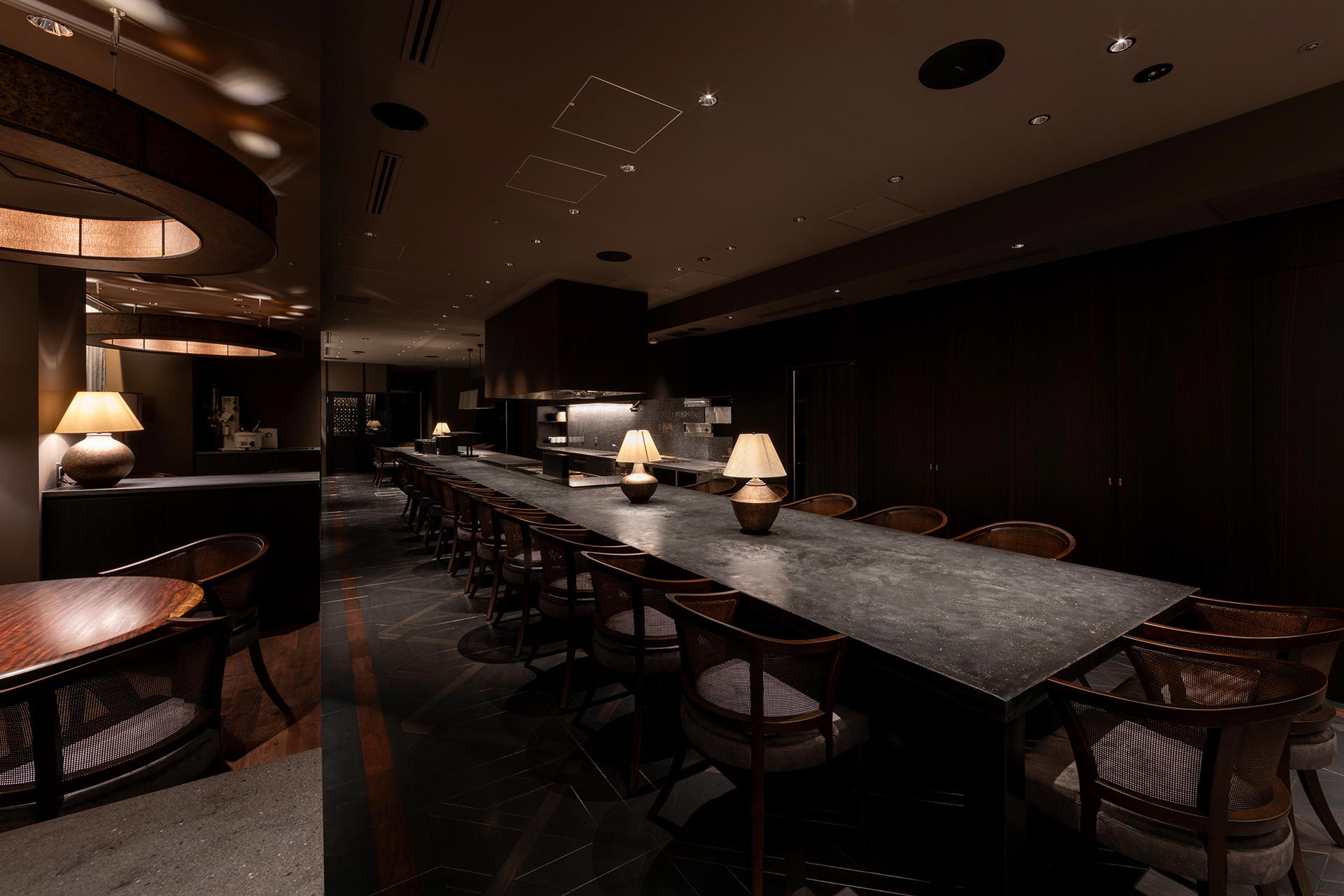
The room sets the terms before the first piece arrives: counter seating, few places, and the quiet concentration of serious Tokyo sushi culture. At this level, the meal is built not around abundance but order, restraint, and the cumulative logic of a multi-course progression closer to kaiseki than casual sushi grazing.
Sugita sits in the Tokyo category where Edo-mae technique is judged through details easy to miss and hard to fake: fish handling, the rhythm between prepared dishes and nigiri, rice temperature against seafood, and the confidence to keep the room spare. The public signals are unusually strong. Nihonbashi Kakigaracho Sugita holds The Tabelog Award 2026 Gold, carries a Tabelog score of 4.68, and appears in Opinionated About Dining’s 2026 Top Restaurants in Japan Ranked list at number 4. In a city where sushi counters can trade on mystique, that combination gives the restaurant a measurable place in the conversation.
Edo-mae sushi read through a kaiseki lens
Tokyo’s high-end sushi tradition is often described through counter vocabulary: tuna, shellfish, vinegar, rice, knife work. Accurate, but incomplete. The strongest meals also borrow kaiseki grammar, where sequence matters as much as individual pieces. Courses create a controlled arc; the diner follows pacing, proportion, and seasonal emphasis rather than chasing one headline dish.
That is the useful frame for Sugita. The category is sushi, not kaiseki, but the aesthetic principles overlap: economy, seasonality, repetition with variation, and refusal to make the meal louder than necessary. Tabelog places the cooking squarely in Edo-style sushi, with attention to tradition and evolving craftsmanship. The restaurant’s own category signals reinforce that view: sushi, fish focus, and a drinks program oriented toward sake and shochu rather than broad luxury-cellar performance.
This is why the recognition carries weight inside Tokyo, not just outside it. The Tabelog Award Gold run from 2017 through 2026, plus selection for Tabelog Sushi TOKYO 100 in 2021, 2022, and 2025, points to consistency in a local rating culture that rewards repeat diners and fine distinctions. OAD’s Japan ranking gives an international-facing signal, but Japanese platforms explain the domestic standing more clearly.
Chef Takaaki Sugita’s name matters as a credential, not a biographical centerpiece. Tokyo sushi at this tier is chef-led because the counter makes authorship visible in real time. Still, the better reading is not personality-first: this is a restaurant working within a demanding tradition where technique is judged against a narrow band of elite expectations.
The counter format rewards attention, not spectacle
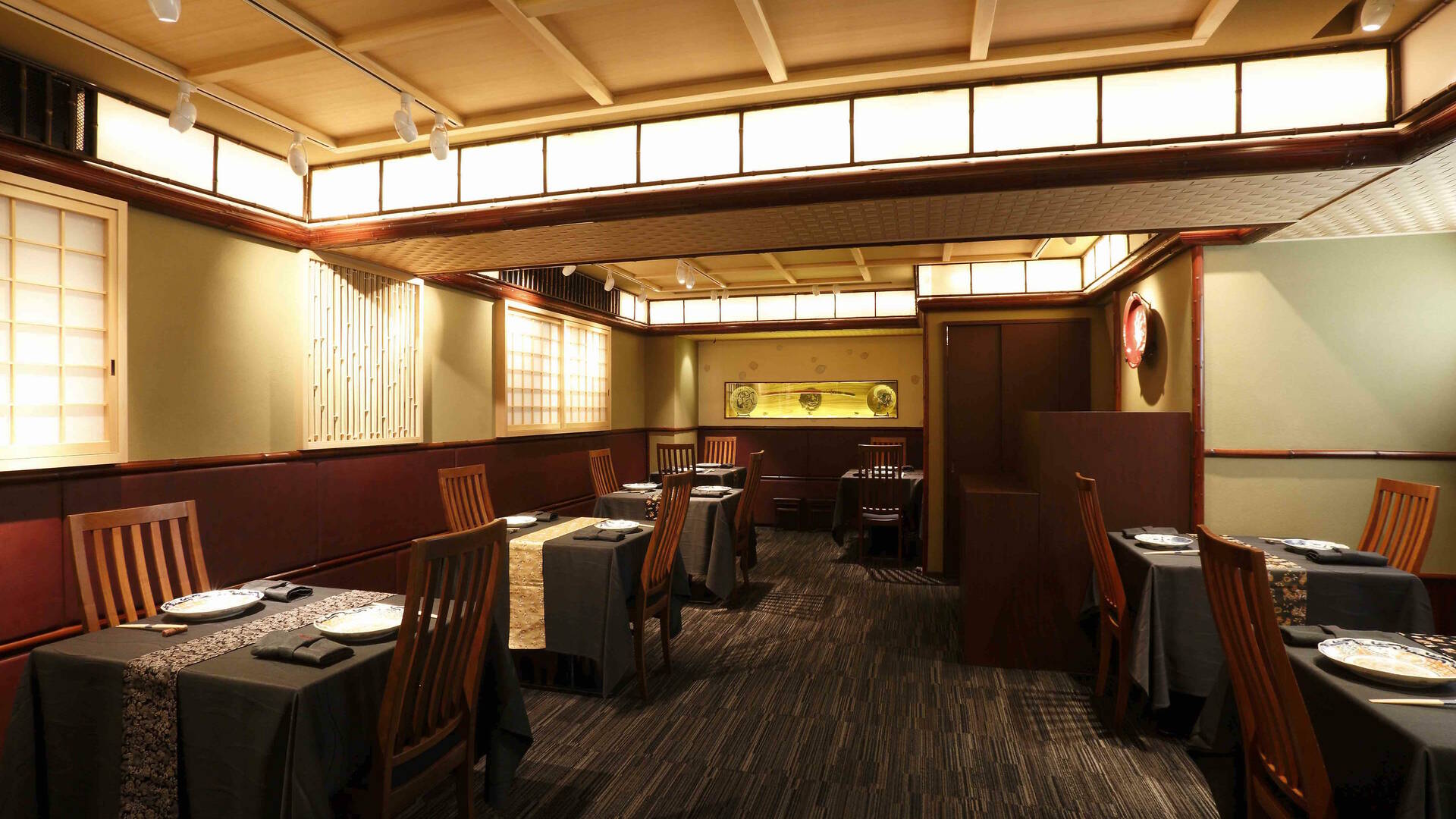
Nine seats put Sugita in the intimate end of Tokyo’s serious sushi spectrum. That scale makes service a tightly managed progression rather than restaurant-floor performance; the counter becomes the stage without theatricality. Private rooms are available for small parties, but the essential grammar remains counter-led.
Pricing places it firmly in the upper sushi bracket. Tabelog lists lunch and dinner budgets at JPY 40,000 to JPY 49,999, with review-based spending in the JPY 60,000 to JPY 79,999 range. The gap matters: listed budget can describe the base experience, while actual spend reflects drinks, service, and how a reservation-only meal unfolds. A 10 percent service charge is also listed, so read the final bill with that structure in mind.
Reservation-only dining is not cosmetic in Tokyo; it defines access and shapes the clientele. A Sugita Tokyo reservation belongs with other small, chef-led counters: dates are trip architecture, not a casual post-arrival decision. The restaurant accepts credit cards, while electronic money and QR code payments are not accepted, a practical reminder that Japan’s high-end dining rooms can be precise in ways that surprise visitors used to universal digital payment.
Location also shapes the cultural reading. Nihonbashi and nearby districts carry an older commercial Tokyo identity than the hotel-heavy west side or Roppongi’s nightlife density. For sushi, that context matters. Edo-mae cuisine was born from Tokyo Bay preservation methods, vinegared rice, cured fish, and fast service adapted to urban life. The modern premium counter is slower and more expensive, but the discipline still draws authority from that history.
How to place it inside a Tokyo dining itinerary
For visitors building a Tokyo food itinerary, Sugita is not a first lesson in sushi. It is better after the diner knows the basic counter rhythm and wants to see how far restraint can go without becoming austere. The value is calibration: how a small room, fixed sequence, and chef-led format make minor adjustments feel consequential.
The awards profile supports that position. La Liste assigns Sugita 98 points in 2026, while Tabelog’s 4.68 score and Gold status place it among Japanese dining rooms serious local users revisit, rate, and scrutinize. Those numbers do not guarantee a personal reaction, but they show the restaurant competes in a severe tier where reputation must survive repeated comparison.
Travelers mapping a wider Tokyo stay can use the city by category rather than checklist. For restaurants beyond sushi, start with Our full Tokyo restaurants guide. For hotels, Our full Tokyo hotels guide is the cleaner planning layer, while drinking routes sit in Our full Tokyo bars guide. The broader city file also includes Our full Tokyo wineries guide and Our full Tokyo experiences guide for days needing more than restaurants.
Within the restaurant archive, Tokyo’s range is visible in addresses far from this sushi idiom: 鮪と炭火焼き うお炭 秋葉原店, 12/10 Shinjuku ten, 124. KAGURAZAKA (Yakitori), 2D Cafe, and 3 Chome no Curry Ya San. Outside the capital, the same archive shows Japanese dining identity shifting by region and format, from -Grilled beef Sukiyaki- KAMAKURA TANUKIAN 鎌倉 たぬき庵 in Kamakura to.cafe in Osaka.know in Kumamoto, (Shoku) Vietnam in Kawasaki, [Curry Senmon Ten] Maruyama Kyoju. in Sapporo, and [ki:] in Kyoto. For a transpacific sake-and-Japanese-food thread, see Jōdo Saké Bar in Los Angeles and Onigiri Time in Pasadena.
The final judgment is simple: Sugita is for diners who care about the architecture of a sushi meal, not just prestige signals. The room is small, the format disciplined, and the external recognition strong enough to make the reservation a central Tokyo dining commitment. For a loud or lavish night, the city has easier answers. For Edo-mae technique filtered through the quiet logic of seasonal sequence, this is a serious address.
Recognition, Side-by-Side
Comparable venues nearby, for context on price, style, and recognition.
| Venue | Cuisine | Price | Awards | Notes |
|---|---|---|---|---|
| SugitaThis venue — the venue you are viewing | Edomae Sushi Omakase | $$$$ | Bib Gourmand | Not listed |
| Sanosushi | Traditional Edomae Omakase | $$$$ | Michelin 1 Star | Minato |
| Oryori Tsuji | Traditional Kaiseki | $$$$ | Michelin 1 Star | Minato |
| Tanimoto | Michelin-Starred Kaiseki | $$$$ | Michelin 1 Star | Shinjuku |
| Okamoto | Seasonal Kaiseki | $$$$ | Michelin 1 Star | Minato |
| Edomae Shinsaku | Modern Edo-style Tempura | $$$$ | Michelin 1 Star | Chūō |
Recognition history
Dated appearances from independent guides and award organizations, with the underlying list record or original source where available.
La Liste Top Restaurants
La Liste
Michelin Bib Gourmand
Michelin
Opinionated About Dining Top Restaurants in Japan Ranked #4
Opinionated About Dining
Tabelog Chef's Gold #12
Tabelog
La Liste Top Restaurants
La Liste
Opinionated About Dining Top Restaurants in Japan Ranked #10
Opinionated About Dining
Tabelog 100 #22 · No. 22
Tabelog · Tabelog 100 - Sushi - TOKYO - 2025
World's Best Steaks 101 Best Steak Restaurants #98
World's Best Steaks
Michelin Bib Gourmand
Michelin
Opinionated About Dining Top Restaurants in Japan Ranked #9
Opinionated About Dining
Opinionated About Dining Top Restaurants in Japan Ranked #9
Opinionated About Dining



At a Glance
- Elegant
- Intimate
- Sophisticated
- Classic
- Special Occasion
- Date Night
- Business Dinner
- Chefs Counter
- Sake Program
Current opening hours
- Monday
- 5–10 PM
- Tuesday
- 5–10 PM
- Wednesday
- 5–10 PM
- Thursday
- 5–10 PM
- Friday
- 5–10 PM
- Saturday
- 5–10 PM
- Sunday
- Closed
Hours can change for holidays and private events. Last verified .
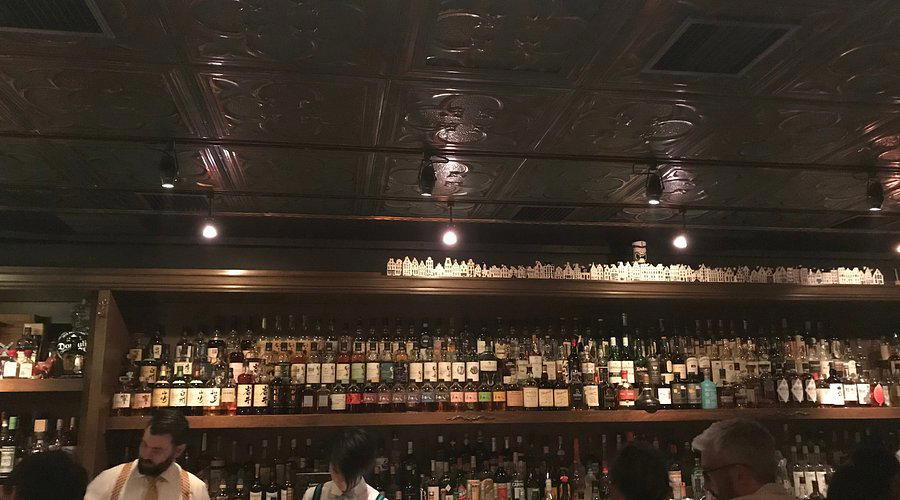
Clean, minimalist counter seating with a calm, tense yet cozy atmosphere focused on the chef's craftsmanship.