

1 Michelin Key · Forbes 4-Star
A 57-room boutique hotel occupying floors within Pacific Century Place, Four Seasons Hotel Tokyo at Marunouchi holds a Michelin 1 Key (2024) and delivers a composed, minimal aesthetic steps from Tokyo Station. Closed through March 2026 for renovations, it sits at the quieter, more intimate end of central Tokyo luxury, with direct underground access to both Marunouchi and Ginza.

Pearl is the En Primeur Club membership app, where members save venues, book tables and use the concierge.
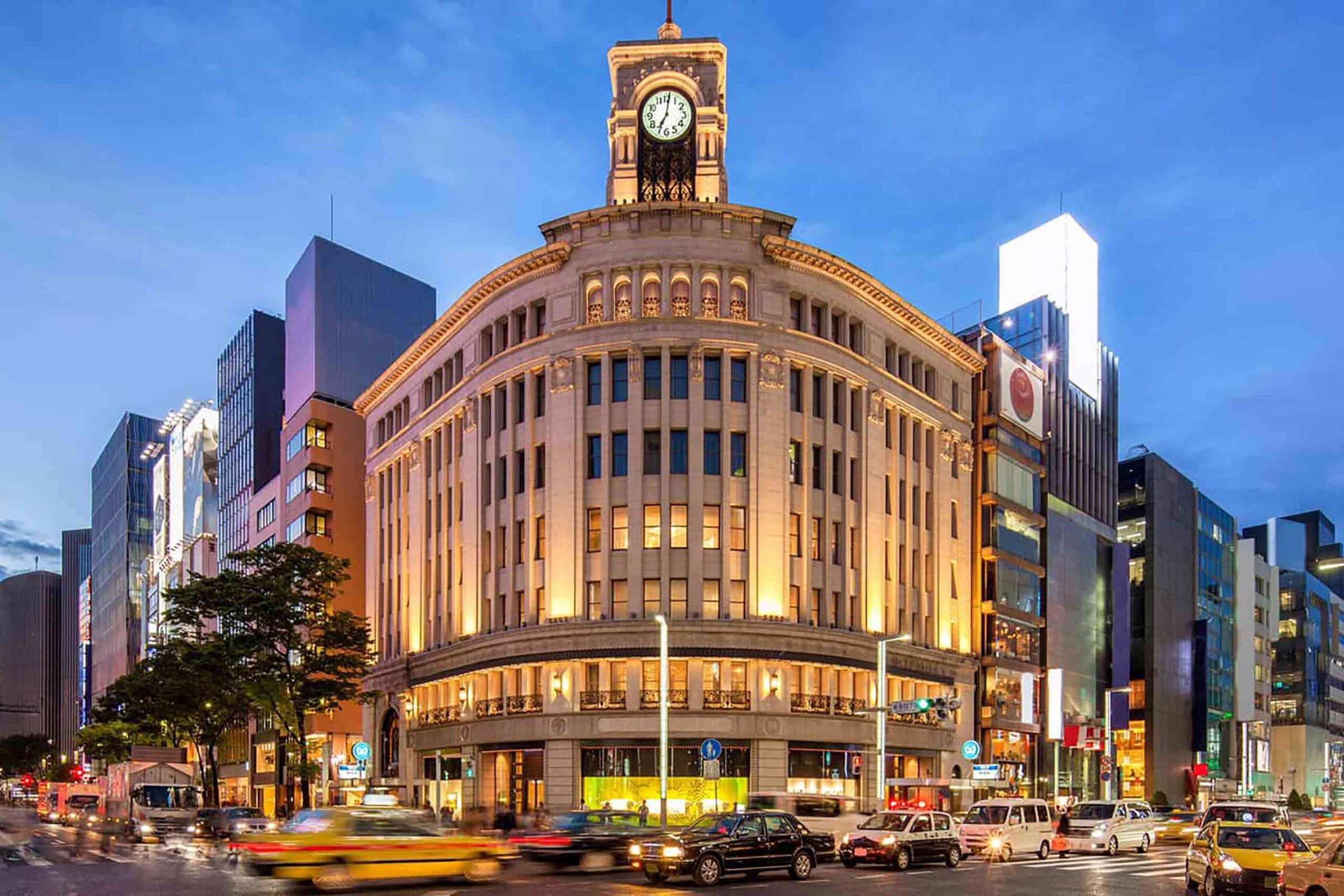
Arrival: Marunouchi and the Question of Scale
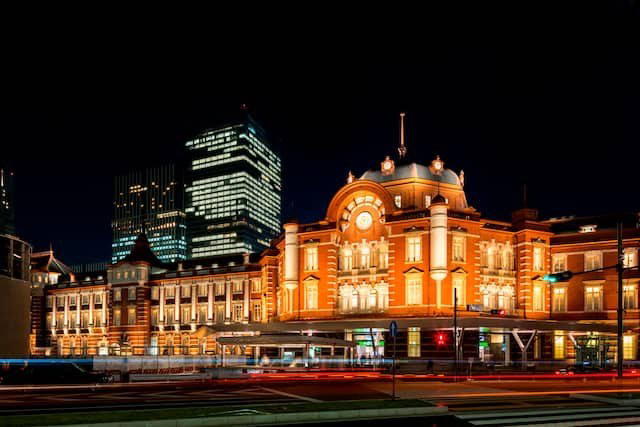
Tokyo's central business district did not evolve organically. Marunouchi was largely rebuilt from the ground up around the turn of the millennium, producing a compact grid of glass towers and corporate plazas pressed against the western flank of the Imperial Palace and within a few hundred metres of Ginza. The commercial logic was deliberate: create a financial and retail district dense enough to rival any in Asia, then anchor it to one of the world's busiest rail hubs. Tokyo Station sits at the district's core, and the Narita Express stops there, which means the gap between aircraft and hotel room can be measured in minutes rather than hours.
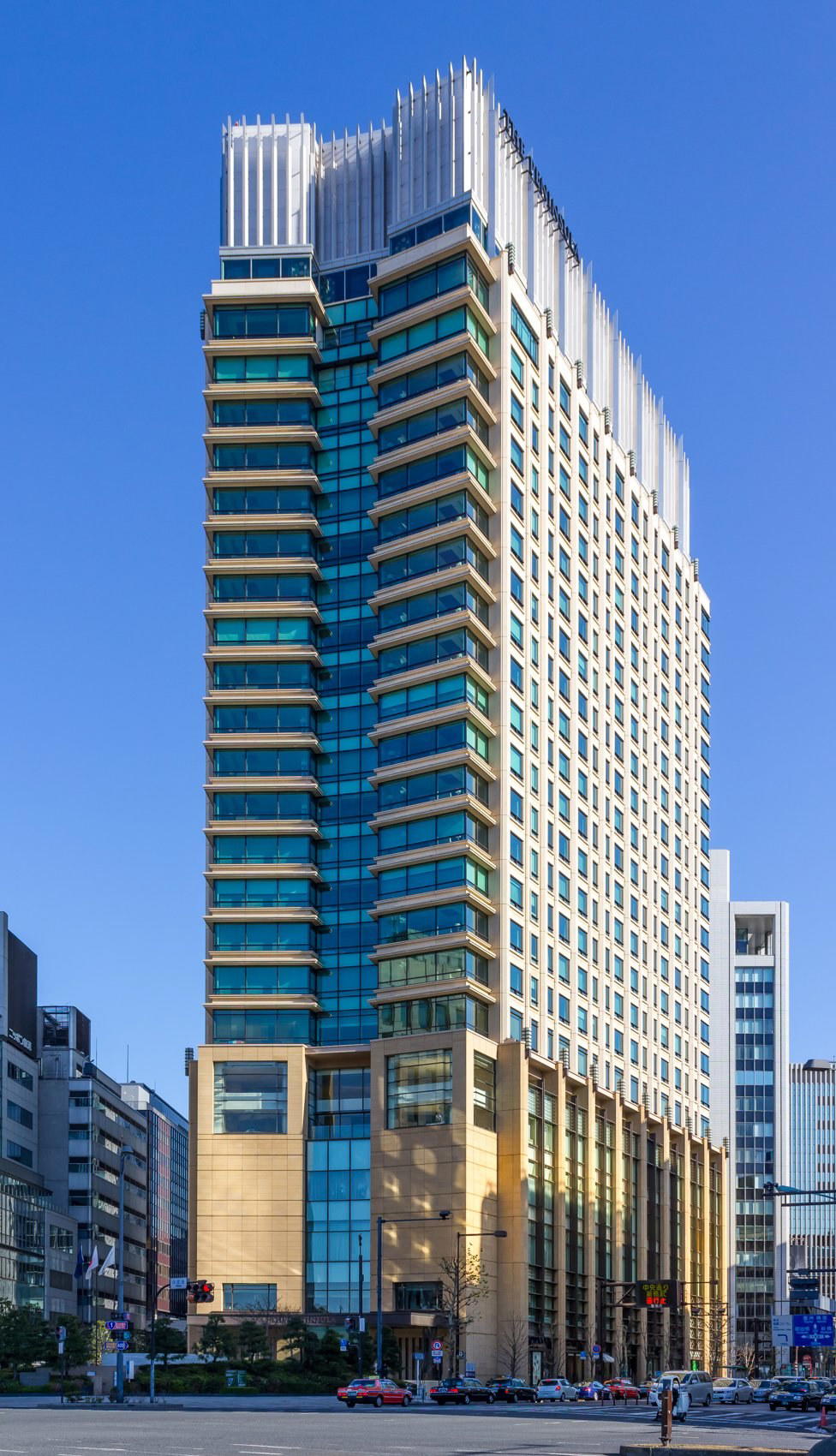
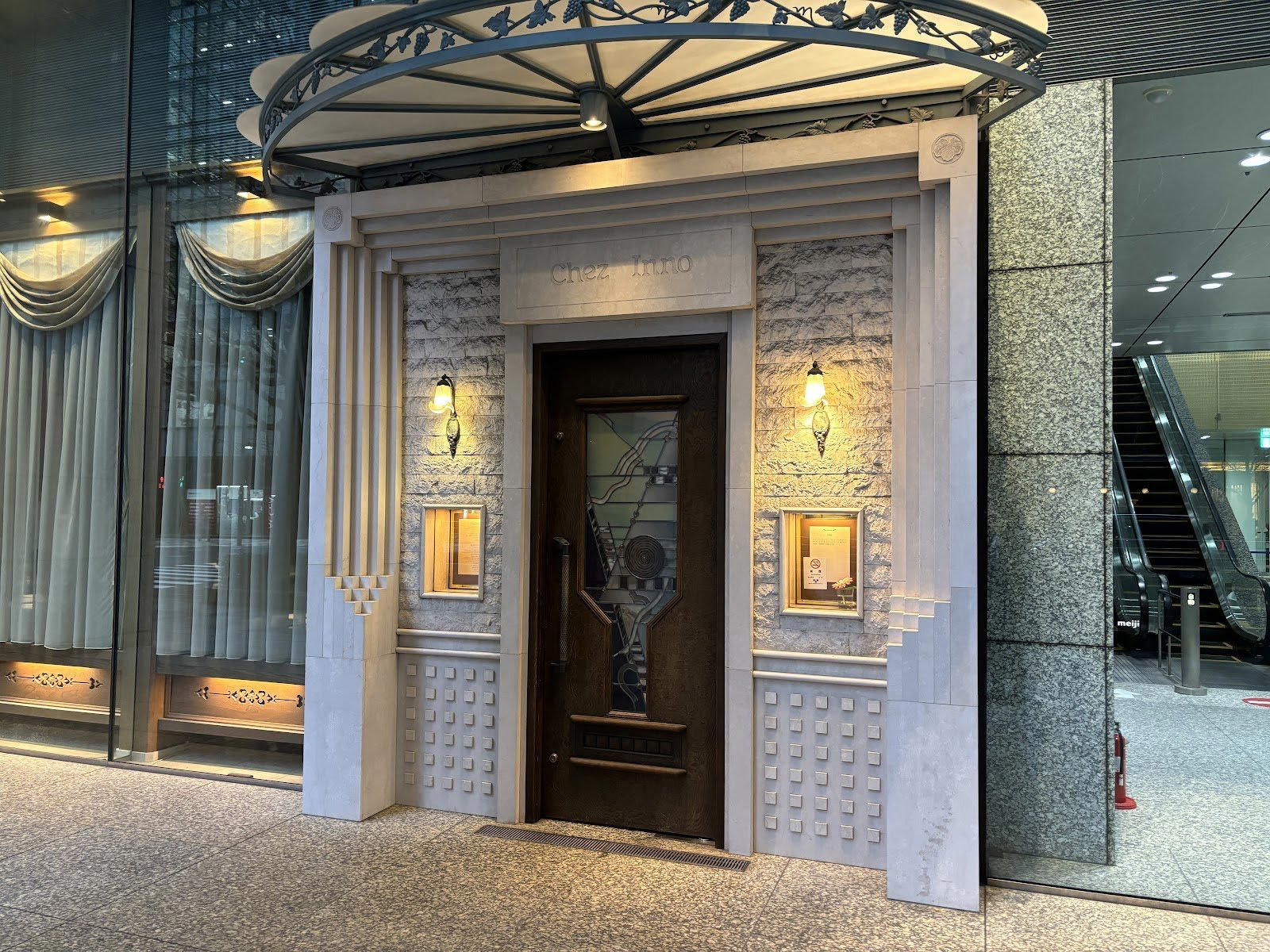
Luxury hotels in this part of Tokyo face a particular editorial question: how much visual weight do you deploy in a neighbourhood that already operates at full spectacle? The answer the Four Seasons Hotel Tokyo at Marunouchi settled on, before its current renovation closure, is restraint. The property occupies floors within Pacific Century Place rather than commanding its own standalone building, and that embedded, almost discreet position shapes everything about how the hotel reads. Guests enter either through the building's main lobby alongside office workers and business visitors, or via a separate entrance around the corner for taxi arrivals. The lack of a sweeping porte-cochere is a statement of intent rather than an oversight.
Note that the hotel is closed through March 2026 for renovations. The information here reflects its pre-closure character and what guests should expect when it reopens.
The Interior Register: Dark Walls, Quiet Rooms
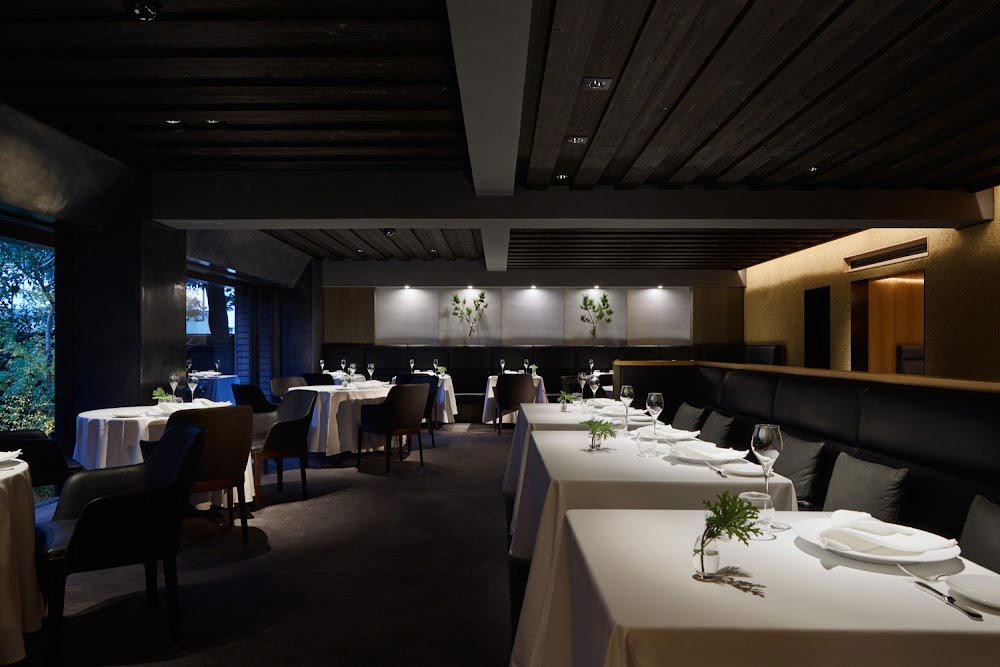
Inside, the aesthetic leans on black lacquered walls and subdued carpeting, a palette that reads more like a considered residential interior than a hotel lobby. Occasional art pieces, including photographs and installations with references to African art traditions, break the monochrome without disrupting the calm. The public areas do not try to perform grandeur. That decision separates the Marunouchi property from the more voluminous expressions of luxury found at properties like Aman Tokyo, which occupies a dramatic high-rise position in Otemachi with ceiling heights that dwarf most Tokyo lobbies, or the material opulence of Bvlgari Hotel Tokyo.
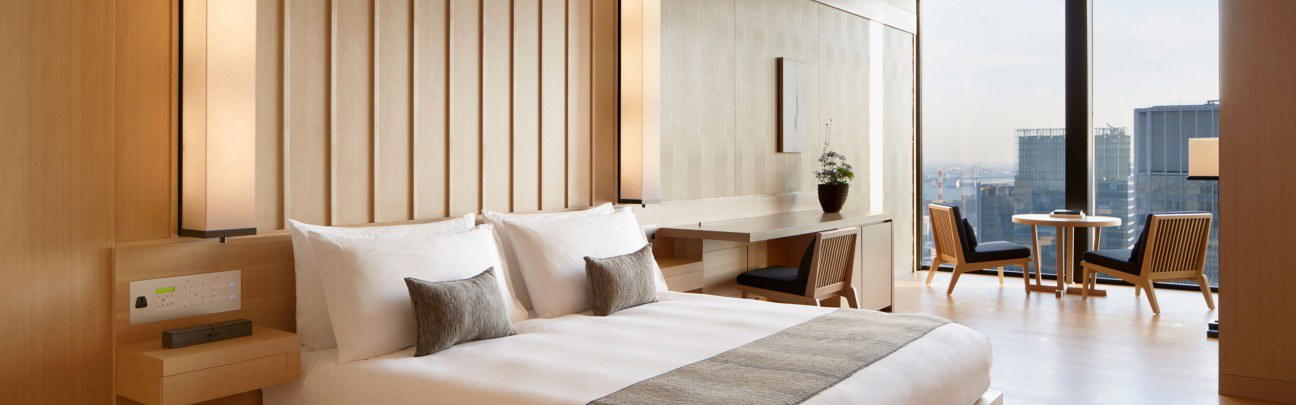
The 57 rooms carry the same logic. Triple-glazed floor-to-ceiling windows reveal the city below while eliminating its noise almost entirely. The decor uses neutral tones with restrained Asian references in soft furnishings, king beds with generous proportions, and bathrooms equipped with powerful showerheads and soaking baths. With only 57 keys, the property allocates more square footage per guest than most Tokyo hotels at this price point, which in a city where space is priced acutely amounts to a genuine differentiator. The in-room entertainment system runs to a 46-inch 3D television with Blu-ray, Bluetooth, and surround sound, and well-appointed work desks with free Wi-Fi reflect the corporate base that Marunouchi draws. Business amenities including conference phones, printers, and fax machines are available on request.
How the Marunouchi Property Sits Within the Four Seasons Tokyo Pair
Four Seasons operates two properties in central Tokyo, and understanding how they differ matters for booking decisions. The Four Seasons Hotel Tokyo at Otemachi is the larger, higher-profile address: a tower hotel with expansive public spaces, multiple dining concepts, and a position at the grander end of the brand's Tokyo presence. The Marunouchi property functions differently. Its 57 rooms, compact spa, and embedded building position make it the boutique expression of the brand in this market, with a character closer to a private club hotel than a full-service urban tower.
The Michelin Keys programme evaluates hotels rather than restaurants, and a single Key indicates a property that meets the guide's standards for exceptional hospitality. Nearby addresses that operate in overlapping territory include Palace Hotel Tokyo, which combines a prominent position near the Imperial Palace with a larger room count, and Andaz Tokyo in Toranomon, which draws a different demographic through its lifestyle positioning. JANU Tokyo and The Capitol Hotel Tokyu round out a competitive set where scale, aesthetic, and neighbourhood all influence the eventual choice.
Wellness, Access, and the Onsen Factor
For a 57-room hotel, the wellness provision is notable. The spa runs two treatment rooms, a sauna, jet showers, and separate changing facilities for men and women. More distinctly, the hotel offers an onsen, one of Japan's most culturally embedded bathing traditions, which few urban Tokyo properties at any price point manage to include. The onsen is typically a communal facility, though staff can arrange private use for guests who prefer it. The fitness centre is open around the clock, fitted with dark hardwood floors and floor-to-ceiling windows.
Location compounds the wellness argument in a different direction. Direct underground access to Tokyo Station means connectivity to the Shinkansen network, the Yamanote Line, and the Narita Express without surface-level transit. The Ginza district, Tokyo's densest concentration of high-end restaurants and retail, is reachable on foot or via the same underground passages. The dining options accessible from this corner of the city effectively extend the hotel's own food and beverage offering across one of the world's more concentrated restaurant neighbourhoods. For context on what that means in practice, see our full Tokyo restaurants guide.
Planning Around the Renovation Window
The hotel is closed through March 2026. Travellers with Tokyo plans before that date should look at alternatives within the central area or explore what Japan's broader luxury hotel scene offers. Within Tokyo, Bellustar Tokyo, A Pan Pacific Hotel represents a different aesthetic register, occupying a high-rise position in Shinjuku with panoramic city views. For those open to ryokan traditions alongside urban luxury, the contrast with properties like Gora Kadan in Hakone or Asaba in Izu illustrates how differently Japanese hospitality expresses itself outside the capital.
Further afield, HOTEL THE MITSUI KYOTO anchors the Kansai luxury tier with a heritage site position, while Amanemu in Mie takes the onsen resort concept to its most architecturally refined expression. For island escapes, Halekulani Okinawa and Jusandi in Ishigaki occupy separate ends of that market. Art-focused travellers might consider Benesse House in Naoshima, where the property and its Setouchi setting form a single curatorial proposition. Additional options with strong regional character include Zaborin in Kutchan, ENOWA Yufu in Yufu, Fufu Kawaguchiko in Fujikawaguchiko, Fufu Nikko in Nikko, Nishimuraya Honkan in Kinosaki-cho, and Sekitei in Hatsukaichi-shi. For international comparisons within the Four Seasons and Aman peer sets, Aman New York, The Fifth Avenue Hotel in New York City, and Aman Venice show how the boutique urban luxury model translates across different city contexts.
Price and Positioning
Comparable venues nearby, for context on price, style, and recognition.
| Venue | Price | Awards | Notes |
|---|---|---|---|
| Four Seasons Hotel Tokyo at MarunouchiThis venue (the venue you are viewing) | $750–1,000 | 1 Michelin Key · Forbes 4-Star | Not listed |
| Hotel New Otani Tokyo The Main | $200–300 | 1 Michelin Key · Forbes 4-Star | Chiyoda, Luxury heritage hotel blending traditional Japanese aesthetics with modern amenities, positioned as a premier destination for informed travelers seeking cultural immersion and urban convenience. |
| The Prince Gallery Tokyo Kioicho, a Luxury Collection Hotel | $500–750 | 1 Michelin Key · La Liste Top Hotels | Chiyoda, Contemporary luxury high-rise integrated into a mixed-use development with emphasis on modern design and panoramic urban views. |
| The Aoyama Grand Hotel | $1–100 | 1 Michelin Key · World Luxury Hotel Awards WLHA Country Winner | Minato, Mid-century modern boutique landmark |
| Mandarin Oriental Tokyo | $500–750 | 1 Michelin Key · La Liste Top Hotels | Chūō, Contemporary Japanese luxury with futuristic architectural design featuring floor-to-ceiling windows and minimalist elegance. |
| Fairmont Tokyo | Not listed | 1 Michelin Key · Virtuoso Luxury Hotel Partner | Minato, Contemporary luxury skyscraper hotel blending Japanese design with international flair |
Recognition history
Dated appearances from independent guides and award organizations, with the underlying list record or original source where available.
Michelin 1 Key
Michelin
Forbes 4-Star
Forbes
Full recognition history (5 entries)
Forbes 4-Star
Forbes
Michelin 1 Key
Michelin
Michelin 1 Key
Michelin
Continue exploring
More in Tokyo
Hotels in Tokyo
All hotels in Tokyo →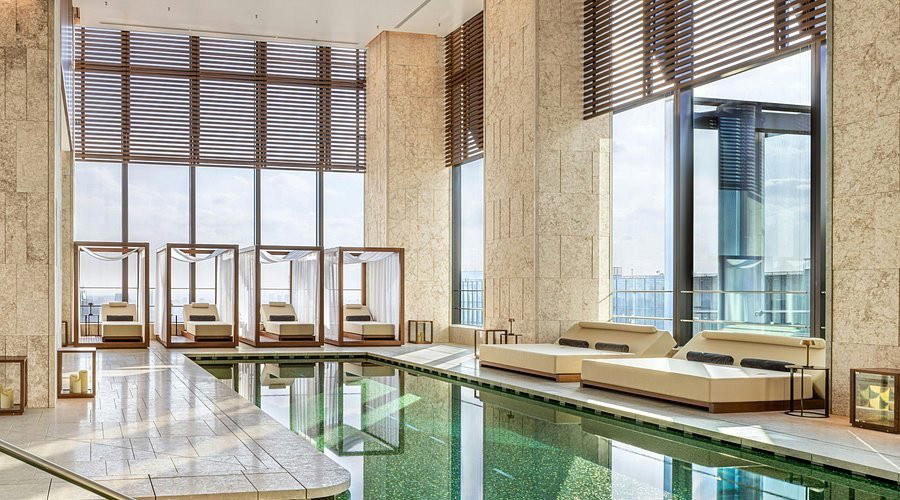





Details
- Elegant
- Sophisticated
- Modern
- Romantic
- Romantic Getaway
- Business Trip
- Anniversary
- Celebration
- Family Vacation
- Destination Spa
- Panoramic View
- Design Destination
- Private Dining
- Wi Fi
- Spa
- Fitness Center
- Room Service
- Concierge
- Business Center
- Valet Parking
- Restaurant
- Bar
- Skyline
- Street Scene
- Wheelchair Accessible
- Elevator
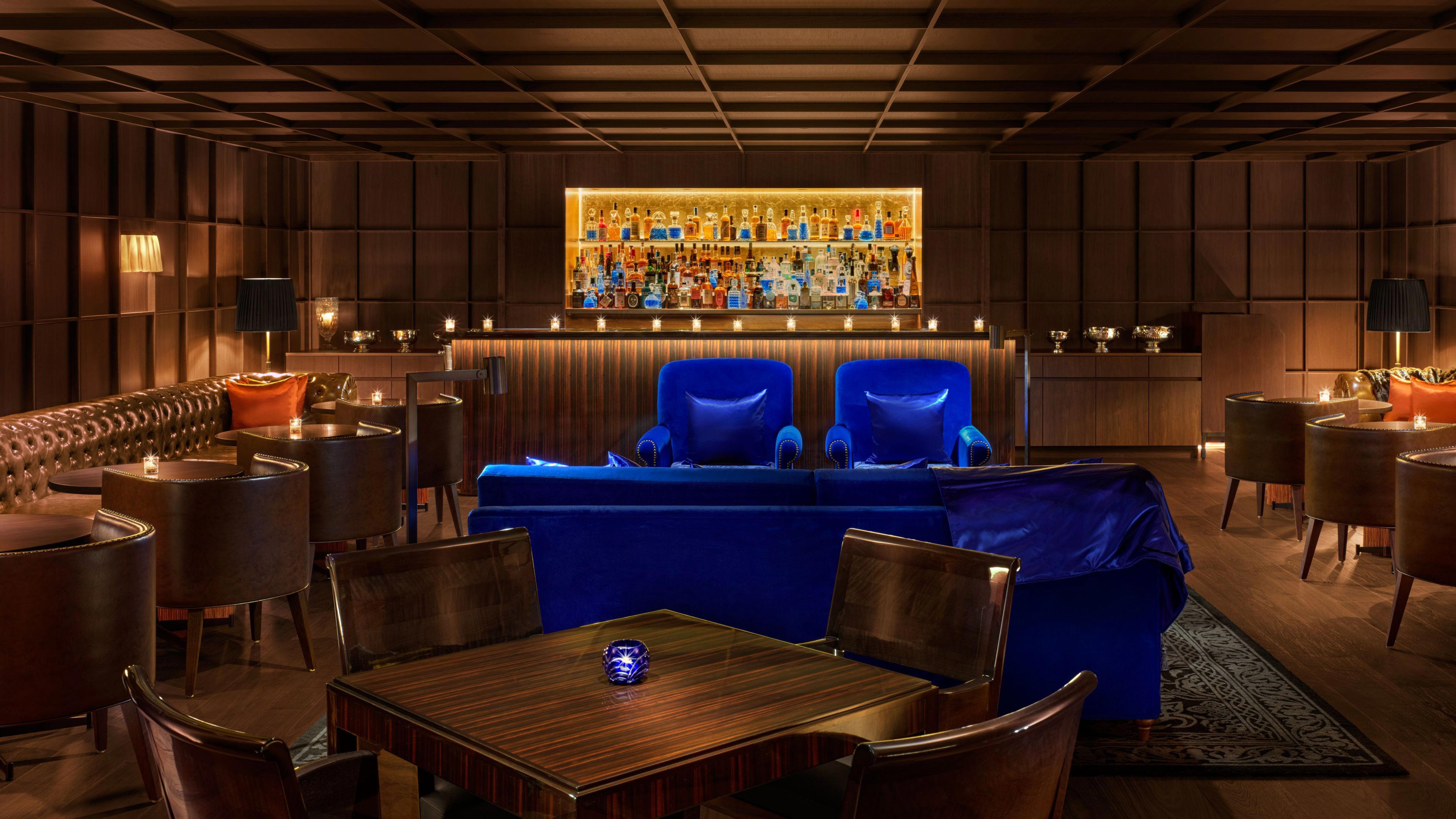
Contemporary elegance with natural sunlight, sophisticated design by architect André Fu, layered textures, and curated artworks creating a calm, refined retreat in the heart of Tokyo.