








Florilège sits at the intersection of French technique and Japanese seasonal thinking, operating from a single long communal table inside Azabudai Hills since late 2023. Chef Hiroyasu Kawate holds two Michelin stars and ranked 17th at Asia's 50 Best Restaurants in 2025. Dinner runs from ¥22,000 before service charge, with a plant-forward tasting menu and dedicated sommelier program.
Pearl is the En Primeur Club membership app — saves, bookings, and concierge access live there. Same editors, same standards.
- Address
- Japan, 〒105-0001 Tokyo, Minato City, Toranomon, 5 Chome−10−7 麻布台ヒルズ ガーデンプラザD 2F
- Phone
- +81 3-6435-8018
- Website
- aoyama-florilege.jp
- Directions
- Get directions
 Saves & bookings on Pearl
A Single Table, A Single Agenda
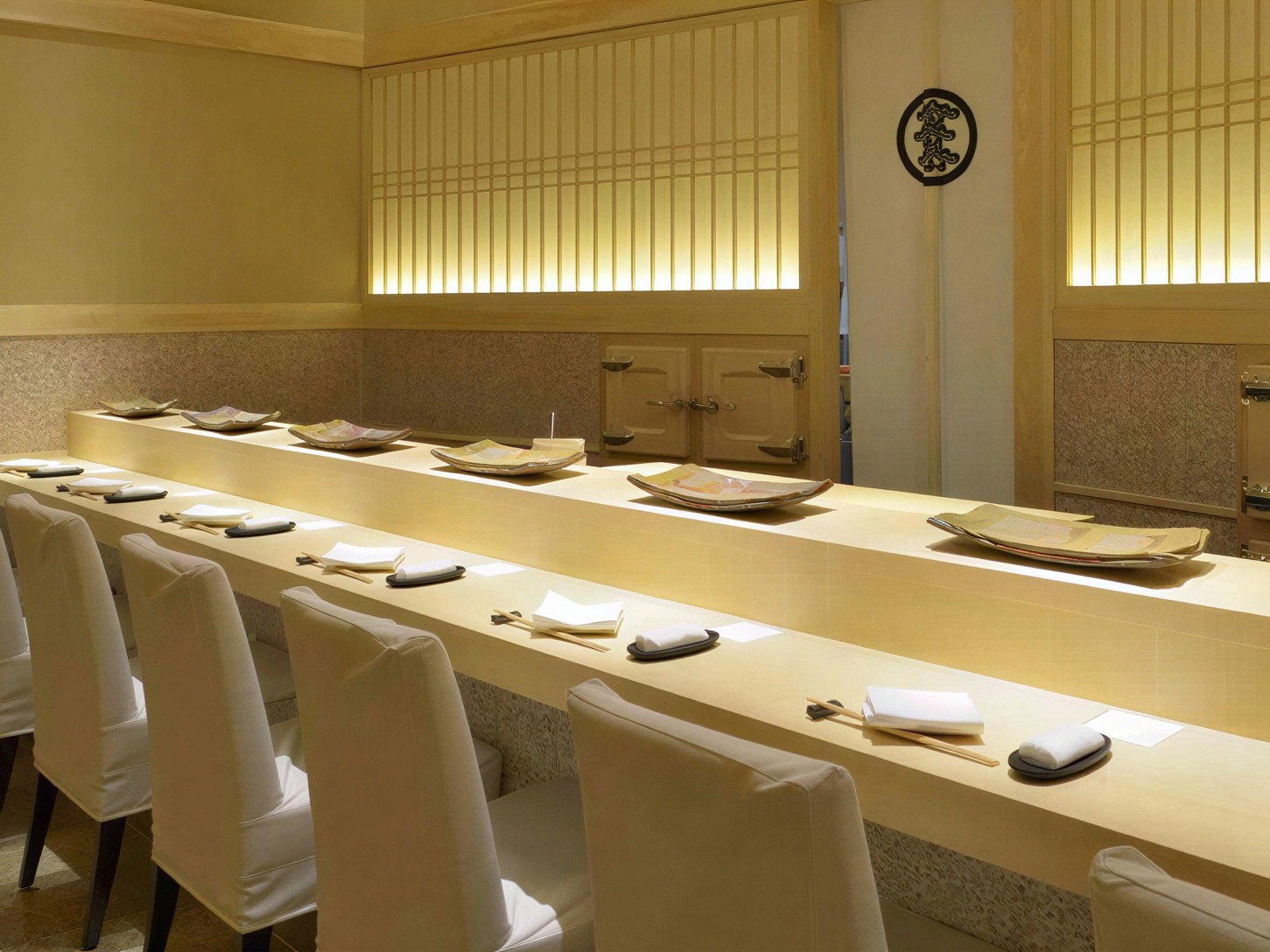
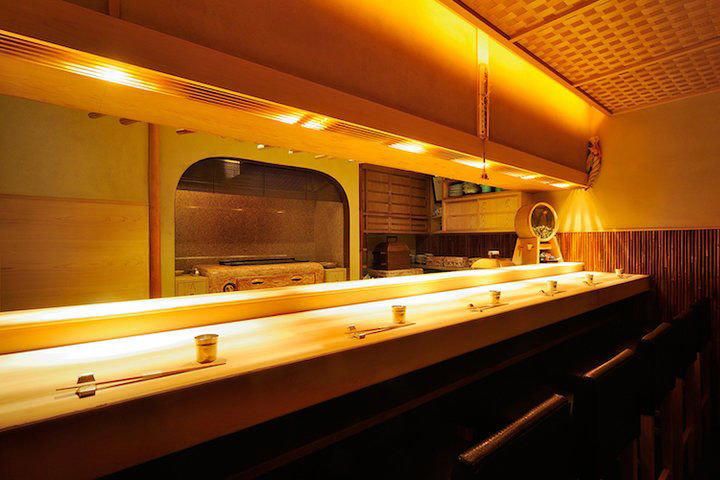
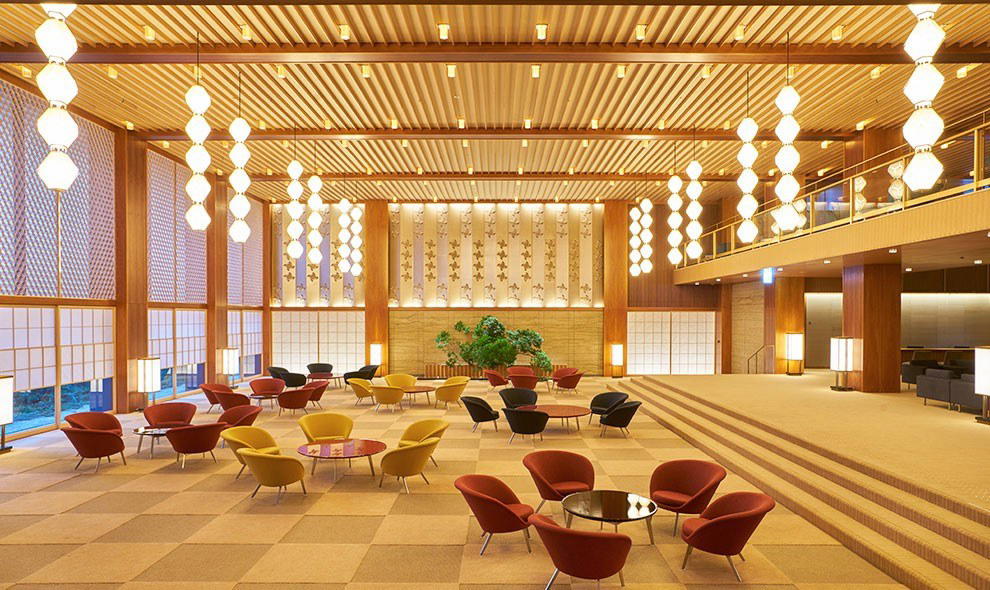
Walk into the second floor of Azabudai Hills Garden Plaza D and the room tells you something before a dish arrives. There is no maze of tables for two, no sectioned dining room, no separation between kitchen and guest. One long counter runs three sides of an open kitchen, and every seat faces the work. Ikebana arrangements mark the space with a visual rhythm that shifts across the meal. The architecture of the room is a statement of intent: this is communal dining structured around the act of watching food being made.
That format places Florilège in a specific tier of Tokyo's French restaurant scene, not the hushed, formally separated rooms of Château Restaurant Joël Robuchon or L'OSIER, but a more theatrically transparent model where the kitchen performance is part of what you pay for. The relocation from Aoyama to Azabudai Hills in November 2023 gave that model a larger, more architecturally deliberate stage.
What You Get for What You Pay
At ¥22,000 for dinner (including tax, service charge excluded) and ¥11,000 for lunch, Florilège sits a bracket below the ¥¥¥¥ tier occupied by L'Effervescence, ESqUISSE, or comparable two-star French addresses in Tokyo. Review data places actual spend closer to ¥30,000–¥39,999 at dinner once wine and service are factored in, which is worth accounting for at reservation. But measured against what the listed price buys, two Michelin stars awarded in 2018 and maintained since, a ranking of 21st on the World's 50 Best Restaurants in 2024 and 17th at Asia's 50 Best in 2025, a La Liste score of 92 points in 2026, and a Tabelog score of 4.20 with 2026 Bronze recognition, the entry price is positioned deliberately accessibly for its award tier.
That positioning is a considered choice in a city where two-star French addresses commonly price from ¥30,000 upward before wine. Lunch becomes the sharper option for value-conscious visitors: the same kitchen, the same counter, the same format, at half the dinner rate. The course fee is charged at the time of online reservation; payment on the day is for drinks only, which also means your evening's remaining decisions are purely about the wine list.
A dedicated sommelier is available, and the program is described as wine-focused. VISA and AMEX are accepted; electronic money and QR code payments are not. A service charge applies separately to all course prices.
The Format and Its Logic
Tokyo's high-end French restaurants have diversified considerably over the past decade. The white-tablecloth tradition represented by the city's older Michelin-decorated addresses has been joined by a second wave of chefs who trained in France or under French-trained mentors in Tokyo, then moved toward formats that integrate Japanese hospitality rhythms, seasonal produce sourcing, and, more recently, sustainability commitments into explicitly French technical frameworks.
Florilège sits firmly in that second wave. The tasting menu foregrounds plant-based ingredients alongside French technique, with vegetarian and vegan courses positioned as main meals rather than substitutions. The staff practice active communication about ingredient provenance as the meal progresses, a service model that reflects Japanese hospitality norms more than French fine dining convention. That combination, French structure with Japanese material and relational values, has made this a restaurant international guides reference when characterizing Tokyo's contemporary French scene.
The comparison worth making is not only to other Tokyo French addresses but to the broader category of chef-driven tables across Japan. HAJIME in Osaka and Gion Sasaki in Kyoto operate in overlapping territory of technique-led menus where the dining format itself carries meaning. Florilège's communal table is especially direct statement of that in Tokyo's French tier.
Awards in Context
The credential stack here is worth reading carefully rather than simply listing. Two Michelin stars, earned in 2018 and sustained through the restaurant's 2023 relocation, confirm consistent kitchen output across different physical contexts. A World's 50 Best ranking that moved from 39th in 2021 to 21st in 2024 before reaching 17th at Asia's 50 Best in 2025 indicates a trajectory rather than a one-cycle result. The 2023 Inedit Damm Chefs' Choice Award, voted by peers within Asia's 50 Best, adds a credential that guides rarely fabricate: chefs nominating other chefs tends to reflect something about professional standing in the broader peer community.
La Liste score of 92 points in 2026, down slightly from 93.5 in 2025, and the Opinionated About Dining ranking at 94th in Japan in 2025 (compared to 77th in 2024) place Florilège in a competitive band where small year-on-year movements are normal. The Tabelog 4.20 score reflects local critical standing alongside international recognition. For our full Tokyo restaurants guide, these multi-source rankings across both local and international platforms are particularly reliable indicators of sustained performance.
Chef and Lineage
Hiroyasu Kawate's training arc follows a pattern common to Tokyo's most internationally decorated French chefs: French experience abroad (Le Jardin des Sens in Montpellier), return to Tokyo under a rigorous mentor (Quintessence under Shuzo Kishida from 2007), then independent restaurant from 2009. That lineage, classical French foundation processed through the discipline of Tokyo's kitchen culture, is the same structure that produced a generation of chefs now holding multiple stars. Kawate's particular contribution has been to redirect the output of that training toward sustainability and plant-forward cooking without abandoning the technical precision that the training instilled.
The restaurant's extended network also signals how that position has developed. Den Kushi Flori, a joint project with Zaiyu Hasegawa of Den, reflects a cross-genre collaboration between two chefs whose restaurants occupy different categories of Tokyo's high-end dining scene. For those exploring the city's broader restaurant map, connections between Florilège's comparable set and venues like Sézanne reveal how Tokyo's leading French tier has developed a set of inter-linked creative relationships rather than operating in isolation.
Florilège in the Wider Japan Picture
Toranomon and Azabudai Hills represent a specific kind of contemporary Tokyo venue context: a large-scale development where serious restaurants have been placed alongside retail and hotel infrastructure, targeting both the international business community and domestic food-conscious diners. Florilège's move here in 2023 put it in the same development zone as other significant openings, consolidating rather than diminishing its standing as a destination restaurant.
For visitors planning a multi-city Japan itinerary, the comparison between Florilège and the French restaurants operating in other cities is instructive. akordu in Nara and Goh in Fukuoka each represent regional interpretations of technique-led dining outside Tokyo's concentration of starred addresses. 1000 in Yokohama and 6 in Okinawa operate at the outer edges of what Tokyo-centric food media covers. The international frame for contemporary Japanese-French crossover extends further, to Hotel de Ville Crissier in Switzerland and Les Amis in Singapore, where the same technical tradition produces markedly different results in different ingredient and cultural contexts.
Planning Your Visit
| Detail | Florilège | L'Effervescence (¥¥¥¥) | ESqUISSE (¥¥¥¥) |
|---|---|---|---|
| Price tier (dinner listed) | ¥22,000 (+ service charge) | ¥¥¥¥ tier | ¥¥¥¥ tier |
| Stars (Michelin 2025) | 2 | 2 | 2 |
| Format | Communal counter, open kitchen | Intimate room, separate tables | Intimate room, separate tables |
| Reservation policy | Reservation only; course pre-paid online | Reservation recommended | Reservation recommended |
| Nearest station | Kamiyacho (~199m) | Hiroo area | Ginza area |
| Private rooms | Unavailable (private hire available) | Available | Available |
| Payment | VISA, AMEX; no e-money or QR | Major cards | Major cards |
Operating hours run seven days a week: lunch 12:00 to 15:00 (last order 12:30) and dinner 18:00 to 22:00 (last order 18:30). The restaurant is reservation-only, and course fees are charged at the point of online booking rather than on arrival. Budget the actual spend at dinner closer to ¥30,000–¥39,999 once wine is included. Parking is not available on site. Kamiyacho station on the Hibiya Line is approximately 199 metres from the restaurant entrance. For broader context on the area's accommodation and bar options, see our full Tokyo hotels guide, our full Tokyo bars guide, our full Tokyo wineries guide, and our full Tokyo experiences guide.
Just the Basics
Comparable venues nearby, for context on price, style, and recognition.
| Venue | Cuisine | Price | Notes |
|---|---|---|---|
| FlorilègeThis venue — the venue you are viewing | French | $$$$ | Not listed |
| Harutaka | Chūō, Edo-Style Omakase Sushi | $$$$ | Not listed |
| MAZ | Not listed | $$$$ | Chiyoda, Innovative Peruvian-Japanese Fusion |
| Crony | Not listed | $$$$ | Minato, Modern French with Japanese Influences |
| L'Effervescence | Not listed | $$$$ | Minato, Modern French with Japanese Influences |
| Narisawa | Not listed | $$$$ | Minato, Modern Japanese Satoyama Fine Dining |
Recognition history
Dated appearances from independent guides and award organizations, with the underlying list record or original source where available.
Black Pearl 1 Diamond
Black Pearl
La Liste Top Restaurants
La Liste
Michelin 2 Stars
Michelin
Opinionated About Dining Top Restaurants in Japan Ranked #124
Opinionated About Dining
Tabelog Bronze #71
Tabelog
World's 50 Best Asia's Best Restaurants #31
World's 50 Best
Black Pearl 1 Diamond
Black Pearl
La Liste Top Restaurants
La Liste
Michelin 2 Stars
Michelin
Opinionated About Dining Top Restaurants in Japan Ranked #94
Opinionated About Dining
Tabelog 100 #68 · No. 68
Tabelog · Tabelog 100 - French - TOKYO - 2025
Tatler Listed in Best Restaurants Asia-Pacific
Tatler
The Best Chef Two Knives
The Best Chef
We're Smart World Top 100 #42
We're Smart World
We're Smart World 5 Radishes
We're Smart World
World's 50 Best Best Restaurants #36
World's 50 Best
World's 50 Best Asia's Best Restaurants #17
World's 50 Best
Michelin 2 Stars
Michelin
Opinionated About Dining Top Restaurants in Japan Ranked #77
Opinionated About Dining
World's 50 Best Best Restaurants #21
World's 50 Best
Opinionated About Dining Top Restaurants in Japan Ranked #64
Opinionated About Dining
World's 50 Best Best Restaurants #27
World's 50 Best
World's 50 Best Best Restaurants #30
World's 50 Best
World's 50 Best Best Restaurants #39
World's 50 Best










At a Glance
- Sophisticated
- Elegant
- Modern
- Intimate
- Special Occasion
- Date Night
- Open Kitchen
- Chefs Counter
- Extensive Wine List
- Sake Program
- Local Sourcing
- Zero Waste
Current opening hours
- Monday
- Closed
- Tuesday
- 6–6:30 PM
- Wednesday
- 12–12:30 PM, 6–6:30 PM
- Thursday
- 12–12:30 PM, 6–6:30 PM
- Friday
- 12–12:30 PM, 6–6:30 PM
- Saturday
- 12–12:30 PM, 6–6:30 PM
- Sunday
- 12–12:30 PM
Hours can change for holidays and private events. Last verified .
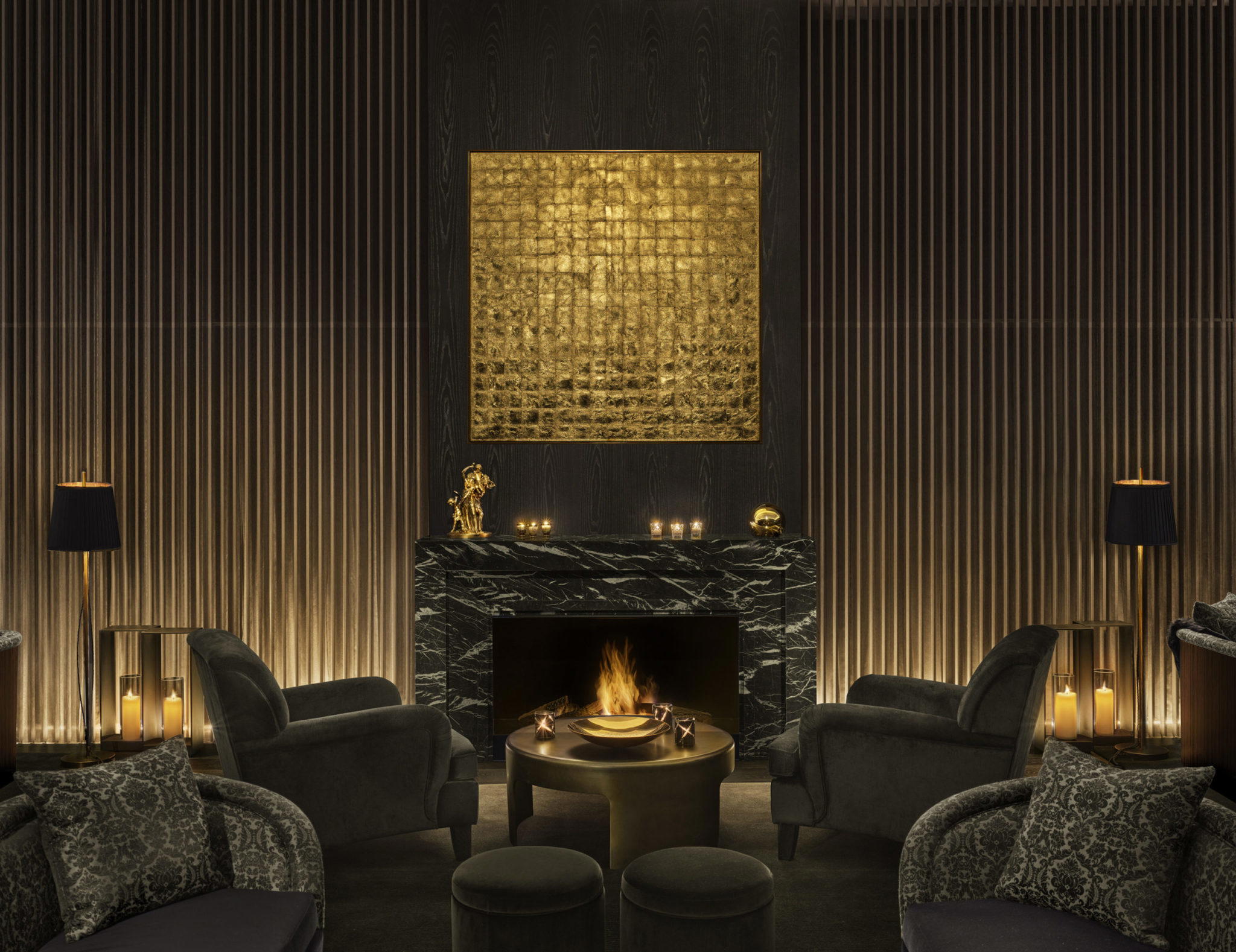
Sophisticated detached house design with warm theatrical elements, open kitchen, and communal table fostering interactive educational dining experiences.