Miyamasou is a remote ryokan-style retreat in the forested hills of Sakyo Ward, far north of central Kyoto, where kaiseki dining and immersive mountain surroundings define the stay. The property belongs to a tradition of deep-countryside Japanese hospitality that prioritises deliberate withdrawal over urban convenience. For travellers who equate distance with depth, Miyamasou makes a compelling case.

Pearl is the En Primeur Club membership app — saves, bookings, and concierge access live there. Same editors, same standards.
- Address
- 375 Hanaseharachicho, Sakyo Ward, Kyoto, 601-1102, Japan
- Phone
- +81 75 746 0231
- Website
- miyamasou.jp
- Directions
- Get directions
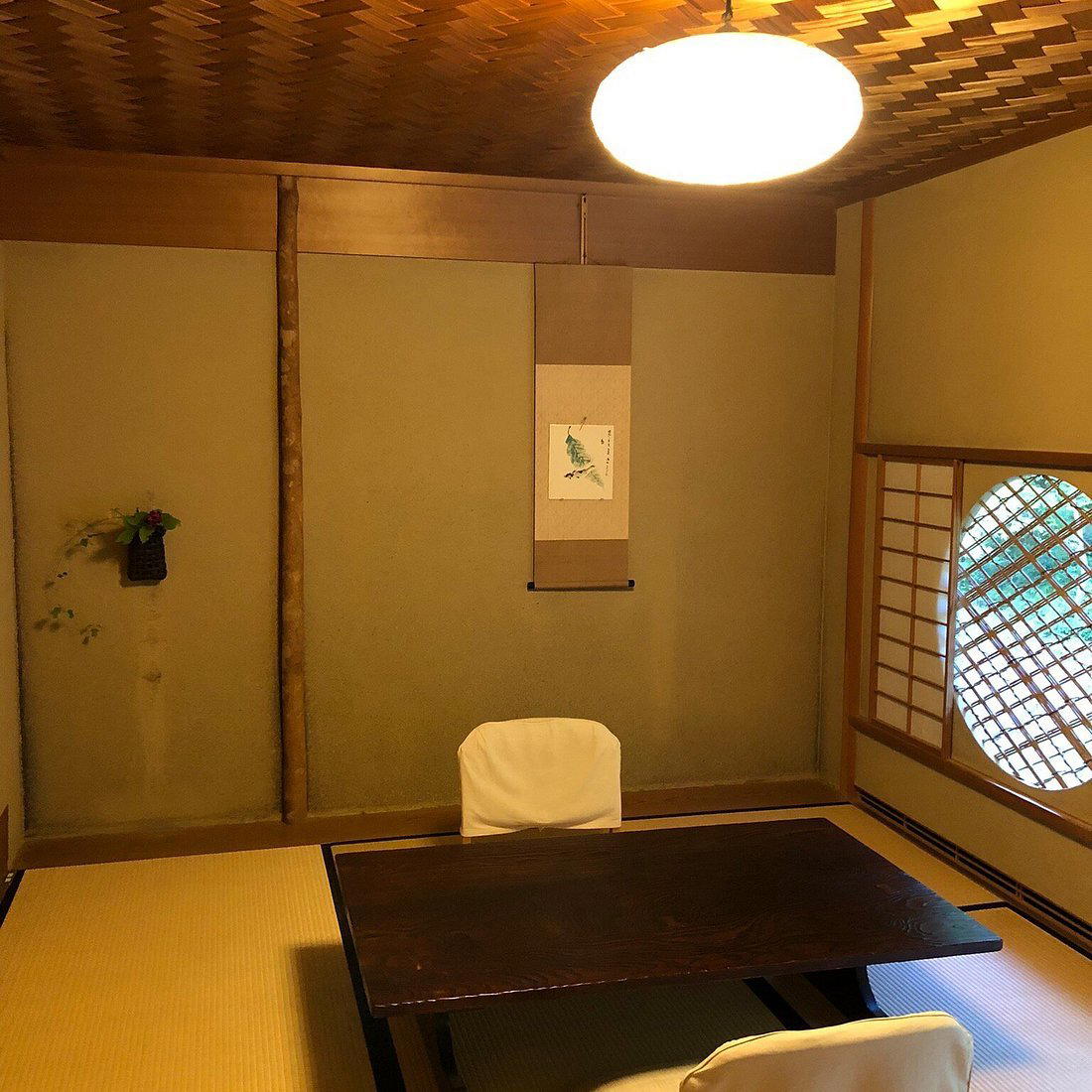
Where the Road Into Kyoto's Mountains Becomes the Point
The address alone signals what Miyamasou is about. At 375 Hanaseharachicho, deep in Sakyo Ward, the property sits well beyond the temple circuits and machiya guesthouses that define most premium Kyoto stays. The approach through the Hanase valley — past cedar forest, narrow lanes, and river crossings — is not incidental to the experience. It is the opening move. In a city where many high-end properties compete on proximity to Gion or the Higashiyama hills, a minority of ryokan-format retreats have staked their identity on deliberate remoteness, and Miyamasou belongs to that smaller, more committed tier.
This matters as a category distinction. Kyoto's luxury accommodation splits cleanly between two modes: urban properties that offer the city as amenity, and mountain or forest retreats that offer withdrawal as the amenity. Aman Kyoto sits at the far northern edge of Kinkakuji's garden grounds, using natural enclosure as a design tool while remaining reachable. Park Hyatt Kyoto and Four Seasons Hotel Kyoto anchor themselves in the eastern hills with city views intact. Miyamasou does something more absolute: the surrounding landscape is not a backdrop but a condition, one that informs the food, the pace, and the service logic of the entire property.
The Service Tradition at Work
Ryokan hospitality at this level operates on a principle that distinguishes it from Western luxury hotel service: anticipation over transaction. At a property like Miyamasou, there are no visible service touchpoints in the conventional sense, no front desk queue, no menu handed over at a fixed hour, no check-in counter theatre. The model, common to Japan's highest-tier inns, is one where staff calibrate the stay around the guest before they arrive, and adjust throughout without prompting. The format has a term, omotenashi, but the word has been so routinely applied to generic hospitality that it flattens what is actually a sophisticated operational discipline.
In practice, this means meal timing, room preparation, and the sequencing of the guest's day are managed as a single choreography. The ryokan format compresses hotel functions that would normally be spread across departments, concierge, dining, housekeeping, butler, into a smaller, more cohesive team, typically centred on the nakai, the room attendant who serves as the primary point of care. At a remote property with limited keys, the ratio of staff attention to guest is considerably higher than at a large city hotel, and the continuity of that attention across a multi-night stay is what separates this format from any urban equivalent.
Properties in the deep countryside of Japan's Kansai region, including ryokan traditions in the hills around Kyoto, Gora Kadan in Hakone, and Asaba in Izu, share this service architecture. What varies is the specific landscape register and the culinary expression. Miyamasou's position in Hanase gives it a particular mountain character, colder winters, a distinct seasonal rhythm, and access to mountain-foraged ingredients, that shapes the kaiseki menu in ways a lowland property cannot replicate.
Kaiseki in the Mountains: Why Location Is an Ingredient
Kaiseki, the multi-course formal cuisine that defines serious ryokan dining, is one of the few culinary traditions in which geography functions as a technical requirement, not merely a marketing frame. The cuisine's structure, sequential small courses built around seasonal produce, with specific attention to texture, temperature, and visual composition, depends on what is available within a relatively tight sourcing radius. Mountain ryokan kaiseki differs from lowland Kyoto kaiseki in ingredient profile: wild vegetables, river fish, mountain herbs, and mushrooms with short availability windows replace the market-driven produce of central Kyoto kitchens.
This distinction places Miyamasou in a different competitive context from Kyoto city kaiseki restaurants, however decorated those may be. The comparison set is not Kichisen or the Michelin-starred counters of central Kyoto, but rather a small group of property-based kaiseki programs where the land surrounding the kitchen is also its primary larder. Amanemu in Mie applies a related logic to its coastal setting; Zaborin in Kutchan does so against Hokkaido's agricultural and forest context. The credential in each case is the same: distance from supply chain, proximity to source.
Seasonal Logic and When to Go
Mountain properties in the Kyoto highlands operate on a sharper seasonal calendar than their city counterparts. Spring brings the brief, high-value window of mountain wildflowers and new bamboo shoots; autumn delivers the foliage that defines much of Japan's most photographed landscape, and at altitude, the colour change arrives earlier and more intensely than in the city. Winter in Hanase means snow, and a ryokan stay against a snow-covered cedar forest is a different proposition from anything available in central Kyoto.
Booking pressure at remote high-quality ryokan in Japan peaks in autumn foliage season (typically late October to mid-November in the Kyoto highlands) and during Golden Week in late April and early May. Planning six to twelve months ahead for those windows is standard practice in this category. Shoulder seasons, particularly early March and late November, offer better availability without significant sacrifice in seasonal quality. Properties like Nishimuraya Honkan in Kinosaki and Fufu Kawaguchiko follow the same booking rhythm, which tells you something about the demand pattern for this class of Japanese retreat.
Planning a Stay
Miyamasou sits in Sakyo Ward, north of the Kurama-Kibune corridor, and reaching it requires a car or organised transfer; there is no practical public transport link to the Hanase valley address. Guests arriving into Kyoto by Shinkansen from Tokyo (approximately two hours and fifteen minutes on the Nozomi) or from Osaka Itami airport should allow additional transfer time. For those pairing Miyamasou with a city-side Kyoto stay, the range of urban properties covers every point of the market: HOTEL THE MITSUI KYOTO, SOWAKA, The Shinmonzen, Ace Hotel Kyoto, and Dusit Thani Kyoto offer different formats within the city before or after a mountain retreat. For broader Japan itinerary context, properties such as Bvlgari Hotel Tokyo, Benesse House in Naoshima, ENOWA Yufu in Yufu, Halekulani Okinawa, Jusandi in Ishigaki, and Sekitei in Hatsukaichi represent the range of high-end Japanese hospitality available across the archipelago. See also our full Kyoto restaurants guide for a broader view of the city's dining scene.
Cuisine Lens
| Venue | Cuisine | Price | Awards |
|---|---|---|---|
| MiyamasouThis venue — the venue you are viewing | This venue | Not listed | Not listed |
| Aman Kyoto | Michelin 2 Key, World's 50 Best | Not listed | 2 Michelin Keys · World's 50 Best #74 |
| Park Hyatt Kyoto | Michelin 1 Key, World's 50 Best | $500–750 | 1 Michelin Key · World's 50 Best #37 |
| Ace Hotel Kyoto | Michelin 1 Key | $200–300 | 1 Michelin Key · Mr & Mrs Smith Seal of Approval |
| Four Seasons Hotel Kyoto | Michelin 1 Key | $1,000–1,500 | 1 Michelin Key · La Liste Top Hotels |
| Six Senses Kyoto | Michelin 1 Key | $1,000–1,500 | 1 Michelin Key · Mr & Mrs Smith Seal of Approval |
Continue exploring
More in Kyoto
Hotels in Kyoto
Browse all →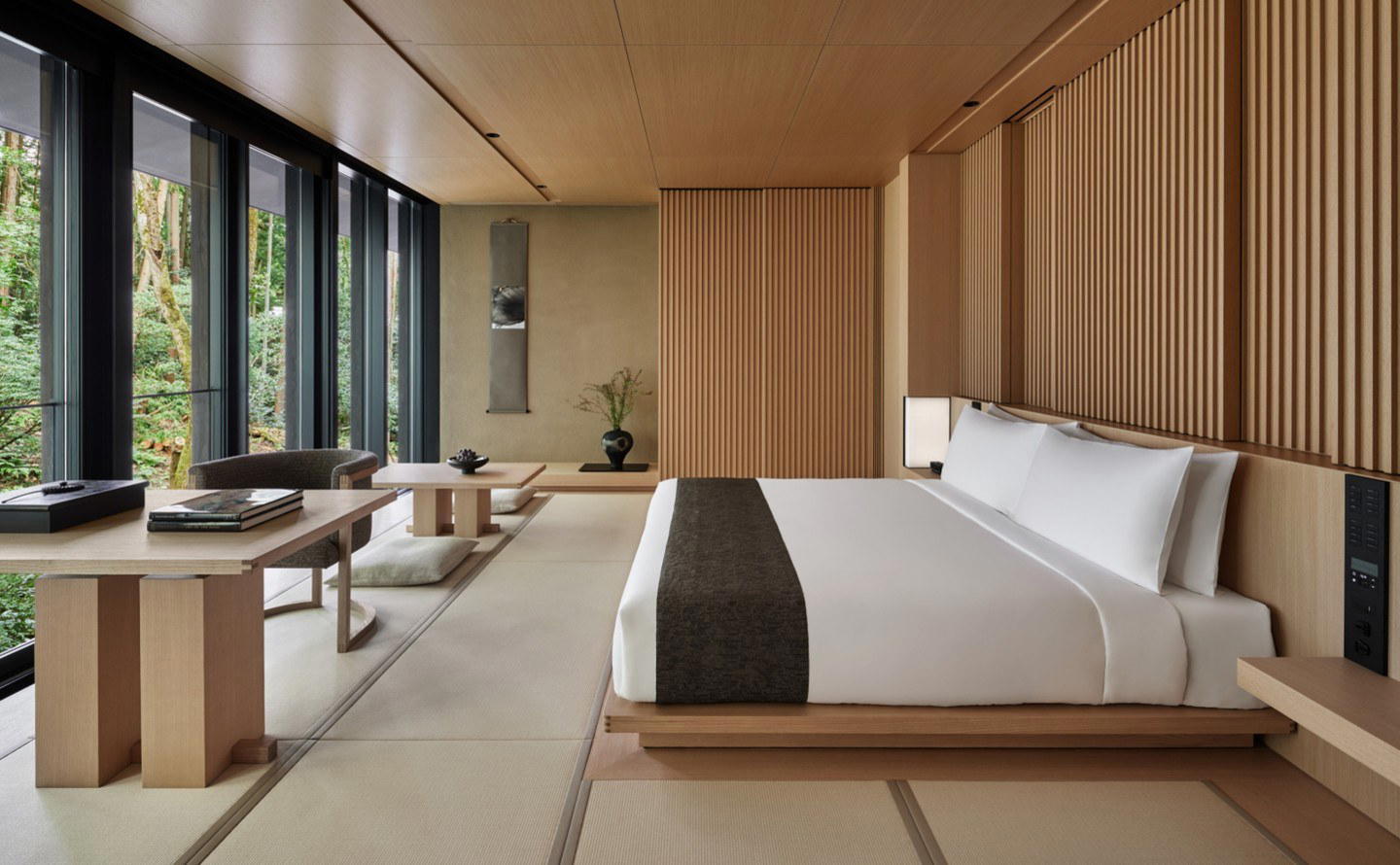
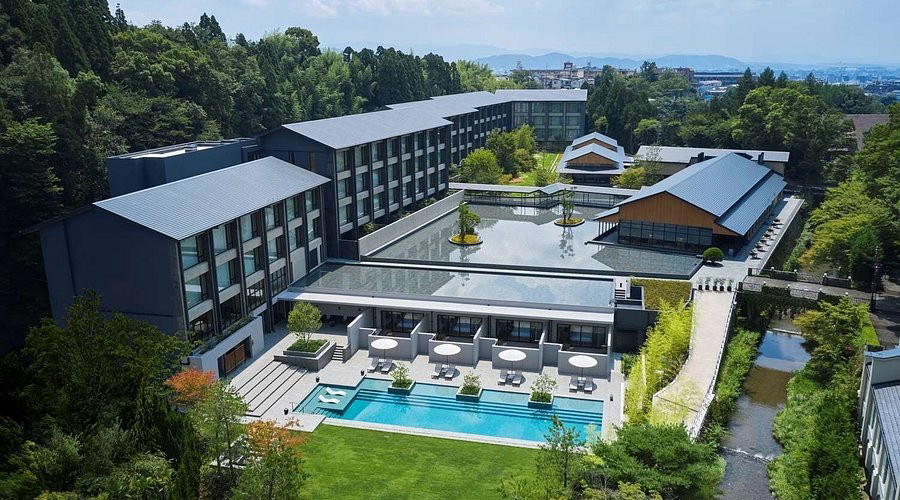
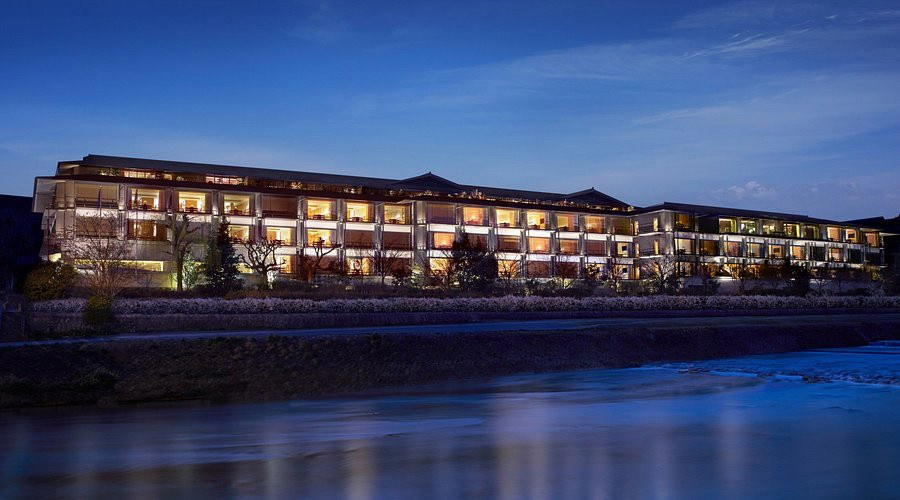
Bars in Kyoto
Browse all →
Restaurants in Kyoto
Browse all →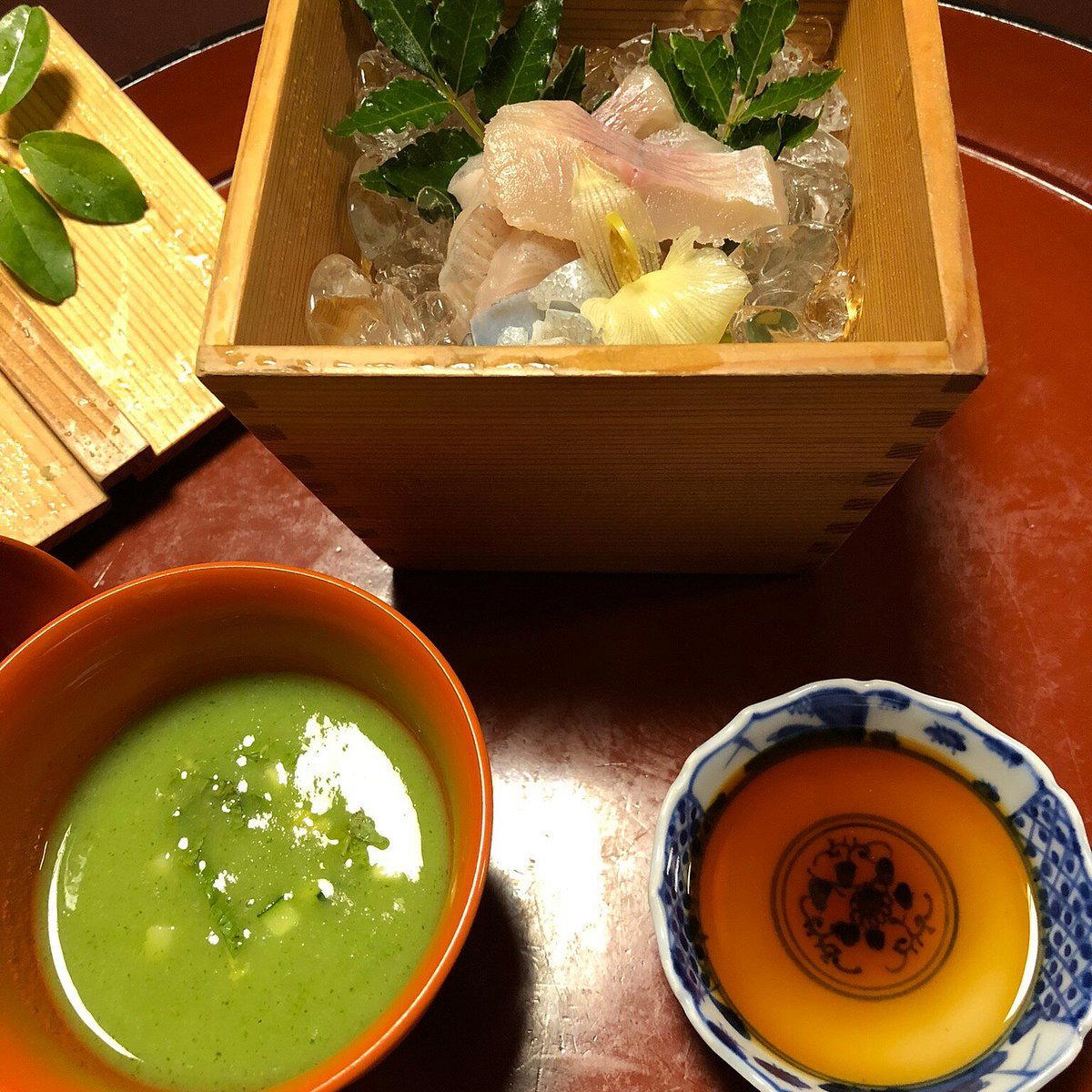
Wineries in Kyoto
Browse all →
Details
- Quiet
- Scenic
- Rustic
- Elegant
- Intimate
- Romantic Getaway
- Wellness Retreat
- Anniversary
- Historic Building
- Panoramic View
- Restaurant
- Room Service
- Mountain
- Garden
Simple, thoughtful, and austere with natural light, wind, and river sounds flowing through tastefully decorated tatami rooms overlooking swaying trees and murmuring waters.