


1 Michelin Star · Tabelog Silver #61
Our verdict
Kiyama belongs to Kyoto’s serious kaiseki conversation: seasonal, formal, and judged by the discipline of sequence rather than spectacle. Recognition from The Tabelog Award, Opinionated About Dining, and Michelin places it in the city’s competitive Japanese cuisine tier, while the room’s counter seating, private rooms, and well-water reference point toward a classical Kyoto dining grammar.

Pearl is the En Primeur Club membership app, where members save venues, book tables and use the concierge.
The menu
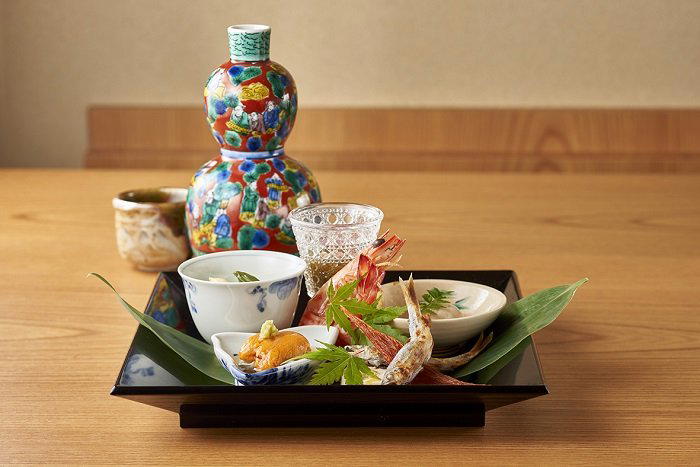
What to order
- Dashi broth with freshly shaved bonito
- Sea urchin egg rice bowl
- Surf clams
- Oysters
- Seasonal seafood soup
Kyoto kaiseki often begins before the first course: a restrained entrance, a quiet room, and a meal measured in transitions rather than big gestures. At Kiyama, that grammar matters. The restaurant sits in Nakagyo Ward rather than Gion’s postcard lanes, fitting a cuisine built on sequence, temperature, season, vessel, and pause. It is not about one famous plate, but progression across the full meal.
In Kyoto, kaiseki carries unusual weight, tied to tea culture, courtly seasonality, temple cooking, ceramics, and the city’s restraint. Diners comparing it with Tokyo sushi counters or Osaka kappo rooms should recalibrate. Pleasure lies in proportion: a clear opening, seasonal movement, purposeful rice, and a closing register that does not overstate itself. Kiyama’s recognition supports that reading: number 56 on the 2026 OAD Top Restaurants in Japan Ranked list, The Tabelog Award 2026 Silver with a 4.44 score, and prior Michelin recognition including a Michelin Plate in 2025 and a Michelin 1 Star in 2024.
Kyoto kaiseki judged by sequence, not spectacle
The strongest Kyoto meals reveal priorities through structure. Seasonality alone says little; nearly every serious room claims it. The sharper distinction is flow: contrast without theatricality, repetition without fatigue, and inevitability by the time rice appears. Award bodies and local ratings help separate rooms that perform Kyoto manners from those trusted by repeat diners who know the form.
Kiyama’s public signals place it in Kyoto’s upper bracket without making it interchangeable with Gion’s grander houses. Tabelog is especially useful for kaiseki because its Japanese cuisine audience is exacting and locally literate; Silver in 2026, repeated recent Silver recognition, and Gold in 2021 show durable approval, not one season of attention. OAD’s 2026 Japan ranking adds an international frame, while Michelin’s move from a 2024 star to a 2025 Plate reminds diners that guide status can shift while a restaurant remains relevant.
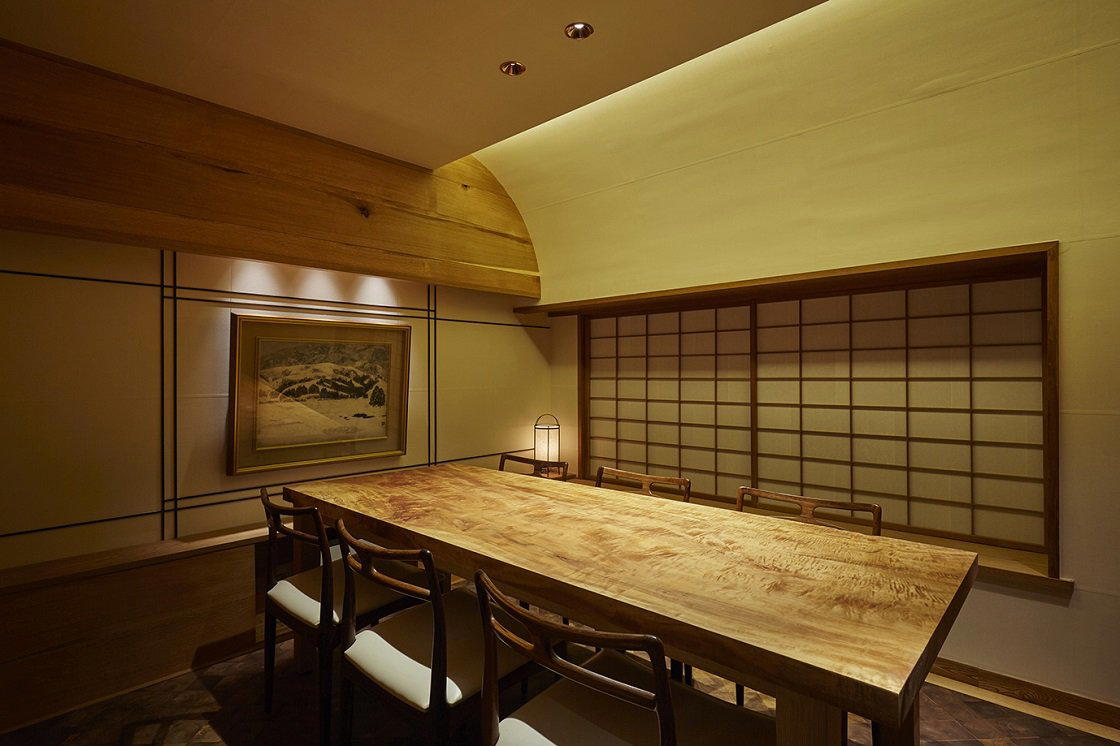
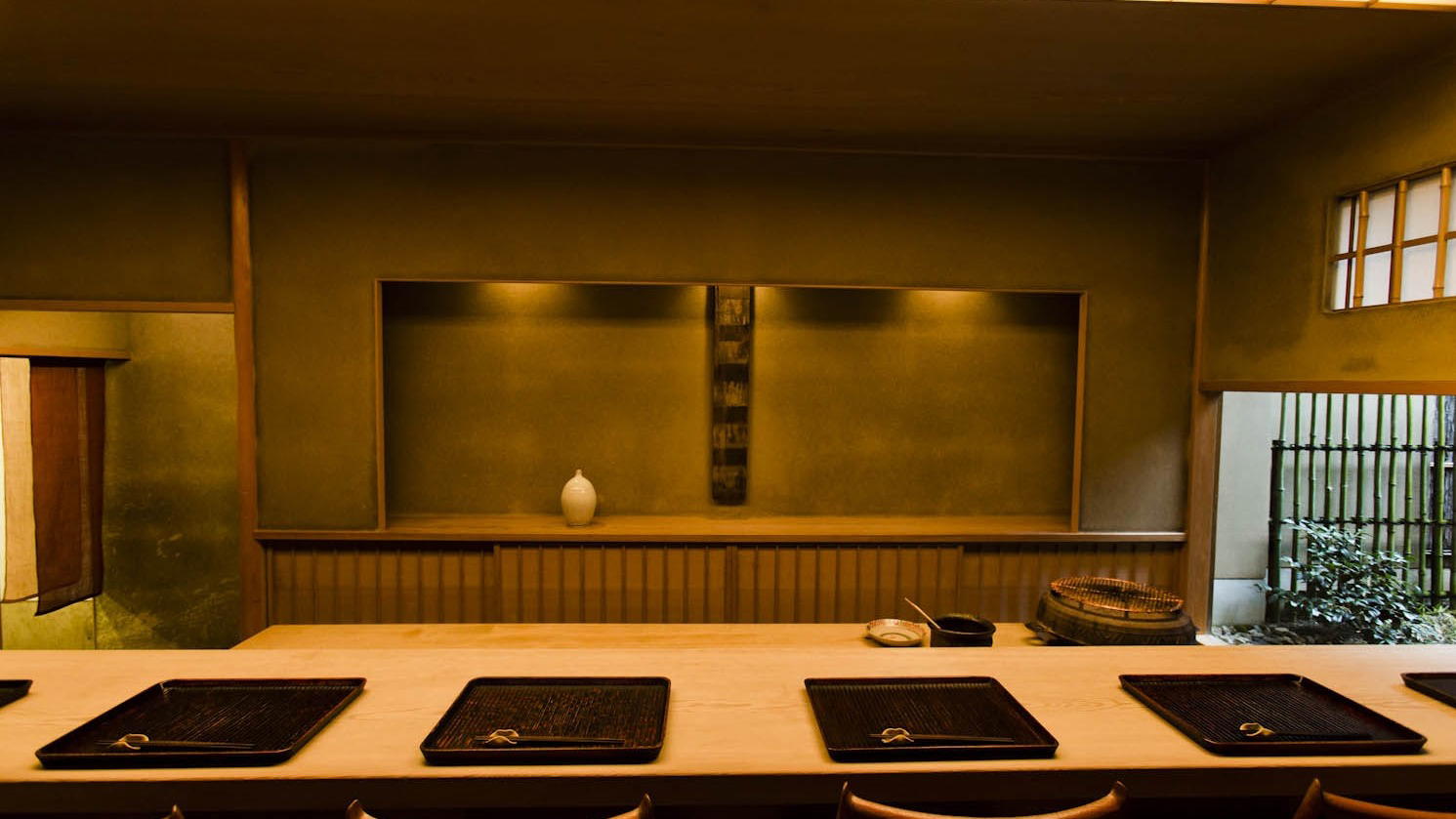
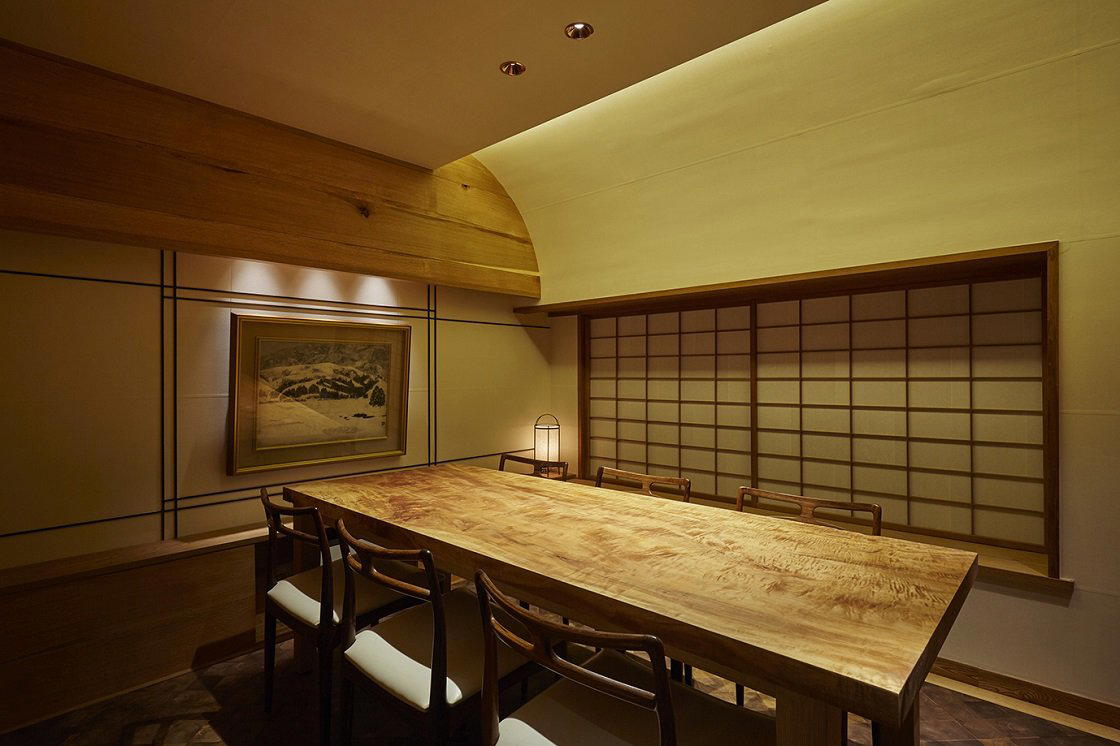
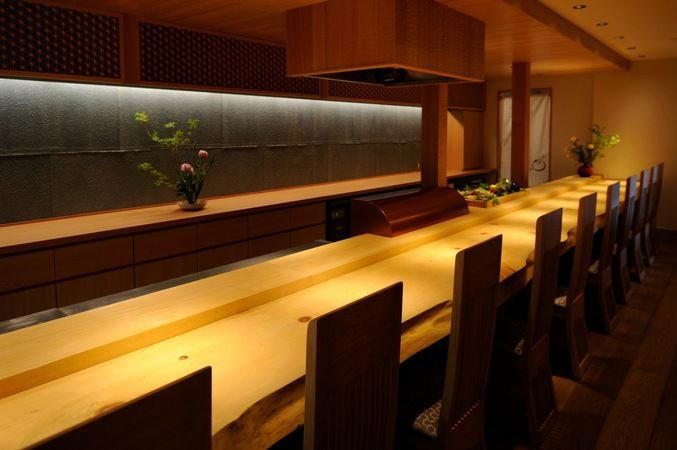
The premises include counter seating and private rooms, a split that says much about Kyoto dining culture. Counter seats bring kappo energy, with craft more visible and pacing more legible. Private rooms preserve kaiseki’s older social function: business dining, family occasions, and meals where discretion is part of the form. Here, privacy is not a downgrade; it is tradition.
A notable detail is the use of water drawn from a well on the premises. In Kyoto cuisine, water underpins dashi, rice, tea, and the clean edges expected at this level. The city has long treated water quality as practical condition rather than romantic flourish, making the well a signal of clarity and foundation.
Where it sits among Kyoto's serious Japanese rooms
Kyoto’s high-end Japanese dining is not one category. Gion houses carry a different social charge from Nakagyo counters; long-established kaiseki rooms compete differently from leaner, chef-led formats; price alone does not explain the experience. Ogata and Gion Maruyama occupy the four-yen-sign tier, while Muromachi Wakuden, Jiki Miyazawa, and Godan Miyazawa sit slightly lower. Kiyama belongs to the former level by price range and award profile, but its Nakagyo location gives it a different rhythm from the Gion circuit.
Build a Kyoto itinerary through contrasts, not substitutions. Gion Maruyama, Gion Nishikawa, Gion Owatari, and Gion Sasaki place the diner inside Gion’s symbolic geography, where hospitality, procession, and neighbourhood memory shape expectations. Godan Miyazawa offers another Kyoto kaiseki reference point with a different price position. Kiyama belongs in the broader Japanese cuisine conversation: serious, seasonal, highly rated, and less dependent on Gion stagecraft.
Chef Yoshiro Kiyama matters as a credential, not a myth. In Kyoto kaiseki, the chef controls an inherited form while making enough decisions to keep the meal alive. Opened in 2017, the restaurant’s awards trajectory is notable: in less than a decade, it entered a crowded field and earned recognition across local, national, and international guides. That matters more than abstract claims about personal philosophy.
For diners used to Western tasting menus, the key adjustment is appetite for subtle hierarchy. Kyoto kaiseki does not always announce its technical labor. Expensive ingredients may not be loudest; the strongest passage may be broth, rice, or a seasonal interval that looks plain alone. Dish count and luxury cues miss the point. The meal is judged by alignment: produce, vessel, temperature, pacing, and the room’s ability to hold attention without forcing it.
How to use Kiyama in a Kyoto itinerary
Kiyama suits travelers who want Kyoto kaiseki as a central meal, not a checkbox between temples. Its profile points to formal Japanese cuisine with counter seating, private rooms, sake, shochu, and wine available, plus a non-smoking policy. It is listed as family friendly with children welcome, an uncommon practical signal in a category often assumed adult-only. Payment is by credit card; electronic money and QR code payments are not listed.
Its Nakagyo position pairs well with stays around the Imperial Palace area, Karasuma, or central neighborhoods rather than only Higashiyama. For broader planning, our full Kyoto restaurants guide gives dining context, while our full Kyoto hotels guide, full Kyoto bars guide, full Kyoto wineries guide, and full Kyoto experiences guide shape the rest of the trip. Diners extending Japanese cuisine beyond Kyoto can compare the form with Ginza Kojyu, Kaiseki, Japanese in Tokyo or the overseas interpretation at Aburi Hana, Kaiseki, Japanese in Toronto.
As a critical choice, Kiyama is for diners who value precision over novelty. The award record is strong, the category demanding, and Kyoto’s competition unforgiving. The better question is not whether it is famous enough, but whether the traveler wants a meal that explains Kyoto through form rather than performance. For that brief, Kiyama is a serious answer.
For a wider Japan dining map, EP Club also covers regional and casual counterpoints including -Grilled beef Sukiyaki- KAMAKURA TANUKIAN 鎌倉 たぬき庵 in Kamakura. 鮪と炭火焼き うお炭 秋葉原店 in Tokyo.cafe in Osaka.know in Kumamoto, (Shoku) Vietnam in Kawasaki, and [Curry Senmon Ten] Maruyama Kyoju. in Sapporo. Those links show how specific Kyoto kaiseki is: formal, seasonal, and bound to an aesthetic system that does not travel unchanged.
Frequently asked questions
What type of food is Kiyama known for?
Kiyama serves Kaiseki, Japanese cuisine.
Is Kiyama more mid-range or high-end?
Pricing at Kiyama is listed as ¥¥¥¥.
What time does Kiyama open and close?
Hours at Kiyama: Hours: Monday 12–3 pm, 6–10 pm Tuesday 12–3 pm, 6–10 pm Wednesday 12–3 pm, 6–10 pm Thursday 12–3 pm, 6–10 pm Friday 12–3 pm, 6–10 pm Saturday 12–3 pm, 6–10 pm Sunday 12–3 pm, 6–10 pm.
What's the address for Kiyama?
Kiyama is located in Kyoto.
Fast Comparison
Comparable options at the same price tier.
| Venue | Cuisine | Price | Awards | Notes |
|---|---|---|---|---|
| KiyamaThis venue (the venue you are viewing) | Traditional Kaiseki Washoku | $200–300 | 1 Michelin Star · Tabelog Silver #61 | Not listed |
| Kyo Seika | Modern Chinese Fine Dining | $150–200 | 1 Michelin Star · Tabelog Bronze #216 | Higashiyama |
| Funaokayama Shimizu | Kaiseki with Exceptional Rice | $100–150 | Michelin Plate | Kita |
| Mokubei | Traditional Kyoto Kaiseki | $50–100 | Michelin Plate | Higashiyama |
| Yusokuryori Mankamero | Yusoku Ryori & Kaiseki | $200–300 | 2 Michelin Stars | Kamigyō |
| Sanso Kyoyamato | Traditional Japanese Kaiseki | $150–200 | 2 Michelin Stars | Higashiyama |
Recognition history
Dated appearances from independent guides and award organizations, with the underlying list record or original source where available.
Michelin 1 Star
Michelin
Opinionated About Dining Top Restaurants in Japan Ranked #56
Opinionated About Dining
Tabelog Silver #61
Tabelog
Full recognition history (10 entries)
Michelin Plate
Michelin
Opinionated About Dining Top Restaurants in Japan Ranked #48
Opinionated About Dining
Tabelog 100 #95 · No. 95
Tabelog · Tabelog 100 - Japanese cuisine - WEST - 2025
Tabelog Silver
Tabelog
Michelin 1 Star
Michelin
Opinionated About Dining Top Restaurants in Japan Ranked #39
Opinionated About Dining
Opinionated About Dining Top Restaurants in Japan Ranked #29
Opinionated About Dining
Continue exploring
More in Kyoto
Restaurants in Kyoto
All restaurants in Kyoto →
Bars in Kyoto
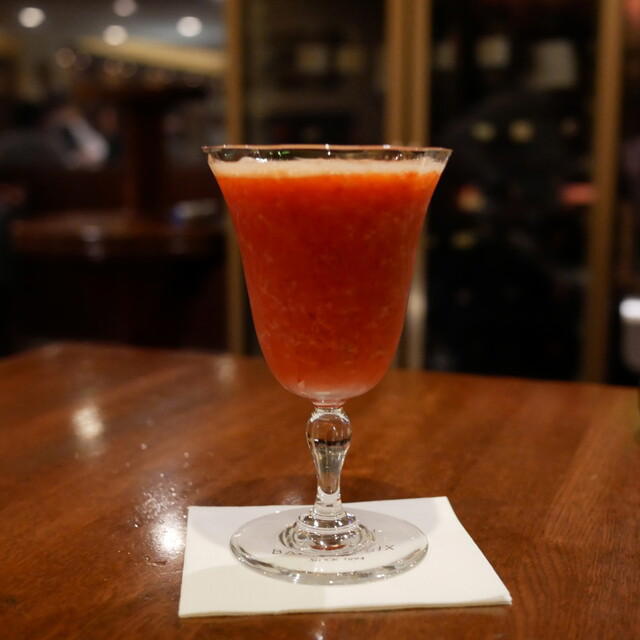
All bars in Kyoto →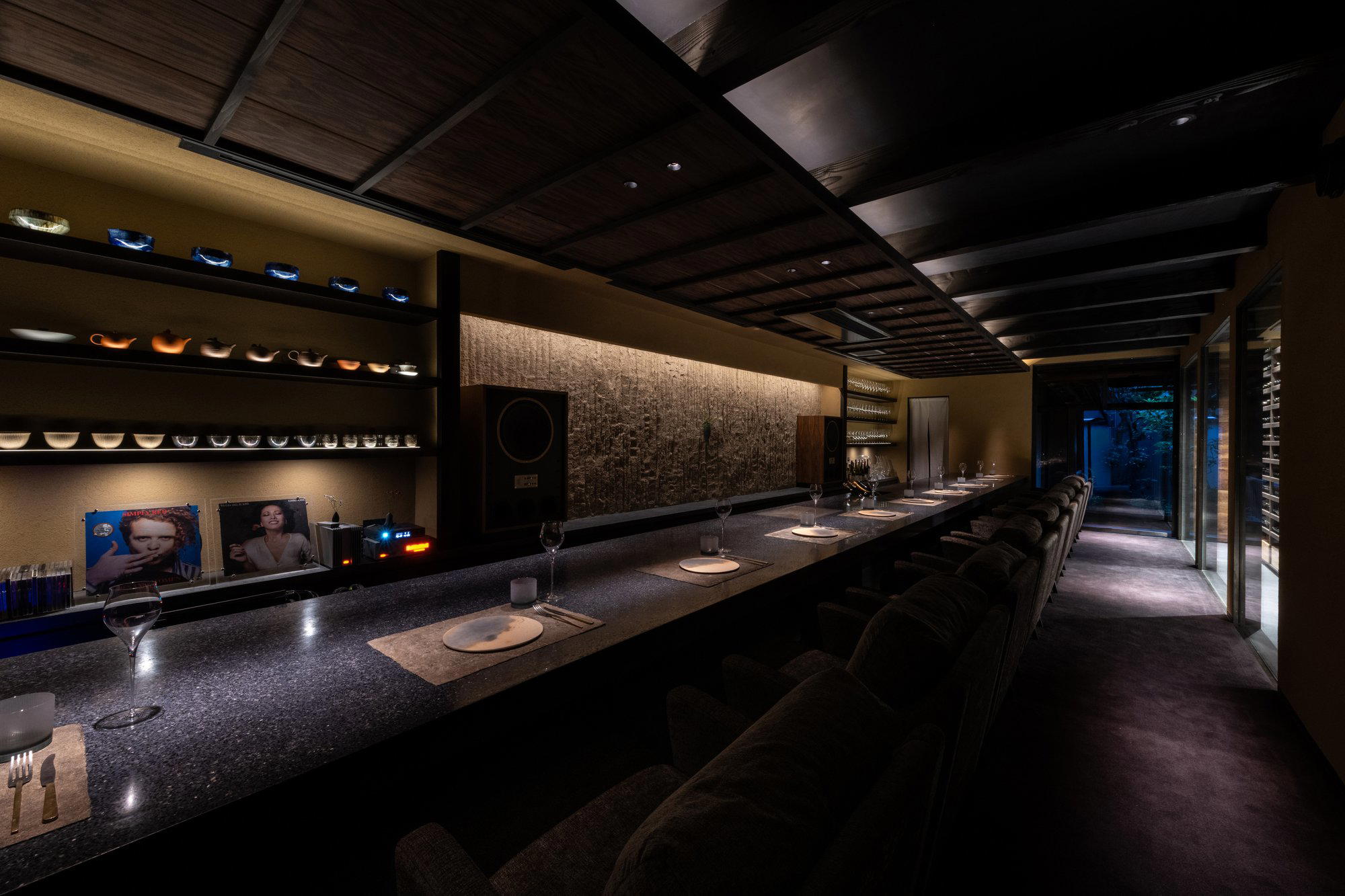
Hotels in Kyoto
All hotels in Kyoto →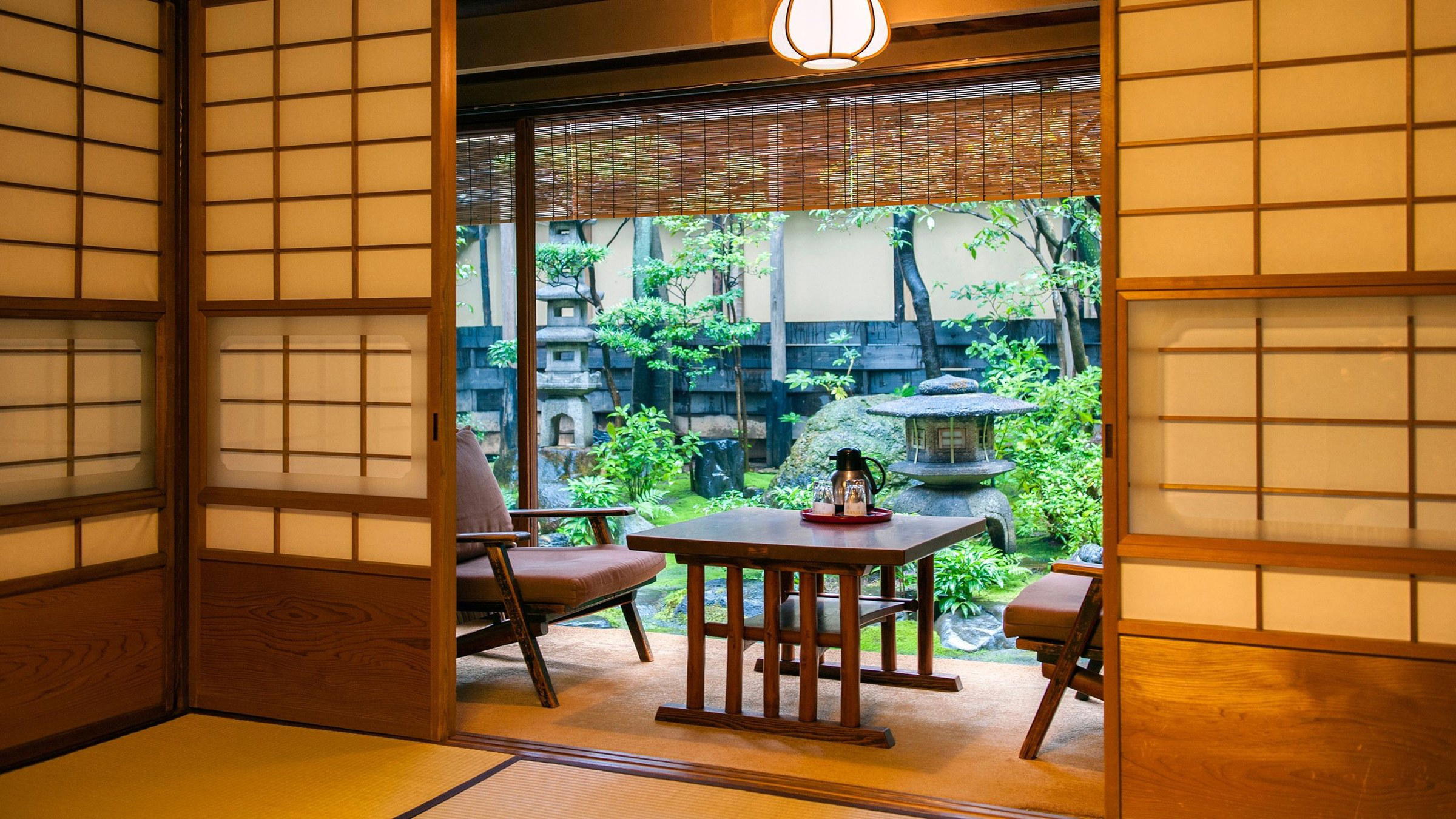
Wineries in Kyoto
Browse all →
Details
- Elegant
- Intimate
- Sophisticated
- Quiet
- Special Occasion
- Date Night
- Celebration
- Chefs Counter
- Open Kitchen
- Private Dining
- Sake Program
- Extensive Wine List
- Local Sourcing
- Sustainable Seafood
- Counter Dining
- Tasting Menu
- Prix Fixe
- Sake
- Wine
- Allergy Accommodating
Current opening hours
- Monday
- 12–3 PM, 6–10 PM
- Tuesday
- 12–3 PM, 6–10 PM
- Wednesday
- 12–3 PM, 6–10 PM
- Thursday
- 12–3 PM, 6–10 PM
- Friday
- 12–3 PM, 6–10 PM
- Saturday
- 12–3 PM, 6–10 PM
- Sunday
- 12–3 PM, 6–10 PM
Hours can change for holidays and private events. Hours as of .
Warm-toned wooden counter with refined tea arbor aesthetic on the second floor; calm, peaceful atmosphere with soft lighting that evokes a traditional tea master's home.