Booking and specific amenity details are best confirmed directly with the property.

Pearl is the En Primeur Club membership app — saves, bookings, and concierge access live there. Same editors, same standards.
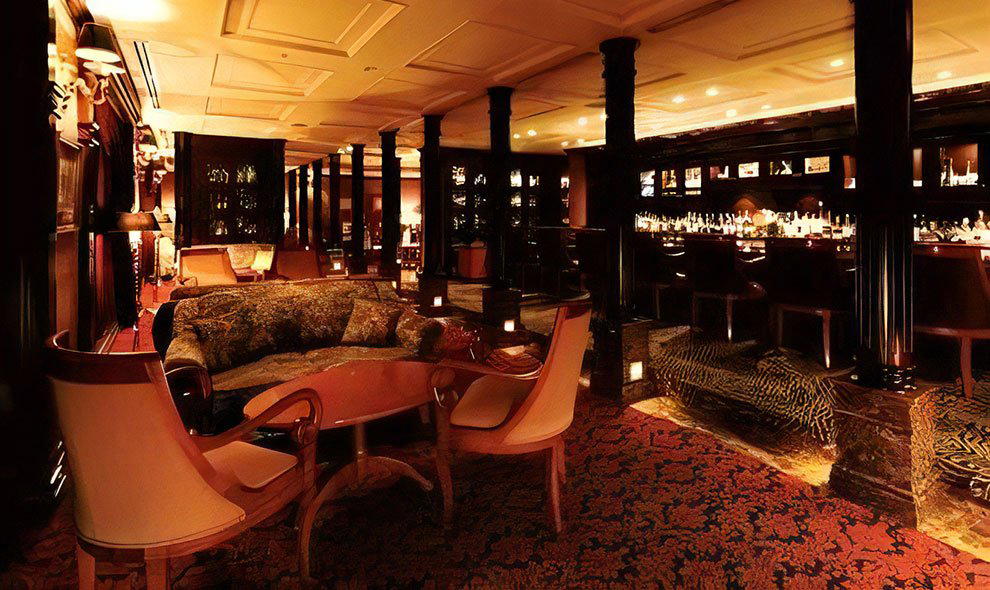
The collector's calculus at hotel bars like this one differs from specialist independent bars. Venues such as Bar Benfiddich in Tokyo or Bee's Knees in Kyoto, which approaches the back bar from a craft-cocktail angle, and the more casual register of Kyoto Tower Sando. Hotel Okura Kyoto sits at neither extreme, occupying the formal middle ground where the emphasis falls on the spirit itself rather than the technique applied to it. This is not the Higashiyama quarter, where the atmospheric density of temples and stone lanes pulls visitors toward sake and craft beer. Drinking at a hotel bar here is a different act than seeking out a counter in Gion or Pontocho: the context is urban and institutional rather than atmospheric and historical.
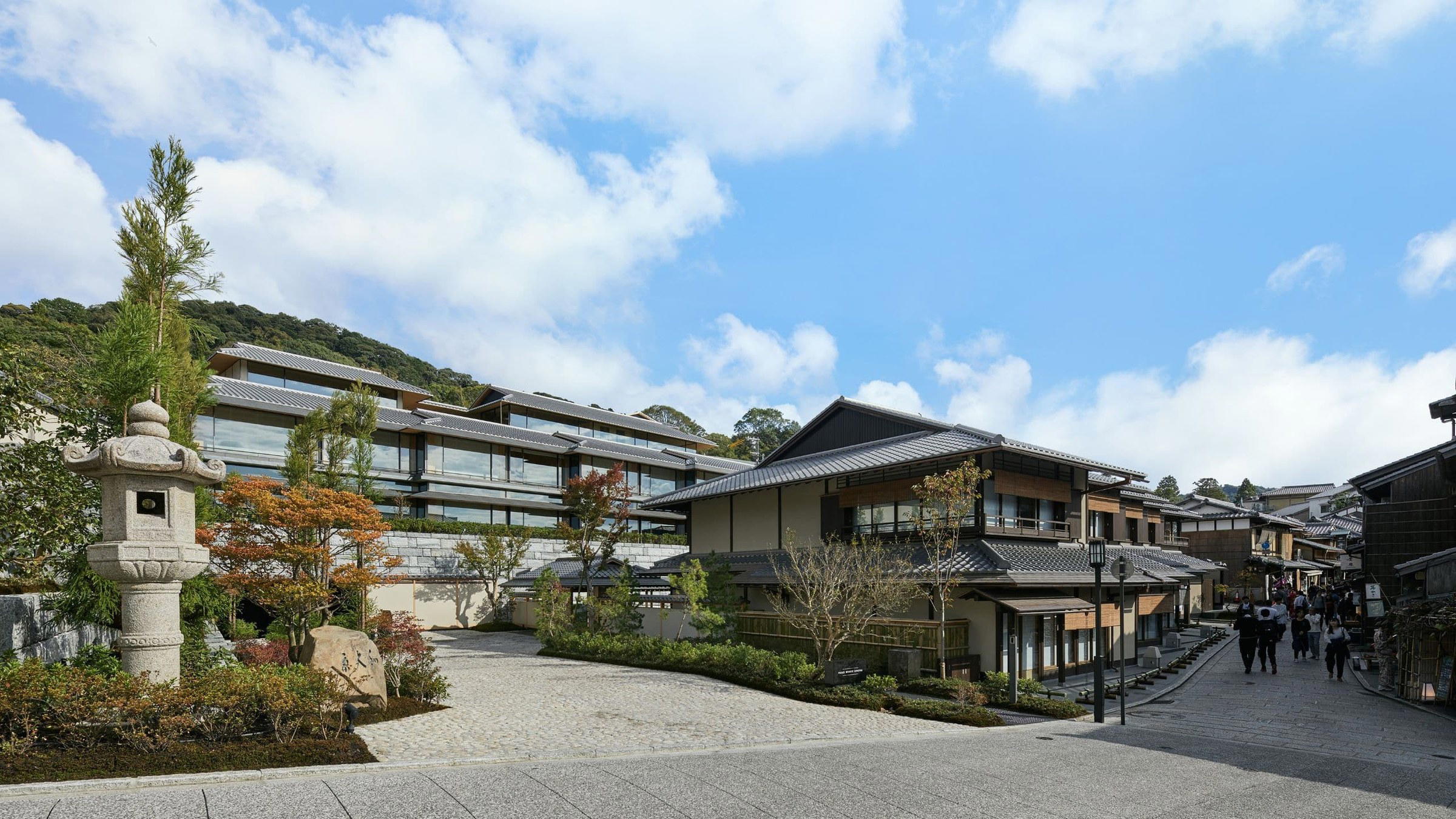
That said, the location has practical advantages that matter for certain itineraries. Kawaramachi-Oike is well-served by the Kyoto Municipal Subway's Tozai Line, making it accessible from both the eastern cultural districts and the area around Kyoto Station without requiring a taxi. For guests staying in the property, the bar functions as an extension of the hotel's public spaces rather than a destination requiring a separate journey. The JR Tower Hotel Nikko Sapporo represents the format in Hokkaido, where the refined position and local whisky context add a regional dimension to what is otherwise a similar service grammar. Bar Nayuta in Osaka and anchovy butter in Osaka Shi demonstrate how the Kansai region's bar culture inflects the same tradition with a more accessible, less ceremonial register. Further afield, THE BLOSSOM KYOTO and the craft-focused rooms along Pontocho represent an alternative logic where the host's curation and personality drive the experience. Hotel Okura Kyoto's value proposition is almost the inverse: the brand and the service format carry the weight, and the individual bartender's personality is subordinate to the institutional register. Neither approach is wrong; they answer different questions about what an evening should feel like. For more on how these options map across the city, our full Kyoto Shi restaurants and bars guide covers the range in detail. For the visitor with one evening and a clear preference for rare spirits served in a quiet, formally staffed room, the hotel bar format makes a coherent case. For the visitor who wants to understand what Kyoto's bar culture has produced independently of its hotel infrastructure, the independent sector is the more instructive choice. Yakoboku in Kumamoto demonstrates what the independent tier can achieve at its most focused; the hotel bar answers a different set of priorities entirely. Given the formal register of Okura properties generally, standard smart-casual dress is a reasonable baseline assumption, though the property's own guidance should take precedence.
Cost and Credentials
| Venue | Cuisine | Price | Awards |
|---|---|---|---|
| Hotel Okura KyotoThis venue — the venue you are viewing | Not listed | Not listed | Not listed |
| Bar Benfiddich | Not listed | $20–30 | World's 50 Best #62 · Tatler Listed in Best Bars Asia-Pacific |
| Bee's Knees | Not listed | $10–20 | World's 50 Best #76 · Top 500 Bars Best Bars #383 |
| Bulgari Ginza Bar | Not listed | $50–100 | World's 50 Best #86 · Forbes Travel Guide Hotel Star Bar |
| Star Bar Ginza | Not listed | Not listed | World's 50 Best |
| The Bellwood | Sushi | $50–100 | World's 50 Best #79 · Tatler Listed in Best Bars Asia-Pacific |
Continue exploring
More in Kyoto Shi
Bars in Kyoto Shi
All bars in Kyoto Shi →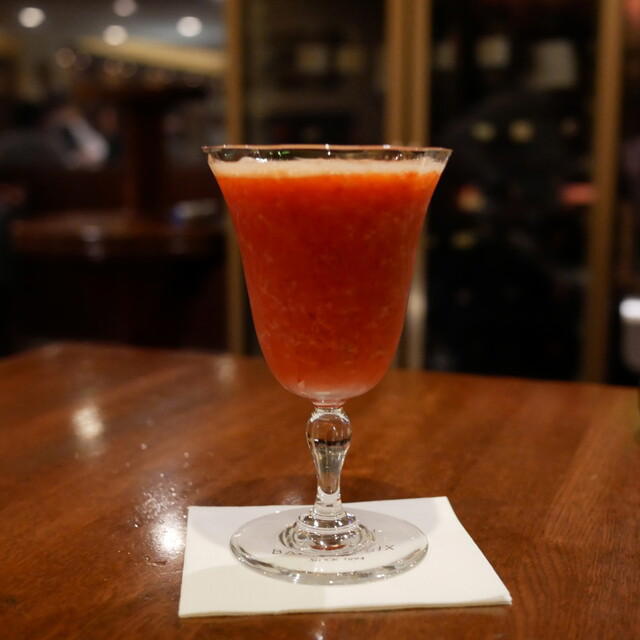
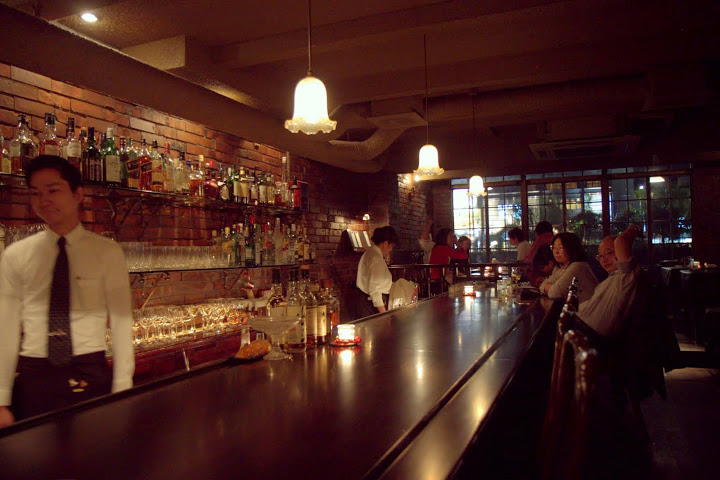
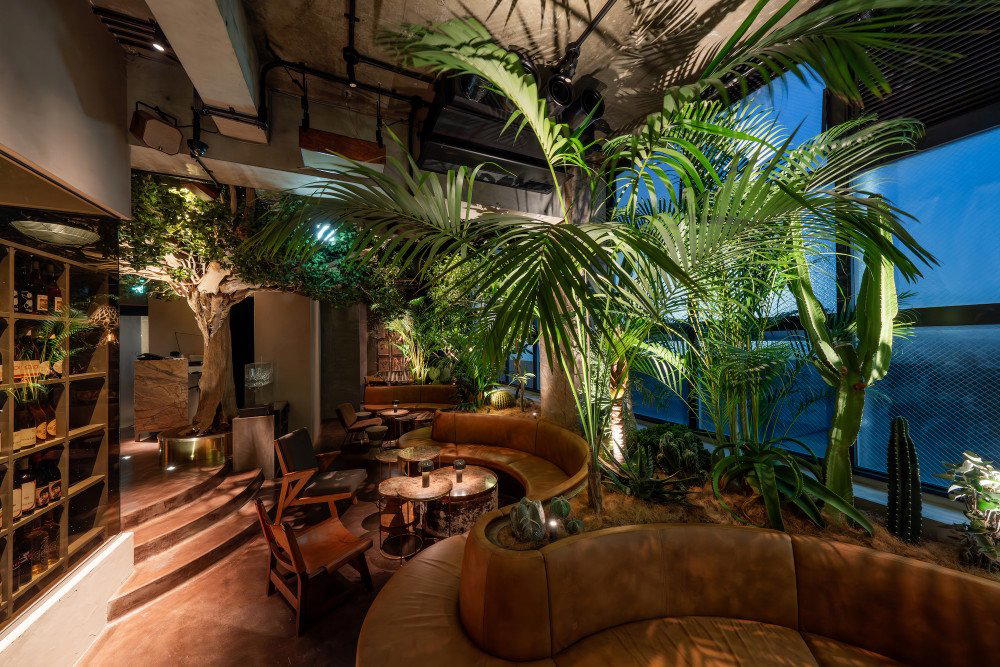
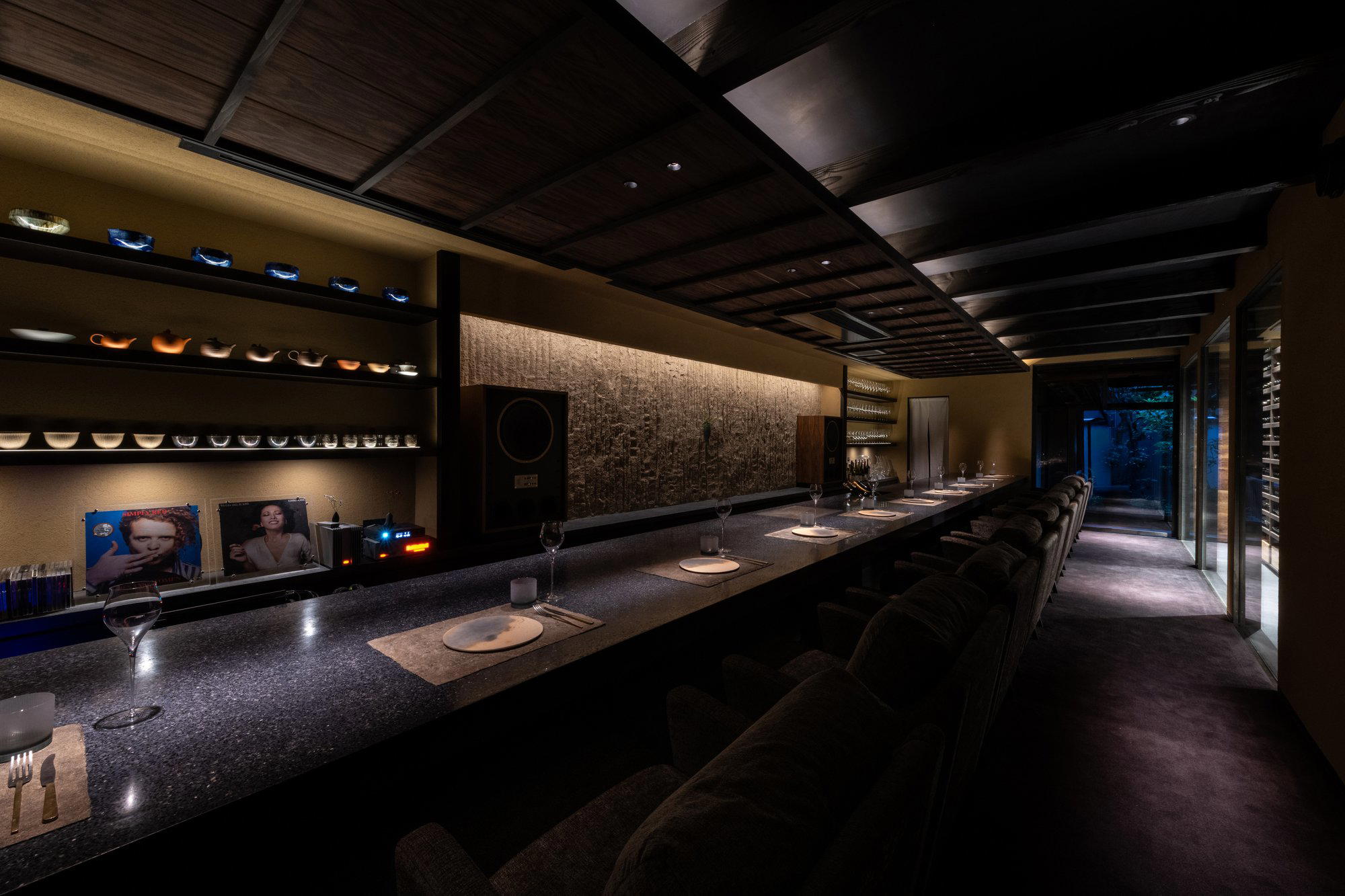
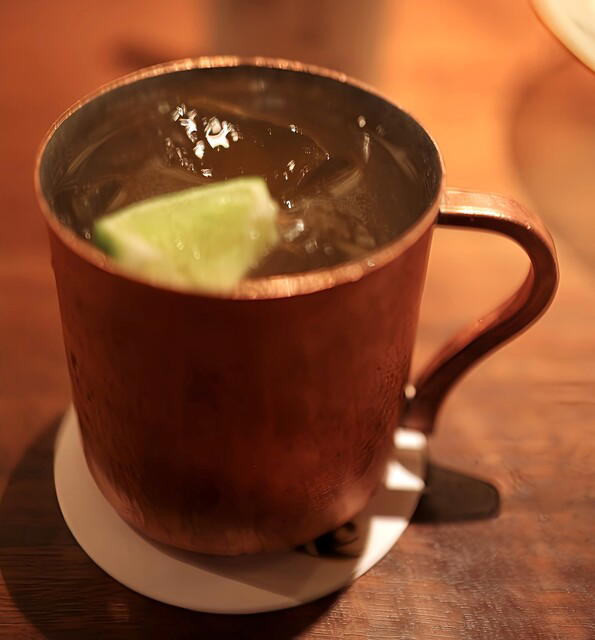
Restaurants in Kyoto Shi
All restaurants in Kyoto Shi →
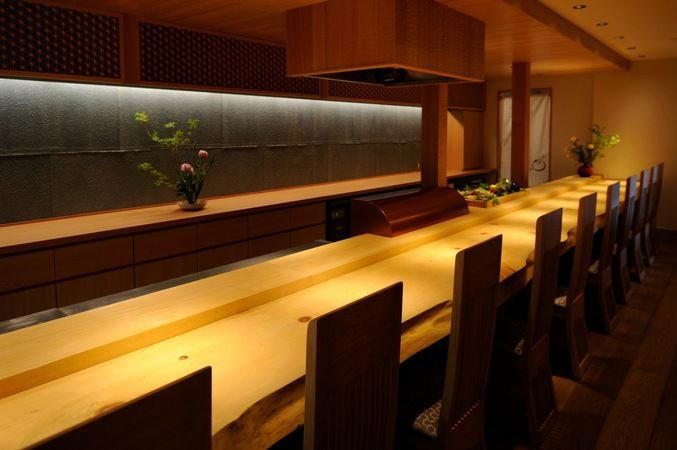
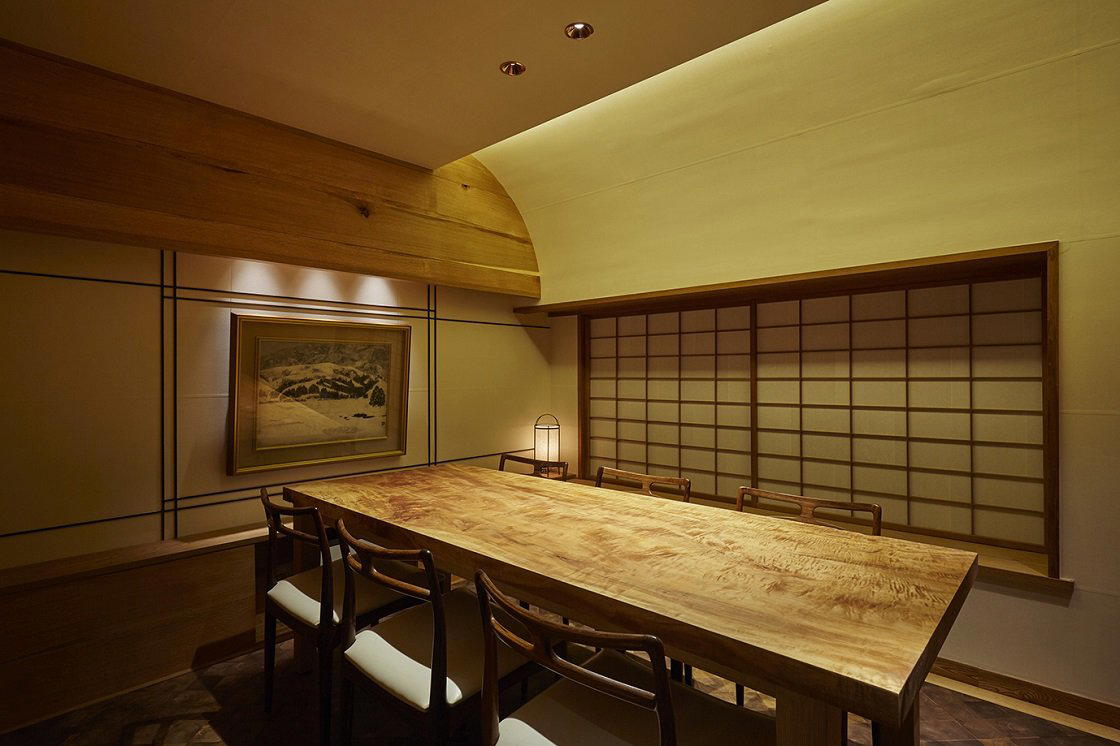
Hotels in Kyoto Shi
All hotels in Kyoto Shi →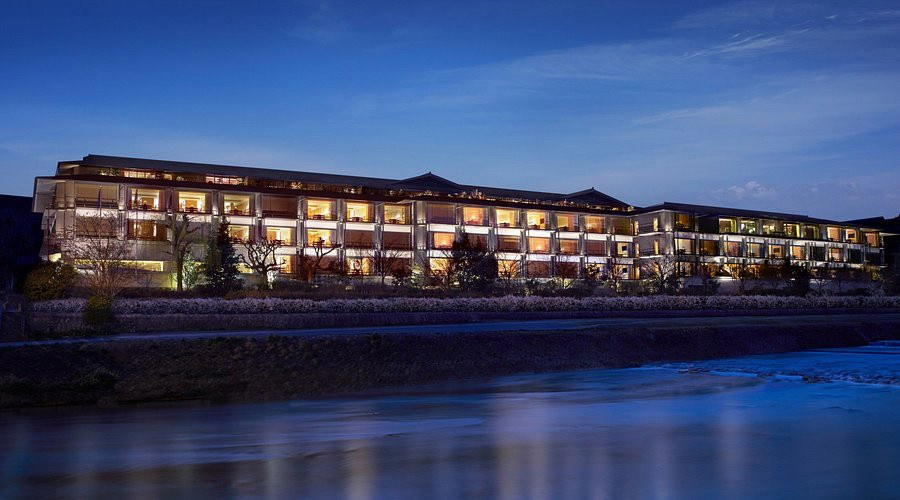
Wineries in Kyoto Shi
Browse all →
Details
- Elegant
- Sophisticated
- Cozy
- Date Night
- Special Occasion
- Garden
- Hotel Bar
- Lounge Seating
- Craft Cocktails
- Whiskey
- Garden
- Skyline
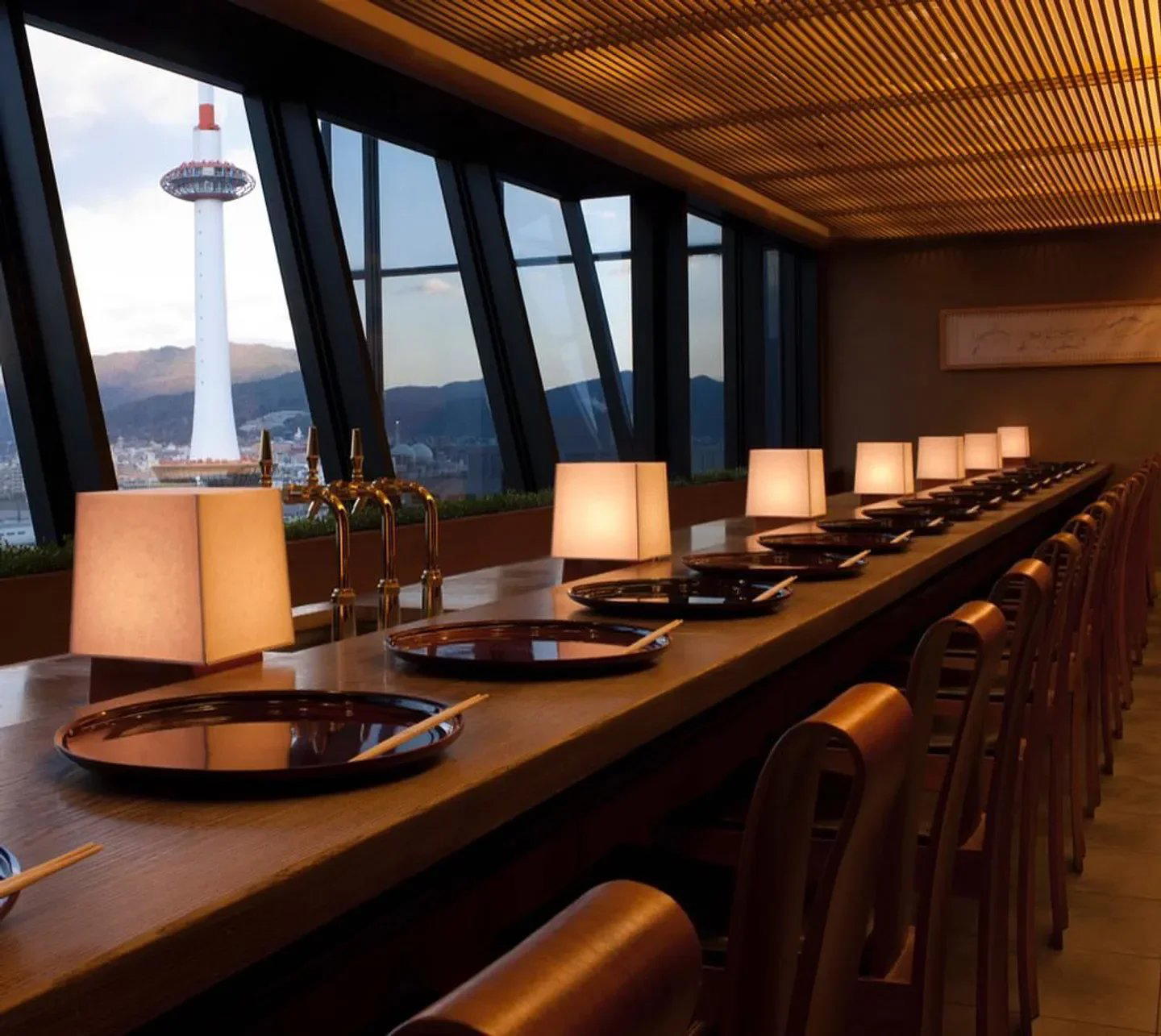
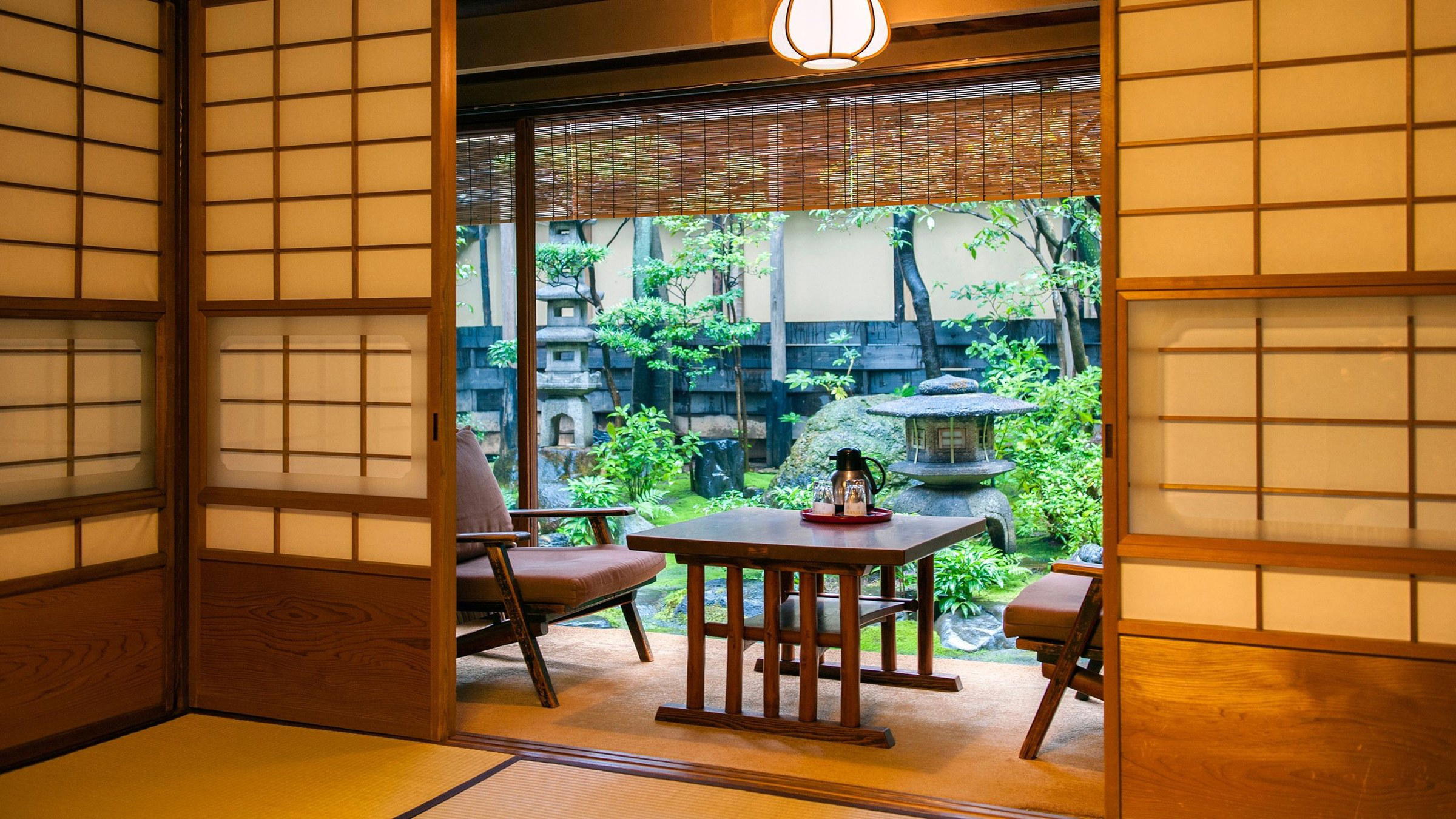
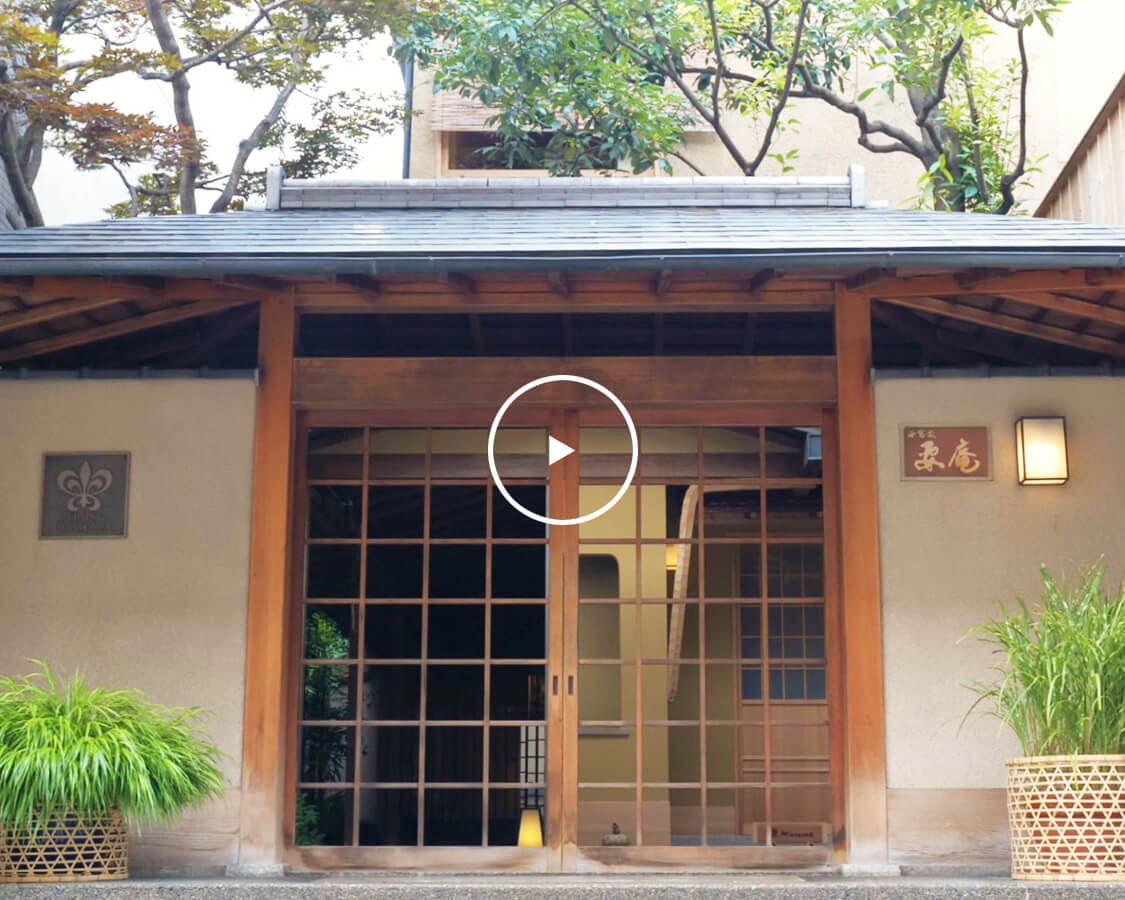
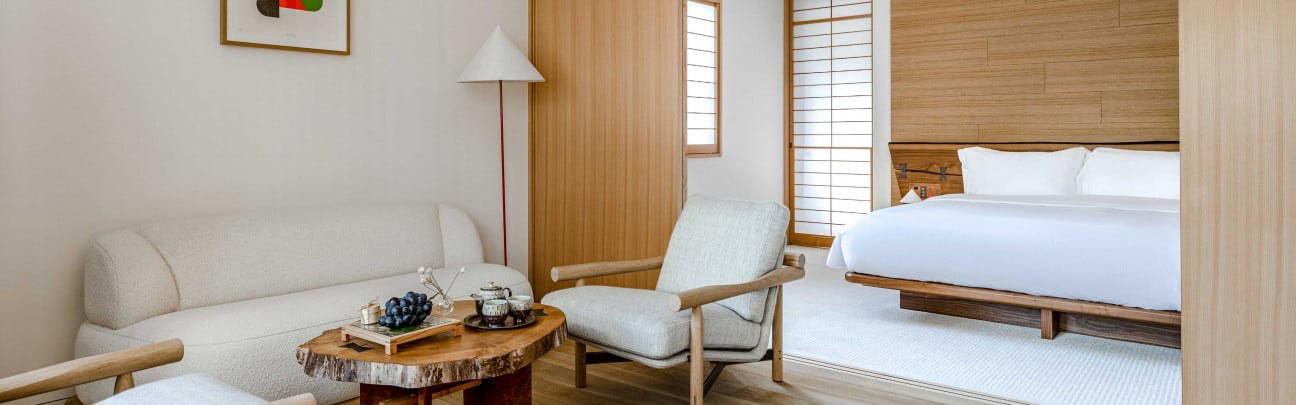
Cozy and serene with garden views, transforming into a dimly lit bar during cocktail time amid stylish interiors.