


Ninshurou places Kyoto’s Chinese dining conversation in a small-counter, reservation-only register rather than a banquet-room one. Chef Makoto Ueoka’s eight-seat format, Tabelog Gold recognition, La Liste scoring, and OAD inclusion put it in a serious national frame, with Cantonese technique read through Kyoto’s preference for restraint, seasonality, and close-range service.
Pearl is the En Primeur Club membership app — saves, bookings, and concierge access live there. Same editors, same standards.
- Address
- Japan, 〒603-8433 Kyoto, Kita Ward, Shichiku Kitakurisucho, 2−12
- Phone
- +81 75-366-8843
- Website
- ninshurou.jp
 Saves & bookings on Pearl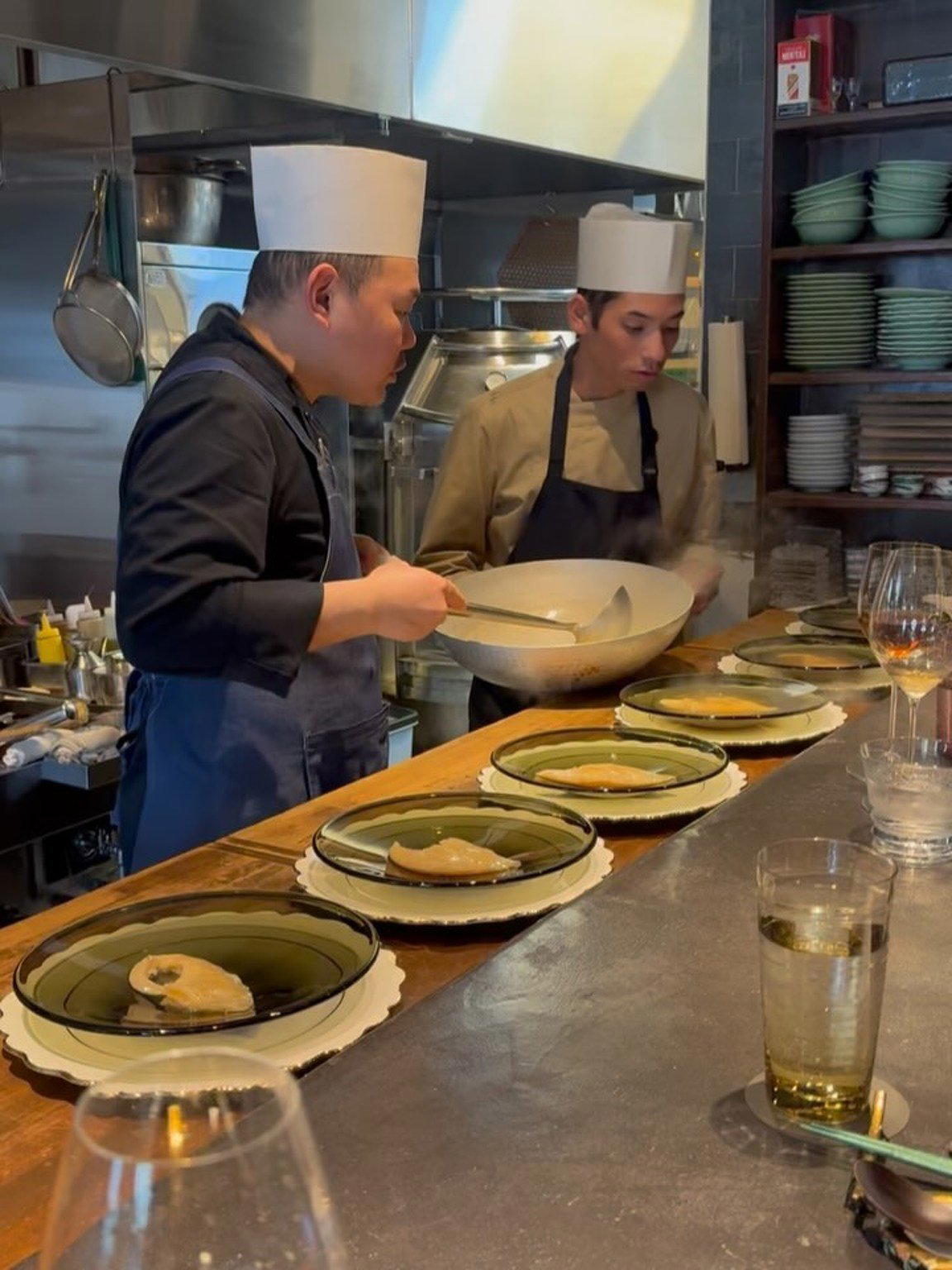
Approaching northern Kyoto changes the tempo before dinner. The city’s restaurant gravity often pulls visitors toward Gion, Pontocho, and hotel corridors around Kyoto Station, but this Kita Ward address resets expectations: quiet streets, residential scale, and a room built for close observation, not spectacle. Ninshurou belongs to a newer Kyoto category: Chinese cooking stripped of banquet abundance and recast as a counter experience.
Kyoto rarely treats imported cuisines as simple imports. French, Italian, Korean, and Chinese restaurants absorb the local grammar of pacing, season, and touch. The strongest Chinese rooms are not chasing volume or theatrical luxury; they narrow the format until technique becomes legible. Compared with Kyoto peers such as YI PAN CAI TANAKA, Taiho, Kyochuka Makisada, Saika, and Izuju, the issue is not only price, but how Chinese cuisine behaves when compressed into a few seats and judged against Japan’s high-end counter culture.
Kyoto's Chinese counter culture is moving away from banquet logic
Chinese fine dining in Japan carries two associations: the grand hotel dining room, with large tables, polished service, and a group-oriented menu; and the chef-led counter, where heat, timing, and sequence matter more than abundance. Kyoto’s more compelling Chinese restaurants increasingly sit in the second camp, because the city rewards concentration. A small room forces fewer covers, sharper pacing, and little space for decorative excess.
Ninshurou is explicit about the format: eight counter seats, reservation-only operation, and no private rooms. Those facts place it closer to sushi, kappo, and tempura logic than conventional Chinese dining. Chef Makoto Ueoka gives the restaurant its culinary anchor, while the broader story is Cantonese technique translated for Kyoto diners used to watching a meal unfold in front of them. The audience is buying not only rare ingredients or a long sequence, but control.
The awards context reinforces that reading. Tabelog lists the restaurant as a 2026 Gold Award winner with a 4.62 score, plus Gold recognition in 2024 and 2025 and Silver in 2022 and 2023. It also appears in the 2026 Tabelog Chinese WEST “Tabelog 100” selection, while La Liste gives it 95 points for 2026 and Opinionated About Dining includes it among recommended restaurants in Japan. Different systems, same message: this is not a neighborhood Chinese address that happened to draw attention. It sits in Japan’s national conversation around high-end Chinese cooking.
Tea belongs in the same conversation as heat and sauce
The assigned lens here is tea, and for Chinese cuisine that lens is structural, not ornamental. Tea resets fat, extends aromatic lift, and changes how seafood, roast meats, and slow-cooked sauces read across a sequence. Cantonese cooking depends on clarity after richness. A serious tea programme, when present, is not a soft alternative to wine; it is a parallel system of bitterness, fragrance, oxidation, and temperature.
Specific tea selections are not publicly listed for Ninshurou, so the smarter reading is category fit rather than invented pairings. The counter format, wine and shochu listing, and high-spend dinner bracket imply a meal where beverage decisions matter. In this style of Chinese dining, wine can amplify sweetness, shochu can sharpen savory depth, and tea can clean the palate without adding weight. For travelers used to Kyoto’s kaiseki tea rituals, that is a useful bridge: the service culture may differ, but aroma, pause, and progression remain familiar.
This is where Kyoto’s dining habits shape Chinese cooking. The city’s serious restaurants often ask guests to notice transitions rather than isolated highlights. A tea-led reading rewards that attention. Instead of treating courses as rich plates in procession, the diner can track how temperature, steam, bitterness, and fragrance alter the sequence. That is more interesting than the old question of authenticity versus adaptation.
How to place it within a Kyoto dining itinerary
For visitors building a Kyoto food trip, Ninshurou works well as a counterpoint to better-known Japanese formats. A schedule built only around kaiseki, sushi, and tempura can become repetitive, even when serious. A compact Chinese counter changes the rhythm without leaving Kyoto’s preference for precision, and gives the itinerary a northern anchor away from denser tourist circuits.
The dinner price band is JPY 30,000 to JPY 39,999, with review-based spending often shown higher. That is firmly Kyoto’s special-occasion tier, but the eight-seat counter changes the value calculation. Diners are not paying for a large room, long wine-list theatrics, or hotel-service padding. The spend is tied to scarcity, chef proximity, and the labor of a small kitchen. The format suits travelers who already understand why counter dining commands a premium in Japan.
Practicalities matter. Dinner service is narrow, Wednesday is closed, payment is card-friendly but not built around electronic money or QR systems, and the room asks for smart casual dress with restraint around perfume or cologne. Children are accepted from age 10 when accompanied by a guardian and ordering the same course, making this possible only for families with older children comfortable with a long, quiet meal.
Kyoto’s wider dining map helps clarify the decision. For more restaurant planning, use Our full Kyoto restaurants guide, and for pairing the meal with a stay, see Our full Kyoto hotels guide. Late-evening planning belongs in Our full Kyoto bars guide, while broader trip structure can pull from Our full Kyoto experiences guide and Our full Kyoto wineries guide. Within Kyoto’s restaurant field, compare the mood and category signals around Akihana, Canton Shunsai Ikki, Hachiraku, hakubi, and Hirosawa. For readers mapping Chinese and other Japan dining references beyond Kyoto, the wider index includes 4000 Chinese Restauranat, Chinese in Tokyo, 4000 Chinese Restaurant, Chinese in Tokyo, -Grilled beef Sukiyaki- KAMAKURA TANUKIAN 鎌倉 たぬき庵 in Kamakura,. 鮪と炭火焼き うお炭 秋葉原店 in Tokyo,.cafe in Osaka,.know in Kumamoto, (Shoku) Vietnam in Kawasaki, and [Curry Senmon Ten] Maruyama Kyoju. in Sapporo.
The critical point is simple: this is a Kyoto Chinese restaurant for diners who care about format as much as cuisine. The awards create the trust signal, the counter creates the tension, and the tea question sharpens how to read the meal. Go expecting the discipline of a small Japanese dining room applied to Chinese technique, not a lavish Chinese banquet in miniature.
- Shanghai crab
- crispy roasted pork belly
- smoked pigeon with jasmine rice
- braised shark fin with jade sauce
- Singapore-style chili lobster
- claypot rice with crispy scorched rice
Local
Comparable venues at a glance for context.
| Venue | Cuisine | Price | Notes |
|---|---|---|---|
| NinshurouThis venue — the venue you are viewing | Modern Cantonese | $$$$ | |
| Saika | Modern Sichuan Chinese | $$$$ | Higashiyama |
| ベルロオジエ | Innovative Chinese Gastronomy | $$$$ | Kawaramachi |
| Sakagawa | Traditional Kaiseki | $$$$ | Higashiyama |
| Sushi Kawano | Edomae Omakase Sushi | $$$$ | Sakyō |
| Guu | Kyoto-style Chinese Omakase | $$$ | Nakagyō |
Continue exploring
More in Kyoto
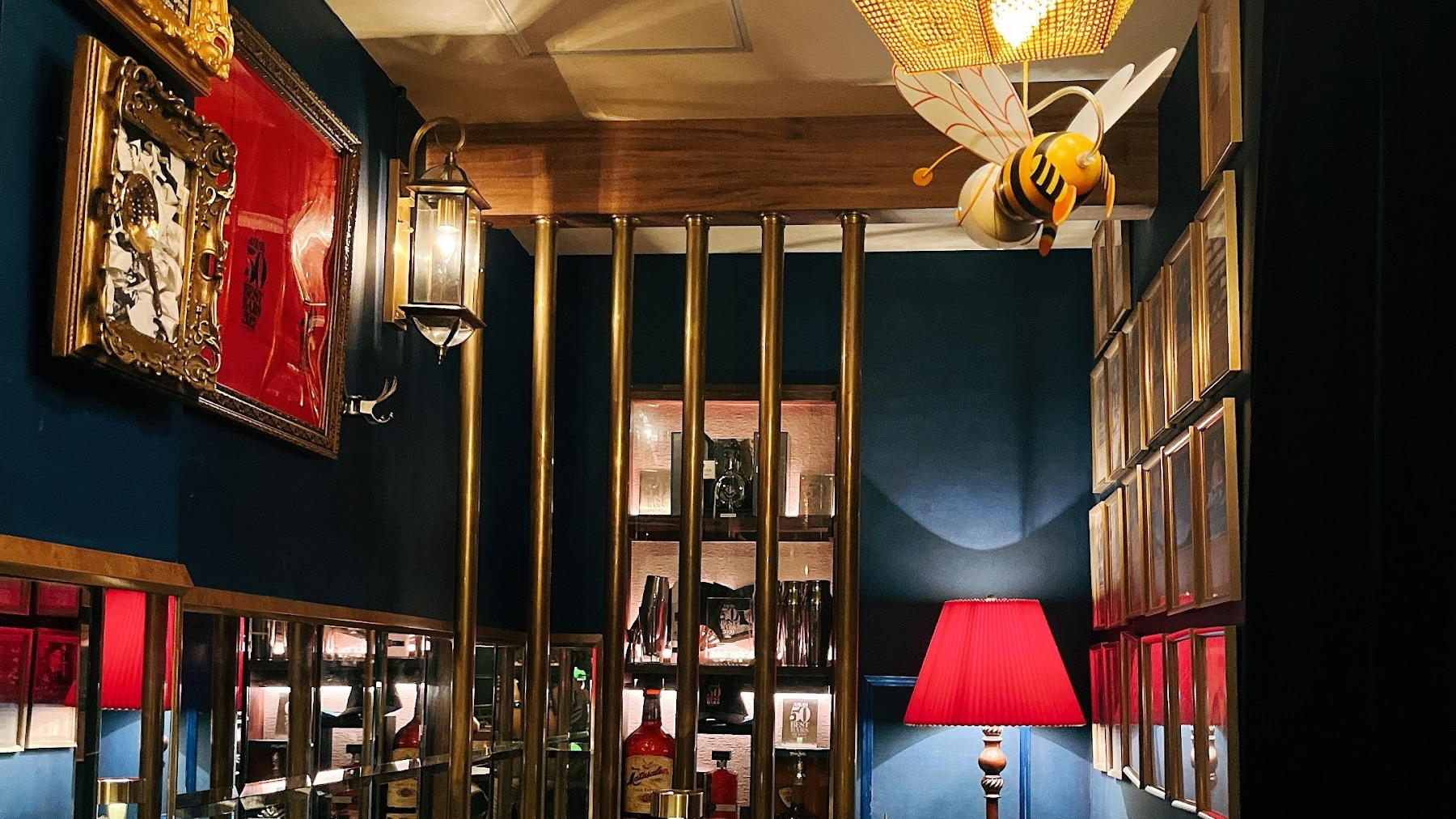
Restaurants in Kyoto
Browse all →
Bars in Kyoto
Browse all →


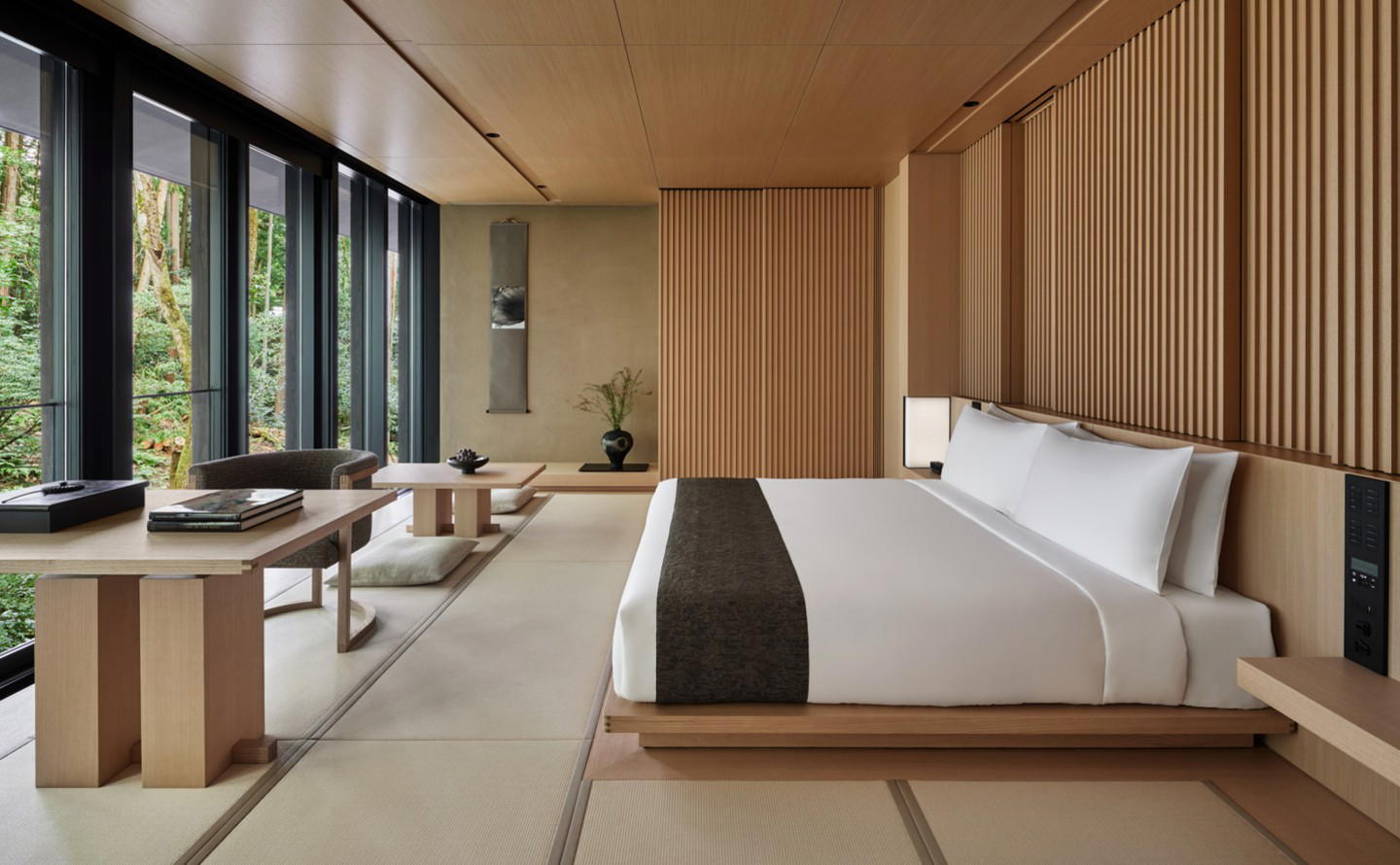
Hotels in Kyoto
Browse all →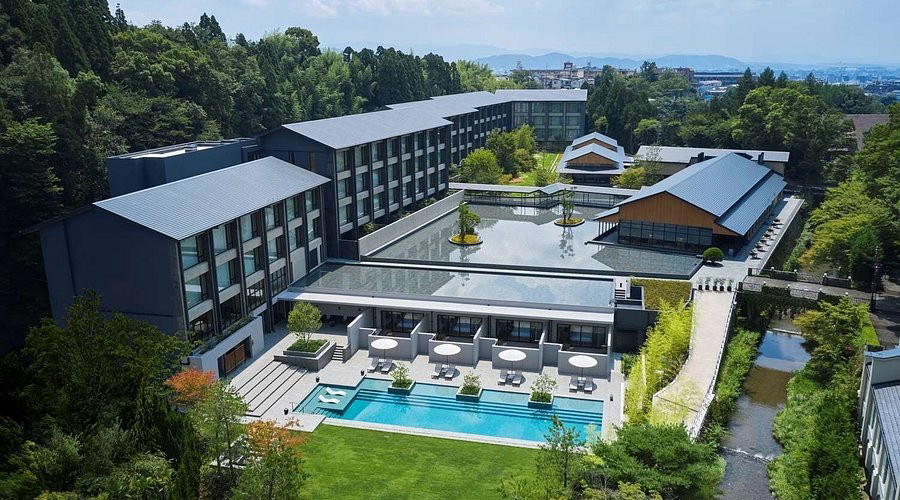

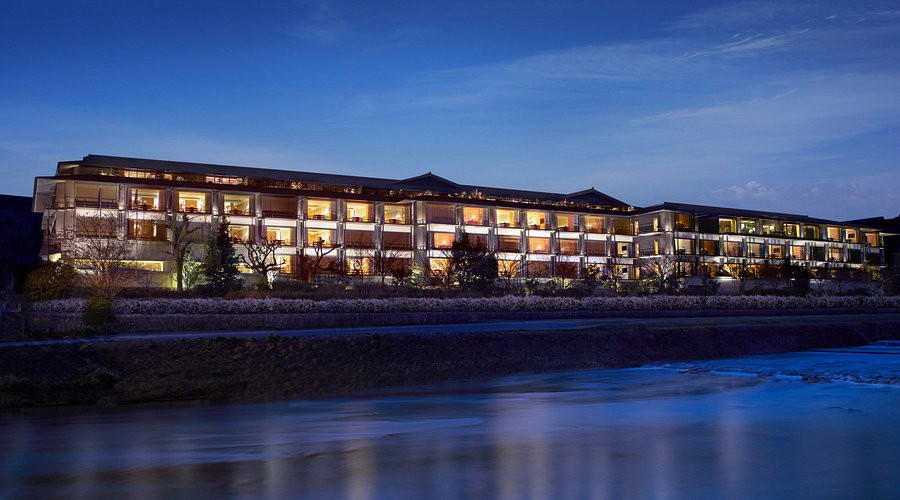
Wineries in Kyoto
Browse all →
At a Glance
- Elegant
- Intimate
- Minimalist
- Sophisticated
- Quiet
- Special Occasion
- Date Night
- Celebration
- Chefs Counter
- Open Kitchen
- Design Destination
- Sake Program
- Local Sourcing
- Garden
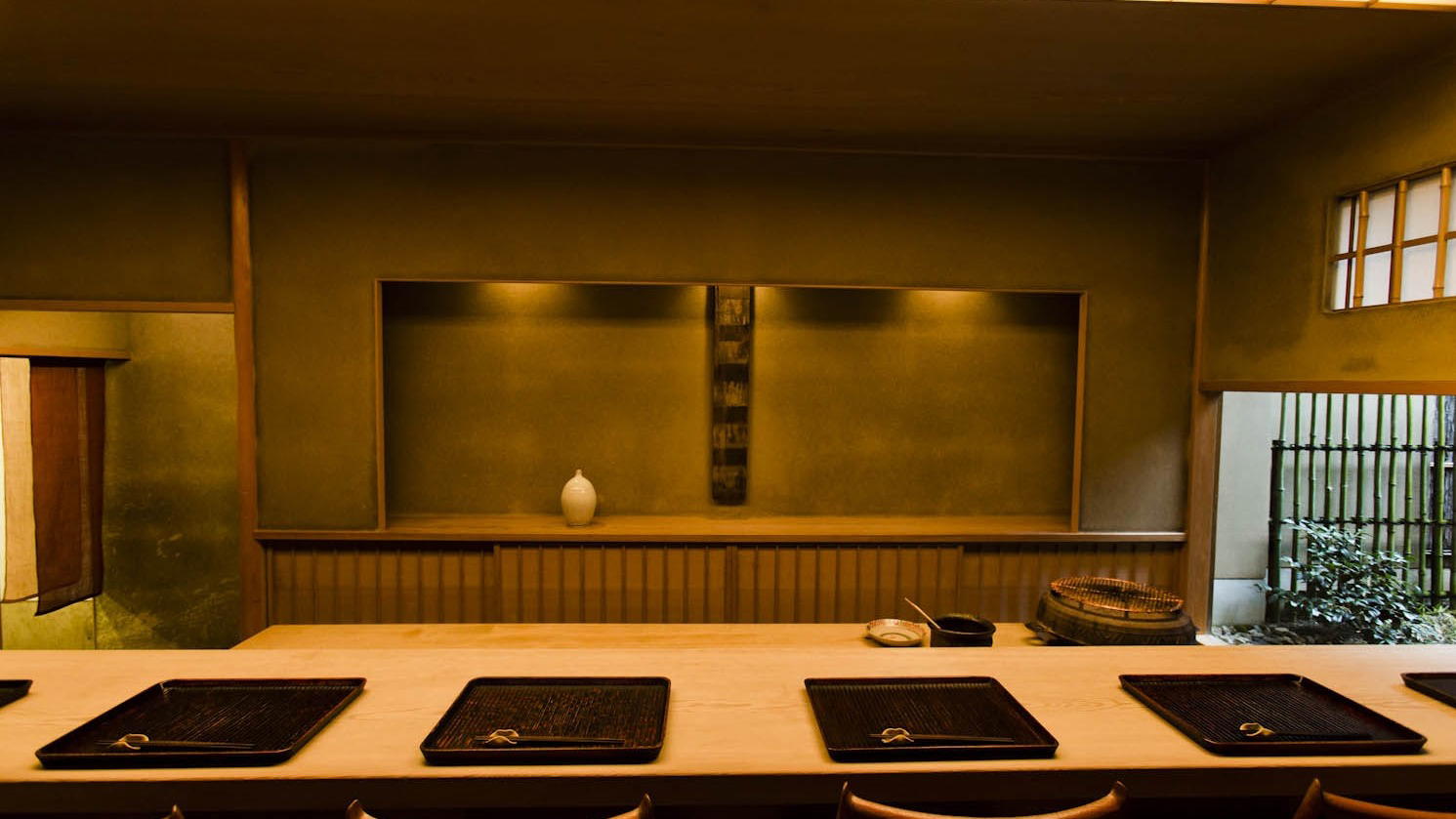
Serene and minimalist with black tiled walls, jet-black counter kitchen, softly-lit lanterns, and a small garden glimpsed through a round window; the atmosphere evokes ritual and reverence with controlled elegance and tranquil presence.
- Shanghai crab
- crispy roasted pork belly
- smoked pigeon with jasmine rice
- braised shark fin with jade sauce
- Singapore-style chili lobster
- claypot rice with crispy scorched rice