
Michelin Selected
KIKOKUTEI Bekkan is a Michelin Selected property in Shimogyo-ku, Kyoto, occupying an address that places guests within the city's historic core. It sits in a tier of small-scale Kyoto lodging that trades on neighbourhood proximity over hotel-chain infrastructure. The 2025 Michelin Hotels selection confirms its position in the city's premium accommodation cohort.

Pearl is the En Primeur Club membership app — saves, bookings, and concierge access live there. Same editors, same standards.
- Address
- Japan, 〒600-8151 Kyoto, Shimogyo Ward, Uchikoshicho, 317
- Phone
- +81 75-361-7888
- Website
- kikokutei.com
- Directions
- Get directions
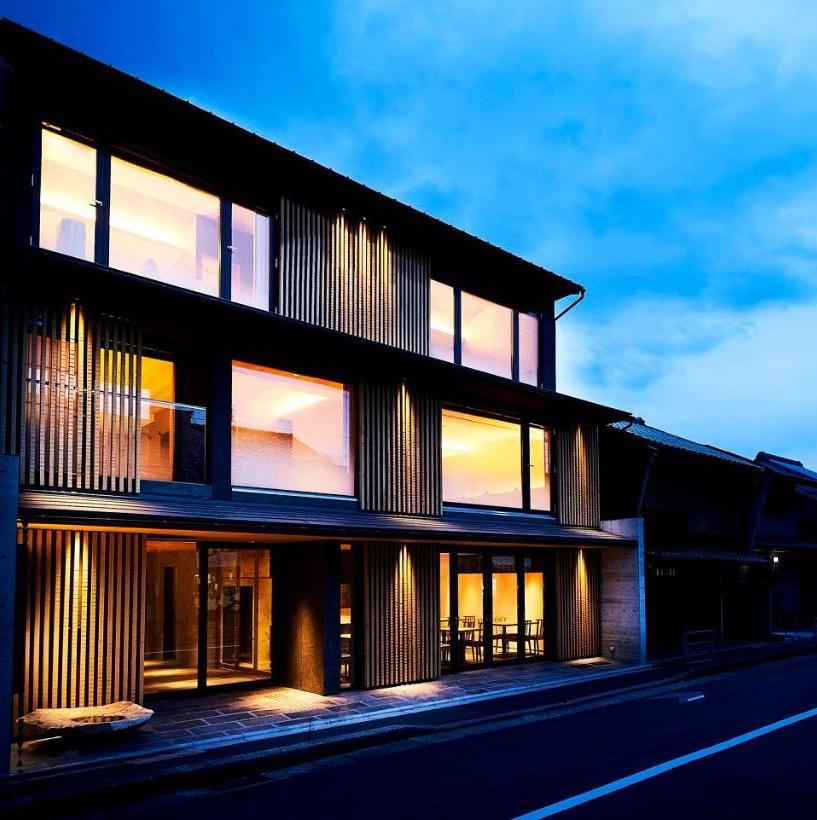
Where Shimogyo-ku Places You
Kyoto's accommodation market has long operated on a geography-is-everything logic. The city's historic districts do not repeat themselves: Gion's machiya lanes, Nishiki's market edges, and the temple corridors of Higashiyama each offer a different daily rhythm. Shimogyo-ku, where KIKOKUTEI Bekkan sits at 317 Uchikoshicho, occupies the lower ward of central Kyoto, placing guests within walking distance of Nishiki Market, the Karasuma commercial corridor, and the southern reaches of the imperial palace grounds. That address is not incidental. In a city where taxis and subway rides accumulate quickly across a week-long visit, proximity to Kyoto Station and the main north-south transit spine translates into genuine logistical ease. Properties at this latitude can reach the major temple circuits of Arashiyama, Fushimi Inari, and the eastern mountains in under thirty minutes by rail, without the routing penalties that befall more peripheral addresses.
The Bekkan designation in Japanese hospitality typically signals an annex or secondary wing set at some remove from a main building, often arranged to provide greater privacy and a quieter residential scale. In Kyoto, this format has found particular resonance among properties that want to offer the intimacy of a small ryokan without fully committing to a traditional inn structure. KIKOKUTEI Bekkan operates within that tradition: a property whose physical configuration prioritises a contained, lower-key atmosphere over the lobby traffic of a full-service hotel.
The Michelin Selected Tier in Kyoto
The 2025 Michelin Hotels guide includes KIKOKUTEI Bekkan in its Selected category for Kyoto Prefecture. Michelin's hotels programme, which operates on a separate track from its restaurant stars, uses the Selected designation to mark properties that meet a defined threshold of quality without necessarily earning the additional Key distinctions reserved for a narrower set of outstanding stays. In Kyoto, where the guide covers a competitive field of traditional inns, boutique conversions, and international-flag hotels, inclusion at any level represents external validation in a market that is not short of contenders.
Aman Kyoto and the Four Seasons Hotel Kyoto anchor the upper bracket with international-brand infrastructure and price points to match. Hoshinoya Kyoto, accessible only by boat up the Oi River, trades on dramatic seclusion. Higashiyama Shikikaboku and Hotel Kanra Kyoto position themselves in the design-conscious mid-tier. KIKOKUTEI Bekkan occupies a different register: a small-footprint property where the address and the Bekkan format, rather than a brand portfolio or a curated design programme, provide the core value proposition.
Across Japan, the most resonant small lodging properties tend to share a set of characteristics: limited rooms, an address with genuine cultural or geographic logic, and a format that rewards guests who already understand the city rather than those who need it explained to them. Properties such as Gora Kadan in Hakone, Asaba in Izu, and Nishimuraya Honkan in Kinosaki-cho each demonstrate how deeply an address and a scale can define what a stay actually delivers. KIKOKUTEI Bekkan follows the same pattern at a central Kyoto latitude.
Planning a Stay: Practical Considerations
Kyoto operates on a pronounced seasonal calendar. Spring cherry blossom (late March to mid-April) and autumn foliage (mid-November) bring the heaviest visitor volumes, and properties in the central wards fill well ahead of those windows. The shoulder periods, particularly early June during the rainy season and the weeks immediately after the summer Obon holiday in August, offer meaningfully thinner crowds at major sites without sacrificing the city's seasonal character. Guests who visit in January or February will find temples largely to themselves on weekday mornings, with the added possibility of snow-dusted temple gardens in rare cold snaps.
For a Shimogyo-ku address specifically, the access logic is direct: Kyoto Station sits at the ward's southern edge, making Shinkansen arrivals from Tokyo (approximately 2 hours 15 minutes by Nozomi), Osaka (15 minutes), and Hiroshima (around 80 minutes) entirely frictionless. The Karasuma subway line runs north through the ward, connecting directly to the Kyoto Imperial Palace neighbourhood and, with a transfer, to the Tozai line's eastern temples.
KIKOKUTEI Bekkan Against Kyoto's Broader Lodging Field
Kyoto's premium lodging field has diversified substantially over the past decade. International chains arrived in force, machiya conversions proliferated, and purpose-built boutique hotels multiplied in the central wards. That expansion has made differentiation harder. Properties that once held a near-monopoly on the intimacy-plus-central-access position now compete with a much denser field. eph KYOTO, GRANBELL HOTEL KYOTO, and Candeo Hotels Kyoto Karasuma Rokkaku each occupy positions in that same central-Kyoto, design-aware tier.
What the Bekkan format offers that these properties do not is an implied separation from the main flow of hotel life. The annex structure, whether it takes the form of a garden-separated building, a standalone townhouse, or a reconfigured residential space, creates a grain of daily experience that differs from a corridor of hotel rooms. That distinction matters most to guests who are returning to Kyoto and are looking for a mode of engagement with the city that does not replicate a previous hotel stay. For first-time visitors who need orientation, a concierge infrastructure, and on-site dining, the calculation may run differently. Properties like HOTEL THE MITSUI KYOTO provide all of those services at a central address.
The broader context for KIKOKUTEI Bekkan is a Japan-wide tradition of small-scale, address-led properties that form an identifiable cohort beneath the headline ryokan and resort names. Zaborin in Kutchan, Kamenoi Besso in Yufu, and Benesse House in Naoshima each hold their standing through a specific combination of location logic and format discipline rather than brand weight. KIKOKUTEI Bekkan holds the same logic in a more urban register. For the full picture of what Kyoto's accommodation market currently offers across price tiers and neighbourhoods, see our full Kyoto Prefecture restaurants and hotels guide.
A Tight Comparison
Comparable venues nearby, for context on price, style, and recognition.
| Venue | Price | Awards | Notes |
|---|---|---|---|
| KIKOKUTEI BekkanThis venue — the venue you are viewing | $300–500 | Michelin Selected | Not listed |
| Hotel Okura Kyoto Okazaki Bettei | $300–500 | Michelin Selected | Sakyō, Small luxury hideaway reminiscent of a mountain lodge in Higashiyama culture |
| Yoshida Sanso | $1,000–1,500 | Michelin Selected | Sakyō, Luxury heritage ryokan housed in a restored 1932 imperial residence with contemporary comforts integrated into traditional Japanese design. |
| Four Seasons Hotel Kyoto | $1,000–1,500 | 1 Michelin Key · La Liste Top Hotels | Higashiyama, Contemporary resort-style oasis inspired by traditional Kyoto machiya houses set in a historic pond garden. |
| 俵屋旅館 | $300–500 | Not listed | Nakagyo-ku, Traditional Japanese ryokan with modern comforts and historical integrity. |
| Maana Kiyomizu | $300–500 | Michelin Selected | Higashiyama, Restored machiya townhouses with contemporary minimalist interiors |
Recognition history
Dated appearances from independent guides and award organizations, with the underlying list record or original source where available.
Michelin Selected
Michelin
Continue exploring
More in Kyoto
Hotels in Kyoto
Browse all →
Bars in Kyoto
Browse all →

Restaurants in Kyoto
Browse all →


Wineries in Kyoto
Browse all →
Details
- Modern
- Quiet
- Elegant
- Minimalist
- Scenic
- Romantic Getaway
- Wellness Retreat
- Weekend Escape
- Garden
- Design Destination
- Historic Building
- Terrace
- Wi Fi
- Elevator
- Garden
- Concierge
- Laundry Service
- Garden
- Wheelchair Accessible
- Elevator
- Step Free Entrance
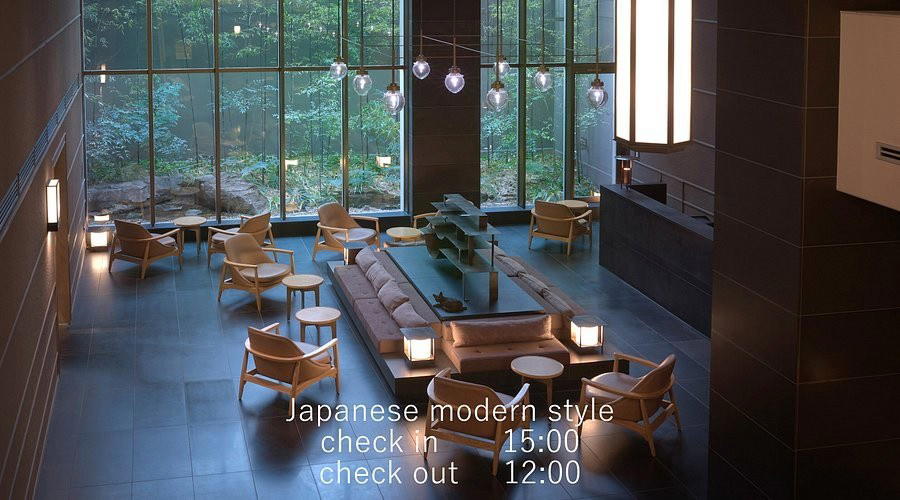
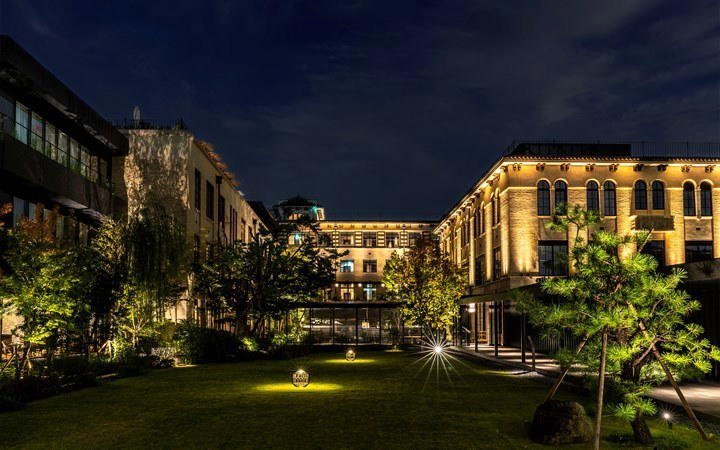
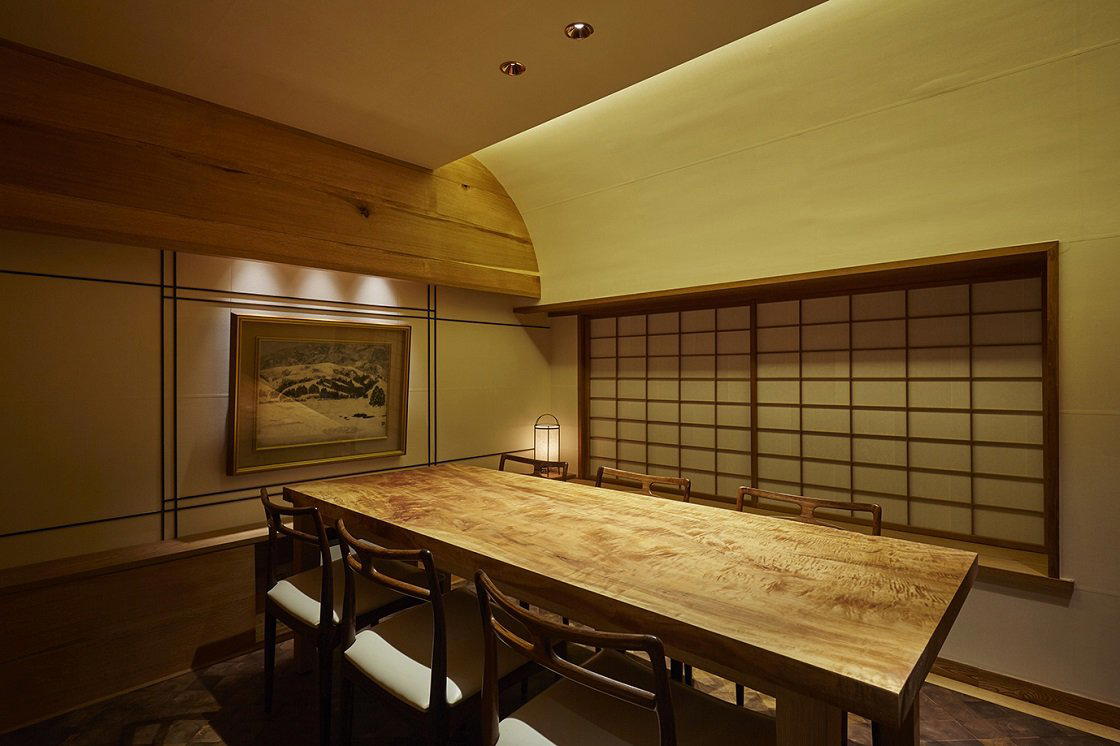
Serene and minimalist with earthly colors and natural light; designed for total relaxation with attention to seasonal atmosphere and Kyoto landscape aesthetics.