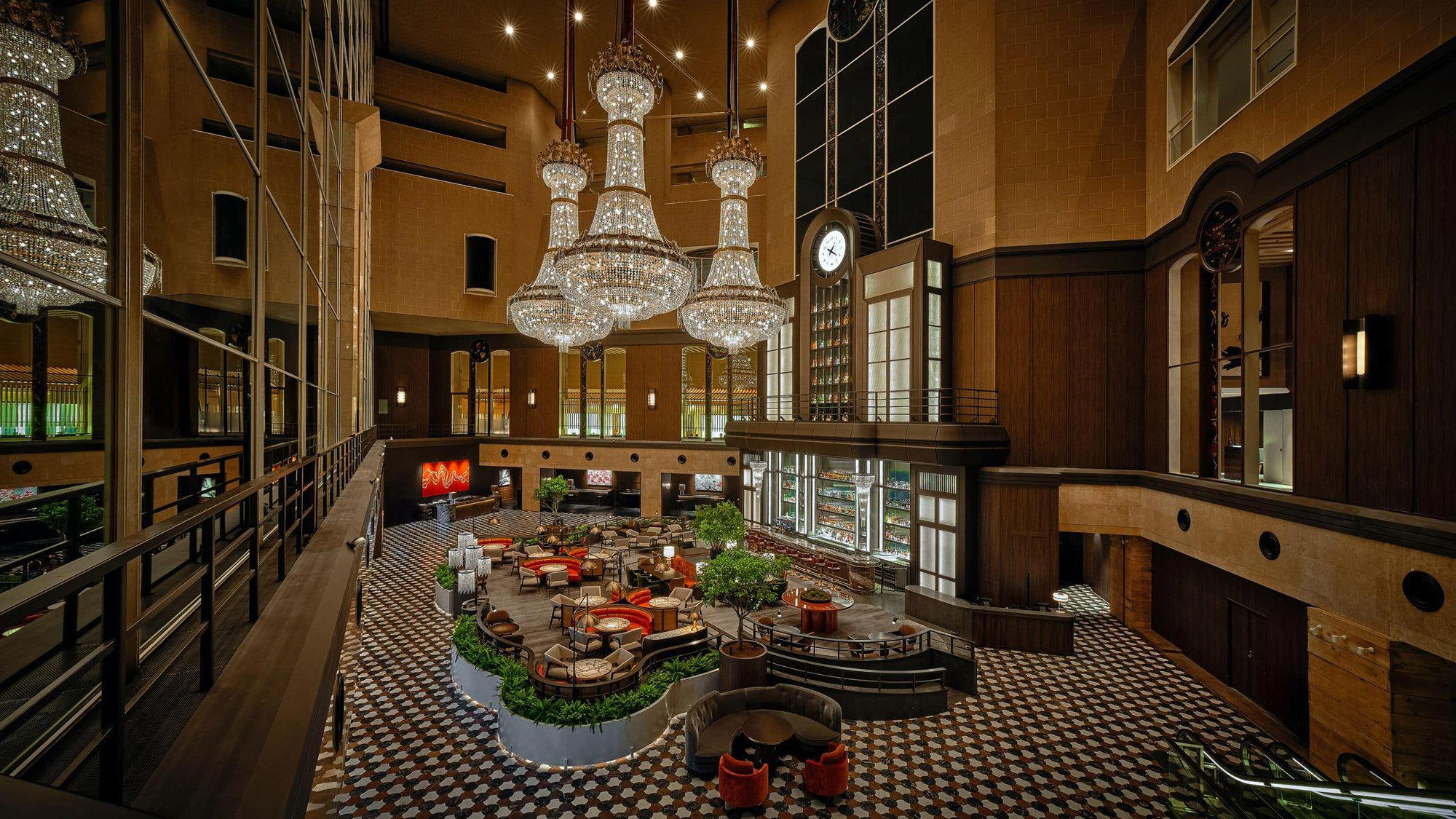
A landmark of Nishi-Shinjuku's high-rise hotel corridor, Hyatt Regency Tokyo has anchored the district since the neighbourhood defined itself as Tokyo's first skyscraper cluster. The property sits within walking distance of Shinjuku Station and operates across multiple dining concepts, making it a practical base for both business travellers and those using the city's western rail spine as their primary artery.

Pearl is the En Primeur Club membership app — saves, bookings, and concierge access live there. Same editors, same standards.
- Address
- 西新宿2-7-2, 新宿区, 東京都, 160-0023
- Directions
- Get directions
Nishi-Shinjuku and the High-Rise Hotel Tier
Tokyo's hotel market has fractured into increasingly distinct tiers over the past decade. At one end, design-led independents and ultra-luxury flagships, among them Bvlgari Hotel Tokyo, Aman Tokyo, and Four Seasons Hotel Tokyo at Otemachi, compete on exclusivity and room count restraint. At the other, the established international full-service hotel occupies a different position entirely: broader in scale, more varied in dining output, and oriented around a different kind of visitor. Hyatt Regency Tokyo belongs to this second tier, and it does so from one of the city's most structurally significant addresses.
Nishi-Shinjuku, where the property stands at 西新宿2-7-2, was Tokyo's first experiment in vertical urbanism. The cluster of office towers and hotel high-rises that rose here from the 1970s onward predates the city's later luxury corridors in Marunouchi and Toranomon. That context matters: this neighbourhood operates on a different logic than the polished financial-district hotels further east. It is denser in transit options, more diverse in what surrounds it at street level, and considerably better placed for travellers who intend to use Shinjuku Station, one of the world's highest-throughput rail hubs, as their daily departure point.
What the Dining Structure Reveals
In full-service hotels of this scale, the menu architecture across multiple restaurants functions as an implicit statement about who the property expects to serve. The model that Hyatt Regency Tokyo has historically maintained, spanning Japanese, European, and bar formats under one roof, reflects a guest profile that is largely self-contained: business travellers on expense accounts, leisure guests who prefer the convenience of on-property options after long travel days, and group itineraries that cannot easily coordinate external restaurant bookings across a party of varying preferences.
This is not the dining approach of Tokyo's more concentrated luxury properties. Compare it with the tighter, single-concept dining rooms at Palace Hotel Tokyo or the deliberate restraint at Andaz Tokyo, where the property's food and beverage identity reads as a curatorial statement. The Hyatt Regency model is breadth over depth, and that is not a criticism. For a certain kind of stay, having Japanese, Western, and drinks options within the building removes exactly the friction that makes Tokyo's dining scene feel intimidating to first-time visitors or time-poor professionals.
The city's broader dining infrastructure, covered in our full Tokyo restaurants guide, rewards independent exploration, but not every trip is structured around that. The Regency format anticipates guests who need the building to carry more of the hospitality load.
Where It Sits in the Shinjuku Accommodation Picture
Shinjuku's hotel stack is broad. At the lower end, business hotels cluster tightly around the station's east and south exits. In the mid-tier, several international brands occupy the towers of Nishi-Shinjuku. The Hyatt Regency sits in the upper range of this district without crossing into the small-room, high-price bracket of Tokyo's most rarefied properties. That positioning, roomy by Tokyo standards, full-service by any standard, and transit-adjacent by geography, is the core of its offer.
For travellers whose itinerary takes them beyond Tokyo to ryokan territory, the Nishi-Shinjuku location is also a sensible first or last night in the city. Properties like Gora Kadan in Hakone or Fufu Kawaguchiko in Fujikawaguchiko are both accessible via rail connections that run through or near Shinjuku. The same logic applies to longer Japan routes that might include HOTEL THE MITSUI KYOTO in Kyoto, Amanemu in Mie, or the more remote Zaborin in Kutchan. Anchoring the Tokyo end of a multi-property Japan itinerary in a high-transit node is a practical decision, not just a convenient one.
Properties like JANU Tokyo or Bellustar Tokyo, A Pan Pacific Hotel and The Capitol Hotel Tokyu each occupy a different neighbourhood logic, whether that is proximity to Azabudai Hills or the historic government district near Akasaka. The Hyatt Regency's claim is Shinjuku itself: messy, layered, commercially dense, and exhaustingly well-connected.
Planning a Stay
Advance booking is advisable for Shinjuku properties at any time of year, but particularly during cherry blossom season in late March and early April, and during autumn colour viewing in November, both of which drive significant domestic and international travel into Tokyo. The Nishi-Shinjuku cluster tends to absorb overflow from the city's business conference calendar as well, which peaks in autumn and spring. For travellers with flexibility, mid-January through February and the July-August period (excepting Obon week in mid-August) typically offer more room availability across the district.
Those extending travel beyond the capital should consider properties suited to Japan's slower-paced ryokan tradition. Asaba in Izu, Nishimuraya Honkan in Kinosaki-cho, and Fufu Nikko in Nikko each represent very different registers of Japanese hospitality and function as natural counterpoints to a city-hotel stay. Further afield, Halekulani Okinawa in Okinawa, Jusandi in Ishigaki, and Benesse House in Naoshima extend the Japan journey toward island and art-island formats that sit at a remove from the urban hotel model entirely. For global context, Aman New York in New York City, The Fifth Avenue Hotel in New York City, and Aman Venice in Venice each illustrate how the full-service urban hotel model plays out in different city contexts.
Additionally, for those drawn to Japan's more remote spa destinations, ENOWA Yufu in Yufu, Sekitei in Hatsukaichi-shi near Hiroshima, and Sekitei offer grounding experiences that contrast sharply with the high-rise density of Nishi-Shinjuku.
Comparison Snapshot
| Venue | Price | Awards |
|---|---|---|
| Hyatt Regency Tokyo (ハイアットリージェンシー東京)This venue — the venue you are viewing | $300–500 | Not listed |
| Bvlgari Hotel Tokyo | Not listed | 3 Michelin Keys · World's 50 Best #24 |
| Aman Tokyo | Not listed | 2 Michelin Keys · World's 50 Best #11 |
| Four Seasons Hotel Tokyo at Otemachi | Not listed | 3 Michelin Keys · La Liste Top Hotels |
| Palace Hotel Tokyo | Not listed | 3 Michelin Keys · World's 50 Best #73 |
| Andaz Tokyo | $300–500 | 1 Michelin Key |
Continue exploring
More in Tokyo
Hotels in Tokyo
Browse all →




Bars in Tokyo
Browse all →


Restaurants in Tokyo
Browse all →


Details
- Modern
- Elegant
- Sophisticated
- Business Trip
- Weekend Escape
- Panoramic View
- Terrace
- Wi Fi
- Fitness Center
- Room Service
- Concierge
- Business Center
- Valet Parking
- Skyline
- Garden
- Mountain
- Wheelchair Accessible
- Elevator
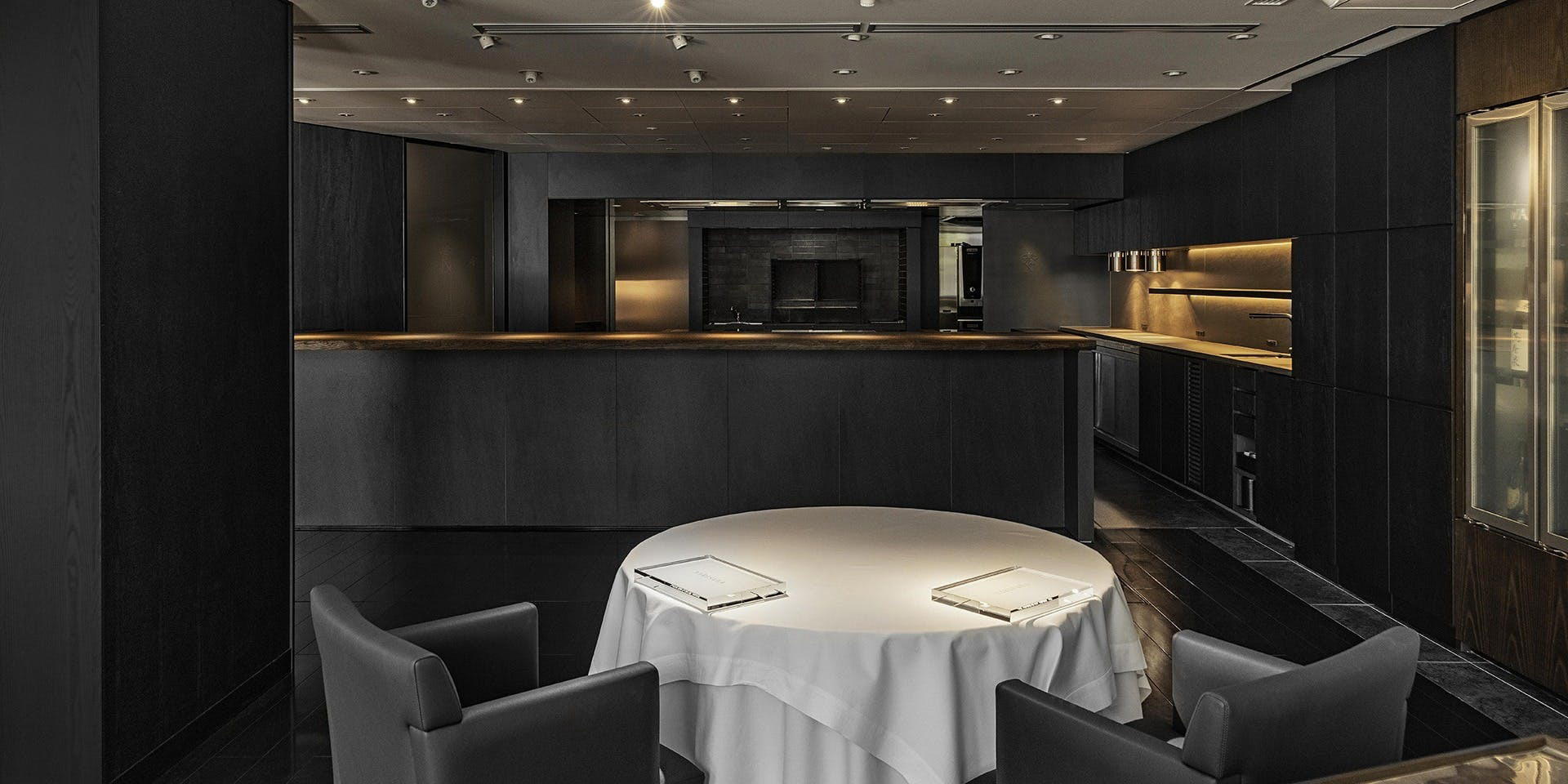
Hushed, glamorous lobby with warm yellow lamps, crystal chandeliers, and contemporary art installations evoking timeless sophistication.