

Michelin Selected · Preferred Hotels L.V.X. Collection
Occupying the upper floors of a 40-storey tower at the southern edge of Shibuya, Cerulean Tower Tokyu Hotel positions itself as one of the ward's most recognisable large-format luxury addresses. With 408 rooms, multiple dining outlets, and a traditional Noh theatre on site, it draws both leisure travellers and corporate visitors who want scale alongside architectural presence in one of Tokyo's most commercially dense districts.

Pearl is the En Primeur Club membership app, where members save venues, book tables and use the concierge.
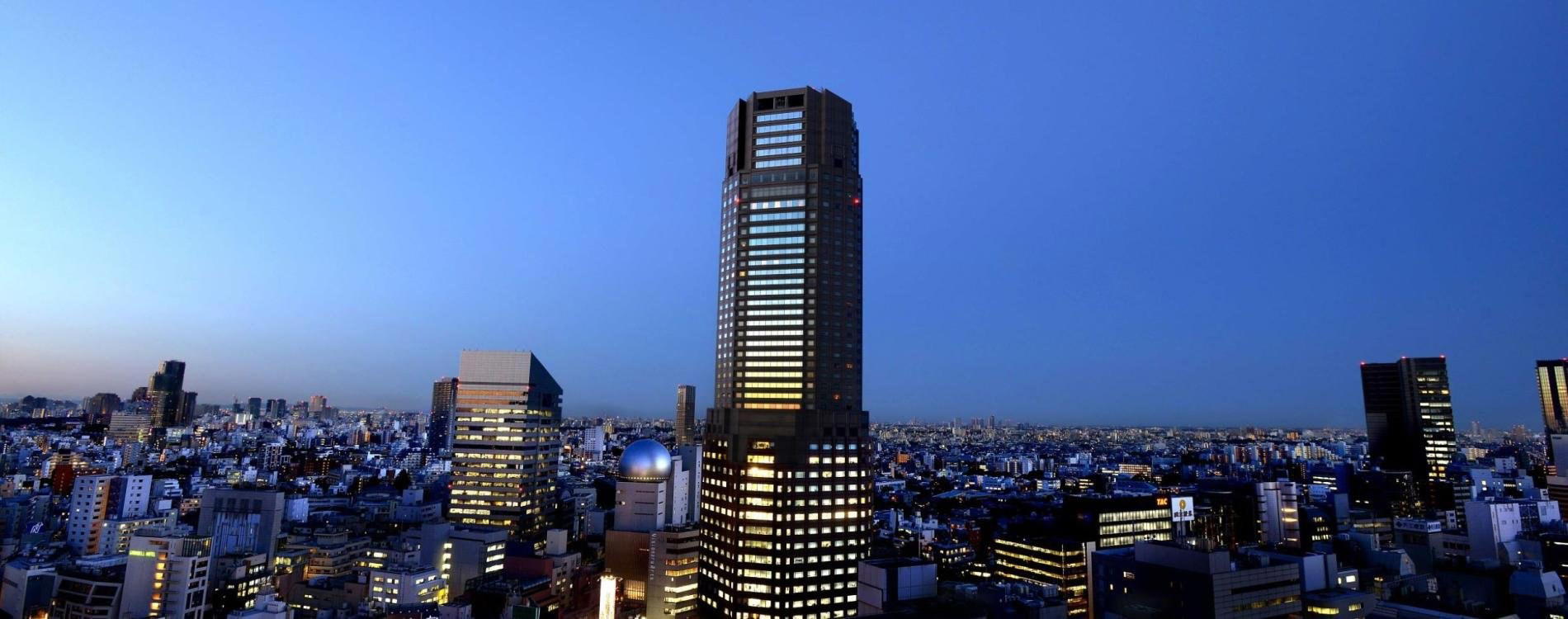
Shibuya's Vertical Hotel Tier
Tokyo's luxury hotel market has, over the past decade, sorted itself into two broad formats: the mid-city tower property with panoramic reach, and the smaller, atmosphere-focused address that trades scale for intimacy. Cerulean Tower Tokyu Hotel belongs firmly to the first category. Rising 40 storeys above Shibuya's southern slope at one of Tokyo's most commercially charged intersections, it offers 408 rooms and a suite of facilities, dining, a jazz club, a Noh theatre, spa, that position it as a self-contained destination rather than a base for exploration alone.
The comparison is worth making explicit. Four Seasons Hotel Tokyo at Otemachi and Palace Hotel Tokyo both operate at comparable scale in central Tokyo, anchored to major transit infrastructure and offering multi-outlet dining as a core part of the proposition. Cerulean Tower follows the same logic from its Shibuya address: the tower format is not incidental to the guest experience, it is the guest experience. Height translates directly into cityscape views that change character from afternoon to after dark as Shibuya's grid of illuminated signage deepens.
The Tower's Position in the Shibuya Ward
Shibuya is not Tokyo's quietest neighbourhood, and Cerulean Tower does not pretend otherwise. Located in Sakuragaokachō, roughly three minutes on foot from Shibuya Station's southern exit, the hotel sits on the calmer, residential-slope side of the ward rather than directly adjacent to the famous crossing. That separation matters practically: guests arrive through a quieter approach while retaining walking access to the station and its connections to Narita, Haneda, and the broader Tokyu rail network that runs into Kanagawa and beyond.
For travellers building itineraries that include regional escapes, the Tokyu line access is genuinely useful. Gora Kadan in Hakone and Fufu Kawaguchiko in Fujikawaguchiko both sit within reasonable day-trip or multi-night extension range. The hotel's physical location at Shibuya effectively functions as a transit hub for wider Kanto and Tokai travel, which partly explains its sustained appeal among visitors who plan Tokyo as one chapter of a longer Japan journey. Properties like Fufu Nikko and Asaba in Izu extend that logic further north and south.
Service Architecture at Scale
Large tower hotels in Tokyo face a structural challenge that smaller properties do not: maintaining coherent service quality across hundreds of rooms, multiple restaurant teams, and bar and spa operations that each carry their own internal logic. The properties that handle this well tend to do so through clear departmental accountability rather than centralised hierarchy. At Cerulean Tower, the diversity of the food and beverage offering, which spans Japanese and Western formats, a jazz lounge, and banquet capacity, means the front-of-house and kitchen teams operate in parallel rather than as a single unit. That model is common across Tokyo's larger luxury hotels, from Andaz Tokyo to The Capitol Hotel Tokyu, though each property's character emerges from how those departments relate to one another in practice.
In-hotel cultural programming is not uncommon at Tokyo luxury properties, but a functioning traditional theatre represents a level of institutional investment in Japanese performing arts that few hotels of any category maintain. It draws a local audience as well as guests, which shifts the social ecology of the property's public spaces in ways that a purely hotel-facing amenity would not. The result is that the lobby and common areas carry a different rhythm from hotels where the guest population is more homogeneous.
How It Sits Against Comparable Tokyo Addresses
Within the Tokyu group's own portfolio, the relationship between Cerulean Tower and The Capitol Hotel Tokyu is worth considering. The Capitol operates near Akasaka and pitches itself at a slightly different traveller profile, with a garden and a Japanese-garden aesthetic that references its location near the National Diet. Cerulean Tower's identity is more explicitly urban and contemporary. Both sit within the same corporate lineage, but their neighbourhood contexts and physical formats produce meaningfully different stays.
Travellers comparing Cerulean Tower against the newer generation of Tokyo luxury entrants, including JANU Tokyo and Bellustar Tokyo, will find that the more recent openings carry a stronger design narrative and more tightly edited programming. Cerulean Tower's 408-room scale gives it operational depth and a breadth of facilities that smaller properties cannot replicate, but it competes less on curation and more on location utility, facility range, and an established reputation within the Shibuya corridor.
For Japan itineraries that extend beyond Tokyo, the hotel's position in the Tokyu network makes it a logical first or final night. Properties across Japan's broader luxury tier, from HOTEL THE MITSUI KYOTO to Amanemu in Mie, Halekulani Okinawa, Benesse House in Naoshima, Jusandi in Ishigaki, Nishimuraya Honkan, Sekitei in Hatsukaichi-shi, ENOWA Yufu, and Zaborin in Kutchan, represent a range of formats and regional settings. Cerulean Tower's urban density positions it as the high-energy counterpart to those quieter destinations rather than a direct competitor.
Planning Your Stay
Shibuya's calendar peaks during cherry blossom season in late March and early April, and again during the November autumn colour period, when both domestic and international travel volume rises sharply. At 408 rooms, Cerulean Tower has more availability headroom than smaller Tokyo properties, but rates and occupancy during those windows tighten at all points of the market. Booking two to three months ahead for spring and autumn travel is a reasonable baseline; corporate travel periods around Tokyo's major trade and conference calendar add secondary pressure in January through March and September through October. The hotel's direct access to the Shibuya Tokyu line also makes it popular with travellers arriving from Haneda Airport, which uses the Keikyu and Tokyo Monorail connections to the same interchange, reducing the friction of first and last nights considerably.
A Credentials Check
Comparable venues nearby, for context on price, style, and recognition.
| Venue | Cuisine | Price | Awards | Notes |
|---|---|---|---|---|
| Cerulean Tower Tokyu HotelThis venue (the venue you are viewing) | High-rise luxury tower with executive floors and club lounge privileges | Not listed | Michelin Selected · Preferred Hotels L.V.X. Collection | Not listed |
| Hotel Chinzanso Tokyo | Luxury urban sanctuary combining Japanese botanical heritage with contemporary hospitality, formerly a Four Seasons property. | Not listed | Forbes 4-Star · Preferred Hotels L.V.X. Collection | Bunkyō |
| Park Hyatt Tokyo | timeless luxury residence atop Shinjuku skyscraper | Not listed | 1 Michelin Key · World's 50 Best #53 | Shinjuku |
| The Kitano Hotel Tokyo | Relais & Chateaux service apartment-style boutique hotel | Not listed | Relais Chateaux Award | Chiyoda |
| Kimpton Shinjuku Tokyo | luxury lifestyle boutique hotel with creative New York-inspired flair | Not listed | Michelin Selected · World Luxury Hotel Awards WLHA Country Winner | Shinjuku |
| Hotel Toranomon Hills (ホテル虎ノ門ヒルズ) | Luxury design hotel positioned as a cosmopolitan retreat for business travelers and experienced guests seeking Japanese-Scandinavian aesthetic fusion. | $300–500 | Not listed | Toranomon |
Recognition history
Dated appearances from independent guides and award organizations, with the underlying list record or original source where available.
Michelin Selected
Michelin
Preferred Hotels L.V.X. Collection
Preferred Hotels
Continue exploring
More in Tokyo
Hotels in Tokyo
All hotels in Tokyo →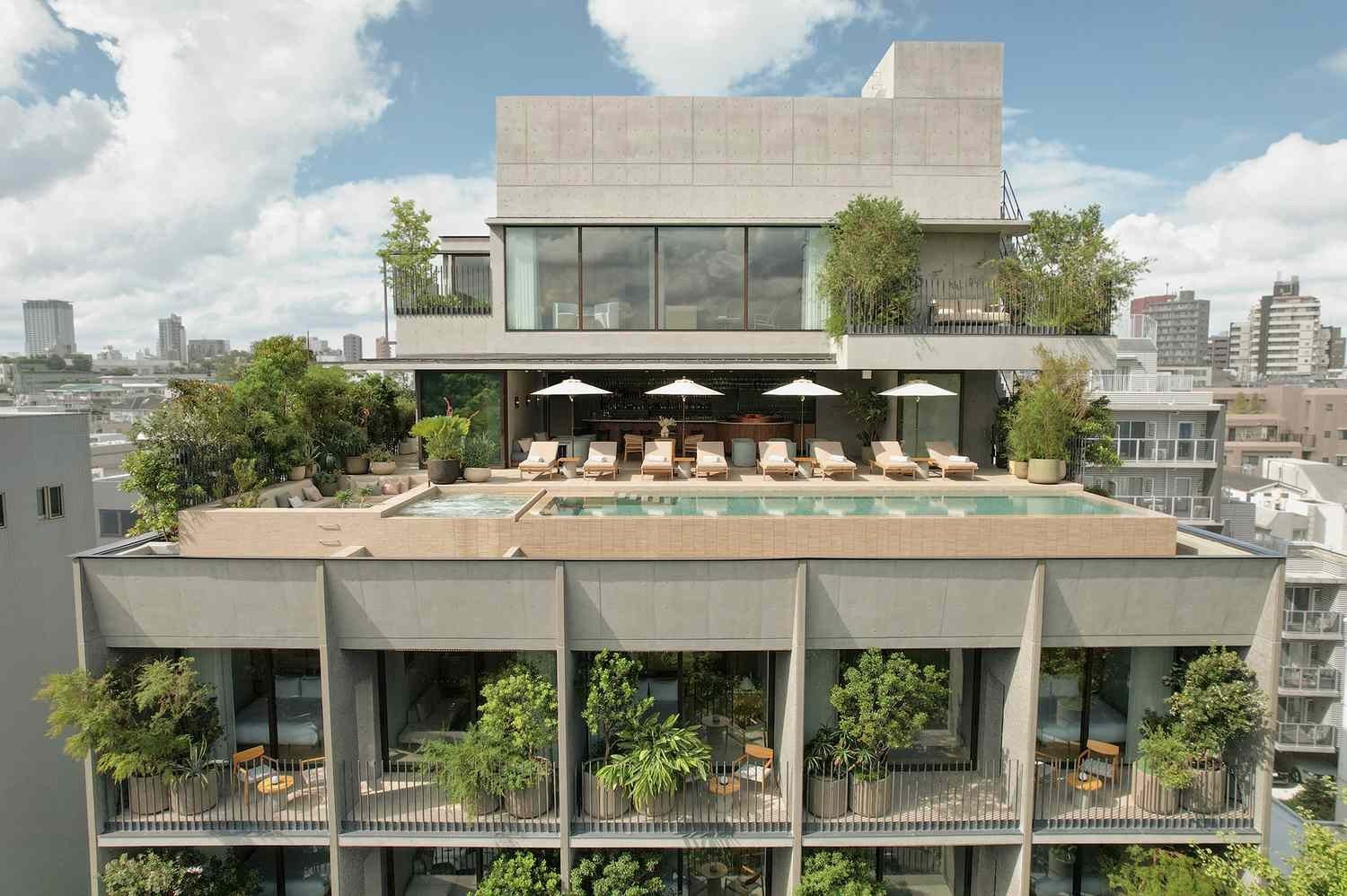


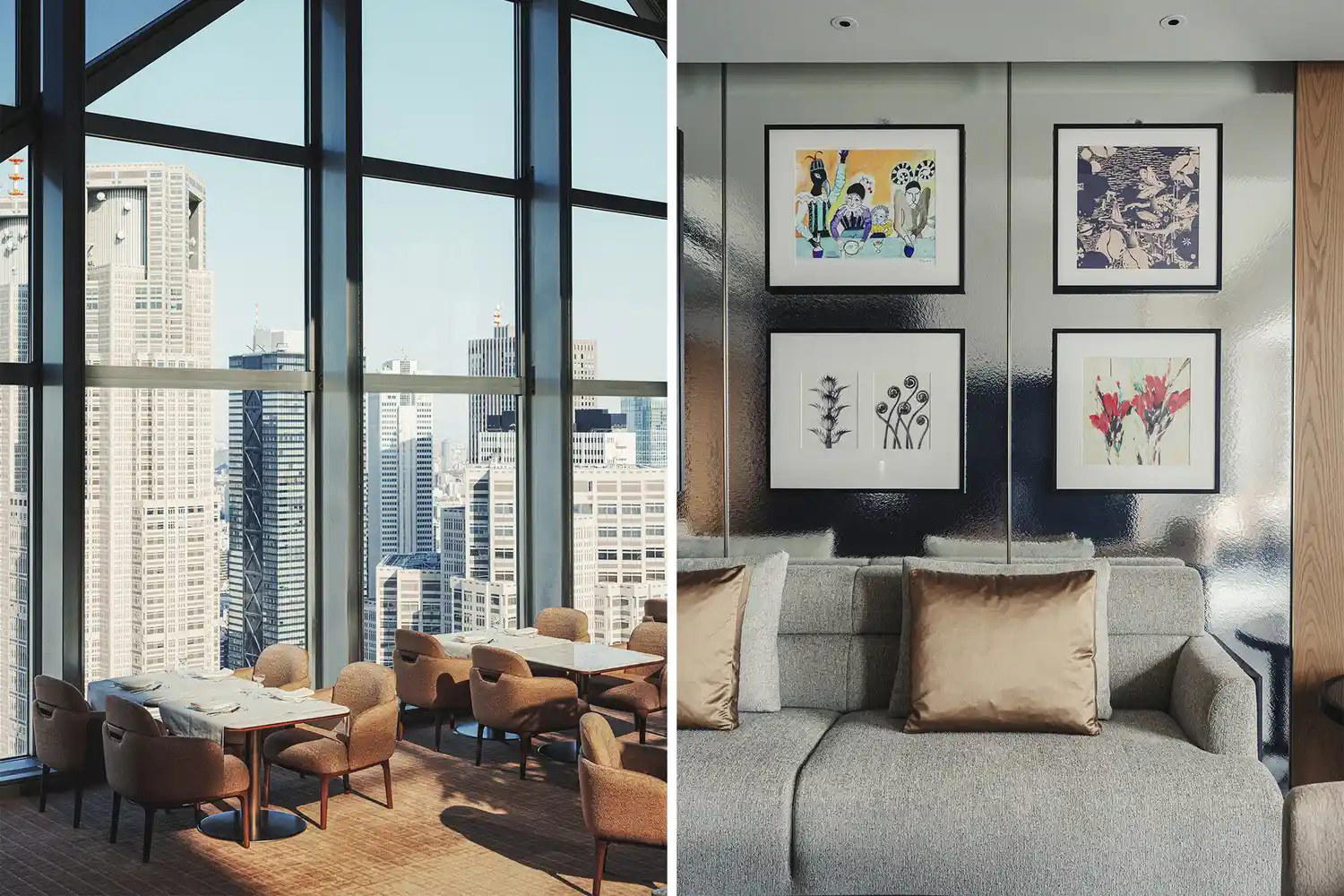
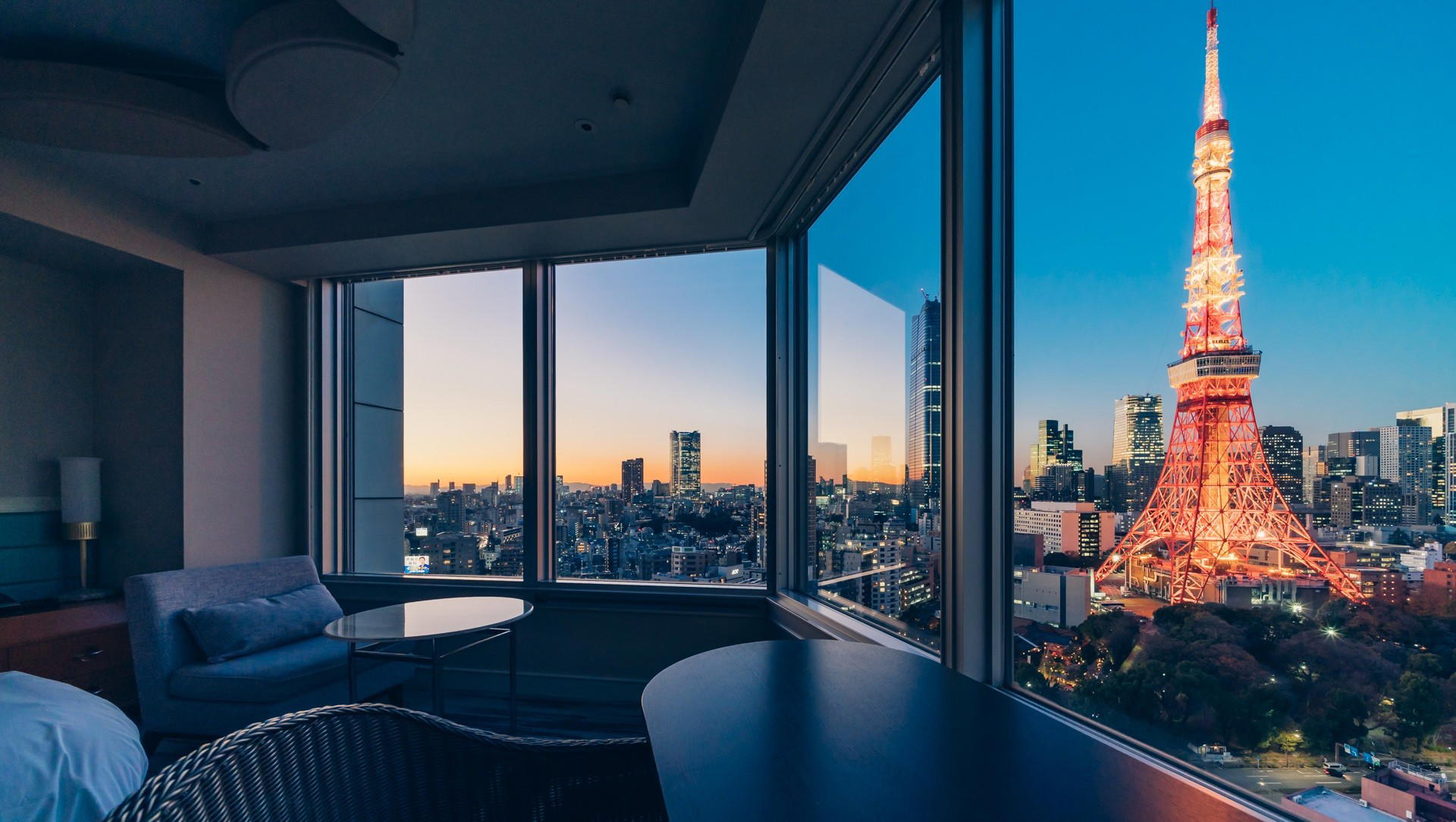
Bars in Tokyo
All bars in Tokyo →





Details
- Elegant
- Sophisticated
- Modern
- Business Trip
- Romantic Getaway
- Panoramic View
- Wi Fi
- Pool
- Spa
- Fitness Center
- Room Service
- Concierge
- Business Center
- Skyline
- Wheelchair Accessible
- Elevator
- Accessible Parking
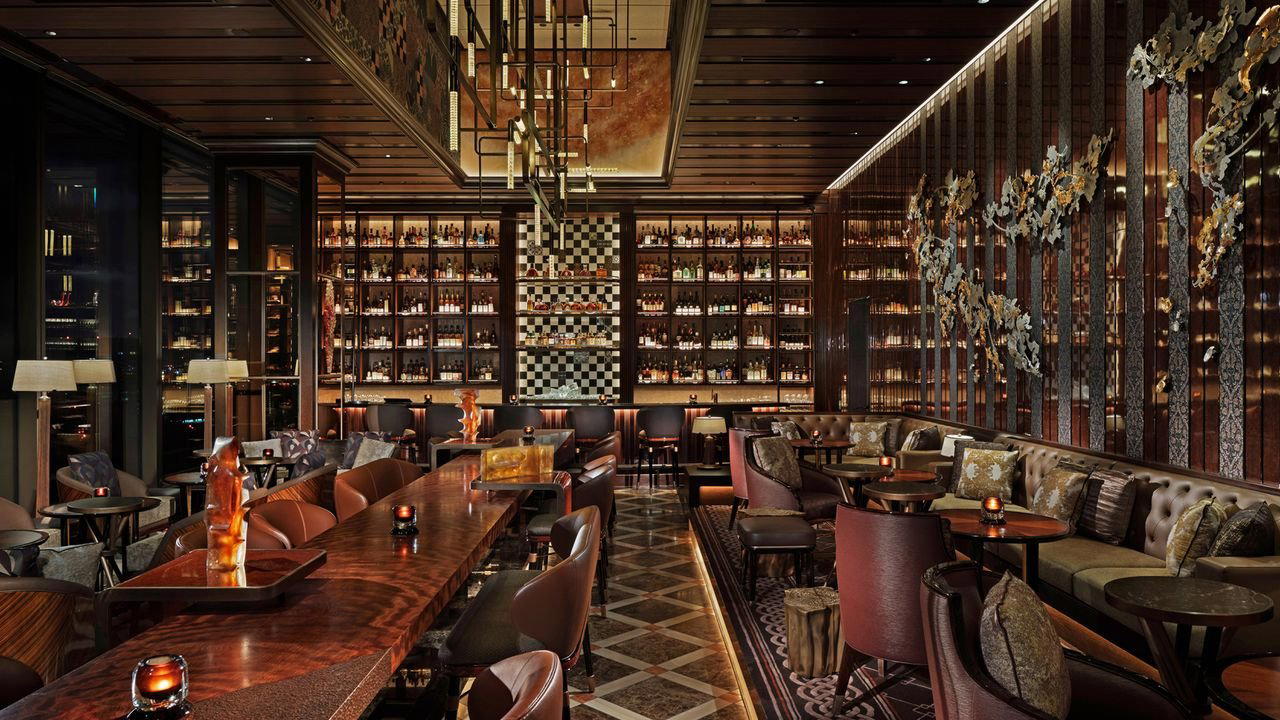
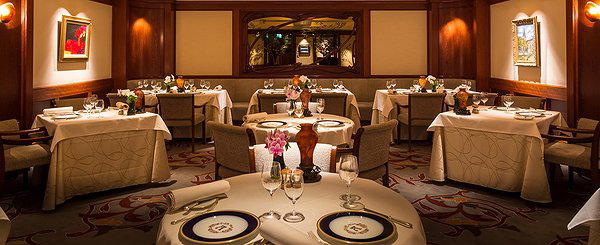
Sophisticated and calming atmosphere with modern Japanese design elements, premium bedding, and cityscape views from higher floors.