
World Luxury Hotel Awards WLHA Continent Winner
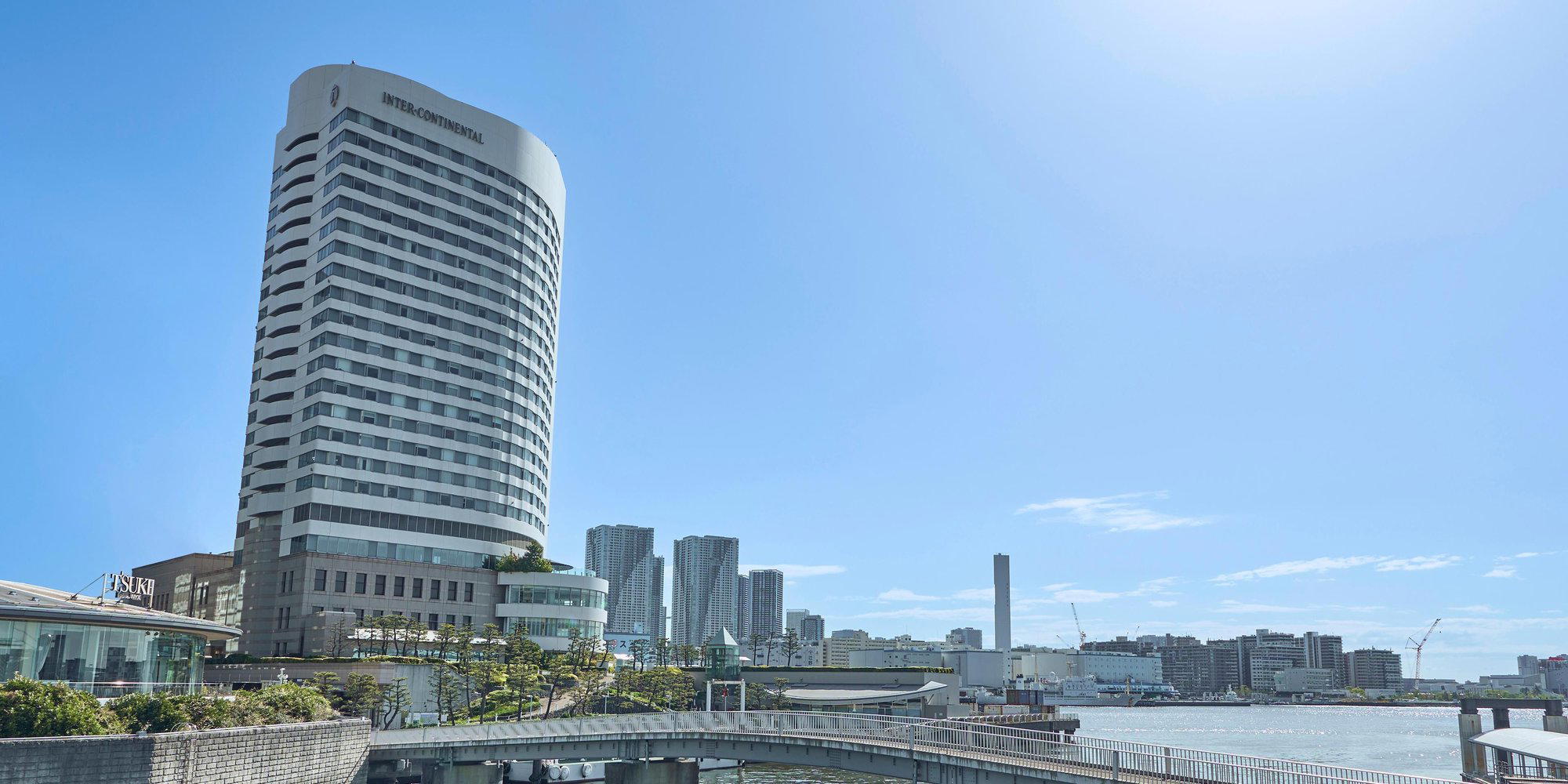
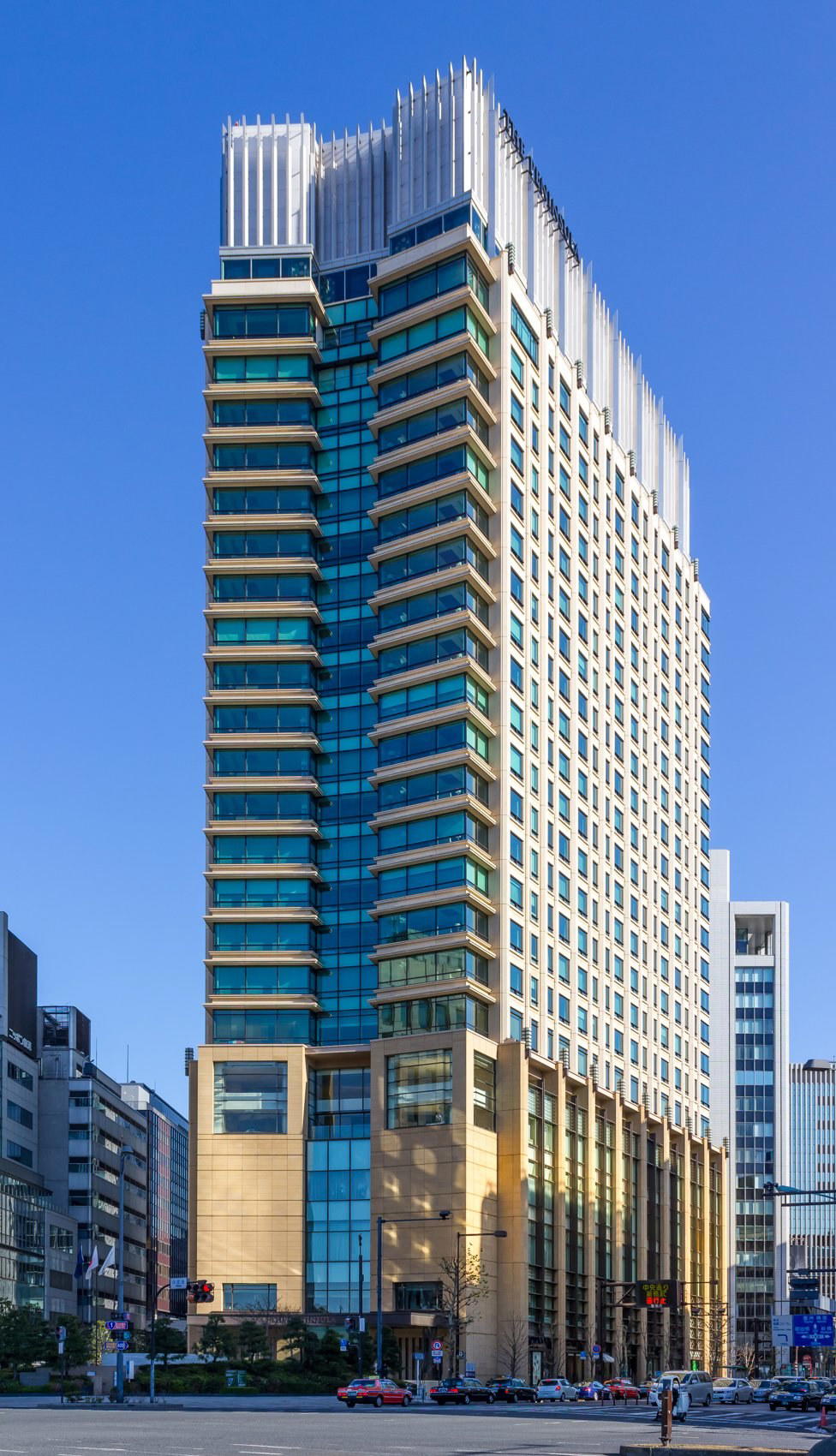
Winner of the World Travel Awards for both Global Luxury Riverside Hotel and Continent Luxury Harbour Hotel, InterContinental Tokyo Bay occupies a waterfront position in Minato that most of the city's landmark hotels simply cannot replicate. The Rainbow Bridge view and Tokyo Bay orientation set up a quieter, more water-defined version of the capital's luxury hotel scene, one that reads less like the dense midtown high-rise tier and more like a considered retreat within the city.

Pearl is the En Primeur Club membership app, where members save venues, book tables and use the concierge.
Water, Distance, and the Case for Staying on the Bay
Tokyo's premium hotel market clusters heavily around Marunouchi, Otemachi, and Minami-Aoyama, where density of business, retail, and Michelin-starred restaurants reinforces proximity as the dominant logic. The waterfront in Minato City operates on a different premise. Here, at 1 Chome-16-2 Kaigan, the city pulls back from the building's edge and the visual foreground is Tokyo Bay itself, with the Rainbow Bridge spanning the middle distance. That spatial relationship, water in front, city behind, produces a quality of calm that the inland towers at Aman Tokyo, Four Seasons Hotel Tokyo at Otemachi, or Bvlgari Hotel Tokyo do not attempt to replicate. They compete on urban verticality and immediate access to commerce. InterContinental Tokyo Bay competes on orientation.
The World Travel Awards have recognised that distinction twice over, naming the property Global Winner for Luxury Riverside Hotel and Continent Winner for Luxury Harbour Hotel.
The Retreat Logic of a Waterfront Address
In a city as relentlessly activating as Tokyo, the psychological case for choosing a hotel with a water view rather than a skyline view is stronger than it might appear. Minato's harbour edge sits far enough from the sensory overload of Shinjuku or Shibuya that the hotel functions, in practical terms, as a soft buffer between the city and its visitors. The Yurikamome refined rail line connects Shiodome and Odaiba, with the hotel positioned near the transit corridor, so access to central Tokyo is not difficult, but the journey across the waterfront reintroduces a sense of transition that the walkable Marunouchi hotels remove entirely.
That transition is precisely what positions this property within a retreat framework. Japan's dedicated wellness hotel tradition plays out most explicitly at rural and onsen destinations: Gora Kadan in Hakone, Amanemu in Mie, Zaborin in Kutchan, or Asaba in Izu, where the physical distance from the city is inseparable from the restorative effect. Urban hotels cannot replicate thermal baths or forest immersion, but they can modulate proximity to stimulation. The bay address does that more deliberately than any hotel positioned above a Ginza shopping corridor.
What the Harbour View Actually Delivers
The Rainbow Bridge view has become the property's most discussed visual asset, and for good reason: it is one of the few unobstructed landmark sightlines available from a Tokyo hotel room, given how tightly the city's buildings pack against each other inland. Early morning light across the bay, before the city reaches full operational intensity, creates conditions that are genuinely different from the urban-canyon experience that dominates the Andaz Tokyo or Palace Hotel Tokyo tier. Those hotels offer their own strong visual arguments, the Imperial Palace gardens, the Shinjuku skyline, but they are city views. This one is a harbour view, and the distinction matters when the goal is decompression rather than stimulation.
For guests whose Tokyo itinerary includes a day or more without fixed commitments, the bay position makes extended time at the property feel genuinely restful rather than like a logistical compromise. That is a narrow but real advantage in a city where most high-end hotels implicitly assume their guests are always in transit to somewhere else.
Positioning Within Tokyo's Broader Hotel Field
The property sits in a different competitive register than the ultra-luxury design hotels that have dominated Tokyo conversation over the past five years. JANU Tokyo, Bellustar Tokyo, and The Capitol Hotel Tokyu each pursue a distinct architectural or brand identity that makes the hotel itself a destination object. InterContinental Tokyo Bay's proposition is more straightforwardly experiential: the bay is the destination, the hotel is the frame. That is neither a limitation nor a virtue in isolation, it depends entirely on what the traveller is looking for.
For context on how Tokyo's wider hotel field maps across neighbourhoods and price tiers, our full Tokyo guide covers the city's key accommodation clusters and how they relate to dining and cultural access. Travellers considering an extended Japan itinerary with rural retreats before or after Tokyo might compare this property's urban-waterfront calm against dedicated wellness destinations such as Fufu Kawaguchiko near Mount Fuji, Fufu Nikko, or ENOWA Yufu in Oita. Further afield, HOTEL THE MITSUI KYOTO, Nishimuraya Honkan in Kinosaki-cho, Benesse House on Naoshima, Halekulani Okinawa, Jusandi in Ishigaki, and Sekitei in Hatsukaichi-shi round out the country's waterfront and nature-oriented wellness tier.
For travellers whose broader itinerary spans continents, the waterfront hotel format reappears at comparable quality levels at Aman Venice, where the Canal Grande serves a structurally similar function to Tokyo Bay, or at properties like Aman New York and The Fifth Avenue Hotel, which pursue a different kind of urban retreat logic through enclave rather than waterfront.
Planning Your Stay
The hotel's address at 1 Chome-16-2 Kaigan, Minato City, places it in the Kaigan area of Minato, roughly equidistant between Hamamatsucho and the Yurikamome line's Takeshiba station. For arrivals from Haneda, the waterfront position is actually more direct than it is for guests heading to the Marunouchi cluster, making this one of the more logistically efficient options for Haneda-connected itineraries. Room selection should prioritise bay-facing orientation; rooms facing inland lose the primary distinguishing feature of the address. Given the property's dual World Travel Awards recognition, peak-season periods, cherry blossom in late March through April, and autumn foliage in November, tend to compress availability at recognised Tokyo waterfront properties, so booking well ahead of those windows is advisable.
Quick Comparison
Comparable venues nearby, for context on price, style, and recognition.
| Venue | Cuisine | Price | Awards | Notes |
|---|---|---|---|---|
| InterContinental Tokyo BayThis venue (the venue you are viewing) | Luxury waterfront high-rise | Not listed | World Luxury Hotel Awards WLHA Continent Winner | Not listed |
| Grand Hyatt Tokyo | Contemporary luxury urban hotel blending Japanese aesthetics with modern design | Not listed | Michelin Selected · Virtuoso Luxury Hotel Partner | Minato |
| Park Hyatt Tokyo | timeless luxury residence atop Shinjuku skyscraper | Not listed | 1 Michelin Key · World's 50 Best #53 | Shinjuku |
| Hyatt Regency Tokyo (ハイアットリージェンシー東京) | Contemporary urban luxury with Shinjuku-inspired reinvention | $300–500 | Not listed | Nishi-Shinjuku |
| Imperial Hotel Tokyo | Classic luxury heritage property with modern amenities | Not listed | La Liste Top Hotels · Leading Hotels of World Member | Chiyoda |
| The Strings by InterContinental Tokyo | Intimate boutique-style luxury tower hotel with contemporary Japanese influences occupying upper floors for spectacular views. | Not listed | Michelin Selected · World Luxury Hotel Awards WLHA Continent Winner | Minato |
Recognition history
Dated appearances from independent guides and award organizations, with the underlying list record or original source where available.
World Luxury Hotel Awards WLHA Continent Winner
World Luxury Hotel Awards
Full recognition history (2 entries)
World Luxury Hotel Awards WLHA Global Winner
World Luxury Hotel Awards
Continue exploring
More in Tokyo
Hotels in Tokyo
All hotels in Tokyo →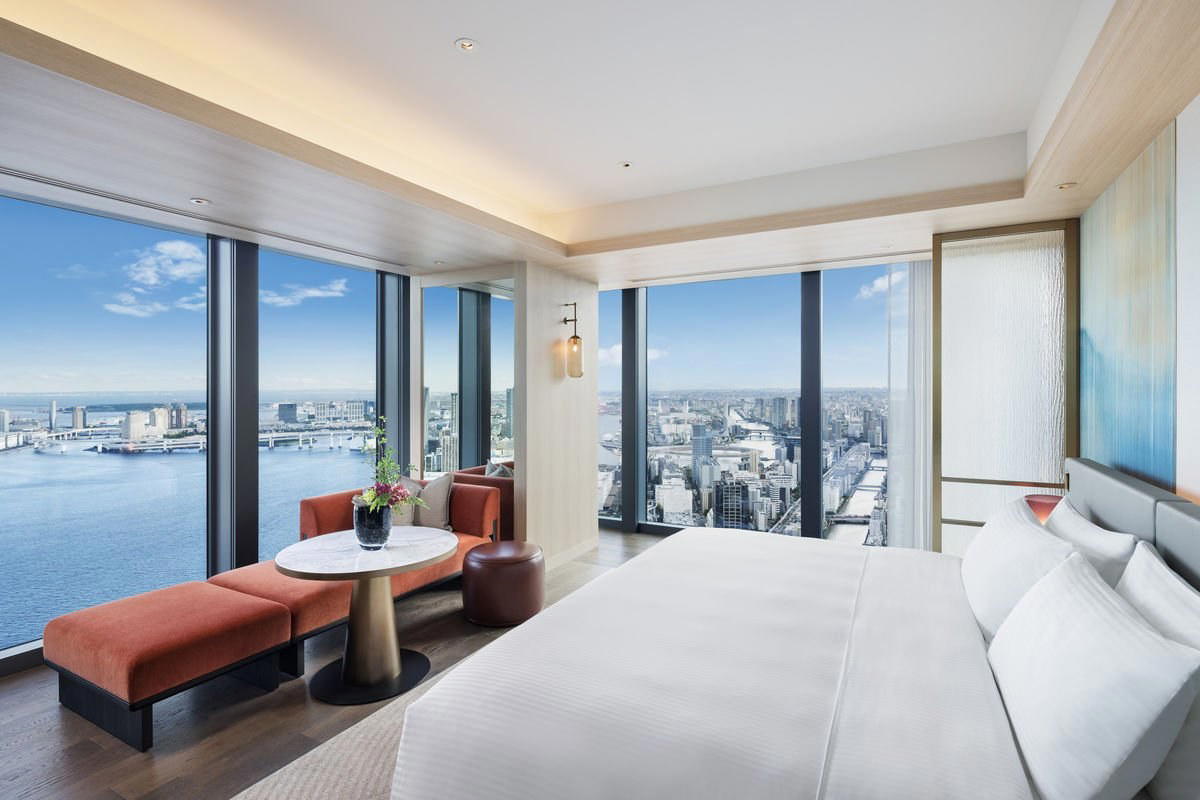
Details
- Elegant
- Sophisticated
- Modern
- Scenic
- Business Trip
- Romantic Getaway
- Family Vacation
- Waterfront
- Panoramic View
- Rooftop Pool
- Wi Fi
- Fitness Center
- Room Service
- Concierge
- Pool
- Waterfront
- Skyline
- Wheelchair Accessible
- Elevator
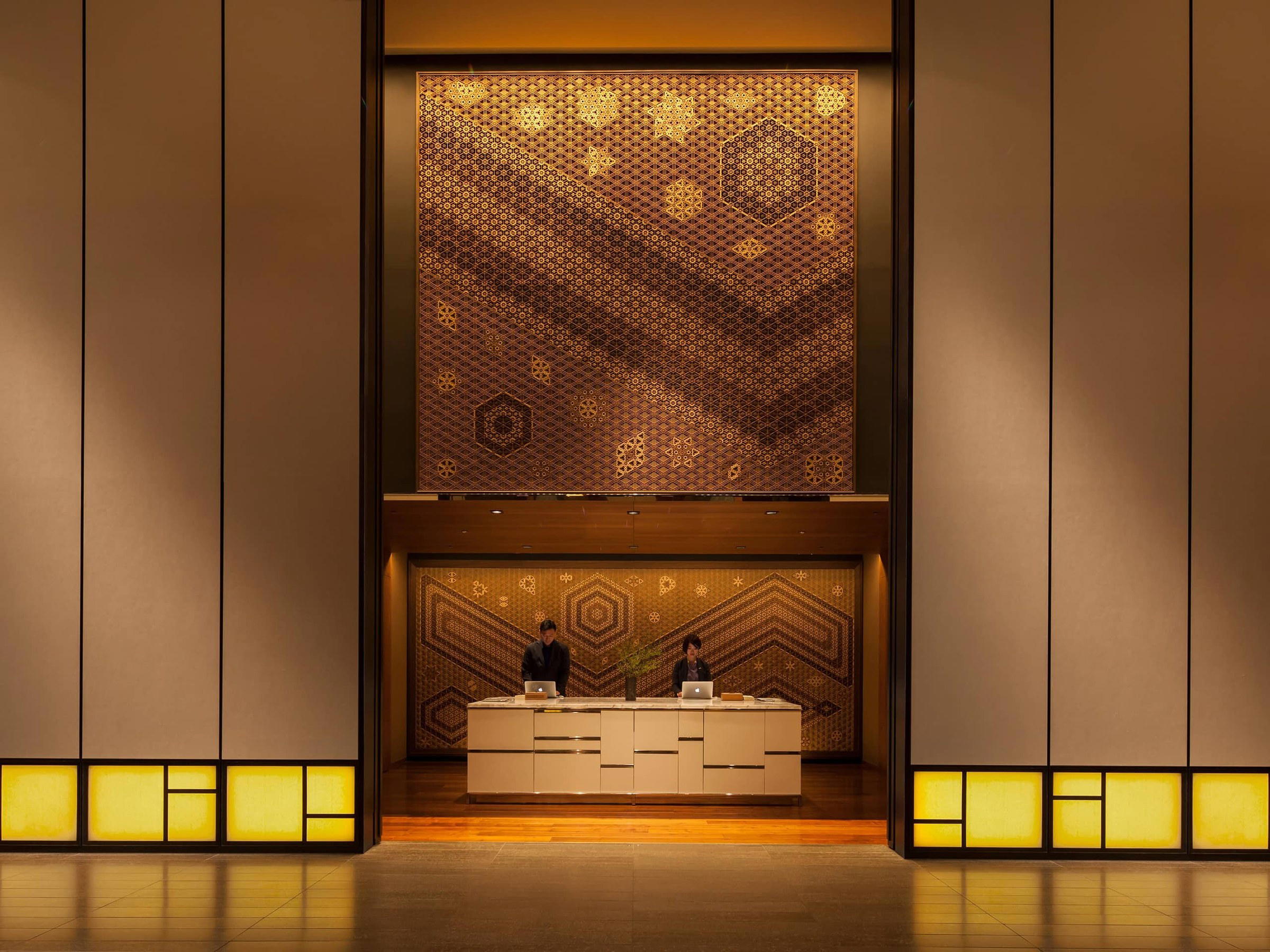
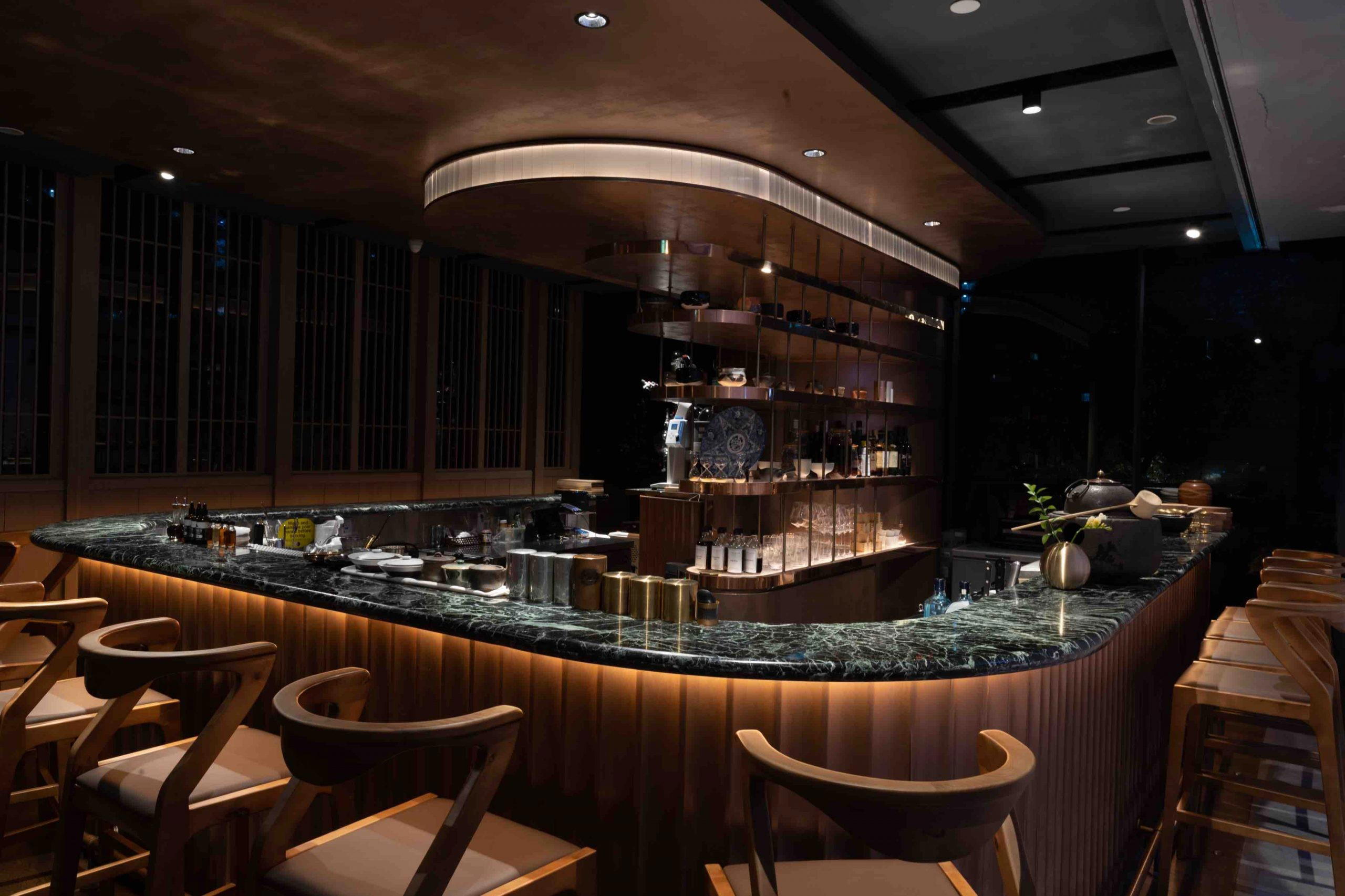
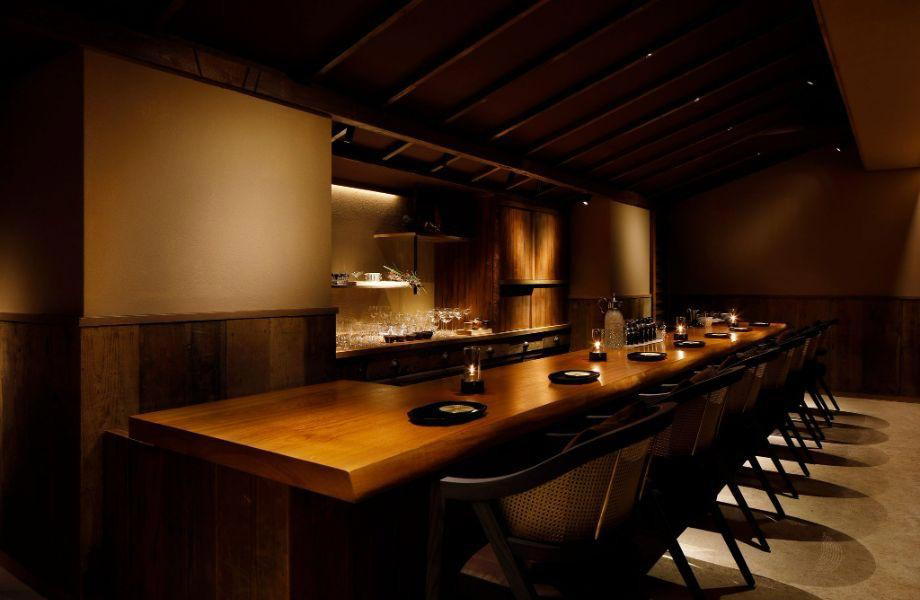
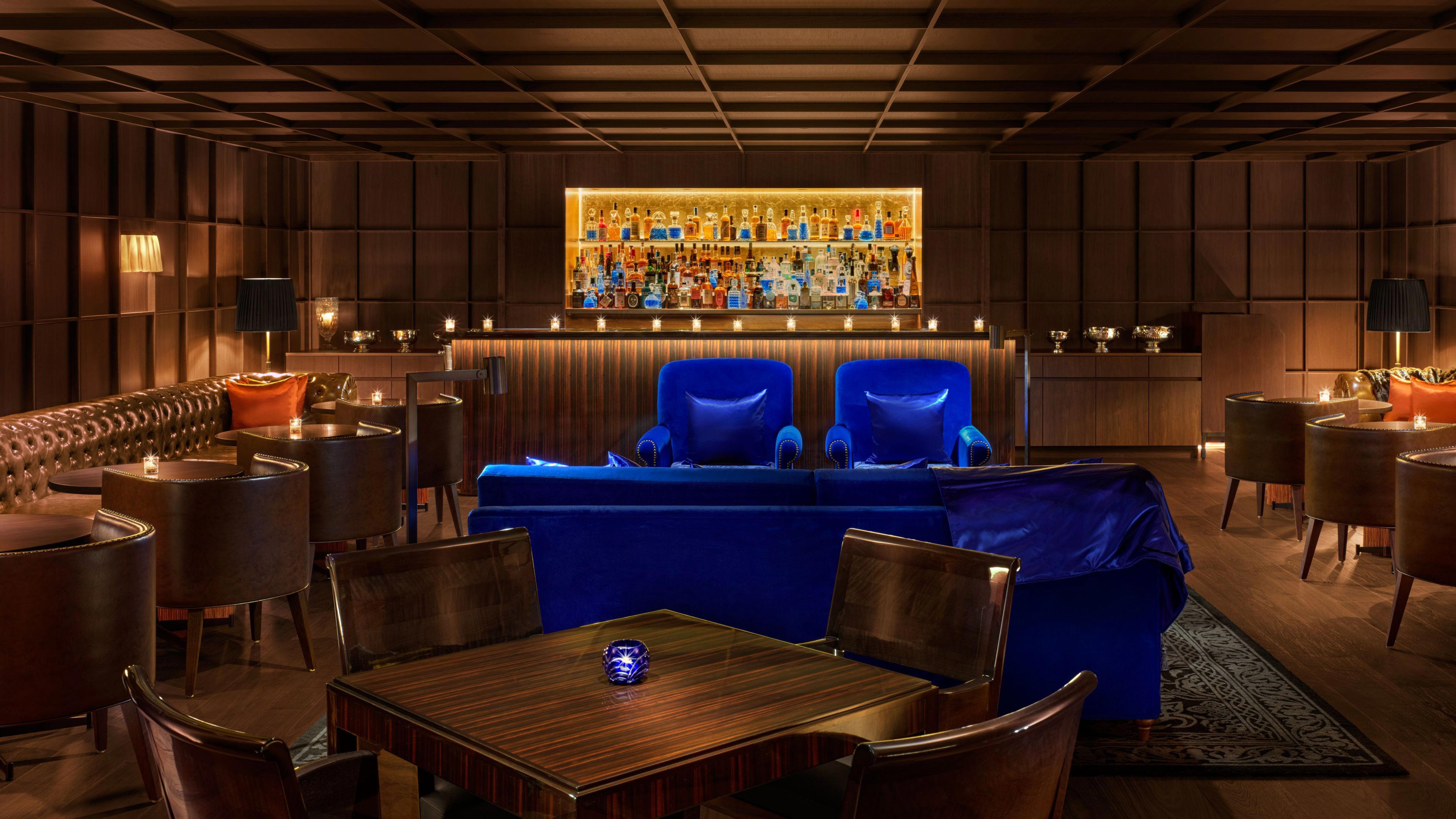
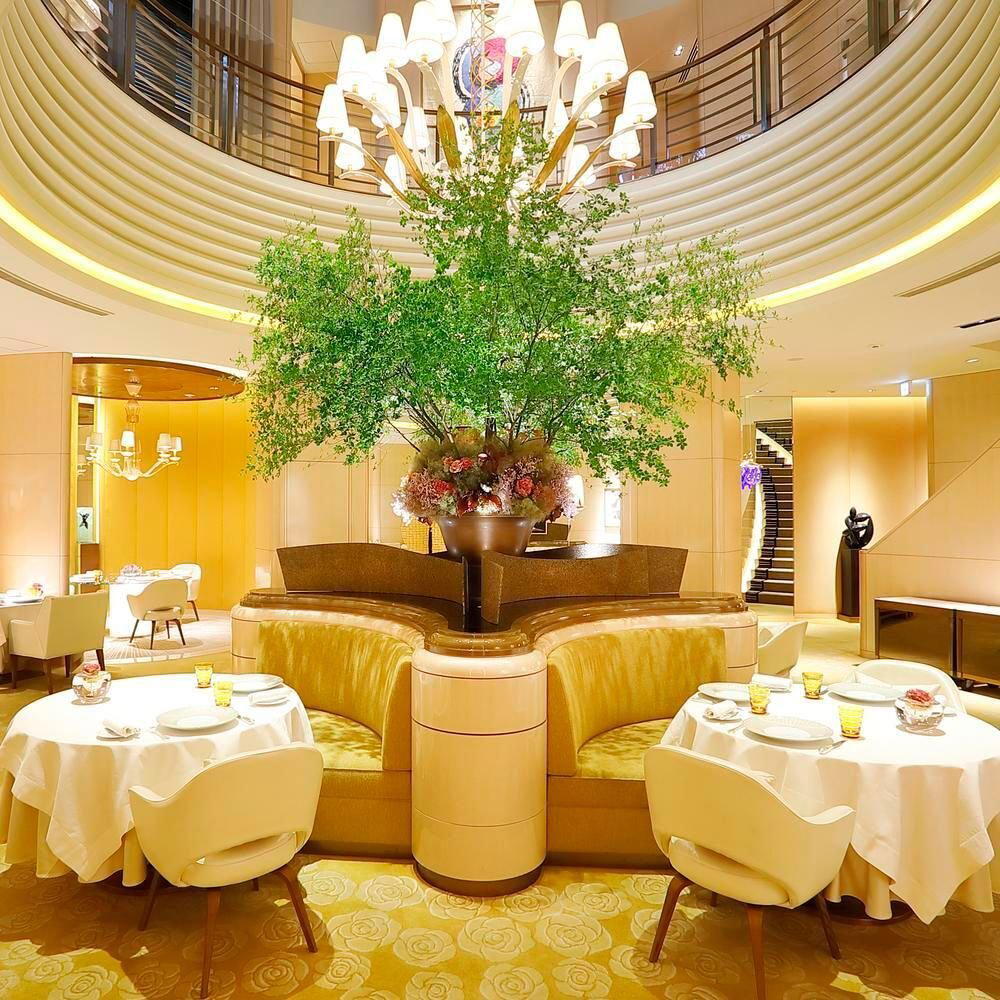
Sophisticated and serene atmosphere with floor-to-ceiling windows offering dramatic bay views, enhanced by elegant lighting and personalized lounge services.