
Ascott Marunouchi Tokyo occupies the financial and administrative heart of the city at 1-1-1 Otemachi, Chiyoda-ku, placing guests within walking distance of the Imperial Palace grounds and Tokyo's densest cluster of business and government institutions. A Michelin Selected property in the 2025 guide, it operates within a tier of Tokyo accommodation that prizes address precision and extended-stay functionality over resort spectacle.
 Discover on Pearl
Pearl is the En Primeur Club membership app — saves, bookings, and concierge access live there. Same editors, same standards.
- Address
- 1 Chome-1-1 Ōtemachi, Chiyoda City, Tokyo 100-0004, Japan
- Phone
- +81 3-5208-2001
- Website
- discoverasr.com
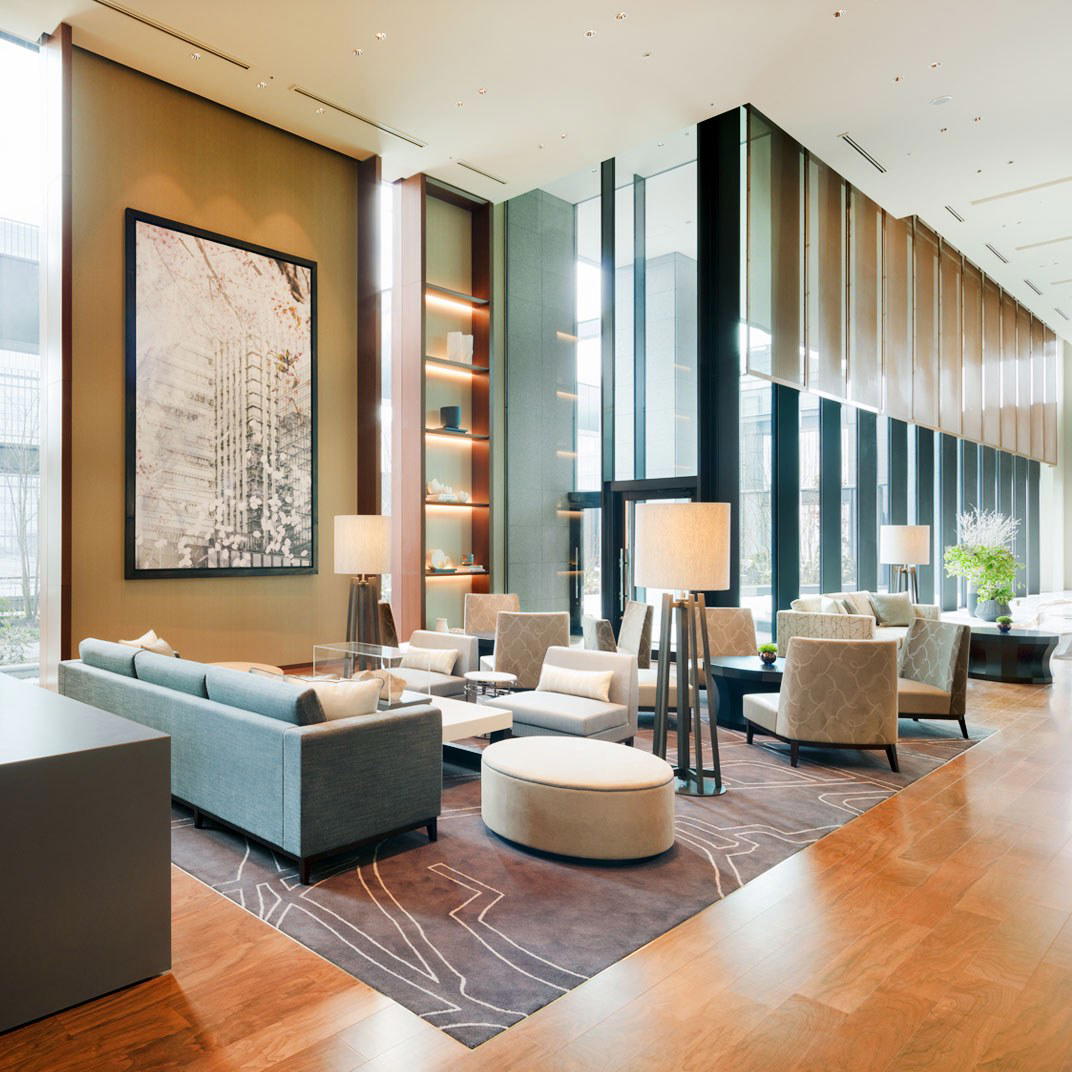
Address as Architecture: What Otemachi Tells You About This Property
In Tokyo, a hotel's postal address is rarely incidental. The 1-1-1 Otemachi coordinate places Ascott Marunouchi Tokyo at the exact administrative and financial centre of the city, a district where the density of corporate headquarters, government ministries, and institutional banks is higher than almost anywhere else in Japan. That address shapes everything about this property's design logic, its intended guest, and the way its spaces have been arranged to function as a long-stay urban base rather than a short-term destination hotel.
Otemachi and its adjoining neighbourhood of Marunouchi have undergone sustained redevelopment since the early 2000s, with the area around the station transformed into one of Asia's more architecturally ambitious mixed-use districts. The tower stock here skews contemporary and corporate, and the Ascott sits within that fabric, orienting its rooms and communal spaces toward the practical demands of extended residence in a high-pressure urban environment. The Four Seasons Hotel Tokyo at Otemachi occupies similar ground in this district, targeting the upper end of business travel with a full-service hotel format. The Ascott approaches the same address from a serviced-apartment perspective, a distinction that matters considerably when planning a stay longer than three nights.
The Serviced-Residence Format in a Full-Hotel City
Tokyo's premium accommodation market has historically been dominated by large-format luxury hotels: properties with multiple restaurants, extensive spa facilities, and lobby-scale spectacle. The Aman Tokyo set a benchmark for that category when it opened in Otemachi in 2014, with interiors that reference Japanese spatial minimalism at considerable scale. The Bvlgari Hotel Tokyo operates at the opposite end of the aesthetic register, bringing European luxury-brand identity to the Midtown Yaesu tower. Both operate on a short-stay, hospitality-led model.
Ascott, as a global serviced-residence brand under the CapitaLand umbrella, represents a different category entirely. The format prioritises apartment-scale living arrangements over hotel-room compression: kitchenettes or full kitchens, separate living areas, and in-unit laundry facilities are standard features in the broader Ascott offering. For guests spending a week or more in Tokyo for project work, corporate relocation, or extended travel, that functional difference is material. The Michelin Selected designation in the 2025 guide signals a meaningful credential in a city where accommodation standards are already high across the board.
Spatial Logic and the Design Approach
The architectural context for a property like this in Otemachi is worth understanding. The district's post-2000 towers were designed by international and Japanese practices working within a masterplan that prioritised street-level connectivity, covered walkways, and integration with the Tokyo Metro's subsurface network. The result is an area that functions particularly well in winter and during rain: much of the movement between offices, hotels, shops, and transport happens underground or through covered passages.
Within that urban structure, a serviced-residence tower tends to prioritise vertical efficiency over horizontal sprawl. Lobby spaces are functional rather than theatrical, communal facilities are specific rather than comprehensive, and the design investment concentrates in the units themselves. That trade-off suits the extended-stay guest, who spends most of their time in their room rather than in the lobby, but it does mean the property reads differently from the full-service addresses along the same street. Guests who want lobby-scale drama and multiple restaurant options within the property are better directed toward the Palace Hotel Tokyo or the Andaz Tokyo, both of which operate on that full-service model.
Location Intelligence: What the Otemachi Address Enables
The practical value of 1-1-1 Otemachi extends well beyond the corporate district itself. The Imperial Palace East Gardens are within easy walking distance, providing the kind of green, quiet space that is genuinely rare at this density in central Tokyo. The Marunouchi shopping corridor along the Naka-dori connects the district southward toward Tokyo Station, where access to the Shinkansen network makes day trips to Kyoto, Osaka, or Hakone direct from a single base. For those extending their Japan itinerary, HOTEL THE MITSUI KYOTO in Kyoto and Gora Kadan in Hakone represent natural continuations of a high-standard journey that begins in central Tokyo.
Tokyo Station itself, a few minutes on foot, connects to the Narita Express and serves as the primary node for travel deeper into the Kanto region. For guests exploring Japan more broadly, properties such as Amanemu in Mie, Zaborin in Kutchan, and Benesse House in Naoshima are all reachable via the Shinkansen or domestic flight networks from Tokyo Station or nearby Haneda. The Otemachi address, in that context, functions as an efficient staging point for a multi-destination Japan trip.
For dining, the neighbourhood density is considerable. The Marunouchi and Otemachi business district contains a high concentration of restaurant floors within office towers, covering formats from quick-service lunch counters to formal kaiseki rooms. Chiyoda-ku as a whole holds substantial representation in the Tokyo Michelin guide. Our full Tokyo restaurants guide maps the city's dining options by neighbourhood and format for guests planning in detail.
Planning a Stay
Ascott Marunouchi Tokyo operates as a serviced residence, which means booking approaches and minimum stay policies may differ from conventional hotel formats. Given its location in one of Tokyo's highest-demand corporate districts, availability during peak conference and fiscal-calendar periods warrants early planning. The Tokyo business calendar tends to compress demand in spring (March to May) and autumn (September to November), which are also the periods most visitors consider optimal for the city's weather. Properties in this district, whether the Ascott or neighbouring hotels like the JANU Tokyo, fill quickly during those windows.
For guests comparing this tier of Otemachi accommodation against other parts of the city, the The Capitol Hotel Tokyu and Bellustar Tokyo, A Pan Pacific Hotel offer useful reference points for how different addresses and formats position themselves within the broader Tokyo luxury market. Internationally, guests who favour serviced-residence formats in other markets will find the Ascott product recognisable in its logic, though the Tokyo execution reflects the specific spatial and service standards of a city that holds its hospitality industry to a consistent and demanding standard. For comparable premium addresses in other contexts, The Fifth Avenue Hotel in New York City and Badrutt's Palace Hotel in St. Moritz demonstrate how an address-defined property can anchor a visit to a city from a position of genuine locational authority.
Side-by-Side Snapshot
Comparable venues nearby, for context on price, style, and recognition.
| Venue | Cuisine | Price | Awards | Notes |
|---|---|---|---|---|
| Ascott Marunouchi TokyoThis venue — the venue you are viewing | Luxury serviced residence in a skyscraper with residential comforts and hotel services | $$$$ | 5-Star | |
| The Tokyo EDITION, Ginza | Understated luxury blending contemporary design with Japanese finesse by Kengo Kuma. | $$$$ | 5-Star | Chūō |
| Hotel Toranomon Hills (ホテル虎ノ門ヒルズ) | Luxury design hotel positioned as a cosmopolitan retreat for business travelers and discerning guests seeking Japanese-Scandinavian aesthetic fusion. | $$$$ | 5-Star | Toranomon |
| Hyatt Regency Tokyo (ハイアットリージェンシー東京) | Contemporary urban luxury with Shinjuku-inspired reinvention | $$$$ | 5-Star | Nishi-Shinjuku |
| TRUNK(WEDDING) | lifestyle boutique hotel with wedding facilities | $$$$ | 4-Star | Shibuya |
| Kimpton Shinjuku Tokyo | luxury lifestyle boutique hotel with creative New York-inspired flair | $$$$ | 5-Star | Shinjuku |
Continue exploring
More in Tokyo
Hotels in Tokyo
Browse all →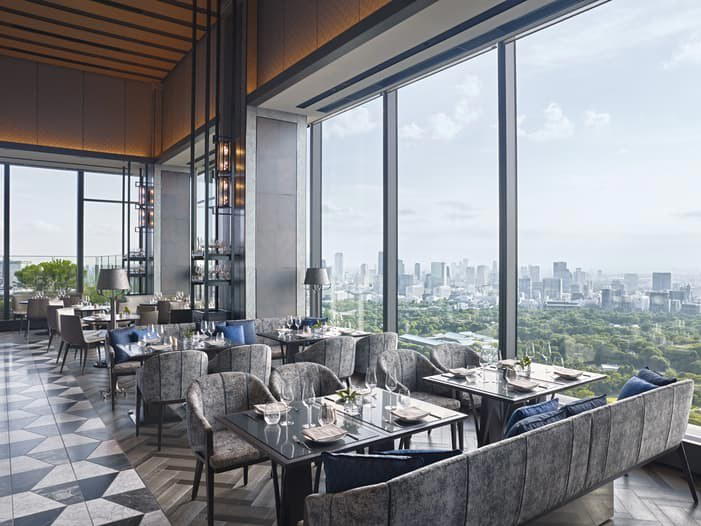

Bars in Tokyo
Browse all →

Restaurants in Tokyo
Browse all →

At a Glance
- Elegant
- Sophisticated
- Modern
- Quiet
- Business Trip
- Romantic Getaway
- Weekend Escape
- Panoramic View
- Rooftop Pool
- Terrace
- Historic Building
- Wifi
- Pool
- Fitness Center
- Room Service
- Concierge
- Business Center
- Restaurant
- Skyline
- Garden
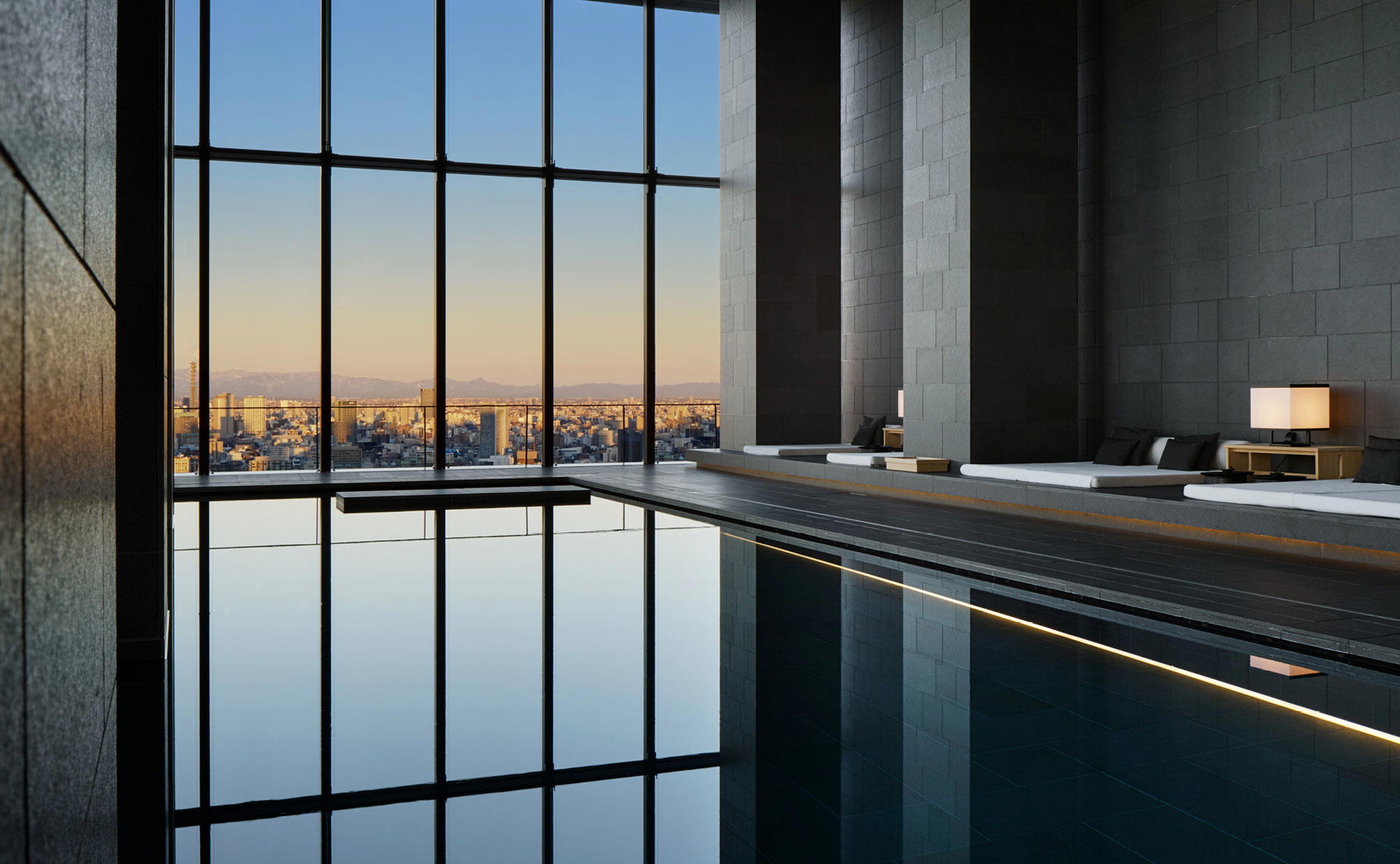
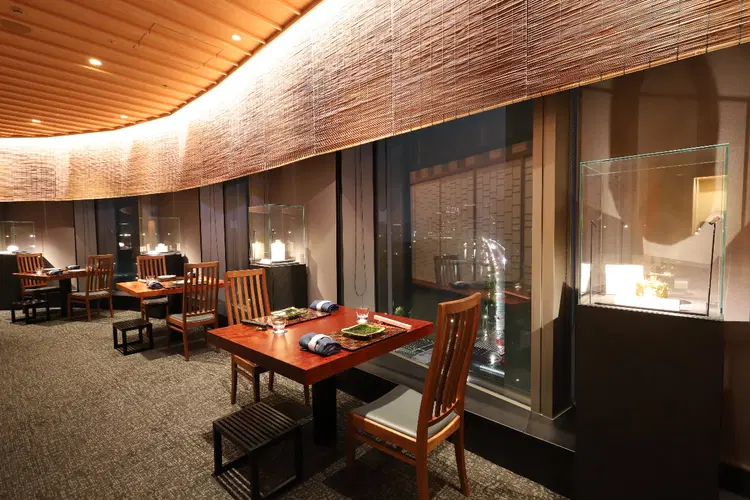
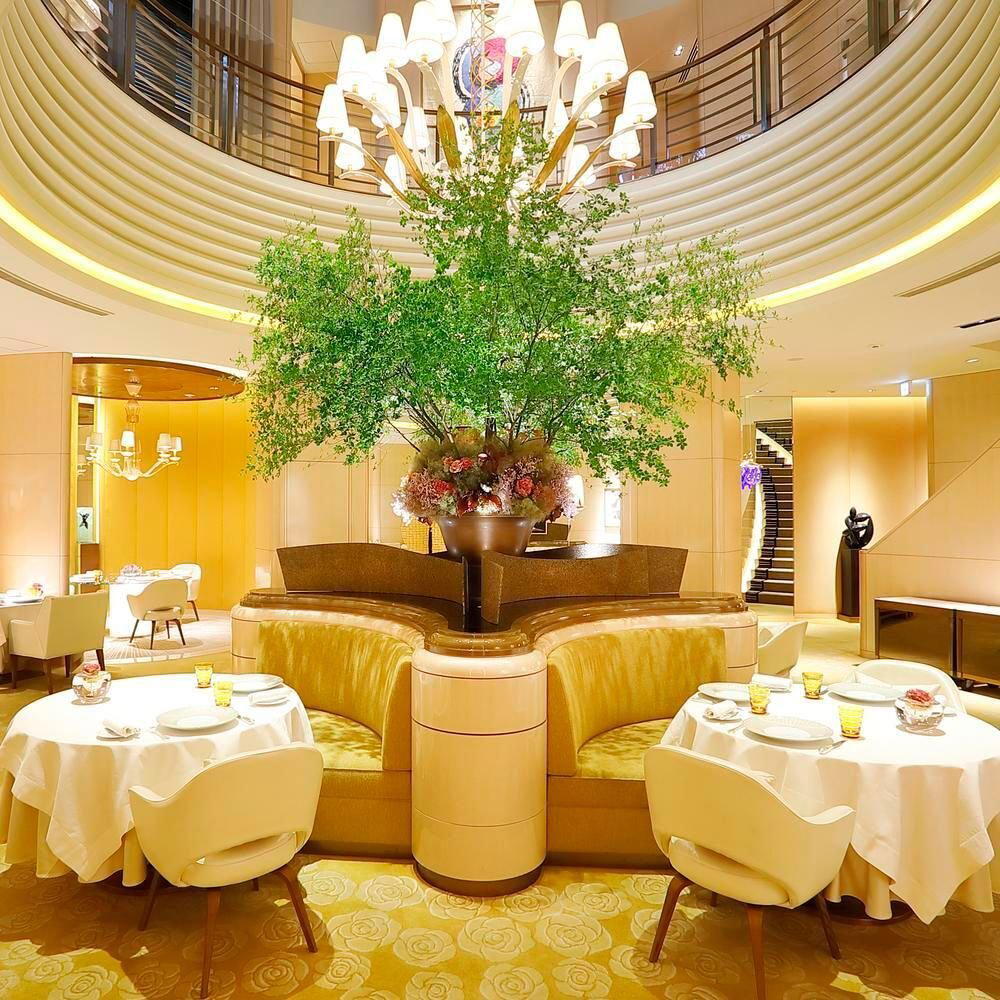
Elegant and refined atmosphere with high-quality furnishings, porcelain sakura blossoms, wooden sculptures, Bellagio marble, and Pierre Frey furniture creating a soothing, residential retreat amid urban energy.