
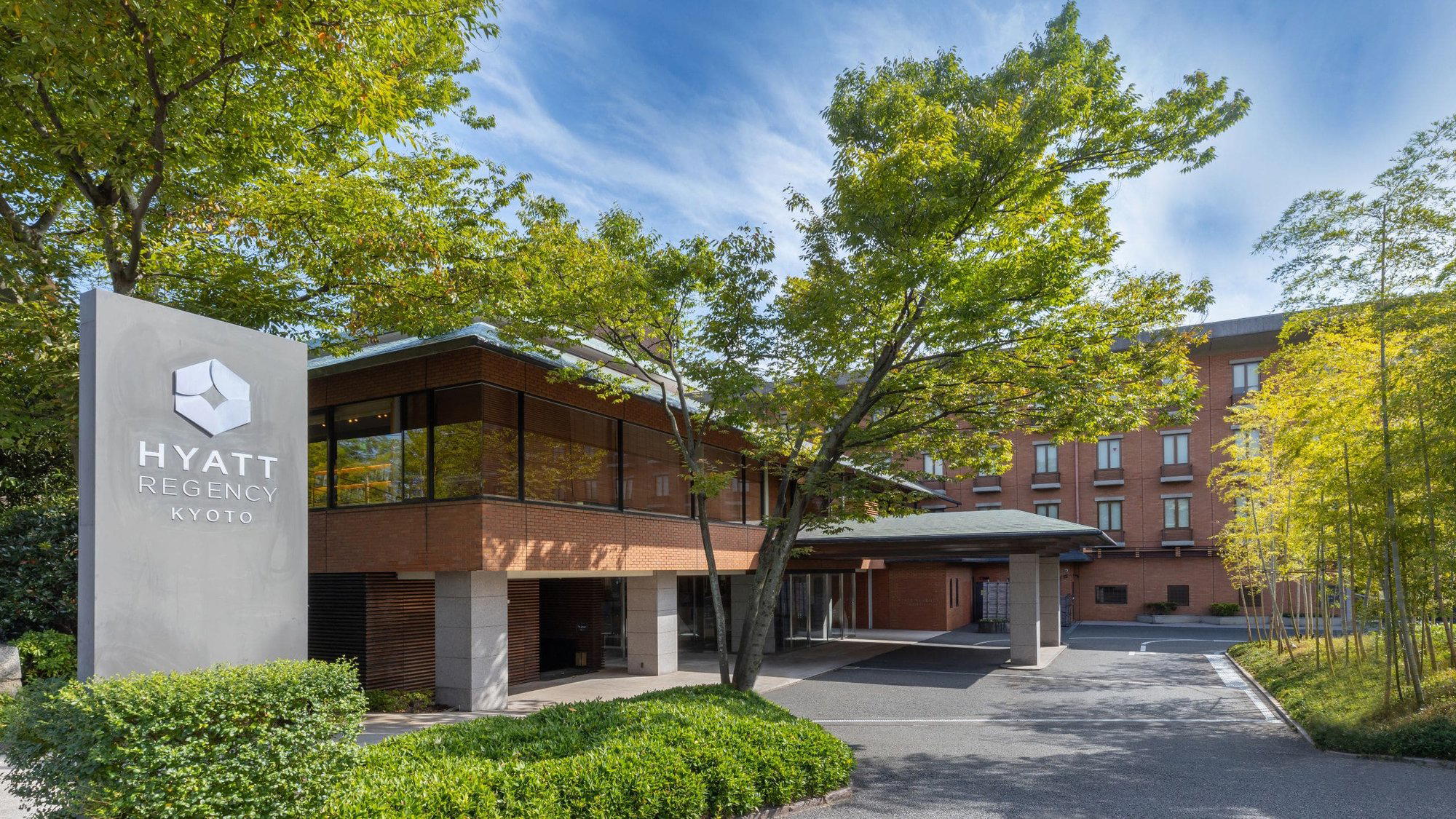
Positioned in Higashiyama Shichijo, one of Kyoto's most historically dense districts, Hyatt Regency Kyoto places guests within walking distance of Sanjusangendo Temple and the National Museum. Rooms combine white oak wood and kimono fabric detailing with granite soaking baths, while three in-house restaurants span Japanese charcoal grill, Italian trattoria, and locally sourced open-kitchen cooking. The RIRAKU Spa draws on shiatsu, acupuncture, and aromatherapy traditions.
 Discover on Pearl
Pearl is the En Primeur Club membership app — saves, bookings, and concierge access live there. Same editors, same standards.
Where Higashiyama's Temple District Meets International Hotel Infrastructure
Hyatt Regency Kyoto is a 5-star hotel in Kyoto, Japan, with 187 rooms and a reservation policy that recommends booking ahead. Properties like Aman Kyoto and HOTEL THE MITSUI KYOTO have staked out the ultra-intimate, design-forward end of the spectrum, while the Four Seasons Hotel Kyoto and Park Hyatt Kyoto occupy the full-service international tier with significant room counts and multi-restaurant programming. Hyatt Regency Kyoto sits firmly in that second category, offering the depth of amenities that independent ryokan-style properties cannot: multiple dining concepts under one roof, a purpose-built spa, and a fitness centre, all delivered from a location in the Higashiyama Shichijo district that few competitors can claim.
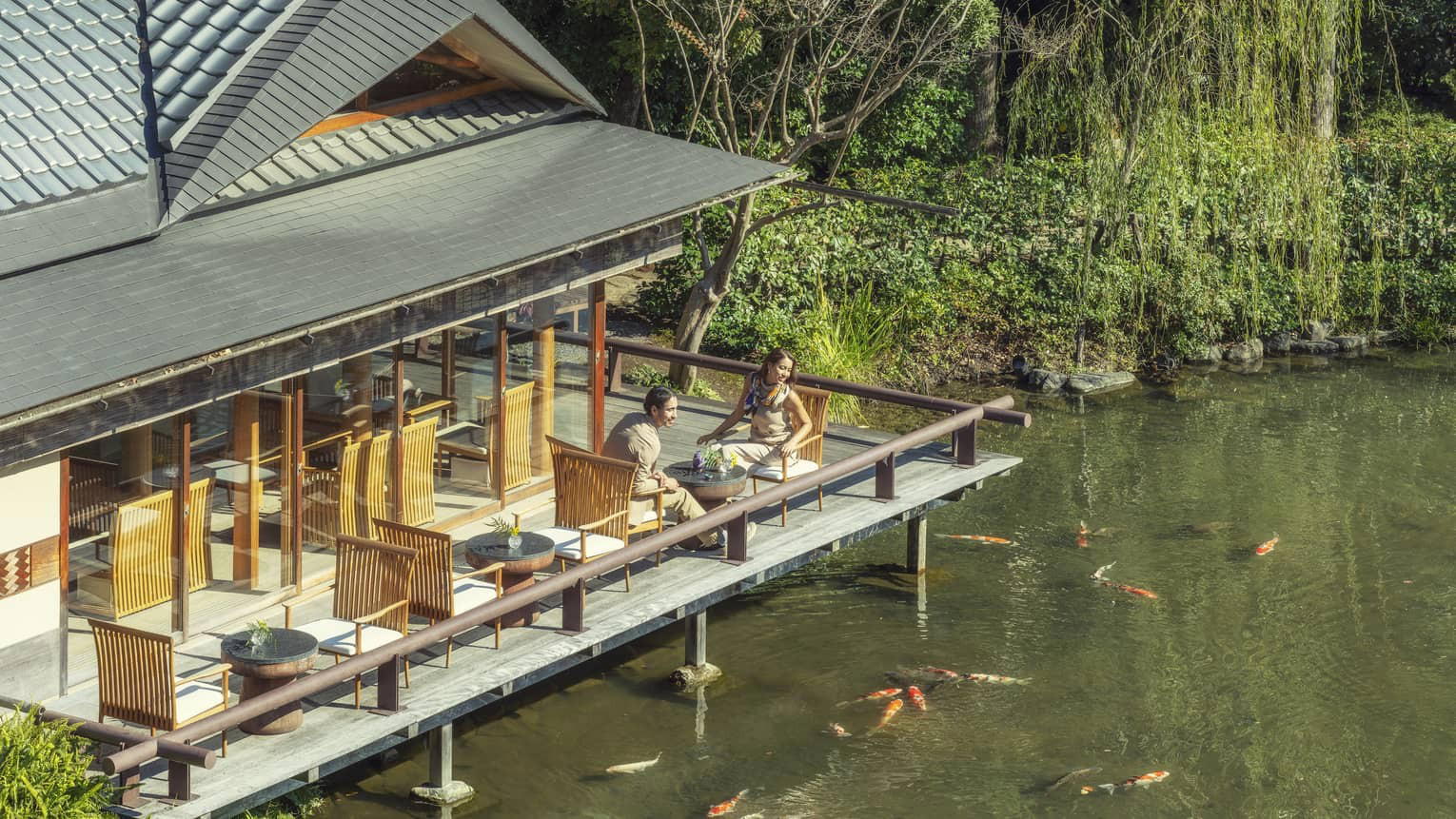
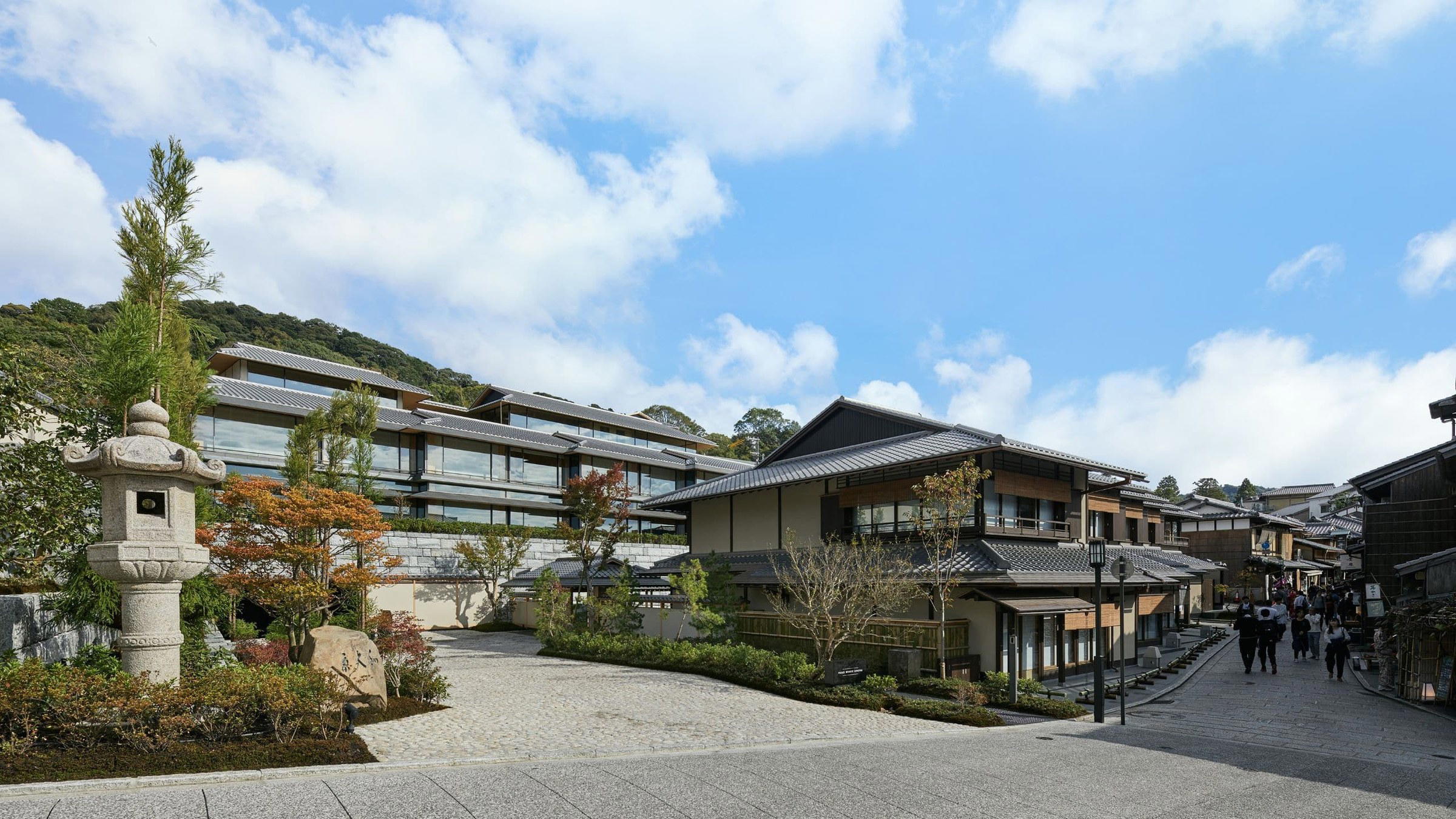
The address matters here. Higashiyama Shichijo sits at the cultural and historical core of eastern Kyoto, within a short walk of Sanjusangendo Temple, the Kyoto National Museum, and a cluster of smaller temples including Chishakuin and Yogenin. Arriving at the hotel on foot from any of these sites, the transition is immediate: the street-level garden visible from the lobby signals a considered effort to frame the surrounding neighbourhood rather than wall it out. That relationship between interior space and traditional Kyoto garden aesthetics is a recurring design decision at the property, not a decorative afterthought.
Rooms Built Around Functionality and Restraint
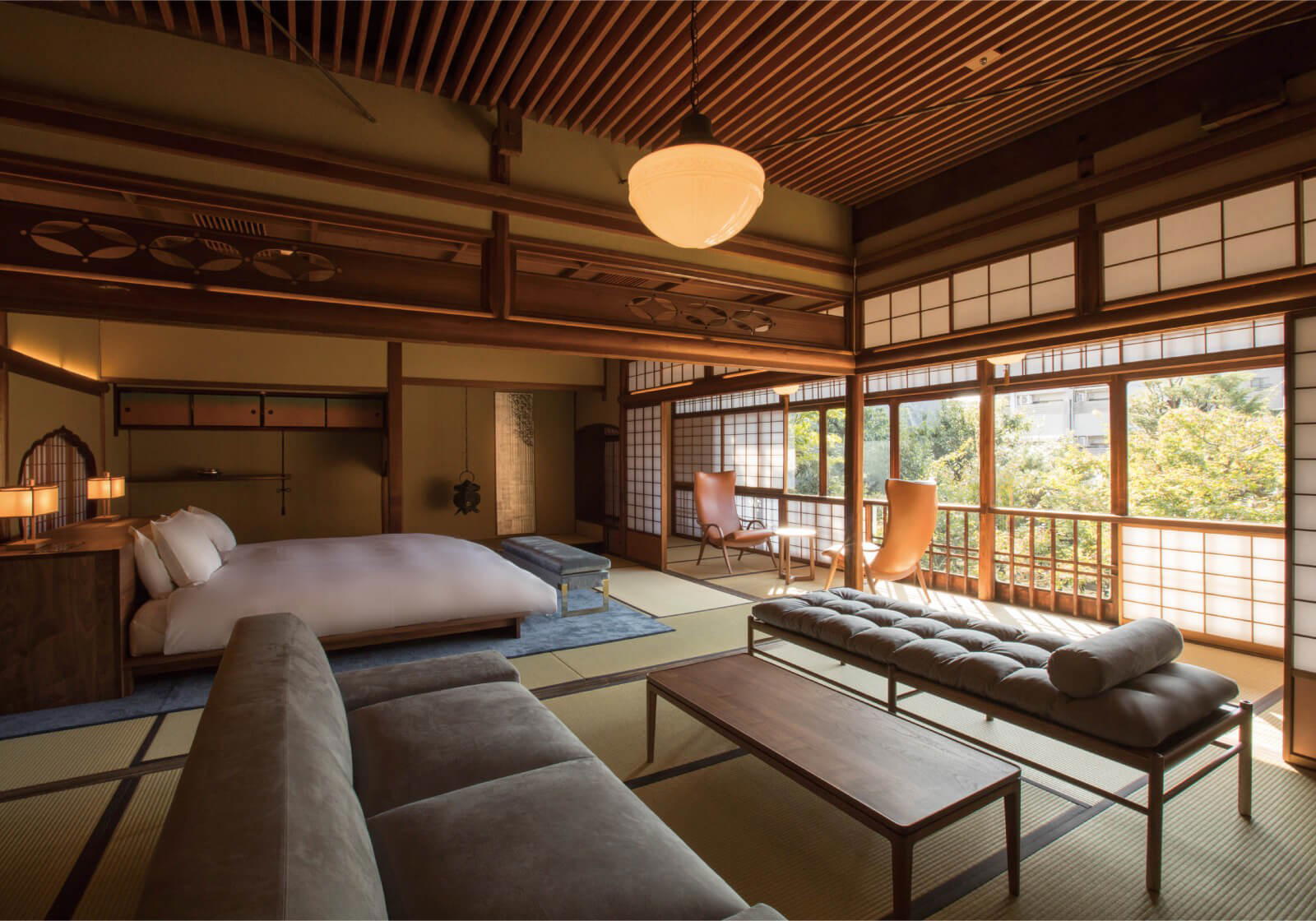
In Kyoto's competitive luxury tier, guestroom design tends to polarise between the hyper-minimalist and the maximally ornate. The rooms at Hyatt Regency Kyoto take a third path: functional restraint with material specificity. White oak wood and Japanese kimono fabric are the primary textural references, paired with natural colour palettes that avoid both the starkness of pure minimalism and the visual noise of gilded traditionalism. The result reads closer to the philosophy that defines Japanese design broadly: nothing unnecessary, but nothing cold.
Each room includes a separate deep soaking bathtub and a wet area within a granite bathroom, a configuration that goes beyond standard international hotel bathrooms and aligns with the bathing culture that runs through Japanese hospitality at every price point. Work infrastructure is also present: high-speed broadband and a proper desk are standard across room types, making the property functional for business travellers who also want proximity to Kyoto's cultural sites. For guests choosing between room categories, the configuration of bedding (one king or two singles) and the floor-level garden views are the primary differentiators worth considering ahead of arrival.
Three Dining Formats, One Building: How the F&B; Stack Works
Multi-restaurant hotel programming in Japan tends to follow predictable patterns. A flagship Japanese restaurant anchors the offer, a Western concept provides alternative-day variety, and a lobby-level café fills the informal gap. Hyatt Regency Kyoto follows this model but with enough specificity in each concept to avoid the generic hotel-dining trap that undermines comparable international properties.
The kitchen collaboration model at café 33 centres on open-kitchen cooking with wood-burning ovens and a market-driven approach using locally sourced produce. This format has become a reliable shorthand in urban hotel dining for communicating transparency and seasonal intent, and at this property it also serves a practical function: the space overlooks the traditional garden, which gives the dining room a view anchor that more closed kitchen formats cannot offer. The front-of-house team at café 33 operates in direct sight of the kitchen, a physical arrangement that tends to sharpen the coordination between service and cooking.
Trattoria Sette takes a different structural approach. The show kitchen format here emphasises spectacle and immediacy: pizza and Italian home-style dishes assembled and served from an open station, with a pastry boutique at the entrance offering breads, chocolates, and cakes in take-home packaging. The pastry component is worth noting specifically because it extends the dining relationship beyond the restaurant meal itself, giving guests a reason to interact with the food program at hours and in ways that a conventional restaurant visit would not accommodate. This kind of retail extension is increasingly common in high-end hotel dining programs across Asia.
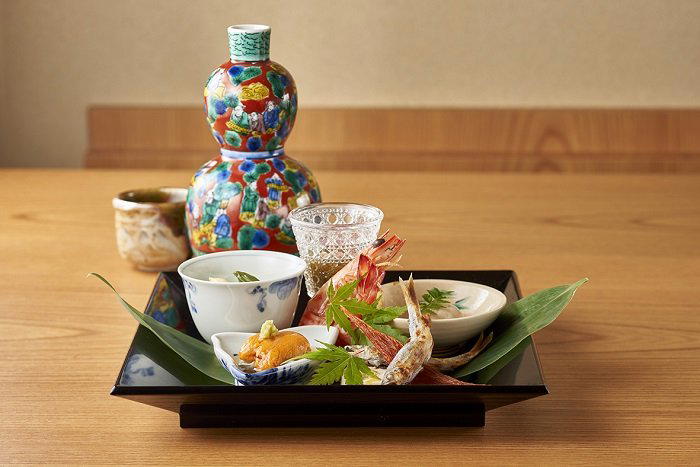
Touzan, the Japanese restaurant, is the most architecturally ambitious of the three. Modelled on the interior logic of a traditional Kyoto-style house, it separates into a charcoal grill section, a sushi counter, and a bar. That three-in-one configuration means the front-of-house team at Touzan manages distinct dining rhythms simultaneously: the slow, timed cadence of omakase-adjacent sushi service; the more variable pace of grill cooking; and the bar crowd, which operates on a looser timeline. The sake collection at the Touzan Bar spans premium labels alongside local draft beer, cocktails, and whiskies, positioning it as a destination beyond the dinner service for guests or Kyoto visitors not staying at the property.
Comparing this F&B; stack to properties like SOWAKA or The Shinmonzen, which operate with more focused, single-concept dining, the Hyatt Regency approach trades depth for breadth. Guests who want specialist-level Japanese dining at the highest tier will find Kyoto's independent restaurant scene more compelling. What the hotel's multi-concept format offers instead is the ability to eat well across a week-long stay without repeating a room or format, which is a significant convenience for extended visits.
RIRAKU Spa: Eastern Modalities, Western Structure
Kyoto has a long tradition of wellness practices rooted in both Buddhist and Shinto frameworks, and the city's premium hotel spas have increasingly positioned themselves within that tradition rather than against it. RIRAKU Spa at Hyatt Regency Kyoto draws on shiatsu, acupuncture, moxibustion, and aromatherapy, incorporating Eastern modalities into a results-oriented Western spa structure with ten treatment rooms, two spa suites, a steam room, and a sauna. The gym is equipped with current-generation exercise equipment, making the facility functional for fitness-focused guests rather than purely decorative. Compared to the more intimate spa offerings at properties like Dusit Thani Kyoto or the forest-bath wellness programming at Aman Kyoto, RIRAKU operates at larger capacity, which makes it more accessible but less likely to offer the exclusivity of smaller spa environments.
Placing the Property in Kyoto's Hotel Hierarchy
Kyoto's international hotel set has grown competitive enough that positioning matters as much as amenity count. Properties like Ace Hotel Kyoto attract a design-conscious, culturally engaged demographic willing to trade traditional luxury cues for a more curated, local-feeling experience. The Four Seasons Hotel Kyoto competes on finish quality and service density. Hyatt Regency Kyoto occupies the space between: it offers more operational depth than boutique independents, at price points that generally track below the ultra-luxury tier, in a district that most competitors cannot access at the same proximity to the National Museum and the eastern temple clusters.
For Japan travel itineraries that pair Kyoto with other destinations, the Higashiyama Shichijo location connects logistically to JR Kyoto Station within minutes, which simplifies onward travel to properties like Gora Kadan in Hakone, Amanemu in Mie, or Nishimuraya Honkan in Kinosaki-cho. The station proximity also matters for arriving guests: the transfer from Kyoto Station is brief and direct, avoiding the complicated taxi routing that more remotely positioned Kyoto properties can require. Guests exploring broader Japan itineraries might also consider pairing the Kyoto stay with time at Asaba in Izu, Benesse House in Naoshima, or Zaborin in Kutchan for a contrast in scale and setting. For the full picture of what the city offers across all hotel categories, our full Kyoto restaurants guide maps the dining and accommodation options by district and price tier.
Planning Your Stay
The hotel sits at 644-2 Sanjusangendo-mawari in the Higashiyama-ku district, minutes from JR Kyoto Station by taxi or short bus route, which is the standard approach for most guests arriving from Shinkansen connections. Spring cherry blossom season (late March to mid-April) and autumn foliage (mid-November) are the highest-demand periods across all Kyoto hotels; bookings made well in advance of those windows will have the widest choice of room type and rate. The eastern temple circuit, including Sanjusangendo and the National Museum, is walkable from the property, which reduces the need for daily taxi or transit arrangements during a culturally focused stay.
Recognition Snapshot
Comparable venues nearby, for context on price, style, and recognition.
| Venue | Cuisine | Price | Awards | Notes |
|---|---|---|---|---|
| Hyatt Regency KyotoThis venue — the venue you are viewing | Traditional Japanese luxury with modern facilities | $$$$ | 5-Star | |
| The Westin Miyako Hotel Kyoto | Historic luxury resort-style hotel blending Japanese tradition with modern comforts | $$$$ | 5-Star | Higashiyama |
| Higashiyama Shikikaboku | Contemporary ryokan blending modern architecture with traditional Kyoto craftsmanship | $$$$ | 5-Star | Higashiyama |
| Maana Kamo | Restored traditional machiya townhouse designed for quiet reflection. | $$$$ | 5-Star | Higashiyama |
| Hotel Chourakukan | Historic Western-style mansion with personalized service | $$$ | 5-Star | Higashiyama |
| MOGANA | Modernist reimagination of traditional Japanese aesthetics with contemporary European design influences, positioned as an intimate design-focused luxury boutique hotel. | $$$$ | 5-Star | Nakagyō |
Continue exploring
More in Kyoto
Hotels in Kyoto
Browse all →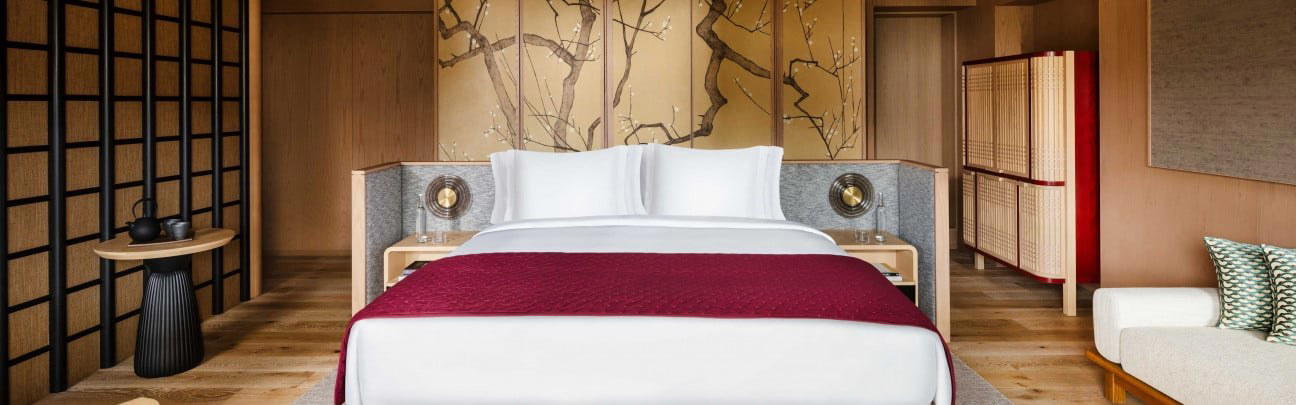
Bars in Kyoto
Browse all →
Restaurants in Kyoto
Browse all →
Wineries in Kyoto
Browse all →
At a Glance
- Elegant
- Sophisticated
- Classic
- Honeymoon
- Business Trip
- Family Vacation
- Garden
- Historic Building
- Spa
- Pool
- Fitness Center
- Room Service
- Concierge
- Wifi
- Garden
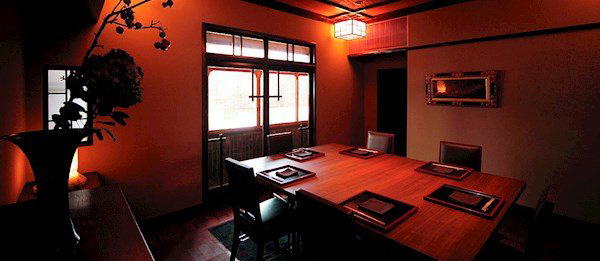
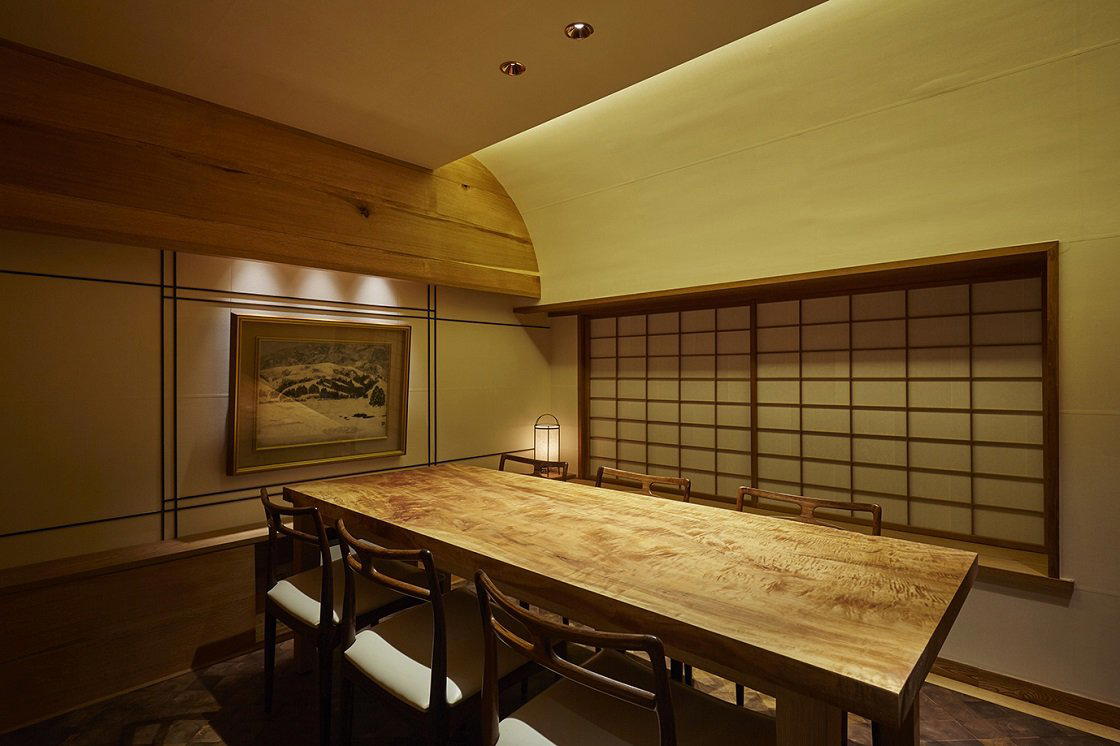
Warm and inviting with soft lighting from Japanese paper lanterns, tatami elements, and a tranquil atmosphere enhanced by the central garden views.