Hotel Koé Tokyo occupies the third floor of a fashion-forward building in Udagawacho, the quieter residential side of Shibuya where independent labels and concept stores have gradually replaced the district's older retail identity. The property sits at the intersection of hospitality and creative culture, attracting guests who want proximity to Shibuya's energy without its most crowded corridors. It is a small, design-conscious address in one of Tokyo's most layered neighbourhoods.
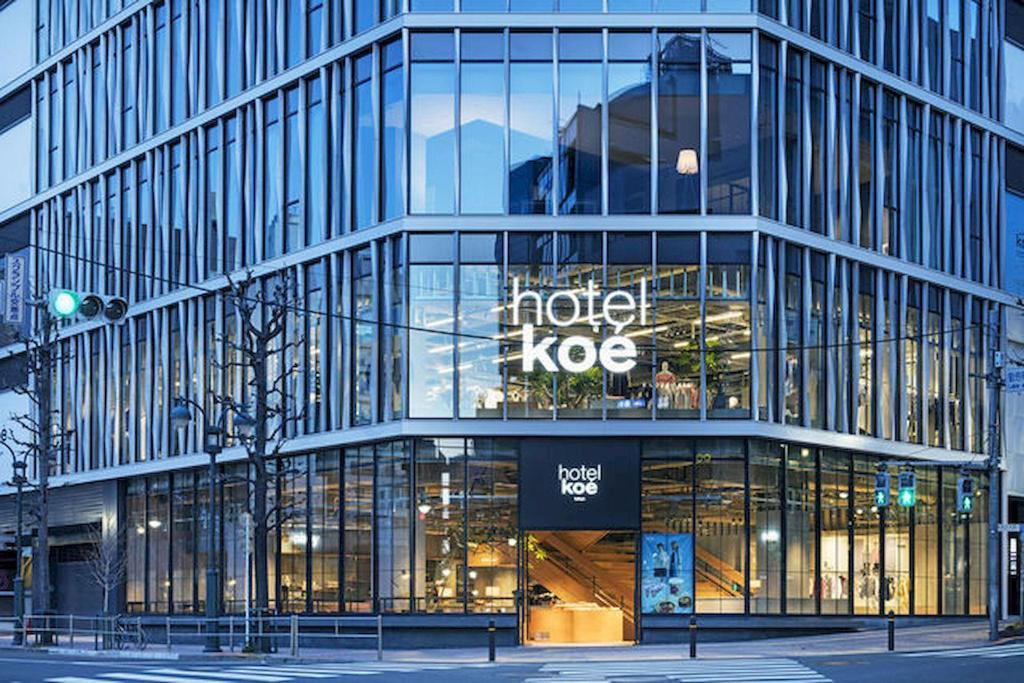
Shibuya's Other Side: The Block Where Hotel Koé Tokyo Sits
The address — 3-7 Udagawacho, Shibuya — places Hotel Koé Tokyo in a part of the ward that operates on a different register from the crossing and the department stores. Udagawacho runs west from Shibuya Station past record shops, independent coffee counters, and the kind of low-profile fashion boutiques that attract buyers rather than browsers. The street-level energy is quieter and more purposeful than the surrounding main drags, and that character shapes what this hotel is and what kind of guest it suits. The property occupies the third floor of the koé building, a structure that integrates retail, food, and accommodation under one address, a format that has precedent in Tokyo but remains relatively rare as a fully realised concept.
The Architecture of the Koé Building
Tokyo's hotel design has bifurcated over the past decade. On one end sit the grand-gesture towers, properties like Bvlgari Hotel Tokyo, Aman Tokyo, and Four Seasons Hotel Tokyo at Otemachi, each occupying the upper floors of landmark towers with views that frame the city as spectacle. On the other end sit properties embedded in neighbourhood fabric, where design functions as cultural positioning rather than status declaration. Hotel Koé Tokyo belongs firmly to the second category.
The koé building was conceived as a retail and creative space first, with the hotel component as a continuation of that identity upward through the floors. This stacking logic, brand store at street level, bakery and dining below, hotel above, is rare enough in Shibuya to read as deliberate counter-programming against the area's dominant retail-and-transit model. The building's aesthetic draws on materials and references that align with contemporary Japanese streetwear culture: raw textures, considered lighting, and a spatial compression that feels intentional rather than constrained. Where properties like Andaz Tokyo or Palace Hotel Tokyo signal arrival through volume and vertical drama, Hotel Koé Tokyo communicates through density and curation at close range.
A Design-Led Property in a Fashion-Inflected Neighbourhood
Udagawacho has been shaped by decades of music retail and fashion subculture, Tower Records operated its flagship here until 2014, and the surrounding blocks still carry that record-shop, sample-sale energy. Hotel Koé Tokyo reads as an architectural response to that history, translating the neighbourhood's creative identity into a hospitality format rather than simply placing a hotel in its vicinity. The result is a property where the design language and the location reinforce each other rather than operating independently.
Hotel Koé Tokyo's version of this integration is urban and compressed rather than contemplative, but the underlying logic, that the physical space is the product, connects them.
Shibuya as a Base: What the Location Delivers
For guests using Shibuya as a base, the Udagawacho position offers a specific advantage: walkability to the station and major transit connections without being inside the immediate crush of Hachiko Square. Shibuya Station connects directly to Narita and Haneda via multiple routes, and the area's restaurant density, from ramen counters to kaiseki rooms, is significant enough that guests rarely need to travel far for food. For a broader picture of what Tokyo's dining scene looks like across price tiers and neighbourhoods, the EP Club Tokyo guide maps the city's restaurant options with editorial precision.
Travellers dividing time between Tokyo and other parts of Japan will find Shibuya's connectivity useful. HOTEL THE MITSUI KYOTO sits roughly two hours away by Shinkansen, close enough for a day trip, substantial enough to warrant its own overnight. Properties further afield, like Amanemu in Mie or Gora Kadan in Hakone, represent a different mode of Japan travel entirely, slower, more immersive, and oriented around landscape rather than city access. Hotel Koé Tokyo serves a guest who wants the city, not a retreat from it.
Where It Sits in Tokyo's Hotel Market
Tokyo's hotel market has segmented into recognisable tiers. Ultra-luxury properties, Aman Tokyo, Bvlgari Hotel Tokyo, JANU Tokyo, compete on service depth, room size, and skyline positioning. The mid-market design tier, where Hotel Koé Tokyo operates, competes on concept coherence, neighbourhood embeddedness, and the quality of the surrounding cultural offer. This is a segment that rewards guests who know the city well enough to value location specificity over amenity volume.
The Capitol Hotel Tokyu and Bellustar Tokyo occupy different positions in this same mid-to-upper market, each with distinct neighbourhood anchors and design identities. Hotel Koé Tokyo's differentiator is the integration with the koé brand's fashion and food programming, guests are checking into an ecosystem as much as a room count.
For guests interested in Japan's ryokan tradition or more remote properties, options like Asaba in Izu, Nishimuraya Honkan in Kinosaki-cho, or Fufu Kawaguchiko represent a parallel strand of Japanese hospitality where the architecture and ritual of the inn are the primary offering. Hotel Koé Tokyo is not in conversation with that tradition, it speaks a different design language entirely, one rooted in Tokyo's contemporary creative culture rather than centuries of inn-keeping practice.
Planning Your Stay
The hotel sits at 3-7 Udagawacho, Shibuya, on the building's third floor, accessible by foot from Shibuya Station in under ten minutes through the Hachiko exit direction. Guests travelling internationally should factor in that Shibuya's main corridors, particularly around the station and Scramble Crossing, are busiest in the evening; the Udagawacho approach avoids the worst of it. Booking should be made in advance for peak periods including Golden Week (late April to early May), the autumn foliage season, and the year-end holiday window, when Shibuya's hotel occupancy tightens across all tiers. Travellers combining Hotel Koé Tokyo with other Japan properties might also consider Halekulani Okinawa, ENOWA Yufu, Jusandi in Ishigaki, Sekitei in Hatsukaichi-shi, or Fufu Nikko as regional additions to a longer itinerary. For international comparison in the design-led boutique tier, The Fifth Avenue Hotel in New York City, Aman New York, and Aman Venice each demonstrate how design identity anchors a property's market position in dense urban environments.
How It Stacks Up
A short peer table to compare basics side-by-side.
| Venue | Price | Awards |
|---|---|---|
| Hotel Koé TokyoThis venue — the venue you are viewing | Not listed | Not listed |
| Bvlgari Hotel Tokyo | Not listed | 3 Michelin Keys · World's 50 Best #24 |
| Aman Tokyo | Not listed | 2 Michelin Keys · World's 50 Best #11 |
| Four Seasons Hotel Tokyo at Otemachi | Not listed | 3 Michelin Keys · La Liste Top Hotels |
| Palace Hotel Tokyo | Not listed | 3 Michelin Keys · World's 50 Best #73 |
| Andaz Tokyo | $300–500 | 1 Michelin Key |
Continue exploring
More in Tokyo
Hotels in Tokyo
All hotels in Tokyo →


Bars in Tokyo
All bars in Tokyo →




Details
- Modern
- Trendy
- Minimalist
- Sophisticated
- Romantic Getaway
- Weekend Escape
- Design Destination
- Wi Fi
- Elevator
- Room Service
- Concierge
- Street Scene
- Elevator
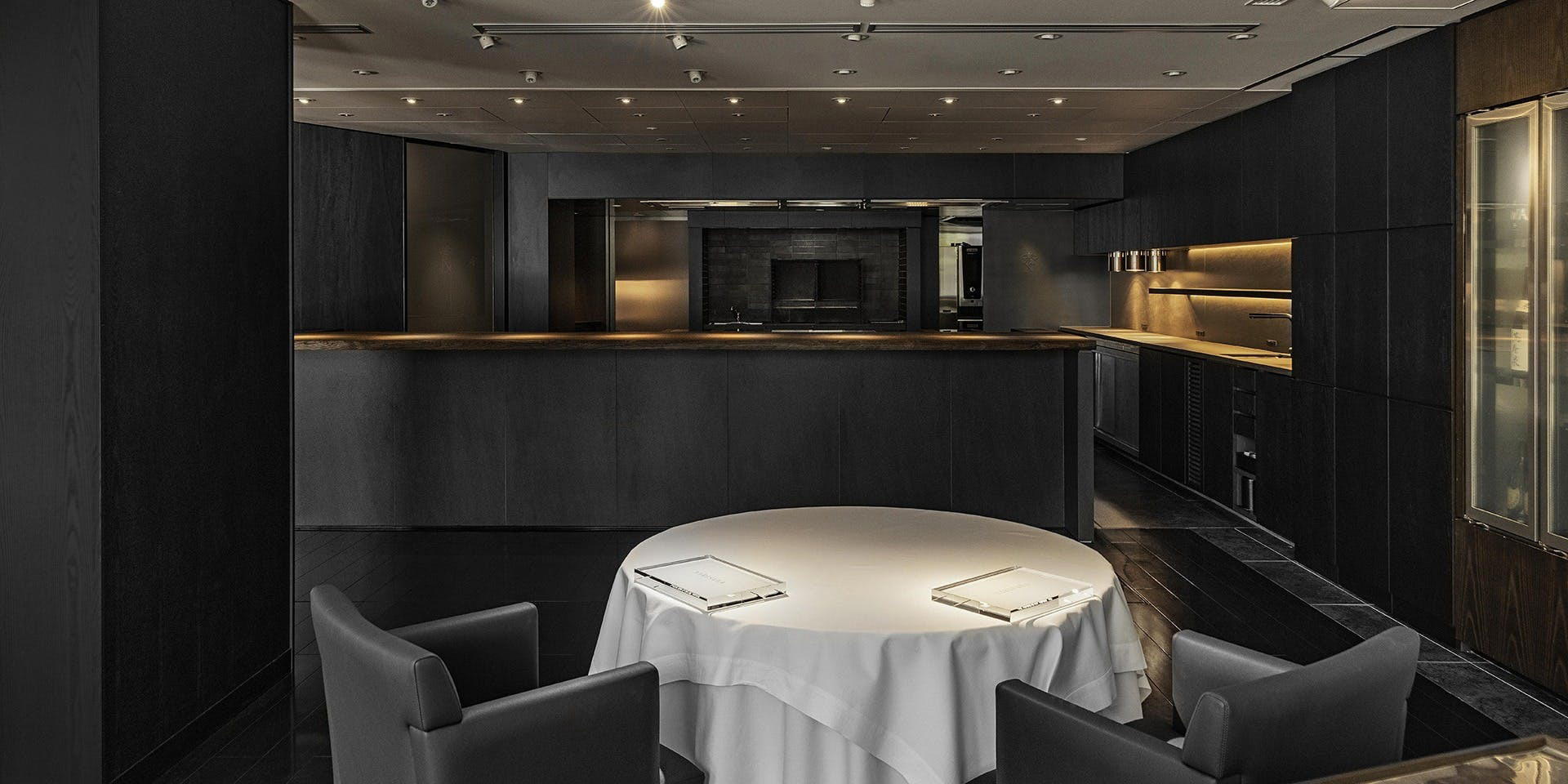
Intimate and dramatic with dark grey walls, night sky blue carpets, muted lighting, and sleek minimalist furnishings evoking a modern chashitsu tea room.