
Michelin Selected
Carrying a Michelin Selected distinction for 2025, Asakusa View Hotel Annex Rokku sits in the heart of Taito-ku, within walking distance of Senso-ji and the old-shitamachi street grid that defines eastern Tokyo's character. It positions as a mid-scale, neighbourhood-rooted option against the tower hotels of Shinjuku and Marunouchi, trading altitude for direct immersion in one of the city's most historically layered districts.

Pearl is the En Primeur Club membership app — saves, bookings, and concierge access live there. Same editors, same standards.
- Address
- 2 Chome-9-10 Asakusa, Taito City, Tokyo 111-0032, Japan
- Phone
- +81 570-003-235
- Website
- viewhotels.co.jp
- Directions
- Get directions
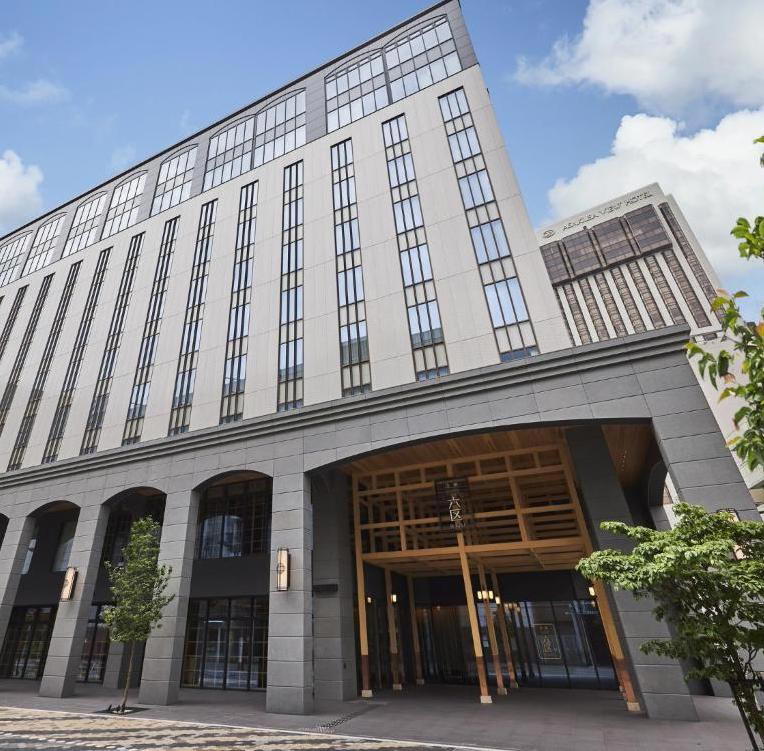
Asakusa as Address: What the Postcode Actually Delivers
Tokyo's hotel market has sorted itself into two broad camps over the past decade. On one side sit the towers of Marunouchi, Otemachi, and Shinjuku, where properties like Bvlgari Hotel Tokyo, Aman Tokyo, and Four Seasons Hotel Tokyo at Otemachi sell altitude, corporate proximity, and a kind of deliberate remove from the city's street-level texture. On the other sit neighbourhood-anchored properties where the address itself is the amenity. Asakusa View Hotel Annex Rokku belongs firmly in the second category, and the decision to stay here is inseparable from the decision to make Asakusa your base.
The hotel sits at 2-9-10 Asakusa in Taito-ku, a few minutes' walk from Senso-ji temple, the Nakamise shopping arcade, and the dense cluster of craft shops, eel restaurants, and lacquerware dealers that occupy the backstreets between the temple precinct and the Sumida River. This is shitamachi in its most coherent form: the low-rise, historically dense eastern quarter of the city that predates the great westward expansion of Tokyo's commercial centre. Guests at Andaz Tokyo or Palace Hotel Tokyo can reach Asakusa by taxi or subway; guests here step outside and are already inside it.
The Michelin Selection and What It Signals in This Tier
The Michelin Selected designation for 2025 is a meaningful credential in context. Michelin's hotel programme applies its Selected category to properties that meet consistent quality benchmarks without necessarily fitting the ultra-luxury profile of its higher distinctions. In Tokyo, where the premium tier is exceptionally well-populated, a Michelin Selected hotel in Asakusa signals value-to-quality execution, reliable hospitality standards, and a property that has passed editorial scrutiny without relying on brand scale or trophy architecture. It sits in a different competitive set from JANU Tokyo or Bellustar Tokyo, and positions closer to thoughtful mid-range options where the surrounding neighbourhood carries as much weight as the room itself.
For travellers calibrating their Tokyo stay against the full spectrum of options, this positioning matters. The Annex Rokku is not competing on spa facilities, Michelin-starred in-house dining, or panoramic skyline views. It competes on location density, neighbourhood character, and the kind of access to old Tokyo that no amount of premium amenity can substitute.
Walking Distance as a Design Feature
The Rokku district, which lends the Annex its name, was historically Asakusa's entertainment quarter, the area that housed theatres, cinemas, and public amusement in the early twentieth century. That cultural layer is still legible in the streetscape today, even as the district has settled into a quieter rhythm. The hotel's address puts guests within easy reach of the Asakusa Culture Tourist Information Center (with its views over the Nakamise and Kaminarimon), the Sumida River waterfront, and the network of small temples and shrines that thread through the neighbourhood's back streets.
Senso-ji draws large crowds, particularly on weekends and during festival seasons, but the immediate surroundings of the Annex are quieter. The practical implication is that guests can walk to the temple precinct, observe the morning ritual atmosphere before the tourist tide arrives, and return to their room on foot. That kind of temporal access to a major cultural site is genuinely difficult to replicate from a hotel in Shinjuku or the bay area, regardless of price.
Transport is direct. Asakusa Station, served by the Ginza Line, the Tobu Skytree Line, and the Asakusa Line, is walkable from the hotel and connects to major transfer hubs at Ueno, Akihabara, and Asakusa itself. The Tobu line offers a direct route to Nikko, making the Annex a functional base for day trips to the north. For those planning broader Japan itineraries that include ryokan stays, properties like Gora Kadan in Hakone or Fufu Nikko are within reasonable reach as extensions.
Eating and Drinking in the Neighbourhood
Asakusa's dining character is distinct from the kaiseki-heavy corridors of Kyoto or the counter omakase concentration of Ginza and Roppongi. The neighbourhood trades in older, more populist Tokyo forms: tempura houses that have operated in the same family for generations, yakitori alleys, soba shops with short menus and long track records, and the kind of tonkatsu and unagi restaurants that built their reputations on consistency rather than innovation. This is not a neighbourhood that chases trends, and that is precisely its value for certain kinds of travellers.
For the full Tokyo picture across every neighbourhood and category, our full Tokyo restaurants guide maps the city's dining scene in detail. Asakusa fits within it as the best-preserved example of shitamachi eating culture: direct, seasonal within traditional parameters, and largely indifferent to the Michelin chase that occupies so much of western Tokyo's culinary conversation.
Planning a Stay: Practical Considerations
Asakusa sees heavy visitor traffic during the Sanja Matsuri festival in May, one of Tokyo's largest and most atmospheric Shinto festivals, centred on Asakusa Shrine adjacent to Senso-ji. Rooms in the area book out well in advance for that period. The neighbourhood is also busy during the Golden Week holiday block in late April and early May. For guests prioritising quieter access to the temple precincts and surrounding streets, the shoulder periods of March (pre-cherry blossom peak) and October to November offer a better balance of weather, crowd levels, and overall atmosphere.
Booking directly or through a platform that includes the Michelin Selected verification is advisable for confirming current room availability and rate structures, as the hotel's website details were not available at time of writing. The address at 2-9-10 Asakusa, Taito-ku is confirmed and sufficient for navigation via any standard mapping application or Tokyo taxi.
Travellers building a broader Japan itinerary from this base have a range of options at different price points and styles. For ryokan immersion, Asaba in Izu, Nishimuraya Honkan in Kinosaki-cho, and Kamenoi Besso in Yufu represent the traditional tier. For design-led alternatives, Zaborin in Kutchan and Benesse House in Naoshima sit in a more contemporary frame. For those extending to Kyoto, HOTEL THE MITSUI KYOTO provides a useful counterpoint to the Annex's neighbourhood-scale approach. Further afield, Amanemu in Mie, Halekulani Okinawa, Jusandi in Ishigaki, Fufu Kawaguchiko, and Sekitei in Hatsukaichi-shi extend the map into island, mountain, and coastal formats. For international context, The Fifth Avenue Hotel in New York City, Badrutt's Palace Hotel in St. Moritz, and Hôtel de Paris Monte-Carlo illustrate how neighbourhood-anchored versus landmark-destination positioning plays out across different hotel markets globally.
A Lean Comparison
Comparable venues nearby, for context on price, style, and recognition.
| Venue | Price | Awards | Notes |
|---|---|---|---|
| Asakusa View Hotel Annex RokkuThis venue — the venue you are viewing | $100–200 | Michelin Selected | Not listed |
| Hyatt Centric Ginza Tokyo | $300–500 | Michelin Selected | Chūō, Modern boutique in the heart of Ginza |
| TRUNK(WEDDING) | Not listed | Not listed | Shibuya, lifestyle boutique hotel with wedding facilities |
| The Royal Park Hotel Iconic Tokyo Shiodome | Not listed | Preferred Hotels Member | Minato, Modern high-rise urban hotel with executive floors |
| Nohga Hotel Ueno Tokyo | $1–100 | Michelin Selected | Taitō, Contemporary boutique hotel rooted in local Tokyo design and cultural heritage, showcasing East Tokyo artisans and craftspeople. |
| The Royal Park Hotel Tokyo Haneda (ザ ロイヤルパークホテル 東京羽田) | $200–300 | Not listed | Ota, Contemporary airport hotel with functional luxury positioning; designed for business travelers and transit passengers seeking comfort and convenience. |
Recognition history
Dated appearances from independent guides and award organizations, with the underlying list record or original source where available.
Michelin Selected
Michelin
Continue exploring
More in Tokyo
Hotels in Tokyo
Browse all →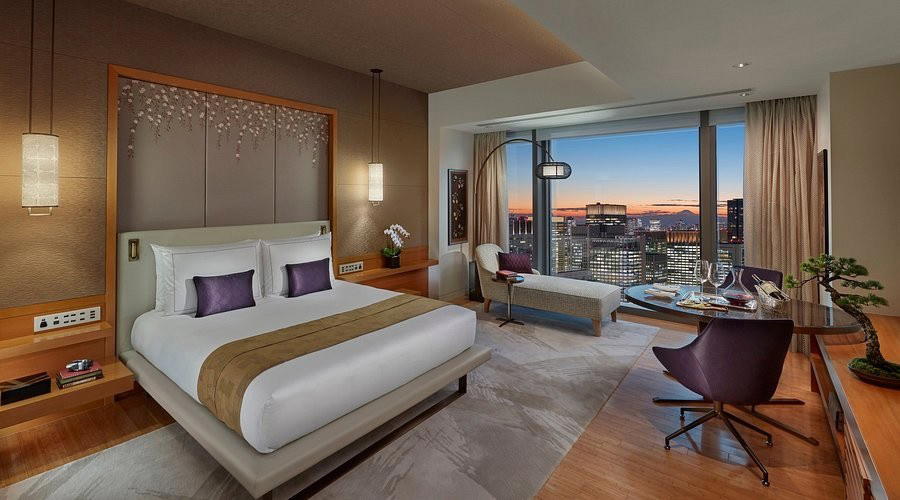
Bars in Tokyo
Browse all →

Restaurants in Tokyo
Browse all →


Details
- Modern
- Classic
- Scenic
- Business Trip
- Weekend Escape
- Historic Building
- Panoramic View
- Wi Fi
- Fitness Center
- Laundry Service
- Restaurant
- Concierge
- Skyline
- Elevator
- Wheelchair Accessible
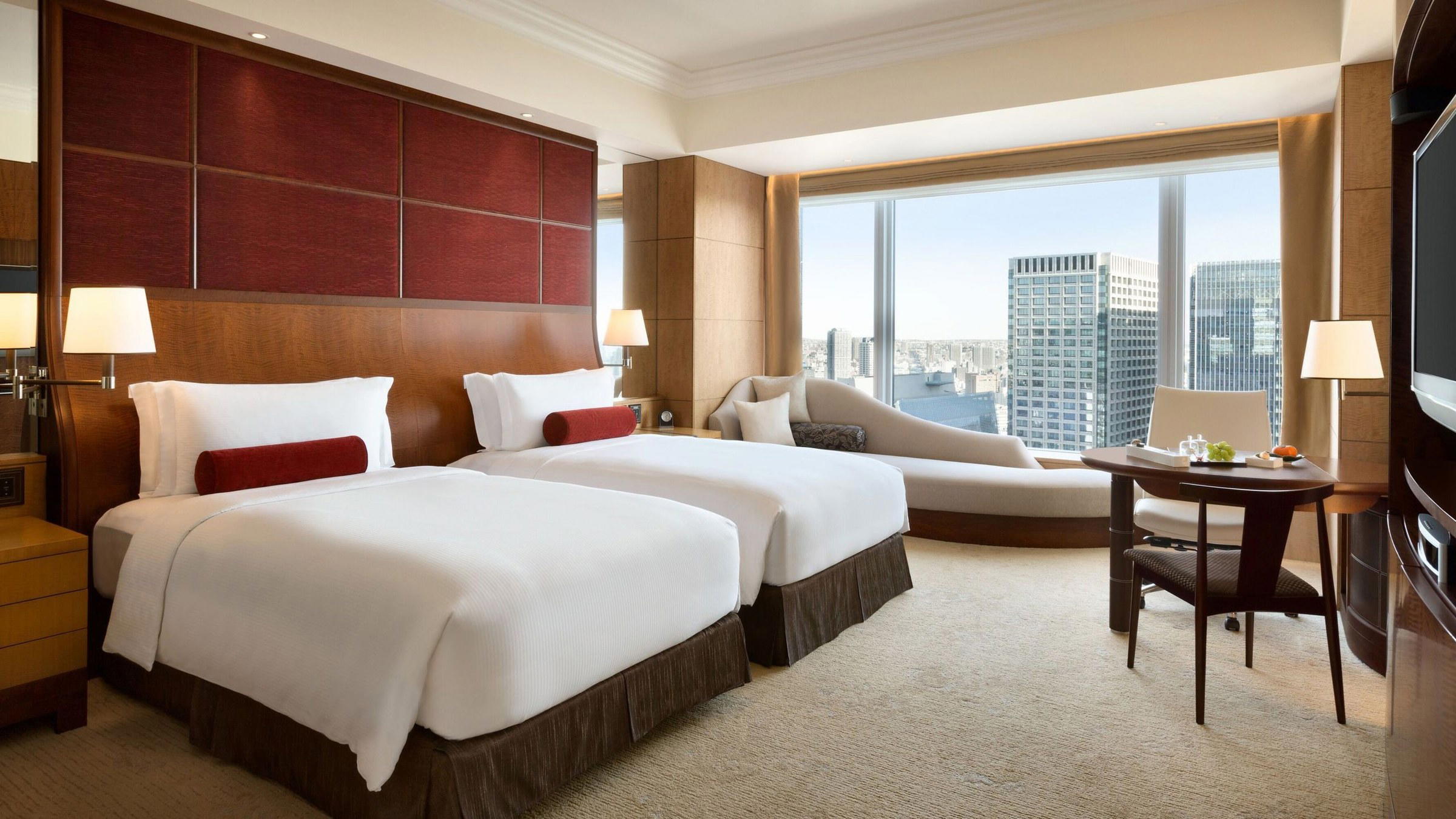
Soothingly stylish rooms with modern comforts and cultural elements, complemented by a lively yet relaxing lounge atmosphere.