The Royal Park Hotel Tokyo Haneda sits inside Terminal 3 of Haneda Airport, making it the most directly connected hotel to international departures in the Tokyo area. Among airport-adjacent accommodation in Japan, few properties match this level of terminal integration. For travellers with early flights or late arrivals who want proximity without sacrificing comfort, it occupies a clear position in the market.

Pearl is the En Primeur Club membership app — saves, bookings, and concierge access live there. Same editors, same standards.
- Address
- 羽田空港2-6-5 (第3ターミナル), 大田区, 東京都, 144-0041
- Directions
- Get directions
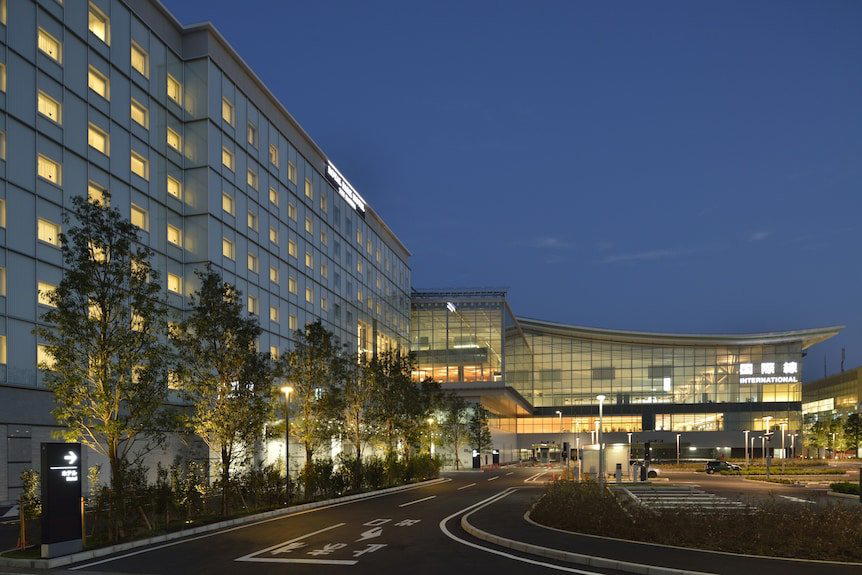
Where the Terminal Becomes the Neighbourhood
Most airport hotels occupy an awkward middle ground: close enough to the runway to hear departures, far enough from the city to feel stranded. The Royal Park Hotel Tokyo Haneda sidesteps that compromise by eliminating the gap entirely. The property sits inside Terminal 3 of Haneda Airport itself, connected directly to the international departure zone at 羽田空港2-6-5 in Ota Ward. There is no shuttle bus, no exposed walkway, no ten-minute transfer at the end of a long-haul flight. The transition from check-in desk to hotel corridor happens within the terminal's own structure, which changes the psychological experience of an airport stay considerably.
Haneda's Terminal 3 is one of the more architecturally considered airport terminals in East Asia. The building incorporates elements of traditional Japanese design into its commercial framework, with timber detailing and spatial cues that distinguish it from the generic glass-and-steel international airport typology. Staying inside this structure means the hotel's sensory environment draws from that same palette: cooler, quieter corridors as you move away from the retail concourse, with the low hum of a functioning airport replaced, in the upper floors, by a more deliberate calm. For travellers arriving on overnight international flights, the ability to reach a bed within minutes of clearing immigration is not a minor convenience — it reframes the layover entirely.
A Specific Kind of Tokyo Hotel
Tokyo's upper-tier hotel market clusters heavily in the central wards. Properties like Aman Tokyo, Bvlgari Hotel Tokyo, Four Seasons Hotel Tokyo at Otemachi, and Palace Hotel Tokyo anchor the luxury tier in Otemachi, Marunouchi, and Minami-Aoyama, with city views, neighbourhood restaurants, and the full apparatus of urban hospitality. The Royal Park Hotel Tokyo Haneda operates from a different premise entirely. Its competitive set is not the central Tokyo luxury hotel; it is the airport-connected property where the primary value proposition is friction elimination. Within that set, terminal integration at the scale Haneda offers is a meaningful differentiator.
Haneda handles a substantial volume of international traffic, and Terminal 3 specifically functions as the hub for most overseas routes. For travellers connecting onward to domestic destinations, catching a morning departure to Osaka, Fukuoka, or Sapporo after an intercontinental arrival, or simply wrapping up a Japan itinerary with a pre-dawn international flight, the geography of this hotel makes sense in a way that a Shinjuku or Ginza address does not. Properties in the central wards, including Andaz Tokyo, JANU Tokyo, or The Capitol Hotel Tokyu, serve a different trip structure. Both exist; neither substitutes for the other.
The Sound of the Terminal, and Its Absence
Airport hotels carry a reputation for noise and impermanence, the feeling of a bed that exists only to absorb exhaustion before a departure. The architectural challenge at Haneda's in-terminal property is managing acoustic separation between the hotel's floors and the operational volumes of one of Asia's busiest international gateways. Terminal 3 processed millions of international passengers annually before pandemic-era disruptions, and Haneda has consistently ranked among Asia's higher-throughput airports in operational assessments. The sensory environment inside a working terminal, the PA announcements, the movement of luggage carts, the background register of crowds on the shopping concourse, is present on lower-access levels and progressively managed as the hotel's own floors take over the spatial experience.
This layering of airport and hotel is the defining spatial quality of the property, and it is worth being clear-eyed about it. Guests seeking the silence of a ryokan corridor or the distilled calm of a property like Zaborin in Kutchan, Gora Kadan in Hakone, or Asaba in Izu will not find that register here. The Royal Park Hotel Tokyo Haneda is a different instrument: one calibrated for operational efficiency and transit comfort rather than contemplative withdrawal. Japan's broader hotel scene, which includes some of the most rigorously considered ryokan experiences anywhere, from Nishimuraya Honkan in Kinosaki to HOTEL THE MITSUI KYOTO, frames this property usefully. It belongs to a narrower functional category within a country that has refined hotel hospitality across almost every tier.
Planning Your Stay
The Royal Park Hotel Tokyo Haneda is located at 羽田空港2-6-5, Terminal 3, Ota Ward, Tokyo 144-0041. Booking in advance is advisable, particularly around Japanese national holidays, the Golden Week period in late April and early May, the Obon period in mid-August, and the year-end travel window from late December through early January, when Haneda's international terminal operates at high capacity and hotel inventory moves quickly.
For travellers building a broader Japan itinerary beyond Tokyo, the Haneda connection also makes properties across the country more accessible. A stay here works as a logical bookend to trips that include destinations like Halekulani Okinawa, Benesse House in Naoshima, Fufu Kawaguchiko near Mount Fuji, ENOWA Yufu in Oita, or Jusandi in Ishigaki. Catching a domestic connection from Haneda's domestic terminals, which are adjacent to Terminal 3, adds negligible friction compared to routing through Narita or central Tokyo transit hubs. For a full picture of dining and hospitality options within the city itself, our full Tokyo restaurants guide maps the broader scene across neighbourhoods and categories. If your itinerary extends internationally, Aman New York and Aman Venice represent reference points in the same broader network of considered hospitality, each in a very different urban register.
At a Glance
Comparable options at a glance, pulled from our tracked venues.
| Venue | Price | Awards |
|---|---|---|
| The Royal Park Hotel Tokyo Haneda (ザ ロイヤルパークホテル 東京羽田)This venue — the venue you are viewing | $200–300 | Not listed |
| Bvlgari Hotel Tokyo | Not listed | 3 Michelin Keys · World's 50 Best #24 |
| Aman Tokyo | Not listed | 2 Michelin Keys · World's 50 Best #11 |
| Four Seasons Hotel Tokyo at Otemachi | Not listed | 3 Michelin Keys · La Liste Top Hotels |
| Palace Hotel Tokyo | Not listed | 3 Michelin Keys · World's 50 Best #73 |
| Andaz Tokyo | $300–500 | 1 Michelin Key |







Details
- Modern
- Minimalist
- Quiet
- Business Trip
- Weekend Escape
- Panoramic View
- Wi Fi
- Restaurant
- Bar
- Business Center
- Luggage Storage
- 24 Hour Front Desk
- Skyline
- Elevator
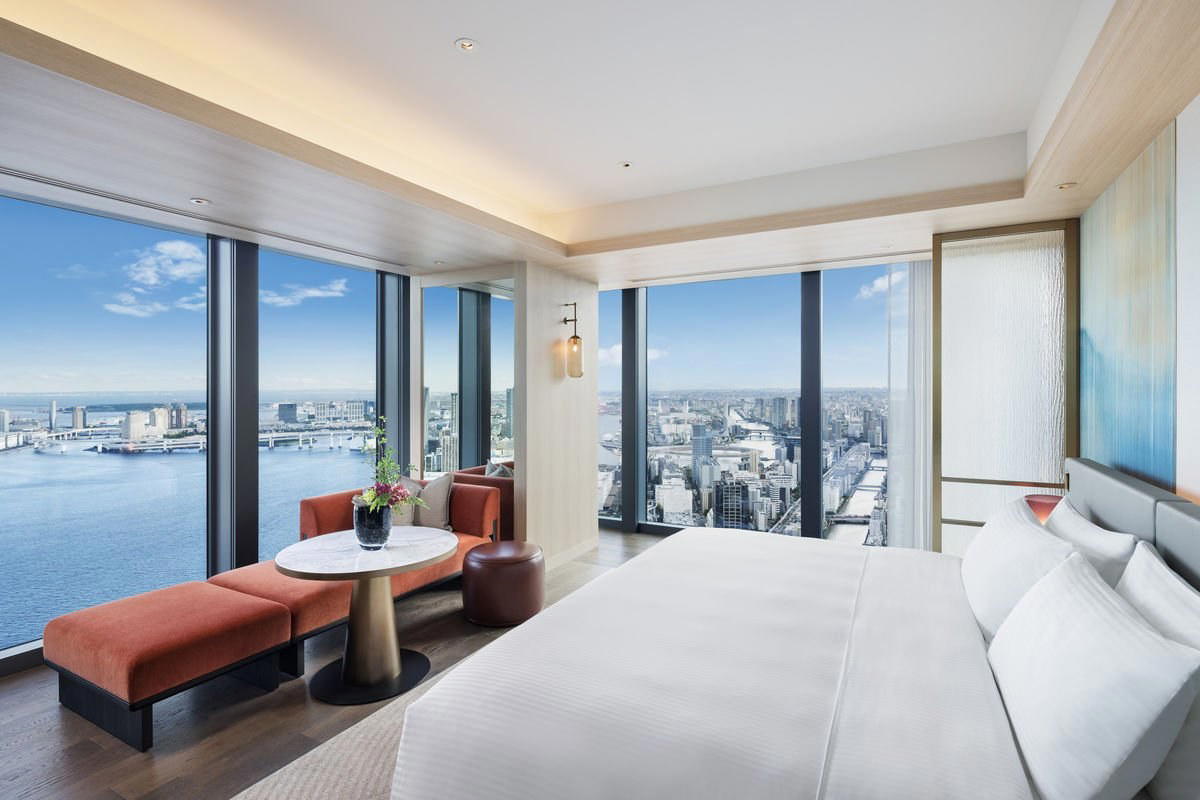
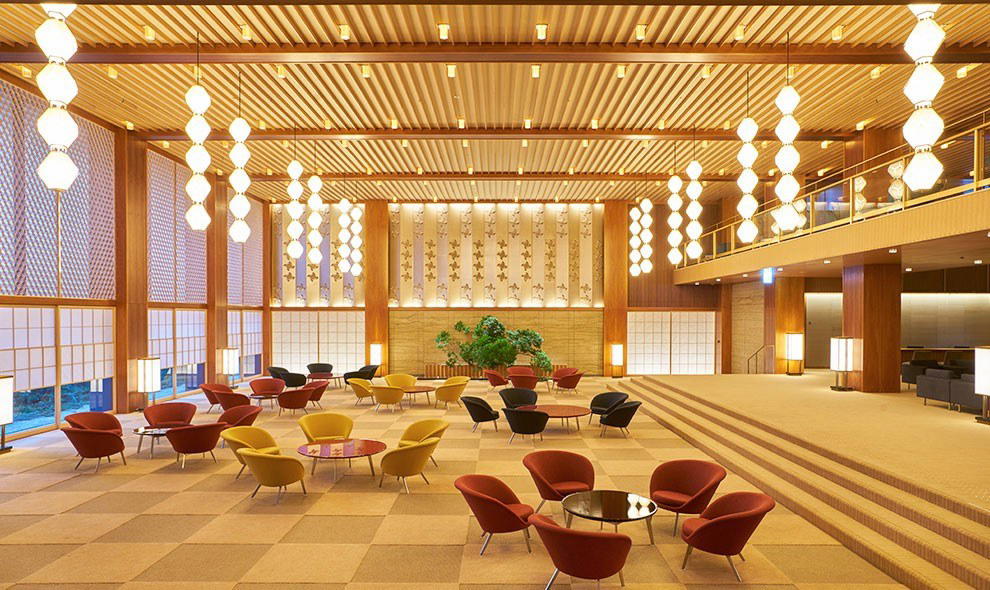
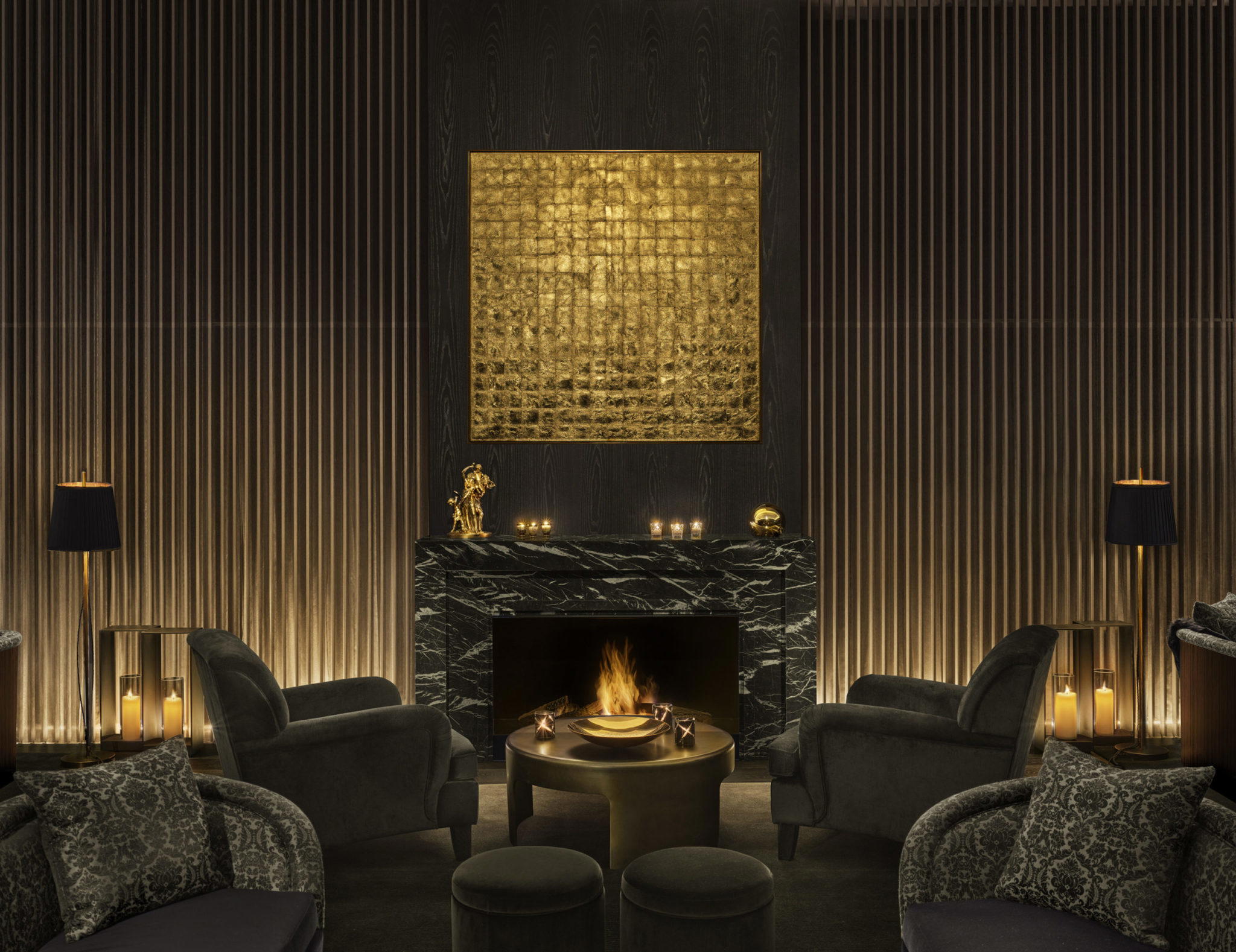
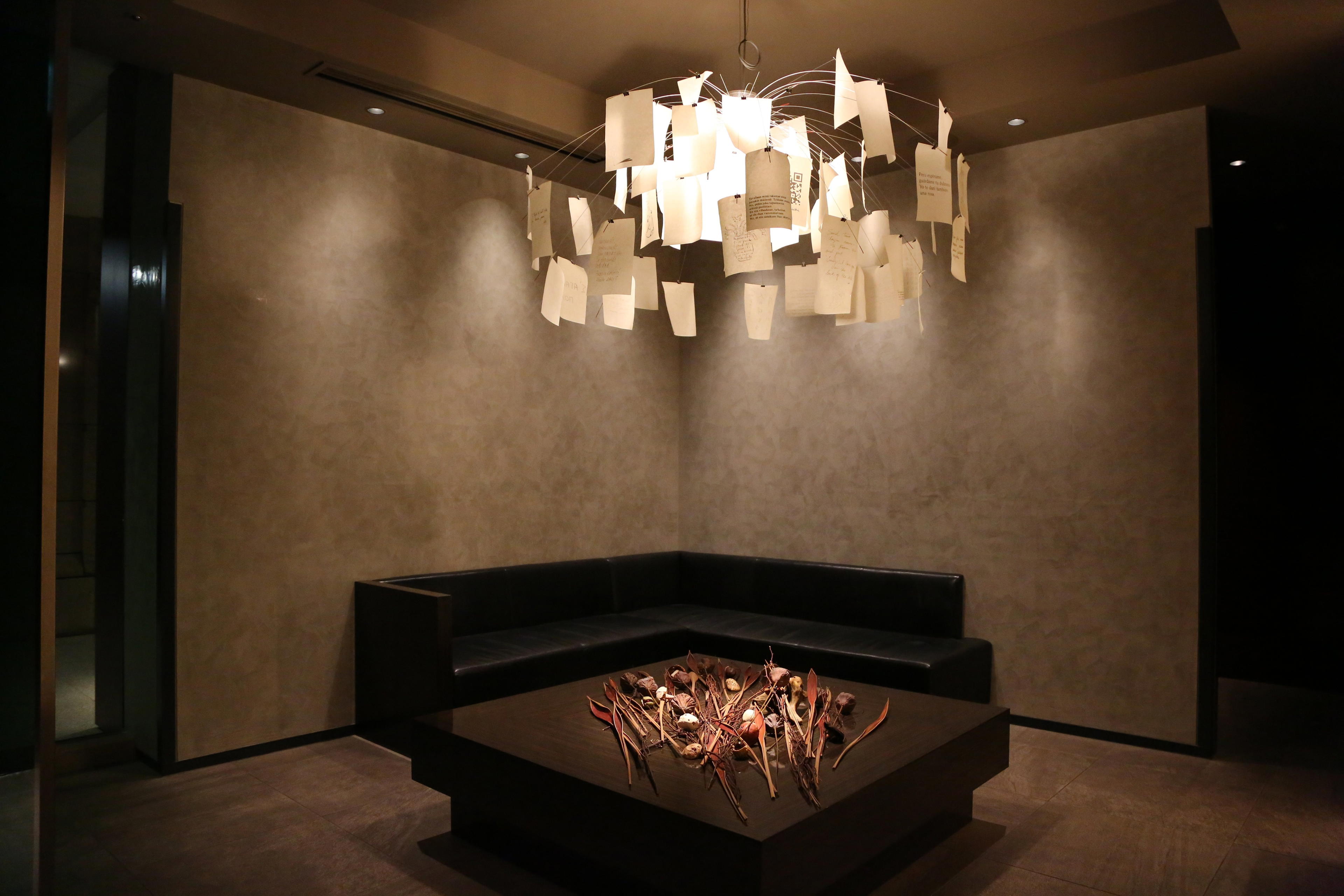
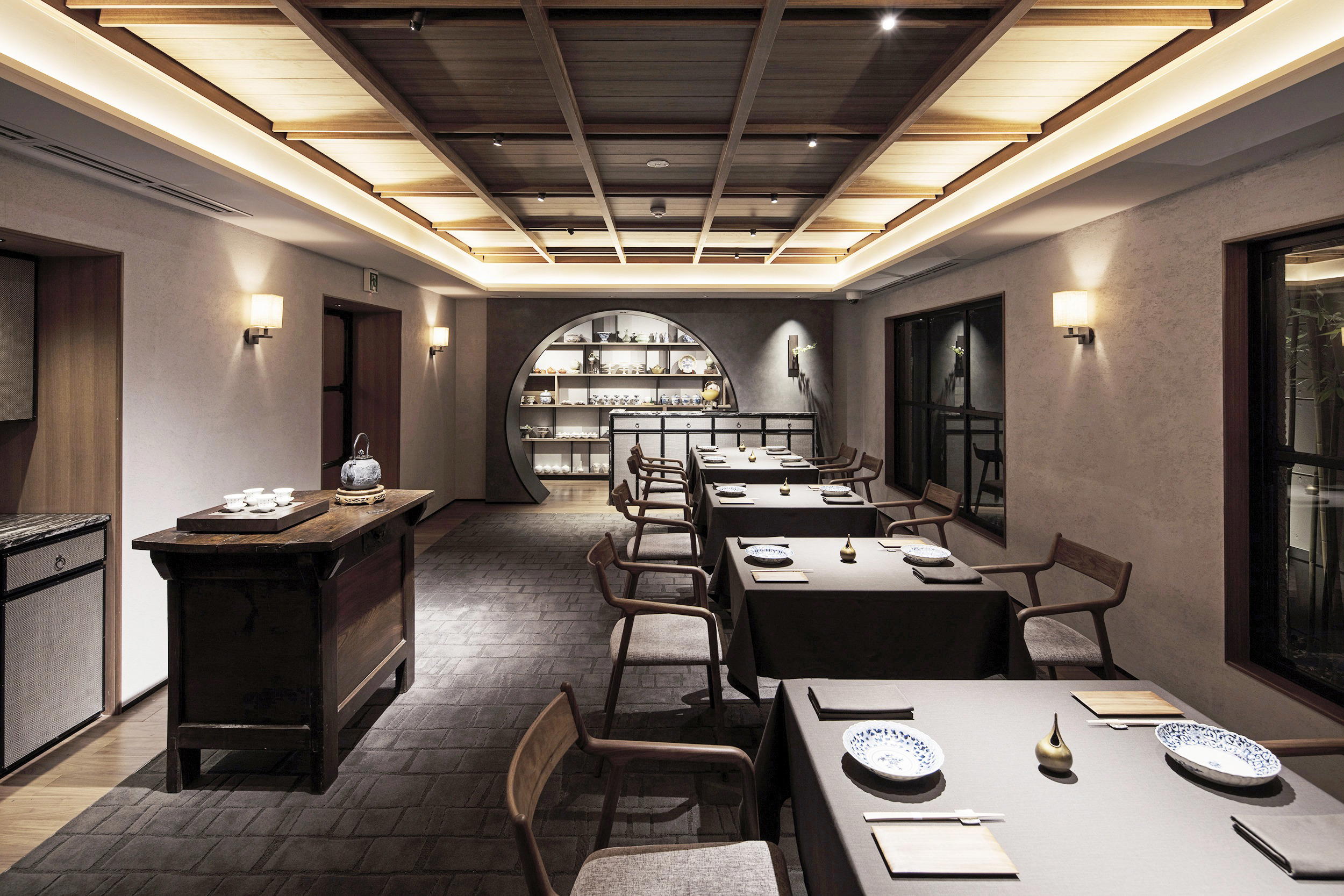
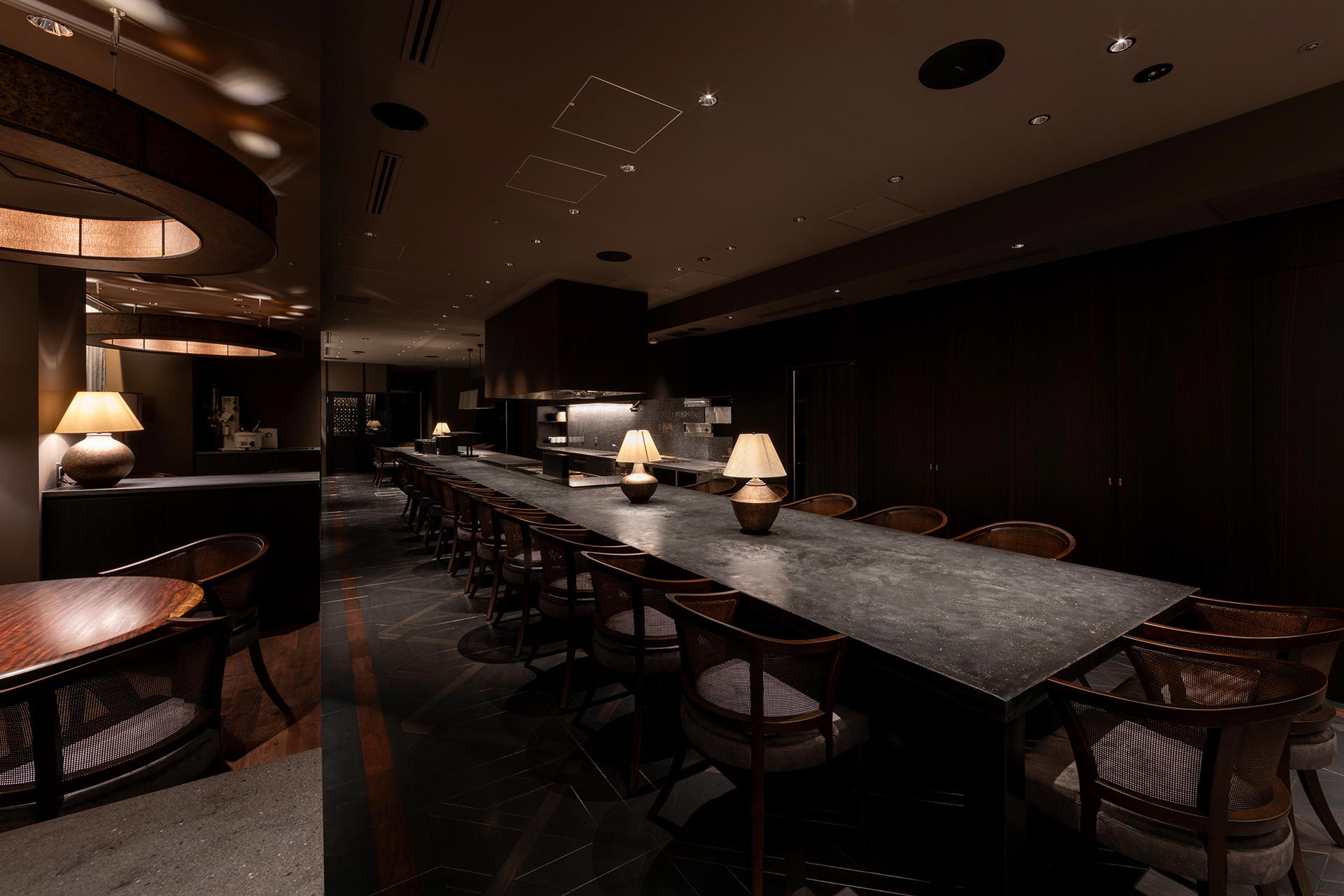
Modern, minimalist interiors with soundproofed windows and blackout curtains creating a calm, restful environment; bright, functional spaces with contemporary design elements.