Dormy inn PREMIUM Shibuya-jingumae occupies a sharp address in one of Tokyo's most kinetic neighbourhoods, placing guests a short walk from Harajuku's shopping corridors and the forested calm of Meiji Jingu. The Dormy inn PREMIUM tier sits above the chain's standard format, offering a natural hot spring bath and late-night ramen service that distinguish it from conventional business hotels in the same price band.
Pearl is the En Primeur Club membership app — saves, bookings, and concierge access live there. Same editors, same standards.
- Address
- 6 Chome-24-4 Jingumae, Shibuya, Tokyo 150-0001, Japan
- Phone
- +81 3 5774 5489
- Website
- dormy-hotels.com
- Directions
- Get directions
 Saves & bookings on Pearl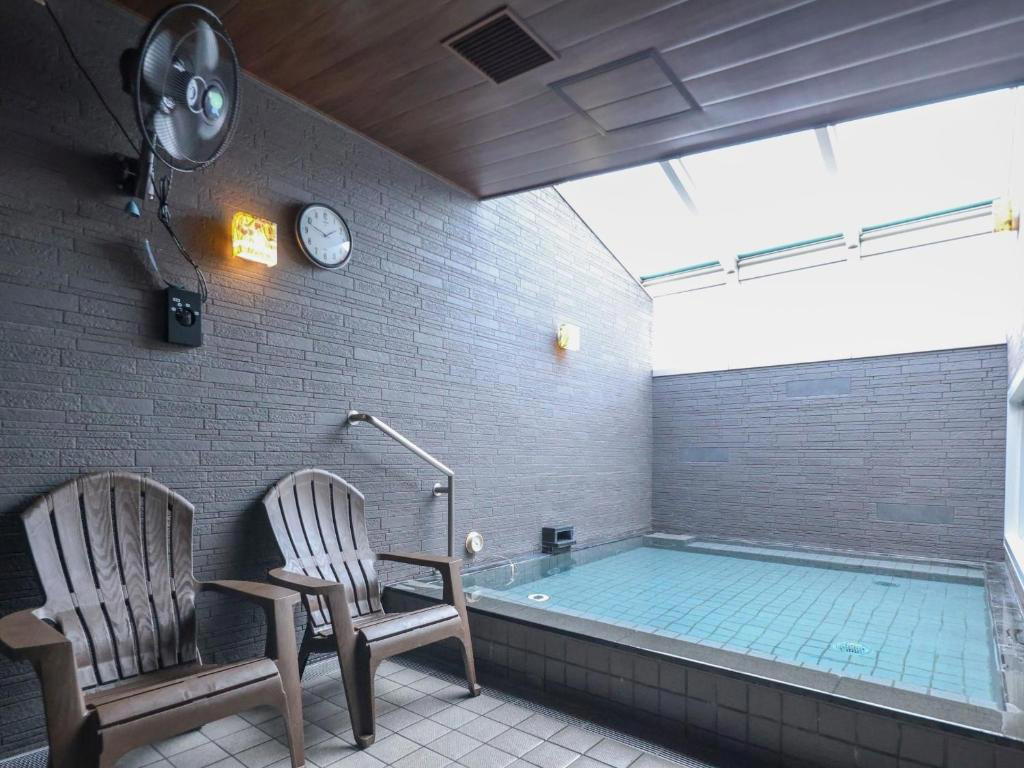
Where Jingumae Meets the City's Mid-Range Ceiling
The block of Jingumae between Harajuku and Omotesando has become one of the more interesting tests for Tokyo mid-market accommodation. On one side, you have the international fashion flagship corridor and the crepe-and-crowds spectacle of Takeshita-dori. On the other, the forested approach to Meiji Jingu offers an abrupt shift in register, gravel paths, filtered light, near silence. Dormy inn PREMIUM Shibuya-jingumae sits at 6 Chome-24-4 Jingumae, a location that gives guests access to both conditions without committing to either. That dual access is genuinely useful and harder to replicate from the Marunouchi or Otemachi hotel clusters where properties like Four Seasons Hotel Tokyo at Otemachi, Aman Tokyo, and Palace Hotel Tokyo are concentrated.
The Jingumae address also carries neighbourhood weight that purely business-facing hotels in Shinjuku or around Tokyo Station cannot replicate for leisure travellers. Omotesando's tree-lined boulevard, lined with flagship architecture from Herzog and de Meuron's Prada building to the Tadao Ando-designed Omotesando Hills, begins a few minutes on foot. This is a neighbourhood that functions as both a shopping destination and a design reference point for the city, and a hotel address here carries a different kind of social logic than one near the convention centres.
The Dormy inn PREMIUM Format in Context
Dormy inn as a chain occupies a specific and well-understood tier in Japan's hotel market. The base format targets business travellers with efficient room layouts, consistent cleanliness standards, and a natural hot spring bath facility (onsen or sento, depending on location). The PREMIUM sub-brand adds a layer of finish to the room hardware and positions itself closer to the mid-market band, competing with three-star international brands rather than sitting below them.
What separates this tier from purely functional accommodation is the onsen floor, a feature that shifts the hotel's use pattern. Guests staying multiple nights tend to build the bath into a morning or late-evening routine, which changes how they experience the city's pace. Tokyo's equivalent of decompression is often a long soak rather than a bar, and the Dormy PREMIUM format is specifically engineered around that habit. Late-night ramen service, another chain-wide feature, follows the same logic: arriving late from Shibuya or a dinner run in Aoyama, the option to eat in-hotel without stepping back outside has practical value that a minibar does not replicate.
This is a meaningfully different competitive set from the flagship properties reviewed on EP Club. Bvlgari Hotel Tokyo, Andaz Tokyo, JANU Tokyo, and Bellustar Tokyo, A Pan Pacific Hotel operate in a different price band and offer a different proposition entirely. The Dormy inn PREMIUM model is for travellers who want a functional, well-located Tokyo base with one or two genuinely Japanese amenity features, and who are allocating budget elsewhere, whether to food, day trips, or onward travel.
The Neighbourhood as the Real Amenity
Spring and autumn are the periods when the Jingumae address pays the highest dividend. Cherry blossom season draws significant crowds to Yoyogi Park and the paths around Meiji Jingu, and the hotel's proximity to both sites puts guests within ten minutes' walk of the leading viewing without requiring early train journeys from further-out districts. Autumn foliage at Meiji Jingu Gaien, the ginkgo avenue that draws queues of photographers in November, follows the same logic. Timing a stay around either season concentrates the neighbourhood's appeal into its most legible form.
Outside those windows, the quarter still earns its place. Omotesando Hills and the surrounding boutiques run at consistent foot traffic year-round. The Cat Street corridor between Harajuku and Shibuya has developed into a streetwear and independent retail stretch that attracts a different demographic than the flagship avenue, and it is accessible without public transport from this address. For travellers whose itinerary involves both Shibuya crossings and Shinjuku Gyoen, the central position in the western inner loop avoids the train transfers that East Tokyo bases require.
Guests planning day trips have good access to the Yamanote Line and the broader rail network. Gora Kadan in Hakone and Fufu Kawaguchiko in Fujikawaguchiko both represent the kind of ryokan or high-end onsen destination that pairs naturally with a Tokyo base, and the Shibuya transport hub handles connections toward both areas. Those planning a broader Japan itinerary that extends to Kyoto can reference HOTEL THE MITSUI KYOTO, and those continuing to more remote prefectures will find the EP Club guides for Amanemu in Mie, Zaborin in Kutchan, Halekulani Okinawa, ENOWA Yufu in Yufu, Benesse House in Naoshima, Asaba in Izu, Jusandi in Ishigaki, Fufu Nikko in Nikko, Nishimuraya Honkan in Kinosaki-cho, and Sekitei in Hatsukaichi-shi useful for building out a longer itinerary.
Planning a Stay
The PREMIUM category rooms fill faster during cherry blossom season (late March to early April) and the November ginkgo peak, so those visiting in either window should plan well ahead. The hotel's position in Shibuya-ward rather than central Shinjuku or Ginza means it attracts a mix of leisure travellers and younger business visitors, keeping the atmosphere lower-key than the flagship hotel tier. The Fifth Avenue Hotel in New York City, Aman New York, The Capitol Hotel Tokyu, and Aman Venice relevant for routing context.
Comparable Options
Comparable venues nearby, for context on price, style, and recognition.
| Venue | Cuisine | Price | Notes |
|---|---|---|---|
| Dormy inn PREMIUM Shibuya-jingumaeThis venue — the venue you are viewing | Modern business hotel with onsen relaxation | $$$ | Not listed |
| MOXY Tokyo Kinshicho | Trendy lifestyle boutique hotel with urban social vibe | $$$ | Sumida |
| SHIBUYA STREAM HOTEL | Vintage modern concept in stylish functional spaces | $$$ | Shibuya |
| ASAKUSA KOKONO CLUB HOTEL | Creative concept hotel inspired by American boutique style in historic Japanese setting | $$$ | Taitō |
| Mitsui Garden Hotel Ginza Premier | Modern luxury tower hotel polished above Ginza with panoramic city views. | $$$ | Ginza |
| TRUNK(WEDDING) | lifestyle boutique hotel with wedding facilities | $$$$ | Shibuya |













At a Glance
- Modern
- Trendy
- Quiet
- Cozy
- Business Trip
- Weekend Escape
- Wi Fi
- Sauna
- Hot Tub
- Restaurant
- Laundry Service
- Concierge
- Wi Fi
- Sauna
- Hot Tub
- Restaurant
- Laundry Service
- Concierge
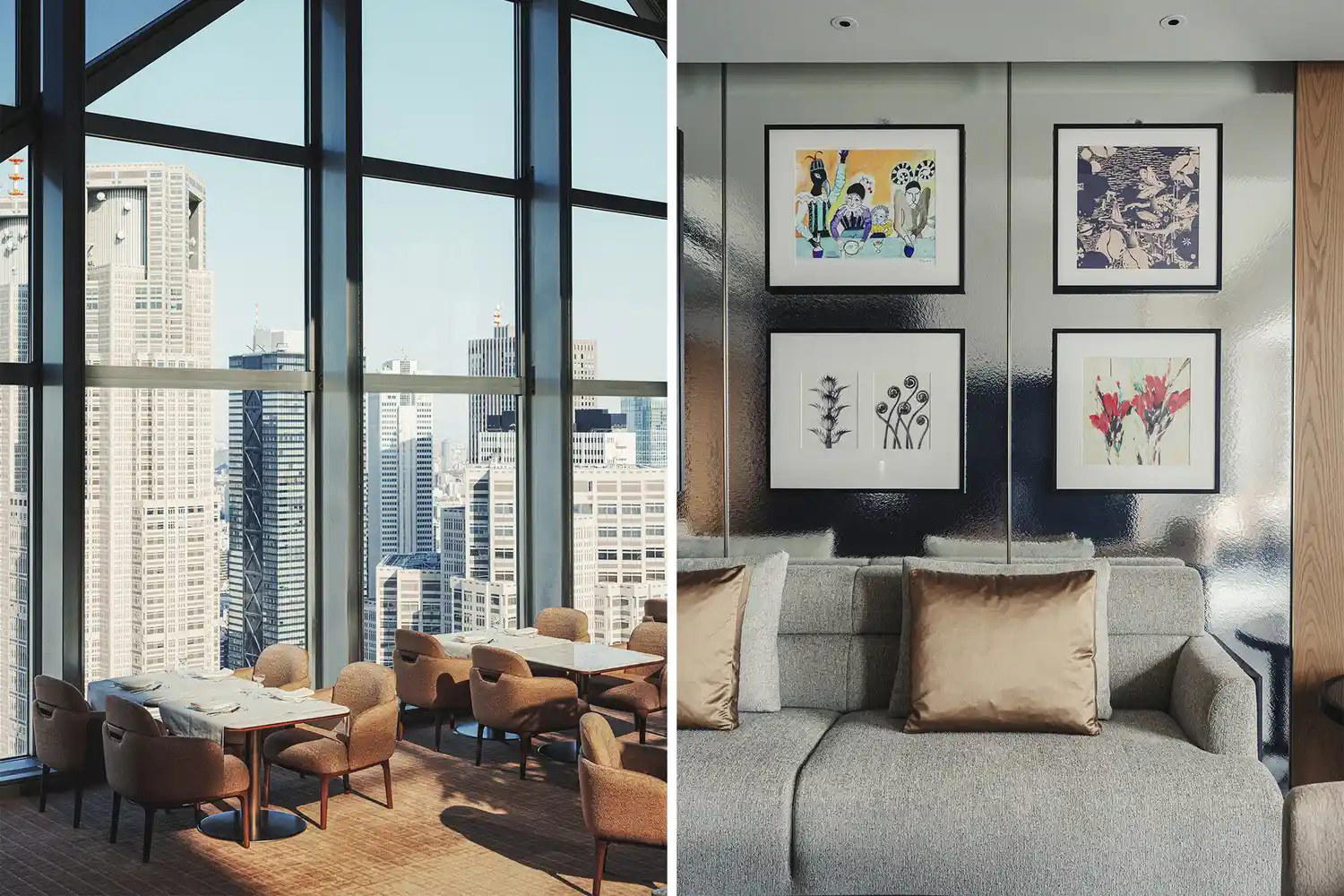
Sleek, modern rooms with neutral tones and compartmentalized layouts create a serene, restful atmosphere enhanced by soft lighting in the communal bathhouse and cozy lobby.