Set on Cat Street in Shibuya's Jingumae district, TRUNK(WEDDING) occupies a creative position within Tokyo's wedding venue category, offering an alternative format to the city's hotel-ballroom and shrine-ceremony defaults. The address places it at the intersection of Omotesando's design culture and Harajuku's street-level energy, making it a reference point for couples seeking a non-institutional setting in central Tokyo.

Pearl is the En Primeur Club membership app — saves, bookings, and concierge access live there. Same editors, same standards.
- Address
- Japan, 〒150-0001 Tokyo, Shibuya, Jingumae, 5 Chome−31 CAT STREET
- Phone
- +81 3 5766 3200
- Website
- catstreet.trunk-hotel.com
- Directions
- Get directions
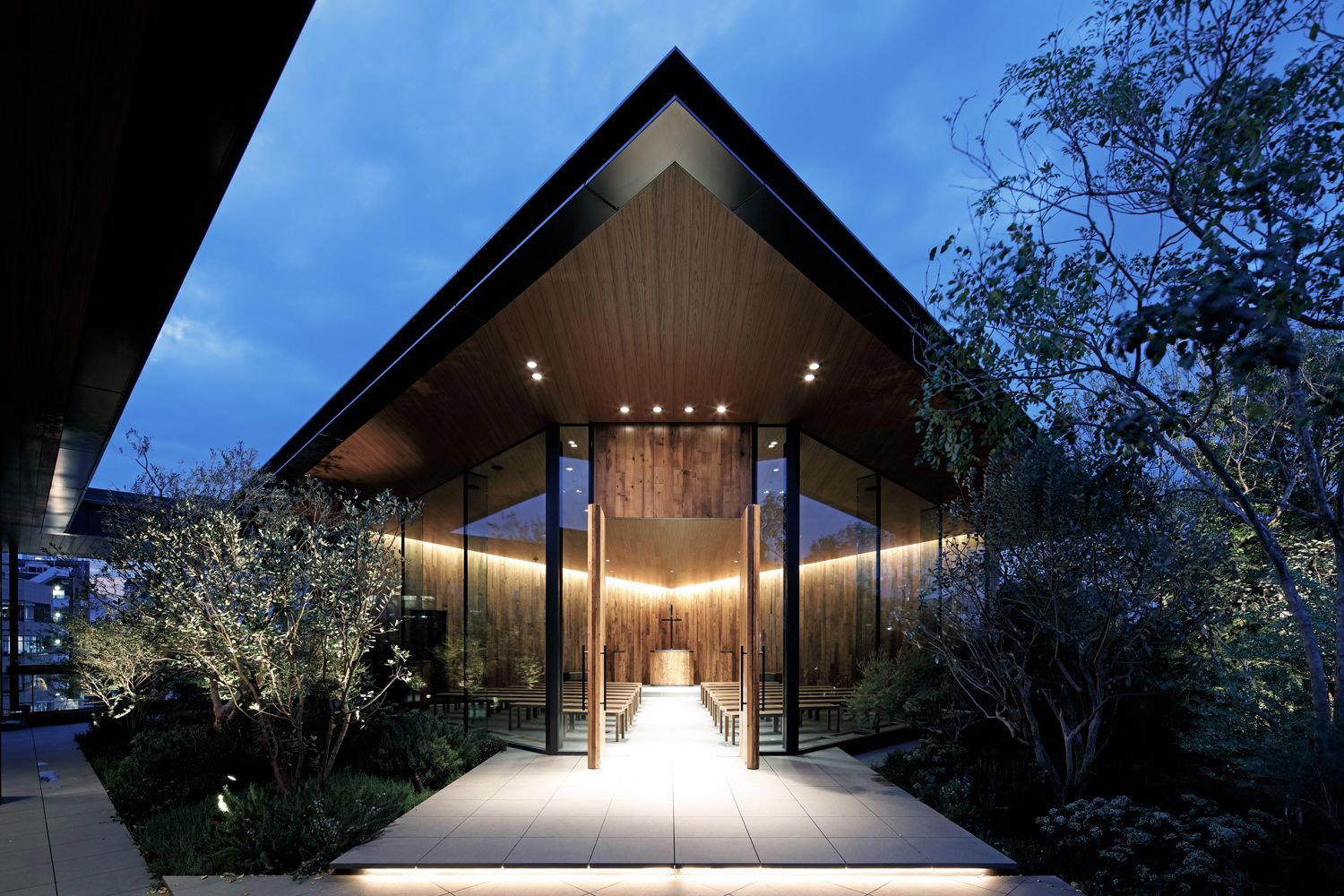
Cat Street's Wedding Venue and the Reinvention of How Tokyo Celebrates
Walk south along Cat Street in Shibuya's Jingumae district — past the vintage boutiques and the quietly confident coffee shops — and TRUNK(WEDDING) announces itself without ceremony. The building sits within a stretch of 5-chome that has spent the last decade repositioning itself from teenage fashion corridor to a more considered, design-literate destination. That neighbourhood shift is not incidental to understanding what TRUNK(WEDDING) has become. The two transformations ran roughly in parallel, and the venue's current character reflects the same forces that reshaped the street around it.
How the Format Has Changed
Tokyo's premium wedding market has moved through several recognisable phases over the past thirty years. The 1990s and early 2000s were dominated by large hotel ballrooms, where volume and ceremony took precedence over atmosphere or curation. The decade after that saw independent chapel venues rise in Minami-Aoyama and Daikanyama, offering a break from hotel formality. More recently, a third wave arrived: lifestyle-branded venues that treat the wedding itself as a design object, where the aesthetic coherence of the space matters as much as the catering or the guest list. TRUNK(WEDDING) operates in this third tier, aligned with the TRUNK brand identity that spans hospitality and retail in Shibuya. This is not a chapel bolted onto a hotel conference wing; the space was conceived to function as a dedicated wedding environment inside a neighbourhood that has itself become a shorthand for a certain strain of Tokyo cool.
The shift from transactional to experiential within the Tokyo wedding sector mirrors a pattern visible in the city's hospitality more broadly. Venues in this category compete less on capacity or cost and more on curation: the coherence of the interior, the quality of light in the ceremony space, the degree to which the day feels assembled rather than produced. For couples who have spent time at properties like Aman Tokyo or Bvlgari Hotel Tokyo, the expectations for a wedding venue have risen accordingly. TRUNK(WEDDING) responds to that demand from within the Shibuya lifestyle ecosystem rather than the luxury hotel corridor.
The Scene Around It
Jingumae 5-chome sits between the commercial density of Omotesando and the residential quietness of Harajuku's back streets. It is a district that tends to attract independent operators who read as design-forward without being inaccessible, and the wedding venue market here reflects that character. Couples choosing this part of the city are usually making a statement about aesthetic sensibility as much as logistics. The Cat Street address signals something to guests before they arrive: this is not a Marunouchi hotel event, and it is not a Meguro chapel hire. It belongs to a specific cultural geography, and that geography does the first layer of positioning work for the venue.
Tokyo's broader luxury hospitality infrastructure provides context for how venues like TRUNK(WEDDING) are evaluated by the couples who consider them. The city now hosts several of the world's most closely watched hotel openings, from JANU Tokyo to Four Seasons Hotel Tokyo at Otemachi, and the standards those properties set for interior design and event execution have raised what discerning clients expect from every premium venue in the city. Against that backdrop, a lifestyle-branded wedding space in Shibuya competes not on room count or restaurant accolades but on the coherence of its vision and the specificity of the experience it delivers.
Planning and Logistics
TRUNK(WEDDING) is located at 5 Chome-31 Jingumae, Shibuya, Tokyo, on Cat Street. The nearest train access is typically via Harajuku Station on the Yamanote Line or Meiji-Jingumae Station on the Tokyo Metro Chiyoda and Fukutoshin lines, both within comfortable walking distance. Because venue data specific to current pricing, availability windows, and booking format is not published through a central reservations channel, couples are advised to approach planning with a lead time typical of premium Tokyo wedding venues, which frequently means enquiring nine to twelve months before the intended date for popular seasons, particularly spring (late March through May) and autumn (October and November), when demand across the city's event venues is highest.
For international couples or destination wedding parties seeking accommodation in Shibuya or nearby, the surrounding neighbourhood offers a range of options. Those prioritising design-led city hotels might also look at Andaz Tokyo or Bellustar Tokyo, A Pan Pacific Hotel. For a complete picture of where to stay across the city, our full Tokyo restaurants and hotels guide covers the broader range. Couples extending their trip across Japan for a honeymoon or pre-wedding experience have well-regarded options in multiple prefectures: HOTEL THE MITSUI KYOTO in Kyoto, Gora Kadan in Hakone, Amanemu in Mie, and Zaborin in Kutchan represent the kind of deeply considered ryokan and resort tier that pairs naturally with a Shibuya ceremony. Further afield, Halekulani Okinawa, Benesse House in Naoshima, and Jusandi in Ishigaki extend Japan's premium accommodation geography for couples making more of their time in the country. Other options worth considering include Asaba in Izu, Fufu Kawaguchiko in Fujikawaguchiko, Fufu Nikko in Nikko, ENOWA Yufu, Nishimuraya Honkan in Kinosaki-cho, and Sekitei in Hatsukaichi-shi. For those whose itinerary extends beyond Japan, Aman Venice, Aman New York, and The Fifth Avenue Hotel in New York City represent the same tier of hospitality investment at a global scale. And for those planning around the ceremony city itself, The Capitol Hotel Tokyu and Palace Hotel Tokyo remain reliable anchors for guests seeking established Tokyo addresses with strong event infrastructure.
Cuisine and Awards Snapshot
| Venue | Price | Awards |
|---|---|---|
| TRUNK(WEDDING)This venue — the venue you are viewing | Not listed | Not listed |
| Bvlgari Hotel Tokyo | Not listed | 3 Michelin Keys · World's 50 Best #24 |
| Aman Tokyo | Not listed | 2 Michelin Keys · World's 50 Best #11 |
| Four Seasons Hotel Tokyo at Otemachi | Not listed | 3 Michelin Keys · La Liste Top Hotels |
| Palace Hotel Tokyo | Not listed | 3 Michelin Keys · World's 50 Best #73 |
| Andaz Tokyo | $300–500 | 1 Michelin Key |












Details
- Modern
- Trendy
- Elegant
- Sophisticated
- Minimalist
- Honeymoon
- Anniversary
- Celebration
- Destination Wedding
- Terrace
- Design Destination
- Wi Fi
- Room Service
- Concierge
- Wheelchair Accessible
Current opening hours
- Monday
- Closed
- Tuesday
- Closed
- Wednesday
- 12–8 PM
- Thursday
- 12–8 PM
- Friday
- 12–8 PM
- Saturday
- 8 AM–8 PM
- Sunday
- 8 AM–8 PM
Hours can change for holidays and private events. Last verified .
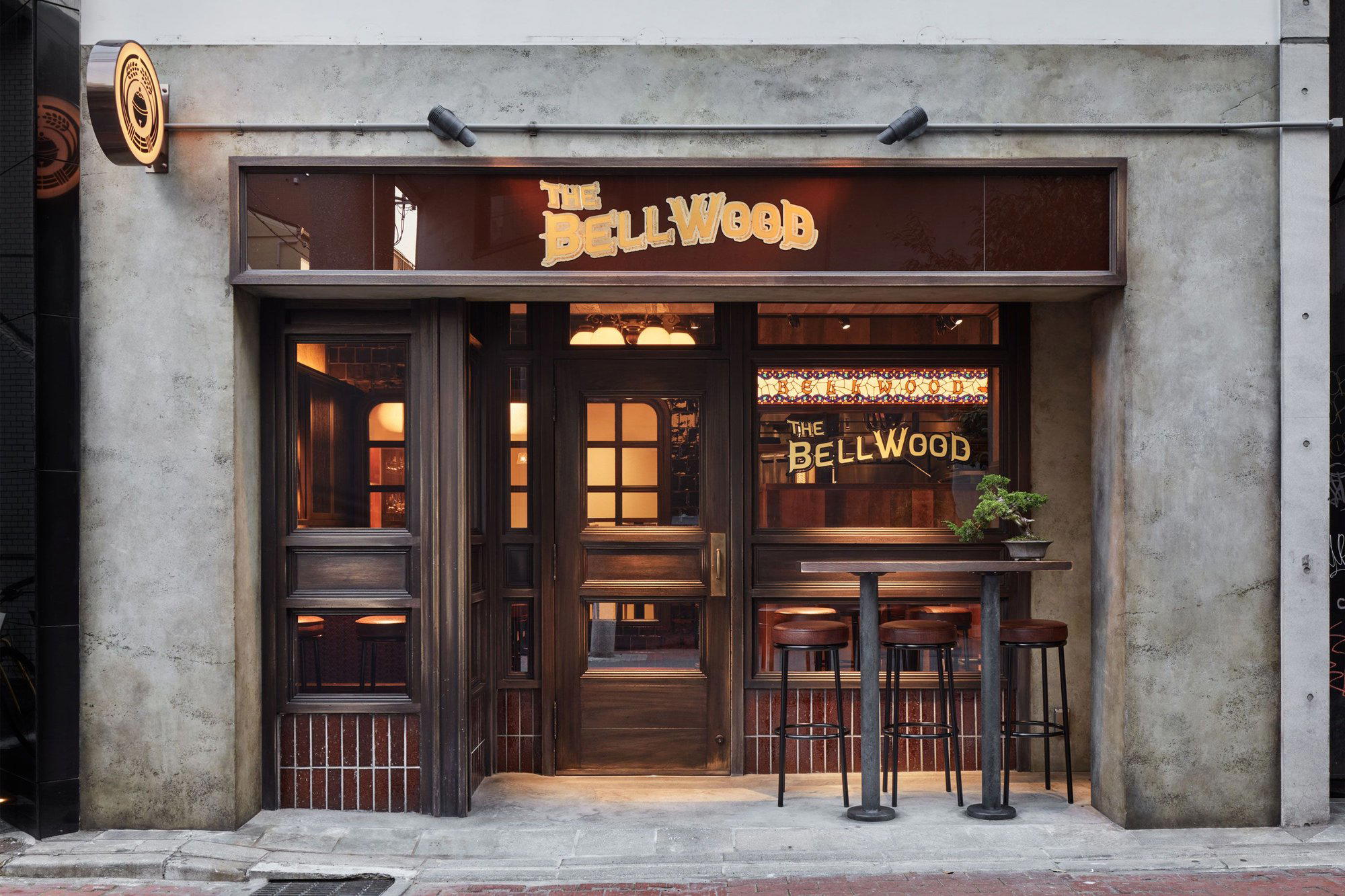
Textural interiors with recycled woods, warm wooden furniture, matte black lighting, and lively terrace around a leafy tree, creating a modern yet homely atmosphere.