

Michelin Guide New Hotels New Hotel · Michelin Selected · Tablet Hotels Top 40 New Hotels
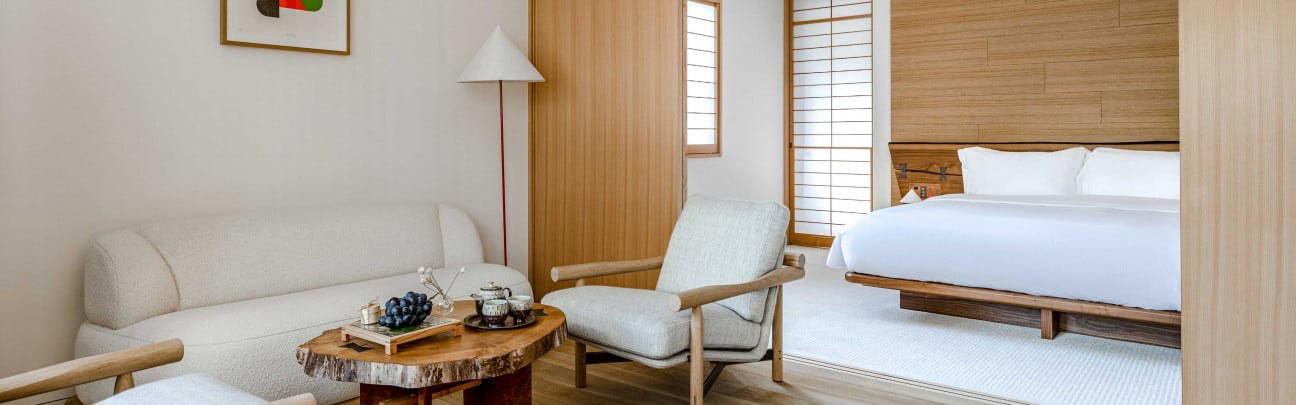
ASAI Kyoto Shijo holds a 2025 Michelin Selected designation, placing it in a tier of Kyoto hotels where design clarity and neighbourhood positioning carry as much weight as room count. Located in Shimogyo on the Shijo corridor, it sits closer to the commercial pulse of Gion and the Kamo River than the retreat-style properties further north, making it a practical base for the city's southern cultural districts.

Pearl is the En Primeur Club membership app — saves, bookings, and concierge access live there. Same editors, same standards.
- Address
- Japan, 〒600-8417 Kyoto, Shimogyo Ward, Shunzeicho, 444 444
- Phone
- +81 75-371-1808
- Website
- dusit.com
- Directions
- Get directions
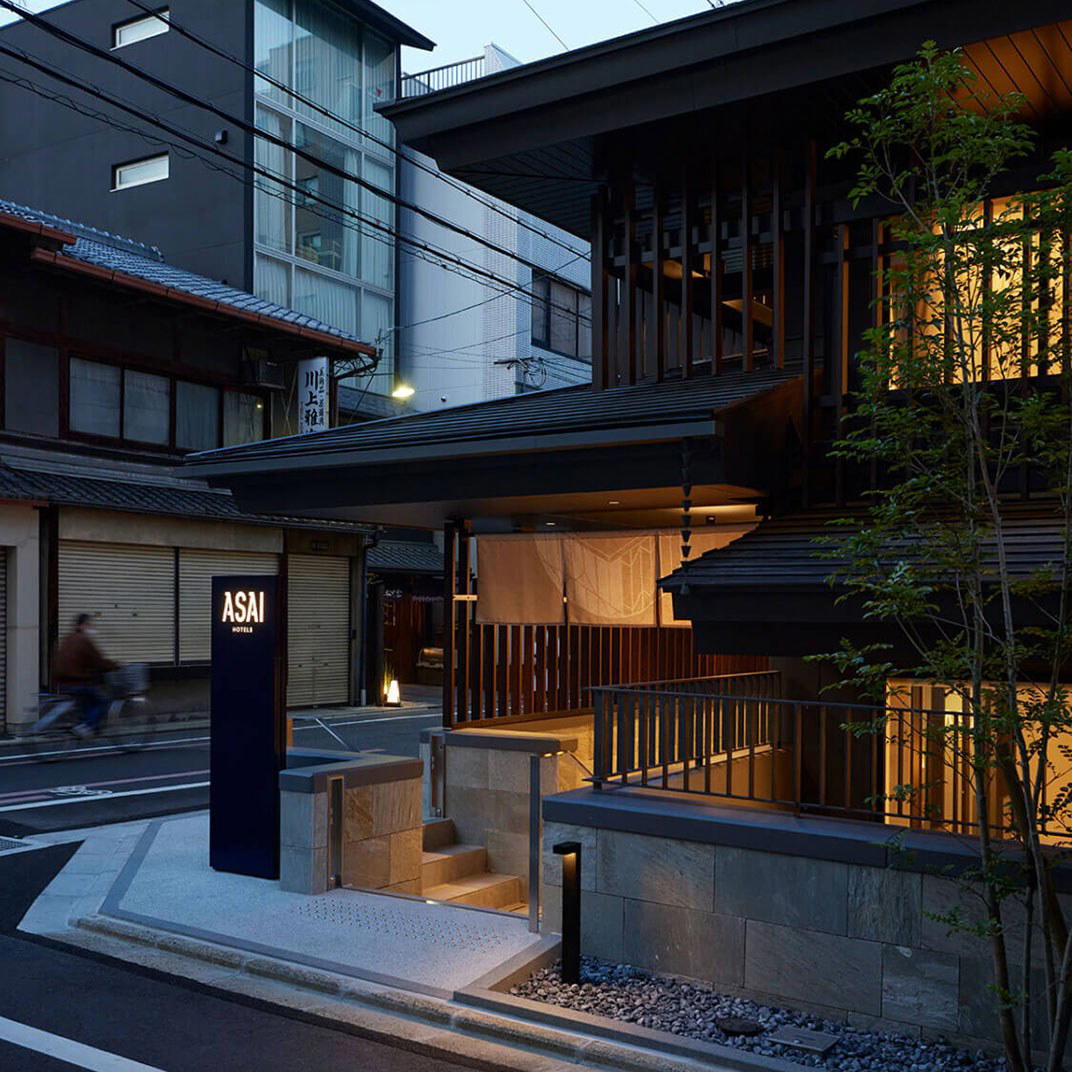
Where Shimogyo Puts You
Kyoto's hotel market has sorted itself into distinct geographic tiers. Properties in Higashiyama and the northern temple districts — Aman Kyoto, HOTEL THE MITSUI KYOTO — trade on seclusion and garden access. Properties in the central Kawaramachi and Shijo corridors trade on walkability: the Nishiki market, Gion's first teahouse blocks, and the Kamo River crossing are all within ten minutes on foot. ASAI Kyoto Shijo, addressed at 444 Shunzeicho in Shimogyo, operates in this second tier. Its 2025 Michelin Selected designation confirms it holds a recognised position in that competitive set, alongside properties that prize access and design economy over acreage.
Shimogyo is the ward that connects Kyoto Station's transit infrastructure to the historic mercantile core. Arriving from the bullet train terminus, you move north through a district of older covered arcades, textile wholesalers, and neighbourhood restaurants that still run on local custom rather than tourist footfall. The approach to a Shijo-area property carries less ceremony than a ryokan transfer through forest, but it offers something the remote retreat cannot: the texture of a functioning city neighbourhood before you have unpacked.
The Ritual of Arriving in a Japanese City Hotel
Japan's hospitality customs apply with particular consistency in Kyoto regardless of property tier. The check-in sequence, shoes at the threshold where relevant, the two-handed presentation of room key and printed information card, the brief orientation walk, follows patterns that travellers returning from properties like Four Seasons Hotel Kyoto or Park Hyatt Kyoto will recognise in their bones. What shifts between price tiers is not the precision of these customs but the physical scale around them. At a Michelin Selected property in the city centre, the rituals compress into smaller rooms and more immediate transitions. There is no long corridor to decompress in after check-in; the city is already at the window.
That compression shapes how guests use the property. A Shijo-corridor hotel functions primarily as a well-maintained base: sleep, breakfast if included, and storage for the day's purchased ceramics. The cultural programme lives outside. Kyoto's morning rhythms at this latitude, the pre-tourist hour at Fushimi Inari, the fish delivery hour at Nishiki, reward guests who can step out early from a central address. Properties positioned further from transit punish early morning plans with transfer logistics that consume the quiet hour.
Design Tier and What It Signals
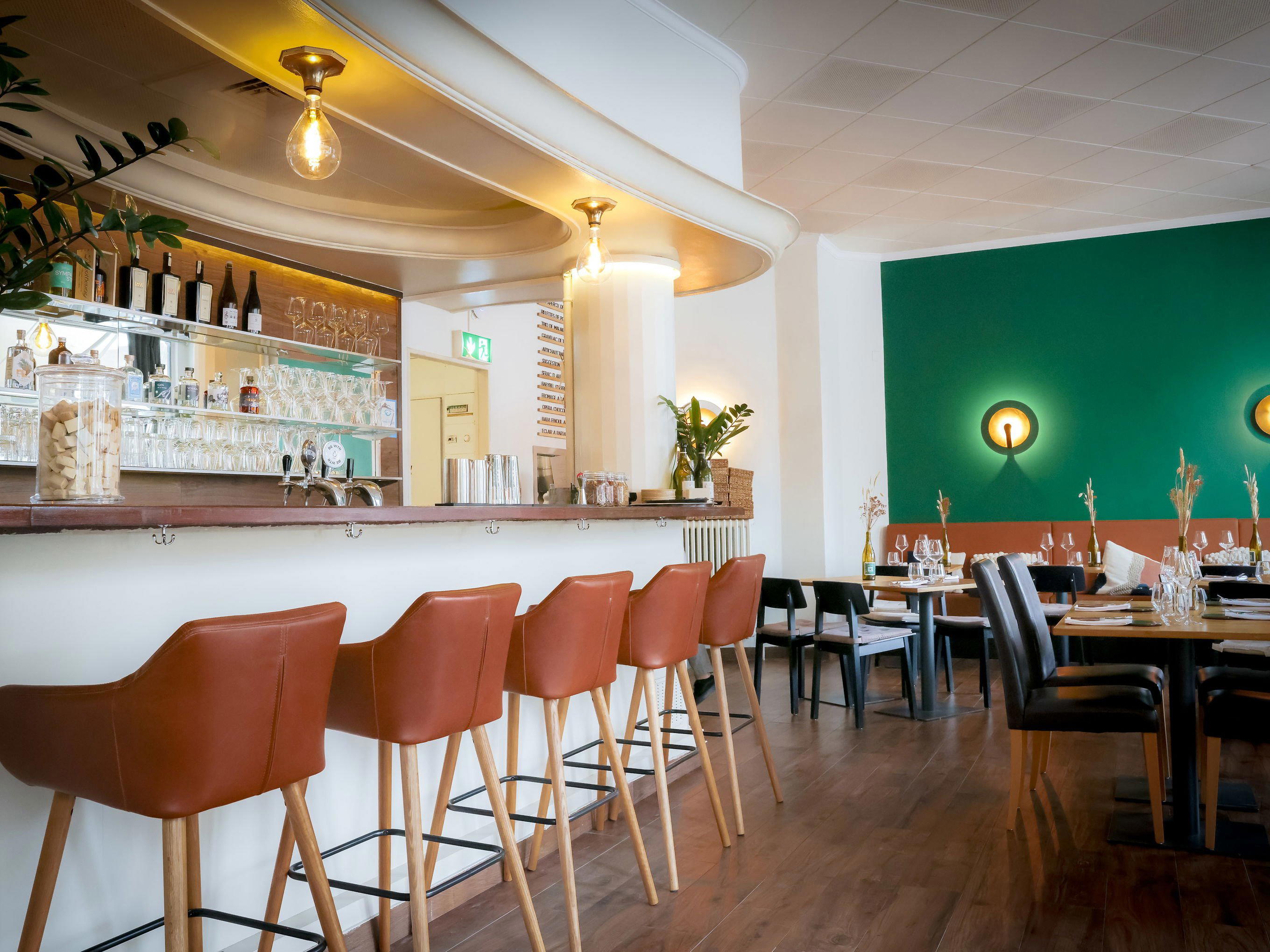
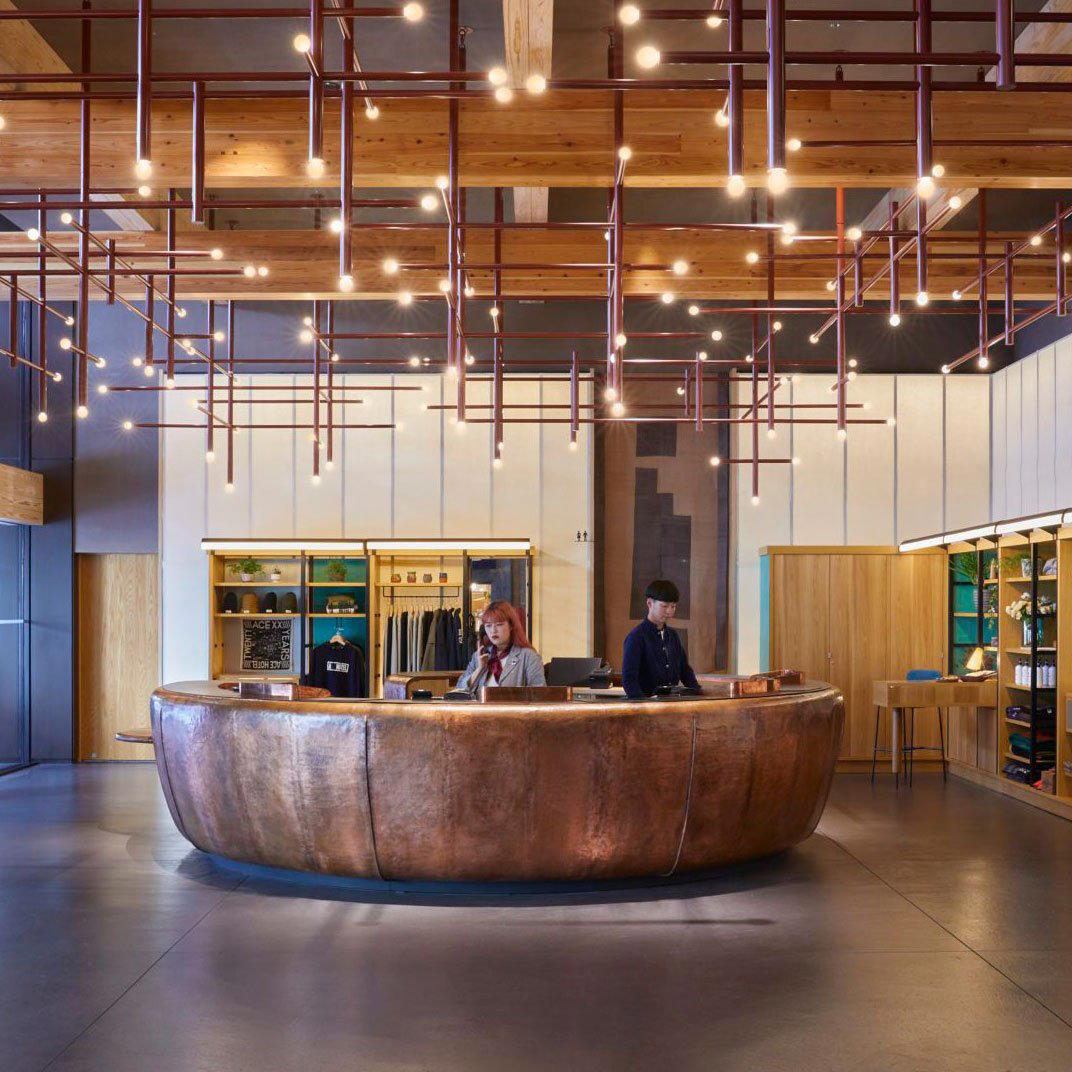
The ASAI brand, operating across Asian city destinations, occupies a design-forward mid-tier category that has grown considerably in the past decade. The model positions itself against budget transit hotels on one side and full-service luxury properties on the other, competing instead on aesthetic curation and neighbourhood integration. In Kyoto specifically, this segment has become crowded. Ace Hotel Kyoto operates a few blocks north in Nakagyo with a Kengo Kuma-designed building that set a high bar for design credibility in the mid-tier. Dusit Thani Kyoto layers Thai hospitality training into the same general bracket. Within this context, a Michelin Selected listing functions as an independent credential: the guide's hotel programme, which launched formally in recent years, evaluates comfort, service consistency, and character rather than just star count or brand affiliation.
For travellers calibrating against luxury reference points, it helps to note what sits above this tier in Kyoto. SOWAKA in Gion and The Shinmonzen in Higashiyama represent a smaller, more expensive bracket defined by art curation and private garden access. At the top of the market, properties like Aman Kyoto and HOTEL THE MITSUI KYOTO operate on historical estate footprints with corresponding room counts and rates. ASAI Kyoto Shijo does not compete in those tiers. It competes for the traveller who wants Michelin-vetted quality at a city-hotel price point, with the Shijo address doing significant work in that value proposition.
Pacing the Kyoto Stay
The question of how to pace a Kyoto itinerary from a Shimogyo base depends on what kind of rituals you are here to observe. Kyoto's temple circuit follows its own temporal logic: Fushimi Inari and Arashiyama are manageable on day one before the tour groups arrive; Gion Shijo and Pontocho reward evenings when the lantern light operates properly; Nishiki and the Teramachi covered arcades are mid-morning errands, not afternoon ones.
A central address shortens the friction between these moments. From Shijo, the Hankyu line connects west toward Arashiyama, and the Keihan line runs north toward the museum district and south toward Fushimi. The city's transit grid is fine-grained enough that a Shimogyo base puts most of the standard itinerary within two transit stops. Travellers who have previously based themselves at properties in the northern hills, or at ryokan-style retreats comparable to Nishimuraya Honkan in the onsen town format, will find the city-hotel model inverts that relationship with place: the property becomes the transit node rather than the destination.
Positioning Against Japan's Broader Hotel Market
Japan's premium hotel geography extends well beyond Kyoto. The full range runs from city luxury at properties like Bvlgari Hotel Tokyo to ryokan formats in the mountains and onsen regions: Gora Kadan in Hakone, Zaborin in Kutchan, Amanemu in Mie, Asaba in Izu, and Fufu Nikko in Nikko. Further afield, Benesse House in Naoshima, Halekulani Okinawa, Kamenoi Besso in Yufu, Jusandi in Ishigaki, Sekitei in Hatsukaichi-shi, and Fufu Kawaguchiko in Fujikawaguchiko represent the country's range of destination-stay formats. ASAI Kyoto Shijo belongs to none of these. It is a city hotel, Michelin-selected, designed for travellers who treat Kyoto as an active itinerary rather than a place to withdraw from one.
For those building a multi-property Japan trip, the Shijo property functions well as an early stop before a slower ryokan stay, or as a return base after a regional detour. It is a different kind of proposal to luxury properties in other cities, The Fifth Avenue Hotel in New York City, Badrutt's Palace Hotel in St. Moritz, or Hôtel de Paris Monte-Carlo, where the hotel is itself the theatre. In Kyoto, the city is the theatre. ASAI Kyoto Shijo sets a well-reviewed stage for it. See our full Kyoto restaurants and hotels guide for the broader picture of what the city offers across categories.
Recognition, Side-by-Side
| Venue | Price | Awards |
|---|---|---|
| ASAI Kyoto ShijoThis venue — the venue you are viewing | $100–200 | Michelin Guide New Hotels New Hotel · Michelin Selected |
| Aman Kyoto | Not listed | 2 Michelin Keys · World's 50 Best #74 |
| Park Hyatt Kyoto | $500–750 | 1 Michelin Key · World's 50 Best #37 |
| The Ritz-Carlton, Kyoto | $500–750 | 1 Michelin Key · La Liste Top Hotels |
| Four Seasons Hotel Kyoto | $1,000–1,500 | 1 Michelin Key · La Liste Top Hotels |
| Ace Hotel Kyoto | $200–300 | 1 Michelin Key · Mr & Mrs Smith Seal of Approval |
Recognition history
Dated appearances from independent guides and award organizations, with the underlying list record or original source where available.
Michelin Guide New Hotels New Hotel
Michelin Guide New Hotels
Michelin Selected
Michelin
Tablet Hotels Top 40 New Hotels
Tablet Hotels
Continue exploring
More in Kyoto
Hotels in Kyoto
Browse all →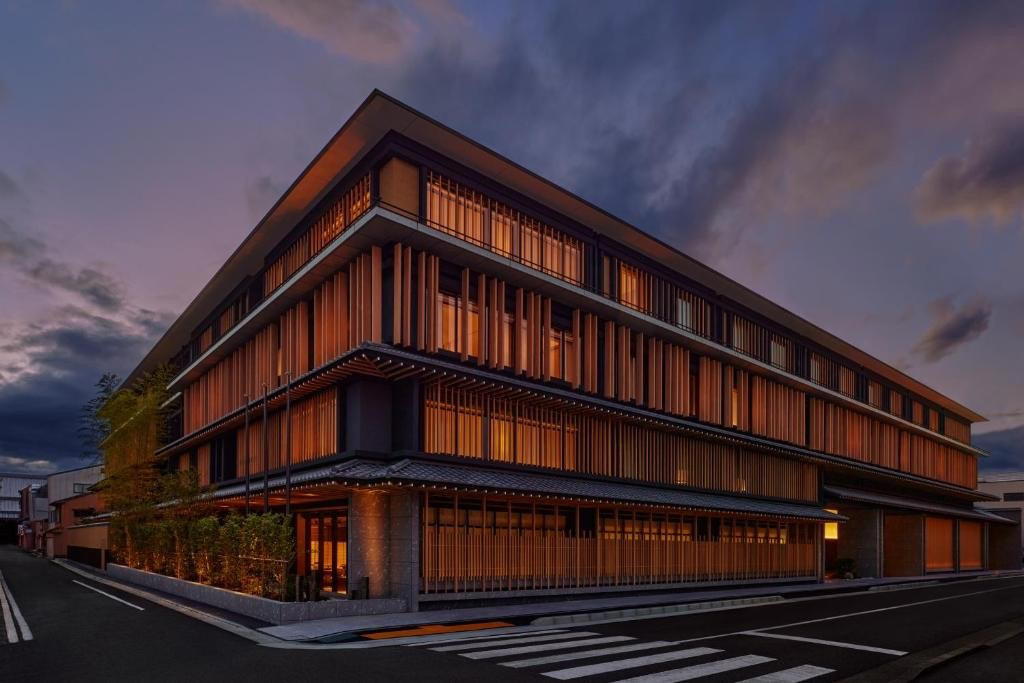
Bars in Kyoto
Browse all →
Restaurants in Kyoto
Browse all →
Wineries in Kyoto
Browse all →
Details
- Modern
- Lively
- Trendy
- Minimalist
- Business Trip
- Weekend Escape
- Design Destination
- Wi Fi
- Restaurant
- Bar
- Concierge
- Street Scene