
Preferred Hotels Member
Its scale places it in a different competitive bracket than boutique rivals, offering consistent, full-service infrastructure for travelers who prioritize access to Kyoto's central transit network over intimate luxury.

Pearl is the En Primeur Club membership app, where members save venues, book tables and use the concierge.
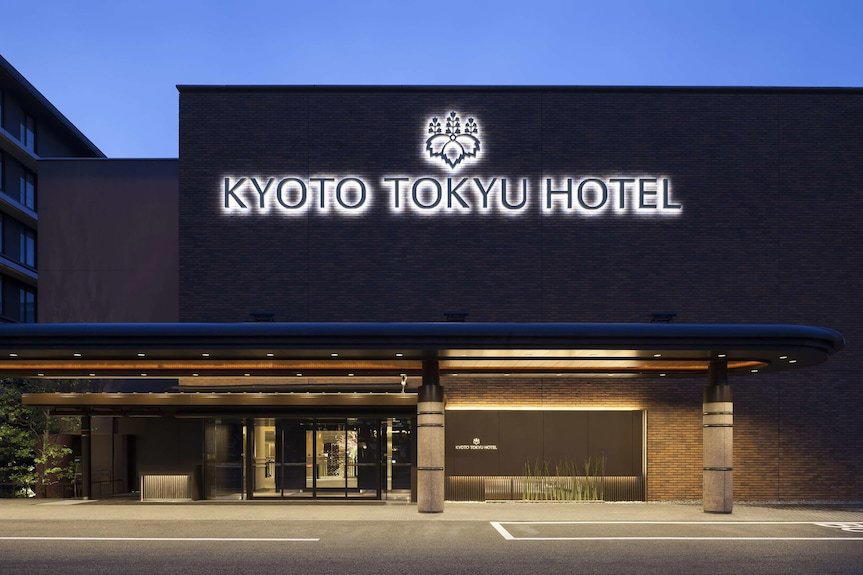
Where Kyoto Tokyu Hotel Sits in the City's Hotel Spectrum
Kyoto's upper accommodation tier has fragmented into several legible clusters. One group prioritises design and historical fabric: properties like HOTEL THE MITSUI KYOTO and The Shinmonzen derive much of their value from their physical context and material specificity. A second group is defined by low key counts and high service ratios: Aman Kyoto and SOWAKA operate in that mode. A third group includes the international brand properties, Park Hyatt Kyoto and Four Seasons Hotel Kyoto, where global standards and consistent delivery are the primary proposition. Kyoto Tokyu Hotel occupies a fourth position: a domestic Japanese hotel group property with a substantial room count and station-area positioning, targeting both leisure travellers and the business and group segments that the city's smaller properties cannot absorb.
That positioning is neither inferior nor superior to the others, it answers a different question. The Ace Hotel Kyoto and Dusit Thani Kyoto serve travellers drawn to specific brand identities. Kyoto Tokyu Hotel serves travellers drawn to operational reliability at scale. In a city where smaller properties often carry longer lead times and tighter availability, a 408-room inventory gives it genuine flexibility.
The Intersection of Local Character and Large-Format Hospitality
Japan's large city hotels have developed a particular approach to the tension between scale and local grounding, one that differs from the international chain model. Where global brands typically layer local references onto a standardised base, Japanese domestic operators tend to encode local sensibility into food and beverage offerings more than into architecture or room design. The dining programs at Tokyo's large-format Japanese hotels, operated by groups like Tokyu, frequently anchor in washoku tradition while incorporating French technique at the production level: dashi discipline applied to consommé construction, seasonal ingredient selection driven by the Japanese agricultural calendar even when the resulting dish reads as Continental.
That model, applied in Kyoto, carries additional weight. Kyoto-ryori, the city's native culinary tradition, prioritises restraint, seasonality, and the primacy of broth and vegetable over protein. The city's proximity to Nishiki Market, often called Kyoto's kitchen for the density of its tofu makers, pickle producers, and specialty ingredient vendors, means that large hotels with serious dining infrastructure can source locally with meaningful specificity.
For broader context on where the hotel's dining fits into Kyoto's restaurant ecosystem, the our full Kyoto restaurants guide maps the city's culinary range from kaiseki counters to contemporary izakayas.
Planning Your Stay: What the Location Decision Actually Means
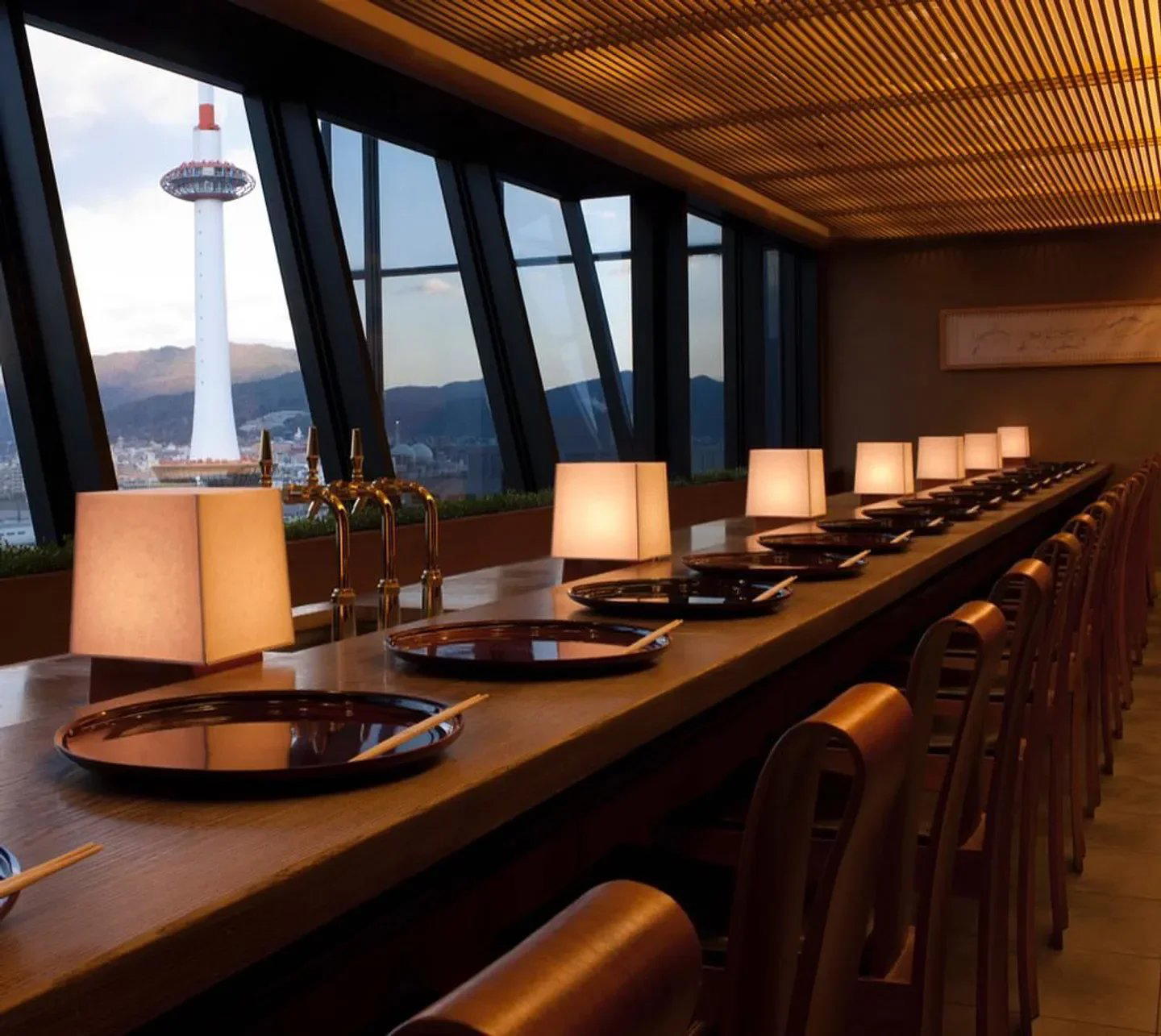
Choosing a hotel in Kyoto is largely a choice about how you intend to move through the city. The eastern districts, Higashiyama, Gion, Nanzenji, have the highest concentration of the city's most visited temples and shrines and generate the most foot traffic. Properties positioned there, including some of the smaller design-led options, place guests inside that density. The tradeoff is measurable: the walk or taxi from Kyoto Station to Fushimi Inari takes under ten minutes; the same journey from Gion adds time but eliminates the transfer friction.
For travellers using Kyoto as a base for multi-city itineraries, pairing it with Osaka's dining scene, Nara's deer parks, or a day excursion to the Ise region (where Amanemu in Mie offers a more remote alternative), the station-adjacency of Kyoto Tokyu Hotel becomes an active asset. Travellers spending most of their time in the city itself may weight it differently.
Japan's broader hotel range offers useful comparison points for calibrating expectations. At the design-integrated end, properties like Benesse House in Naoshima or Zaborin in Kutchan make the physical environment the primary product. Ryokan properties like Gora Kadan in Hakone, Asaba in Izu, and Nishimuraya Honkan in Kinosaki-cho sit in a separate tradition altogether, where kaiseki dining and onsen access are inseparable from the accommodation itself. City hotels like Kyoto Tokyu Hotel occupy a different register: urban infrastructure at scale, with food and beverage as a complement rather than the primary draw. Properties like Fufu Kawaguchiko in Fujikawaguchiko, Fufu Nikko in Nikko, and Halekulani Okinawa in Okinawa each serve distinct geographic and experiential mandates. Even internationally, the contrast holds: Bvlgari Hotel Tokyo and Aman New York anchor in brand-led luxury; The Fifth Avenue Hotel and Aman Venice derive value from location and heritage. Kyoto Tokyu Hotel's proposition is more pragmatic, and pragmatism in a city as logistically complex as Kyoto has its own value.
For travellers planning travel beyond Kyoto into less-visited parts of Japan, ENOWA Yufu in Yufu, Jusandi in Ishigaki, and Sekitei in Hatsukaichi-shi represent the range of what the country's more remote accommodation achieves at its upper end.
Category Peers
Comparable venues nearby, for context on price, style, and recognition.
| Venue | Cuisine | Price | Awards | Notes |
|---|---|---|---|---|
| Kyoto Tokyu HotelThis venue (the venue you are viewing) | Modern hotel with traditional Kyoto garden courtyard | $200–300 | Preferred Hotels Member | Not listed |
| Kyo no Ondokoro Kamanza Nijo #2 | Renovated traditional machiya townhouse | Not listed | Michelin Selected | Nakagyo |
| Nazuna Kyoto Higashihonganji | Renovated historic machiya ryokan blending tradition and modernity | Not listed | Michelin Selected | Shimogyō |
| Mitsui Garden Hotel Kyoto Sanjo Premier | Contemporary Japanese design blending traditional aesthetics with modern luxury; occupies historic Sanjo Street with architectural heritage sensitivity. | $200–300 | Michelin Selected | Nakagyō |
| Mimaru Suites Kyoto Central | Apartment hotel with spacious suite-style rooms designed for families and groups. | Not listed | Michelin Selected | Nakagyō |
| GRANBELL HOTEL KYOTO | Modern designer hotel infused with authentic Kyoto Gion charm through collaborations with traditional craft creators. | Not listed | Michelin Selected | Higashiyama |
Recognition history
Dated appearances from independent guides and award organizations, with the underlying list record or original source where available.
Preferred Hotels Member
Preferred Hotels
Continue exploring
More in Kyoto
Hotels in Kyoto
All hotels in Kyoto →
Bars in Kyoto
All bars in Kyoto →
Restaurants in Kyoto
All restaurants in Kyoto →

Wineries in Kyoto
Browse all →
Details
- Elegant
- Quiet
- Sophisticated
- Business Trip
- Family Vacation
- Historic Building
- Terrace
- Wi Fi
- Fitness Center
- Room Service
- Concierge
- Restaurant
- Spa
- Wheelchair Accessible
- Elevator
- Accessible Parking
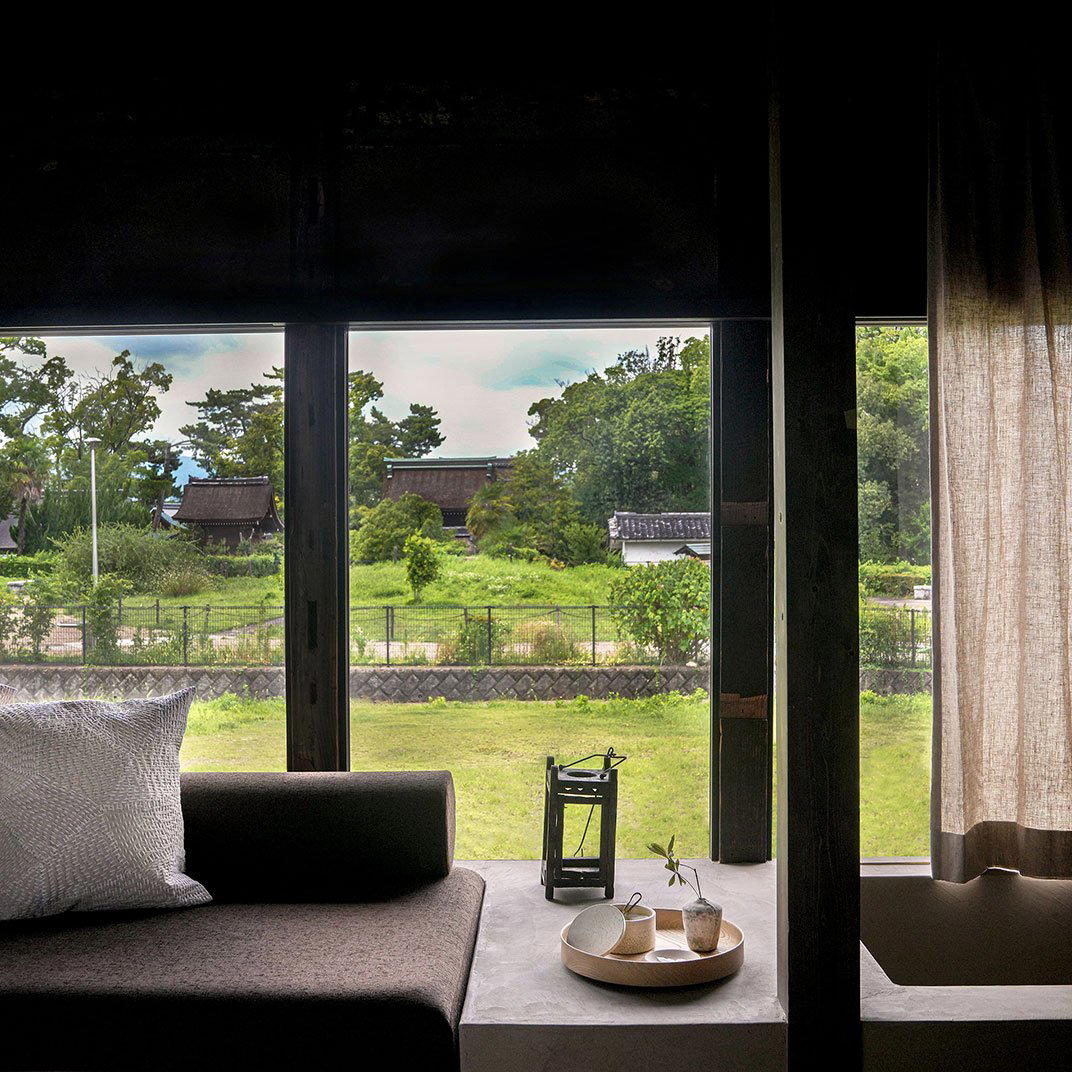
Tranquil atmosphere with pleasant garden and water features in the lobby, relaxing and clean rooms.