
Michelin Selected
A Michelin Selected property in Nakagyo-ku, Noku Kyoto occupies a position in the city's mid-to-premium accommodation tier where design coherence and central placement matter more than room count. The hotel sits within reach of Kyoto's main commercial and cultural corridors, making it a practical base for travellers whose schedules span the old city and its modern infrastructure.

Pearl is the En Primeur Club membership app — saves, bookings, and concierge access live there. Same editors, same standards.
- Address
- Japan, 〒604-0861 Kyoto, 京都府Kyoto, Nakagyo Ward, Okuracho, 大倉町205-1
- Phone
- +81 75-211-0222
- Website
- nokuhotels.com
- Directions
- Get directions
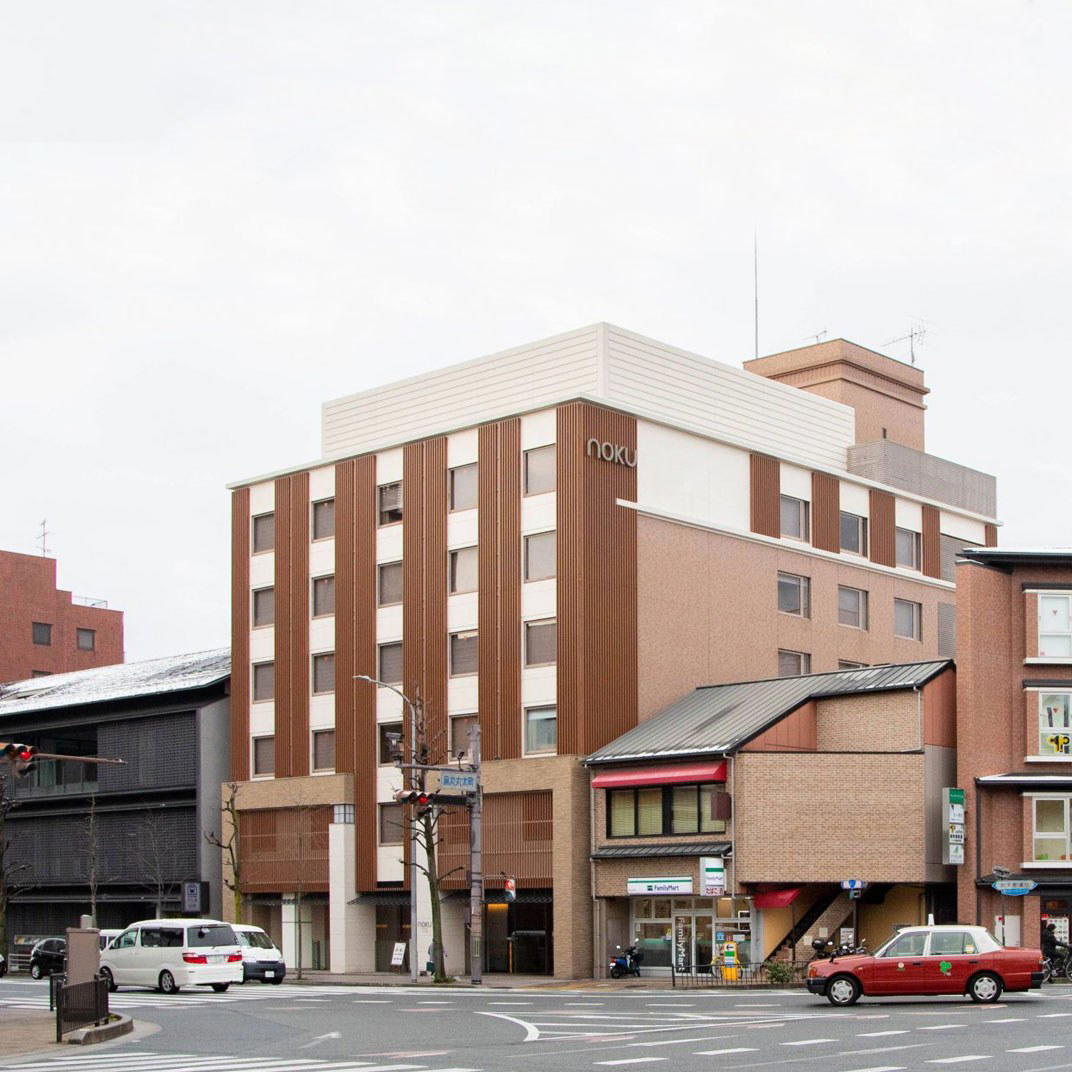
Where Nakagyo-ku Places You
Kyoto's accommodation choices divide along a clear spatial logic. Properties in Higashiyama and Arashiyama trade on proximity to temple precincts but require deliberate travel to reach the city's commercial and transport spine. Hotels in Nakagyo-ku, where Noku Kyoto sits at 205-1 Okuracho, occupy a different position: close to Karasuma-Oike, the Kyoto subway's central interchange, and within walking distance of Nishiki Market and the Gion approach roads. For travellers whose itineraries move between early-morning temple visits and evening dining along Pontocho, that central placement removes friction that more scenic but peripheral addresses introduce.
Nakagyo-ku also sits inside the old imperial grid, the block pattern laid down in the Heian period that still organises how Kyoto navigates itself. Streets here run north-south and east-west without exception, orientation is immediate, and the neighbourhood's residential-commercial texture gives arrivals a more local register than the hotel-dense southern quarter around Kyoto Station. For context on how this district compares across price tiers, see our full Kyoto Prefecture restaurants guide.
The Space and How It Reads
Kyoto's premium design hotels have split into two broad approaches over the past decade. One school draws on machiya vocabulary: narrow frontages, interior garden courtyards, exposed timber joinery, and the spatial compression of the townhouse tradition. The other school treats Kyoto as a backdrop rather than a source code, deploying contemporary materials against views of heritage streetscapes. Noku Kyoto sits in conversation with both tendencies without being a strict example of either.
The Michelin Selected designation, awarded as part of the 2025 guide's hotels and stays programme, signals a property that meets specific thresholds around physical quality, service consistency, and design coherence. Michelin's hotel selection process evaluates these criteria against the competitive field in a given city, which in Kyoto means being assessed alongside properties including the full-service flagship Four Seasons Hotel Kyoto, the architecturally rigorous Aman Kyoto, and smaller design-led addresses like eph KYOTO and Higashiyama Shikikaboku. Being listed in that company indicates that Noku Kyoto's physical presentation holds up under direct comparison.
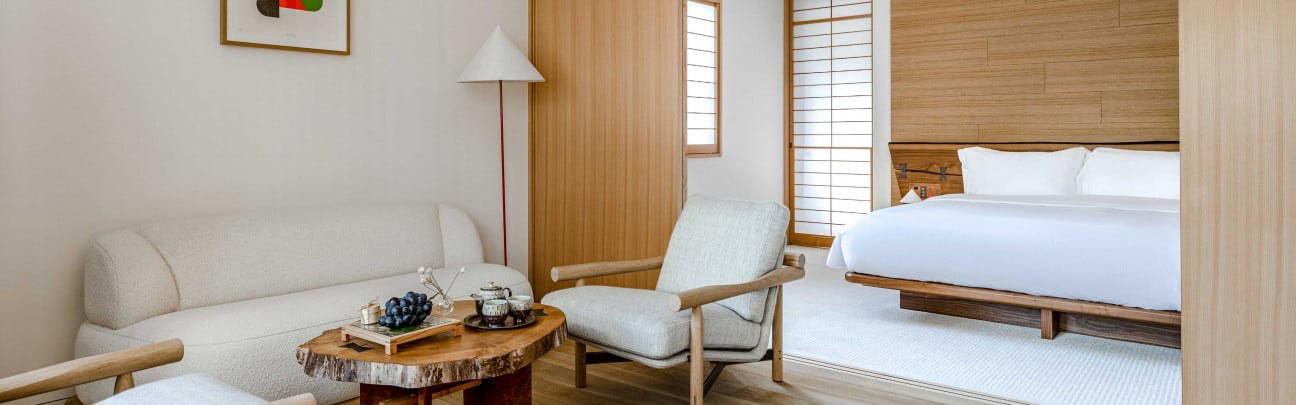
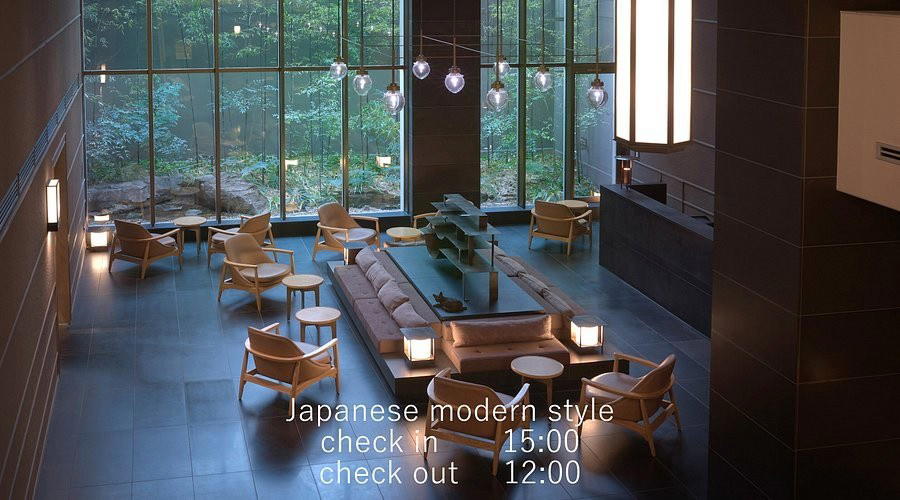
The interior approach at properties in this tier of the Kyoto market typically prioritises material restraint: natural stone, pale wood, and muted textile palettes that reference traditional craft without reproducing it literally. Lighting schemes tend toward warm low-level sources rather than overhead brightness, which changes how rooms read at dusk, the hour when Kyoto's light quality becomes its most distinctive. Public areas in mid-scale design hotels in this city's centre increasingly function as social anchors, offering lobby and lounge spaces that extend the stay beyond the room itself.
Fitting Noku Into the Kyoto Accommodation Spectrum
Kyoto's hotel spectrum is wider than visitors from other major Japanese cities sometimes expect. At the leading sits the ryokan tier, properties like Hoshinoya Kyoto, reachable only by boat up the Oi River, or Hotel Kanra Kyoto, which interprets the ryokan format for guests who want tatami aesthetics without the full kaiseki commitment. Below that sits a mid-premium band where design hotels with contemporary rooms, on-site food and drink, and central addresses compete for travellers who want comfort and location but are not building their itinerary around the property itself.
Noku Kyoto operates in this mid-premium band. It is a different proposition from Candeo Hotels Kyoto Karasuma Rokkaku or GRANBELL HOTEL KYOTO, both of which lean toward the accessible end of the design-hotel category, and also a different proposition from the full-immersion heritage properties. The Michelin Selected status positions it above the undifferentiated mid-market without requiring the itinerary investment that properties like Hoshinoya or HOTEL THE MITSUI KYOTO demand.
For travellers already familiar with Michelin Selected properties at other points on the Japan circuit, the standard is consistent: Gora Kadan in Hakone and Zaborin in Hokkaido occupy the same designation in their respective markets, though their formats differ sharply from an urban Kyoto design hotel. The Selected mark means physical quality clears the bar; it does not specify format, scale, or experiential depth beyond that threshold.
Planning the Stay
Nakagyo-ku's central position on the Kyoto subway means the major tourist corridors are accessible without taxis or buses during peak seasons when surface traffic in the city slows substantially. The subway's Karasuma and Tozai lines intersect at Karasuma-Oike, a short walk from Okuracho, connecting the hotel to Fushimi Inari in the south and Nijo Castle to the west in under fifteen minutes. Gion Shijo, the eastern entertainment district, is four stops on the Tozai line.
Kyoto operates on distinct seasonal peaks that affect both availability and the experience of the city itself. Cherry blossom season in late March through early April and the autumn foliage window in November are the two periods when accommodation at every tier books furthest in advance and street-level congestion in popular districts becomes a genuine constraint on itinerary planning. Booking Noku Kyoto for these windows requires lead time; arriving in June, the rainy season, or in January and February yields a quieter city and better room rate flexibility.
Travellers building itineraries around Japan's broader premium hotel circuit will find Noku Kyoto a calibrated urban counterpart to more remote or format-heavy properties: it provides the Kyoto address and design credentials without the full-immersion structure of a ryokan. For regional comparisons, properties like Nishimuraya Honkan in Kinosaki, Asaba in Izu, and Kamenoi Besso in Yufu each serve different points on the spectrum of what Japanese hospitality formats offer. Beyond Japan, Michelin Selected hotel programmes now extend to properties including The Fifth Avenue Hotel in New York, Badrutt's Palace Hotel in St. Moritz, and Hôtel de Paris Monte-Carlo, giving travellers a consistent quality signal across very different markets.
Side-by-Side Snapshot
Comparable venues nearby, for context on price, style, and recognition.
| Venue | Cuisine | Price | Awards | Notes |
|---|---|---|---|---|
| Noku KyotoThis venue — the venue you are viewing | Medium-sized boutique hotel blending traditional Japanese aesthetics with modern comforts adjacent to Kyoto Imperial Palace. | $1–100 | Michelin Selected | Not listed |
| Nazuna Kyoto Gosho | Modern luxury ryokan preserving traditional Kyoto architectural heritage with contemporary amenities and refined hospitality. | $300–500 | Michelin Selected | Nakagyō |
| THE THOUSAND KYOTO | Contemporary luxury boutique hotel blending minimalist Japanese design with modern comfort, inspired by traditional Kyoto machiya architecture and tea house aesthetics. | $200–300 | Preferred Hotels L.V.X. Collection | Shimogyō |
| Fufu Kyoto | Modern ryokan with Japanese garden and private onsens | Not listed | 1 Michelin Key | Sakyō |
| Hotel Okura Kyoto | Classic luxury hotel harmonizing European architecture with Kyoto traditions | $200–300 | Star Wine List · Forbes Recommended | Nakagyō |
| Aman Kyoto | Contemporary ryokan-inspired pavilions integrated into a forested landscape. | Not listed | 2 Michelin Keys · World's 50 Best #74 | Kita |
Recognition history
Dated appearances from independent guides and award organizations, with the underlying list record or original source where available.
Michelin Selected
Michelin
Continue exploring
More in Kyoto
Hotels in Kyoto
Browse all →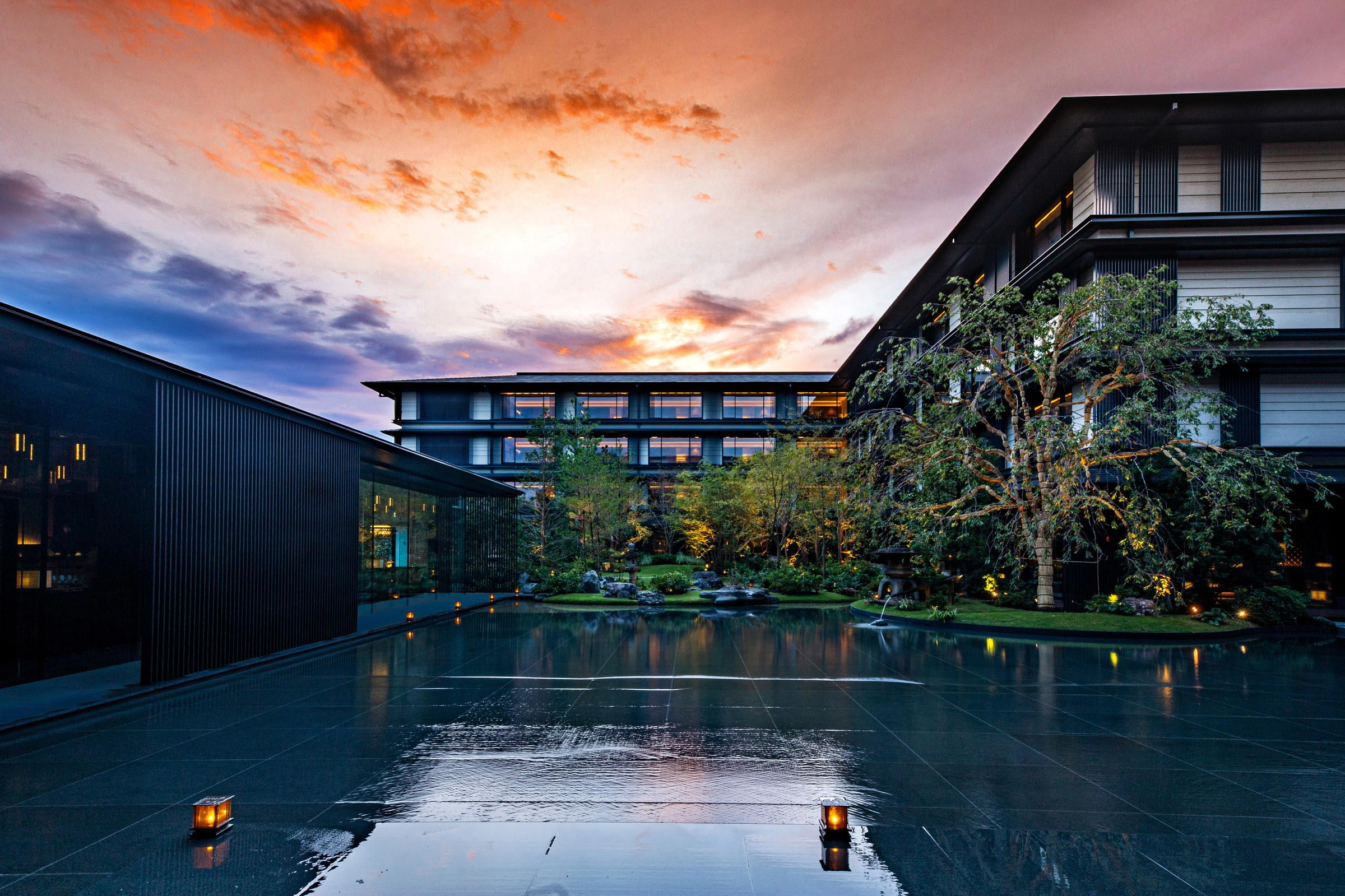
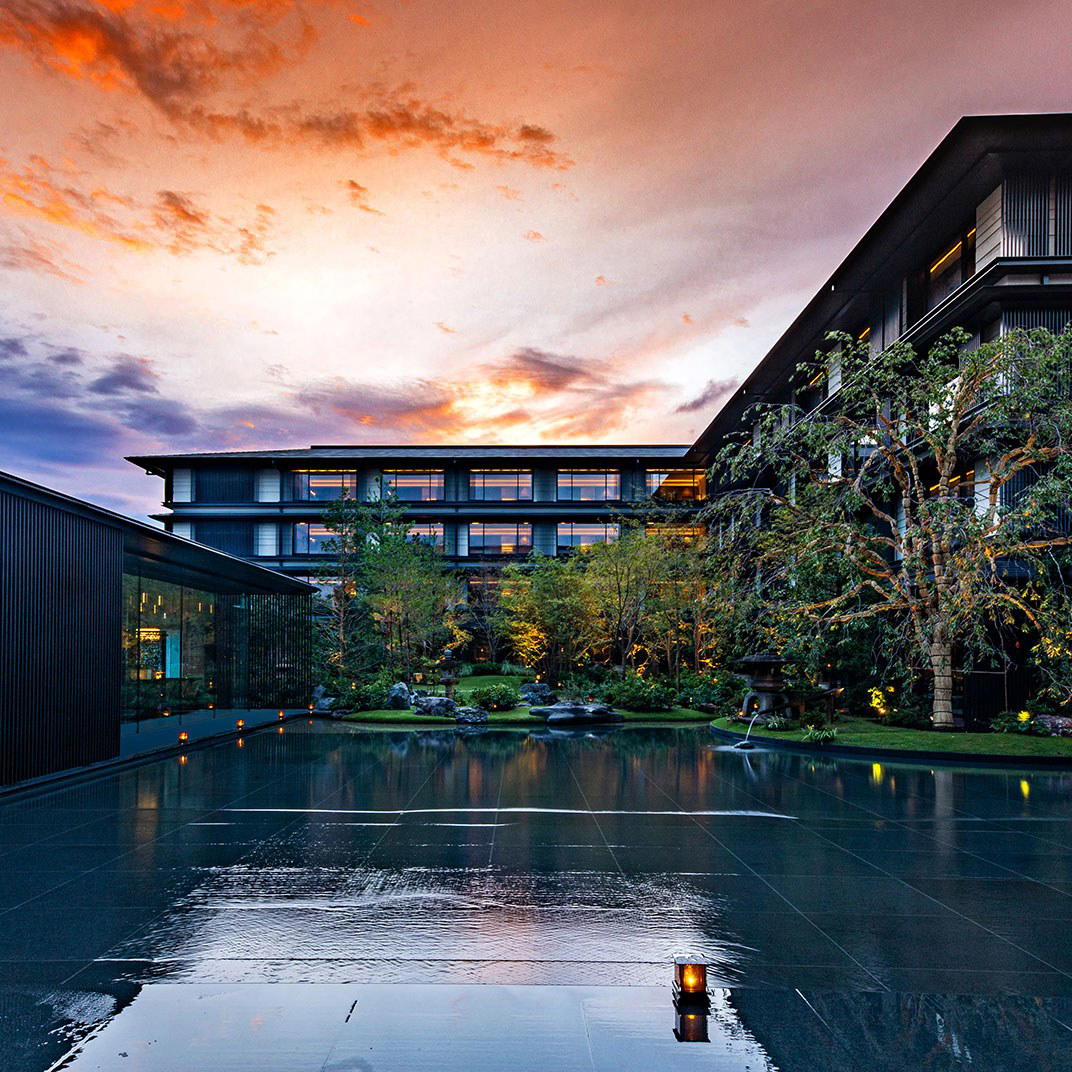
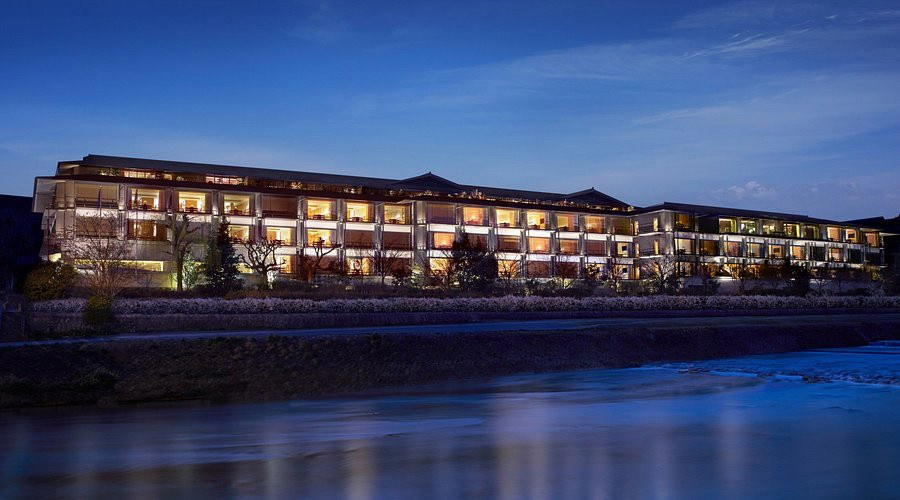
Bars in Kyoto
Browse all →
Restaurants in Kyoto
Browse all →
Wineries in Kyoto
Browse all →
Details
- Elegant
- Modern
- Quiet
- Sophisticated
- Minimalist
- Romantic Getaway
- Business Trip
- Weekend Escape
- Garden
- Historic Building
- Wi Fi
- Parking
- Restaurant
- Laundry Service
- Concierge
- Bicycle Rental
- Garden
- Elevator
Warm, breathing simplicity with subdued clean-lined contemporary design in eggshell and blonde wood, creating a serene and thoughtful atmosphere.