An address in Osaka's Chuo Ward that places you at the heart of the city's commercial and culinary core. Honmachi's grid of business hotels and quiet back streets sits between the flash of Namba and the precision of Umeda, making it a practical and genuinely characterful base for exploring one of Japan's most food-serious cities.

Pearl is the En Primeur Club membership app — saves, bookings, and concierge access live there. Same editors, same standards.
- Address
- 3-chōme-6-12 Honmachi, Chuo Ward, Osaka, 541-0053, Japan
- Directions
- Get directions
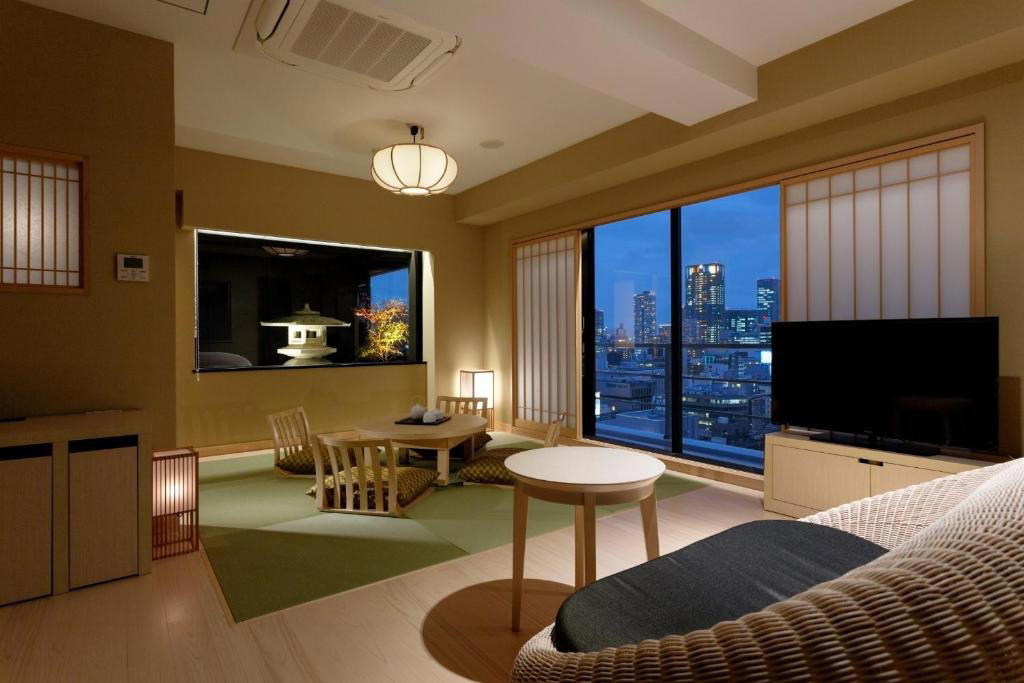
Chuo Ward at Street Level
Honmachi occupies a particular stratum in Osaka's urban order. It is not the city's entertainment district, nor its upscale shopping corridor, but the dense, functional middle ground of Chuo Ward where the business infrastructure of a major commercial city meets the residential texture of everyday Osaka. The address at 3-chome-6-12 sits within this fabric, on a block that reflects how the ward transitions between its daytime professional character and its quieter, more neighbourhood-scaled evening register. That duality is a consistent feature of central Osaka's inner wards, and Chuo is its clearest expression.
The physical environment here rewards attention at the street level rather than from above. Chuo Ward's architecture is an accumulated record of postwar commercial development, later high-rise infill, and the occasional older merchant building that survived successive cycles of redevelopment. Honmachi itself is defined less by any single architectural statement than by the aggregate effect of mid-rise office buildings, covered shopping arcades at its periphery, and the low-frequency hum of a city that takes its commercial life seriously without much ceremony. Travellers who expect the visual spectacle of Dotonbori or the curated retail of Shinsaibashi will find a different proposition here: a quarter that functions at the pace of the people who actually work and live in it.
The Architecture of the Ward
Within Chuo Ward, the built environment tells a compressed urban history. The postwar reconstruction of Osaka produced a density of concrete commercial blocks that gave the city its reputation as a working city first, a tourist destination second. That reputation has shifted considerably in recent decades, but the physical evidence of Osaka's commercial seriousness is most legible in Honmachi, where office towers and mid-century shopfronts coexist without the cosmetic intervention that characterises more visitor-facing districts. The underground arcade system, which connects Honmachi to adjacent subway stations and to the broader network beneath central Osaka, is itself a piece of civic infrastructure worth treating as an architectural object rather than merely a transit convenience.
Japan's broader wave of design-conscious hotel development, which has produced properties like HOTEL THE MITSUI KYOTO in Kyoto and Bvlgari Hotel Tokyo in Tokyo, has reached Osaka's central wards with some force. The contrast between those new design-led insertions and the existing commercial grain of Honmachi is one of the more interesting tensions in the area's current built environment. Neither reading cancels the other; they operate in parallel, which is characteristic of how Osaka absorbs change.
Where Honmachi Sits in Osaka's Geography
Chuo Ward occupies the geographic centre of Osaka's urban core, and Honmachi specifically marks the northern edge of the ward's busiest commercial zone. The Osaka Metro Chuo Line and Midosuji Line both serve Honmachi Station, giving the area direct access to the major interchange at Namba to the south and Umeda to the north, as well as westward connections toward Osaka Bay. For travellers using Osaka as a base for wider Kansai exploration, the central subway access makes this address a logistically sound starting point. The Shinkansen connection at Shin-Osaka is reachable within twenty minutes by Metro, and Itami Airport connects via the Osaka Monorail and subway interchange.
That connectivity is part of why Chuo Ward has accumulated a density of business hotels and serviced accommodation. Properties at this end of the market include HOTEL RESOL TRINITY OSAKA and Residential Hotel Hare Shin-Osaka, both of which serve the same practical traveller the area has historically attracted. The accommodation offer here is functional rather than destination-led, though that profile is changing as Osaka's profile as a leisure destination grows ahead of the 2025 World Expo.
The Food Dimension
Osaka's food reputation, built around the concept of kuidaore, the idea of eating until you are spent, is most theatrically expressed in Dotonbori and Kuromon Market, both a short subway or walking distance from Honmachi. But the ward's quieter streets hold a different category of eating: the lunch sets designed for office workers that function as one of Japan's more underappreciated dining formats, the ramen counters that open at odd hours, the standing sushi bars that apply serious technique to a ten-minute transaction. These are not restaurants that attract international press, but they represent the daily dining culture that underpins Osaka's food seriousness. Our full Osaka Shi restaurants guide maps the broader dining offer across the city's districts.
For travellers whose Japan itinerary extends beyond Osaka, the food geography of the Kansai region places some of its most considered properties within half a day's travel. Amanemu in Mie and Nishimuraya Honkan in Kinosaki-cho represent the ryokan end of that spectrum, where kaiseki dining is inseparable from the accommodation experience. Araya Totoan in Kaga and Beniya Kofuyuden in Awara extend that tradition into less-visited prefectures. The contrast between those immersive rural formats and the compressed urban pace of Honmachi is one of the more instructive ways to understand how Japan structures its hospitality offer across geography and price tier.
Further afield, design-led properties including Benesse House in Naoshima, Zaborin in Kutchan, and ENOWA Yufu in Yufu represent the end of the spectrum where architecture and landscape are the primary design brief. Gora Kadan in Hakone, Asaba in Izu, and Fufu Kawaguchiko in Fujikawaguchiko follow a similar logic in the mountain and hot spring regions accessible from Tokyo. For Okinawa and the southwest, Halekulani Okinawa in Okinawa, Jusandi in Ishigaki, and Azumi Setoda in Onomichi anchor the southern coastal offer. Additional resort options include ANA InterContinental Beppu Resort and Spa in Beppu, Sekitei in Hatsukaichi-shi, Atami Izusan Karaku in Atami, and Fufu Nikko in Nikko. For those extending to international itineraries, The Fifth Avenue Hotel in New York City, Aman New York in New York City, and Aman Venice in Venice represent the EP Club global portfolio.
In Context: Similar Options
| Venue | Price | Awards |
|---|---|---|
| 3-chōme-6-12 HonmachiThis venue — the venue you are viewing | $500–750 | Not listed |
| Bvlgari Hotel Tokyo | Not listed | 3 Michelin Keys · World's 50 Best #24 |
| Aman Kyoto | Not listed | 2 Michelin Keys · World's 50 Best #74 |
| Aman Tokyo | Not listed | 2 Michelin Keys · World's 50 Best #11 |
| Amanemu | Not listed | 3 Michelin Keys · La Liste Top Hotels |
| Four Seasons Hotel Tokyo at Otemachi | Not listed | 3 Michelin Keys · La Liste Top Hotels |
Continue exploring
More in Osaka
Hotels in Osaka
Browse all →


Bars in Osaka
Browse all →
Restaurants in Osaka
Browse all →

Wineries in Osaka
Browse all →
Details
- Elegant
- Sophisticated
- Modern
- Business Trip
- Romantic Getaway
- Wi Fi
- Spa
- Fitness Center
- Room Service
- Concierge
- Restaurant
- Elevator
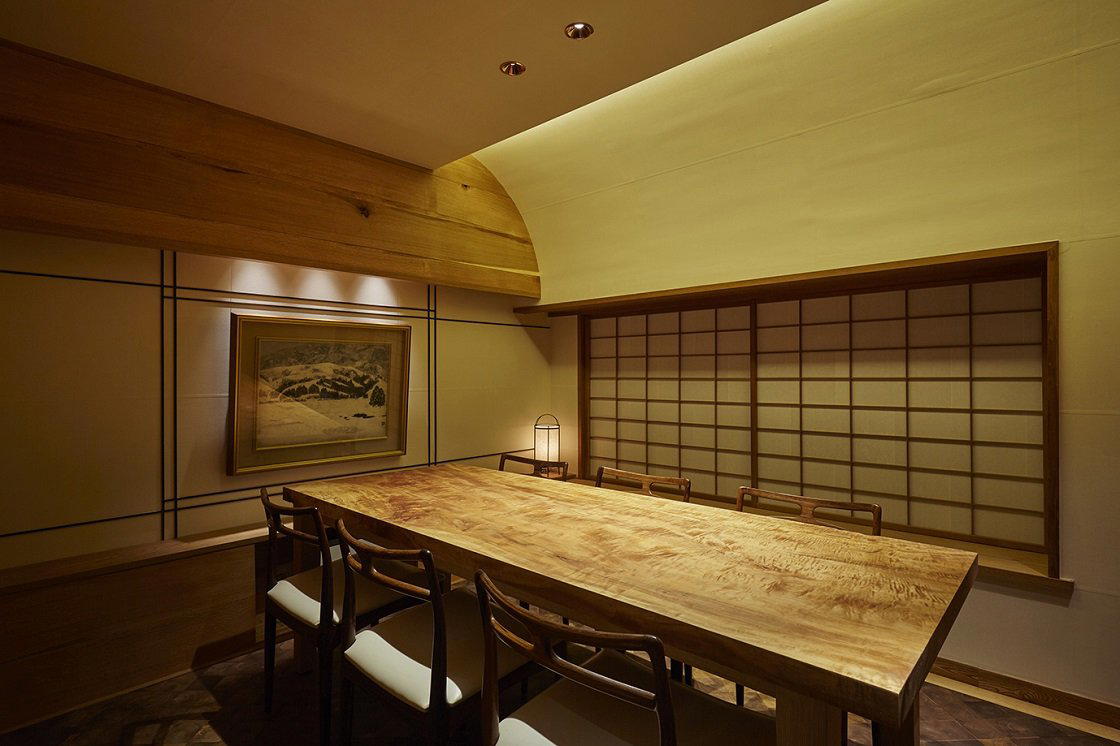
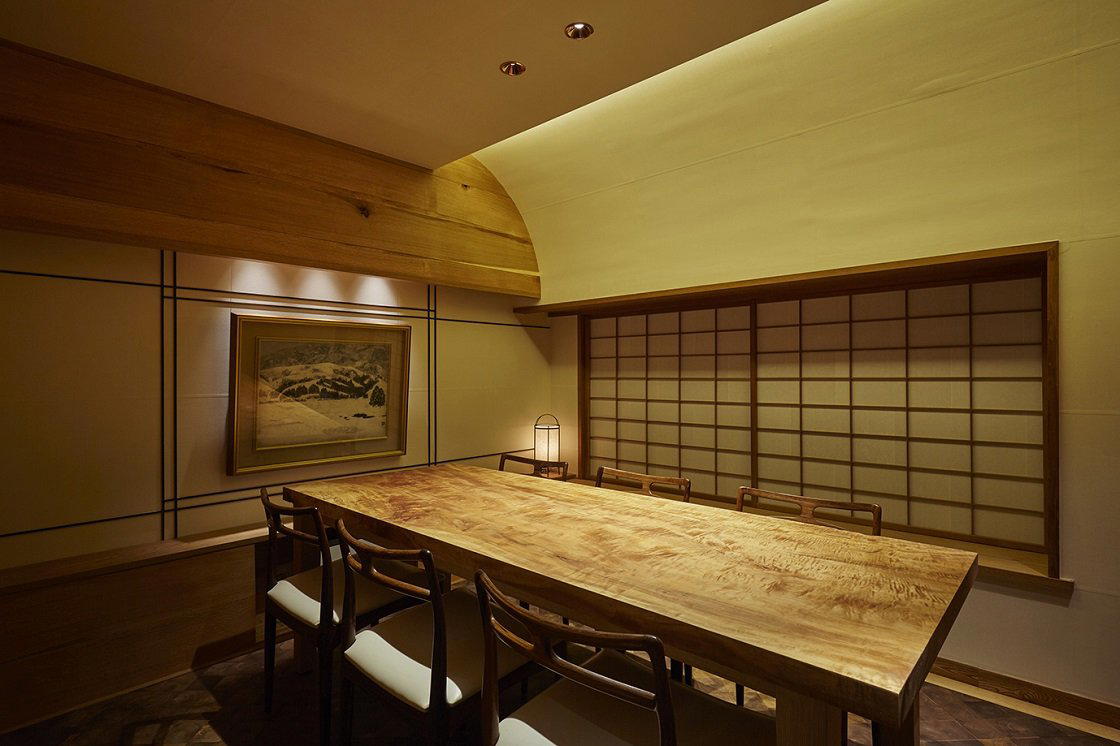
Sophisticated and refined with classic elegance and contemporary Japanese design.