
Shimanouchi Fujimaru Winery occupies a ground-floor space in Osaka's Chuo Ward, operating as one of the few urban wine producers in Japan's Kansai region. Consecutive Star Wine List recognitions in 2025 and 2026 place it within a select tier of wine-focused venues in the city. For visitors exploring Osaka's drinking culture beyond cocktail bars, it offers a distinct point of reference.
 Discover on Pearl
Pearl is the En Primeur Club membership app — saves, bookings, and concierge access live there. Same editors, same standards.
- Address
- Japan, 〒542-0082 Osaka, Chuo Ward, Shimanouchi, 1 Chome−1−14 三和ビル 1階
- Phone
- +81 6-4704-6666
- Website
- papilles.net
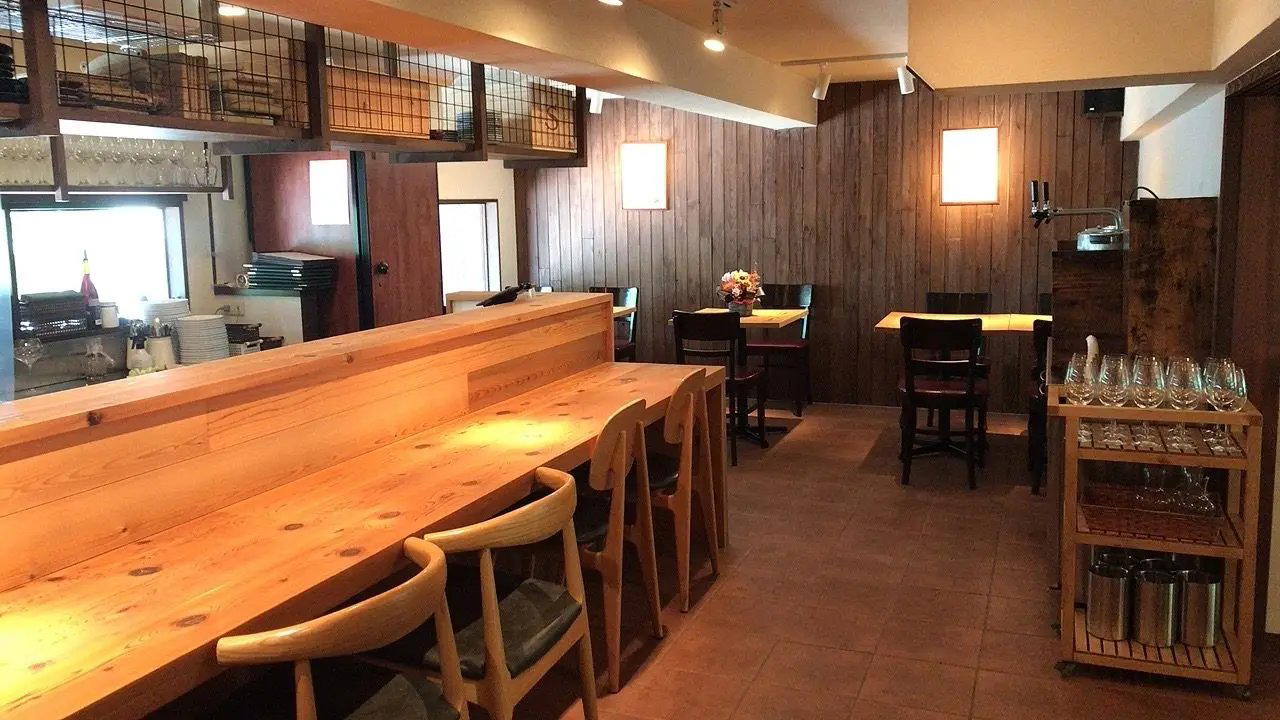
Wine Production Inside the City Grid
Urban wineries occupy a particular position in Japan's wine culture. Unlike the established production regions of Yamanashi or Nagano, where vineyards define the setting, urban operations work within compressed city infrastructure, sourcing grapes from outside and bringing the production process into a retail and hospitality context. Shimanouchi Fujimaru Winery, on the ground floor of a building in Osaka's Chuo Ward, belongs to this format. The address puts it in Shimanouchi, a district in central Osaka that sits between the commercial density of Shinsaibashi and the narrower alleys of Hozenji Yokocho, an area where wine bars and specialty drinking venues have established a presence alongside older izakaya and kitchen-tool shops.
Entering a space like this in Osaka reads differently than a rural cellar visit. The city remains audible. The production context is literal rather than scenic. That compression is precisely the point: the format asks the visitor to engage with Japanese wine as a craft product in an urban frame, rather than as a countryside excursion. For Osaka drinkers, the ability to sit with a glass of domestically produced wine meters from where it was processed shifts the category from specialty import to local product.
Star Wine List Recognition, Two Consecutive Years
Shimanouchi Fujimaru Winery holds Star Wine List recognition for both 2025 and 2026. Star Wine List evaluates venues on the depth and quality of their wine programming rather than on cuisine or atmosphere, which makes consecutive recognition a meaningful signal specifically about what is in the glass and how it is presented. In Osaka's wine bar segment, that kind of sustained, specialist recognition distinguishes a venue from the broader set of bars carrying a reasonable wine list alongside cocktails or food.
Bars like Bar Nayuta and Craftroom represent the precision end of the cocktail world in the city, while Bistro Champagne addresses the sparkling wine niche. Fujimaru's niche is narrower still: Japanese wine, made here, assessed at a level that invites comparison with dedicated wine bars across the region rather than with general hospitality venues.
The Collaboration Model in an Urban Winery Setting
It is how the production, service, and selection functions work as a system. In a rural winery, the winemaker is often the story. In an urban format where space is tight and the clientele is city-based, the relationship between whoever manages production decisions, whoever curates the pour list, and whoever explains the product to a guest who may have no prior knowledge of domestic Japanese wine becomes the functional mechanism of the experience.
Japanese wine as a category still carries an education burden with many visitors and some local drinkers. The assumption in international markets often defaults to France or Italy; in Japan itself, domestic wine has historically been overshadowed by imported options at the premium end. Urban winery venues like this one operate partly as advocates for the category, which places a specific demand on whoever is working the floor. The knowledge requirements are different from a sake bar or a cocktail counter: the staff need to speak to grape sourcing, regional variation within Japan, and vintage behavior, often to guests who are encountering the product seriously for the first time.
Where It Sits in the Osaka Drinking Scene
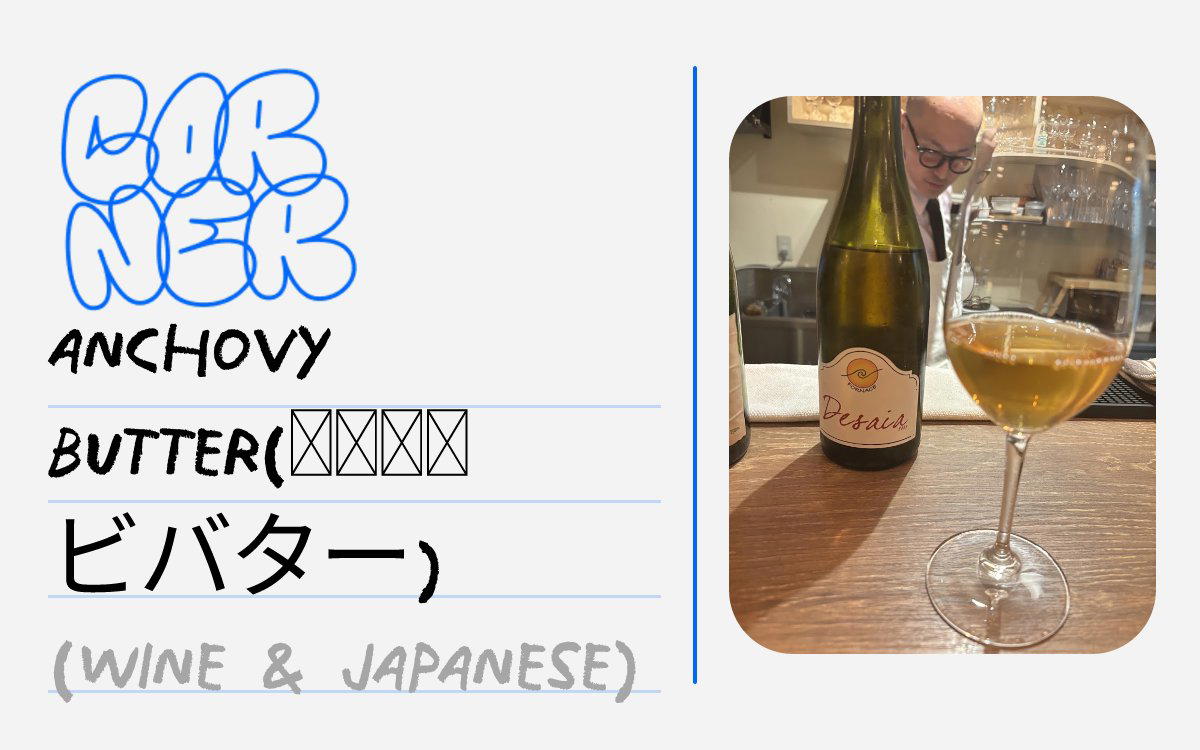
Osaka's drinking culture is geographically layered. The areas around Shinsaibashi and Namba concentrate the highest density of bars and specialty venues, with Shimanouchi sitting within that broader zone. Visitors building an itinerary around serious drinking can pair a stop here with nearby options across categories. The anchovy butter (アンチョビバター) operation in Osaka offers a different format reference point, and the full range of the city's drinking venues is mapped in the EP Club Osaka guide.
For visitors covering the Kansai region more broadly, the wine-focused venue set extends beyond Osaka. Bee's Knees in Kyoto addresses a different category, and Lamp Bar in Nara represents the precision bar tier in a smaller city. Across the wider Japanese circuit, Bar Benfiddich in Tokyo and Yakoboku in Kumamoto show how specialist drinking venues have developed across the country's regional cities, each with a distinct product focus. The Kyoto Tower Sando venue in Kyoto Shi and Bar Juniper in Osaka round out a Kansai circuit for drinkers covering multiple cities, while Bar Leather Apron in Honolulu provides a useful reference for how Japanese bar craft translates into international contexts.
Planning a Visit
Shimanouchi Fujimaru Winery is located at 1 Chome-1-14 Shimanouchi, Chuo Ward, Osaka, on the ground floor of the Sanwa Building. The Shinsaibashi area is walkable from several subway lines on the Osaka Metro network, making access from most central city locations direct. The bar is open daily from 12 to 11 PM, reservations are recommended, and the average spend is about $40 per person. Given the specialist nature of the operation and the award profile, dropping in without prior confirmation of availability carries some risk, particularly on weekends when Chuo Ward's hospitality density draws significant foot traffic.
Cuisine Context
Comparable venues nearby, for context on price, style, and recognition.
| Venue | Awards |
|---|---|
| Shimanouchi Fujimaru WineryThis venue — the venue you are viewing | |
| Bar Nayuta | World's 50 Best |
| Craftroom | World's 50 Best |
| Bistro Champagne | |
| Ista Coffee Element | |
| La Champagne |
Continue exploring
More in Osaka
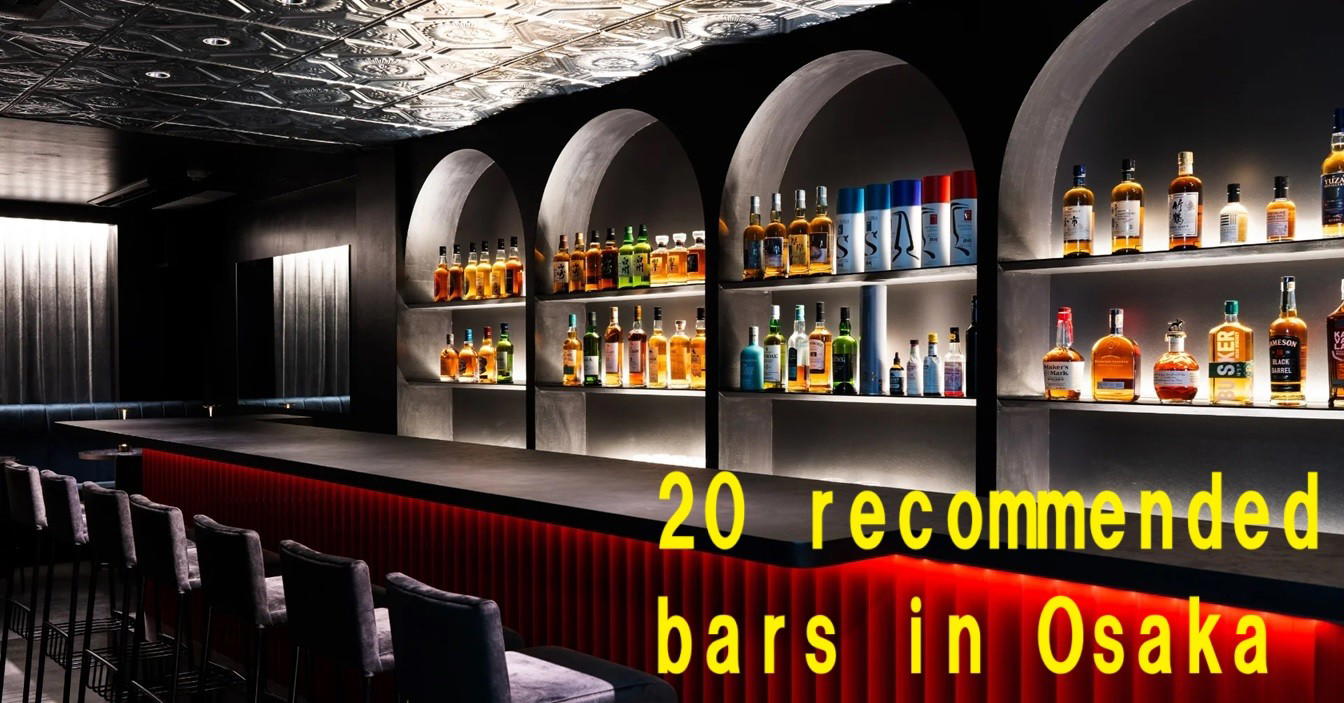
Bars in Osaka
Browse all →
Restaurants in Osaka
Browse all →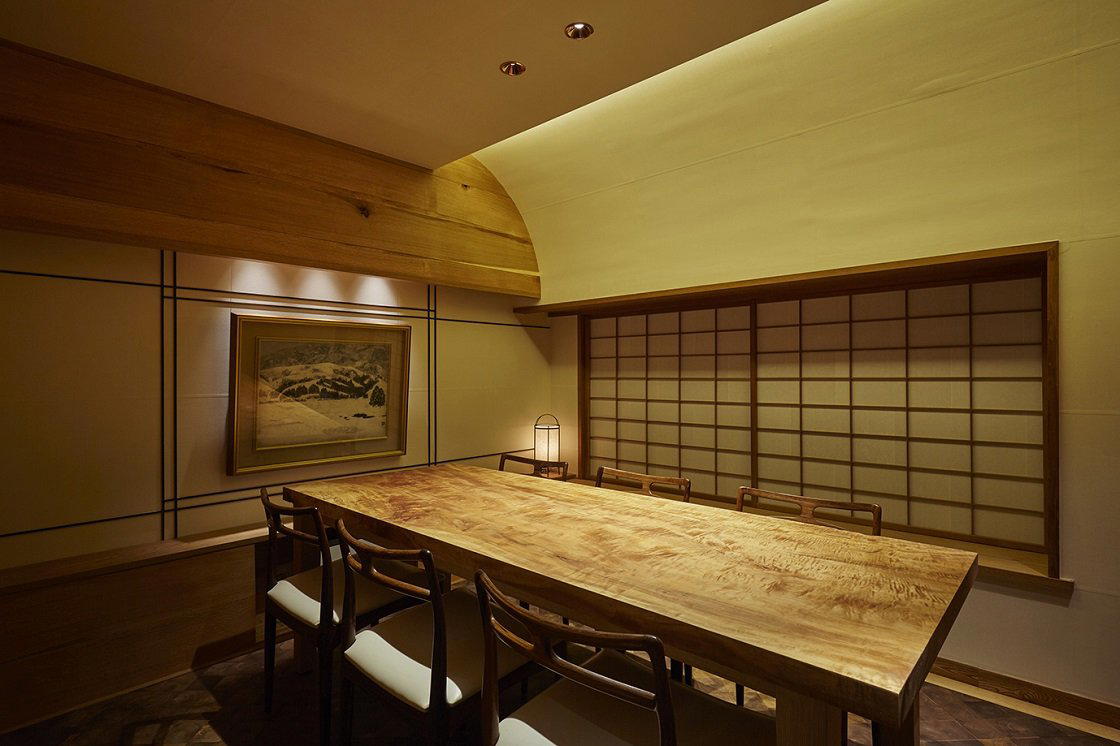
Hotels in Osaka
Browse all →


Wineries in Osaka
Browse all →
At a Glance
- Cozy
- Elegant
- Intimate
- Sophisticated
- Date Night
- Casual Hangout
- Special Occasion
- Design Destination
- Standalone
- Seated Bar
- Lounge Seating
- Natural Wine
- Conventional Wine
- Street Scene
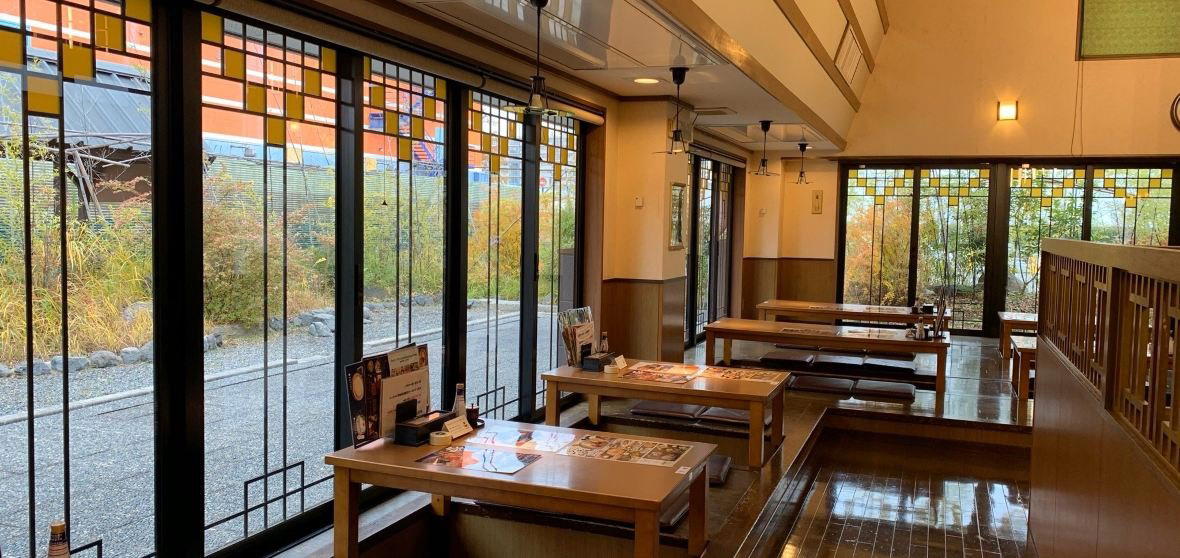
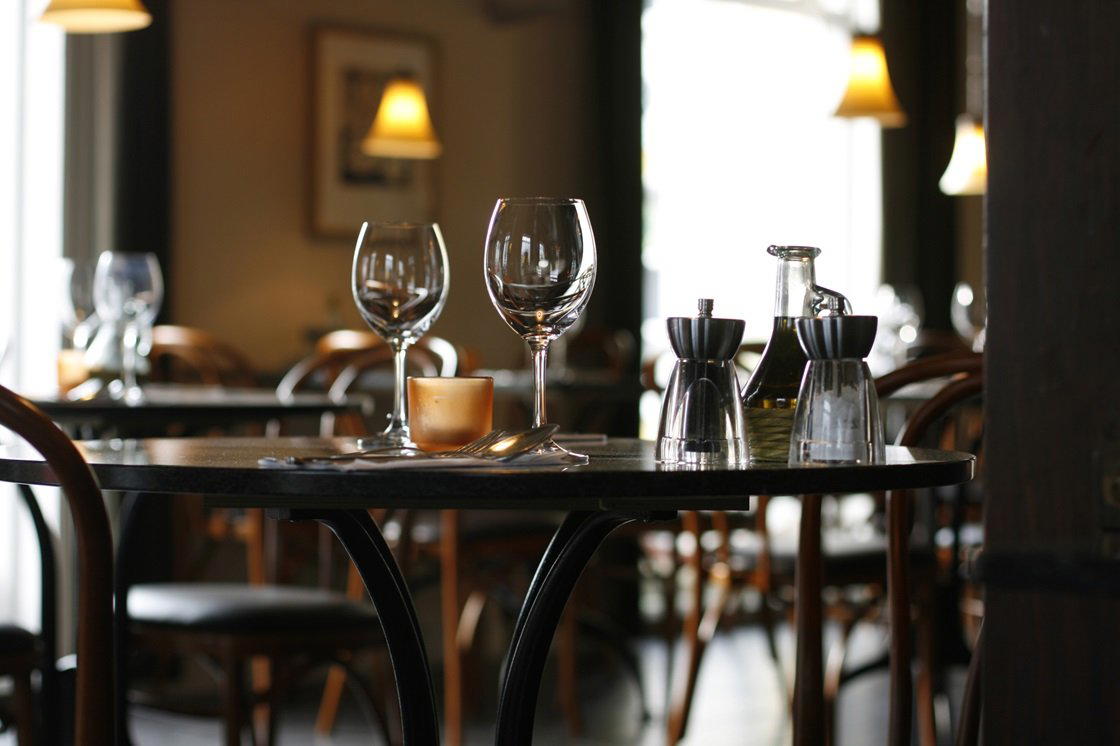
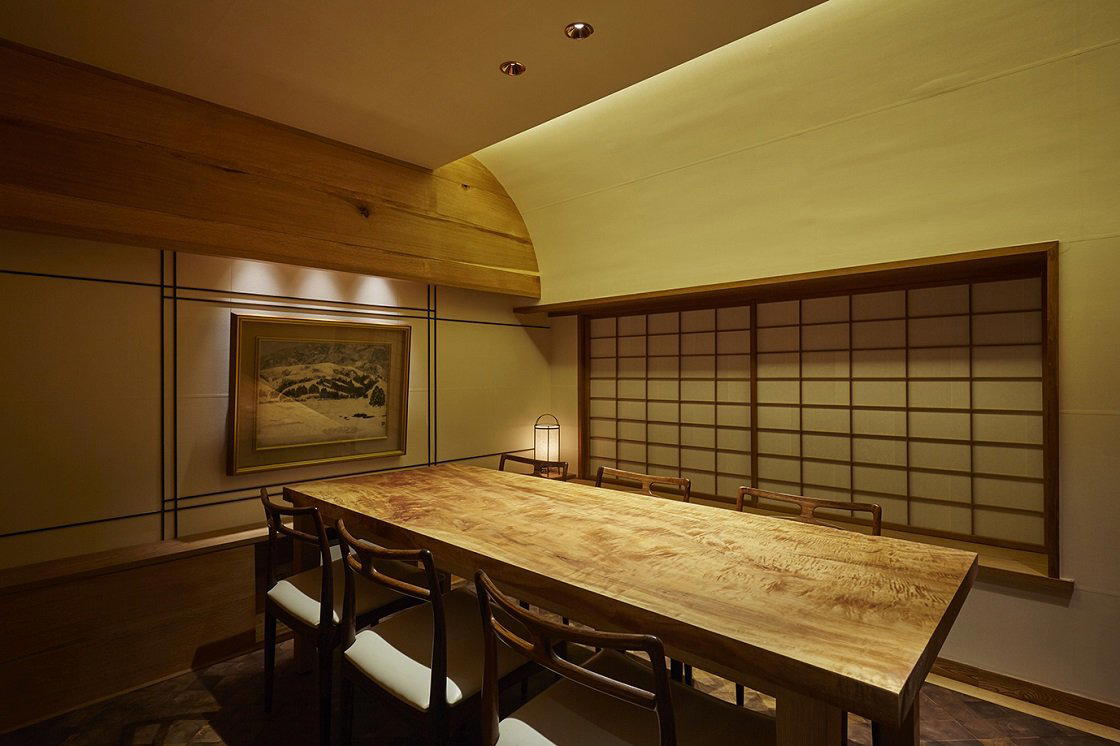
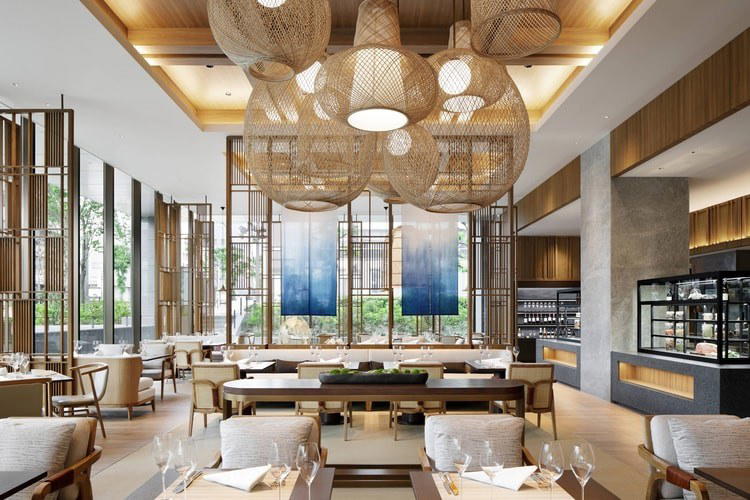
Spacious and calm upstairs restaurant overlooking the ground-floor winery tanks through glass, creating an intimate and sophisticated atmosphere.