ANCAP Alcoholes
ANCAP Alcoholes sits at Paraguay 1598 in Montevideo's urban core, operating within Uruguay's state-owned energy and chemical enterprise and. Its position in the city's spirits and alcohol production scene places it alongside a small tier of Montevideo producers navigating the intersection of industrial heritage and craft distinction. For those tracing Uruguay's distilling tradition, this address is a logical reference point.

Pearl is the En Primeur Club membership app — saves, bookings, and concierge access live there. Same editors, same standards.
- Address
- Paraguay 1598, 11100 Montevideo, Departamento de Montevideo
- Phone
- +59823090424
- Website
- alur.com.uy
- Directions
- Get directions
Where State Infrastructure Meets Spirits Tradition
Montevideo's alcohol production history runs through institutions as much as through family estates. ANCAP, Uruguay's state energy and industrial corporation, has long operated an alcoholes division that occupies a different register from the country's boutique wine and craft distilling scene — functioning at the crossroads of industrial scale and national identity rather than the small-batch, terroir-driven model that defines most of the producers clustered around the Río de la Plata. The address at Paraguay 1598 in the 11100 district places it within the city's established commercial zone, accessible by public transport and well within reach of the centro and surrounding barrios.
Understanding what ANCAP Alcoholes represents requires some context about Uruguay's drinks sector. The country's wine output has historically centred on Tannat grown in the coastal and inland departments, with producers like Bodega Bouza and Bodega Traversa operating at the premium end of the Montevideo urban winery category. The distilling tier is smaller and more varied, with Destilería Montevideo and Espíritu Libre Destilería representing newer craft-oriented approaches. ANCAP sits in a separate category entirely: state-backed, historically significant, and oriented toward supply at a scale that no single boutique house can match.
Terroir and Industrial Production: An Uncommon Intersection
The editorial angle most applicable to ANCAP Alcoholes is not one of vineyard terroir in the Burgundian sense — it is the terroir of a nation's industrial and agricultural policy expressed through a government-owned production facility. Uruguay's sugarcane and grain base, its climate shaped by Atlantic influence and the moderating effect of the Río de la Plata estuary, all inform what its alcohol sector produces at scale. The grasses and grains that feed distillation processes here are grown under the same maritime-influenced conditions that shape the country's Tannat character further inland, in departments like Canelones, where Varela Zarranz operates, or in Las Piedras, home to Bodega Carrau.
Uruguay's Atlantic-facing climate is cooler and more humid than its Argentine counterpart across the Plata. That environment influences fermentation behavior and raw material character across the entire sector. Whether the output is Tannat at a boutique estate or industrial alcohol at state level, the underlying agricultural conditions share a common thread. What distinguishes ANCAP is that its production operates outside the direct terroir-expression framework that defines premium wine and craft spirits, but that distinction is itself informative. It marks the structural base upon which Uruguay's more artisanal producers operate, setting the industrial floor that boutique operations differentiate themselves against.
The rating is worth contextualizing against the wider Montevideo producer set. Operations like Portón del Uruguay represent a different production model, with a more direct consumer-facing profile. ANCAP's prestige recognition speaks to its institutional weight and production significance rather than to a conventional tasting-room or visitor experience.
For visitors and researchers approaching Uruguay's drinks industry from outside, this distinction matters. It occupies a category of its own, nationally significant, institutionally embedded, and recognized at prestige level by a specialist editorial source.
Uruguay's Broader Production Geography
Any serious engagement with Uruguay's alcohol sector benefits from understanding the geographic spread of production. Montevideo is the administrative and commercial hub, but the country's wine regions extend across multiple departments. Bodega Cerro del Toro in Piriápolis operates along the Atlantic-facing southern coast, where ocean influence is most direct. Bodega Los Cerros de San Juan in Colonia del Sacramento takes advantage of the Río de la Plata's thermal moderation to the west. Bodega Oceánica José Ignacio in Maldonado pushes the coastal model further east. And at the country's northern frontier, Cerro Chapeu (Carrau) in Rivera operates at altitude, with a continental climate profile that stands in contrast to the coastal norm.
This geographic range matters because it underscores how varied Uruguay's raw material base is, and why a state-level alcohol operation like ANCAP sits at the aggregating center of that diversity. Where individual estates express particular microclimates, ANCAP's scope encompasses the agricultural output of a broader national footprint. In Carmelo to the west, El Legado demonstrates how the limestone-influenced soils near Colonia produce a distinct wine character; ANCAP operates above that level of granularity, drawing from Uruguay's agricultural economy as a whole.
Planning a Visit and What to Expect
Practical information on visiting ANCAP Alcoholes is limited in the public domain. Those planning to visit or engage with the facility should approach through official ANCAP institutional contacts or through Uruguay's tourism infrastructure, which can sometimes facilitate access to state-operated facilities of this kind.
For visitors assembling a broader Montevideo drinks itinerary, the city's craft and premium wine producers offer the most structured visitor experiences. See our full Montevideo restaurants and producers guide for a mapped view of what the city's drinks scene offers at each tier. For comparison with the international craft spirits context, operations like Aberlour in Scotland illustrate how a different tradition of institutional production translates into visitor-facing recognition. And for a high-end Napa counterpoint to Uruguay's state-scale model, Accendo Cellars in St. Helena demonstrates how tightly focused allocation-model production operates at the opposite end of the volume spectrum.
At-a-Glance Comparison
Comparable venues nearby, for context on price, style, and recognition.
| Venue | Cuisine | Price | Awards | Notes |
|---|---|---|---|---|
| ANCAP AlcoholesThis venue — the venue you are viewing | Montevideo | Not listed | Not listed | Not listed |
| Bodega Traversa | Tannat, Sauvignon Blanc | $30–50 | Not listed | Montevideo |
| Portón del Uruguay | Winery | Not listed | Not listed | Montevideo |
| Bodega Bouza | Tannat, Albariño | $50–100 | World's 50 Best #55 | Melilla |
Continue exploring
More in Montevideo
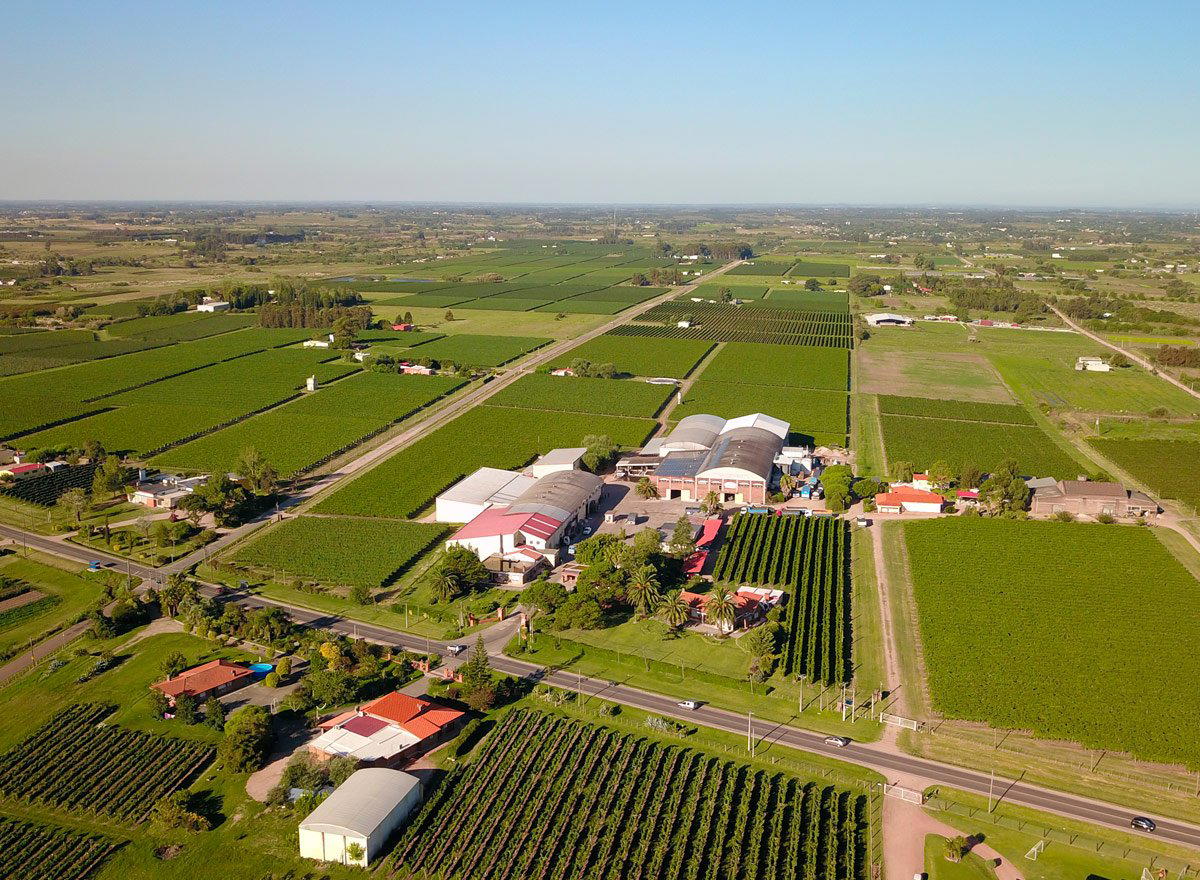
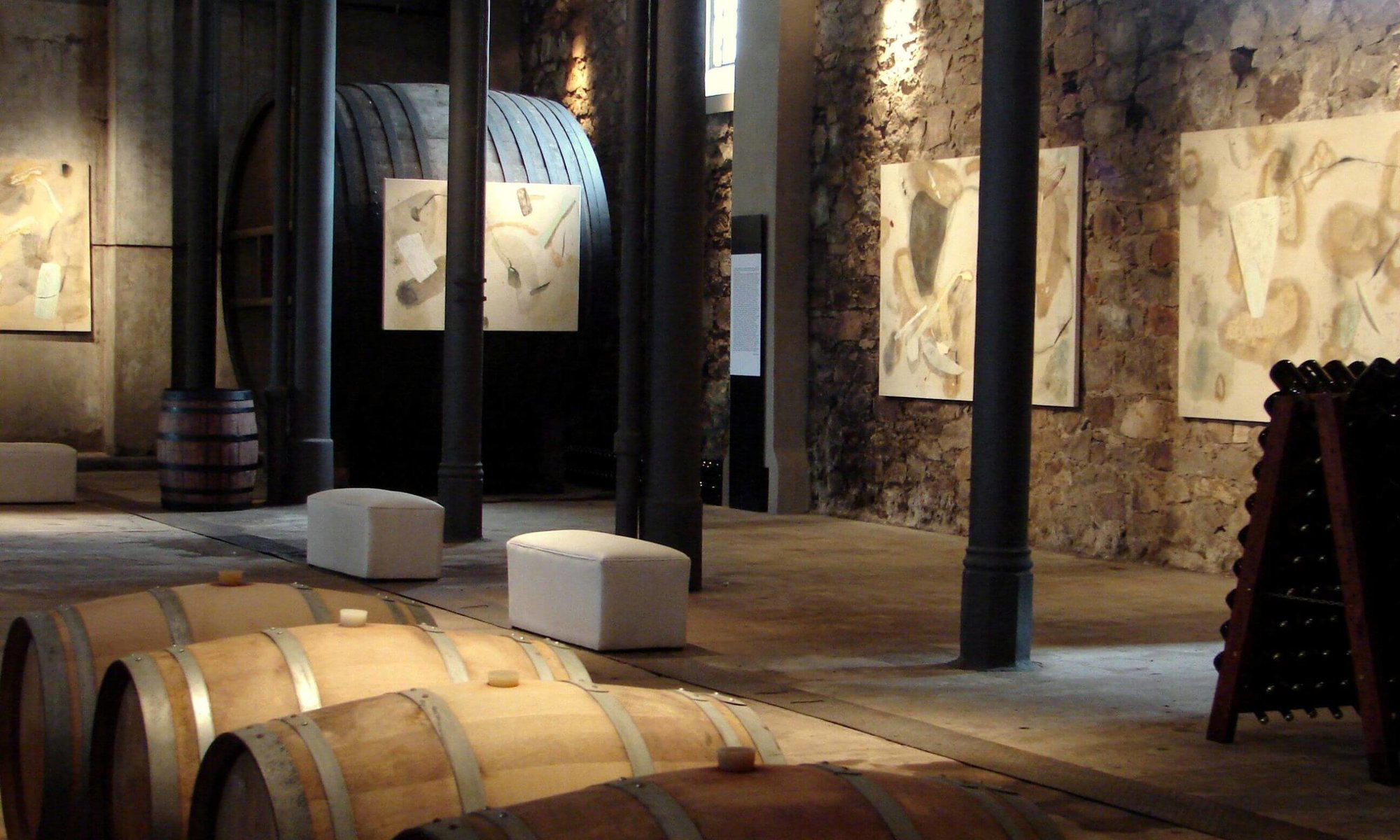
Wineries in Montevideo
Browse all →
Bars in Montevideo
Browse all →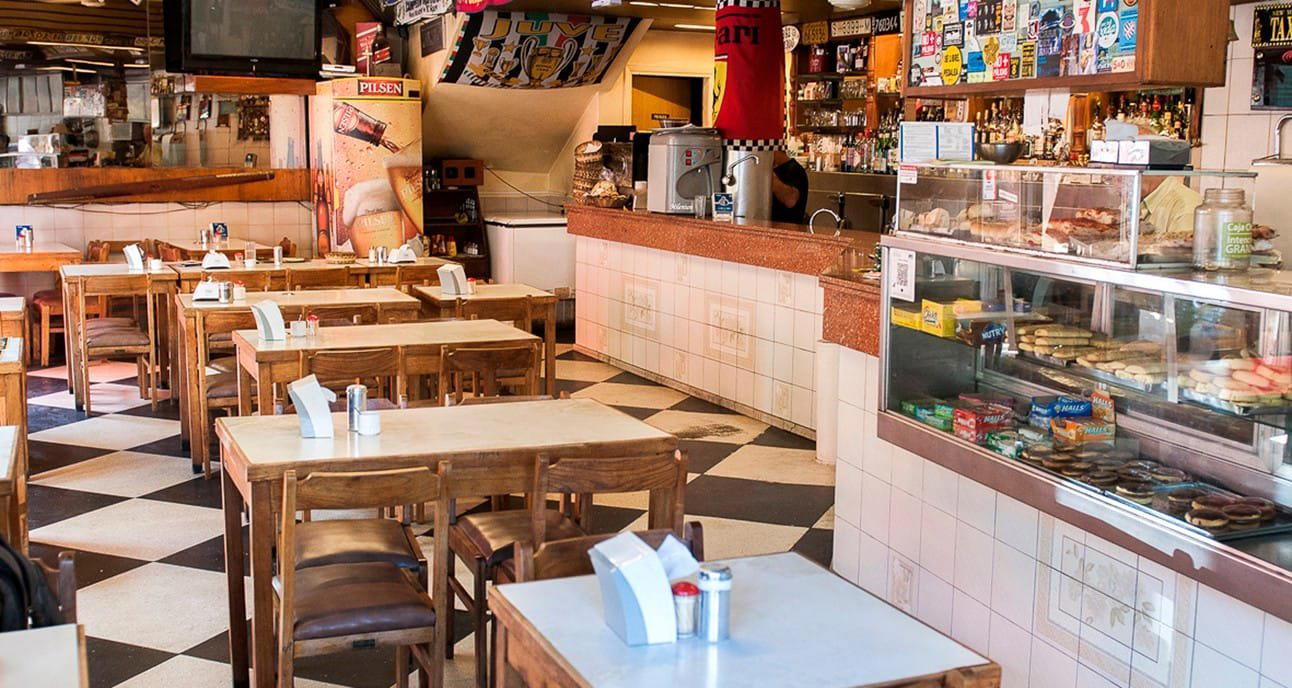
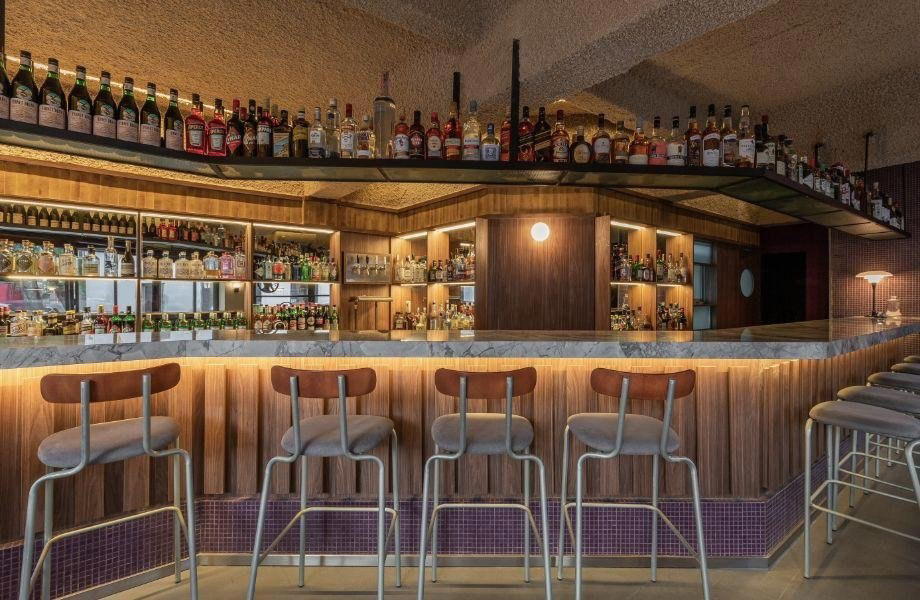
Restaurants in Montevideo
Browse all →
Details
- Industrial
- Rustic
- Wine Education
- Barrel Room
- Sustainable
- Waterfront
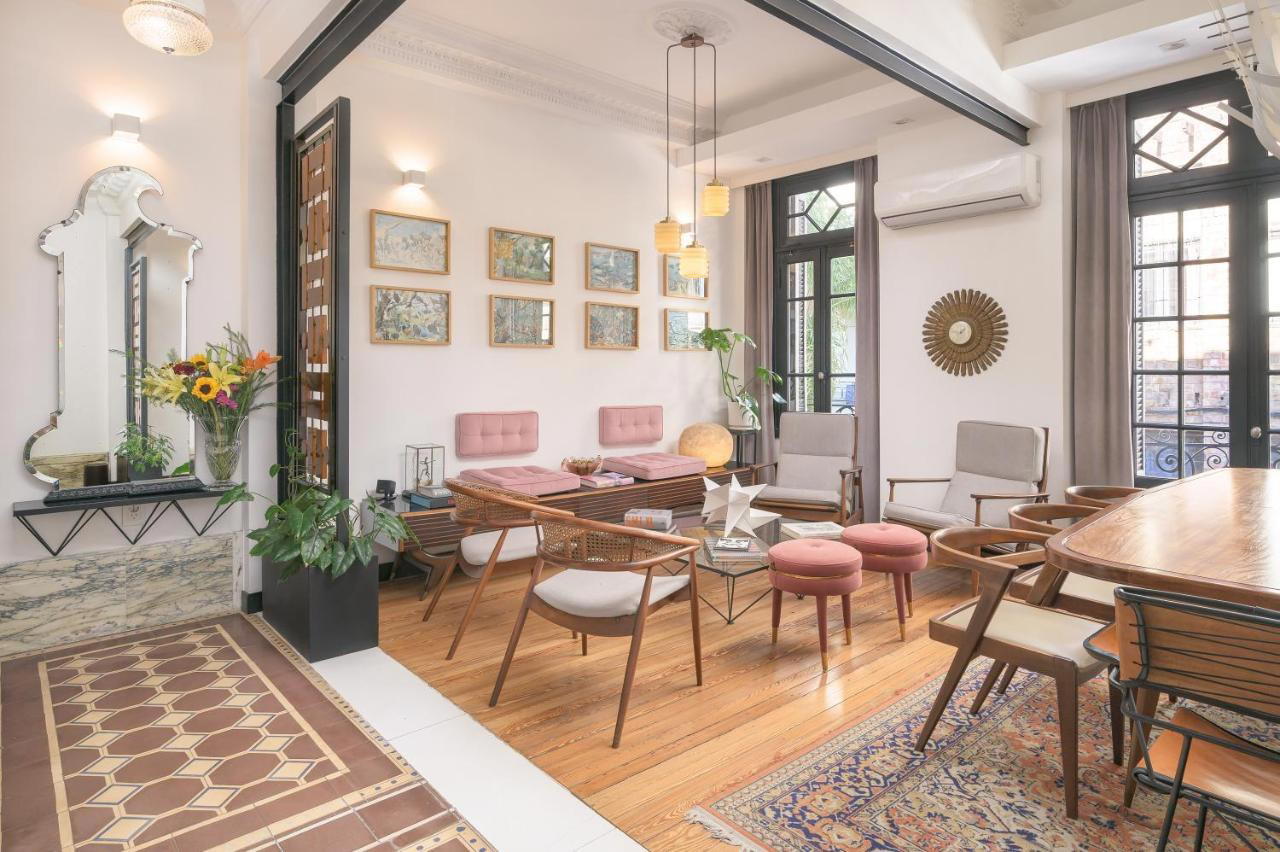
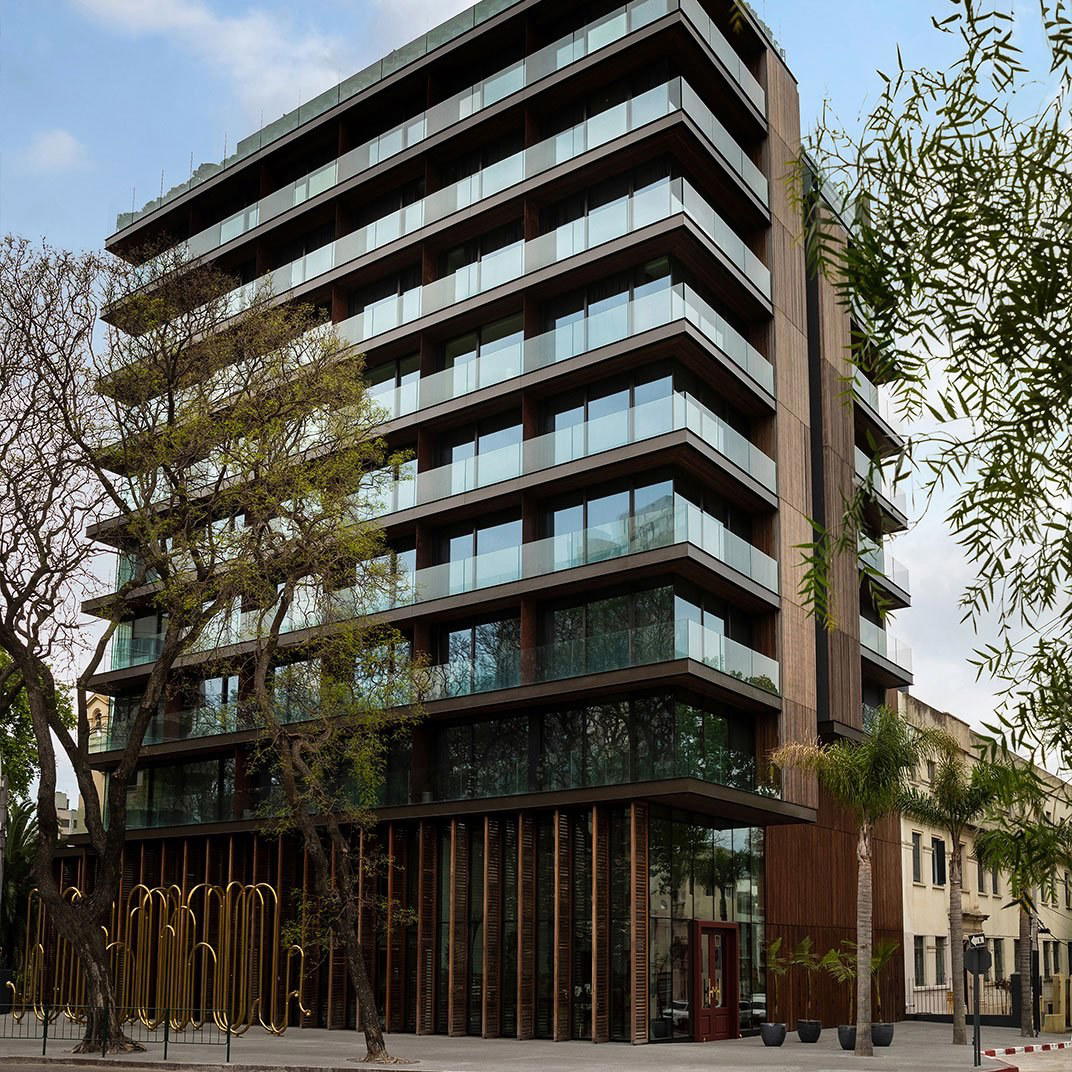
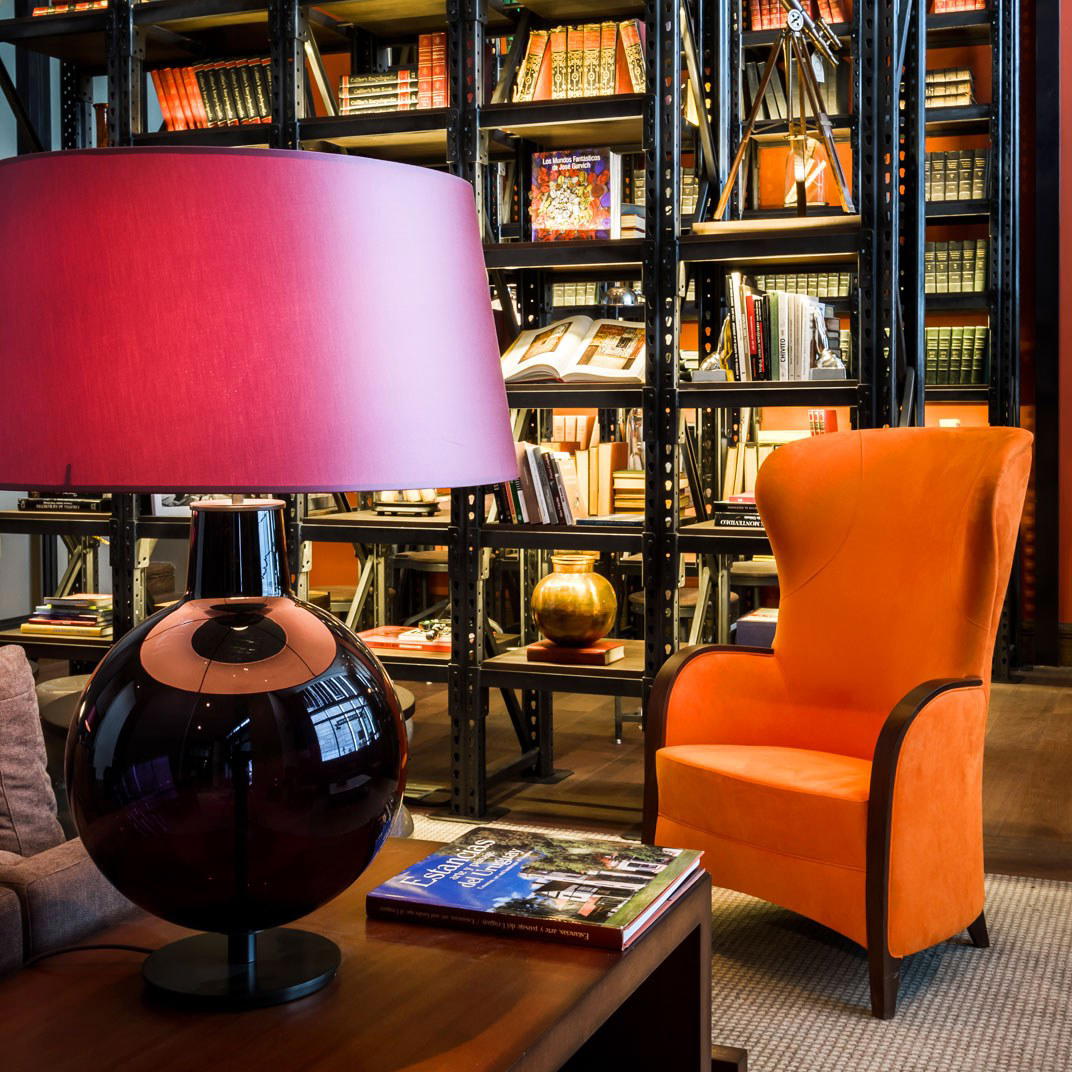
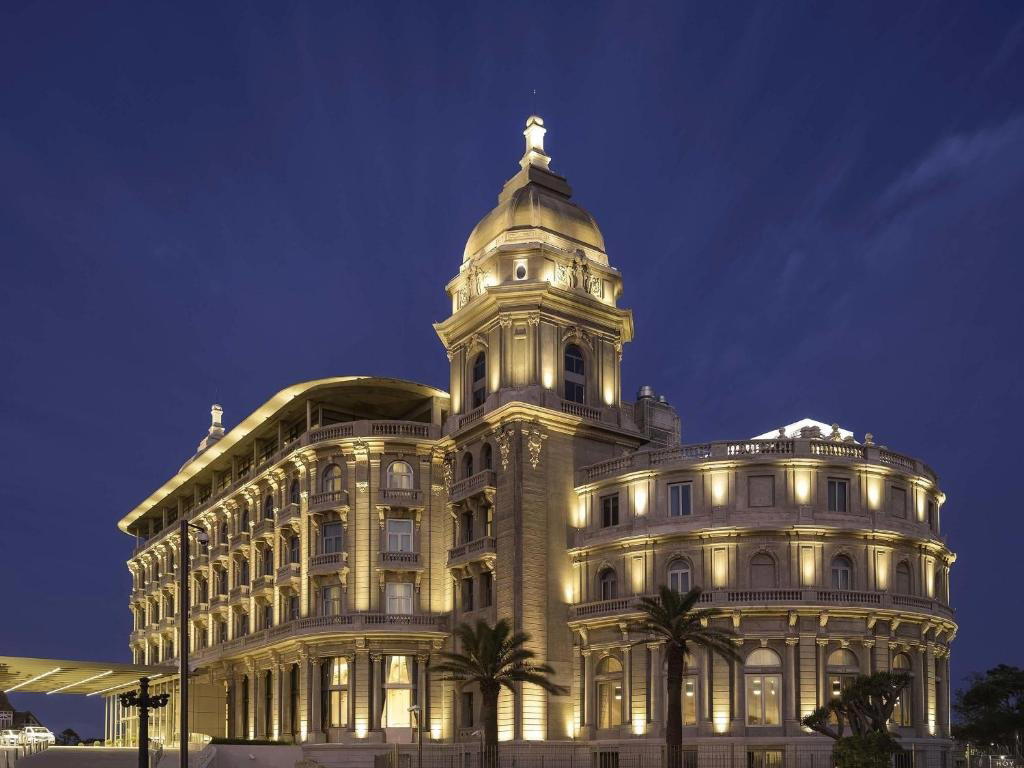
Functional industrial architecture with stainless steel fermentation halls, oak rickhouses, and river-facing exteriors offering a visceral sense of maritime production.