
Falstaff Winery - Listed
The estate sits within Canelones, the department responsible for the majority of Uruguay's fine wine output, where Atlantic-influenced soils produce Tannat and Albariño of genuine regional character. A visit here is a study in how Uruguayan viticulture has matured from quantity to considered quality.

Pearl is the En Primeur Club membership app — saves, bookings, and concierge access live there. Same editors, same standards.
- Address
- 7P4J+GH8, 15900 La Paz, Canelones Department
- Phone
- +598 2362 2137
- Website
- antiguabodegastagnari.com.uy
- Directions
- Get directions
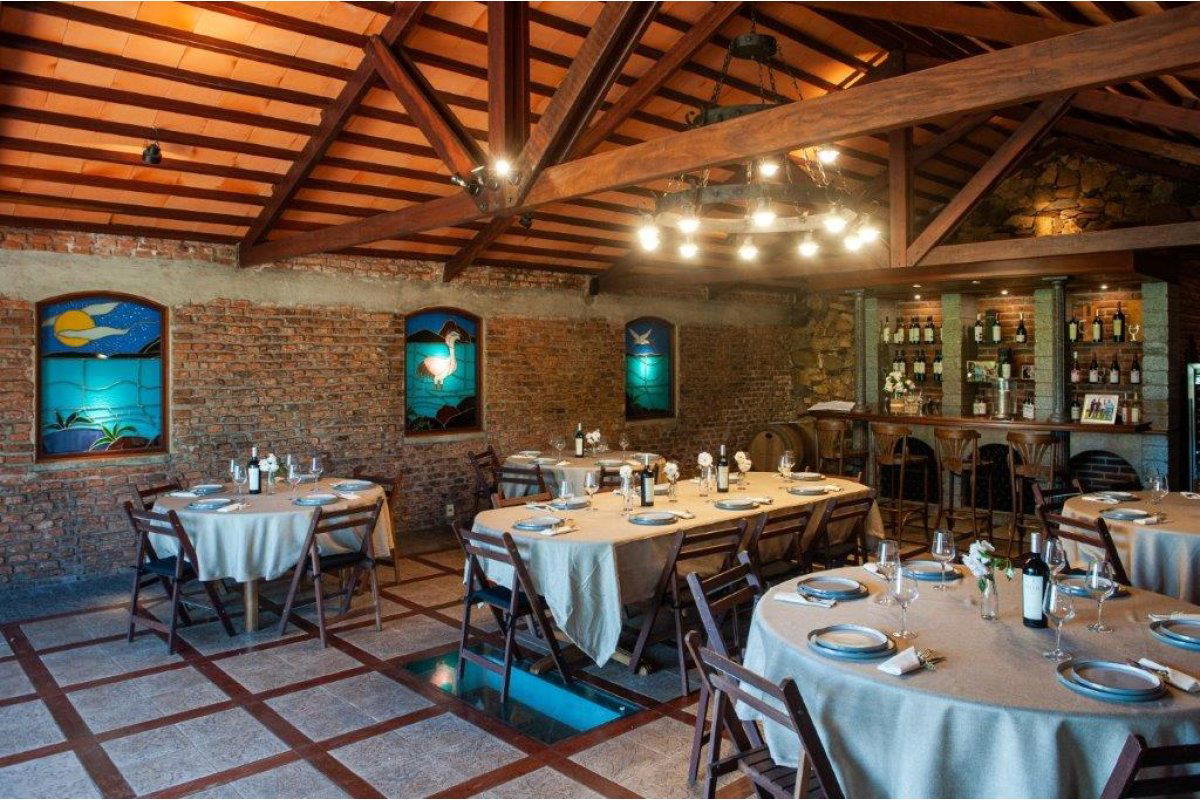
Where Canelones Soils Meet Long-Standing Craft
The road into La Paz, in the heart of Uruguay's Canelones department, passes through a stretch of countryside that looks, at first glance, unremarkable: gently rolling terrain, clay-heavy soils flushed with iron, and the particular flatness that defines the Atlantic-facing interior. This is not the dramatic topography of Mendoza or the Douro. What Canelones offers instead is subtler, and in wine terms, arguably more interesting precisely because of that. The department accounts for roughly 60 percent of Uruguay's total wine production, and within it, La Paz has emerged as a zone where proximity to the Río de la Plata's maritime influence translates directly into fruit with structure and acidity that warmer inland zones rarely achieve.
Antigua Bodega Stagnari operates within that context. The name itself signals something important about how Uruguay's wine industry is repositioning: older estates with generational continuity are now earning recognition that places them in direct conversation with the country's newer, more internationally marketed producers. It positions the bodega within a tier of serious regional producers where Canelones wineries — including Varela Zarranz, Artesana, and Bodega De Lucca — are collectively making the case that Uruguay's quality ceiling is considerably higher than export shelf presence might suggest.
Tannat's Home Turf and What the Land Actually Does
Uruguay's grape identity is inseparable from Tannat, and Canelones is where that variety has been most extensively interrogated over generations. The variety arrived from the Basque country of France in the nineteenth century and found in Uruguay's humid, clay-loam soils a second home that produces a different expression than its ancestral Madiran. Where Madiran Tannat is dense and almost austere in youth, Uruguayan Tannat, particularly from Canelones, tends toward richer colour, softer tannin integration, and a mid-palate weight that makes it more approachable earlier without sacrificing age-worthiness.
The soil composition around La Paz plays a direct role in this. Higher clay content retains moisture during dry periods, moderating vine stress and producing more even ripening across a vintage. The Atlantic influence, channelled through the Río de la Plata estuary, keeps temperatures from peaking at the extremes seen in Argentina's more continental wine zones. For producers like Antigua Bodega Stagnari, this means working with Tannat that arrives at harvest with phenolic maturity and retained acidity, the combination that separates wines built for medium-to-long ageing from those that are merely full-bodied. Canelones is also home to Bodega Juanicó (Familia Deicas) and Bodega Marichal, both operating with similar terroir advantages, which is why the department functions as Uruguay's quality benchmark rather than simply its production engine.
A Regional Scene Taking Its Recognition Seriously
Uruguay's wine scene has spent decades in the shadow of its Argentine neighbour, a situation driven partly by scale and partly by export strategy. Argentina had Malbec and a clear global narrative. Uruguay's wine identity took longer to coalesce around Tannat, and Canelones producers spent years building domestic reputation before the international market caught up. What has changed in recent years is the calibre of recognition now being attributed to properties in this department, and that shift is meaningful for visitors trying to understand where to spend time.
Across the country, the pattern of recognition has followed geography in interesting ways: Bodega Bouza in Montevideo represents the urban-adjacent model, while Bodega Carrau in Las Piedras and Cerro Chapeu (Carrau) in Rivera demonstrate how Uruguay's wine geography spans from the Atlantic coast to the Brazilian border. Further afield, Bodega Cerro del Toro in Piriápolis, Bodega Los Cerros de San Juan in Colonia del Sacramento, Bodega Oceánica José Ignacio in Maldonado, and El Legado in Carmelo each illustrate different regional expressions within a country whose wine map rewards careful attention. Antigua Bodega Stagnari belongs to the Canelones core of that map, the department where the most concentrated critical mass of formally recognised producers is now operating.
Planning a Visit to La Paz
La Paz sits within the greater Canelones department, accessible from Montevideo within approximately an hour by road, which makes it a realistic half-day or full-day excursion from the capital. The practical approach for visiting Antigua Bodega Stagnari is to contact the estate directly in advance, as boutique Uruguayan bodegas at this recognition level typically operate visits by appointment rather than as open-door tourism facilities. Booking ahead also allows the visit to be shaped around what the estate is currently offering, whether that involves a tasting room format, a cellar tour, or both. Given that specific contact details for the bodega are not publicly consolidated in standard directories, the most reliable path is through our full Canelones restaurants and wineries guide, which provides current access information for properties across the department.
Visitors building a longer itinerary in the region can reasonably combine Antigua Bodega Stagnari with other La Paz and Canelones producers in a single day, given the geographic density of quality estates in this zone. The department's wine route is not yet as formally structured as, say, Mendoza's, which for some visitors is part of the appeal: arrivals feel less choreographed, and conversations at the cellar level tend to be more substantive. For reference points outside Uruguay's wine world, the restraint-driven approach of Canelones producers invites comparison to Accendo Cellars in St. Helena or the considered single-malt craft of Aberlour in Aberlour, properties where production philosophy and provenance work together rather than separately.
Comparable Spots, Quickly
Comparable venues nearby, for context on price, style, and recognition.
| Venue | Cuisine | Price | Awards | Notes |
|---|---|---|---|---|
| Antigua Bodega StagnariThis venue — the venue you are viewing | Tannat, Merlot | $30–50 | Falstaff Winery - Listed | Not listed |
| Artesana | Tannat, Zinfandel | $20–30 | Not listed | Las Brujas |
| Bodega Toscanini | Tannat, Cabernet Sauvignon | Not listed | Not listed | Las Piedras |
| Viña Progreso | Tannat, Albariño | Not listed | Not listed | Progreso |
| Los Nadies | Tannat, Merlot | $50–100 | Not listed | Prado |
| Bodega Juanicó (Familia Deicas) | Tannat, Merlot | $50–100 | Not listed | Juanicó |
Recognition history
Dated appearances from independent guides and award organizations, with the underlying list record or original source where available.
Falstaff Winery - Listed
Falstaff
Continue exploring
More in Canelones
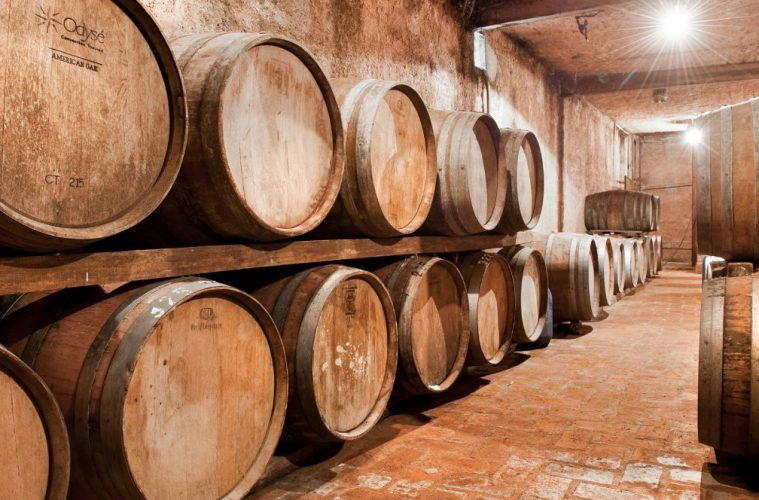
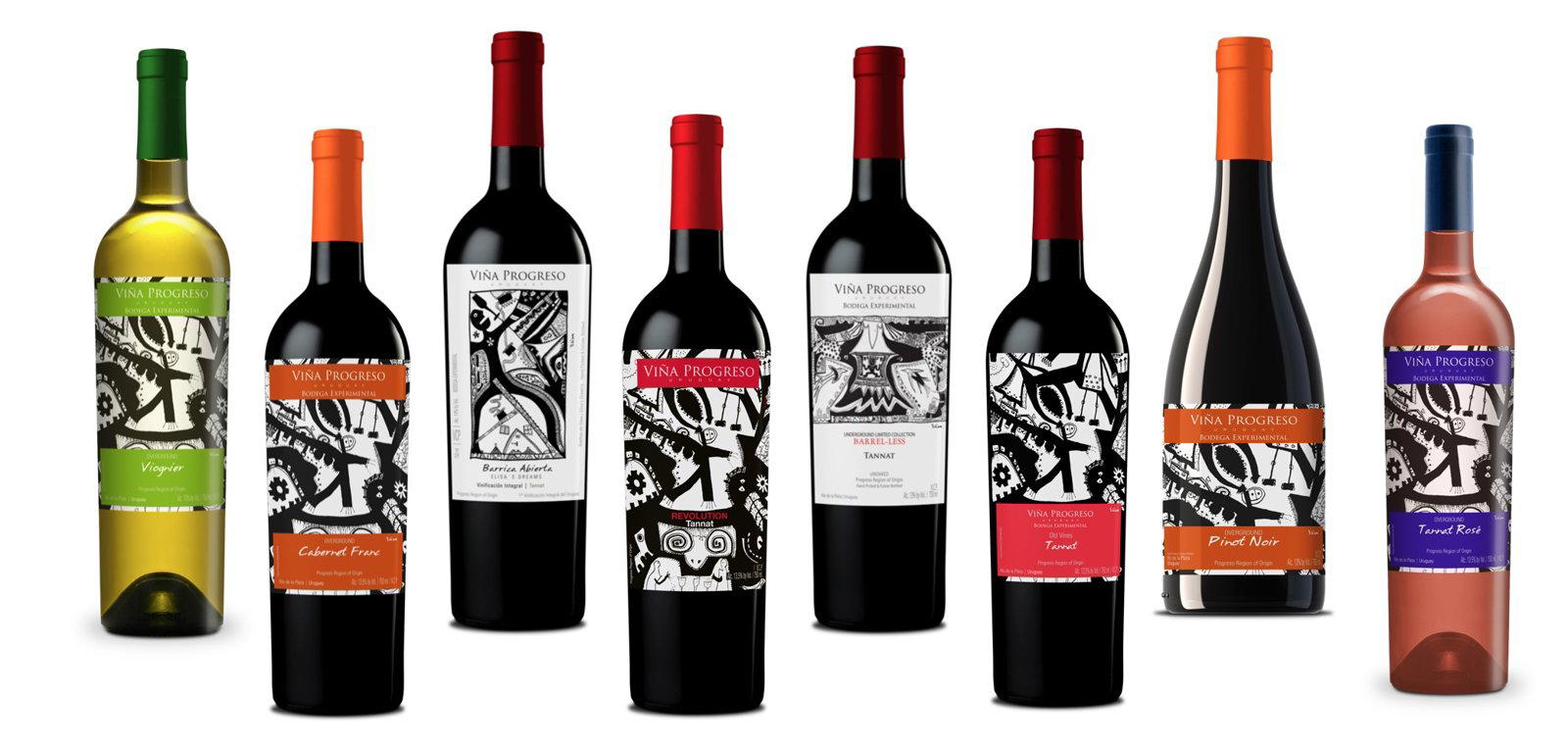
Wineries in Canelones
Browse all →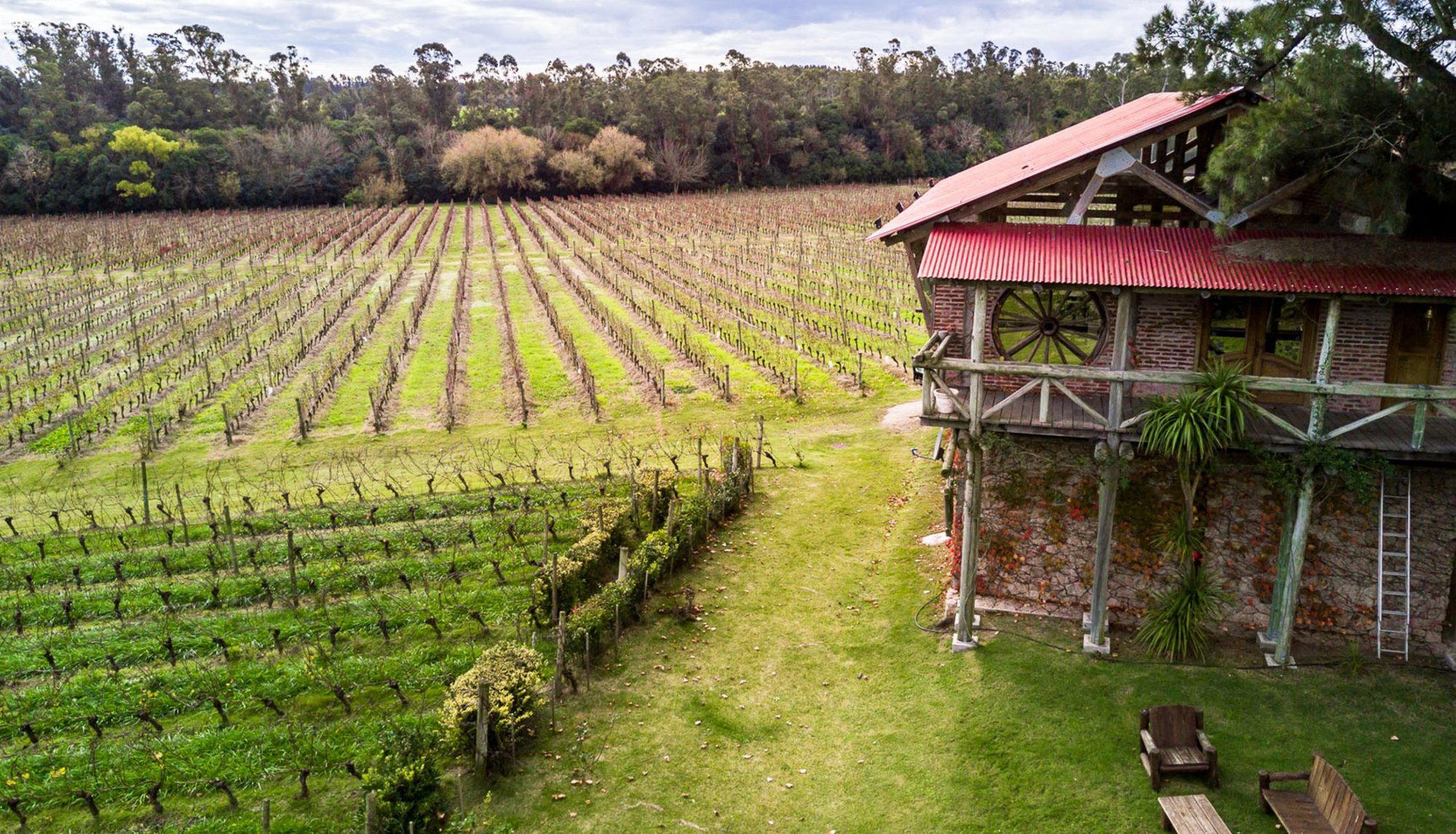
Bars in Canelones
Browse all →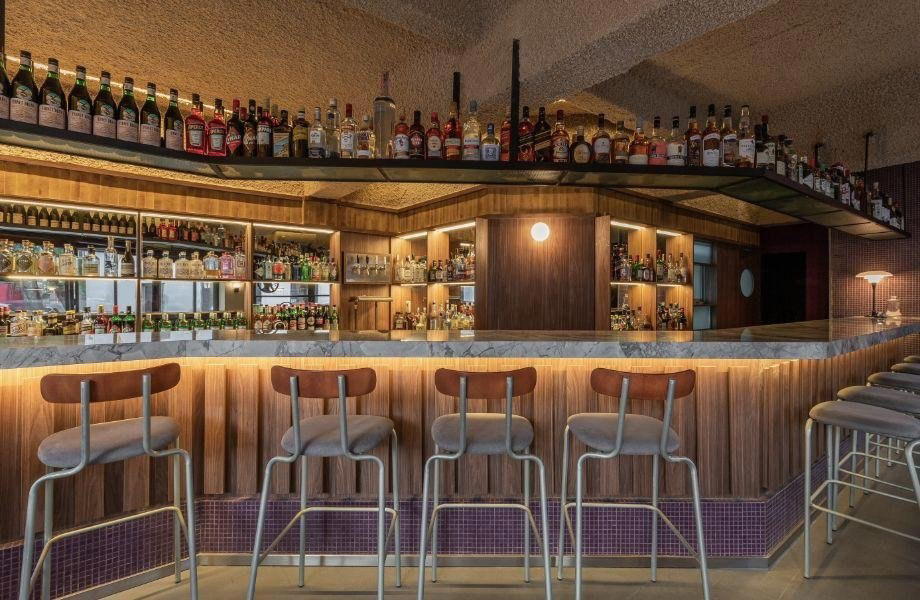
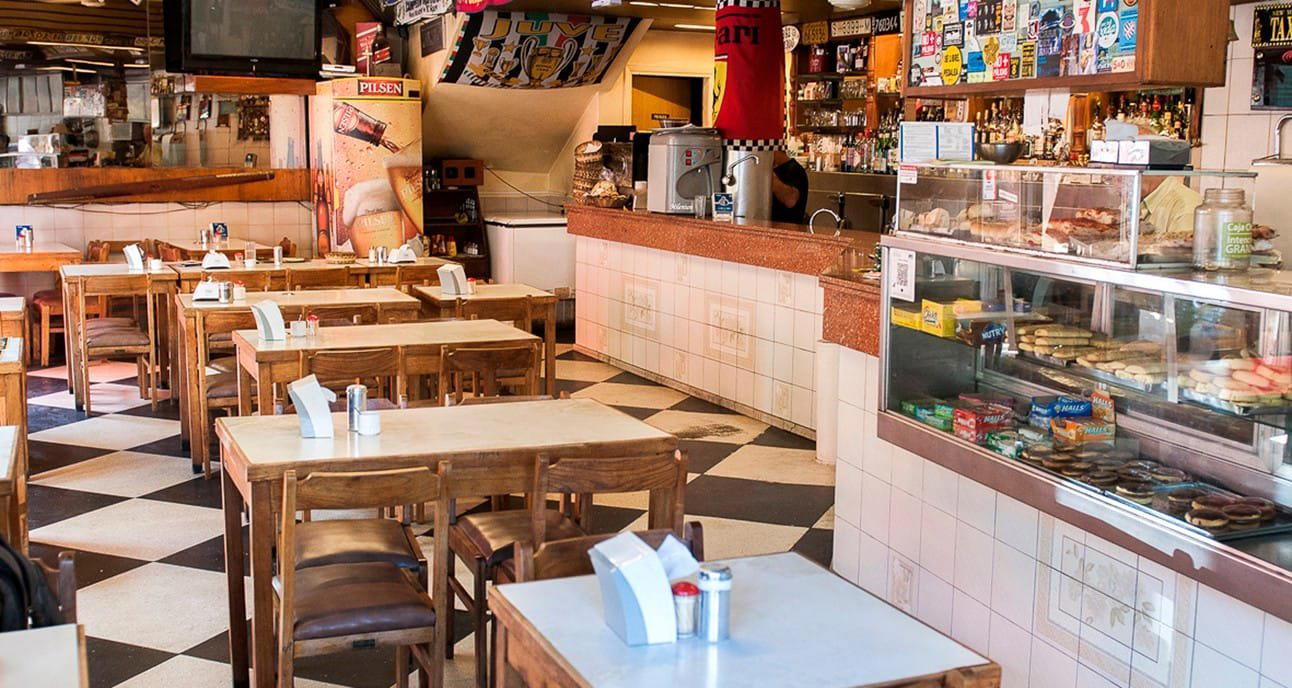
Restaurants in Canelones
Browse all →
Details
- Rustic
- Classic
- Historic
- Intimate
- Wine Education
- Solo Exploration
- Group Outing
- Vineyard Tour
- Historic Building
- Sustainable
- Vineyard
- Tannat
- Merlot
- Sangiovese
- Chardonnay
- Sauvignon Blanc
- Albarino
- Cabernet Franc
- Cabernet Sauvignon
- Marselan
- Syrah
- Still Red
- Still White
- Cave Tasting
- Spanish
- English
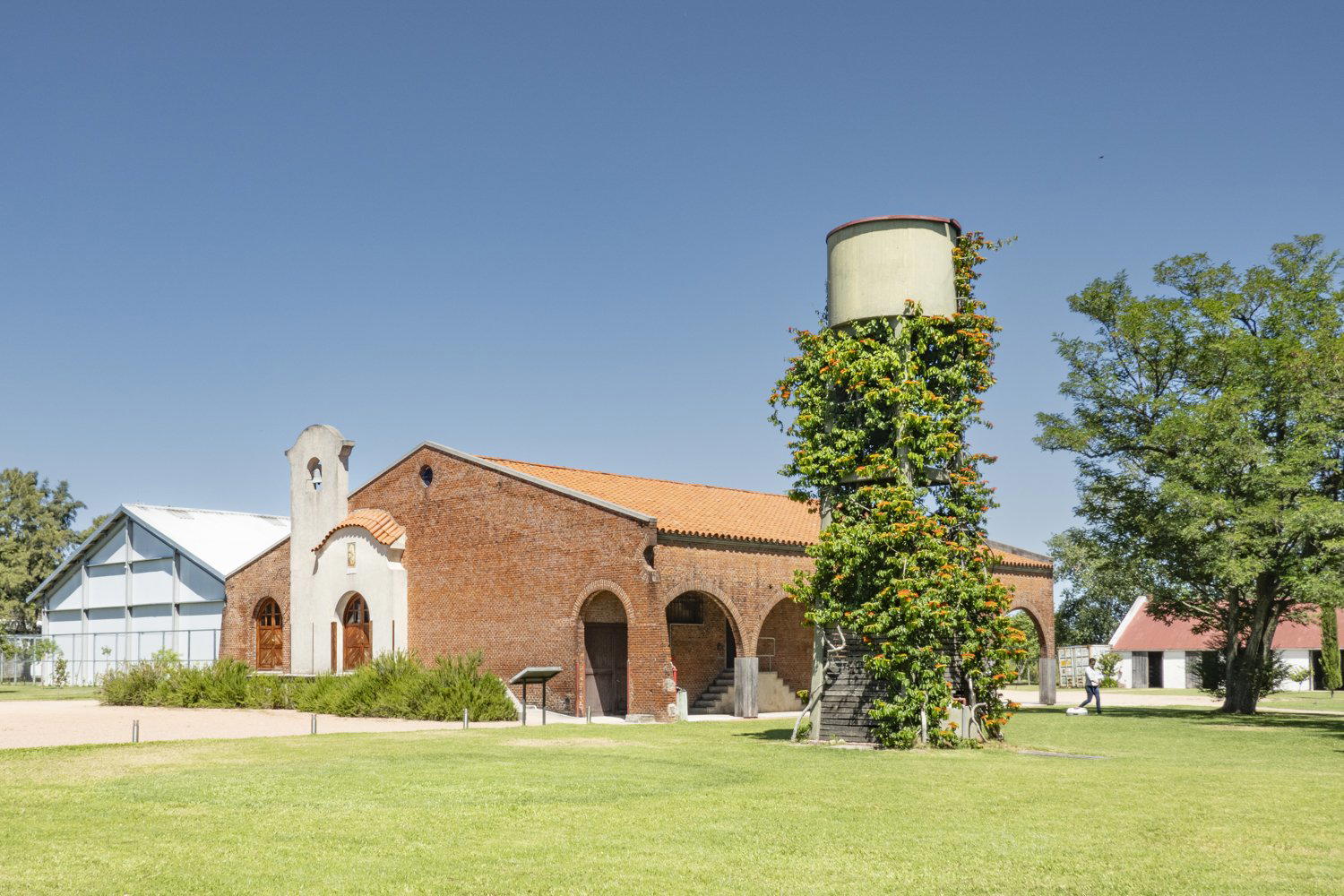
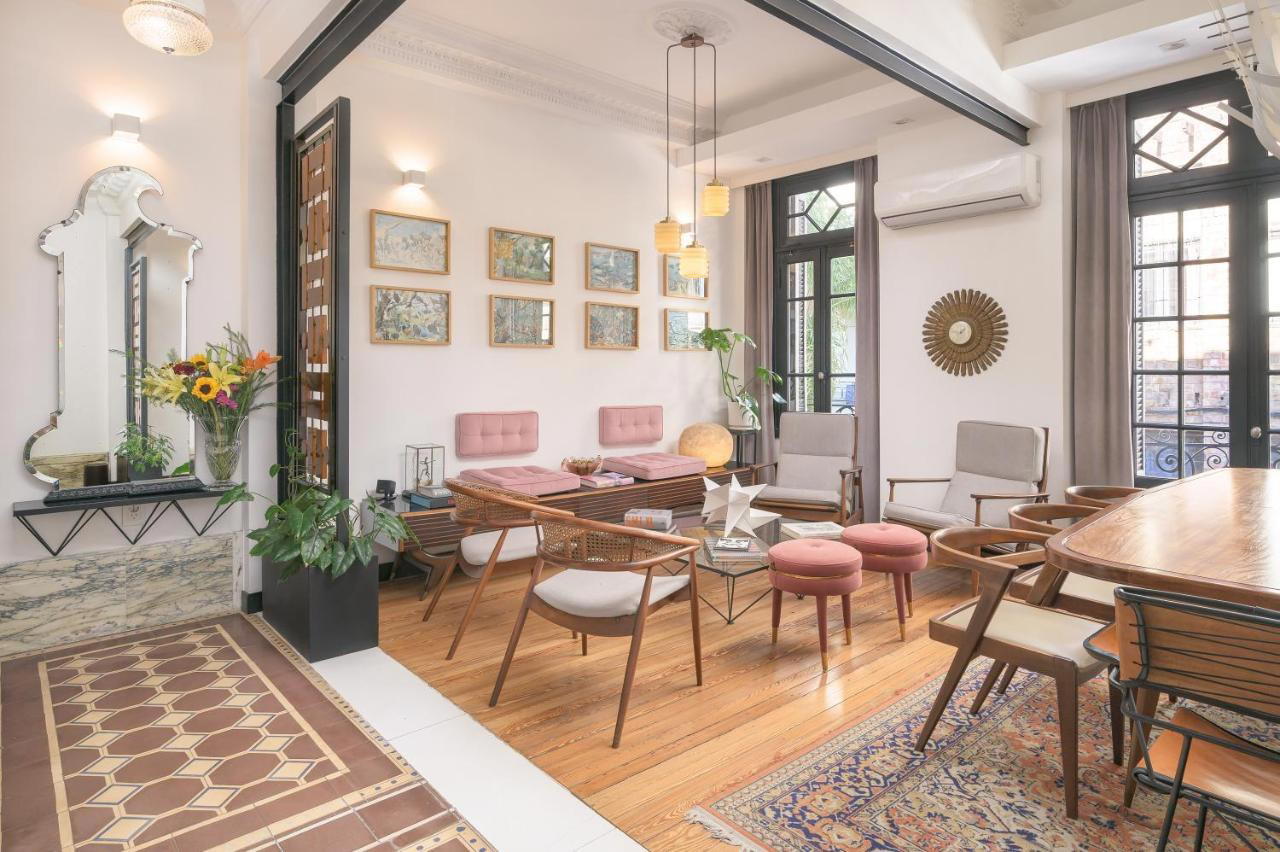
Warm, historic atmosphere in original 1928 structure with guided tours through vineyards and underground cellars, paired with relaxed tastings.