Manzanar

Manzanar in Montevideo offers contemporary Uruguayan fine dining centered on a wood-fired grill and international influences. Must-try dishes include Rack of lamb with Italian salmoriglio, Rib-eye steak with chimichurri, and seasonal Grilled corvina. Family-run by the Barbero sisters, the kitchen blends traditional asado technique with sushi, ceviche, and creative small plates. Recognized by The World’s 50 Best Discovery program and known for collaborations with chefs like Francis Mallmann, Manzanar delivers warm, smoky flavors, inventive sauces, and a lively Carrasco terrace overlooking Rostand plaza. Expect attentive service, craft cocktails, and a menu that changes with the sea and the seasons.
Pearl is the En Primeur Club membership app — saves, bookings, and concierge access live there. Same editors, same standards.
- Address
- Carlos Federico Saez 6463, 11500 Montevideo, Departamento de Montevideo, Uruguay
- Phone
- +598 95 121 925
- Website
- manzanar.uy
- Directions
- Get directions
 Saves & bookings on Pearl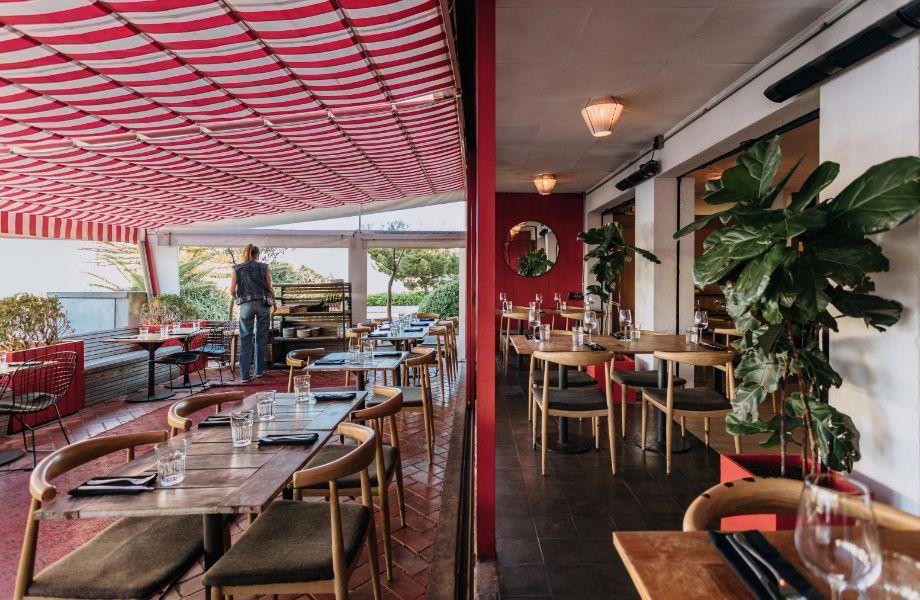
A Former Supermarket in Carrasco That Takes the Asado Seriously
The address on Carlos Federico Saez puts you in Carrasco, Montevideo's residential northeastern quarter where wide streets shade into established gardens and the pace drops several notches from Ciudad Vieja's bustle. The building itself carries a past life as a supermarket, and the architectural bones of that conversion are part of what gives Manzanar its particular register: high ceilings, generous floor space, the kind of proportions that let a wood-fired operation breathe. You arrive expecting a neighbourhood restaurant. What you find is a kitchen operating at a different level of ambition than the postcode might suggest.
Carrasco has long been Montevideo's quieter premium address, a counterweight to the more internationally visible dining in Punta del Este or the waterfront corridors closer to the centre. For context on how that broader scene maps out, our full Montevideo restaurants guide covers the city's dining across neighbourhoods and price tiers. Manzanar occupies a particular slot in that geography: a family-run restaurant with international reach, where the sourcing logic and the kitchen's collaborative instincts set it apart from the standard parrilla circuit.
Where the Ingredients Come From, and Why That Changes Everything
Uruguayan asado is not a technique that tolerates mediocre raw material. The quality of the fire management, the cut, the resting time — all of it is visible on the plate in ways that cuisine built on sauces or reductions can obscure. Uruguay's grassland-raised cattle tradition produces beef with a fat structure and mineral depth that differs meaningfully from grain-finished alternatives, and a kitchen working at Manzanar's level is necessarily thinking about provenance from the first decision onward.
The rack of lamb with salmoriglio signals something important about the kitchen's sourcing orientation. Salmoriglio is a southern Italian herb sauce, oil-heavy and citrus-edged, traditionally built to complement lamb with assertive flavour rather than delicate protein. The choice to pair it with Uruguayan rack implies the kitchen is sourcing lamb with enough character to hold its own against that dressing rather than be overwhelmed by it. Uruguay's lamb production, concentrated in the interior departments, runs on pasture systems comparable to New Zealand's South Island, and the result tends toward a cleaner, less lanolin-forward flavour profile than European equivalents.
The rib-eye with chimichurri, by contrast, is the classic local pairing — and in that classicism lies its own editorial point. Chimichurri's role in Uruguayan asado culture is not decorative. It functions as a calibration tool, its acidity and herb intensity acting as a foil to the fat content of a properly marbled rib-eye. When the sourcing is right, the pairing works as a system. When it isn't, the chimichurri either dominates or disappears. The fact that the kitchen has retained this combination while layering in European references elsewhere suggests a confident position on which traditions warrant preservation and which invite experimentation.
This approach to layering international technique onto Uruguayan base materials mirrors a broader trend in South American fine dining, where restaurants like Parador la Huella have demonstrated that local sourcing and international sensibility are not in tension. The same argument plays out in the region's more formally recognised dining rooms: Parador La Huella in José Ignacio built its reputation on exactly this logic, treating Uruguayan produce as the foundation for a kitchen speaking a recognisably cosmopolitan language.
The Kitchen's Collaborative Range
Manzanar's reported collaborations with internationally recognised chefs place it in a tier of regional restaurants that use guest partnerships as both a creative stimulus and a quality signal. This practice is now common across ambitious independent restaurants globally. Kitchens such as Lazy Bear in San Francisco and Atomix in New York City have used collaboration formats to push their own teams while creating moments that attract a more internationally mobile dining audience. The mechanics of those partnerships, whether residency formats, co-authored menus, or technique exchange, shape what eventually becomes the restaurant's permanent register.
Restaurants at the level of Le Bernardin in New York City, Arzak in San Sebastián, or Alain Ducasse at Louis XV in Monte Carlo define the international standards against which ambitious kitchens measure technique, and the flow of influence moves in both directions when collaboration is genuine rather than cosmetic. Closer to home, L'Incanto in Punta del Este and La Bourgogne represent the more formally European-influenced end of Uruguayan fine dining; Manzanar's positioning is somewhat different, keeping asado at the centre while extending outward through technique and seasoning rather than replacing the base tradition.
Other internationally collaborative kitchens worth understanding in context include Emeril's in New Orleans, 8½ Otto e Mezzo Bombana in Hong Kong, Alléno Paris au Pavillon Ledoyen, and Aponiente in El Puerto de Santa María, each of which demonstrates how kitchens with strong regional identities can operate at an international level without diluting what makes their local tradition distinctive.
Planning Your Visit
Manzanar sits on Carlos Federico Saez 6463 in Carrasco, accessible by taxi or rideshare from Montevideo's centre in roughly twenty minutes depending on traffic. The neighbourhood is residential and quiet by Montevideo standards, which means evening visits carry a different energy than the more crowded central dining corridors. Given the restaurant's profile and the collaborative events its kitchen hosts, booking ahead is advisable, particularly for weekend service when Carrasco's established local clientele fills the room alongside visitors. The family-run structure means communication tends to be personal and direct; checking current hours before visiting is worth the step, as independently operated restaurants in this tier often adjust service around events and collaborative dinners.
Montevideo's broader hospitality picture extends well beyond the table. Our full Montevideo hotels guide covers where to stay across the city's neighbourhoods, while our full Montevideo bars guide, our full Montevideo wineries guide, and our full Montevideo experiences guide map the rest of what the city offers for a considered visit.
- rack of lamb with salmoriglio
- rib-eye steak with chimichurri
- corvina ribs
- entraña
- picana
- mollejas
At-a-Glance Comparison
| Venue | Cuisine | Price |
|---|---|---|
| ManzanarThis venue — the venue you are viewing | Set in a former supermarket, Manzanar is a family-run restaurant in Carrasco, Montevideo, known for its traditional Uruguayan asado (barbecued meat) delivered with an international twist, including rack of lamb with salmoriglio and rib-eye steak with chimichurri. The kitchen is internationally-renowned and collaborates with famous chefs. | This venue |
| Parador la Huella | Uruguayan | Uruguayan |
| La Bourgogne | Uruguayan Seafood | Uruguayan Seafood |
Recognition history
Dated appearances from independent guides and award organizations, with the underlying list record or original source where available.
World's 50 Best Latin America's Best Restaurants #86
World's 50 Best
Continue exploring
More in Montevideo
Restaurants in Montevideo
Browse all →

Bars in Montevideo
Browse all →
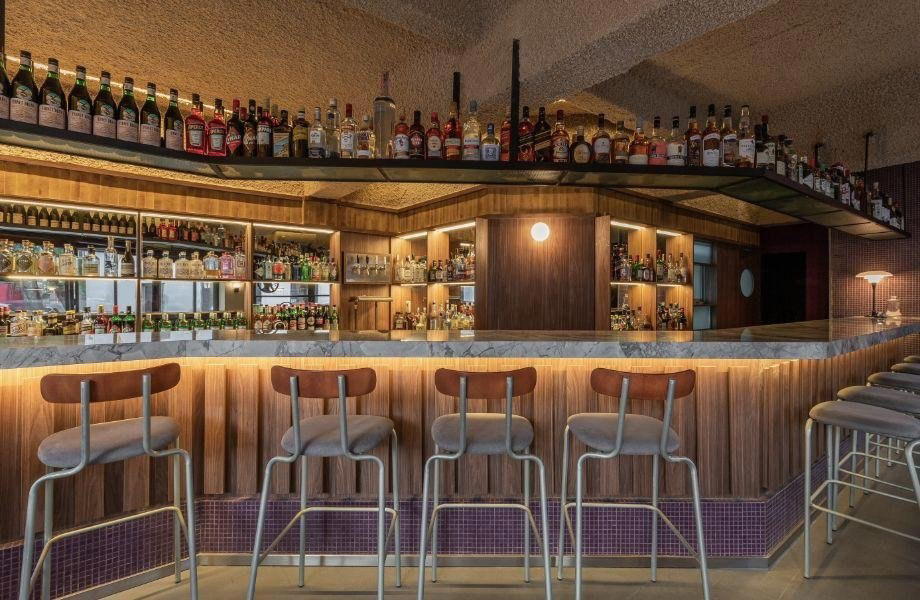
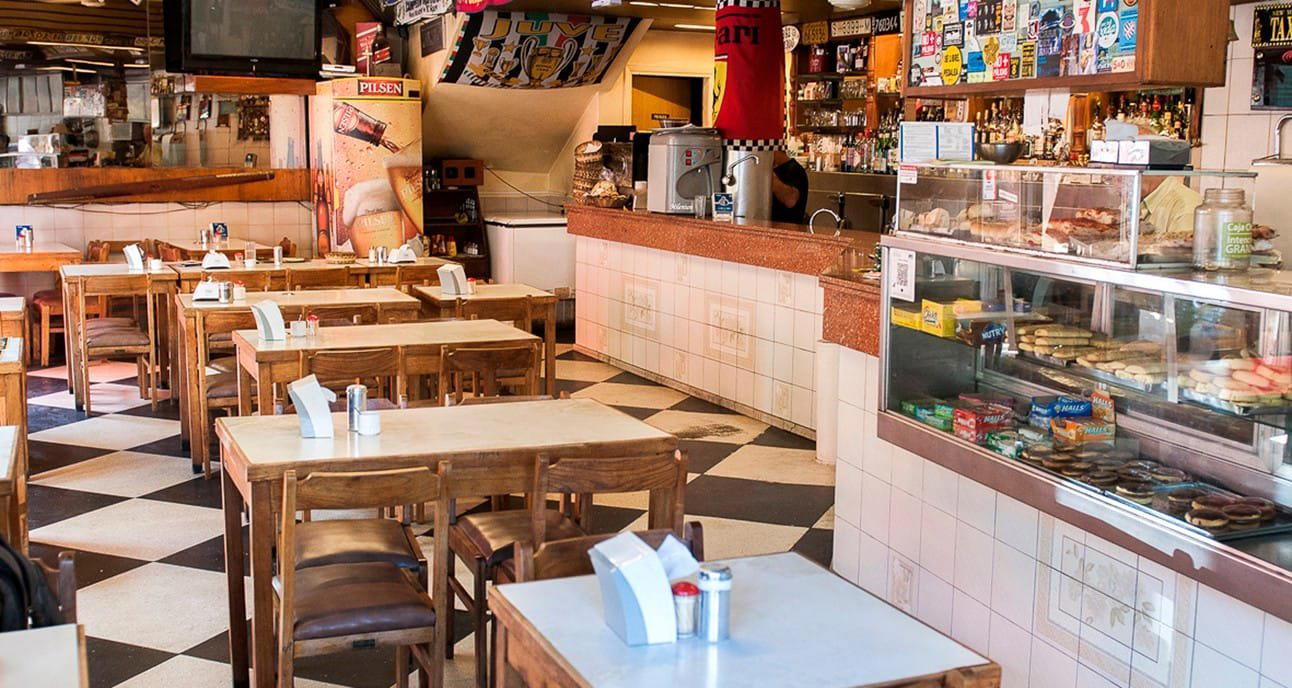
Hotels in Montevideo
Browse all →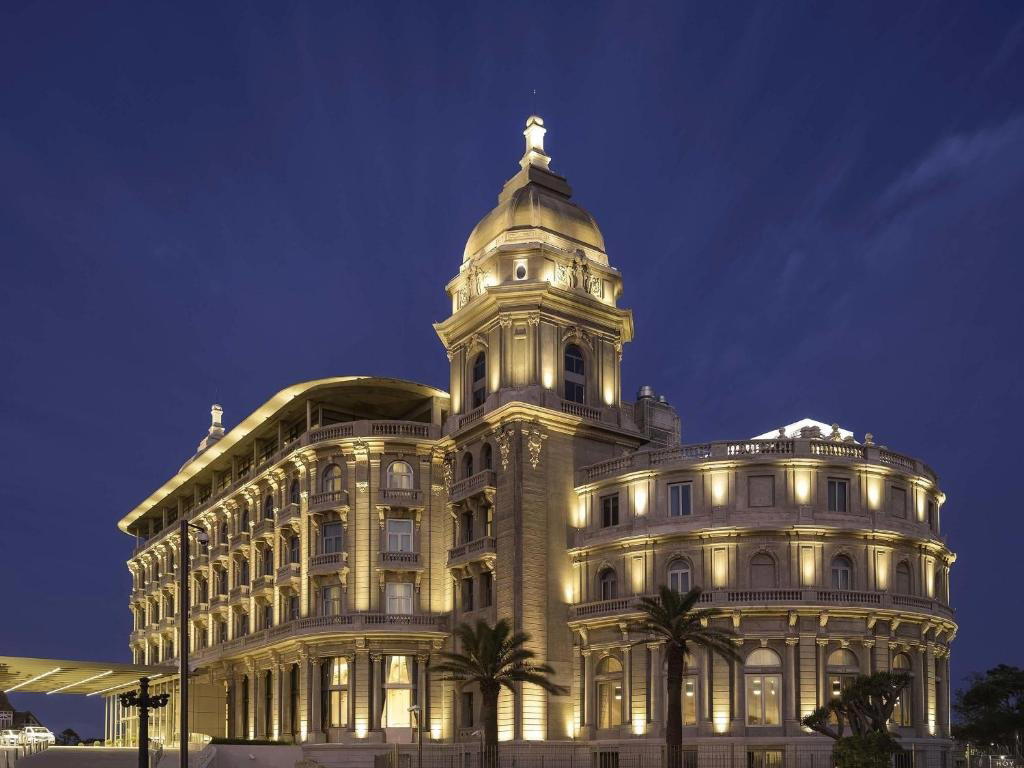
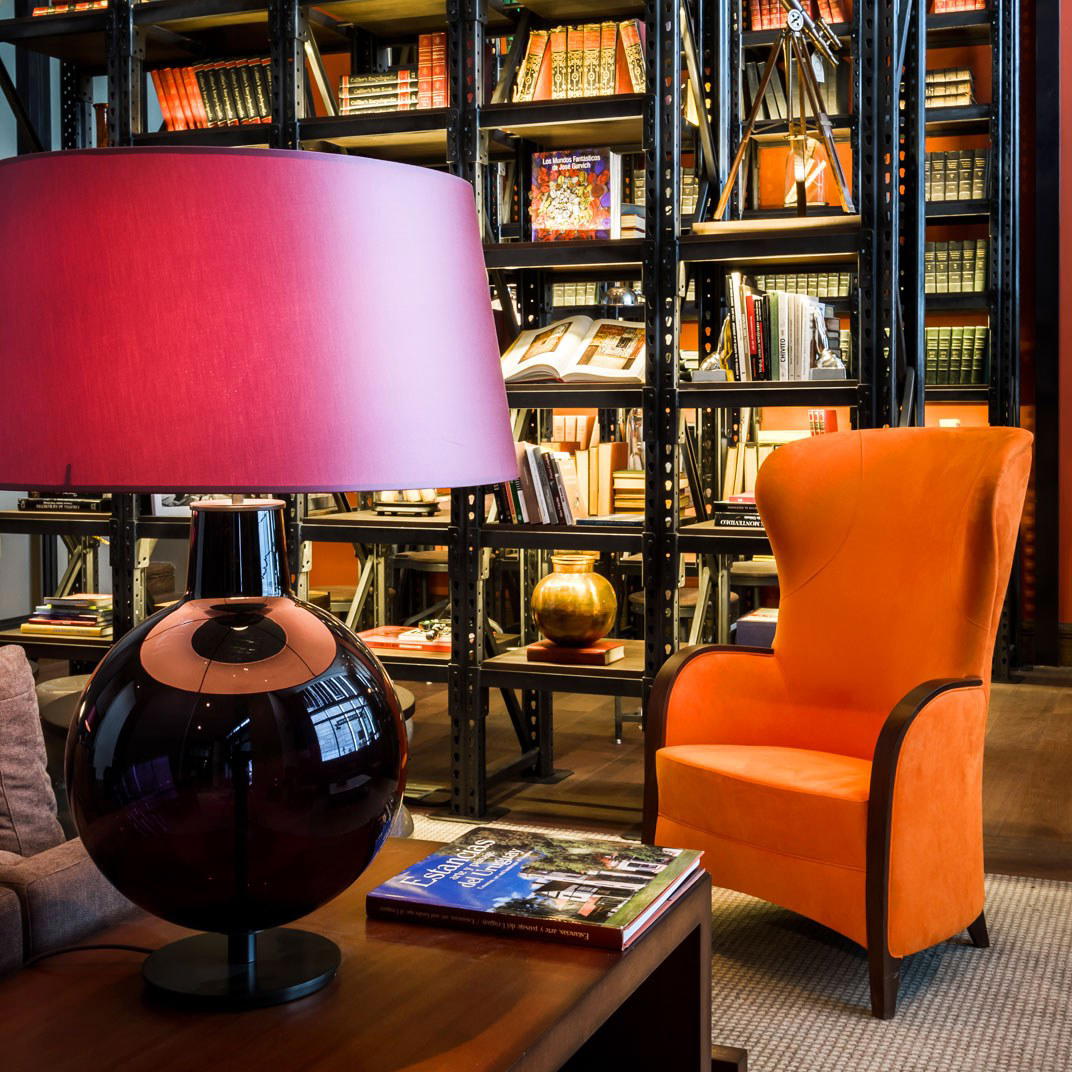

At a Glance
- Lively
- Modern
- Elegant
- Energetic
- Date Night
- Group Dining
- Family
- Celebration
- Special Occasion
- Open Kitchen
- Terrace
- Standalone
- Craft Cocktails
- Extensive Wine List
- Local Sourcing
- Sustainable Seafood
- Farm To Table
- Street Scene
Current opening hours
- Monday
- Closed
- Tuesday
- 12 PM–12 AM
- Wednesday
- 12 PM–12 AM
- Thursday
- 12 PM–12 AM
- Friday
- 12 PM–12 AM
- Saturday
- 12 PM–12 AM
- Sunday
- 12 PM–12 AM
Hours can change for holidays and private events. Last verified .
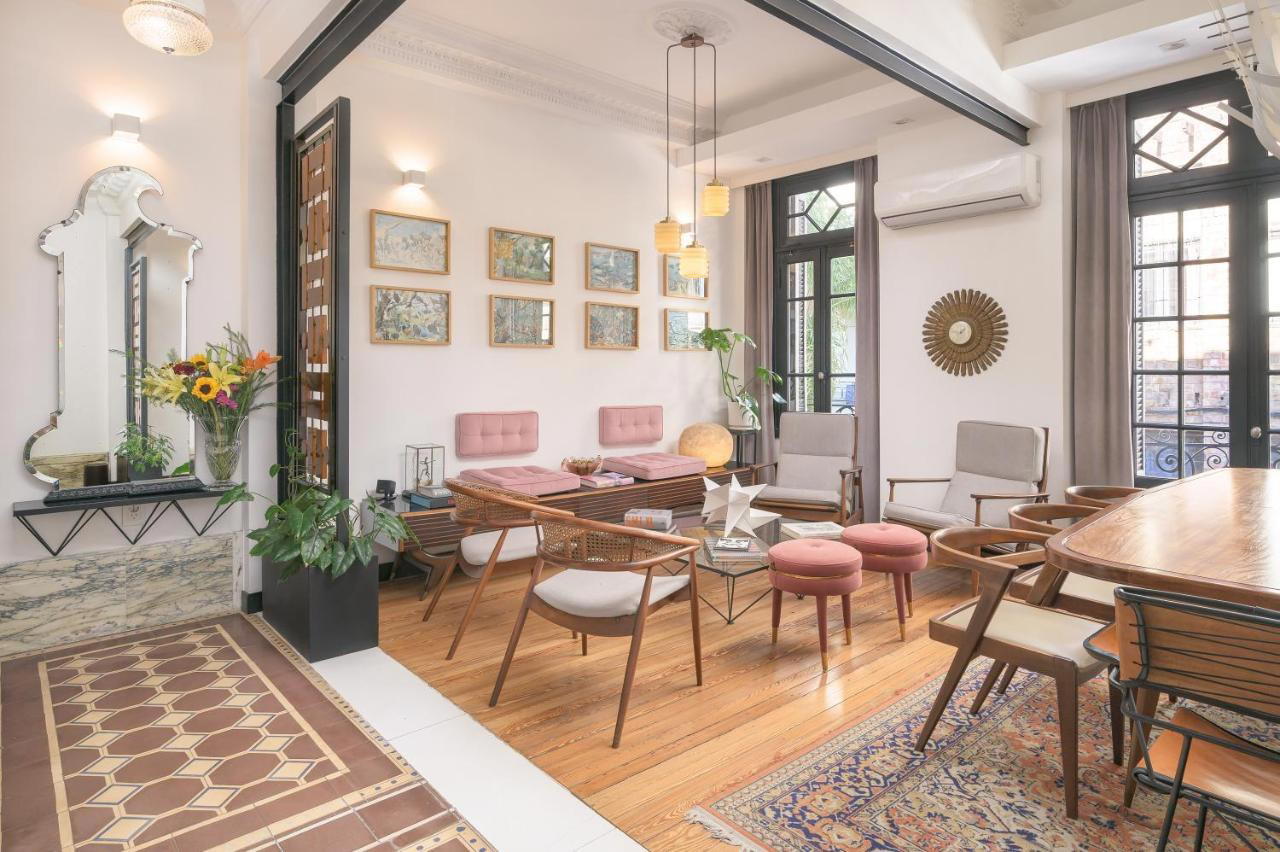
Spacious, lively interior with visible wood-fired grills as focal point; practical, flattering lighting; social atmosphere with red-and-white striped awning over outdoor tables; polished yet approachable vibe.
Know Before You Go
- Getting there
- Carlos Federico Saez 6463, 11500 Montevideo, Departamento de Montevideo, Uruguay