Our verdict
On 18 de Julio in Colonia del Sacramento's colonial quarter, Napo occupies a position in one of Uruguay's most visited historic towns, where ingredient provenance and regional cooking traditions shape the dining conversation. The restaurant sits within a city better known for cobblestones and ferry crossings than for culinary ambition, which makes finding a kitchen with genuine local grounding all the more notable. For travellers arriving from Buenos Aires or Montevideo, Napo represents a reason to stay beyond the afternoon.

Pearl is the En Primeur Club membership app — saves, bookings, and concierge access live there. Same editors, same standards.
- Address
- 18 de Julio (Barbot), 70000 Colonia del Sacramento Colonia
- Directions
- Get directions
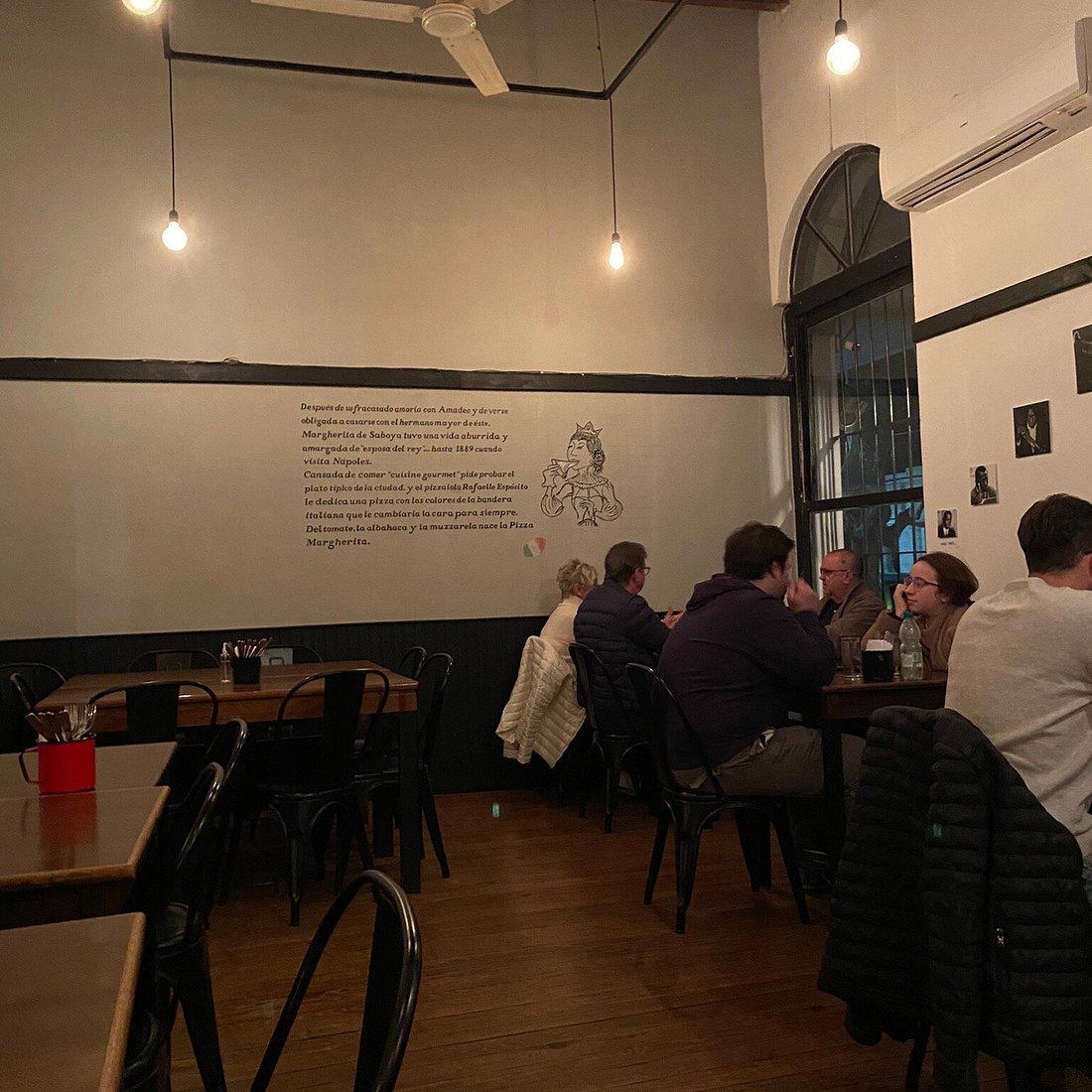
Colonia's Dining Scene and Where Napo Fits
Colonia del Sacramento occupies a particular place in Uruguayan travel: a UNESCO-listed colonial town that draws day-trippers from Buenos Aires on the hour-long ferry crossing, but rarely earns the overnight stays that would allow a deeper engagement with its restaurants. The dining scene here has historically followed that pattern, leaning toward cafes and light lunches aimed at visitors with an afternoon to spare. The kitchens that have pushed beyond that format tend to occupy the 18 de Julio corridor and the streets immediately surrounding the Barrio Histórico, where foot traffic slows enough for a proper meal to make commercial sense. Napo, addressed at 18 de Julio in the Barbot area, sits within that geography, in a city that is gradually assembling a case for itself as a place worth eating seriously. For context on the broader Colonia restaurant scene, see our full Colonia del Sacramento restaurants guide.
The Physical Approach
Arriving at Napo on foot from the historic waterfront, the textures of colonial Colonia are hard to ignore: irregular cobblestone, low whitewashed walls, the particular quality of afternoon light that bounces off the Río de la Plata and fills the streets at an angle that makes the whole town look amber-lit by three in the afternoon. Restaurants along 18 de Julio occupy narrow frontages, and Napo is no exception to the architectural logic of the street. What distinguishes a kitchen at this address is less the physical space, which the colonial building stock constrains across the board, and more what happens inside it: the sourcing decisions, the calibration of a menu to what the region actually produces, and the degree to which the cooking connects to something larger than tourist-trade volume.
Sourcing in a Region Defined by What It Grows
Uruguay's ingredient identity is built around a specific set of agricultural conditions: grass-fed beef from estancias that operate at a scale more modest than Argentina's industrial ranches, river fish from the Plata estuary and the Uruguay River, and a vegetable and herb culture that benefits from temperate growing seasons. For a kitchen in Colonia, proximity to those sources is a structural advantage. The town sits on the river, and the produce markets and small-scale suppliers that feed the leading Uruguayan kitchens are accessible in a way that is harder to replicate in Montevideo's more urbanised supply chains. The question any serious restaurant in Colonia must answer is whether it actually uses that proximity, or whether it defaults to the imported and the generic in the way that tourism-dependent restaurants everywhere tend to do.
The restaurants in Uruguay that have earned the strongest reputations have generally been those that take sourcing as a starting point rather than a marketing footnote. Parador La Huella in José Ignacio built its standing on wood-fired cooking tied to local seafood and beef. Garzon Restaurant in Maldonado framed its menu around the agricultural specificity of the Garzón valley. In each case, the sourcing argument was made through the food itself, not through language on the menu. That is the standard against which any ambitious Colonia kitchen is implicitly measured, and it is a useful frame for understanding what Napo is attempting within its own geography.
The Competitive Set in Colonia
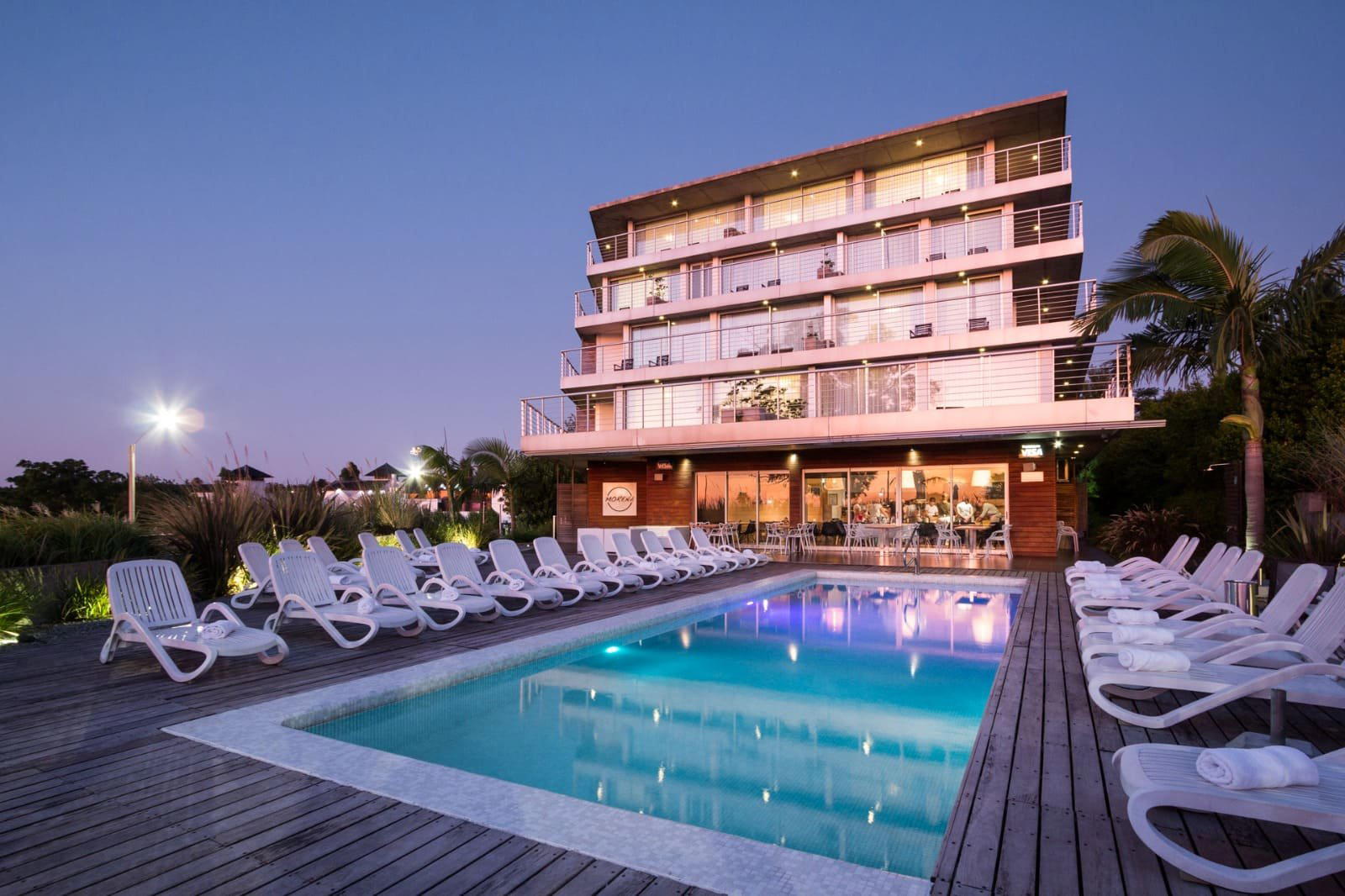
Within Colonia, the restaurants that occupy a similar position to Napo include Lo de Tere, L'Incanto, and Manzanar, each of which has at different times represented the town's attempt to move beyond the day-tripper lunch format. The Costa Colonia Riverside Boutique Hotel also operates a dining room that draws from the same visitor base. The competitive dynamics here are different from those in Montevideo, where a kitchen like Café Misterio competes within a denser and more sophisticated urban dining culture. In Colonia, the bar for what counts as serious cooking is set partly by the town's own history of serving transient visitors, which means that a restaurant making genuine sourcing decisions and cooking with regional coherence operates in a relatively uncrowded tier.
Uruguay's most-discussed restaurants are clustered in Punta del Este, José Ignacio, and Montevideo. Las Nenas Steak House in Punta Del Este and Bodega Garzón in San Carlos each attract visitors who plan their travel around the meal. Colonia has rarely generated that kind of destination logic, which makes the restaurants that do earn a return visit all the more worth identifying. La Bourgogne represents a different model, the French-trained kitchen transplanted to Uruguayan soil, and shows how European technique has shaped the upper end of the country's restaurant culture more broadly.
What the Address Tells You
The 18 de Julio address, in the Barbot area of Colonia, places Napo within walking distance of the ferry terminal and the Barrio Histórico, which means it sits at the intersection of the day-tripper flow and the more deliberate visitor who has chosen to stay the night. That dual audience creates a calibration challenge for any kitchen: pitch the menu too far toward quick and accessible, and you lose the sourcing argument; pitch it too far toward the deliberate diner, and you lose the volume that makes the economics work. The restaurants that resolve this tension well in small historic towns tend to be those that keep the menu legible while insisting on ingredient quality, and that allow the cooking itself to do the work of explaining why the sourcing matters.
Planning a Visit
Colonia del Sacramento is most easily reached by ferry from Buenos Aires, with the crossing running roughly an hour on the fast service. Most visitors arrive in the morning and return in the late afternoon, which compresses the dining window considerably. Staying overnight opens up dinner, and the evening is when Colonia's restaurants shift from lunch-mode service to something closer to a proper dining experience. For travellers whose Uruguay itinerary includes the east coast, the restaurant comparisons are instructive: the dining cultures of Punta del Este and José Ignacio operate at a different price point and scale than Colonia, but the sourcing traditions connect across the country. For those building a broader picture of Uruguayan dining, the reference points across the country, from Parador La Huella to Garzon Restaurant, help locate Napo within a national conversation about what Uruguayan cooking is becoming.
Frequently asked questions
Is napo good for families?
Napo's location on 18 de Julio in the Barbot area puts it within easy walking distance of the Barrio Histórico, which keeps logistics manageable for families arriving by ferry. The colonial neighbourhood context, with its low-key street pace, suits a relaxed meal rather than a high-pressure dining format. No specific children's menu is documented, so it is worth confirming directly before visiting with young children.
What's the overall feel of napo?
Napo sits in the Barbot district of Colonia del Sacramento, a UNESCO-listed town where the pace is set by cobblestone streets and low whitewashed walls rather than urban noise. The address near the ferry terminal means the room sees a mix of day-trippers from Buenos Aires and overnight visitors. Within Colonia's competitive set, which includes Lo de Tere, L'Incanto, and Manzanar, Napo occupies the same locally grounded tier rather than a hotel-restaurant register.
Is Napo a good option for visitors arriving by ferry from Buenos Aires on a day trip to Colonia del Sacramento?
The 18 de Julio address in the Barbot area places Napo within walking distance of both the ferry terminal and the Barrio Histórico, which makes it a practical choice when time in Colonia is fixed to a single crossing. The fast ferry from Buenos Aires runs roughly one hour, and most day-trippers work within a four-to-six hour window on the ground. Confirming opening hours ahead of your crossing is advisable, as midday service patterns in smaller Uruguayan towns can differ from what visitors accustomed to Buenos Aires dining hours expect.
What's the signature dish at napo?
What is clear is that Uruguay's ingredient profile, particularly grass-fed beef from estancia operations and regional produce, shapes the kitchen's material. For current menu specifics, visiting the restaurant directly or checking local sources before your trip is the practical approach.
Where is napo in Colonia del Sacramento?
napo is located at 18 de Julio (Barbot), 70000 Colonia del Sacramento Colonia, Colonia del Sacramento.
How far ahead should I plan for napo?
No advance booking window is publicly documented for Napo. Colonia del Sacramento draws steady ferry traffic from Buenos Aires, particularly on weekends, which compresses availability at the town's better-regarded restaurants. Arriving with a reservation rather than walking in is the lower-risk approach, especially if your ferry schedule limits flexibility.
Side-by-Side Snapshot
Comparable venues nearby, for context on price, style, and recognition.
| Venue | Cuisine | Price | Awards | Notes |
|---|---|---|---|---|
| napoThis venue — the venue you are viewing | Neapolitan Pizza | $10–20 | Not listed | Not listed |
| Costa Colonia Riverside Boutique Hotel | Uruguayan Local Cuisine | Not listed | Michelin Selected | Colonia del Sacramento |
| Tianfu Restaurante Chino | Authentic Sichuan Chinese | Not listed | Not listed | Ciudad Vieja |
| La Milpa | Gluten-Free Mexican Taqueria | Not listed | Not listed | Barrio Cordón |
| Chivitos Marco's | Uruguayan Chivito Sandwiches | $10–20 | Not listed | Pocitos |
| Parrillada El Alemán | Traditional Uruguayan Asado Grill | $30–50 | Not listed | Cordón |
Continue exploring
More in Colonia del Sacramento
Restaurants in Colonia del Sacramento
Browse all →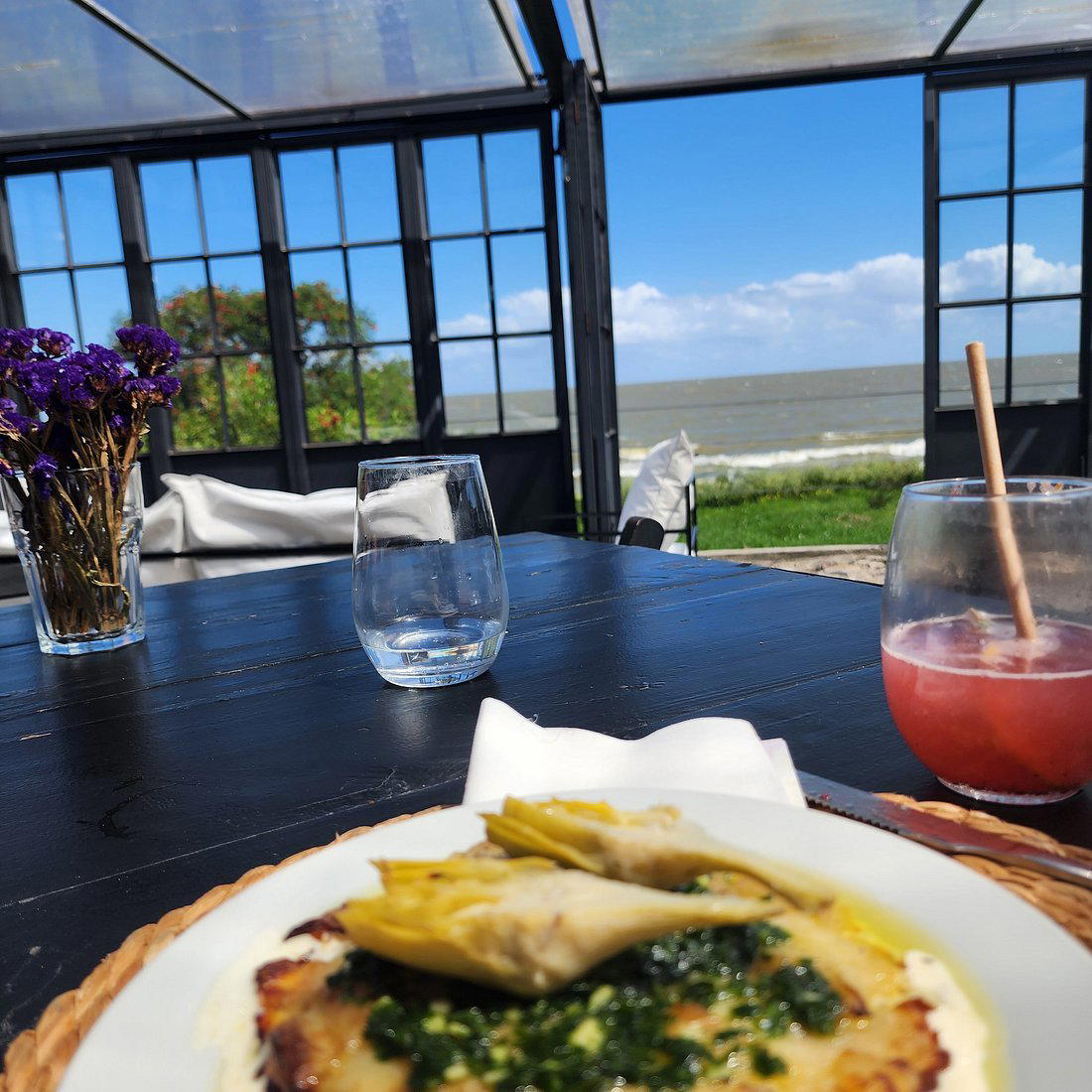

Wineries in Colonia del Sacramento
Browse all →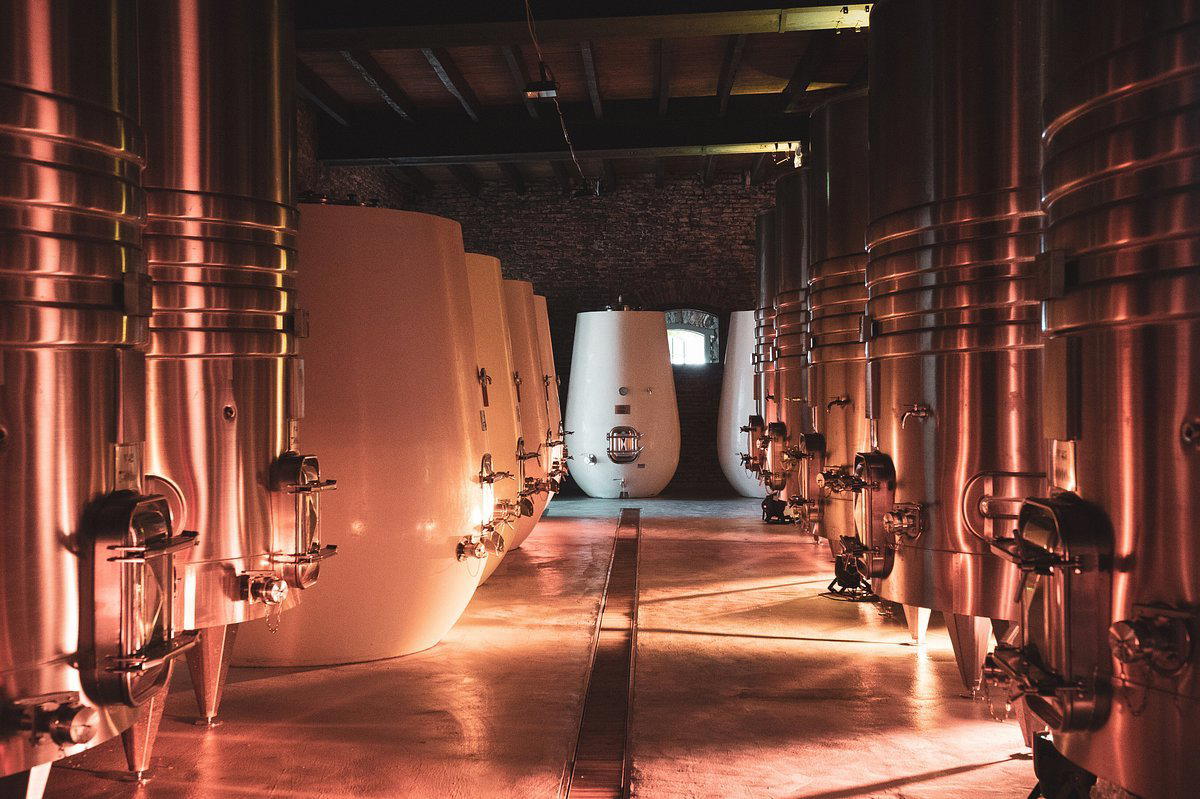
Details
- Cozy
- Casual
- Casual Hangout
- Family
- Open Kitchen
- A La Carte
- Vegetarian Friendly
- Vegan Options
Relaxing atmosphere with an open kitchen offering views of dough tossing, modern simple interior, and a family-friendly homey feel.