Bodega Carrau
Bodega Carrau operates from Las Piedras in Uruguay's Canelones department. One of the country's most established family wine producers, Carrau has roots across multiple Uruguayan regions, with a Las Piedras address that places it inside the Atlantic-influenced corridor where Tannat finds some of its most structured expression. A serious reference point for understanding what Uruguayan terroir can deliver at the prestige tier.

Pearl is the En Primeur Club membership app — saves, bookings, and concierge access live there. Same editors, same standards.
- Address
- Ruta Nal. César Mayo Gutiérrez 2556, 12400 Montevideo, Departamento de Montevideo
- Phone
- +598 2320 0238
- Website
- bodegascarrau.com
- Directions
- Get directions
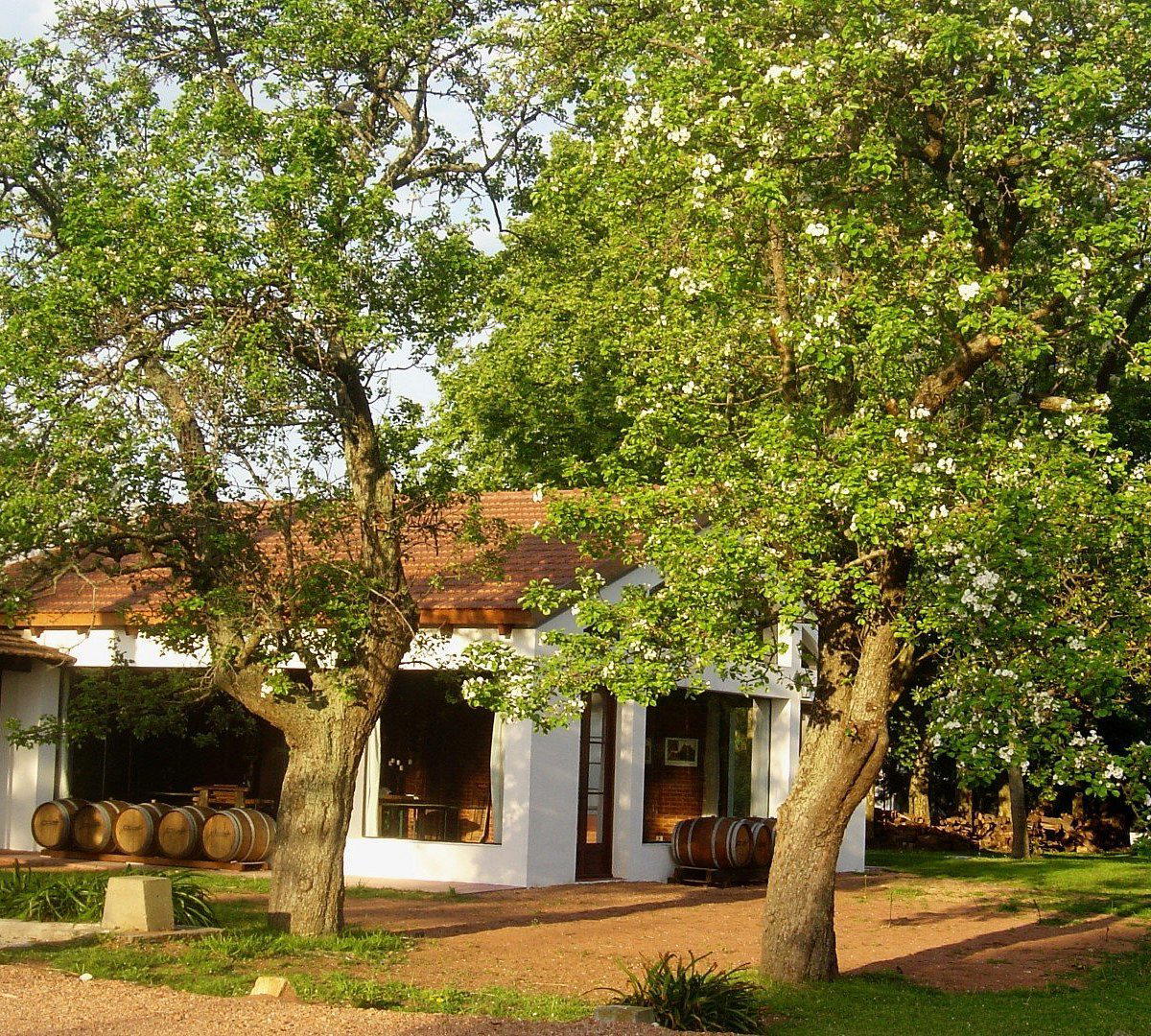
Las Piedras and the Atlantic Corridor
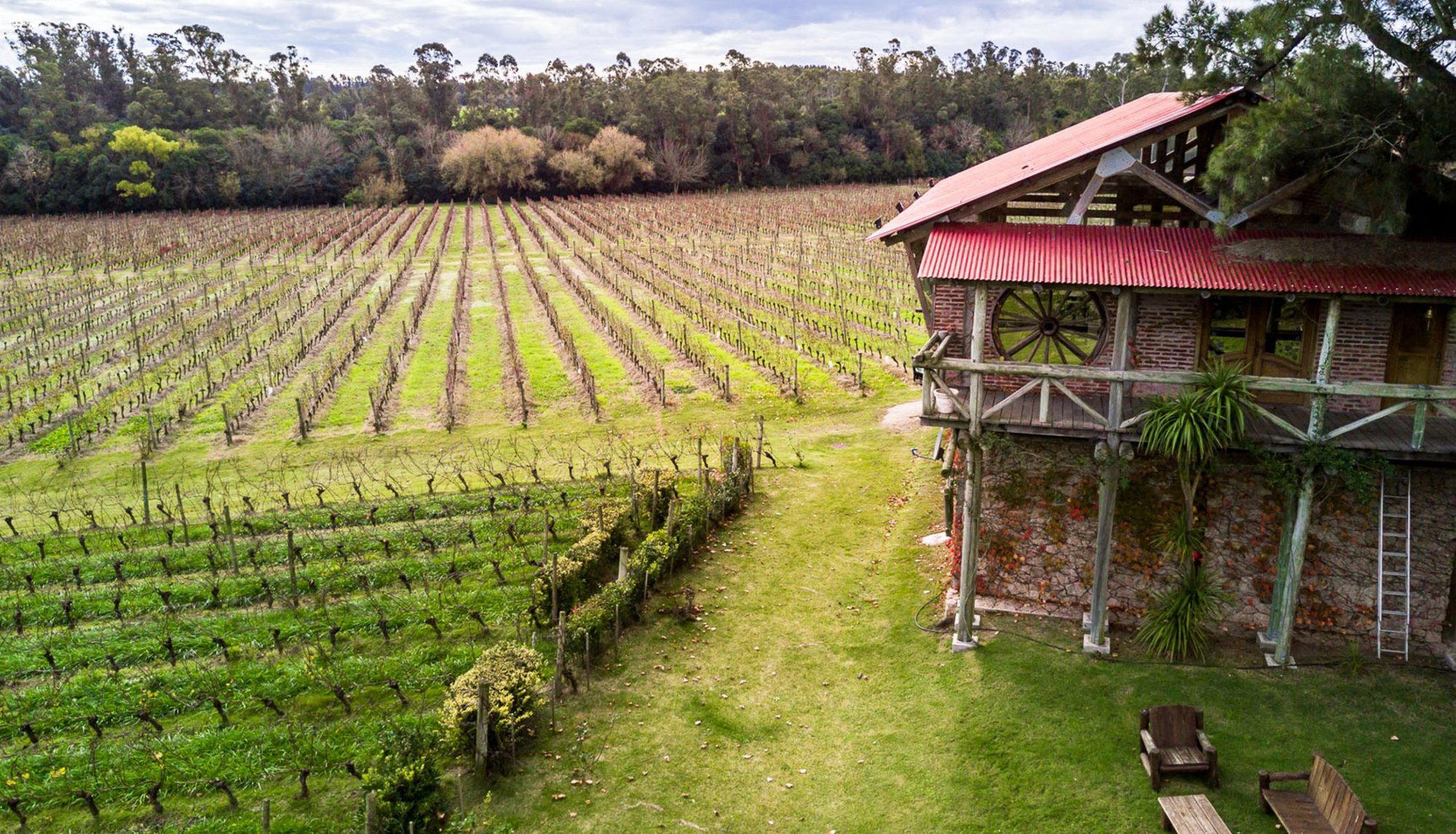
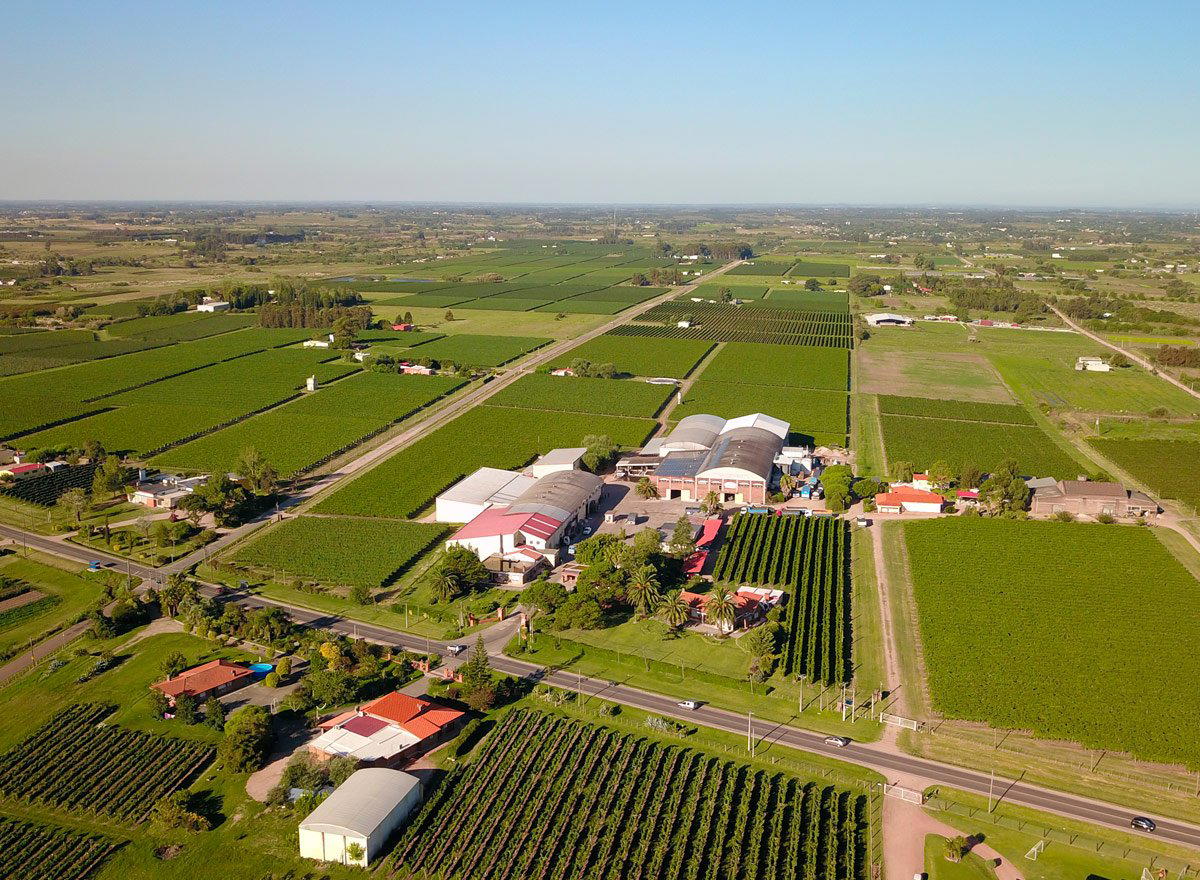
The road from Montevideo into Canelones department passes through a landscape that explains why this stretch of Uruguay became the engine of its wine industry. Las Piedras sits roughly 30 kilometres north of the capital, in a band of low hills and clay-heavy soils that absorbs the Atlantic moisture rolling in from the southeast. The diurnal temperature swings here are significant enough to preserve acidity in warm-climate reds, and the combination of maritime influence with hot summer afternoons has made this zone the most densely planted wine corridor in the country. Bodega Carrau operates from this corridor, and understanding the address is more instructive than any marketing language about the property itself.
Uruguay's wine geography is smaller than its neighbours' but more internally varied than casual observers assume. Canelones accounts for the majority of national production, but within that department the differences between coastal clay soils and the more granitic pockets further inland produce measurably different results. Las Piedras, specifically, sits in the heavier-soil western side of the department, a condition that slows vine vigour, concentrates berry size, and pushes phenolic maturity later into the season. That soil profile matters considerably for Tannat, the variety that defines Uruguayan wine at the international level, and which finds in this terroir a natural brake on its tendency toward aggressive tannin extraction.
Tannat at the Prestige Tier
Uruguay's wine identity is inseparable from Tannat. The variety arrived from the Basque country in the nineteenth century and took hold in Canelones and Colonia in a way that never quite translated to Argentina or Chile, where it remained a blending component rather than a flagship. In Uruguay it became the national grape, and the question serious producers have spent decades answering is how to manage its structural intensity without losing the concentration that makes it worth drinking. Atlantic-influenced terroir in Las Piedras provides one answer: the cooling effect extends the growing season, allowing tannins to soften on the vine rather than requiring aggressive winemaking intervention.
At this level, the expectation is not merely technical competence but a coherent relationship between site, variety, and the finished wine. The Prestige designation in EP Club's system is reserved for producers whose output reflects a disciplined positioning in their competitive set, and in Uruguay that means demonstrating what Atlantic Canelones can do with Tannat and its associated varieties rather than chasing international styles that would be more at home in Mendoza or the Douro. For context on how this rating compares across the Uruguayan peer group, see also Bodega Bouza in Montevideo and Varela Zarranz in Canelones, both of which operate in the same broad regional framework.
The Carrau Family's Geographic Reach
One of the structural distinctions of the Carrau family's wine operation is its geographic spread across Uruguay. While the Las Piedras address anchors the historic heartland of the business, the family also operates Cerro Chapeu (Carrau) in Rivera, a department in the far north of Uruguay near the Brazilian border that has attracted serious attention for its altitude and granite soils. The Rivera operation produces wines with a distinctly different tonal character from the Las Piedras base: higher acid, lighter colour, and a mineral precision that positions those wines in a different conversation from the heavier Atlantic-clay expressions. That combination of warm-lowland Canelones production and high-altitude northern fruit gives the Carrau portfolio an unusual breadth for a Uruguayan producer, covering both the structural and the elegant ends of the country's spectrum.
This regional spread is worth noting because it reflects a broader pattern in Uruguayan fine wine development. The country's producers have increasingly recognised that single-region identity, while commercially coherent, limits the stylistic range they can offer to international buyers. Producers who have established footholds in multiple zones position themselves to demonstrate the full argument for Uruguayan terroir diversity, rather than remaining locked into the Atlantic-clay-and-Tannat narrative that, while accurate, can become reductive when applied to every bottle in the portfolio.
Las Piedras in the Wider Context of Uruguayan Wine
Las Piedras is not the only address serious Uruguayan wine producers have chosen, and comparing the choices is instructive. Bodega Spinoglio, also based in Las Piedras, represents the same Atlantic-clay tradition from a different family lineage. Further afield, Bodega Oceánica José Ignacio in Maldonado operates closer to the Atlantic coast with a different soil profile and a tourist-facing positioning that Las Piedras producers generally do not replicate. El Legado in Carmelo and Bodega Los Cerros de San Juan in Colonia del Sacramento represent the western Río de la Plata bank tradition, where limestone and river influence produce softer, more immediately approachable reds. Each address carries different implications for what ends up in the bottle, and Carrau's Las Piedras base aligns it firmly with the structural, age-worthy end of the Uruguayan spectrum.
For visitors exploring the full range of what Canelones produces, the Las Piedras corridor rewards serious attention. The density of established producers within a short drive of Montevideo makes this one of the more accessible premium wine regions in South America for visitors based in the capital. Planning a visit to Bodega Carrau specifically requires contacting the winery directly, as public booking details are not listed through standard channels. The winery is reachable via Ruta Nacional César Mayo Gutiérrez 2556 in the Montevideo department, and checking the producer's own communications for visit availability is the practical first step. For a broader orientation to what Las Piedras offers across producers, our full Las Piedras guide maps the neighbourhood and its wine character in detail.
How Bodega Carrau Sits in the Prestige Tier
Uruguay remains significantly less visible in export markets than Argentina or Chile, and prestige-rated producers carry a disproportionate responsibility for shaping international perception of what the country can produce. The structural argument for Las Piedras Tannat, when it comes from a producer operating at this tier, is one of the more compelling cases for Atlantic South American viticulture outside the established Chilean coastal appellations. For those tracking how Atlantic-influence zones compare globally, the peer conversation is not with Mendoza or even Colchagua, but with producers operating in maritime-buffered conditions in Portugal's Alentejo or southern Spain's Atlantic-facing zones.
That consistency matters in a climate that delivers genuine vintage variation, which Atlantic Uruguay does. The combination of 2025 recognition with the Carrau family's documented regional breadth through the Rivera operation suggests a producer managing both the demands of their home terroir and the opportunities of Uruguay's geographic diversity with a degree of deliberateness that the rating reflects.
Producers working in adjacent categories and geographies with comparable prestige-tier positioning include Accendo Cellars in St. Helena, Adelaida Vineyards in Paso Robles, and Adelsheim Vineyard in Newberg, all of which demonstrate the kind of site-specific, consistent production that prestige designation implies regardless of region. For context from older European production traditions, Aberlour in Aberlour and Achaia Clauss in Patras illustrate how long-established producers in their respective categories maintain positioning across generations. Gin Pinares (Sacramento Spirits) in Punta del Este represents the spirits side of Uruguayan premium production, a useful reference point for understanding the country's broader premium drinks development beyond wine.
A Quick Peer Check
Comparable venues nearby, for context on price, style, and recognition.
| Venue | Cuisine | Price | Awards | Notes |
|---|---|---|---|---|
| Bodega CarrauThis venue — the venue you are viewing | Tannat, Malbec | Not listed | Not listed | Not listed |
| Bodega Spinoglio | Tannat, Cabernet Sauvignon | Not listed | Not listed | Cuchilla Pereyra |
| Portón del Uruguay | Winery | Not listed | Not listed | Montevideo |
| Bodega Juanicó (Familia Deicas) | Tannat, Merlot | $50–100 | Not listed | Juanicó |
| Bodega Traversa | Tannat, Sauvignon Blanc | $30–50 | Not listed | Montevideo |
| Bracco Bosca | Tannat, Moscatel de Hamburgo | Not listed | Falstaff Winery - Listed | Atlántida |
Continue exploring
More in Las Piedras
Wineries in Las Piedras
Browse all →
Bars in Las Piedras
Browse all →

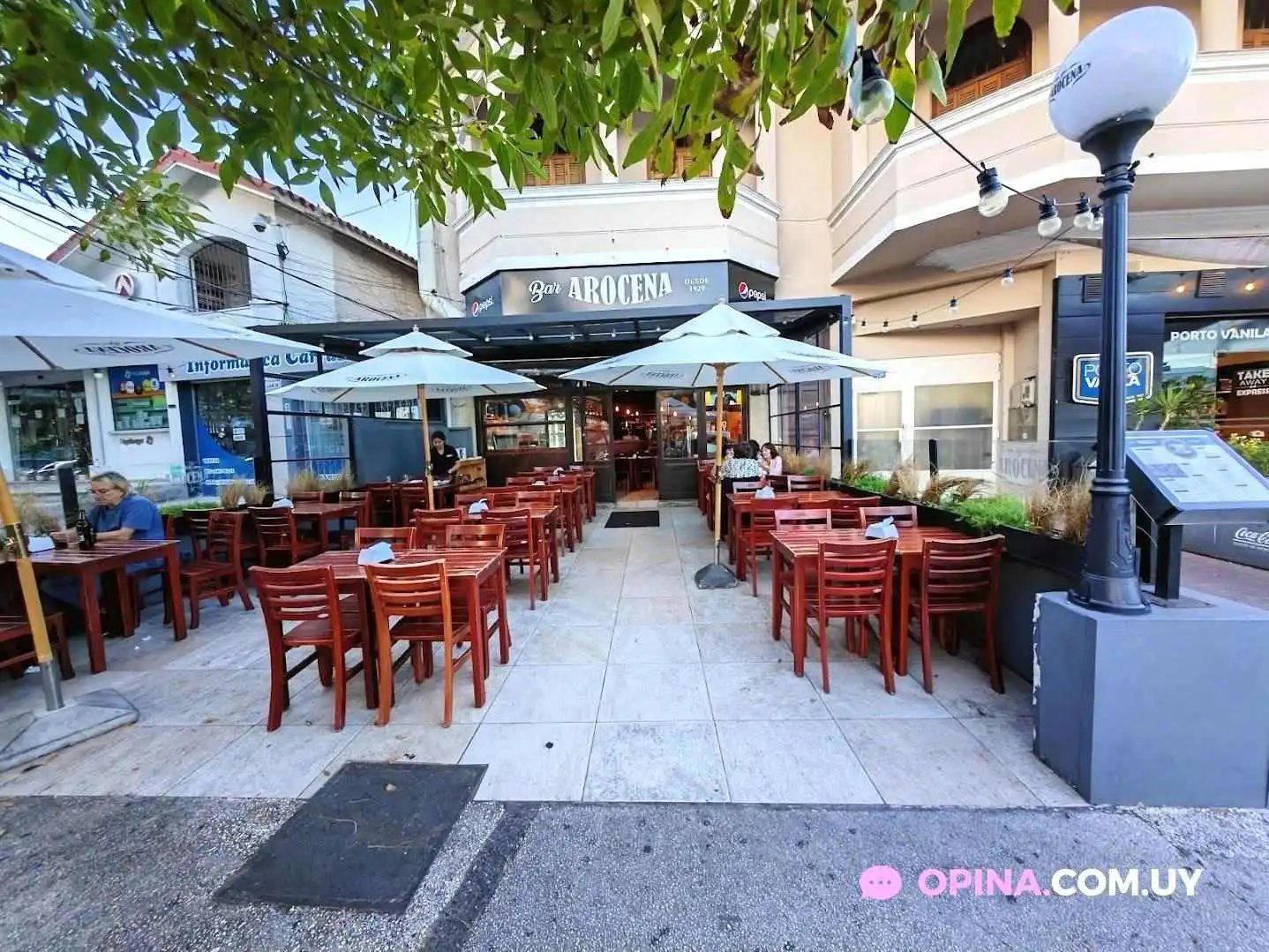

Restaurants in Las Piedras
Browse all →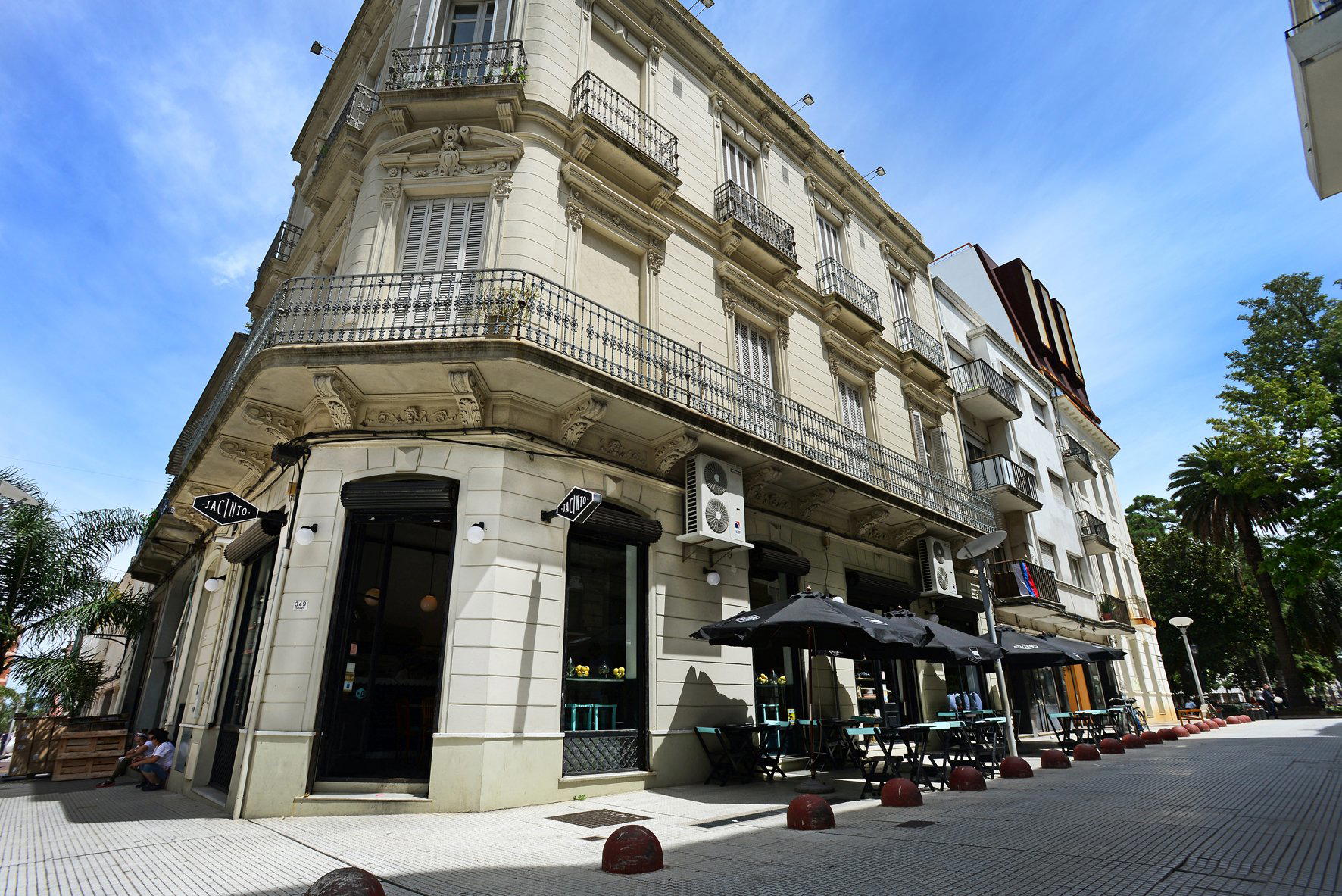
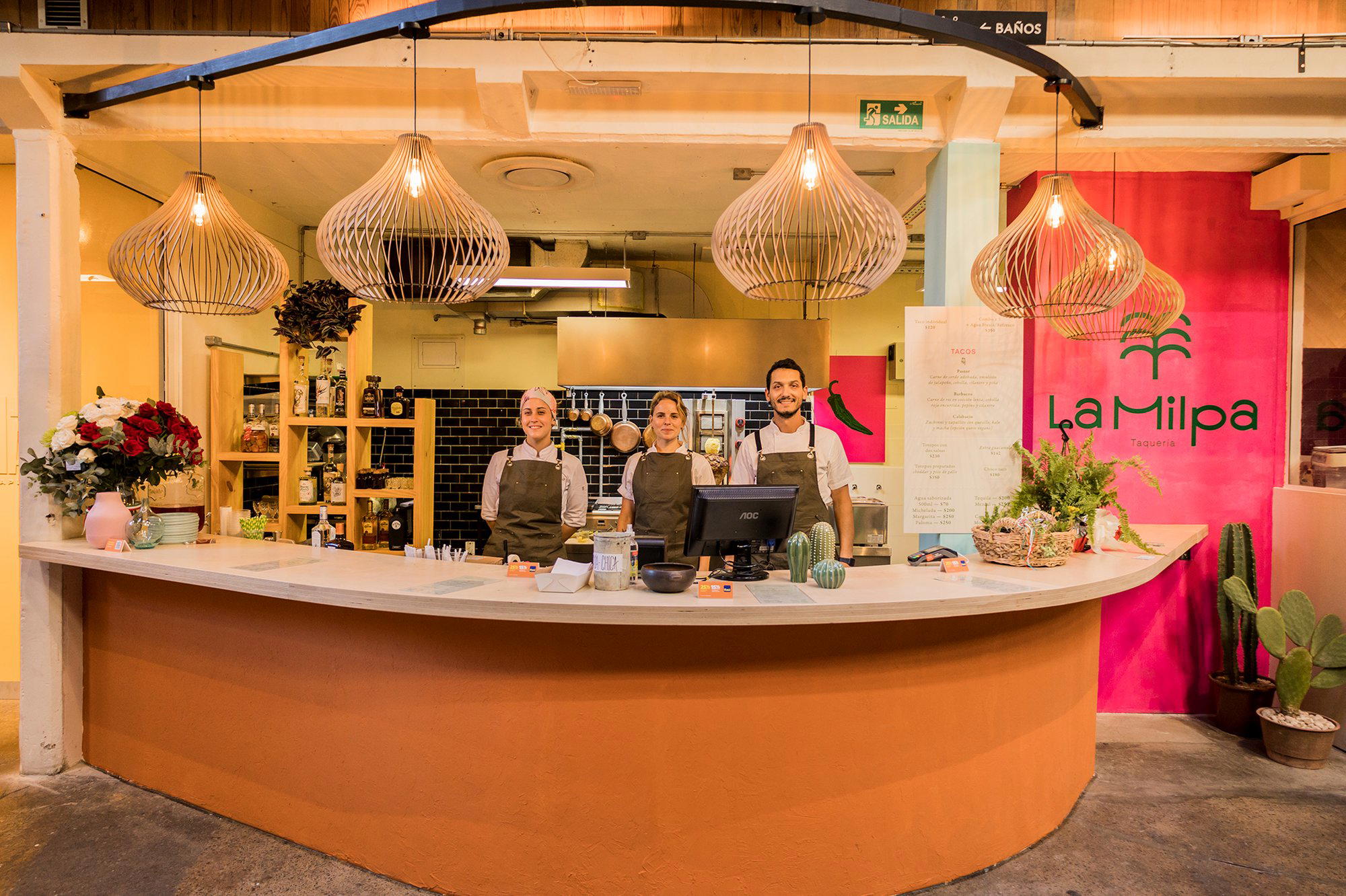
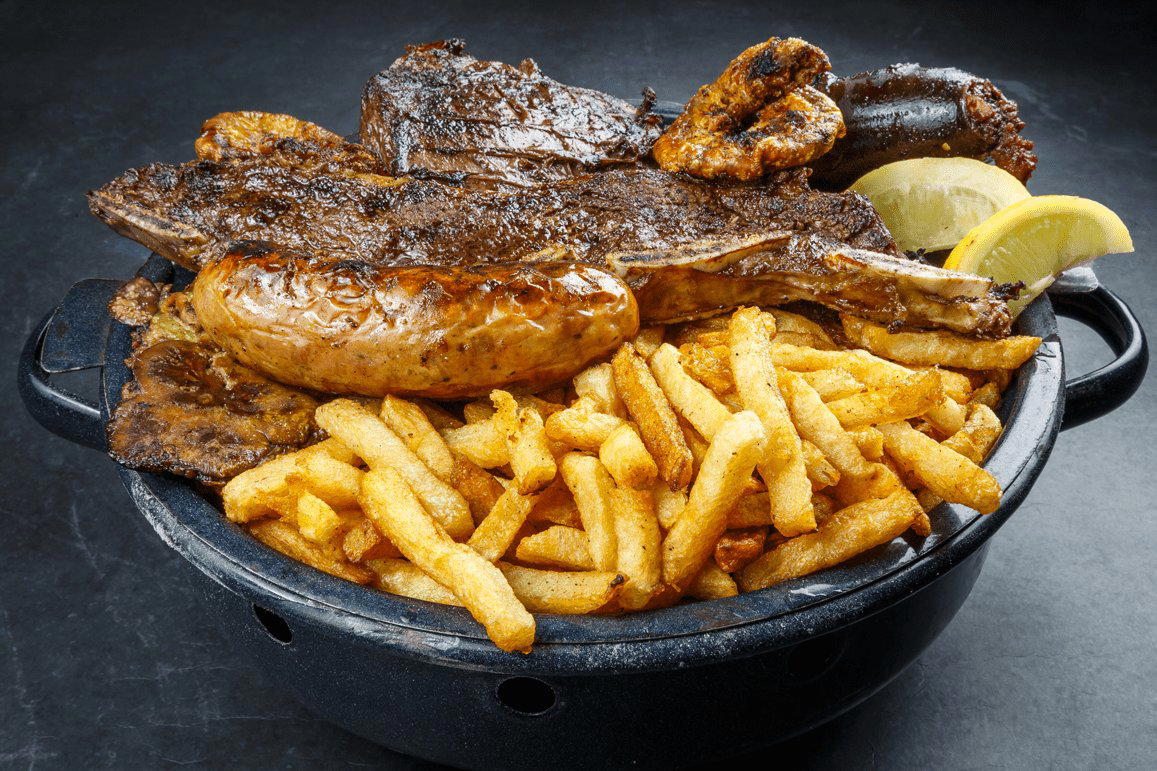



Details
- Classic
- Rustic
- Scenic
- Wine Education
- Group Outing
- Vineyard Tour
- Vineyard
- Tannat
- Malbec
- Merlot
- Cabernet Sauvignon
- Sauvignon Blanc
- Chardonnay
- Still Red
- Guided Tasting
Historic and passionate atmosphere amidst dramatic vineyards with a focus on traditional winemaking.