


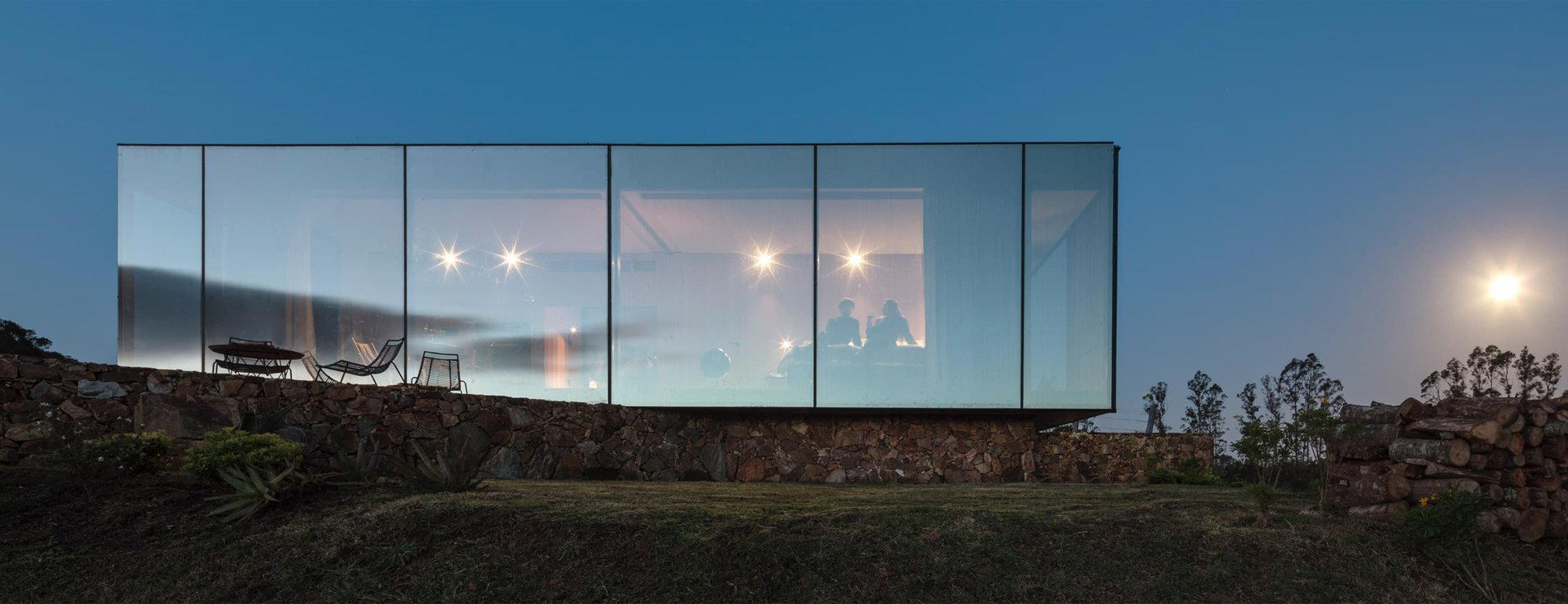
Hotel Fasano Punta del Este occupies 490 hectares in La Barra, opening in 2010 as the Fasano brand's first address outside Brazil. Isay Weinfeld's award-winning architecture frames views across the Maldonado river, while 30 rooms and suites spread across a main building and private bungalows. January bookings require at least four months' advance notice; full accommodation opens November through March.
Pearl is the En Primeur Club membership app — saves, bookings, and concierge access live there. Same editors, same standards.
- Address
- Cno. C. Egusquiza y Paso del Barranco, S/N, 20400 Punta del Este, Departamento de Maldonado
- Phone
- +598 4267 0000
- Website
- fasano.com.br
- Directions
- Get directions
 Saves & bookings on Pearl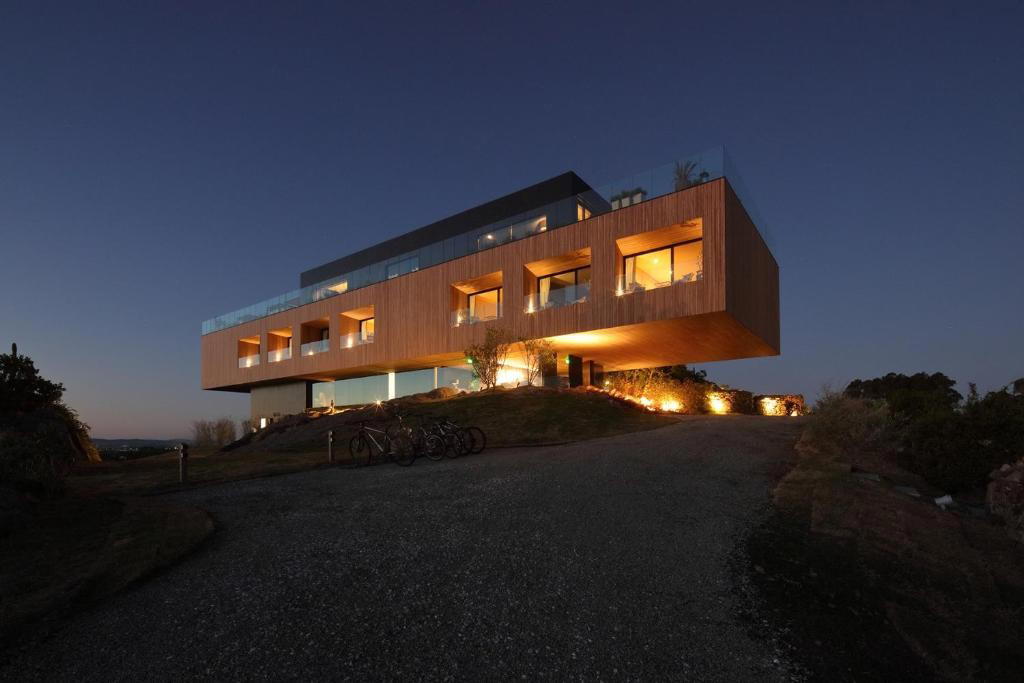
Where the Pampas Meets the River
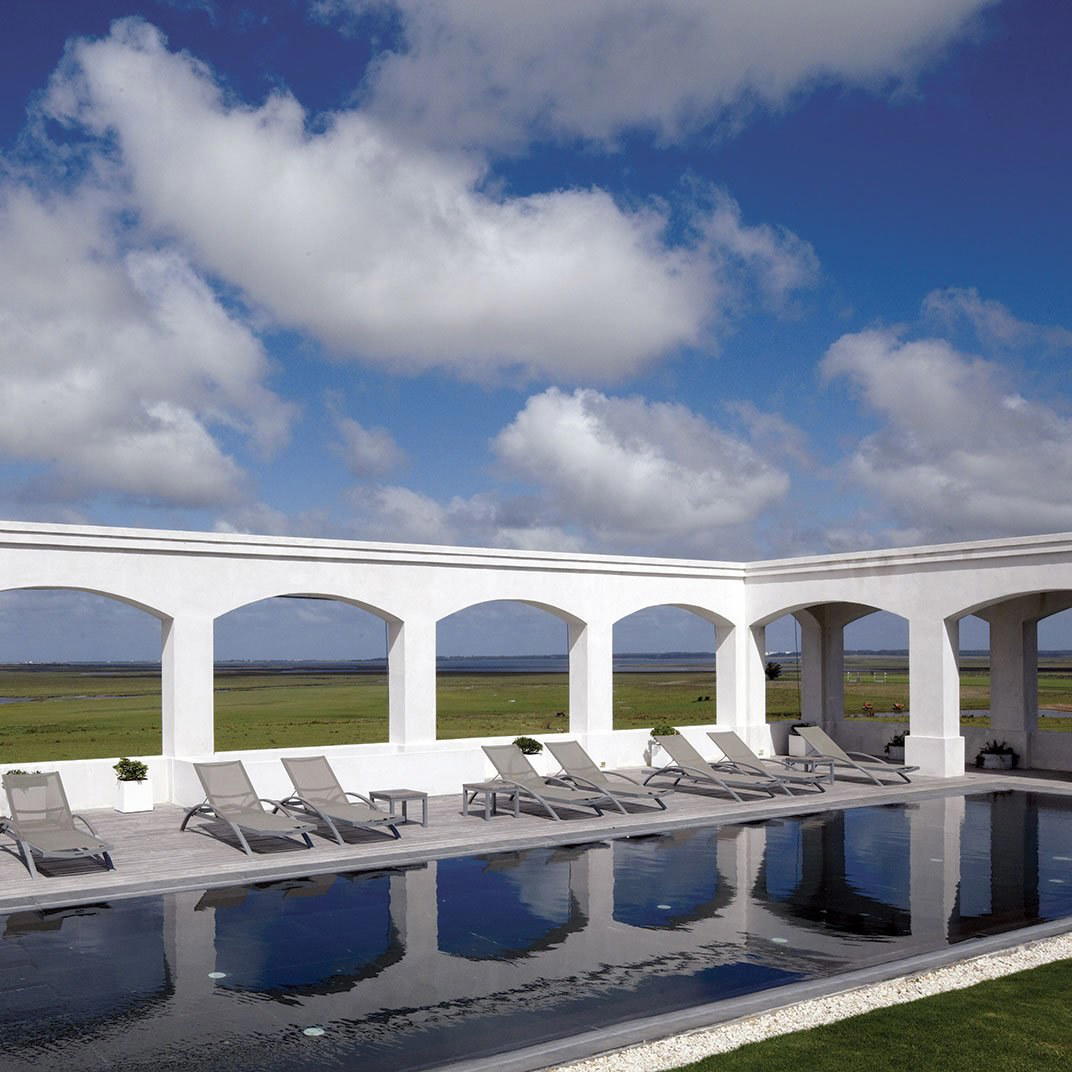
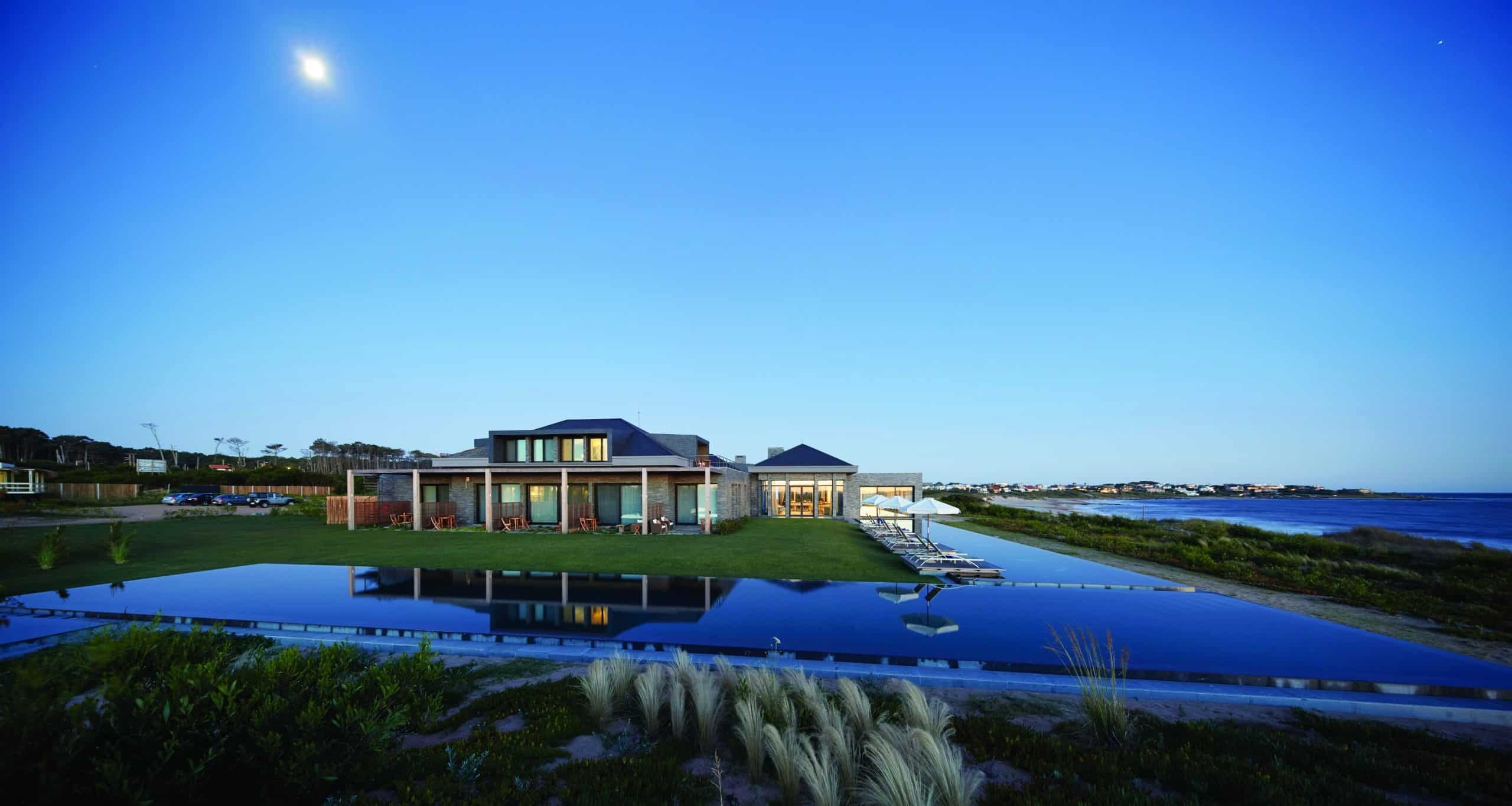
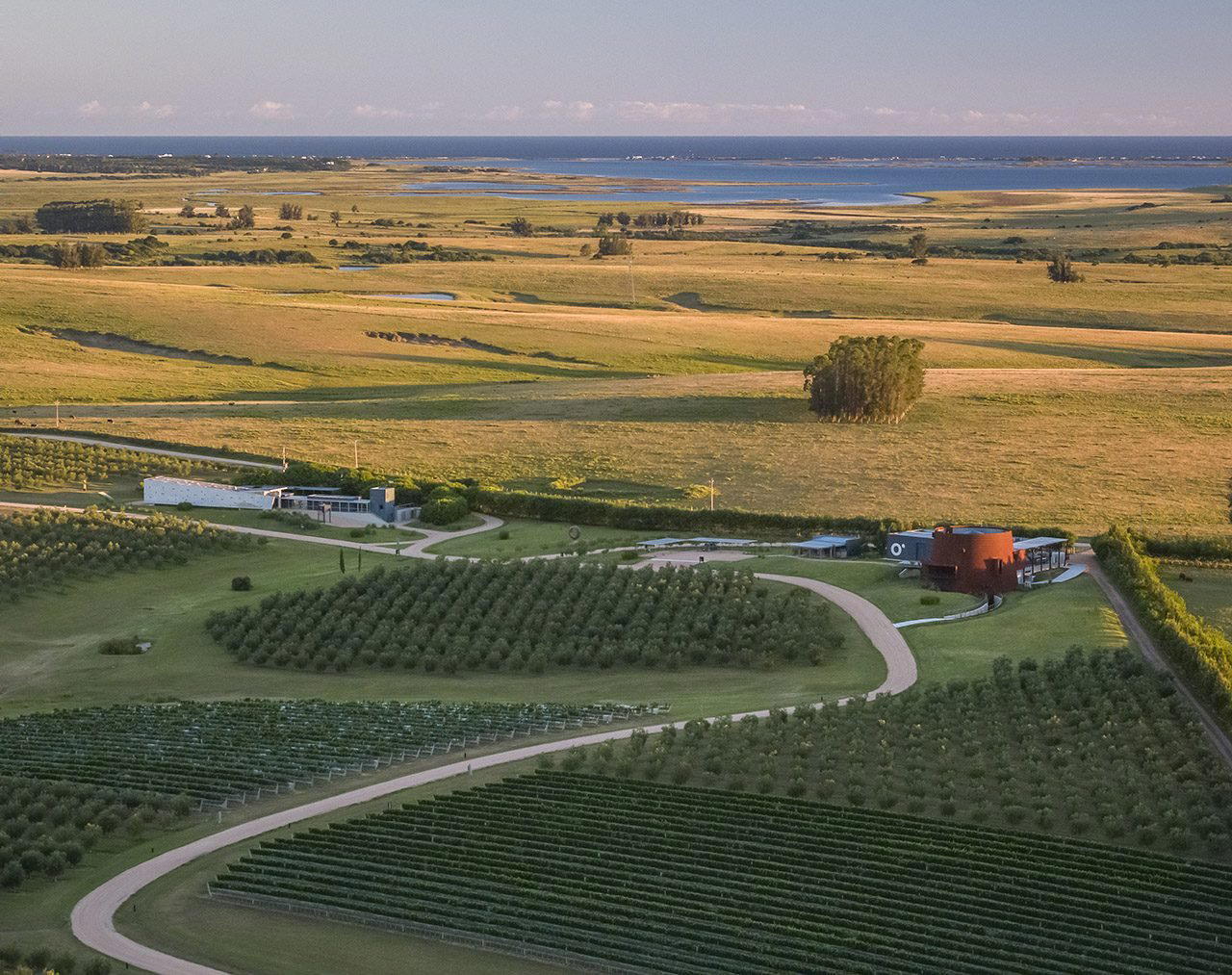
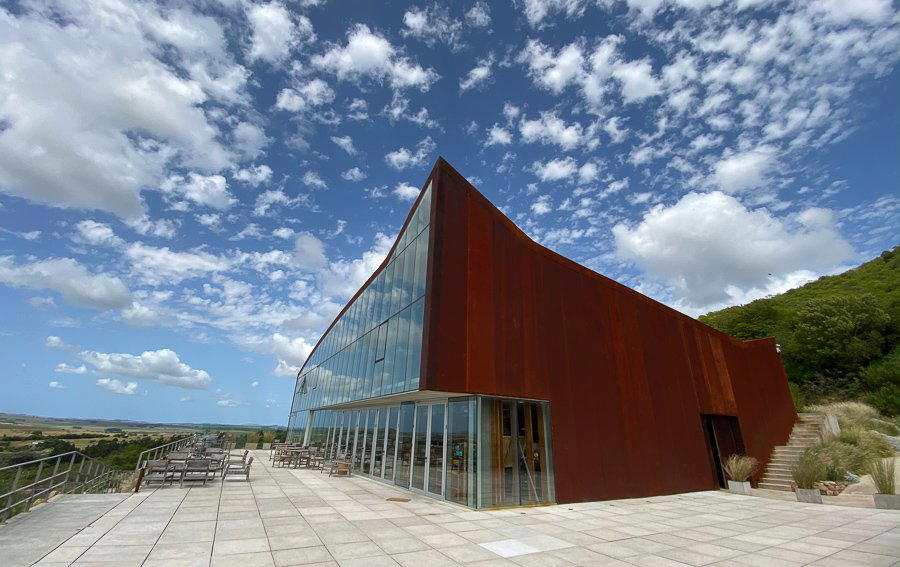
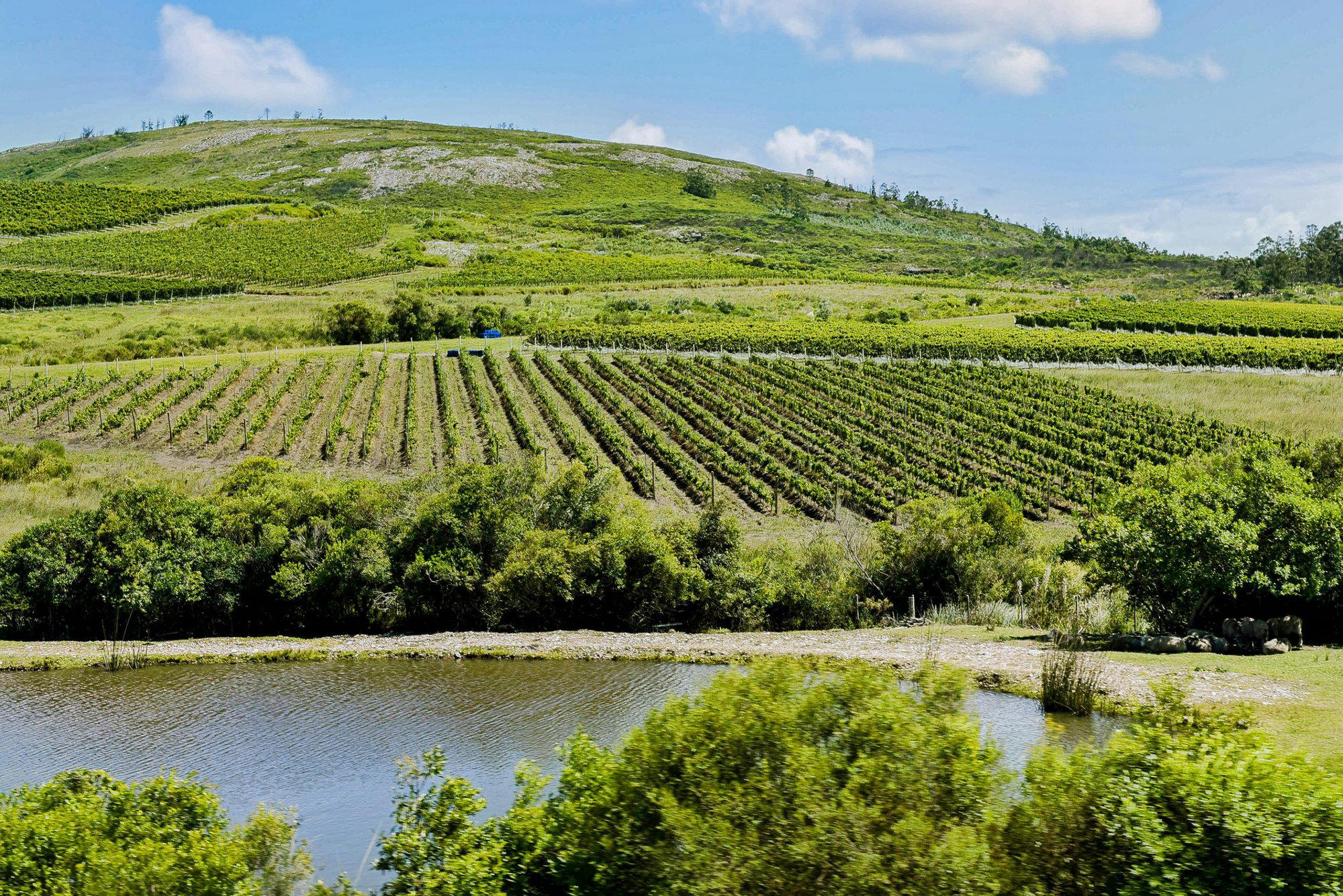
Arriving at Hotel Fasano Punta del Este, the first thing that registers is the scale of what has been left alone. The property spreads across 490 hectares in La Barra, a quieter residential corridor east of the main peninsula, where the Maldonado river opens toward the Atlantic and the terrain rolls in low, scrub-covered hills. Architect Isay Weinfeld, whose work on this project earned architectural recognition internationally, positioned the buildings to read as part of the topography rather than interruptions of it. Floor-to-ceiling windows and generous balconies run throughout both the main building and the scattered bungalows, so the relationship between interior and landscape is continuous rather than occasional.
This is the model that a specific tier of Latin American luxury resort has moved toward: not a manicured resort compound that could sit anywhere, but a property whose character is inseparable from its specific geography. Properties like Bahia Vik José Ignacio and Estancia Vik Jose Ignacio operate in the same register further along the coast. Hotel Fasano Punta del Este sits in that cohort, distinguished by the Fasano group's dining infrastructure and the architectural ambition Weinfeld brought to the project.
The Fasano Dining Identity in an Uruguayan Setting
The Fasano group built its reputation in São Paulo through restaurants before hotels, and that sequence shapes how the brand approaches food and beverage at every address. At the Punta del Este property, the Fasano Restaurant anchors the dining programme, occupying its own building on the grounds. The restaurant's position within the property, and the group's established culinary standards in Brazil, place it in a different category from the poolside-and-buffet approach that defines most resort dining at comparable price points in Uruguay.
When the property underwent its 2016 expansion, the addition of Locanda Fasano, designed by Carolina Proto, extended the dining and social infrastructure rather than simply adding keys. The Locanda concept, drawn from the Italian word for a simple inn or tavern, typically signals a more relaxed register than a full Fasano restaurant, offering guests a lower-formality alternative within the same grounds. A new lounge, pool, solarium, and bar were unveiled alongside the Locanda in that expansion, giving the property a more layered social geography than it had at opening.
For a destination that attracts the kind of visitor who dresses carefully even for a beach walk, having multiple distinct dining and drinking environments within the property is not incidental. It allows guests to modulate the formality of an evening without leaving the grounds, which matters particularly during January, when the surrounding La Barra area draws dense summer traffic and the property's self-contained character becomes an asset rather than a limitation. See our full Uruguay restaurants guide for context on where the Fasano dining programme sits within the broader Punta del Este food scene.
Thirty Keys Across Two Formats
The accommodation divides between 20 bungalows distributed across the grounds and 10 rooms and suites in the main building, with the post-2016 Locanda adding 10 further apartments and suites. Vintage furniture and large beds are consistent across both formats, and suites in both the bungalows and the main building include a living room. The more notable suites in the main building introduce a crystal wall between the bathroom and the exterior, making it possible to look out across the hillside from the bath, a detail that photographers and design-oriented guests reference repeatedly in reviews.
The bungalow format trades proximity to central amenities for a greater degree of separation from other guests. On a 490-hectare property where foxes, hares, and lizards appear regularly around the grounds, that separation carries a particular quality: the sense of being in a rural landscape rather than a resort. Connected room configurations are available for families, and on-site golf carts are provided to all guests for moving around the property's considerable spread.
Seasonality governs access to the full complement of rooms. From November through March, all 30 bungalows and rooms are operational. Outside those months, only the 10 rooms in the main building remain open, making the property function as a smaller, quieter retreat through the Uruguayan autumn and winter. January is the most compressed booking window: four months or more of advance notice is the working minimum for that month.
Activity and Spa Infrastructure
The amenities programme is broad relative to the property's key count. Water sports on the river, golf, tennis, and polo are available on or near the grounds, and a private river beach sits within the property for guests who prefer not to travel the few minutes to the Atlantic-facing beaches. For those prioritising spa time, the facility occupies its own building with an indoor garden and six aromatherapy fragrance options for massage treatments. The spa has a dedicated room for guests who travel with their own stylist, a detail that reflects the kind of guest the property attracts during the southern hemisphere summer season.
A children's playroom with toys, table games, and costumes operates as a kids' club, which positions the property as more family-flexible than the spa-and-silence model that properties like Amangiri or Aman Venice project. The library, with books distributed through common areas as well as in a dedicated reading room, sits alongside the activity options rather than as the primary identity of the property.
The property has its own heliport, which makes it accessible by helicopter from Montevideo or from José Ignacio, removing the transfer logistics that complicate arrival at more remote coastal properties. Car, taxi, and Uber access from central Punta del Este are available, and the hotel staff can assist with rental car arrangements for guests who prefer to self-drive.
La Barra in Regional Context
La Barra sits between the urban concentration of Punta del Este's main peninsula and the quieter village character of José Ignacio to the east. That positioning means Hotel Fasano Punta del Este has proximity to the social scene of Punta without being embedded in it, an arrangement that smaller properties in the area, including Casa Flor Hotel Boutique in La Barra, also exploit. The difference at Fasano is the acreage: 490 hectares creates a buffer that no boutique property in the corridor can replicate.
For travellers comparing across the broader Fasano portfolio, Fasano Las Piedras Punta Del Este represents the group's more rural, estancia-inflected expression in the same general destination. The two properties offer different spatial registers within the same brand identity. Internationally, the Fasano Punta del Este's scale and dining-led positioning invites comparison with estates like Castello di Reschio in Lisciano Niccone or Hotel Du Cap-Eden-Roc, where the grounds and culinary programme carry as much weight as the room product. For a broader read on Uruguay's hotel tier, Hotel Montevideo offers the contrast of an urban base in the capital.
Planning Your Stay
The heliport removes the most significant access obstacle. Guests should plan arrival and departure transfers in advance, particularly during January and February when ground transport demand peaks across the Punta del Este corridor. The full accommodation inventory is available November through March only; if your dates fall outside that window, expect the experience to centre on the main building's 10 rooms rather than the bungalow spread. Book January dates a minimum of four months ahead.
Recognition history
Dated appearances from independent guides and award organizations, with the underlying list record or original source where available.
Forbes Recommended
Forbes
Virtuoso Luxury Hotel Partner
Virtuoso
Forbes Recommended
Forbes
Michelin 1 Key
Michelin
Continue exploring
More in Uruguay
Hotels in Uruguay
Browse all →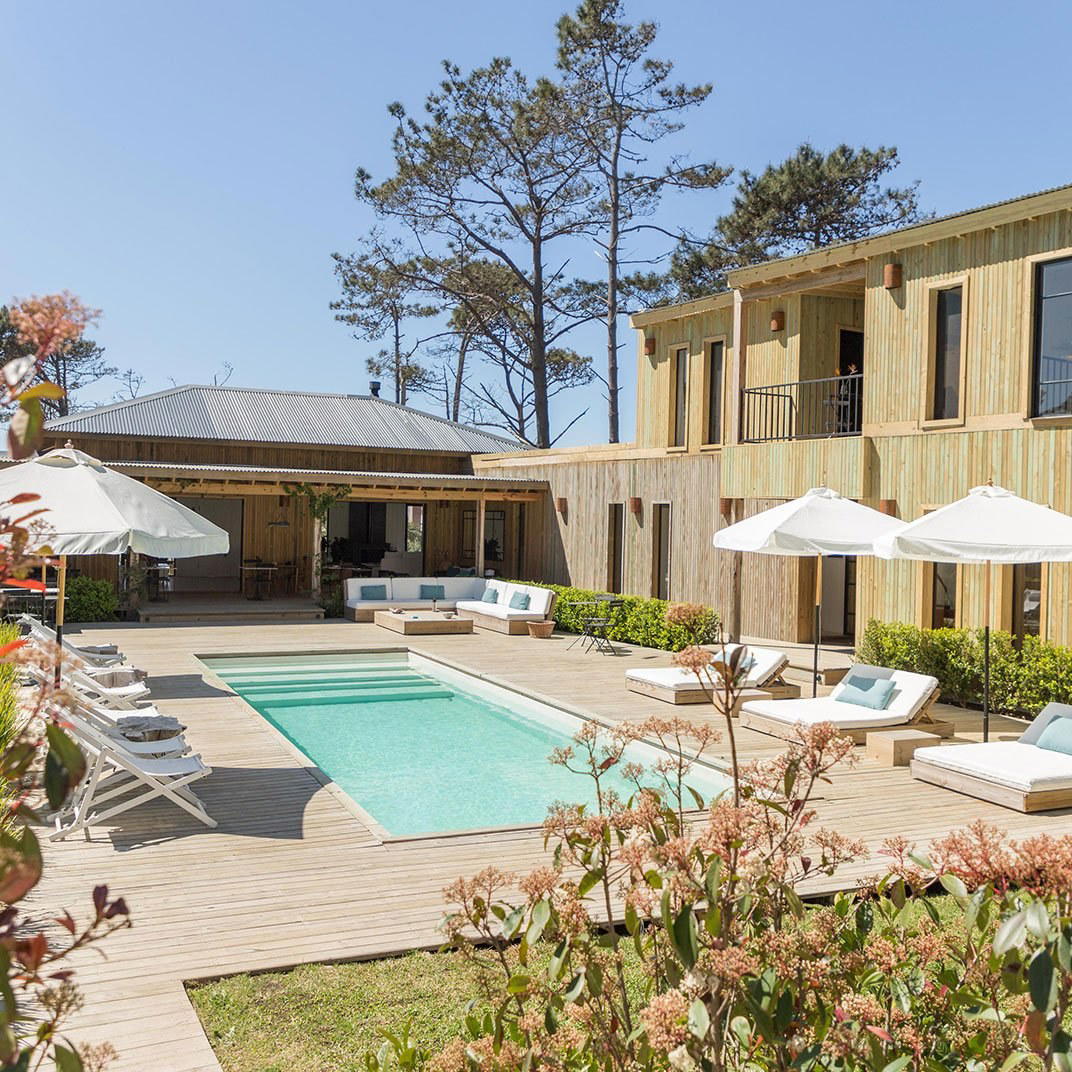
Bars in Uruguay
Browse all →
Restaurants in Uruguay
Browse all →
At a Glance
- Elegant
- Sophisticated
- Scenic
- Modern
- Honeymoon
- Romantic Getaway
- Wellness Retreat
- Golf Course
- Panoramic View
- Pool
- Spa
- Fitness Center
- Room Service
- Concierge
- Valet Parking
- Wi Fi
- Restaurant
- Tennis
- Golf Course
- Private Beach
- Waterfront
- Garden
- Pool
- Spa
- Fitness Center
- Room Service
- Concierge
- Valet Parking
- Wi Fi
- Restaurant
- Tennis
- Golf Course
- Private Beach
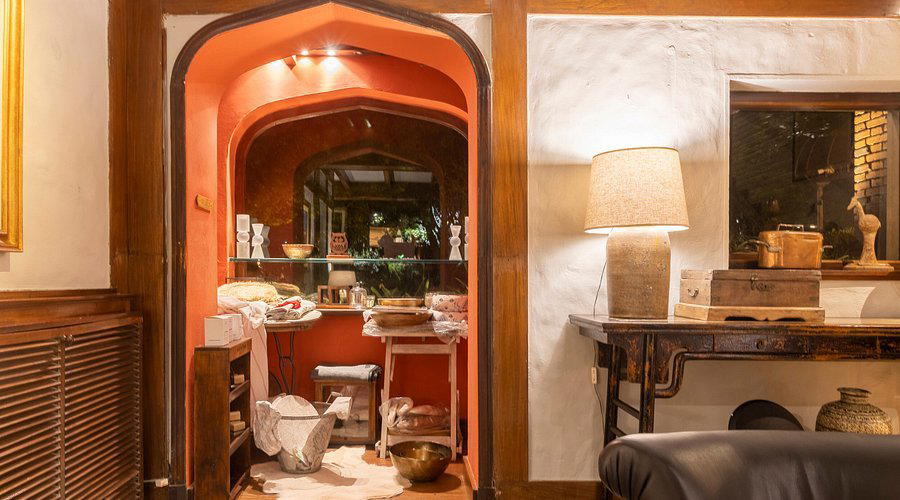
Elegant and serene with high-quality woodwork, comfortable beds, and thoughtful details creating a sophisticated, relaxing atmosphere.
Know Before You Go
- Getting there
- Cno. C. Egusquiza y Paso del Barranco, S/N, 20400 Punta del Este, Departamento de Maldonado