Cerro Chapeu (Carrau) sits on Uruguay's northern frontier in Rivera, where the Brazilian border shapes both the climate and the character of the wines produced here..

Pearl is the En Primeur Club membership app — saves, bookings, and concierge access live there. Same editors, same standards.
- Address
- Linea divisoria s/n, 40000 Rivera, Departamento de Rivera
- Phone
- +598 98 844 944
- Website
- cerrochapeu.com
- Directions
- Get directions
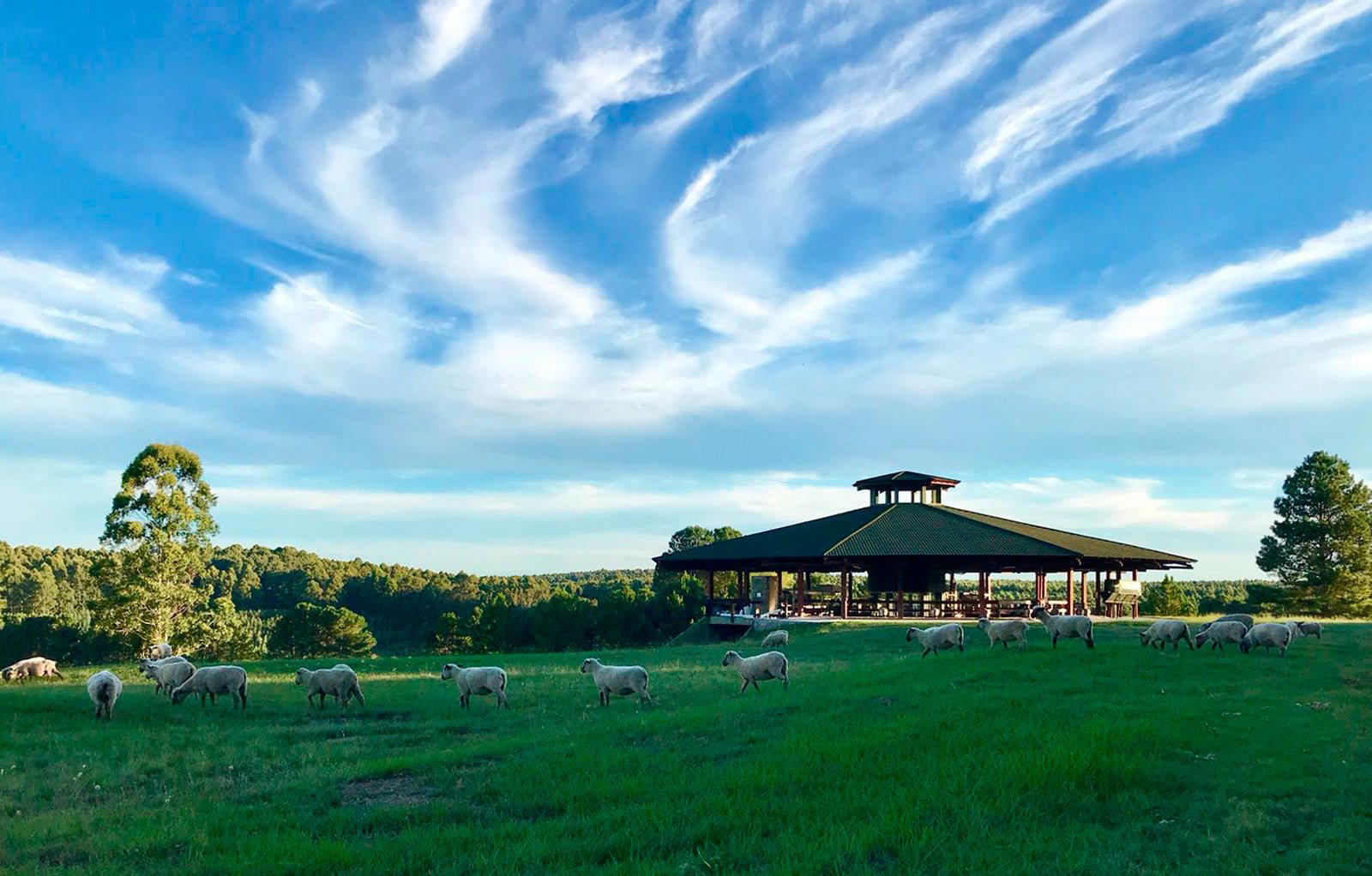
Where the Land Dictates Everything
The northern edge of Uruguay is not where most wine drinkers expect to find serious viticulture. Out here, the continental character of the climate takes hold: hotter summers, cooler nights, and a soil profile shaped by ancient granite and red laterite rather than the clay-loam combinations that dominate Uruguay's wine heartland further south.
That specificity is not incidental. The Carrau family, whose broader winemaking operation is documented across multiple Uruguayan sites including their Bodega Bouza in Montevideo and Bodega Oceánica José Ignacio in Maldonado have built reputations on Atlantic-influenced viticulture.
The granite and red ferralitic soils around Cerro Chapeu drain efficiently and impose a degree of stress on the vine that encourages smaller berries and more concentrated juice. In years where summer heat accumulates significantly, this translates to wines with structural density that peers from cooler, wetter southern zones do not routinely achieve. In cooler vintages, the elevation does the work of preserving freshness. The result is a site that reads differently depending on the year, which is precisely what makes it interesting from a terroir standpoint, rather than a liability to manage around.
Tannat, Uruguay's national variety and the grape most associated with its fine wine identity, performs with particular legibility at altitude. The variety's natural tannin load, which winemakers in the south often work to soften through extended maceration and barrel management, can be framed differently when the fruit itself carries more concentrated phenolics from altitude-driven stress.
Recognition and Competitive Position
It signals that the terroir argument is not merely theoretical.
Varela Zarranz in Canelones works the country's most intensively farmed zone. Bodega Los Cerros de San Juan in Colonia del Sacramento operates in a cooler, humidity-affected southwest corridor. El Legado in Carmelo draws on the Uruguay River's moderating influence. That Cerro Chapeu earns recognition operating from a site none of these producers share suggests the northern frontier is producing wines that hold their own in cross-regional comparison rather than simply trading on geographic curiosity. The city itself sits directly on the Brazilian border, merging with the Brazilian city of Santana do Livramento in a way that makes the crossing feel more like a neighbourhood change than an international departure. For wine visitors, the combination of the border town atmosphere and the surrounding agricultural landscape provides a context that is markedly different from the polished wine tourism infrastructure of Punta del Este or Carmelo.enprimeurclub.
The Carrau Family's Northern Commitment
The Carrau name spans several generations of Uruguayan wine history and multiple production sites across the country. The decision to maintain and develop Cerro Chapeu as a distinct operation rather than absorbing its fruit into a centralised production facility reflects a conviction that the site's character is worth expressing separately. This approach mirrors what producers in established wine regions have long understood: that blending away terroir difference in the name of consistency produces wines that are easier to manage commercially but less interesting critically.
Other Uruguayan producers with multi-site ambitions or coastal orientations, including Bodega Cerro del Toro in Piriápolis, operate in zones where the Atlantic's influence is immediate. Whether through Tannat, or through other varieties suited to higher-altitude continental conditions, the site's output represents a distinct chapter in Uruguay's wine story rather than a footnote to its southern mainstream.
For readers building a serious picture of Uruguayan wine beyond the Montevideo-to-Punta del Este corridor, Cerro Chapeu is a necessary data point. Visitors with an interest in the broader South American wine picture might also find comparative value in looking beyond Uruguay entirely, from Accendo Cellars in St. Helena to Adelaida Vineyards in Paso Robles and Adelsheim Vineyard in Newberg, all of which demonstrate how altitude and continental climatic influence shape wine character in different hemispheres. Even further afield, the granite-rooted character of Aberlour in Aberlour and the limestone-driven approach at Achaia Clauss in Patras offer useful reference points for thinking about how geology expresses itself in fermented products across traditions and continents.
How It Stacks Up
Comparable venues nearby, for context on price, style, and recognition.
| Venue | Cuisine | Price | Notes |
|---|---|---|---|
| Cerro Chapeu (Carrau)This venue — the venue you are viewing | Tannat, Cabernet Sauvignon | Not listed | Not listed |
| Espíritu Libre Destilería | Winery | Not listed | Montevideo |
| Gin Pinares (Sacramento Spirits) | Winery | Not listed | Punta del Este |
| Portón del Uruguay | Winery | Not listed | Montevideo |
| Bodega Carrau | Tannat, Malbec | Not listed | Las Piedras |
| Varela Zarranz | Tannat, Cabernet Sauvignon | $30–50 | Joaquín Suarez |
Details
- Modern
- Scenic
- Rustic
- Wine Education
- Group Outing
- Vineyard Tour
- Panoramic View
- Sustainable
- Vineyard
- Tannat
- Cabernet Sauvignon
- Petit Manseng
- Viognier
- Pinot Noir
- Chardonnay
- Nebbiolo
- Still Red
- Still White
- Sparkling
- Cave Tasting
- Estate Grounds
- English
- Spanish
- Portuguese
Modern, high-tech facility with an octagonal spaceship-like roof set in dramatic, unspoiled countryside hills.