Garzon
In the village of Garzón, Maldonado Department, this restaurant operates at the intersection of Uruguay's asado tradition and a more considered, slower approach to the meal. The pacing here is deliberate, the setting rural, and the broader context is a small town that has quietly become one of South America's more interesting dining destinations over the past decade.
Pearl is the En Primeur Club membership app — saves, bookings, and concierge access live there. Same editors, same standards.
- Address
- Costa Jose Ignacio y, 20401 Garzón, Departamento de Maldonado, Uruguay
- Phone
- +59844102811
- Website
- restaurantegarzon.com
- Directions
- Get directions
 Saves & bookings on Pearl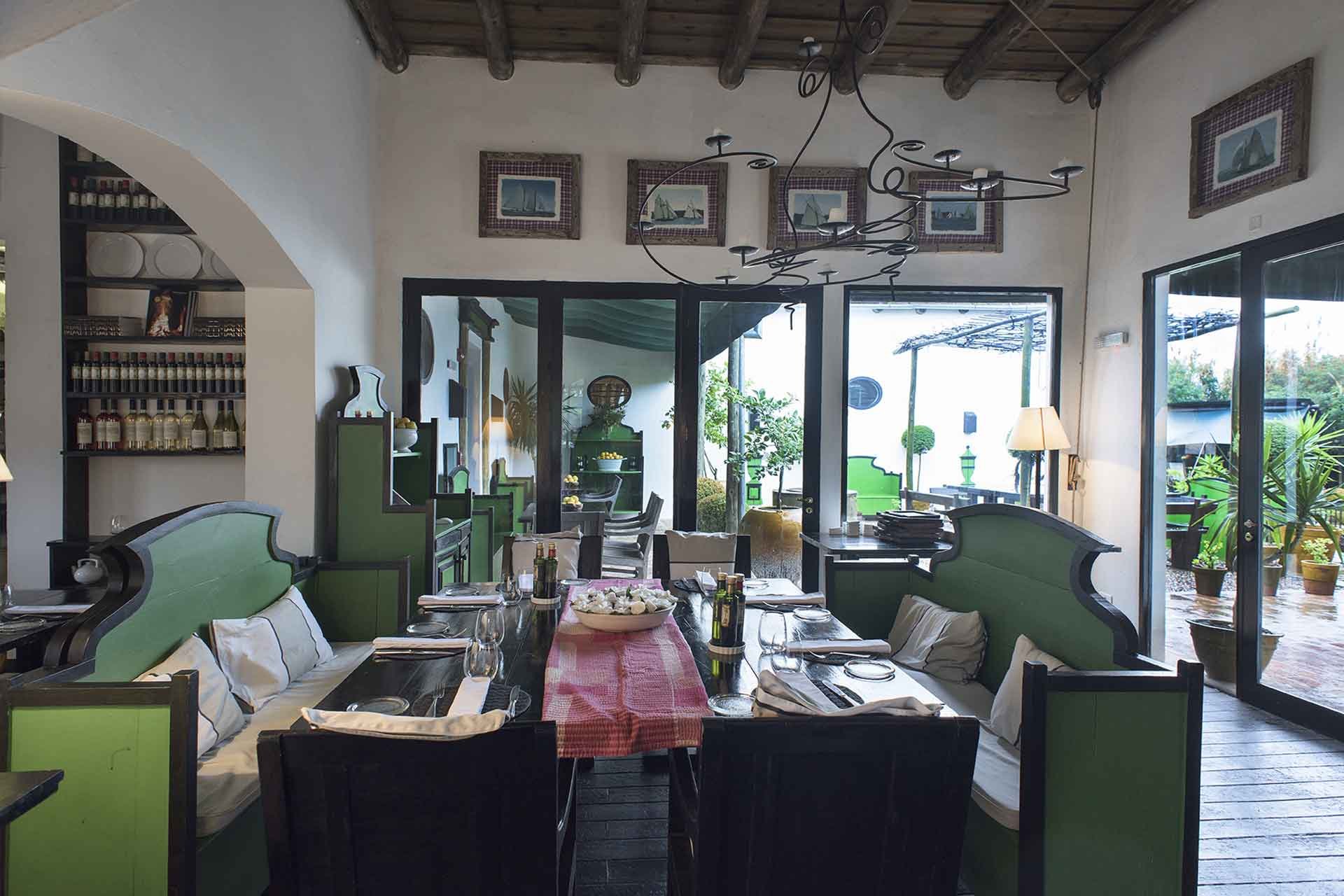
A Village That Became a Dining Destination
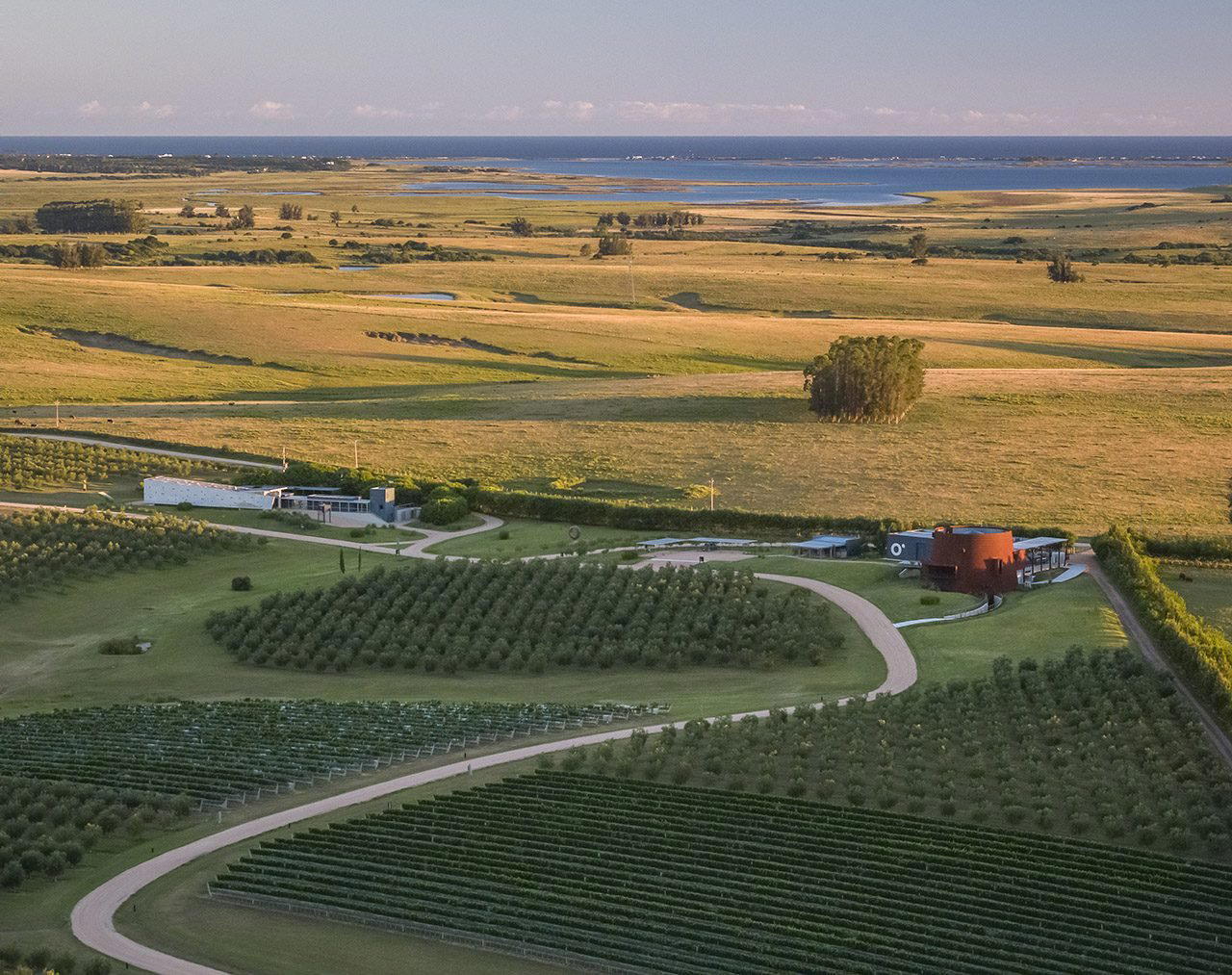
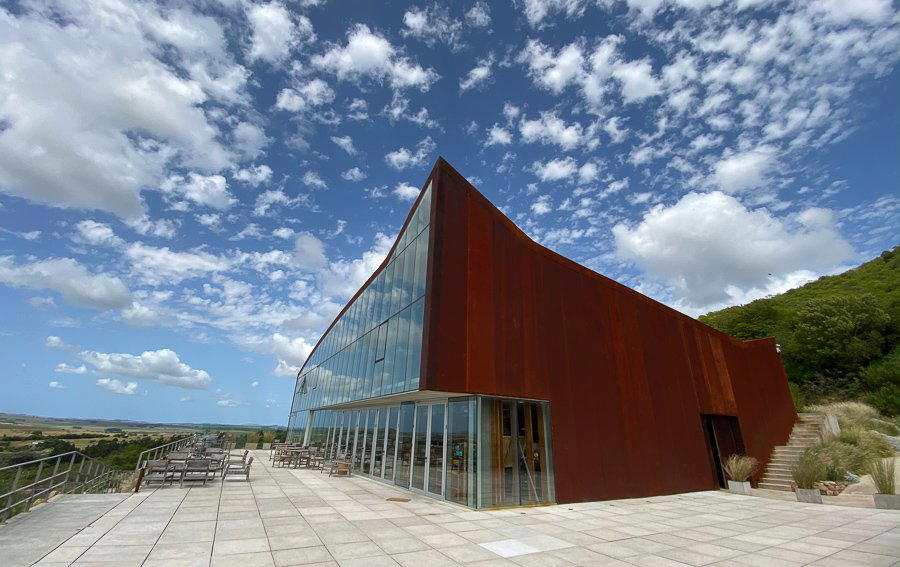
The road into Garzón, a village of a few hundred residents in Uruguay's Maldonado Department, offers little warning of what awaits. The surrounding countryside is flat, sun-bleached, and largely empty. There are no hotel towers on the horizon, no motorway signs pointing toward a celebrated address. The restaurant simply exists inside the village, as it has for years, in a setting that looks less like a destination and more like a place people actually live. That quality of quiet arrival is not incidental: it conditions the meal that follows. You are not walking into a stage-set experience engineered for first impressions. You are arriving somewhere that operates on its own rhythms, which in this part of Uruguay means unhurried, grounded, and deeply attentive to what is on the plate.
Garzón the village lends its name to at least two notable dining and hospitality addresses in the area. The nearby Bodega Garzón represents the wine-production dimension of what this corner of Maldonado has become, and together these addresses have helped define a micro-destination that draws visitors from Punta del Este, Montevideo, and considerably further afield. For a broader sense of what the wider San Carlos area offers across dining registers, the full San Carlos restaurants guide covers the range.
The Ritual of the Meal in Rural Uruguay
Understanding Garzon requires understanding what a long lunch or dinner means in this country. Uruguay's dining culture is not built around efficiency. The asado is a social ceremony that can stretch across an entire afternoon; the parrilla is both cooking method and social structure. Restaurants that operate at the serious end of Uruguayan cuisine tend to absorb that sensibility, extending meals across multiple courses, multiple rounds of wine, and long pauses between them that are not failures of service but deliberate beats in the pacing.
That ritual dimension shapes how a meal at this address should be approached. Arriving with a schedule, or expecting the meal to resolve itself within ninety minutes, is to misread the format entirely. The correct posture is to arrive with time cleared on either side of the booking, to treat the meal as the afternoon's primary event rather than a bracket around other activities. In that sense, Garzon sits in a tradition closer to the long tasting-menu experiences found at places like Atomix in New York City or Lazy Bear in San Francisco than to a neighbourhood bistro, even if its physical setting is far removed from either of those cities' dining cultures.
Garzón in the Context of Uruguayan Fine Dining
Uruguay's serious restaurant scene is concentrated in Montevideo and the Punta del Este corridor, with a handful of addresses in smaller towns that punch well above their geography. Jacinto in Montevideo represents the capital's more refined end of the spectrum. In Punta del Este, Las Nenas Steak House and La Bourgogne occupy different tiers of the estancia-influenced and French-inflected tradition respectively. The beach town of José Ignacio, thirty-odd kilometres from Garzón, has its own landmark in Parador La Huella, a restaurant that has done more than almost any other address to put this stretch of coast on international dining maps.
Garzon the restaurant occupies a distinct position within that geography. It is not a beach club, not a parrilla in the direct sense, and not a capital-city fine-diner transplanted to the countryside. It is closer in spirit to a serious country restaurant: the kind of address where the rural location is not a liability to overcome but a condition that shapes what is cooked, how it is cooked, and how long guests are expected to remain at the table. A parallel record for the restaurant can be found at Garzon Restaurant in Maldonado.
What the Table Communicates
Across high-end dining in South America, there is a persistent tension between European-trained technique and local ingredient identity. Restaurants at the serious end tend to resolve this tension in one of two directions: they apply international framework to local produce, or they subordinate technique to the natural qualities of what grows or grazes nearby. The most compelling addresses in Uruguay lean toward the latter. The country's grass-fed beef, its Atlantic seafood, and the produce of its campo have enough inherent quality that heavy technical intervention can actually work against the ingredient.
This is the culinary logic that places like Atelier Moessmer Norbert Niederkofler in Brunico have made explicit in a European mountain context: that regional ingredients, cooked with attention and restraint, communicate place better than technique-forward menus assembled from imported luxury goods. In Garzón, the analogous argument holds. The meal is at its finest when what arrives at the table reads as Uruguayan, not as international fine dining that happens to be served in Uruguay.
Planning the Visit
Getting to Garzón requires a car or a private transfer. The village is not served by regular public transport, and the surrounding area has limited taxi infrastructure. From Punta del Este, the drive is manageable in under an hour depending on route and season; from Montevideo, expect two hours or more. The summer months, roughly December through February when the Uruguayan coast fills with visitors from Buenos Aires and São Paulo, represent peak demand for the area's dining addresses. Booking well ahead during that window is advisable. Shoulder season, particularly April and May, offers a quieter approach to the same experience.
For visitors building a broader itinerary around this corner of Uruguay, the San Carlos area has a range of dining options across formats and price points. CreoLa Bistro, Johnston's Saltbox, and Kabul each occupy different registers in the local dining map and are worth considering for meals on either side of a visit to Garzon. For visitors who have made the longer journey from elsewhere in the Americas, the comparison to resort-adjacent dining in other markets, such as Nayara Springs in Costa Rica, is useful for calibrating expectations: Garzón rewards patience and a certain willingness to let the destination set the pace.
How Garzon San Carlos compares with similar nearby venues.
| Venue | Cuisine |
|---|---|
| Parador la Huella | Uruguayan |
Continue exploring
More in San Carlos
Restaurants in San Carlos
Browse all →

Bars in San Carlos
Browse all →
Hotels in San Carlos
Browse all →
At a Glance
- Romantic
- Intimate
- Elegant
- Rustic
- Well Known
- Date Night
- Special Occasion
- Celebration
- Open Kitchen
- Standalone
- Garden
- Private Dining
- Farm To Table
- Local Sourcing
Current opening hours
- Monday
- 9 AM–4 PM
- Tuesday
- 9 AM–4 PM
- Wednesday
- Closed
- Thursday
- 12 AM–4 PM
- Friday
- 9 AM–10 PM
- Saturday
- 9 AM–10 PM
- Sunday
- 9 AM–10:30 PM
Hours can change for holidays and private events. Last verified .
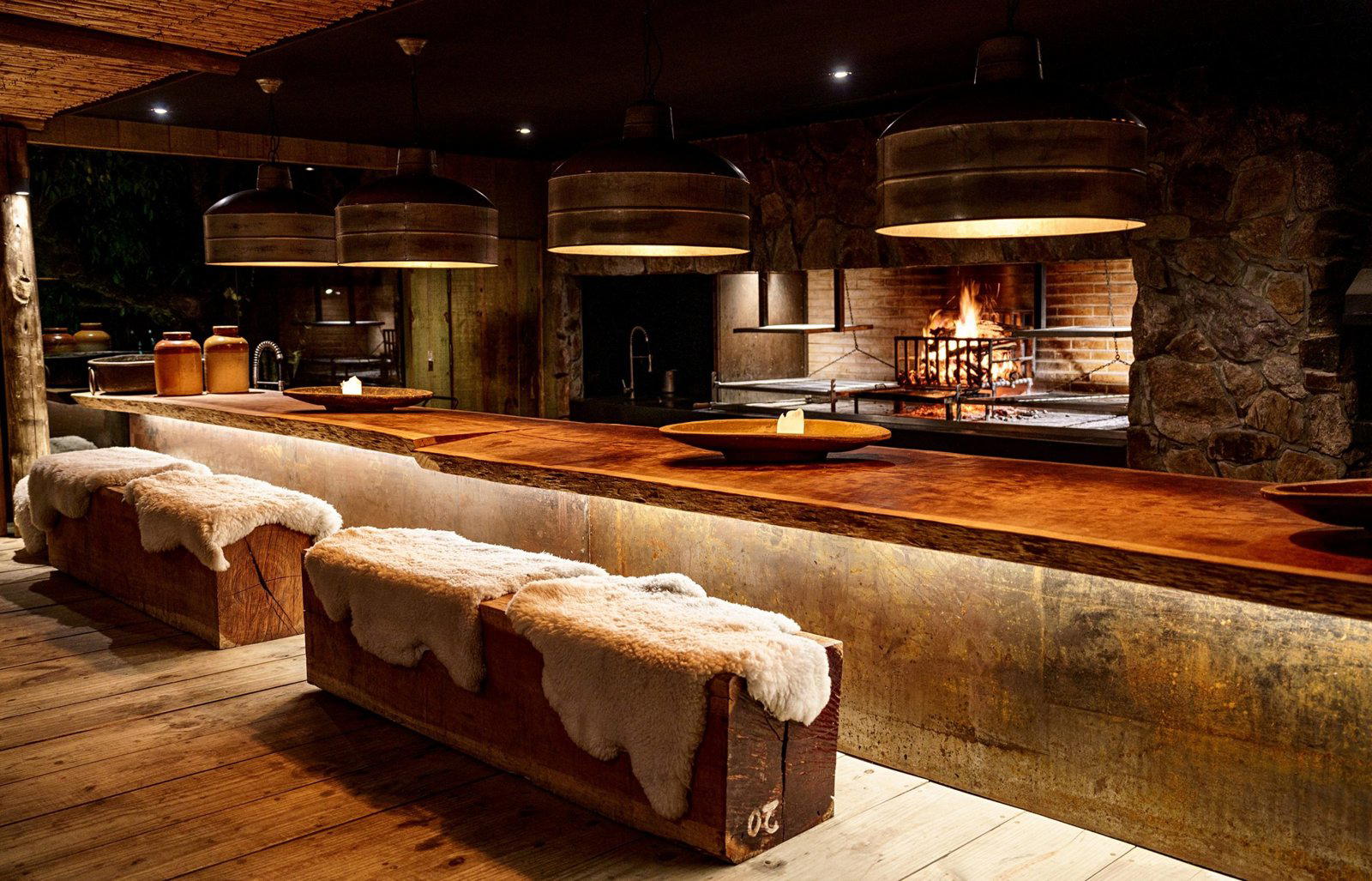
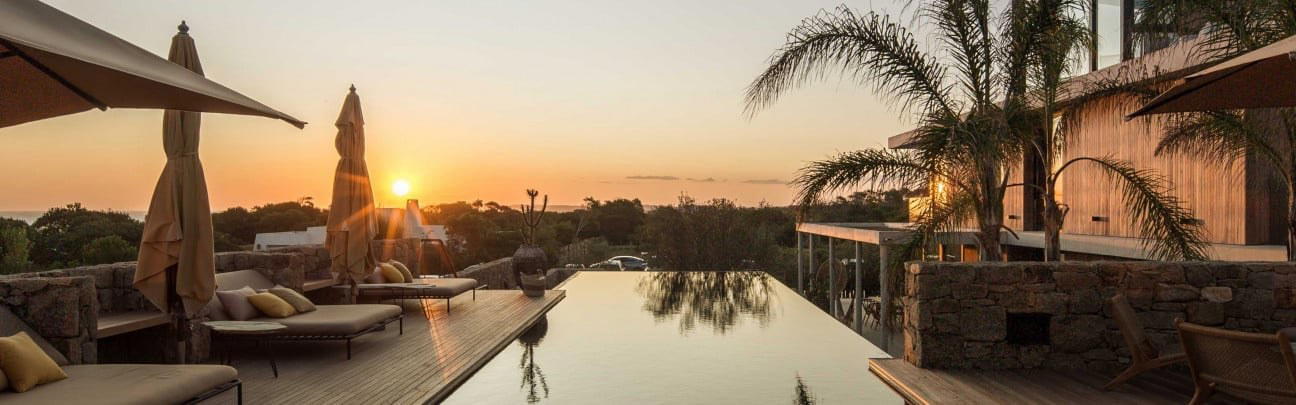
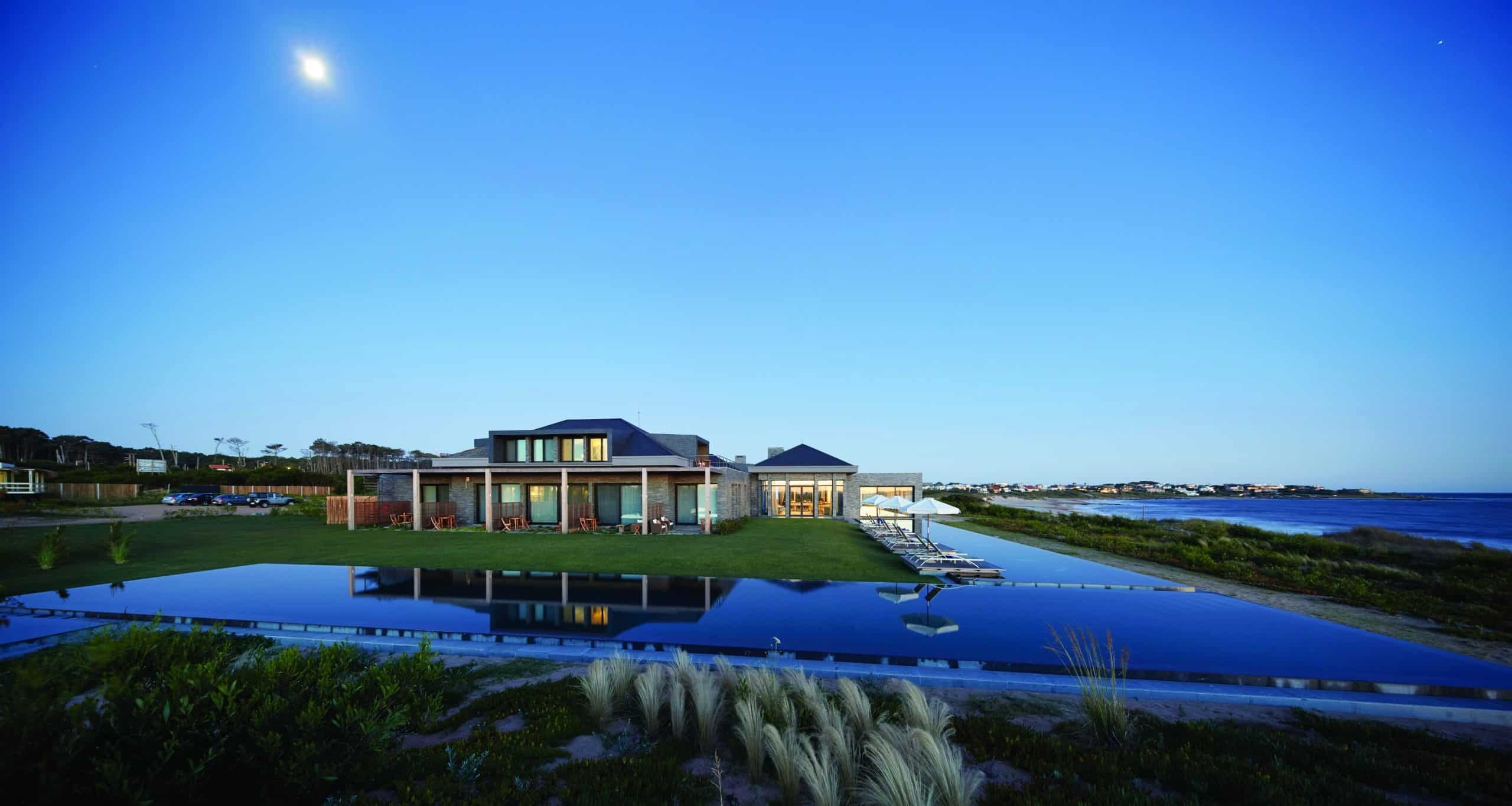
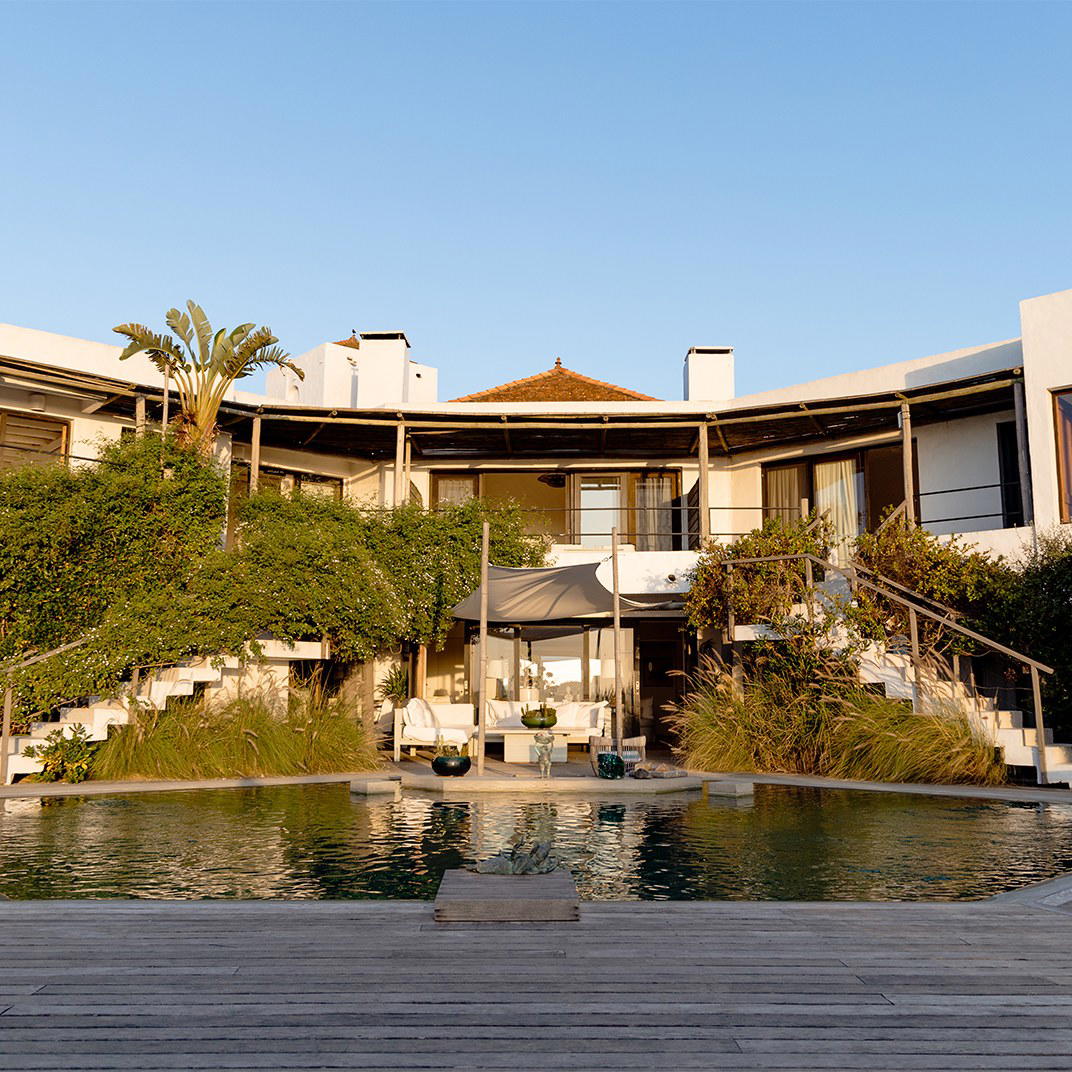
Dimly lit, intimate setting with a cozy fireplace atmosphere in a small historic building surrounded by rolling hills and grazing countryside.
Know Before You Go
- Getting there
- Costa Jose Ignacio y, 20401 Garzón, Departamento de Maldonado, Uruguay