La Milpa
La Milpa occupies a residential address in Montevideo's Cordón neighbourhood, operating within Uruguay's tradition of neighbourhood dining where the ritual of the meal matters as much as what arrives on the plate. The address at Chaná 2120 places it away from the tourist circuit, in a part of the city where locals set the pace and the room's rhythm reflects it.
Pearl is the En Primeur Club membership app — saves, bookings, and concierge access live there. Same editors, same standards.
- Address
- Chaná 2120, 11200 Montevideo, Departamento de Montevideo, Uruguay
- Website
- instagram.com
- Directions
- Get directions
 Saves & bookings on Pearl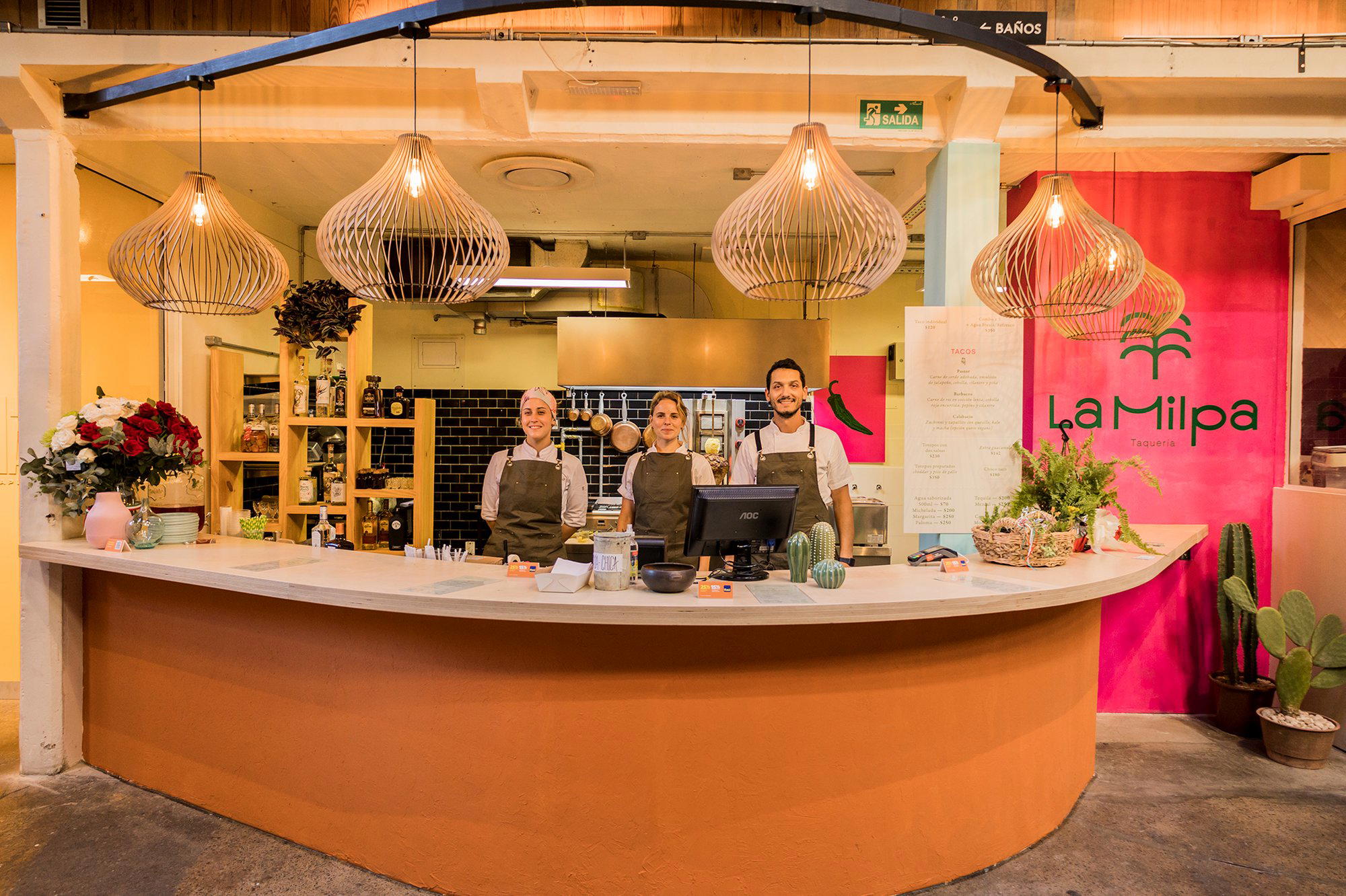
The Room Before the Food
Montevideo's dining culture has always had a different relationship with time than other South American capitals. A meal here is not a transaction to be completed but a structure to be inhabited, and the city's most characterful restaurants tend to reflect that disposition in their physical spaces. The address at Chaná 2120, in the Cordón district, places La Milpa inside that tradition rather than outside it. Cordón sits between the Old City and the more residential stretches of Pocitos, a neighbourhood where the buildings are lived-in, the streets have scale, and the restaurants that survive do so on local repeat business rather than passing trade. Arriving at a venue in this part of the city carries a different expectation than walking into something on the rambla: the room will tell you how long you're meant to stay.
That spatial context matters in Uruguay. The asado tradition has shaped how Uruguayans understand pacing at a table. A parrilla is not a fast format; the fire sets the tempo, and everyone at the table adjusts. Even restaurants that operate outside the grill tradition absorb some of that logic. At La Milpa's Chaná address, the surrounding neighbourhood reinforces it: this is not a district where anyone is rushing to a show or fighting for a taxi.
Dining Ritual and the Uruguayan Table
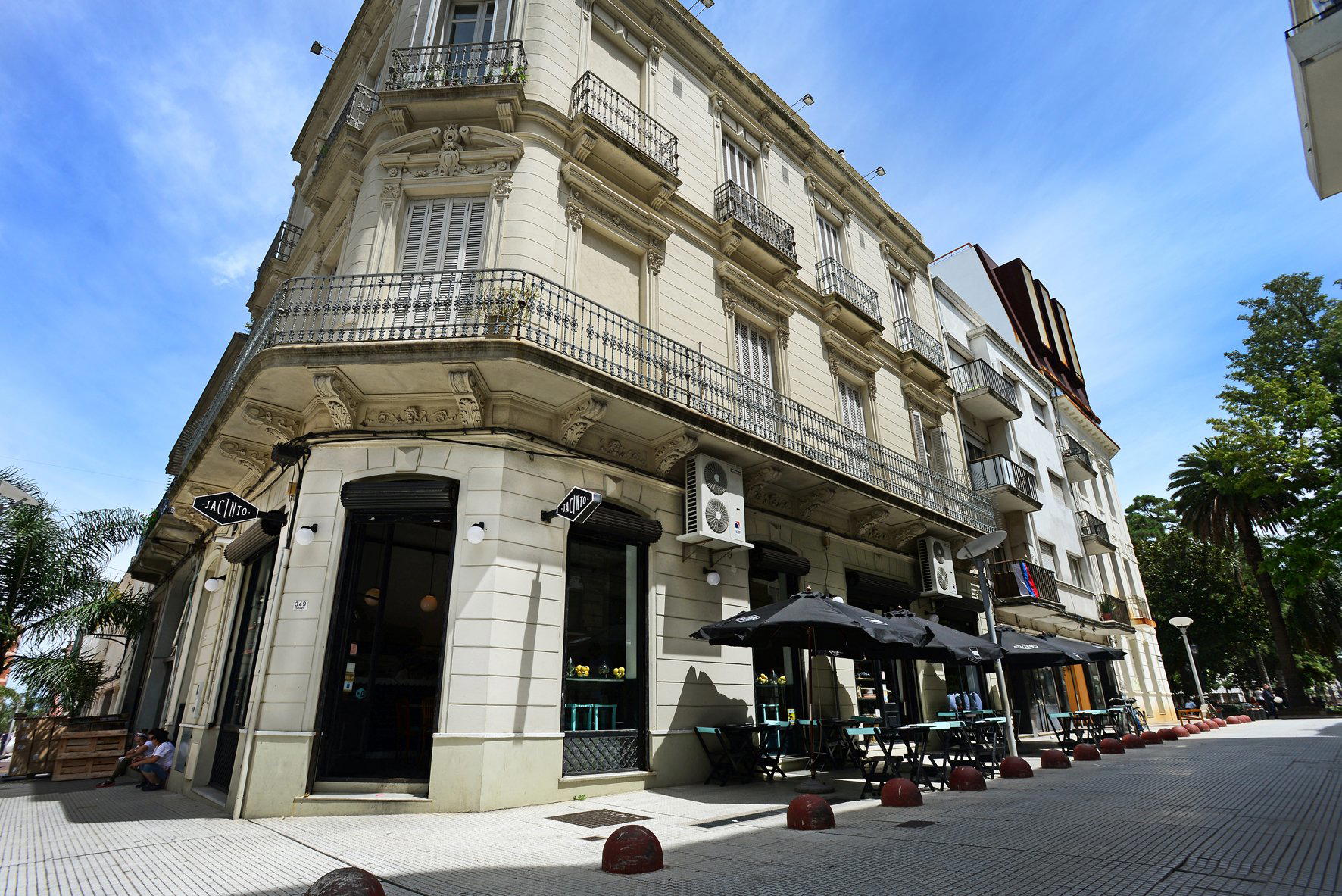
The concept of the sobremesa — the time spent at the table after eating, talking, drinking, not leaving — is more embedded in Uruguayan culture than in many of its neighbours. Argentine dining culture shares some of this, but Buenos Aires has a cosmopolitan self-consciousness that Montevideo lacks, and largely doesn't want. Montevideo's food culture is less performative and more settled. The city has Jacinto, which has pushed a more European-influenced bistro format in the same city, and Café Misterio, which serves a different function in the city's social fabric. La Milpa at Chaná 2120 operates in this same broader ecology: a city where the meal is understood as a social form, not just a feeding arrangement.
The neighbourhood context positions La Milpa within the category of Montevideo dining that serves the city's own residents on their own terms. That category sits distinct from the rambla-facing restaurants or the Pocitos seafront spots that are easier for visitors to locate. The practical implication for a reader planning a visit: you are making a specific decision to go to this address, not stumbling upon it. That act of intent tends to select for a particular kind of dining companion and a particular pace.
Placing La Milpa in Uruguay's Wider Dining Geography
Uruguay's most internationally recognised dining addresses sit outside Montevideo. Parador La Huella in José Ignacio has been the country's most-discussed table for over a decade, operating a beach-casual format that nonetheless attracts serious food attention. Garzon Restaurant in Maldonado and Bodega Garzón in San Carlos anchor the wine-forward dining conversation in the interior. Further afield, Las Nenas Steak House in Punta Del Este represents the high-season coastal format that fills during summer and quiets in winter.
Montevideo's own restaurant scene is more stratified than that tourism-facing geography suggests. The city has everything from the chivito specialists, Chivitos Marco's and El Rey del Chivito are the two names that come up most consistently, to neighbourhood parrillas like García Parrilla Clásica y Bar, which operates in the direct tradition of the Uruguayan grill without concession to trend. La Milpa's Cordón address situates it within this broader local ecosystem rather than alongside the country's destination-dining tier. For the full picture of how Montevideo's tables map across neighbourhoods and formats, the EP Club Montevideo restaurants guide covers the city's key districts and what distinguishes each.
For international reference, the contrast is useful. The slow-paced counter dining of a venue like Atomix in New York City, where pacing and ritual are built explicitly into the format, or the seafood rigour of Le Bernardin in New York City, reflects how much more explicitly those cities have codified what Montevideo tends to assume. Uruguay's dining rituals are less stated and more inherited.
Planning Your Visit
La Milpa is at Chaná 2120 in the 11200 postal district of Montevideo, in Cordón. The neighbourhood is accessible by taxi and rideshare from the Old City and Pocitos; journey times from either are short. Because no phone or website information is listed in EP Club's current data the most reliable approach for reservations or allergy queries is to visit in person, check current local listings, or contact through social media channels, which are the typical booking path for many of Montevideo's independent neighbourhood restaurants. Uruguay's dining culture does not uniformly operate through centralised booking platforms, and many smaller venues are leading reached directly. Given Cordón's character as a local-facing district, arriving without a reservation on a weekday evening is often feasible, though weekend evenings at any established neighbourhood address in Montevideo tend to fill earlier than visitors expect.
For readers building a wider Uruguayan itinerary, the Costa Colonia Riverside Boutique Hotel in Colonia del Sacramento and La Bourgogne represent the country's French-influenced dining tradition, which runs alongside the grill and neighbourhood-restaurant culture as a persistent secondary strand. For Chinese cuisine in the capital, Tianfu Restaurante Chino is part of Montevideo's immigrant-food layer, which the city's dining conversation underrepresents. And for those curious about how Uruguayan neighbourhood cooking compares internationally, the community-table format of Lazy Bear in San Francisco or the Gulf Coast tradition at Emeril's in New Orleans offer instructive contrasts in how cities codify and export their culinary identities, something Montevideo has been slower to do and perhaps less interested in doing.
Continue exploring
More in Montevideo
Restaurants in Montevideo
Browse all →
Bars in Montevideo
Browse all →
Hotels in Montevideo
Browse all →

At a Glance
- Trendy
- Lively
- Modern
- Casual Hangout
- Open Kitchen
Current opening hours
- Monday
- 12–11 PM
- Tuesday
- 12–11 PM
- Wednesday
- 12–11 PM
- Thursday
- 12–11 PM
- Friday
- 12 PM–12 AM
- Saturday
- 12 PM–12 AM
- Sunday
- 12–11 PM
Hours can change for holidays and private events. Last verified .
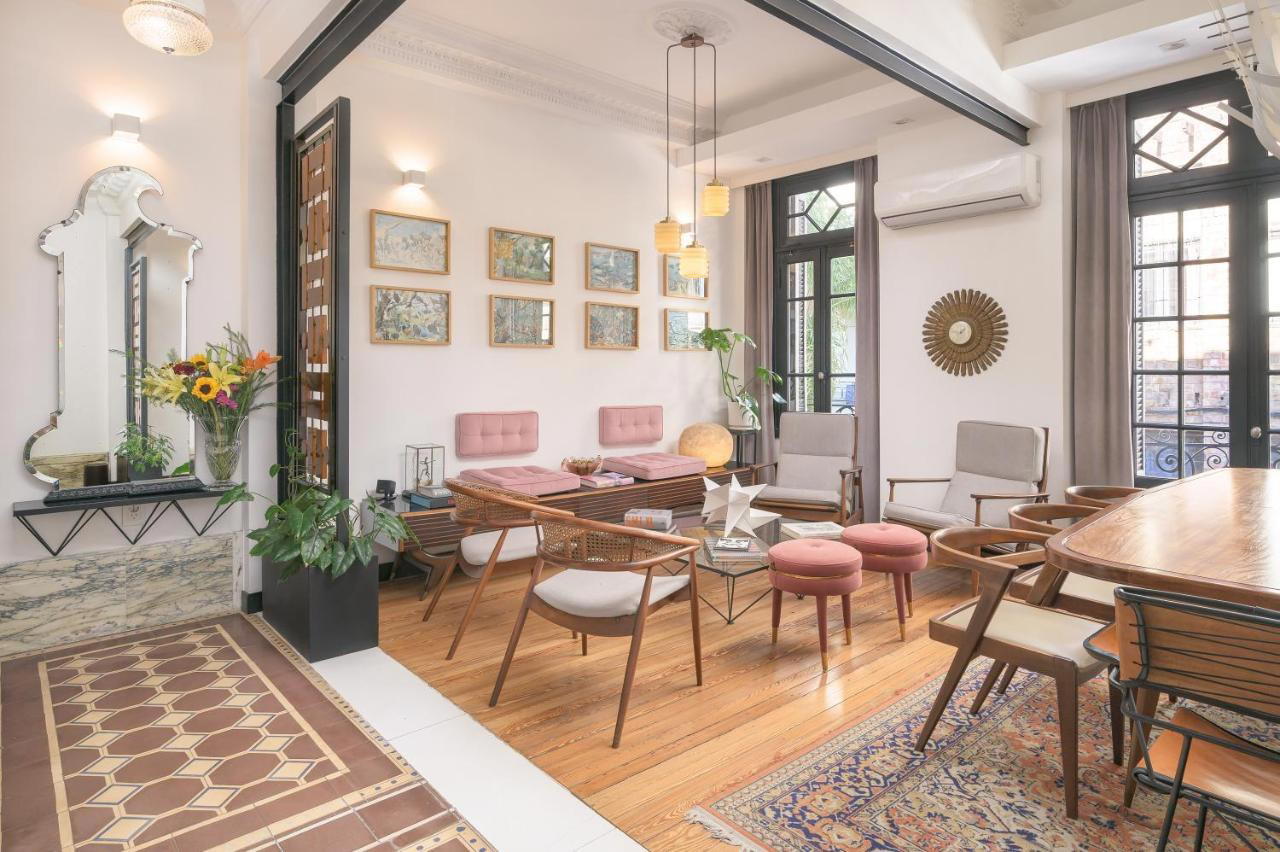
Modern design in a hipster-style food market with contemporary atmosphere.
Know Before You Go
- Getting there
- Chaná 2120, 11200 Montevideo, Departamento de Montevideo, Uruguay