Costa Colonia Riverside Boutique Hotel
Costa Colonia Riverside Boutique Hotel occupies a historic address in Colonia del Sacramento's UNESCO-listed quarter, where the Río de la Plata sets the pace and the town's colonial architecture frames the view. Small-scale and design-conscious, it belongs to a tier of Uruguayan properties that trade volume for character. Visitors arriving from Buenos Aires by ferry step into a slower rhythm almost immediately.
Pearl is the En Primeur Club membership app — saves, bookings, and concierge access live there. Same editors, same standards.
- Address
- Joaquín Torres García 1102, 70000 Col. del Sacramento, Departamento de Colonia, Uruguay
- Phone
- +598 94 070 218
- Website
- costacolonia.com
- Directions
- Get directions
 Saves & bookings on Pearl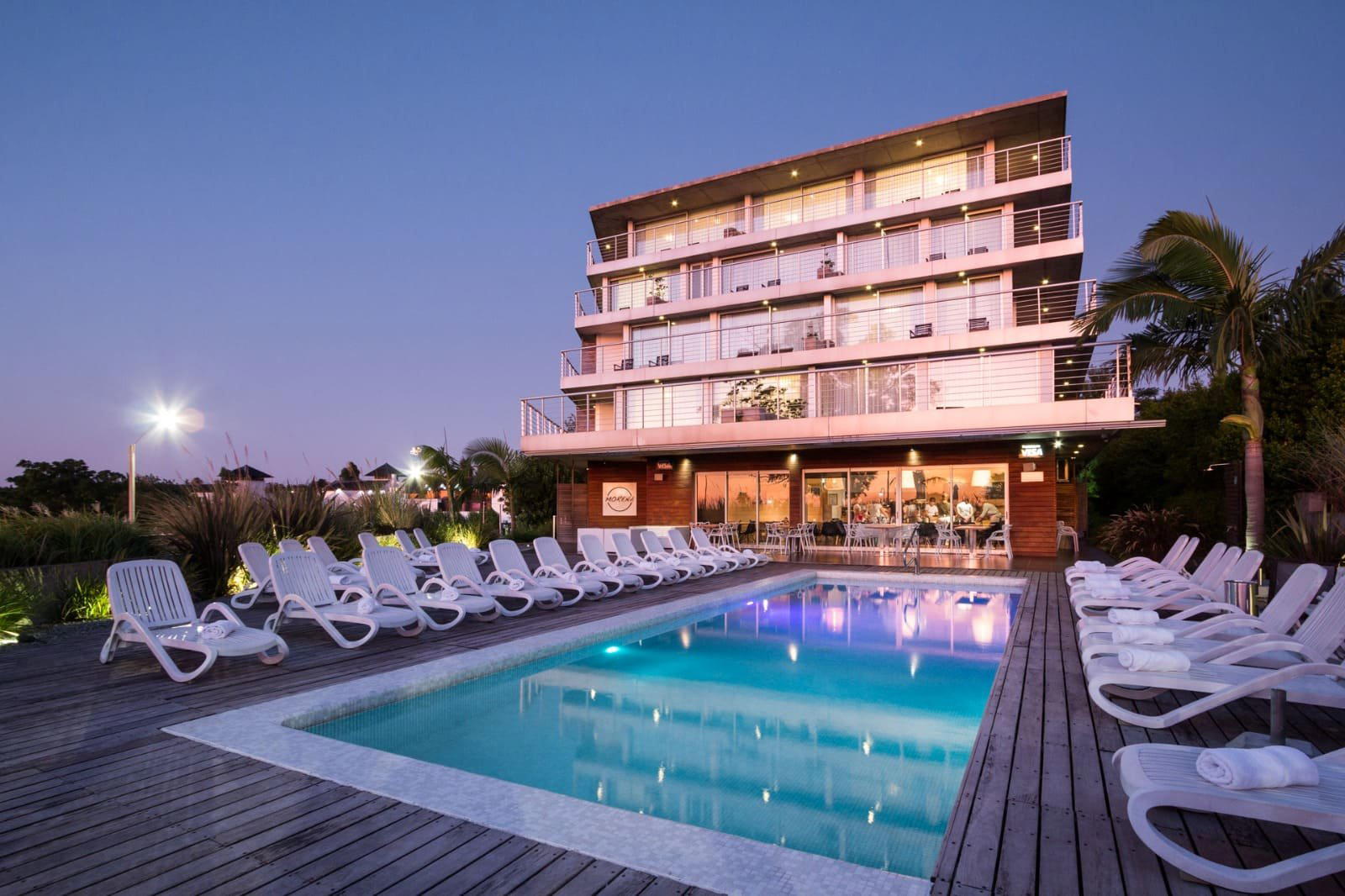
Where Colonia's Colonial Core Meets the River
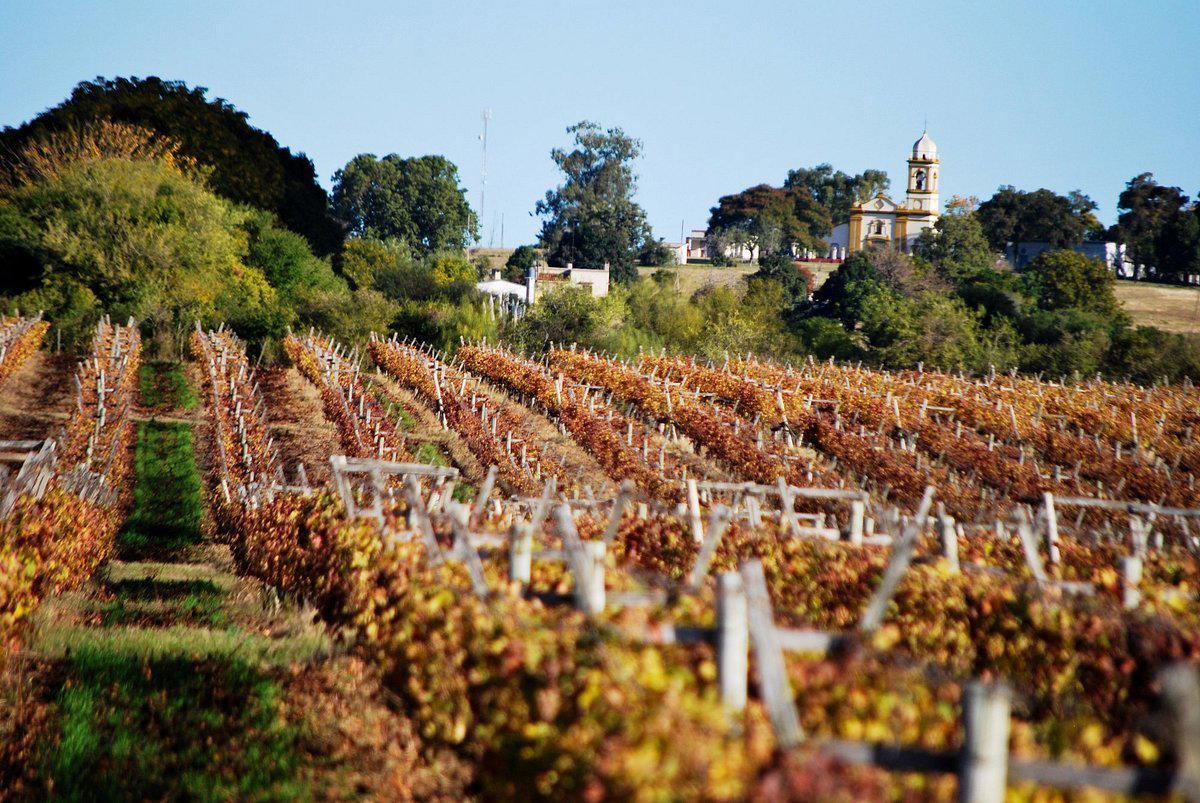
The approach to Colonia del Sacramento sets expectations early. Cobblestone streets, thick-walled Portuguese-era houses, and bougainvillea spilling over ochre facades give the UNESCO World Heritage town a density of history that most South American cities can only reference from a distance. Costa Colonia Riverside Boutique Hotel sits at Joaquín Torres García 1102, 70000 Col. del Sacramento, Departamento de Colonia, Uruguay, in Colonia del Sacramento's historic quarter. The physical environment here does not require embellishment. The river's particular light, silvery and diffuse in the morning, copper-toned by late afternoon, is one of the reasons the town has attracted visitors from Buenos Aires since the colonial ferry routes first opened.
Boutique properties in Colonia tend to occupy one of two positions: either they work within restored colonial structures, keeping the architecture as the primary experience, or they introduce a contemporary interior language against that historic shell. Either way, the town's intimate scale keeps the guest count low relative to larger Uruguayan resort destinations. For reference, the beach resorts of José Ignacio and Punta del Este, where properties like Parador La Huella in José Ignacio and Las Nenas Steak House in Punta Del Este serve a more seasonal crowd, operate on entirely different rhythms. Colonia is quieter by design.
The Sourcing Logic of the Río de la Plata
Uruguay's food identity is shaped at the production level before it reaches any kitchen. The country runs one of the highest ratios of cattle to people in the world, and the grassland-raised beef that results from that proportion is not a marketing claim but a structural reality of Uruguayan agriculture. River fish from the Río de la Plata, including corvina and pejerrey, have long supplied the kitchens of Colonia's waterfront properties. In a town this size, the supply chain between producer and plate is short, and that brevity tends to show up in the quality of simple preparations.
This sourcing pattern distinguishes the Colonia dining experience from what you find in Montevideo's more internationally influenced restaurant scene, where kitchens like Jacinto in Montevideo and Tianfu Restaurante Chino draw on urban supplier networks and a more cosmopolitan ingredient palette. In Colonia, the dominant mode is regional and direct. The Colonia department's dairy production, wine from nearby vineyards, and the river catch are the building blocks. Restaurants operating in this context, particularly those attached to boutique hotels, generally work within those parameters rather than against them.
For a wider picture of where Colonia del Sacramento dining sits within Uruguay's overall food scene, Nearby, napo represents the town's more contemporary end, while properties like Lo de Tere maintain a traditional Uruguayan posture. Hotel dining in this context tends to sit between those poles, offering a reliable interpretation of regional ingredients without the ambition (or the booking difficulty) of destination restaurants.
Colonia in the Context of Uruguayan Boutique Hospitality
Uruguay's premium hospitality has developed along two distinct tracks over the past two decades. The first runs through the coastal east, anchored by the Maldonado department and properties near José Ignacio and Garzón, where international visibility has driven both demand and price. Garzon Restaurant in Maldonado and Bodega Garzón in San Carlos represent the wine-and-gastronomy axis that has given Uruguay's east coast a reputation that now extends well beyond the region. La Bourgogne brings a French-trained culinary framework to that same coastal corridor.
The second track runs through Colonia, which draws its guests largely from the Buenos Aires market. The ferry crossing from Buenos Aires takes roughly an hour, and Colonia functions as a weekend destination for visitors seeking architecture, quiet streets, and a slower pace. Boutique hotels here are not competing with the east coast's wine-tourism properties; they are serving a different decision: the city-dweller who wants atmosphere over activity, history over beach. That positioning affects everything from room count to the register of the dining offer.
At the scale of global boutique hospitality, the parallel would be properties in compact historic towns that prioritize character over amenity breadth. In dining terms, the comparison is closer to what happens in smaller Italian or French towns, where a hotel restaurant earns its place by knowing its regional ingredients precisely rather than by range. European venues operating in this mode include places like Dal Pescatore in Runate and Quattro Passi in Marina del Cantone, where regionality and restraint are the governing principles. In the South American context, the same logic applies to Colonia's hotel dining.
Planning Your Stay
Colonia del Sacramento is most easily reached from Buenos Aires by high-speed ferry, with the crossing taking approximately one hour. From Montevideo, the drive runs roughly two and a half hours along Ruta 1. The town's historic quarter is compact and walkable, which makes location within it a meaningful consideration when choosing accommodation. Joaquín Torres García 1102 places Costa Colonia within the old city, keeping the river and the Barrio Histórico accessible on foot. Weekends bring a noticeable uptick in Buenos Aires visitors, particularly between October and March, and the quieter midweek period offers a materially different experience of the town's pace.
Quick Comparison
Comparable venues nearby, for context on price, style, and recognition.
| Venue | Cuisine | Price | Notes |
|---|---|---|---|
| Costa Colonia Riverside Boutique HotelThis venue — the venue you are viewing | Uruguayan Local Cuisine | $$$ | Not listed |
| napo | Neapolitan Pizza | $$ | Casco Historico |
| El Rey del Chivito | Uruguayan Chivito Specialists | $$ | :null |
| Jacinto | Modern Mediterranean Bistro | $$$ | Ciudad Vieja |
| Garzon | Argentine Flame-Cooked Cuisine | $$$$ | Garzón |
| Tianfu Restaurante Chino | Authentic Sichuan Chinese | $$ | Ciudad Vieja |
Continue exploring
More in Colonia del Sacramento
Hotels in Colonia del Sacramento
Browse all →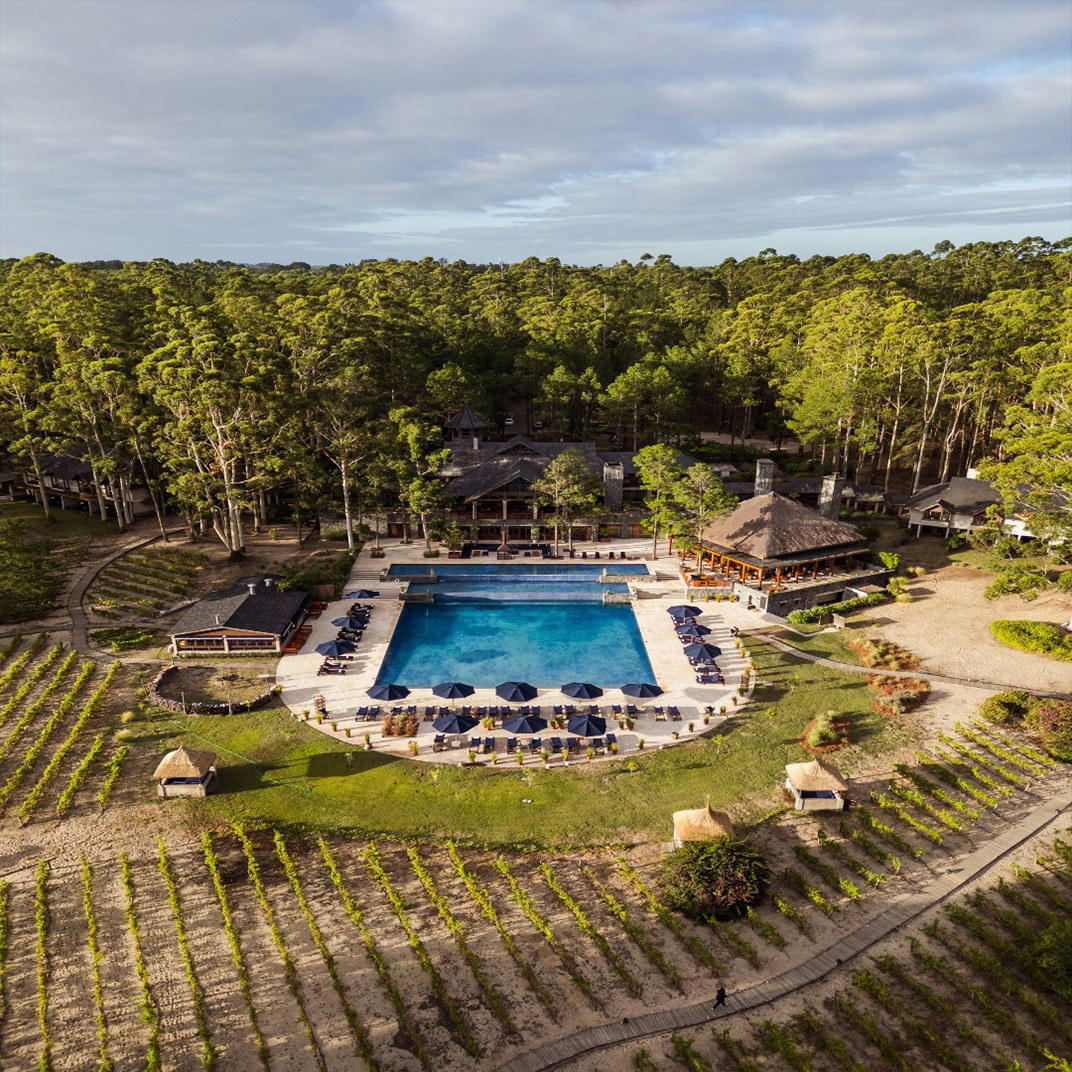
Wineries in Colonia del Sacramento
Browse all →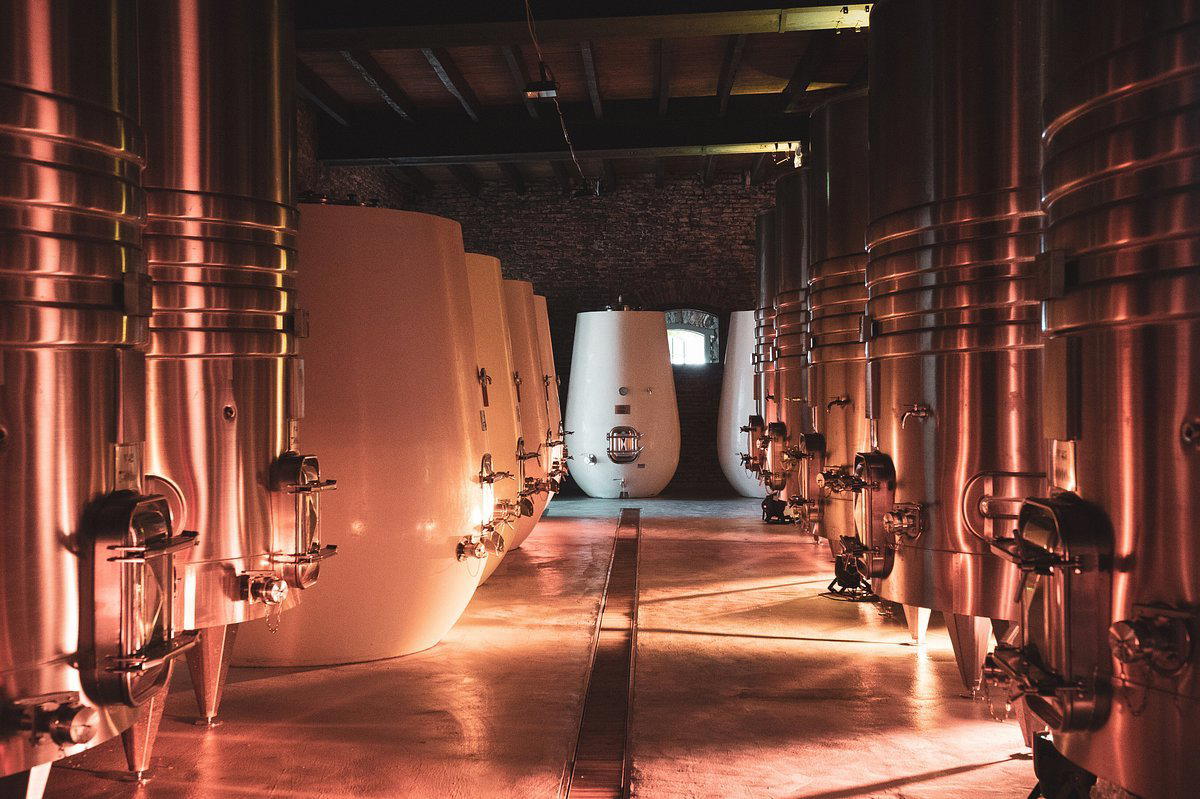
At a Glance
- Scenic
- Elegant
- Cozy
- Casual Hangout
- Waterfront
- Hotel Restaurant
- Terrace
- Waterfront
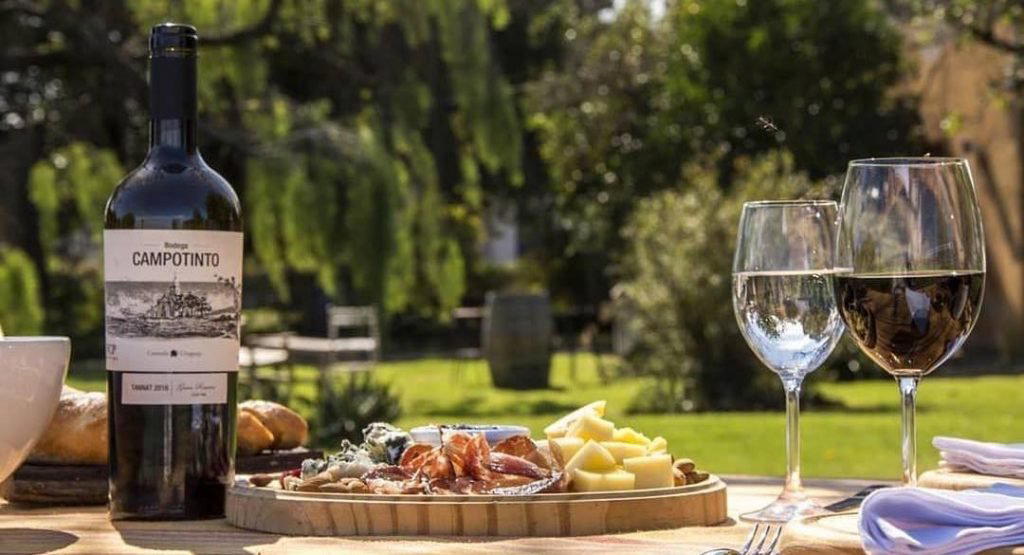
Casual and relaxed atmosphere with open-air poolside dining and river views.