Las Nenas Steak House
Las Nenas Steak House occupies a corner address in Punta del Este where the beef-first traditions of Uruguay's interior meet the resort city's summer-season appetite. In a city where steak is both cultural currency and competitive sport, Las Nenas positions itself inside that conversation at Pernambuco street in Maldonado. For context on where it sits among the city's broader dining options, see our full Punta del Este restaurants guide.
- Address
- Pernambuco &, 20000 Punta del Este, Departamento de Maldonado, Uruguay
- Phone
- +598 4249 3109
- Directions
- Get directions
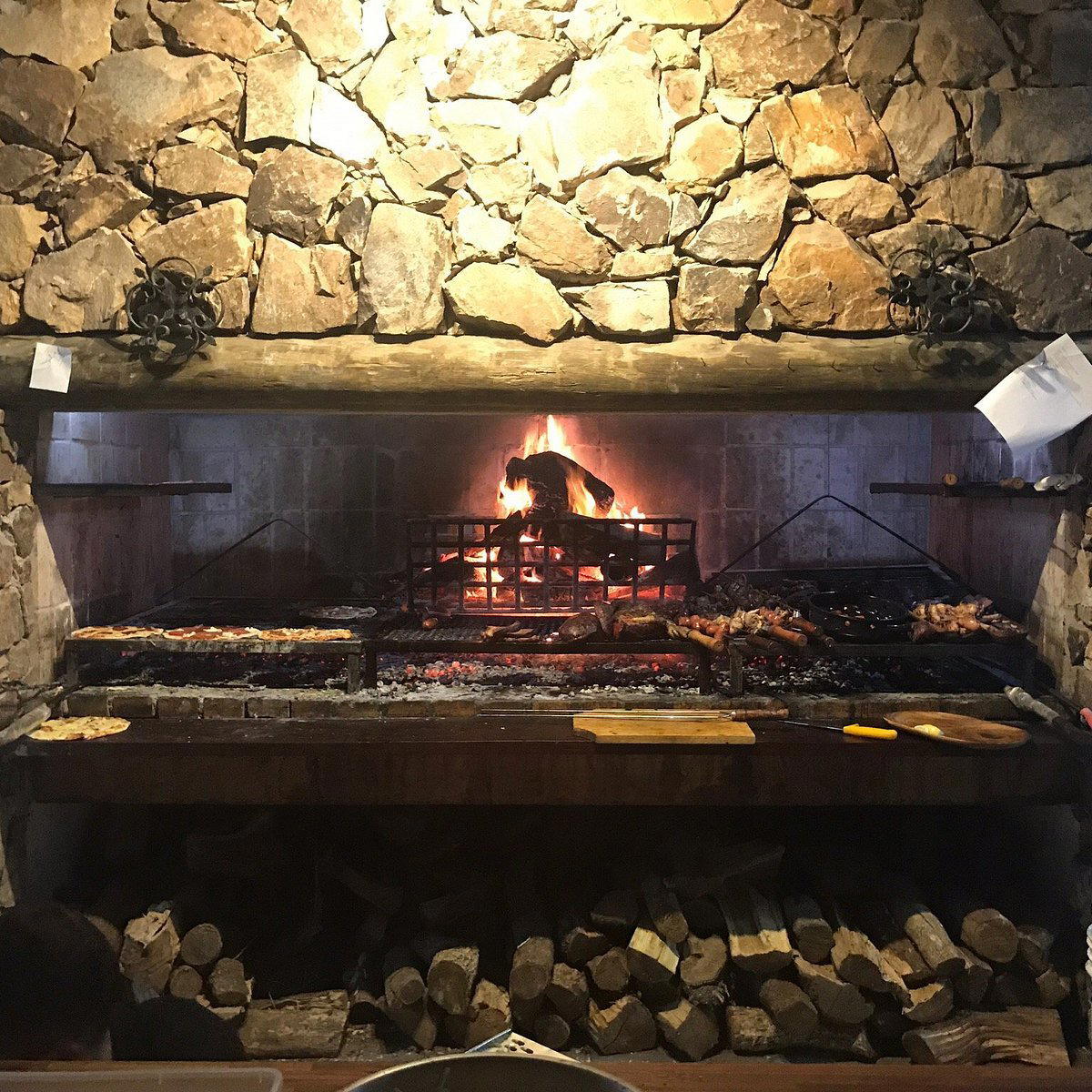
Where Uruguay's Beef Culture Meets the Coast
Punta del Este operates on a seasonal tempo that most resort cities would recognise: a compressed summer window, a demanding clientele, and a dining scene that has to earn its reputation in roughly four months of peak traffic. Within that context, steak holds a position that goes beyond menu category. Uruguay ranks among the world's highest per-capita beef consumers, and the country's grass-fed cattle tradition, built on the natural pastures of the Pampas, produces meat with a fat profile and depth of flavour that differs meaningfully from grain-finished South American competitors. A steak house in this city is not simply offering protein; it is participating in a national food culture with a long and specific history.
Las Nenas Steak House sits at Pernambuco & 20000 Punta del Este, Departamento de Maldonado, Uruguay, in the grid of streets that defines central Punta del Este. The address places it within reach of the peninsula's main commercial and dining arteries, and the format is consistent with what the city's steak-focused dining tier expects: a dedicated focus on beef, a room designed for groups arriving hungry after a day at the beach or an evening on the rambla, and a price-to-product expectation that aligns with the resort market rather than the everyday local one.
The Ingredient Argument: Why Uruguayan Grass-Fed Beef Matters
The sourcing logic behind any serious Uruguayan steak house starts at the pasture level. Cattle raised on the country's natural grasslands, without feedlot finishing, produce beef with lower intramuscular fat but higher omega-3 content than their grain-fed counterparts. The flavour is leaner and more mineral-forward, which means the cooking method and resting protocol carry more weight than they would with heavily marbled cuts. This is a different product than what diners familiar with Argentine or American steak houses might expect, and part of reading a menu like Las Nenas' correctly is understanding that distinction.
Uruguay's beef exports are regulated through INAC, the national meat institute, which enforces traceability from ranch to plate. That system, uncommon in much of South America at the same level of institutional rigour, gives consumers and restaurateurs alike a traceable chain of origin. For a steak house operating in a high-expectation resort market, that provenance matters both as quality assurance and as a point of differentiation from venues that import or source without the same oversight.
For comparison, properties like Parador La Huella in José Ignacio have built significant regional reputations partly on their relationship with local sourcing, and Bodega Garzón in San Carlos has positioned its food programme around the agricultural character of Maldonado department more broadly. The sourcing emphasis is a regional pattern, not an isolated claim.
Punta del Este's Steak House Tier
The city's dining scene has diversified considerably over the past decade. Italian-inflected rooms like L'Incanto, seafood-forward addresses, and more eclectic neighbourhood spots such as Lo de Tere and Cantina del Vigía now compete for the same summer visitor. But the steak house category retains a distinct identity and audience: guests who want the Uruguayan beef tradition delivered without distraction, alongside the wine list and the table format that make it a full evening rather than a quick stop.
In that competitive set, the differentiators tend to be cut selection, cooking execution, and the quality of the side programme. A city serving visitors who may also have eaten at Le Bernardin in New York City or Atomix in New York City before flying south for the season has to offer something more than ambient atmosphere. The technical standard expected of the beef itself, and the service fluency around it, are the benchmarks that separate the more serious steak houses from the tourist-facing ones.
Beyond Punta del Este, the broader Uruguayan dining scene provides useful reference points. Jacinto in Montevideo and Garzon Restaurant in Maldonado both represent the more chef-driven end of the local spectrum, while La Bourgogne in y Av del Mar addresses the French-trained fine dining corner of the market. Las Nenas operates in a different register from all three, one defined by the primacy of the cut and the grill rather than by tasting menu architecture or European technique.
The Asado Tradition and What It Demands of a Kitchen
Uruguay's grilling culture is distinct from Argentina's more internationally marketed version. The Uruguayan asado tends toward a slower, lower-heat approach over wood or charcoal, with the parrillero (grill master) functioning as a skilled technician rather than a showman. The result, when executed properly, is beef cooked with more patience and less intervention than a pan-seared or broiler-finished preparation would allow. Venues that understand this tradition resist the temptation to rush service or standardise cooking times across all cuts at high heat.
This matters for anyone choosing between dining options in the city. A steak house that takes the asado format seriously is operating with a different kitchen logic than one that uses a grill primarily for visual effect. The distinction is not always legible from the outside, but it becomes clear at the table when the timing and temperature of the beef either reflect the tradition or approximate it.
For travellers whose reference points extend to technique-driven rooms like Lazy Bear in San Francisco or Atelier Moessmer Norbert Niederkofler in Brunico, the appeal of a properly executed Uruguayan steak house is the opposite impulse: a tradition so settled and specific that elaboration would diminish it.
Planning Your Visit
Las Nenas Steak House is located at Pernambuco street in Punta del Este, Maldonado department. The Punta del Este summer season runs from December through March, when the city's population multiplies and tables at better-known addresses fill quickly. For a steak house operating in this window, arriving without a reservation during peak season carries real risk, particularly for groups. Outside the summer window, the city runs at considerably lower capacity, and access to most dining addresses becomes direct without advance planning. During busy periods, reservations are recommended.
Comparable Spots, Quickly
Comparable venues nearby, for context on price, style, and recognition.
| Venue | Cuisine | Price | Awards | Notes |
|---|---|---|---|---|
| Las Nenas Steak HouseThis venue — the venue you are viewing | Uruguayan Steakhouse Parrillada | $$$ | Not listed | Not listed |
| Cantina del Vigía | Uruguayan Cantina with Wood-Fired Regional Cuisine | $$ | Not listed | Maldonado |
| L’Incanto | Neapolitan Pizza & Italian Cuisine | $$$$ | Not listed | Gourmet Boulevard |
| Lo de Tere | Uruguayan Seafood | $$$$ | World's 50 Best #92 | Puerto |
| Parrillada El Alemán | Traditional Uruguayan Asado Grill | $$ | Not listed | Cordón |
| García Parrilla Clásica y Bar | Classic Uruguayan Parrilla | $$$ | Not listed | Carrasco |
Continue exploring
More in Punta del Este
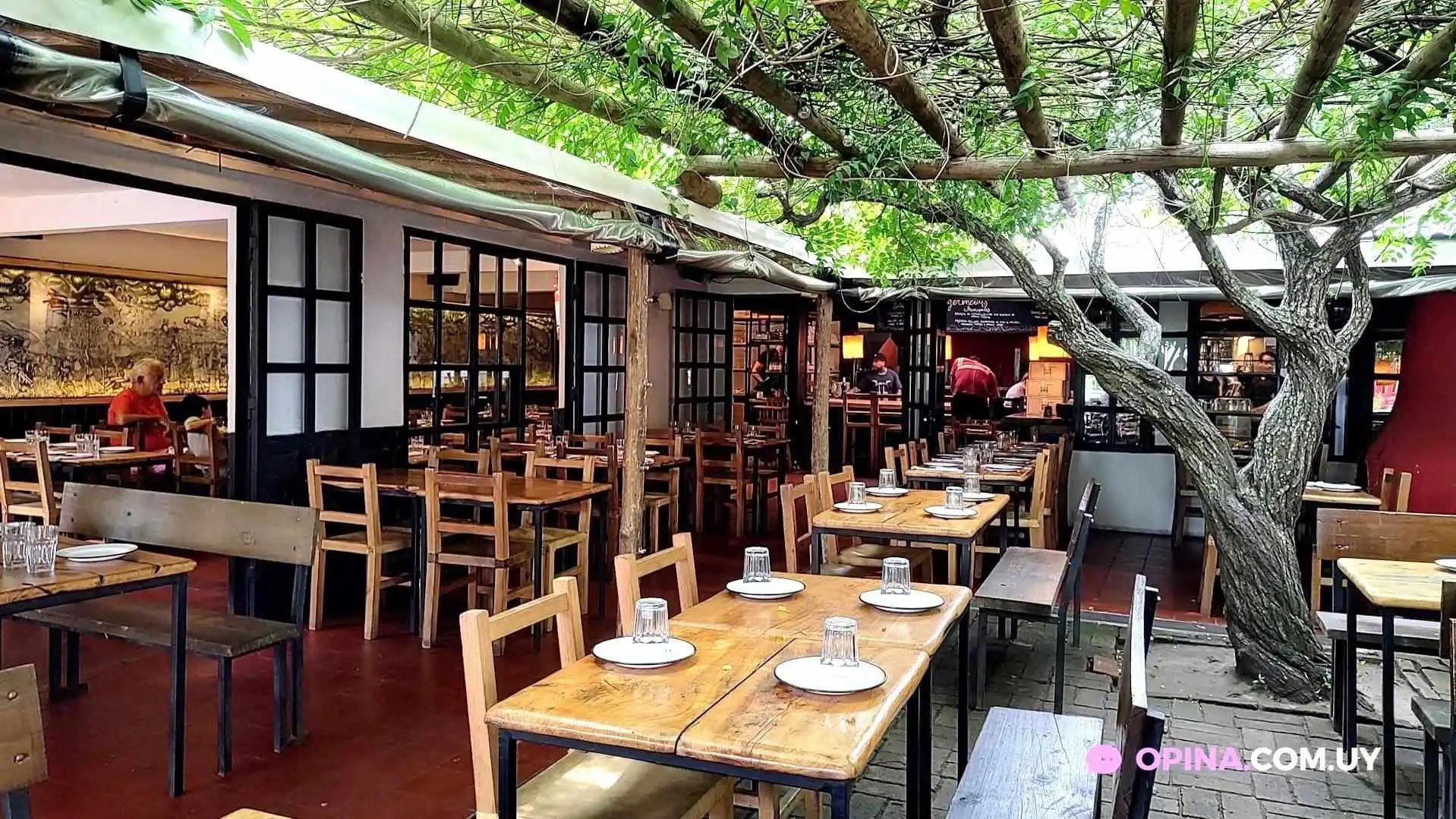
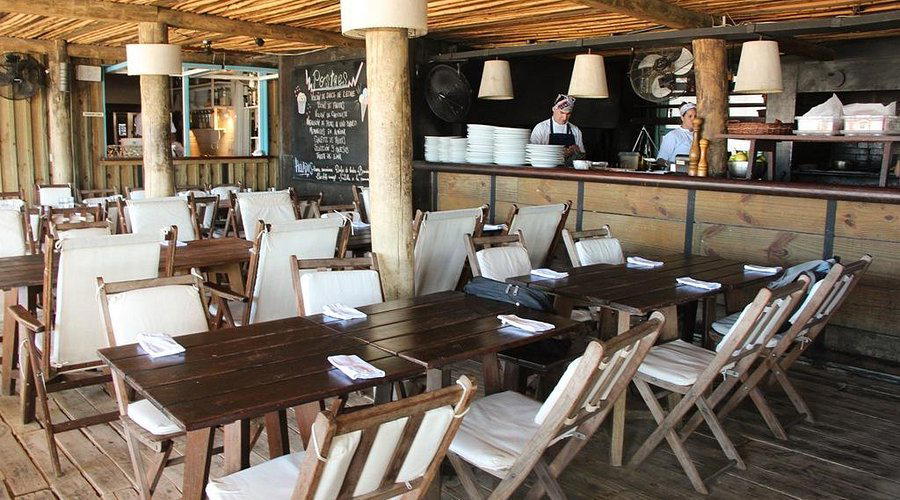
Restaurants in Punta del Este
Browse all →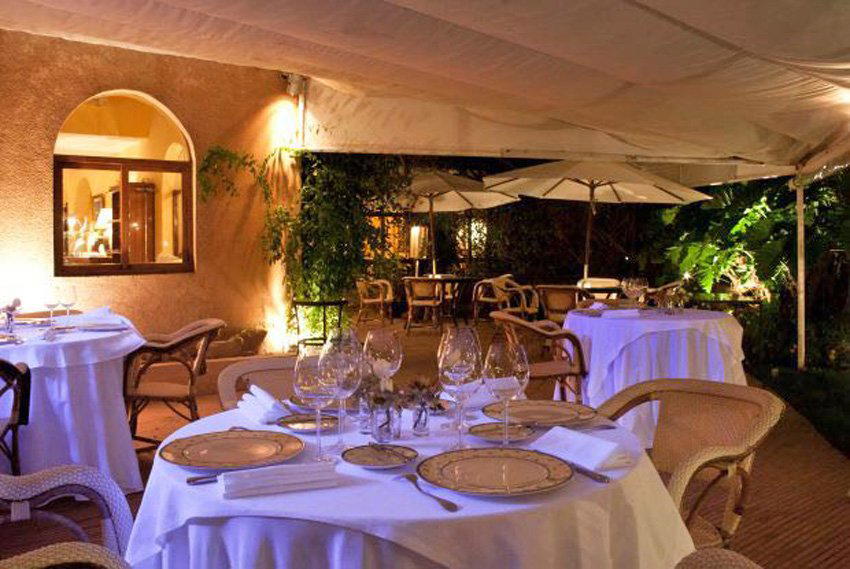
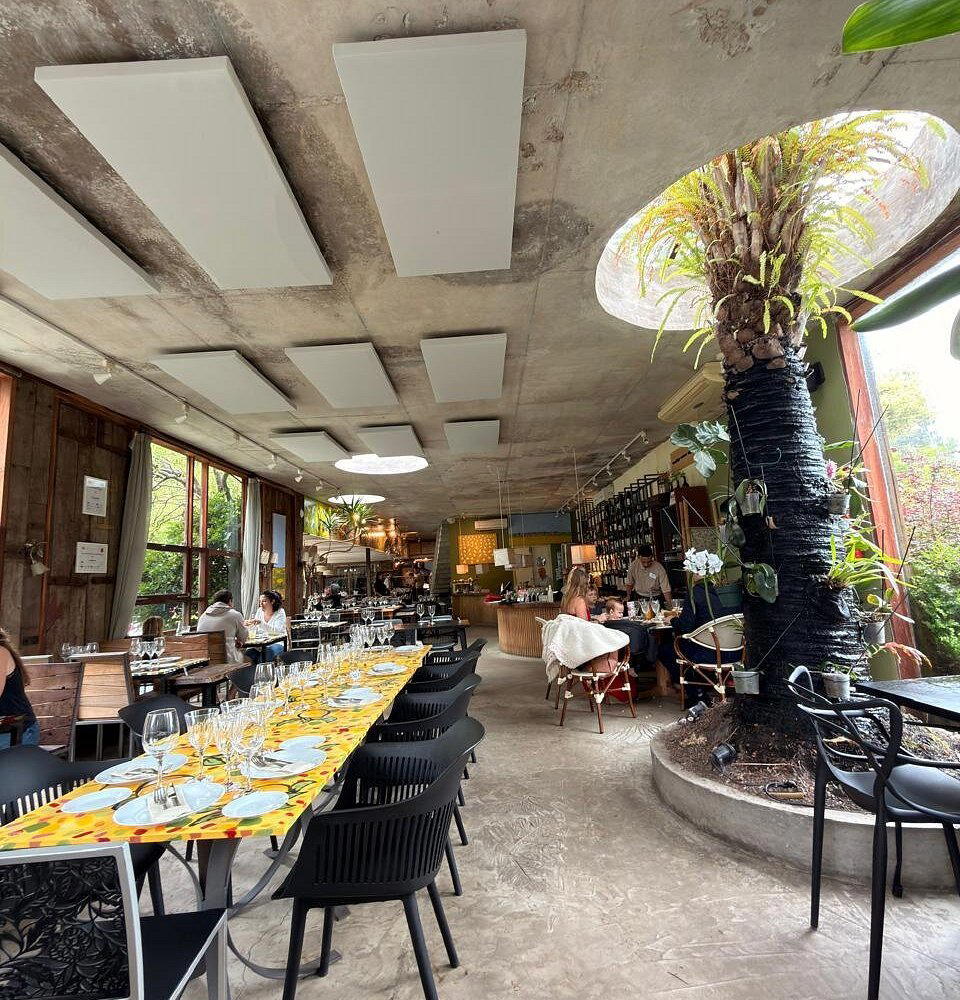
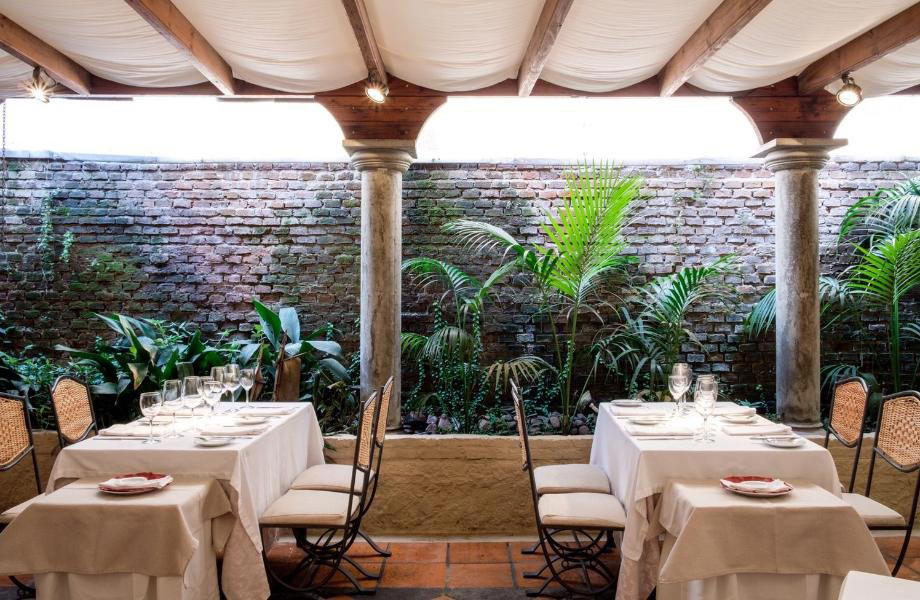
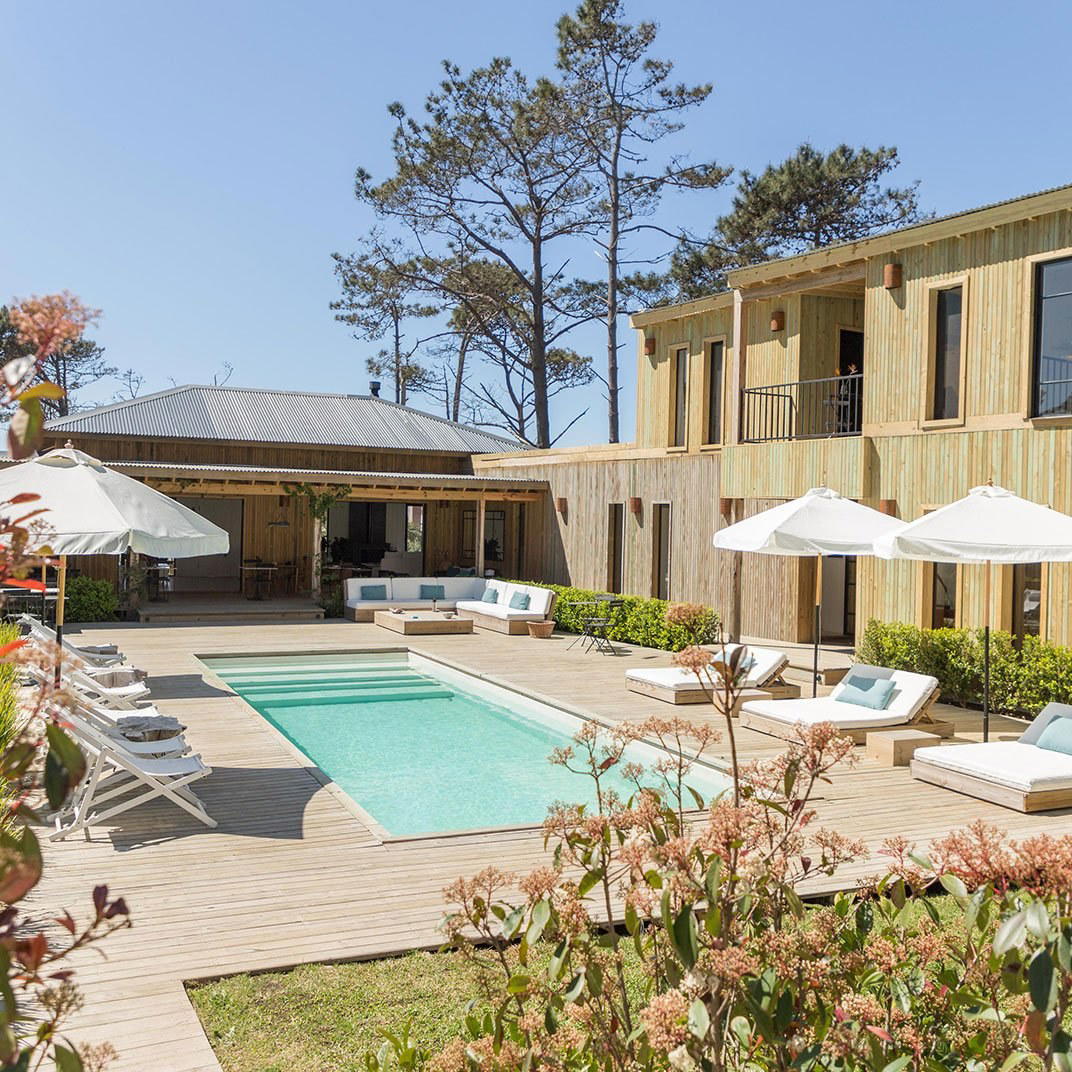
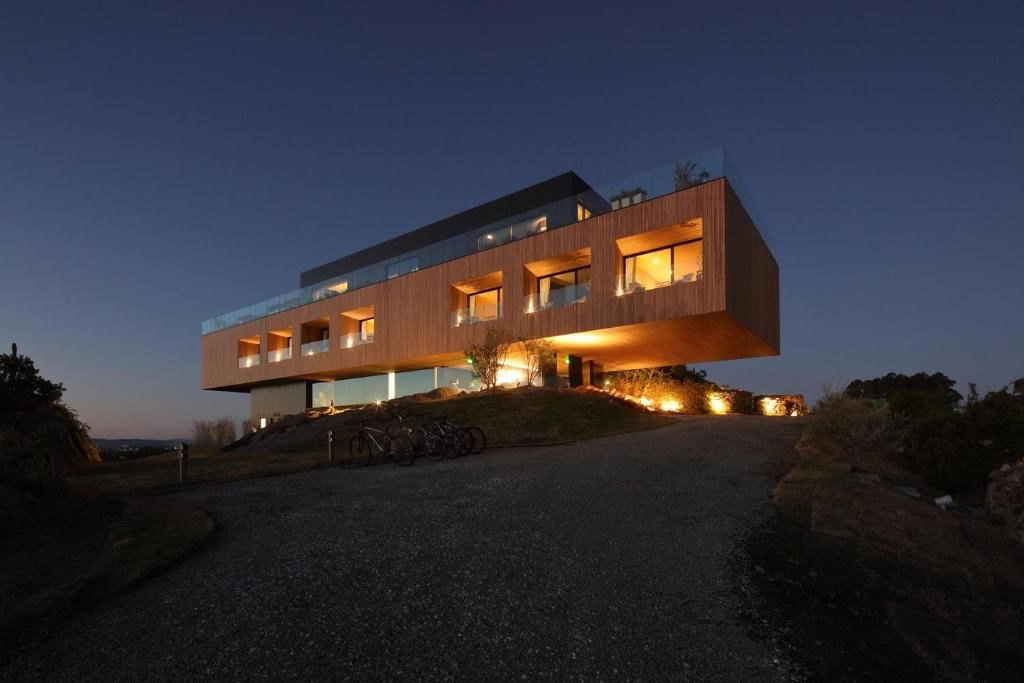
Hotels in Punta del Este
Browse all →
At a Glance
- Lively
- Group Dining
- Casual Hangout
- Open Kitchen
- Extensive Wine List
- Local Sourcing
Lively and casual atmosphere centered around grilled meats with a lively steakhouse energy.