Sofitel Montevideo Casino Carrasco & Spa


A restored early-20th-century landmark on Montevideo's Carrasco rambla, the Sofitel Casino Carrasco pairs 116 rooms and suites with a spa, casino, restaurant, bar, and Tea Gallery under Accor's French hospitality framework. The property sits in Carrasco, the city's most residential and historically affluent district, making it a reference point for leisure travellers seeking a grand-hotel register in Uruguay's capital.
Pearl is the En Primeur Club membership app — saves, bookings, and concierge access live there. Same editors, same standards.
- Address
- Rambla Republica de Mexico, No. 6451
- Phone
- +598 2604 6060
- Directions
- Get directions
 Saves & bookings on Pearl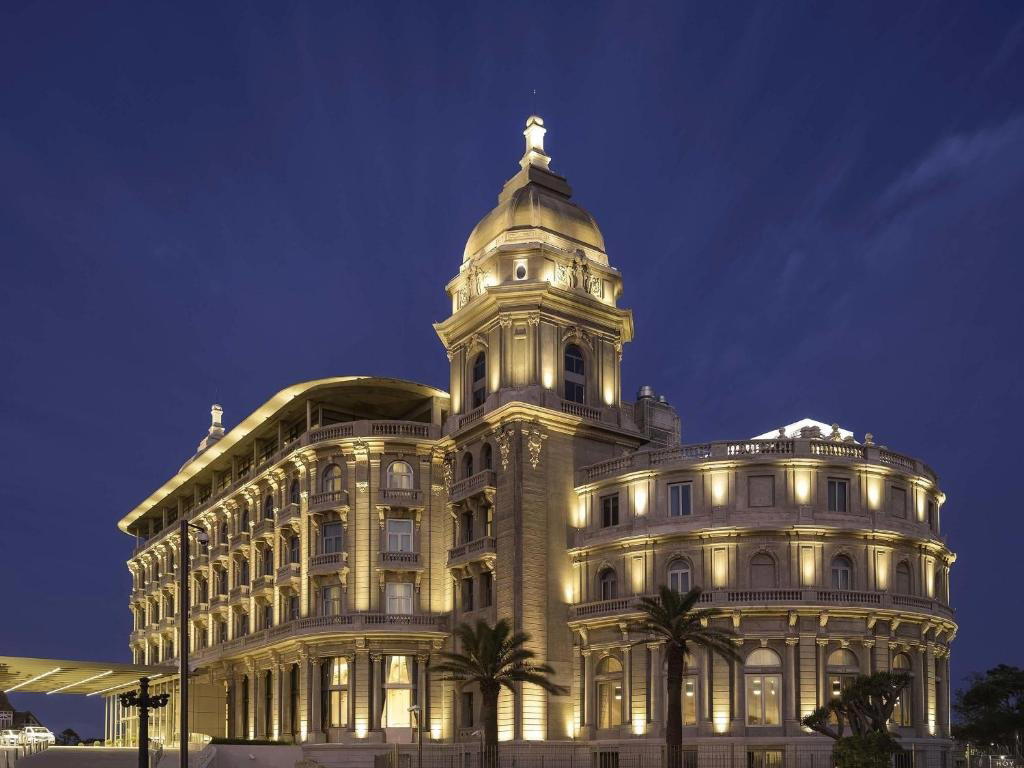
Carrasco and the Grand-Hotel Tradition
Montevideo's Carrasco district operates on a different register from the Old City's colonial stone and the Pocitos beachfront apartment towers. Broad tree-lined avenues, early-20th-century mansions, and the Rambla República de México running along the Río de la Plata give the neighbourhood a composed, residential quality that the rest of the city rarely matches. It is also the district that frames the Sofitel Montevideo Casino Carrasco and Spa, a building whose original architecture reaches back to the 1920s and whose renovation placed it back into active use as a full-service hotel. For travellers arriving at Carrasco International Airport, the property is among the closest luxury options to the terminal, which adds a logistical logic to its leisure credentials. For those exploring Our full Montevideo restaurants guide, the location anchors the eastern residential end of the city rather than the central hotel corridor.
The Dining Programme: A French Framework in South American Context
Within Sofitel's global network, the French art of living (art de vivre) functions as an operating philosophy rather than a decorative theme. That distinction matters when reading the dining programme here. In Paris properties such as Le Bristol Paris or Hotel Plaza Athénée, the Sofitel association connects food and beverage operations to a European fine-dining reference point. In Montevideo, that same framework lands inside a country with one of South America's strongest beef and wine cultures, which creates an interesting tension for kitchen programming.
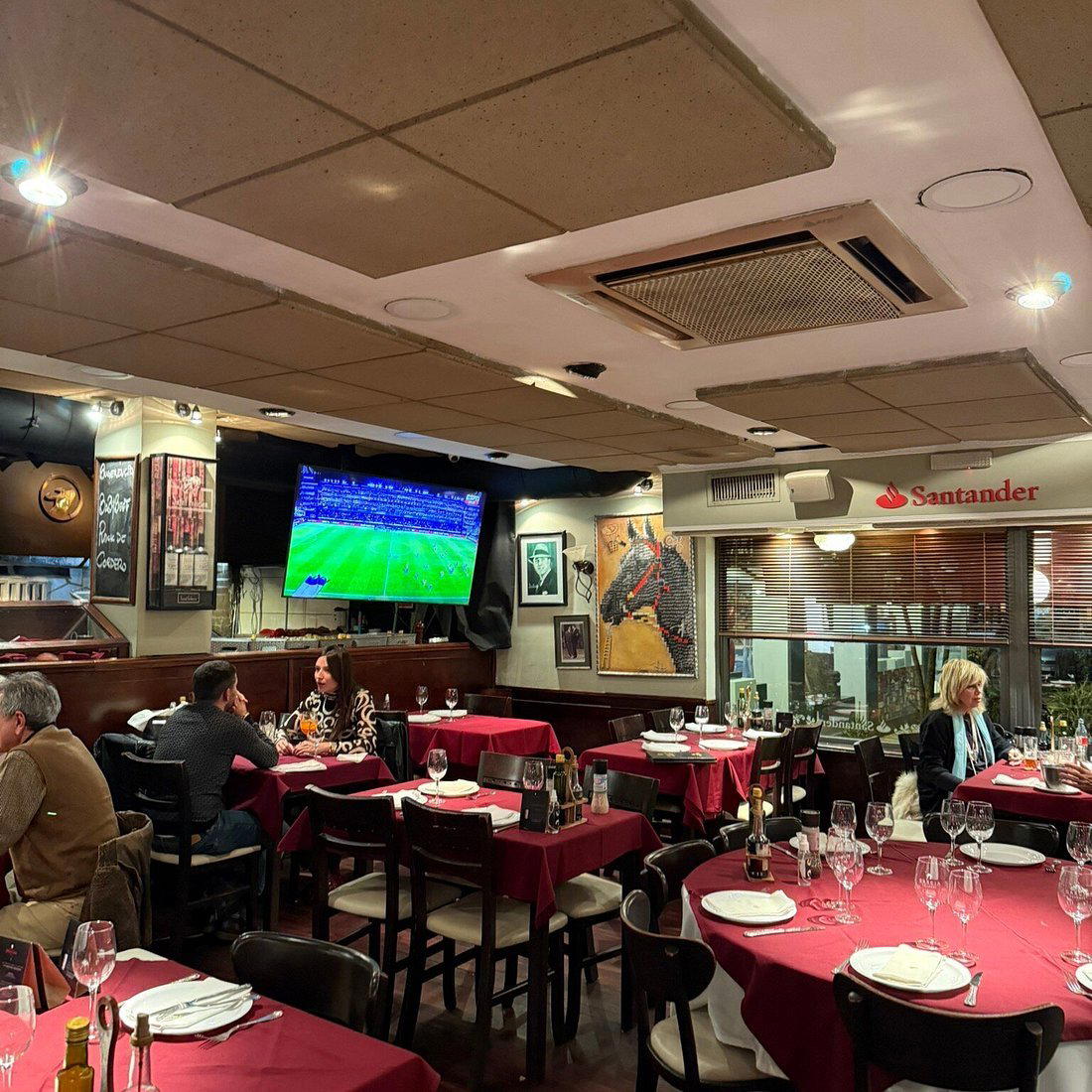
The property operates a restaurant, a bar, and a Tea Gallery as distinct formats rather than consolidating all food and beverage into a single dining room. That three-format structure is a deliberate signal: it allows the hotel to address different occasions — a formal dinner, a late evening drink near the casino floor, an afternoon pause over tea — without asking any one space to do too much. Properties of comparable scale and ambition in the region, including Fasano Las Piedras Punta Del Este, have taken the same multi-format approach, recognising that guests who spend more than one night will cycle through different social modes and appetite levels.
The Tea Gallery is the most distinctive of the three formats. In the context of Montevideo hotel dining, a dedicated tea space with architectural presence is relatively rare, and its inclusion here reflects the property's orientation toward the Sofitel heritage of afternoon rituals as social occasions. For the bar, the casino adjacency shapes its natural clientele: evening drinking in a hotel with an active casino floor tends toward later hours and a different energy than the restaurant, and a well-programmed bar becomes a meaningful revenue centre in that context. Compare this with Hotel Montevideo, which occupies a different neighbourhood position, and the Sofitel's casino-bar relationship starts to look like a defining structural feature of the experience rather than a secondary amenity.
116 Rooms and the Historic Building Logic
At 116 rooms and suites, the property sits in a mid-size band for a grand-hotel format. That count is large enough to support a full amenity stack, spa, casino, multiple food and beverage formats, without tipping into the anonymous scale of a convention-centre property. Heritage buildings renovated into active hotels across Europe and South America tend to land in this range: the original floor plates dictate the room count more than market demand does, which often results in a more generous average room size than purpose-built towers of equivalent star category.
The renovation approach here worked with the early-20th-century architecture rather than against it. In practice, that means the public spaces carry period detail, ornate ceiling work, classical proportions, while the guest rooms meet contemporary expectations for comfort and connectivity. This tension between original fabric and modern expectation is something that Sofitel properties worldwide negotiate with varying degrees of success. Points of reference outside Uruguay include Hotel Sacher Wien and Badrutt's Palace Hotel, both historic-building hotels where the original architecture functions as the primary asset and the renovation is judged partly on how carefully it preserved that asset.
The Spa and the Casino as Structural Anchors
Two amenities shape the Sofitel Carrasco's competitive position in ways that pure-restaurant or pure-rooms hotels cannot replicate: the spa and the casino. A hotel spa at this scale typically operates as both an in-house amenity for guests and a destination for local residents, particularly in a residential district like Carrasco where the property may be the only full-service spa within convenient distance. The casino adds a dimension that places the hotel in a specific niche within Uruguay's hotel market. Casino hotels in Montevideo operate under national licensing, and the Carrasco casino carries historical associations with the district's early-20th-century social life, when the original complex was a hub for the city's affluent families.
For context on how the Uruguayan luxury market structures itself geographically, the Punta del Este and José Ignacio corridor to the east represents the resort end of the spectrum: properties like Bahia Vik José Ignacio, Estancia Vik Jose Ignacio, and Casa Flor Hotel Boutique in La Barra serve a seasonal beach and estancia market that peaks in the Southern Hemisphere summer (December through February). Montevideo's Sofitel, by contrast, operates year-round in the capital, with a guest profile that mixes business travellers, visitors to the city, and domestic leisure guests who want a full-service grand-hotel experience without leaving the metropolitan area.
Planning a Stay: Logistics and Practical Orientation
The address on the Rambla República de México places the hotel on Montevideo's coastal promenade in Carrasco, roughly a 20-minute drive from the city's historic centre and Old Town under normal traffic conditions, Carrasco is the eastern extreme of the city's hotel geography. Carrasco International Airport sits close enough that the property makes practical sense as a first or last night before or after a transatlantic flight, and that proximity alone drives a portion of its occupancy. Booking through the Sofitel or Accor channels connects guests to the Le Club Accor loyalty programme, relevant for frequent travellers already within that ecosystem.
For those building a longer Uruguay itinerary that combines Montevideo with the coastal resort corridor, the property works as a capital-city base before moving east toward Punta del Este or José Ignacio. The dining programme, casino, and spa mean there is enough on-site to justify a stay of two to three nights without needing to leave the property for every meal or activity, a practical consideration in a city where taxi and ride-share infrastructure, while functional, makes a self-contained property more convenient for guests unfamiliar with the street layout.
Recognition history
Dated appearances from independent guides and award organizations, with the underlying list record or original source where available.
Virtuoso Luxury Hotel Partner
Virtuoso
Michelin Selected
Michelin
Continue exploring
More in Montevideo
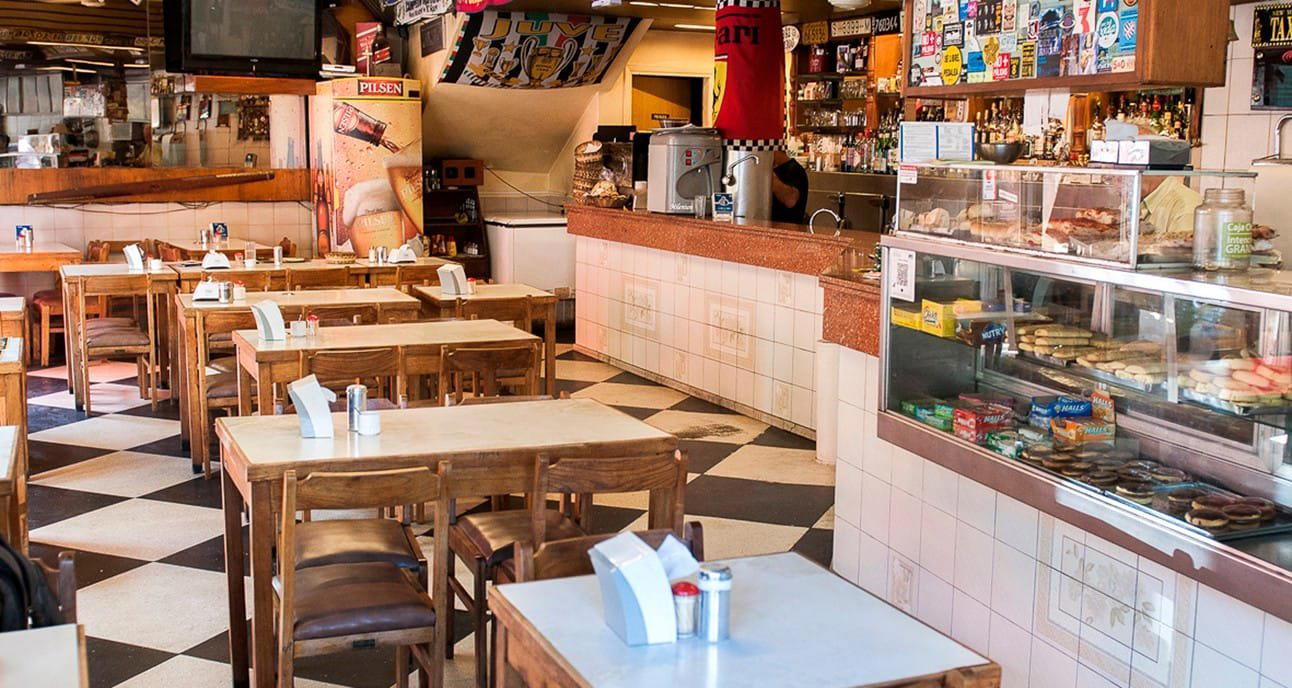
Hotels in Montevideo
Browse all →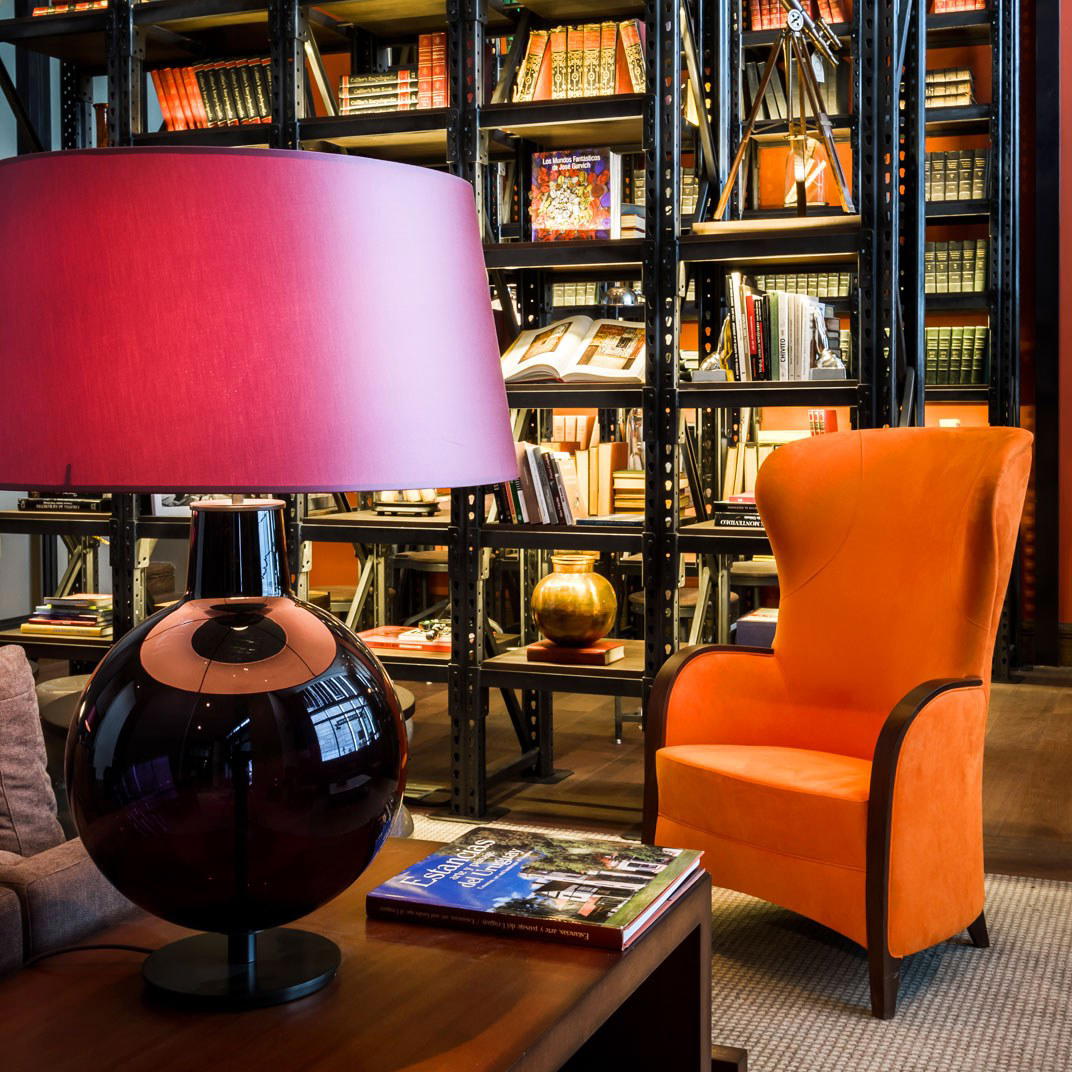
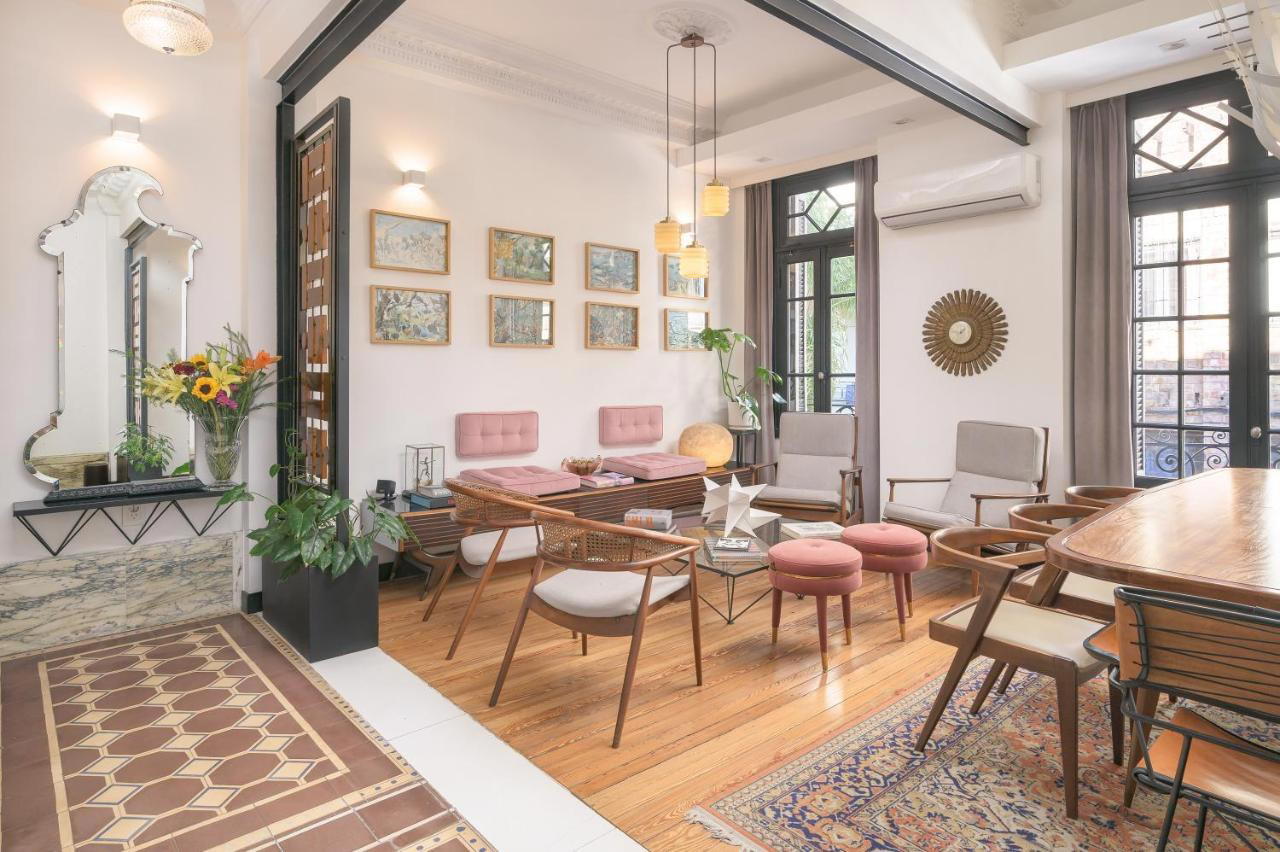
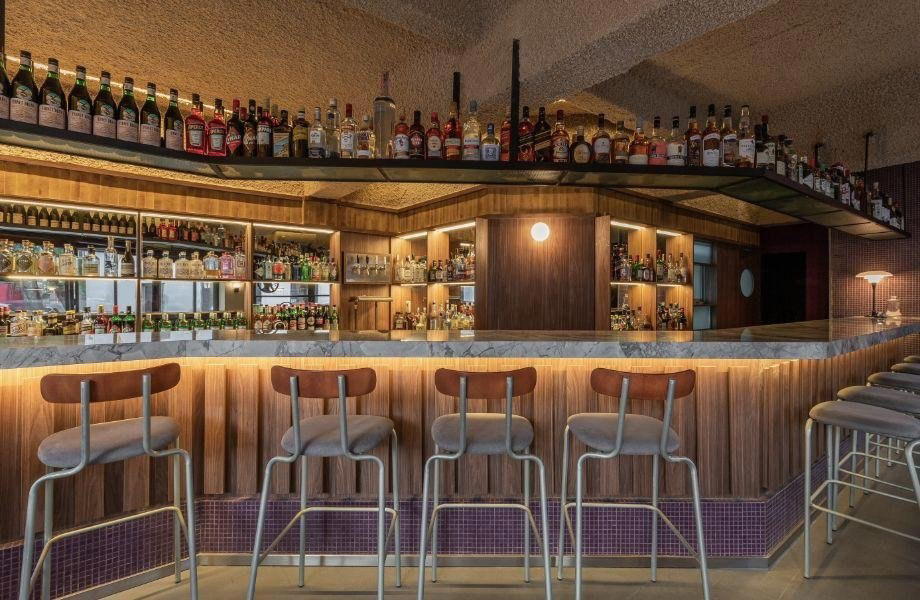
Bars in Montevideo
Browse all →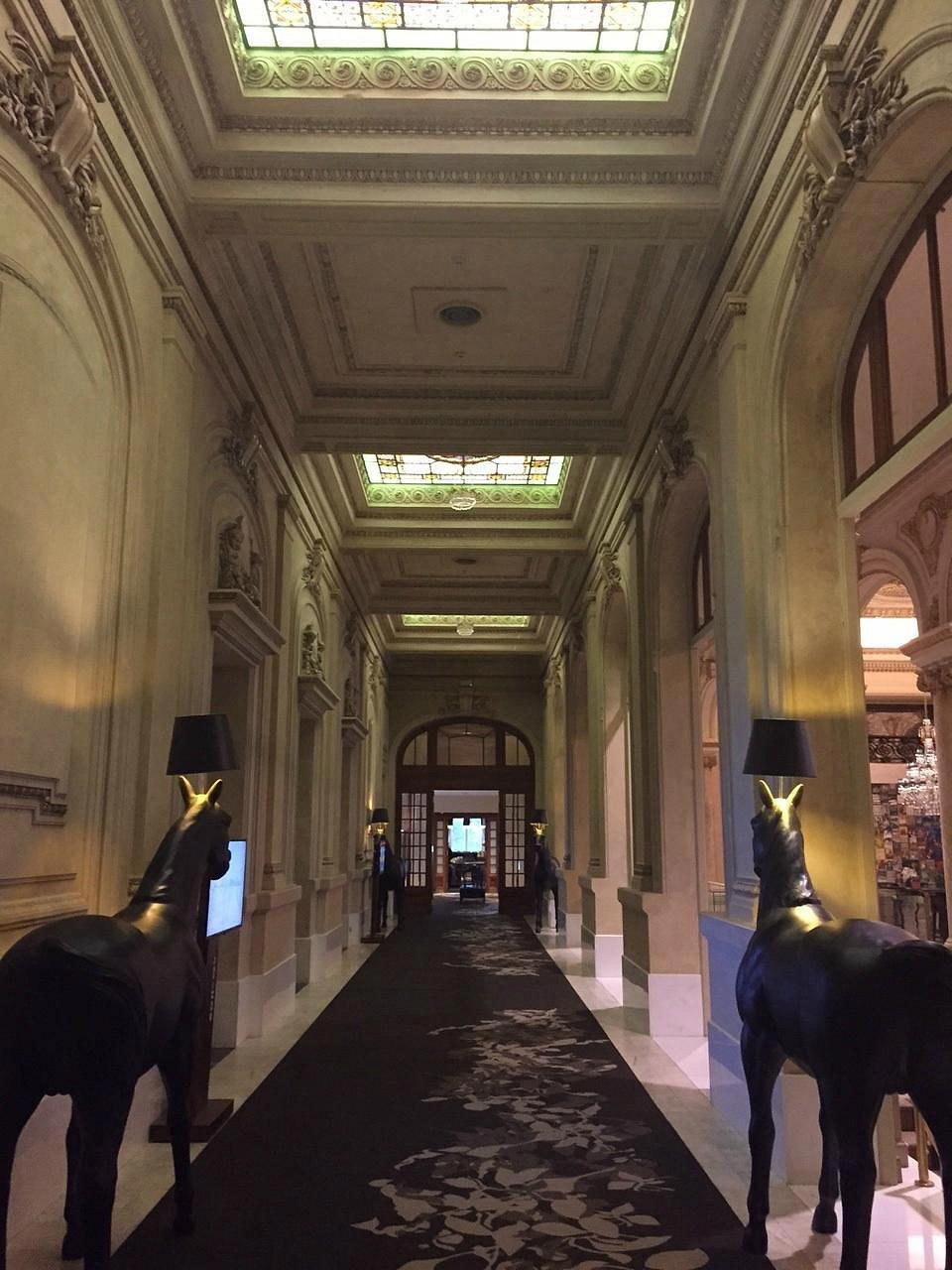
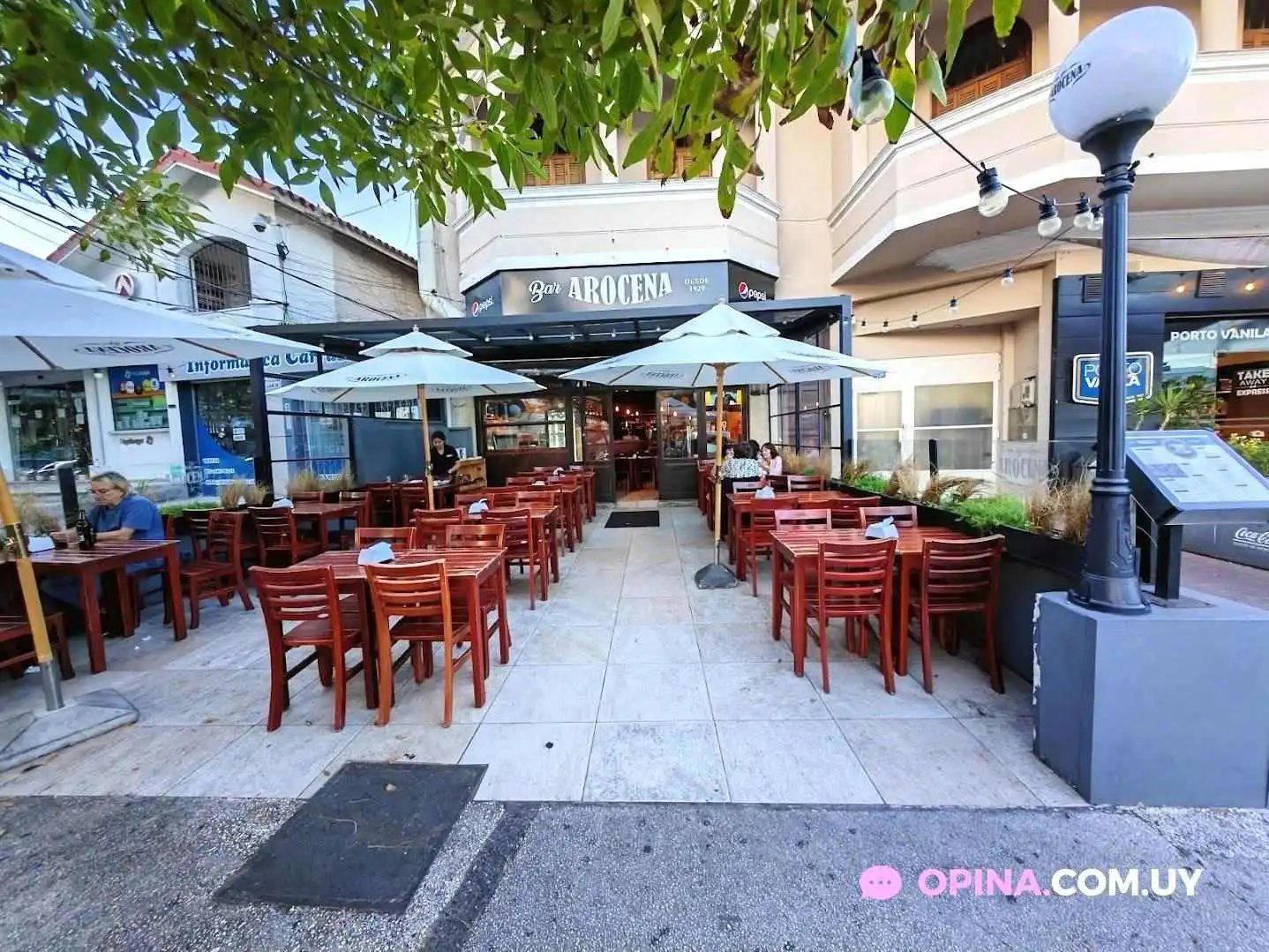
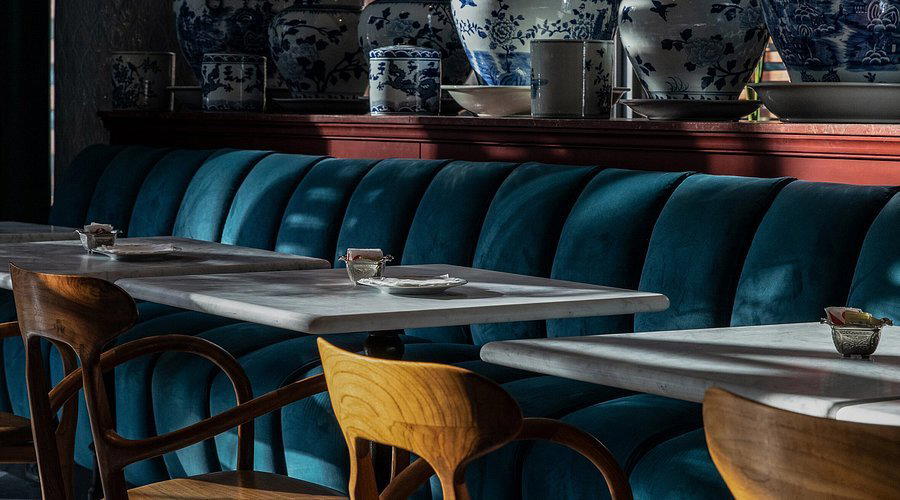
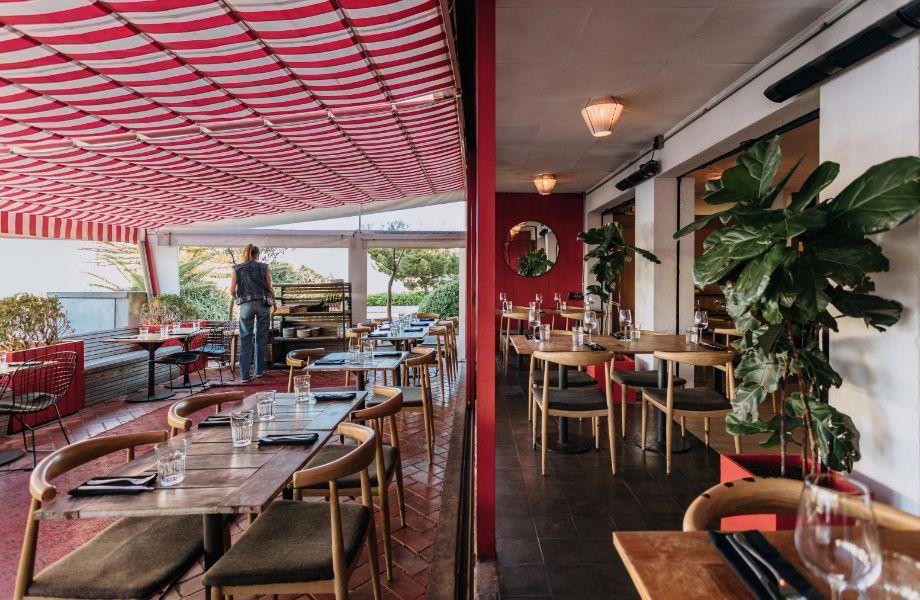
Restaurants in Montevideo
Browse all →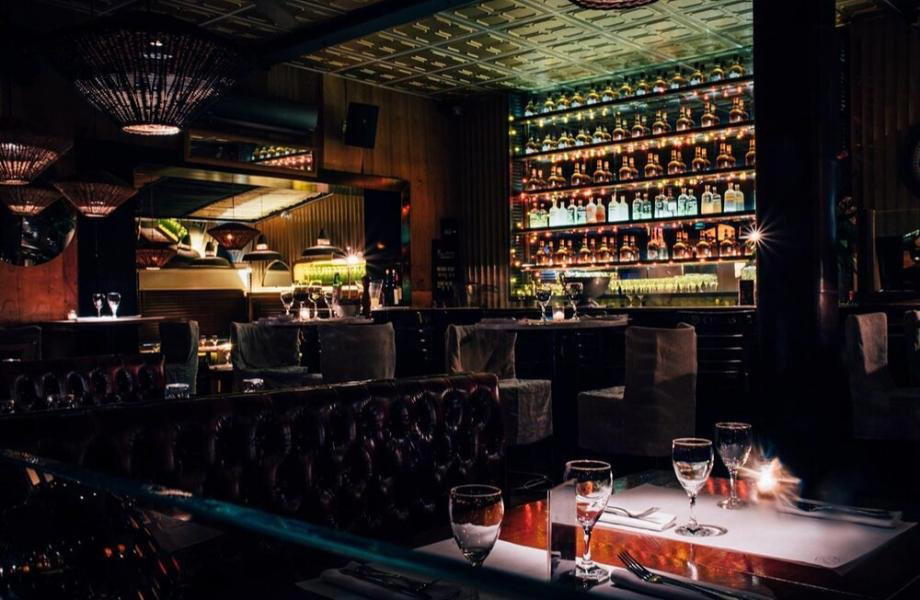


At a Glance
- Elegant
- Sophisticated
- Ornate
- Romantic Getaway
- Honeymoon
- Wellness Retreat
- Business Trip
- Beachfront
- Infinity Pool
- Destination Spa
- Waterfront
- Panoramic View
- Terrace
- Wi Fi
- Pool
- Spa
- Fitness Center
- Room Service
- Concierge
- Business Center
- Valet Parking
- Waterfront
- Wi Fi
- Pool
- Spa
- Fitness Center
- Room Service
- Concierge
- Business Center
- Valet Parking
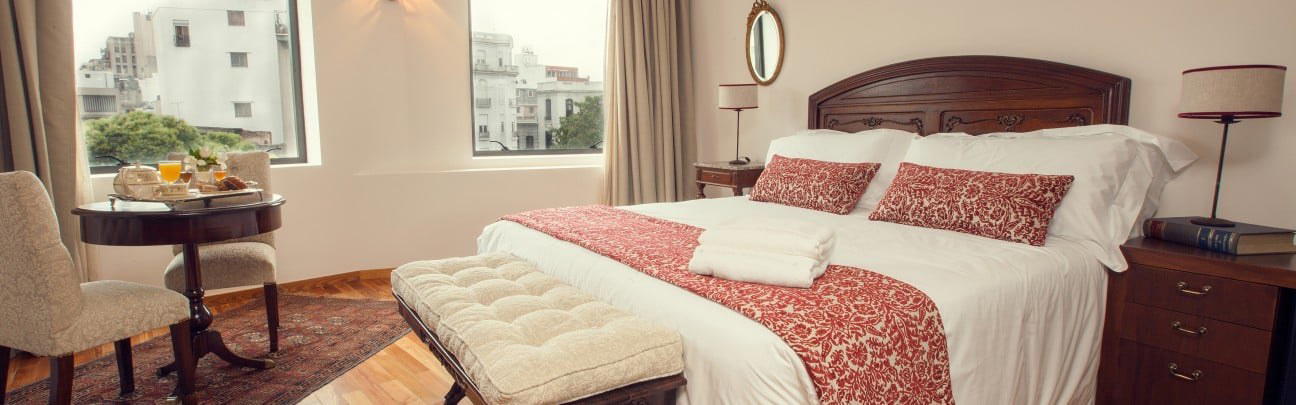
Elegant and serene with natural light from expansive windows, soundproofed rooms, and relaxing spa and garden atmospheres.
Know Before You Go
- Getting there
- Rambla Republica de Mexico, No. 6451