

World's 50 Best #4 · Falstaff Winery - Listed
Bodega Garzón places Maldonado wine in a more ambitious register: coastal-influenced Uruguayan terroir, a destination-scale estate, and a restaurant shaped by Francis Mallmann’s fire-led cooking.
- Address
- 9 km. 175, 20400 Garzón, Departamento de Maldonado
- Phone
- +59842241759
- Website
- bodegagarzon.com
- Directions
- Get directions
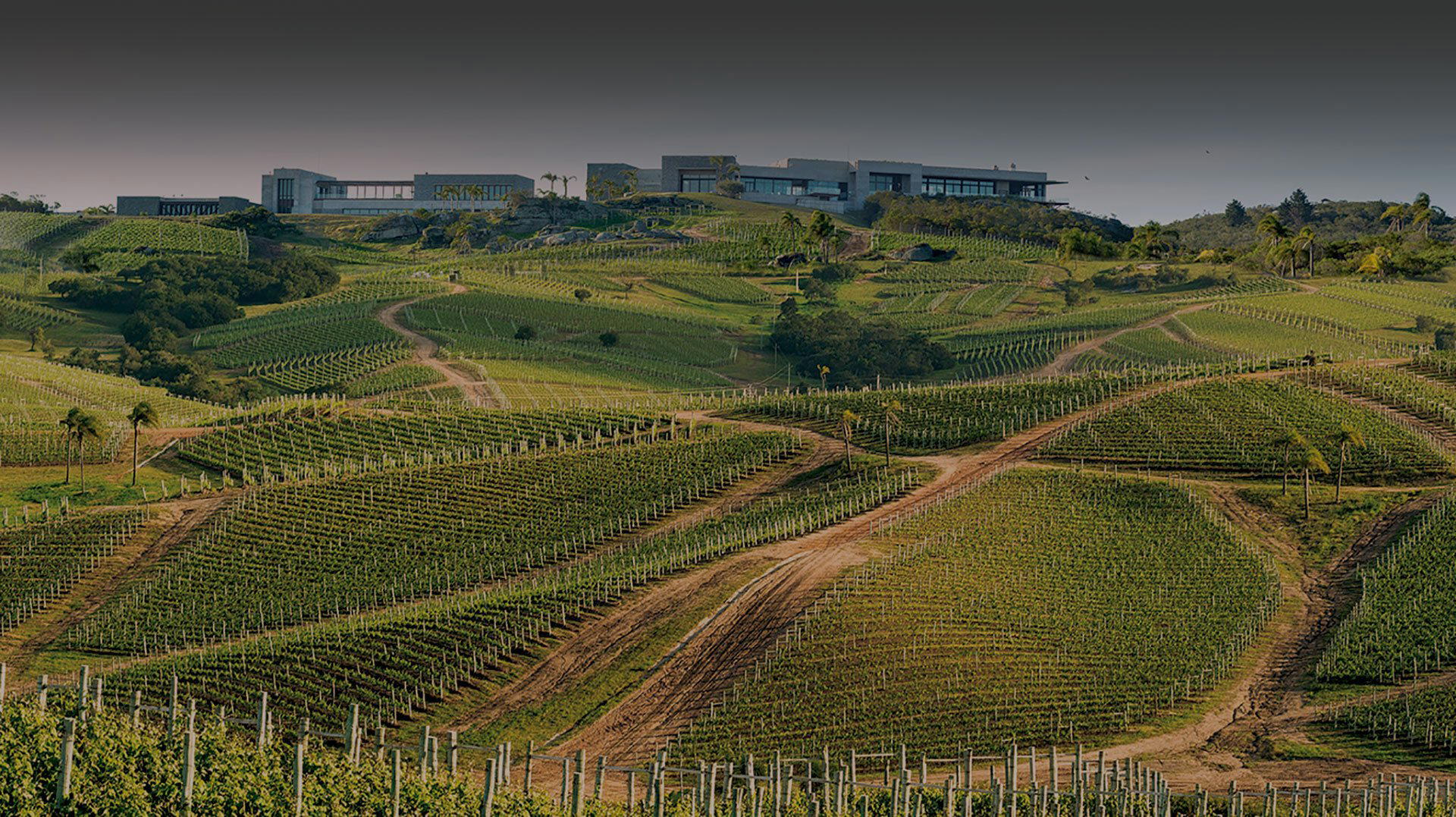
Where Atlantic Uruguay Turns Wine Into a Destination
The approach to Garzón is part of the argument. The winery sits at 9 km. 175 in Garzón, a rural address that matters because this is not an urban tasting room dressed in vineyard language. The experience is built around distance, climate, and scale: the feeling that the Atlantic, although not visible at every turn, has a hand in the wines. The region’s coastal exposure, granitic soils in parts of the department, and rolling topography have encouraged a broader conversation about freshness, texture, and site expression. In that context, Bodega Garzón functions less as a cellar visit and more as a statement about where Uruguayan wine tourism has moved: from family bodegas and local consumption toward architecture, hospitality, fire cooking, and international comparison.
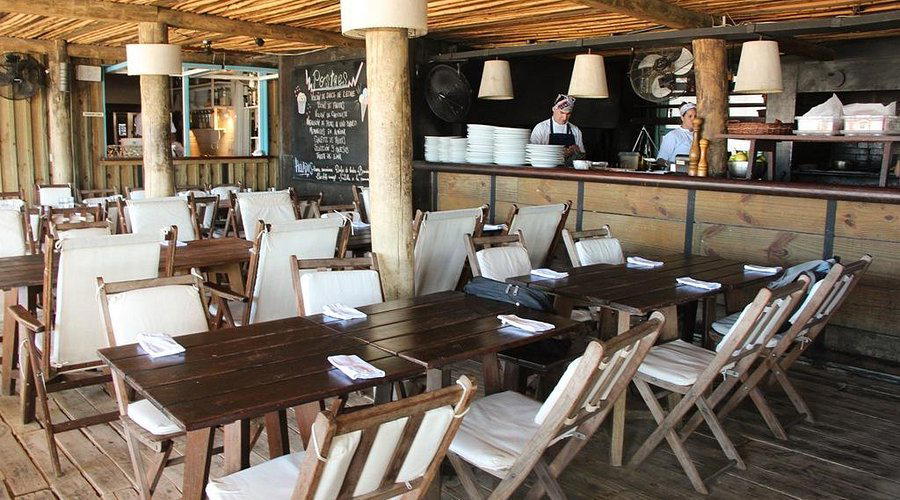
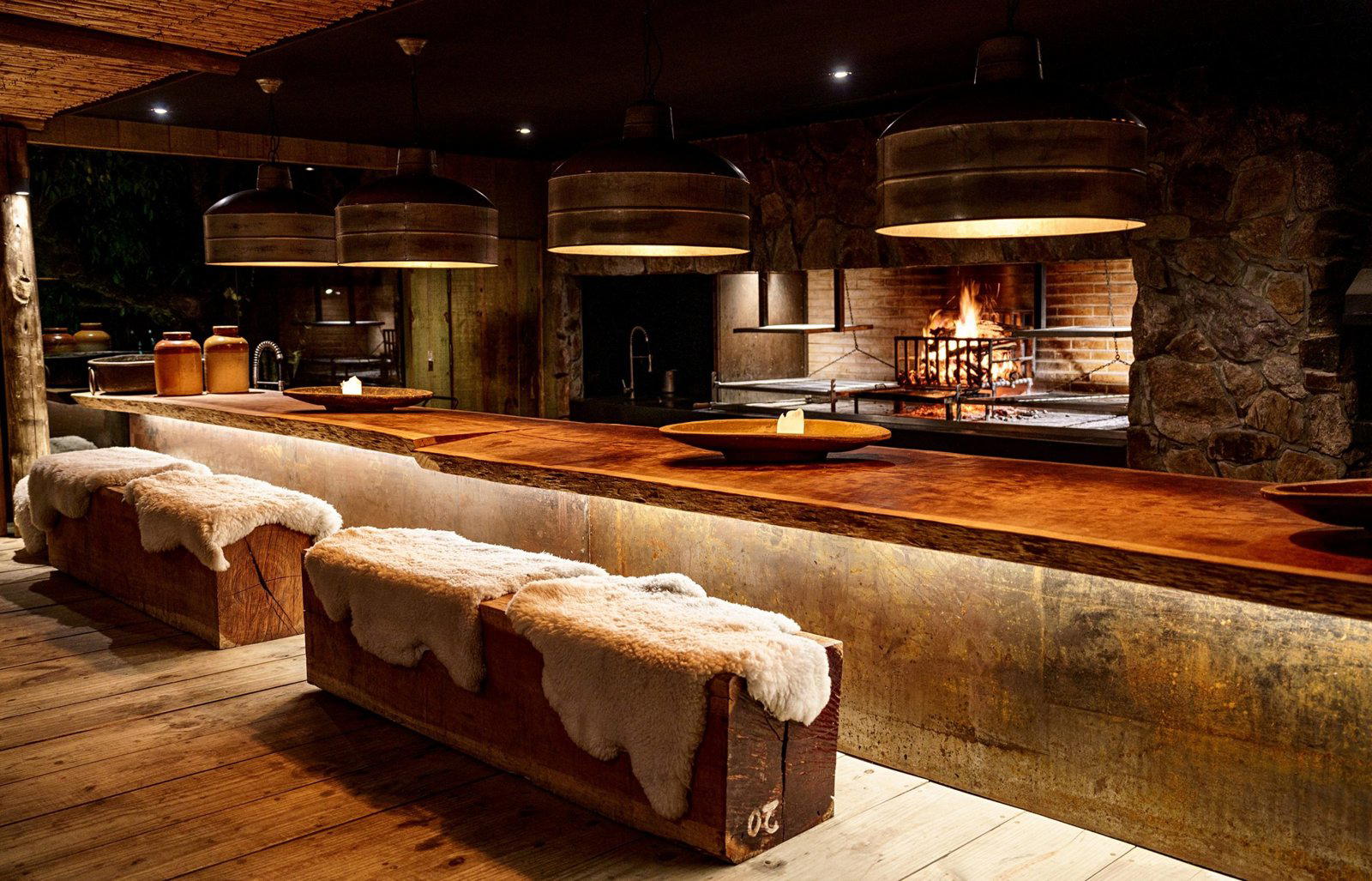
The trust signal is not vague reputation. That matters because the dining element here is not ornamental. In a wine region where many visits can become a sequence of pours and views, the presence of a fire-led restaurant changes the rhythm: wine is read beside smoke, char, fat, salt, and the slower pace of a long rural lunch.
Terroir, Not Just Tastings
The stronger way to read this estate is through the land rather than the label. The eastern department has a different emotional register. It is more open, more exposed, and more closely linked to the coastal leisure economy around José Ignacio, Punta del Este, and the inland village of Garzón. Wine here competes not only with other wineries, but with beach houses, art foundations, design hotels, and long lunches that stretch deep into the afternoon.
That competition has raised expectations. The estate’s answer is terroir at a hospitality scale. The wines become part of a broader reading of place, where Atlantic influence, open land, and agricultural ambition are presented through a polished visitor format.enprimeurclub.enprimeurclub.enprimeurclub. Those names help frame the department as a serious wine area, but Garzón occupies the destination-estate end of the spectrum.
That distinction matters for planning. Travelers trying to understand how Uruguay positions itself on the international wine-travel map will find the larger format more instructive. The estate speaks in the language of architecture, restaurant culture, and global wine tourism, which places it closer to the conversation around major destination wineries than to a casual roadside tasting.
Fire as a Regional Grammar
The restaurant’s fire-led identity is not an imported gimmick. Across the Río de la Plata region, cooking over wood and flame sits close to everyday food culture, from asado to rural gatherings, but Mallmann’s influence has helped translate that grammar for international diners. The key editorial point is not celebrity for its own sake; it is the way smoke and flame create a bridge between wine and land. Char and embers can make red wines feel less formal, while vegetables, grains, and proteins cooked over heat can pull attention toward texture rather than polish.
That single detail carries more weight than a long invented menu would. It places the dining room inside a recognizable South American tradition, then sharpens it through a chef associated with disciplined fire cooking. In a winery context, this gives the meal a stronger identity than the conventional pairing lunch, where small plates are often designed simply to flatter the glass.
There is a practical implication, too. A rural winery restaurant built around a serious culinary name should be treated as a planned meal, not a spontaneous detour. The address, 9 km. That distance is part of the pleasure, but it also means timing has to be handled with care, especially for anyone connecting the visit with the coast or returning to Punta del Este after lunch. The department is no longer read only through beach season and coastal real estate. Inland routes now carry their own cultural weight, particularly around Garzón, where gastronomy, design, and agriculture meet. A winery visit here can sit naturally beside restaurants, hotels, bars, and experiences across the department, though the inland-coastal split affects how the day feels. The beach towns move with a different tempo; Garzón asks for a slower itinerary.
For readers building a wider trip, the estate belongs inside a regional rather than single-stop plan.enprimeurclub.
Within Uruguay, the contrast is useful. Canelones remains essential for understanding the country’s wine foundations, and Varela Zarranz in Canelones sits in that older, production-rich orbit. Montevideo’s proximity to vineyards gives houses such as Bodega Bouza in Montevideo a different urban-access advantage. Bodega Carrau in Las Piedras and Cerro Chapeu (Carrau) in Rivera point to the depth and geographical spread of Uruguayan wine beyond the eastern glamour circuit. Bodega Los Cerros de San Juan in Colonia del Sacramento adds another historical axis, showing how older wine territories and newer destination estates now share the same national conversation.
The more revealing comparison is not only domestic. Destination wineries now compete through a combination of place, design, restaurant credibility, and visitor choreography. Spain’s Rioja Alavesa offers a useful architectural reference through Bodegas Ysios in Laguardia, where the building itself has become part of the wine-region image. California’s Napa Valley provides a different model through Cakebread Cellars in Rutherford, where hospitality systems, reputation, and cellar-door professionalism shape the visitor expectation. Its advantage is a less saturated sense of discovery, though that word can be misleading if it suggests informality. The stronger appeal lies in contrast: an Atlantic South American wine region with room, weather, and agricultural texture, presented with enough confidence to sit beside older wine destinations. It places the estate in a more serious hospitality tier, where wine quality, setting, and service format are judged together.
There is also a point about scale. Large destination estates can become impersonal when the visitor experience overwhelms the agricultural reason for being there. The better reading here is to keep the land in view.
Who Should Prioritize It
This is the right choice for travelers who want a wine visit to carry the weight of a half-day experience. The estate suits itineraries where lunch, tasting, and landscape are treated as a single composition rather than separate errands. It also works for visitors who follow restaurant culture and want to see how Mallmann’s fire language functions inside a winery rather than in a city dining room.
It is less suited to travelers trying to squeeze multiple tastings into a tight window. Anyone planning around a specific date should verify current restaurant access, tasting availability, and seasonal opening patterns before committing transport.
That does not define the bill, but it does define the expectation: this is not framed as a bargain tasting stop. It is a destination winery with culinary gravity.
Planning the Visit
The confirmed address is 9 km. No phone number, website, opening hours, booking method, dress code, seat count, or price range is available in the provided record, so practical planning should be handled directly through current official sources before travel. That is especially important because rural winery visits depend on operating days, restaurant service, private events, and seasonal demand.
For timing, the sensible approach is to build the day around the winery rather than attach it casually to a beach itinerary. Garzón sits inland from the better-known coastal circuit, and the appeal is reduced if the visit is rushed. A long lunch, a tasting, and time to absorb the setting form the natural cadence.
The broader Uruguay route can be shaped by contrast. Adding Colonia, Rivera, or Las Piedras shows how varied the country’s wine geography is despite Uruguay’s compact size. In that wider itinerary, Bodega Garzón plays a specific role: it is the polished Atlantic estate where terroir, restaurant culture, and rural scale are presented as a single travel experience.
The Short List
| Venue | Awards |
|---|---|
| Bodega GarzónThis venue — the venue you are viewing | World's 50 Best #4 · Falstaff Winery - Listed |
Recognition history
Dated appearances from independent guides and award organizations, with the underlying list record or original source where available.
World's 50 Best Vineyards #4
World's 50 Best
Falstaff Winery - Listed
Falstaff
Full recognition history (8 entries)
World's 50 Best Vineyards #11
World's 50 Best
World's 50 Best Vineyards #6
World's 50 Best
World's 50 Best Vineyards #10
World's 50 Best
World's 50 Best Vineyards #4
World's 50 Best
World's 50 Best Vineyards #2
World's 50 Best
World's 50 Best Vineyards #2
World's 50 Best
Continue exploring
More in Maldonado
Wineries in Maldonado
Browse all →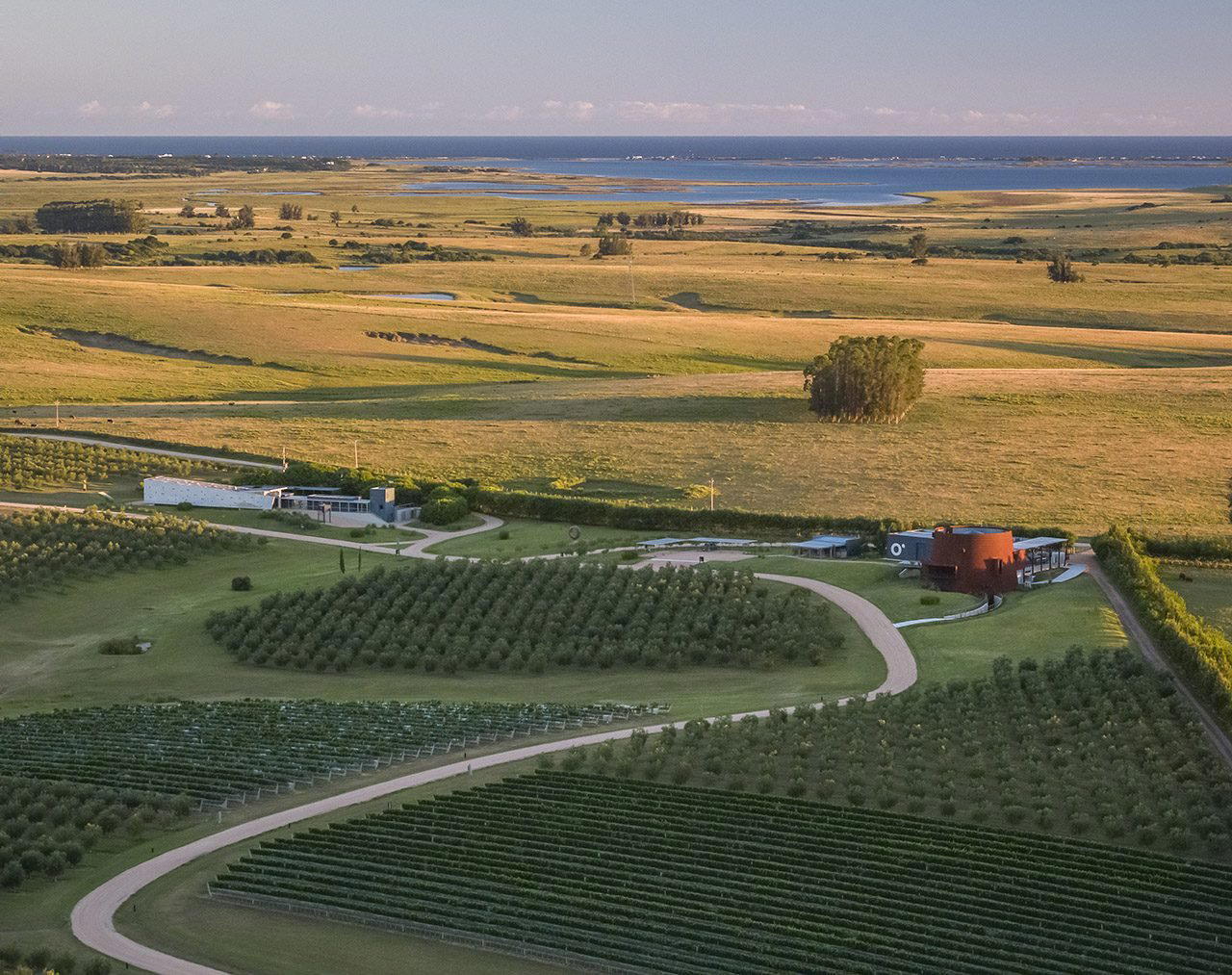
Bars in Maldonado
Browse all →
Restaurants in Maldonado
Browse all →

Details
- Scenic
- Elegant
- Sophisticated
- Rustic
- Wine Education
- Special Occasion
- Group Outing
- Vineyard Tour
- Panoramic View
- Estate Grounds
- Sustainable
- Vineyard
- Tannat
- Albariño
- Cabernet Franc
- Marselan
- Petit Verdot
- Viognier
- Pinot Noir
- Still Red
- Still White
- Still Rosé
- Sparkling
- Single Vineyard
- Estate
- Reserva
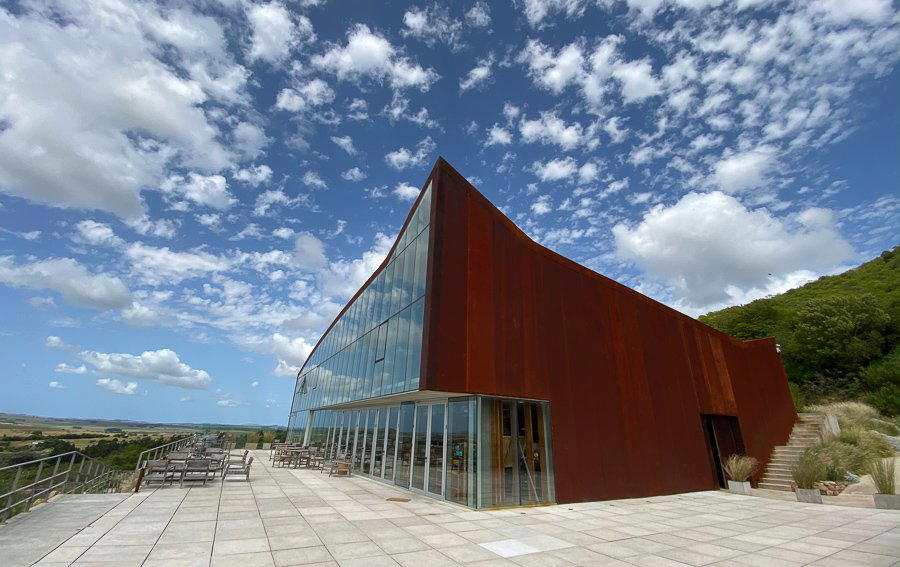
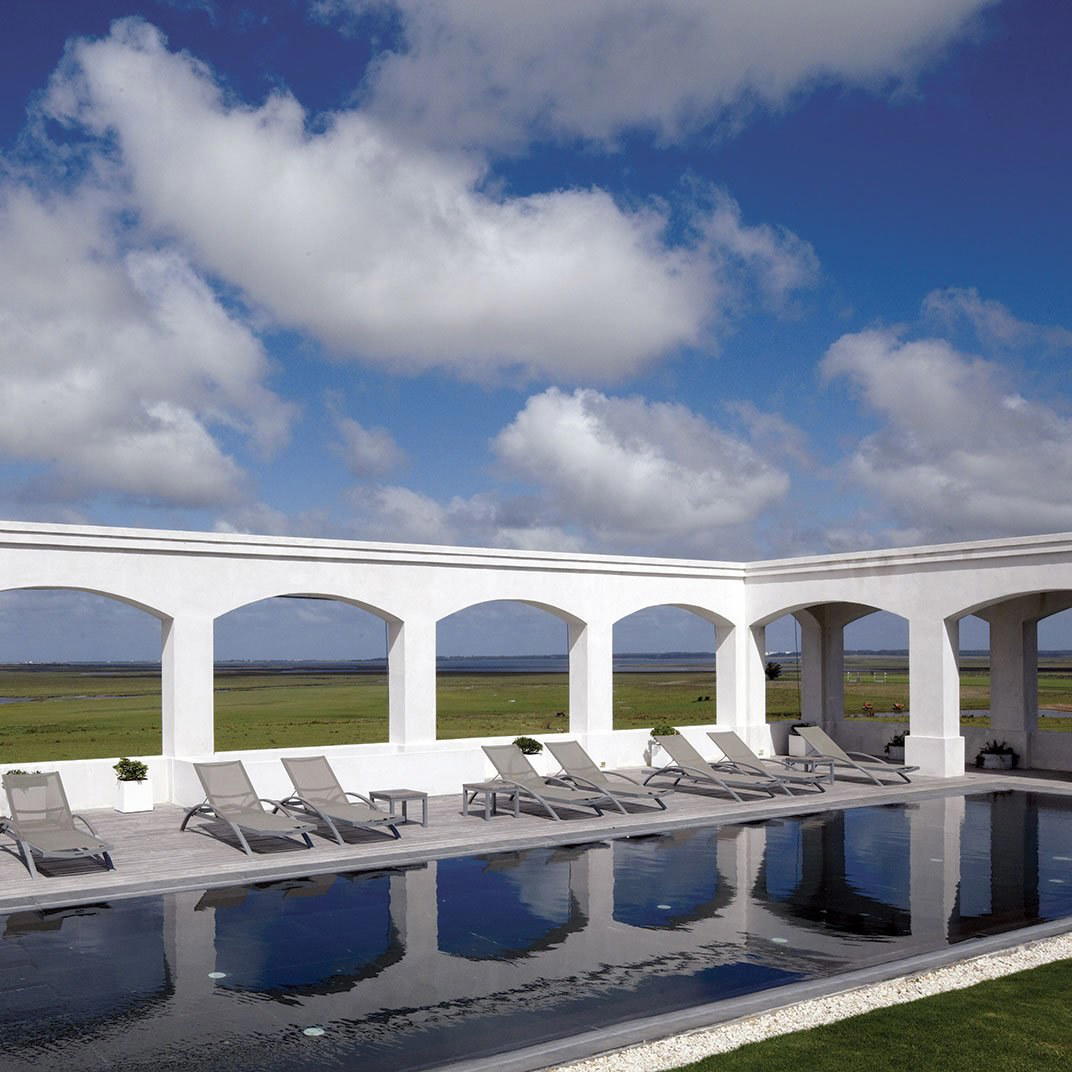
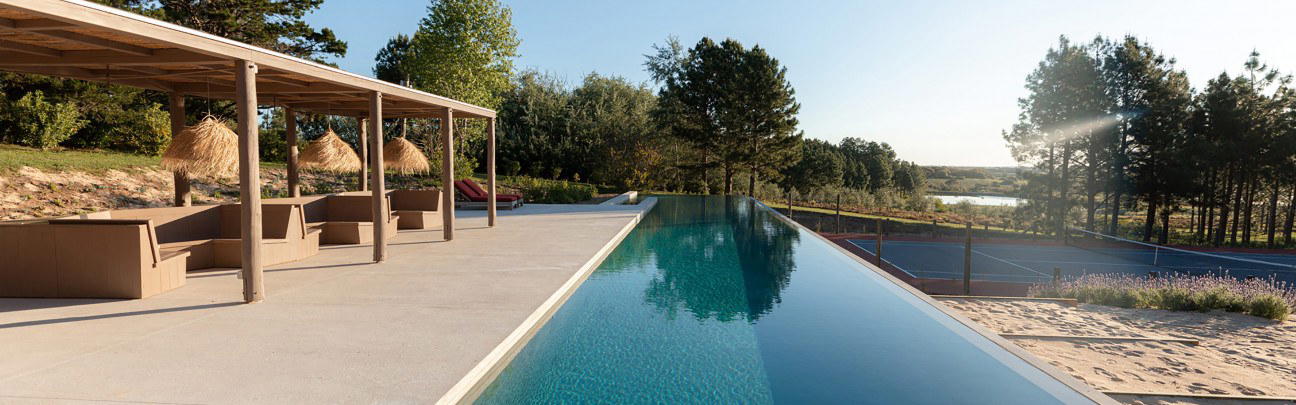
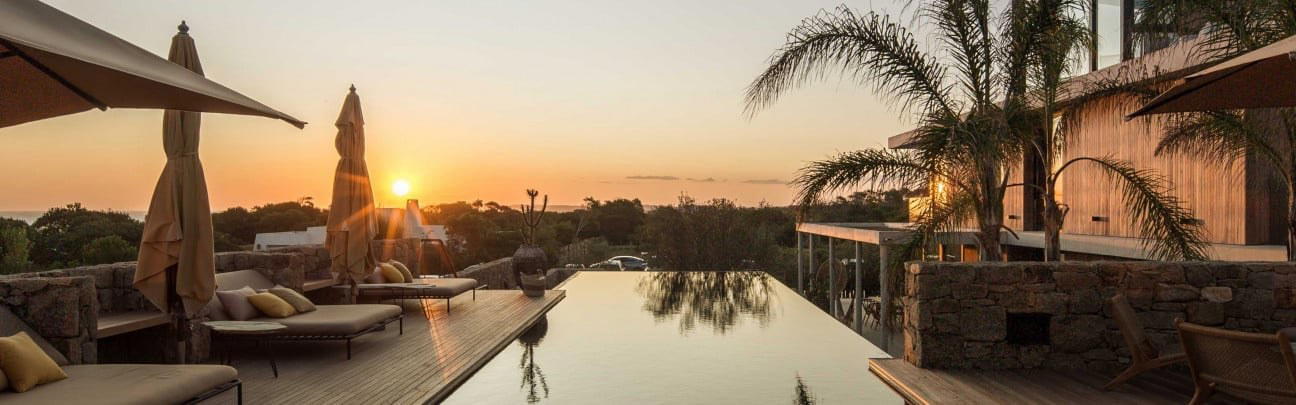
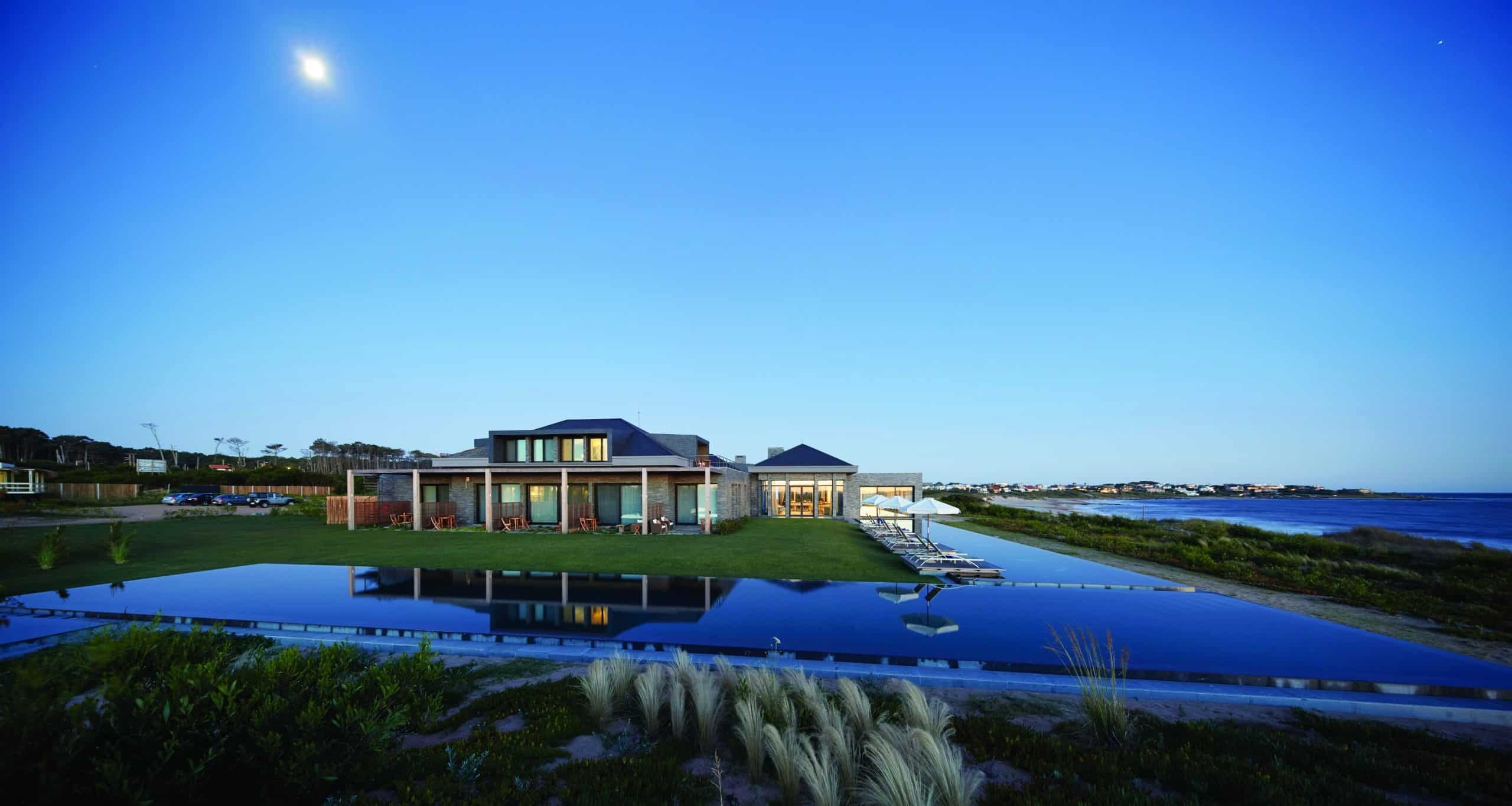
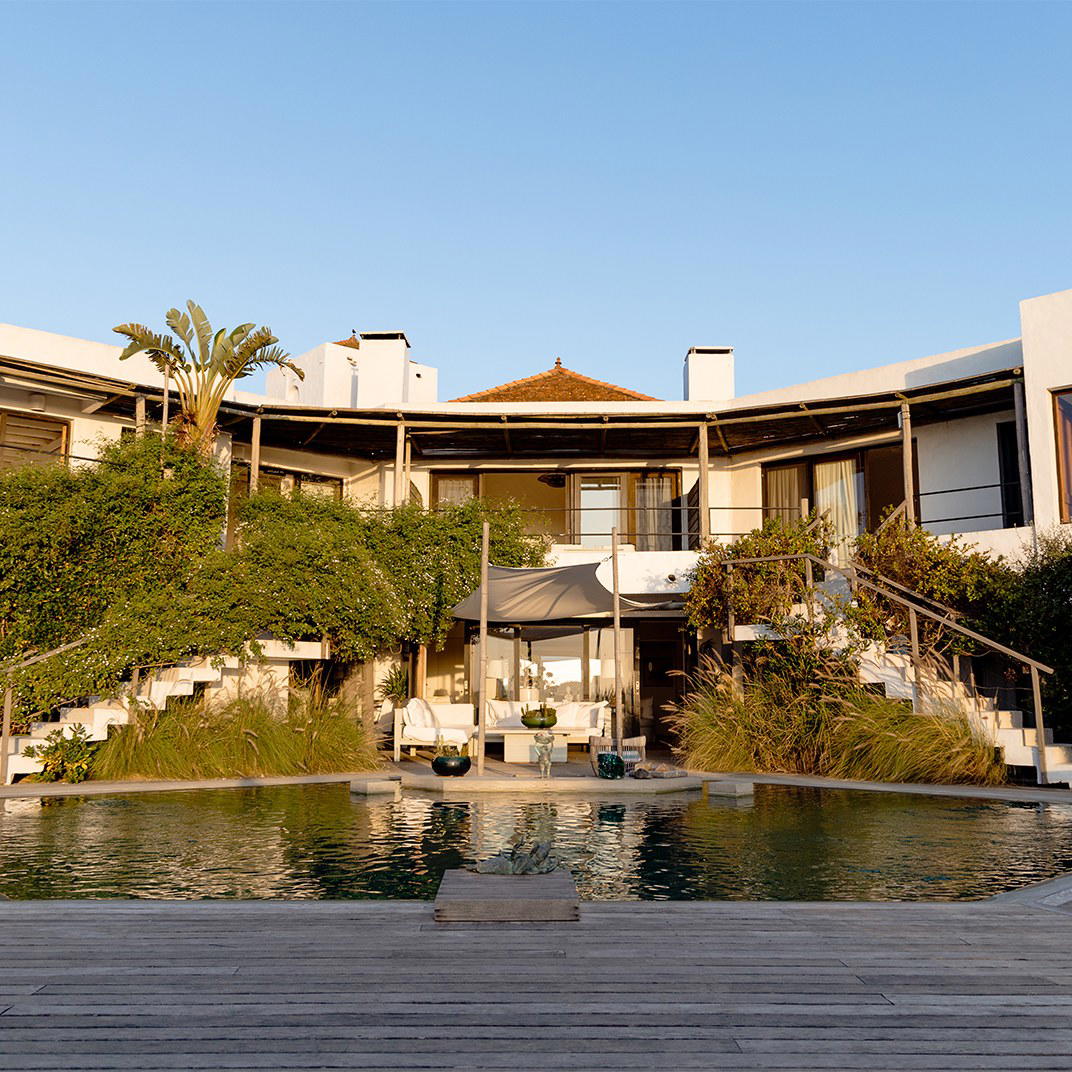
Dramatic vineyard views from the patio, modern sustainable architecture blending elegantly with the natural landscape, creating a sophisticated and serene atmosphere.