
Falstaff Winery - Listed
Familia Irurtia sits on Ruta 97 outside Carmelo, in Uruguay's Colonia wine country, where the Rio de la Plata's humid river air shapes a growing environment unlike anything found further inland. Visitors arriving from Buenos Aires via the Buquebus crossing reach Carmelo in under two hours.

Pearl is the En Primeur Club membership app — saves, bookings, and concierge access live there. Same editors, same standards.
- Address
- Ruta 97 km 2.300, Carmelo, Colonia, Uruguay
- Phone
- +59845422323
- Website
- irurtia.com.uy
- Directions
- Get directions
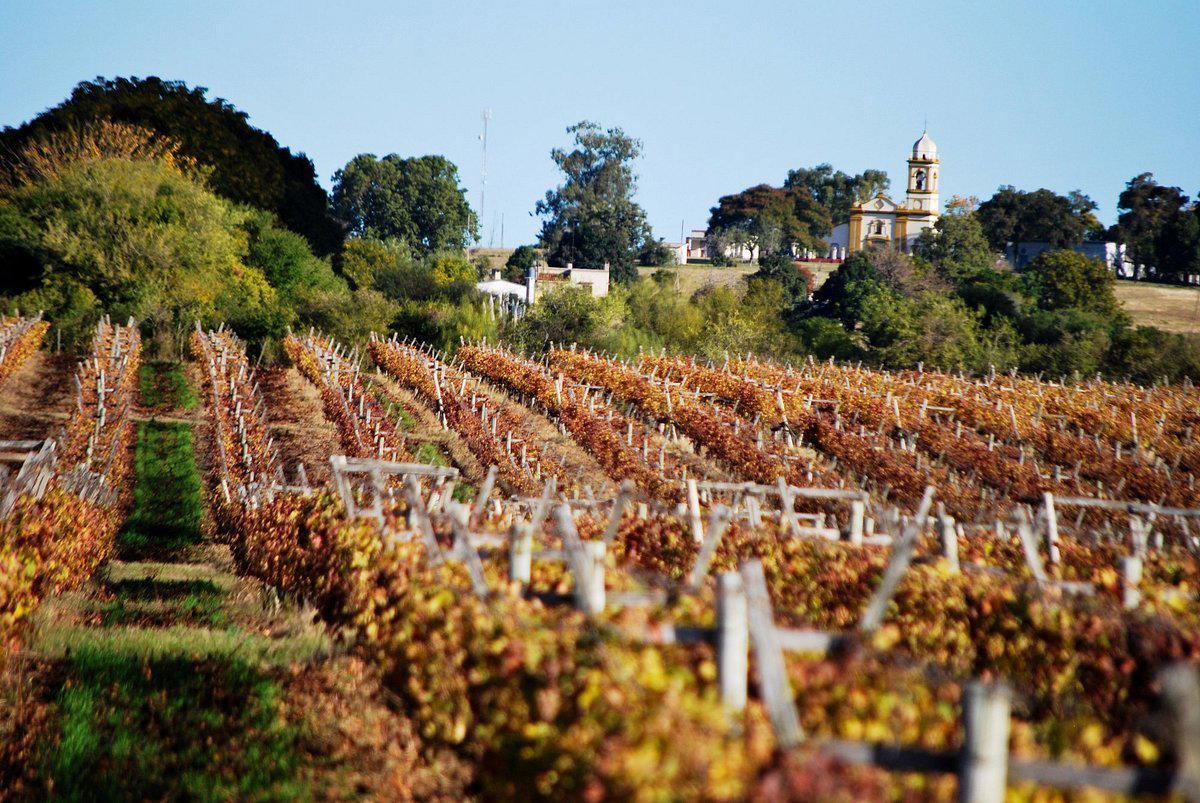
River Country, Old Vines: Carmelo's Case for Serious Wine
The road from Carmelo's small downtown grid out along Ruta 97 flattens quickly into a range of eucalyptus windbreaks and low clay ridges sloping toward the Rio de la Plata. The air is heavier here than in Uruguay's inland wine zones, carrying the kind of river humidity that slows ripening and keeps acidity alive in the grapes long past the point where drier regions would push toward over-ripeness. This is not Napa. It is not even Mendoza. What Carmelo offers is a particular combination of alluvial soils, maritime influence, and old European vine stock that a small number of producers have spent decades learning to read correctly.
Uruguay's wine scene operates across a broad range of quality tiers, from everyday Tannat sold in Montevideo supermarkets to allocation-level estate wines that rarely travel beyond specialist importers. In a country where fewer than two dozen producers hold comparable recognition, the signal carries weight. The distinction matters for visitors deciding where to spend time: properties at this recognition level typically offer a different depth of access than those operating primarily as tourist attractions.
Tannat and the Colonia Question
Uruguay's wine identity is inseparable from Tannat, the thick-skinned red variety that Basque immigrants brought to the Rio de la Plata region in the nineteenth century. Colonia department, where Carmelo sits, was part of that original planting wave, and the vines here predate much of what was established in Canelones. The regional argument for Colonia Tannat rests on climate: the proximity to the river moderates temperature extremes, producing a growing season that lasts longer than the continental interior allows. The result, in well-managed estates, is a Tannat with more finesse than the muscular versions associated with warmer Uruguayan sub-regions.
Beyond Tannat, Colonia producers have historically worked with a range of varieties introduced during various European immigration waves, including Merlot, Cabernet Franc, and white varieties such as Viognier and Albariño, the last of which finds an unexpectedly comfortable home in Uruguay's humid Atlantic-influenced zones. For context on how this regional character compares to other Uruguayan wine areas, the Varela Zarranz in Canelones operation shows how the country's largest wine-producing department handles similar varieties under different climatic conditions. Further north, Cerro Chapeu (Carrau) in Rivera demonstrates how dramatically terroir shifts when altitude and a different latitude enter the equation.
The Winemaking Tradition Behind the Estate
In Carmelo's context, the properties that reach this recognition tier typically share certain characteristics: multi-generational ownership or a long operational history, estate-grown fruit rather than purchased grapes, and a winemaking orientation that prioritizes the specific character of Colonia soils over international style benchmarks.
That orientation distinguishes Carmelo's upper tier from some of Uruguay's more commercially driven producers. The comparison is useful when mapping the country's wine identity against regional neighbours. Bodega Bouza in Montevideo and Bodega Carrau in Las Piedras have built recognizable identities partly through accessible visitor experiences and urban proximity. Carmelo estates operate from a different premise: the distance from Montevideo (roughly three hours by road) filters visitor volume and tends to attract a more committed traveller willing to spend more time on the ground.
Carmelo as a Wine Destination: The Broader Argument
Carmelo's emergence as a serious wine town is relatively recent in international terms, though the vineyards themselves are old. The town of around 18,000 people sits across the Río de la Plata from Buenos Aires, accessible via the Buquebus ferry crossing to Colonia del Sacramento and then a short road connection, or by direct launch service that cuts the crossing to under an hour. That Buenos Aires connection is significant: much of Carmelo's serious visitor traffic arrives from Argentina rather than from Uruguay's own cities, and the cross-river wine tourism circuit that has developed over the past decade now positions Carmelo as a viable day trip or short stay from Argentina's capital.
Within Uruguay's own wine geography, the Colonia department competes for attention with Canelones, which produces the majority of the country's wine volume, and with newer zones such as Maldonado, where Bodega Oceánica José Ignacio in Maldonado has attracted attention for a different coastal terroir. Colonia's argument is age and proximity to water; Maldonado's is Atlantic influence of a different kind, closer to the open ocean than to the broad river. Neither cancels the other out. They represent different hypotheses about what Uruguayan fine wine can be. For the full picture of what Carmelo's wine scene currently looks like across multiple producers, our full Carmelo restaurants guide maps the town's dining and drinking options in detail.
Other Uruguayan wine regions worth cross-referencing for comparative context include Bodega Cerro del Toro in Piriápolis and Bodega Los Cerros de San Juan in Colonia del Sacramento, the latter operating in the same Colonia department as Familia Irurtia and offering a point of direct regional comparison.
Planning Your Visit: What to Know Before Arriving
Ruta 97 km 2.300 places the estate a short drive from Carmelo's town centre. Those arriving from Buenos Aires have two main options: the Buquebus ferry to Colonia del Sacramento followed by a road connection to Carmelo, or the Cacciola launch service that docks directly at Carmelo's port. From Montevideo, the drive runs approximately three hours along Ruta 1 through Canelones and into Colonia department. There is no public transport that reaches rural wineries on Ruta 97 directly, so independent transport or a private transfer from Carmelo's centre is the practical approach.
For visitors building a longer wine itinerary around Colonia and the Rio de la Plata corridor, the combination of Familia Irurtia with Narbona, El Legado, and Campotinto gives a complete picture of what Carmelo's serious tier currently offers. Beyond Uruguay, producers such as Accendo Cellars in St. Helena and Aberlour in Aberlour share the Pearl prestige recognition tier in different categories, providing a benchmark for the standard the award is expected to represent internationally. Achaia Clauss in Patras and Gin Pinares (Sacramento Spirits) in Punta del Este round out the broader South American and Mediterranean context for producers working at recognised prestige levels in their respective categories.
Budget and Context
Comparable venues nearby, for context on price, style, and recognition.
| Venue | Cuisine | Price | Awards | Notes |
|---|---|---|---|---|
| Familia IrurtiaThis venue — the venue you are viewing | Carmelo, Tannat, Syrah | Not listed | Falstaff Winery - Listed | Not listed |
| El Legado | Carmelo, Tannat, Syrah | $50–100 | Not listed | Not listed |
| Narbona Wine Lodge | Carmelo, Tannat, Pinot Noir | $50–100 | Not listed | Not listed |
| Campotinto | Carmelo, Tannat, Viognier | Not listed | Not listed | Not listed |
| Destilería Artesanal Sur 34 Gin | Winery | Not listed | Not listed | Not listed |
| Bodega Marichal | Not listed | Not listed | Not listed | Etchevarría, Las Violetas, Tannat, Merlot |
Recognition history
Dated appearances from independent guides and award organizations, with the underlying list record or original source where available.
Falstaff Winery - Listed
Falstaff
Continue exploring
More in Carmelo
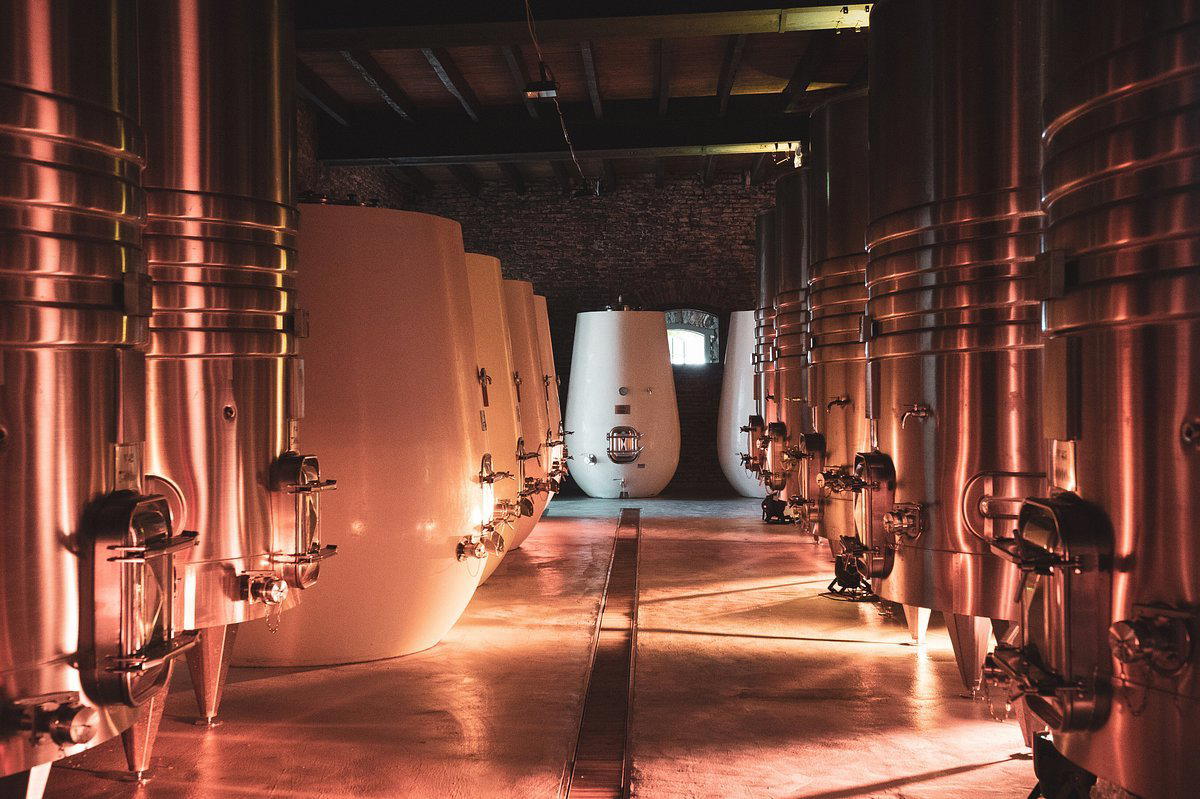
Wineries in Carmelo
Browse all →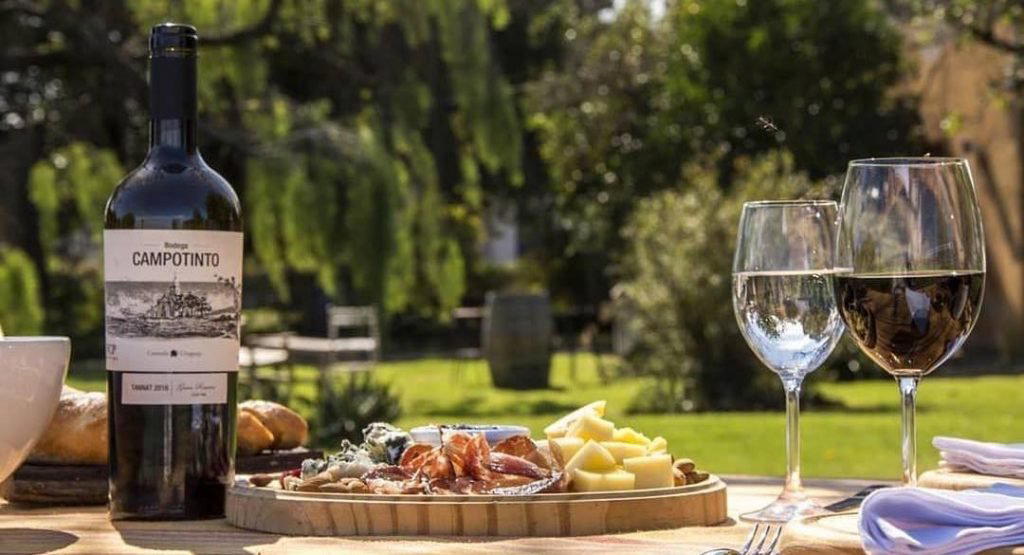
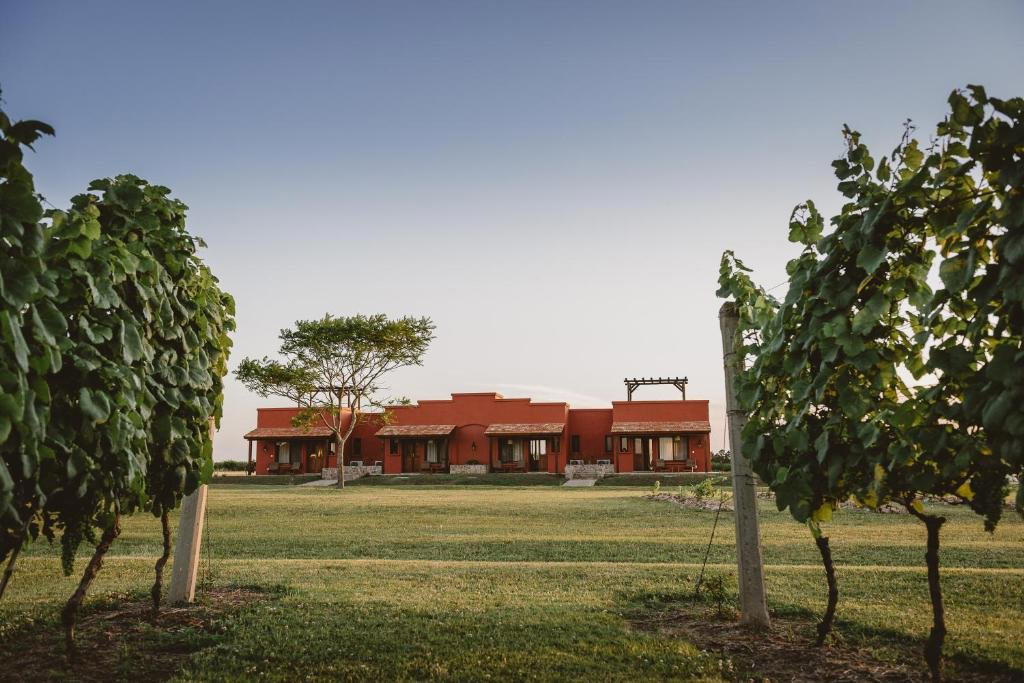
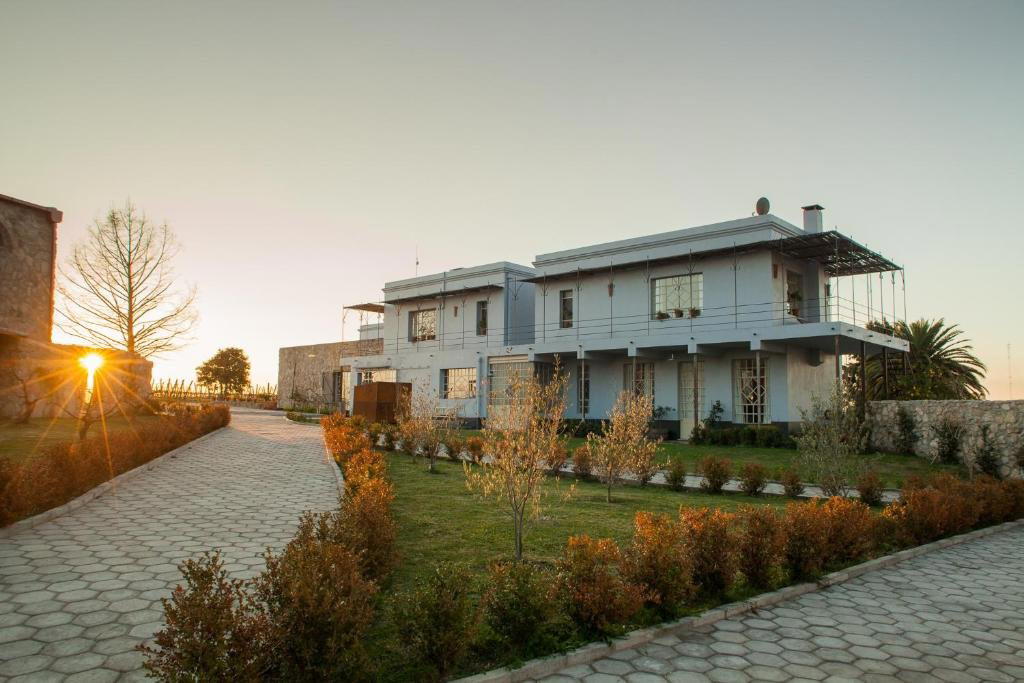
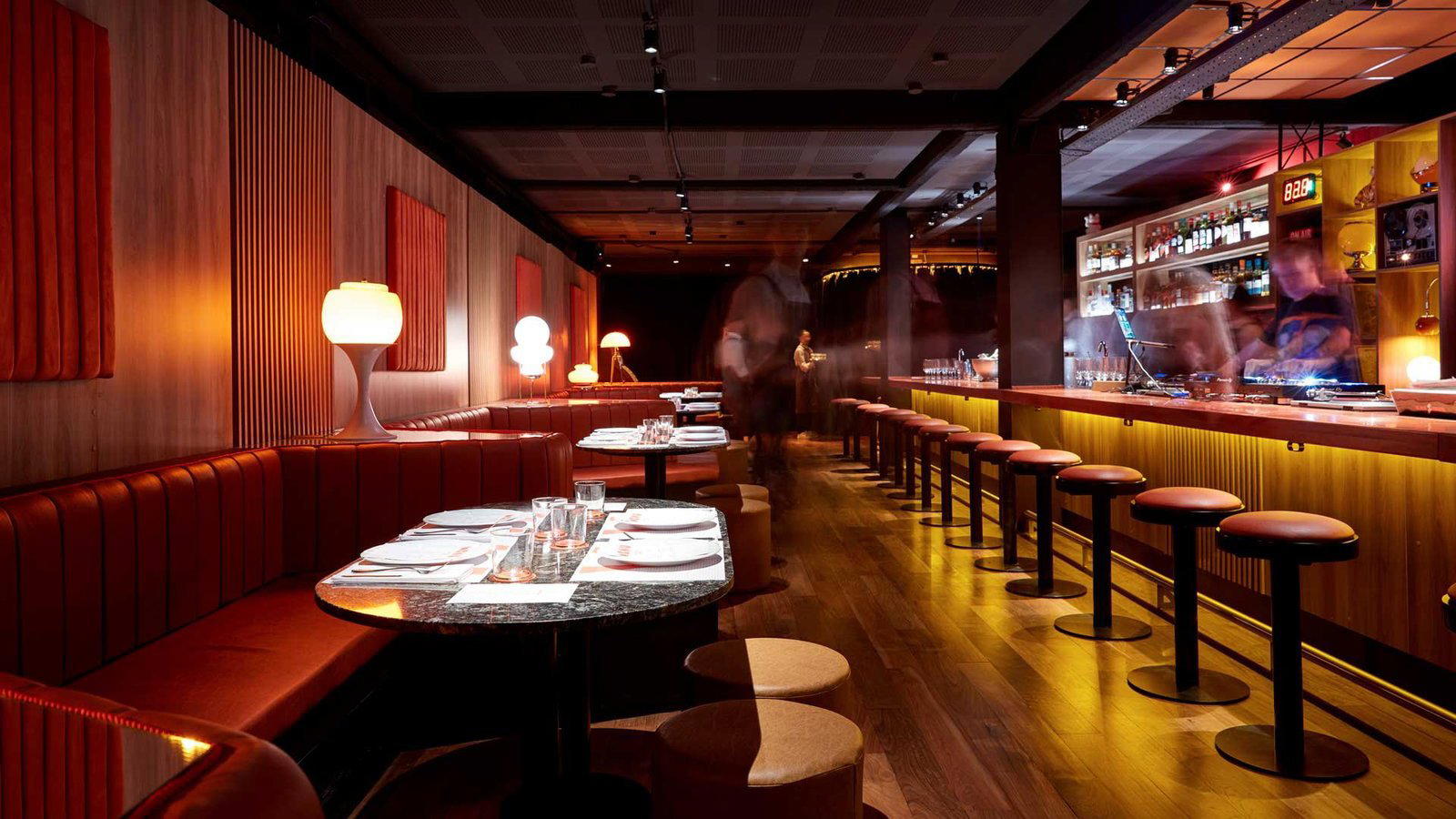
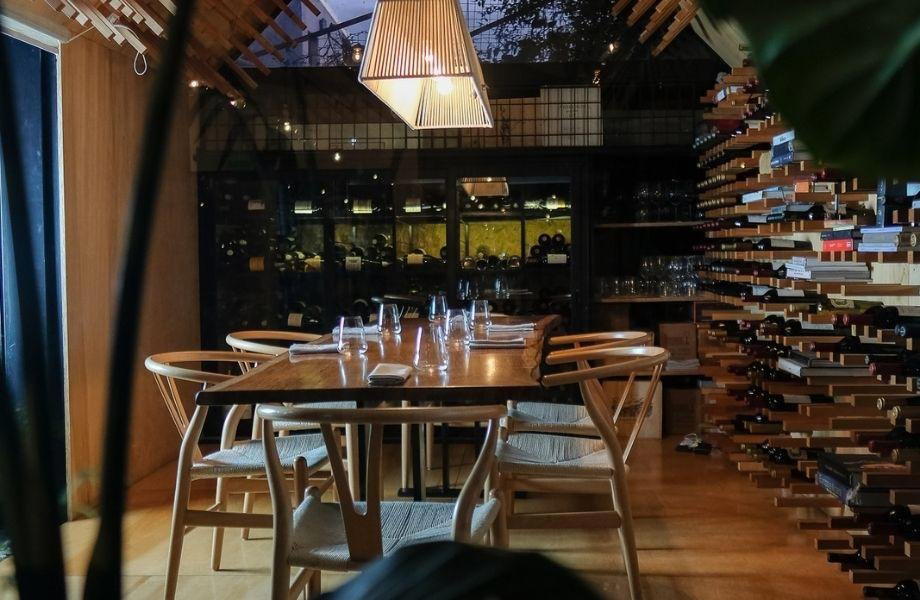
Restaurants in Carmelo
Browse all →
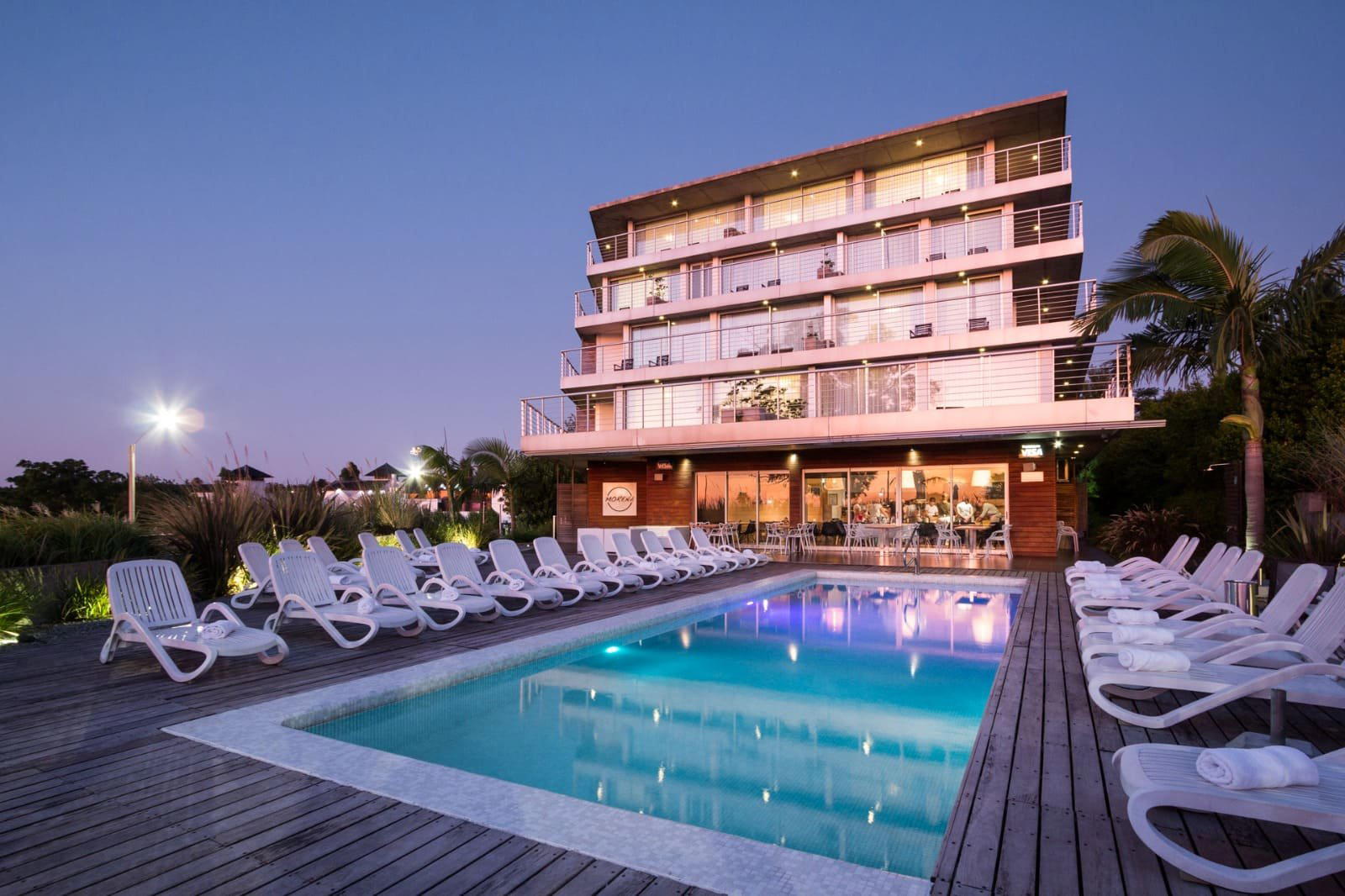
Hotels in Carmelo
Browse all →
Details
- Classic
- Rustic
- Historic
- Wine Education
- Group Outing
- Cave Tasting
- Vineyard Tour
- Vineyard
- Tannat
- Syrah
- Cabernet Sauvignon
- Still Red
- Guided Tasting
- Spanish
- English
Historic winery with century-old cellars, family warmth, and convivial tasting atmosphere.