Bodega Traversa

Bodega Traversa holds a Pearl 2 Star Prestige rating (2025) and operates from Av. Don Pedro de Mendoza in Montevideo's wine corridor. The bodega sits within Uruguay's small but serious urban winemaking scene, where Atlantic-influenced viticulture and Tannat-forward programs define the category. For visitors engaging with Montevideo's premium wine producers, Traversa occupies a recognised position in the prestige tier.

Pearl is the En Primeur Club membership app — saves, bookings, and concierge access live there. Same editors, same standards.
- Address
- Av. Don Pedro de Mendoza 7966, 12400 Montevideo, Departamento de Montevideo
- Phone
- +598 2222 0010
- Website
- grupotraversa.com.uy

Montevideo's Urban Wine Scene and Where Traversa Sits Within It
Uruguay's wine industry has long operated in the shadow of its Argentine and Chilean neighbours, but that dynamic has been shifting for more than a decade. Montevideo and its immediate surrounds now host a cluster of producers working at a seriousness of purpose that commands attention on its own terms. The Atlantic influence running across the country's southern departments produces a cooler, more humid growing environment than Mendoza or the Colchagua Valley, and the results show most clearly in Tannat: a grape that arrived with Basque settlers in the nineteenth century and has since become the country's defining varietal, producing wines with a structural density and capacity for ageing that few other southern-hemisphere regions replicate.
Within Montevideo specifically, the bodega scene includes larger commercial operations and smaller, recognition-oriented producers. Bodega Traversa, located at Av. Don Pedro de Mendoza 7966, falls into the latter category. Its Pearl 2 Star Prestige rating from the guide's 2025 assessment places it in recognised company.
The Winemaking Philosophy Behind a Prestige Rating
A Pearl 2 Star Prestige designation signals more than a quality threshold. It points toward a producer that has demonstrated consistency in approach, a clear identity in the glass, and a program serious enough to be assessed against regional and international comparable venues. For an urban Montevideo bodega, earning that designation in 2025 requires operating with a philosophy that goes beyond volume production and local market convenience.
Uruguayan winemaking at the prestige level has increasingly moved toward a position of restraint and terroir expression rather than intervention-heavy winemaking. That shift mirrors what has happened in premium Argentine and Chilean programs over the same period, but with a Uruguayan character: the maritime influence from the Río de la Plata estuary and the Atlantic coastline moderates temperatures across the growing season, extending hang time and producing wines with higher natural acidity. Tannat, in this environment, builds phenolic complexity without the same level of solar-driven sugar accumulation that characterises Mendoza's warmest zones. The structural result is a wine that rewards ageing and pairs better with the region's red meat traditions than more extracted, high-alcohol alternatives from across the border.
Producers working at this level in Montevideo and the surrounding departments are also looking outward for validation. Uruguay's wine sector has been gaining traction with international critics and sommeliers, particularly in markets where natural acidity and age-worthiness are valued. That international attention has, in turn, raised the bar for what Montevideo's prestige tier looks like in practice. Bodega Traversa's 2025 assessment places it within that conversation.
Beyond Montevideo: Uruguay's Broader Wine Geography
Understanding Traversa's position also means understanding where it sits within Uruguay's national wine geography. Most of the country's serious viticulture runs through the southern departments, concentrated in an arc that moves from Canelones through Montevideo and out toward the Colonia and Carmelo regions to the west. Each zone produces Tannat and blended programs with measurable regional variation.
Canelones, which borders Montevideo to the north, is the country's most intensively planted wine region and home to producers like Varela Zarranz, working with a depth of planted material that gives the zone a certain textural density. Further toward the Argentine border, the Carmelo and Colonia areas produce wines under the moderating influence of the Uruguay River rather than the Atlantic, creating a different thermal signature. El Legado in Carmelo and Bodega Los Cerros de San Juan in Colonia del Sacramento both operate in that western corridor. To the east, coastal Maldonado has attracted attention through producers like Bodega Oceánica José Ignacio, where Atlantic proximity is even more pronounced than in Montevideo.
For producers working specifically from within Montevideo, the urban setting shapes not just logistics but also the kind of visitor engagement that supports a prestige program. Access is easier than for rural estates, and the city's restaurant and hotel infrastructure means that trade buyers, sommeliers, and international visitors can reach a bodega like Traversa without the travel overhead required for a visit to Bodega Carrau in Las Piedras or the more northern zones around Cerro Chapeu in Rivera, where altitude and latitude produce a noticeably different growing profile.
That accessibility is a structural advantage for Montevideo's prestige producers, and it helps explain why the city's wine scene punches above its planted-hectare weight in terms of international visibility. A bodega earning Pearl 2 Star recognition in Montevideo is, in practical terms, well-positioned to engage with the visiting trade and consumer audiences that urban proximity affords.
Planning a Visit to Bodega Traversa
Bodega Traversa is located at Av. Don Pedro de Mendoza 7966 in the 12400 postal zone of Montevideo. As with several of Montevideo's prestige-tier wine producers, advance contact is advisable before visiting; the database does not list a public phone number or website at the time of writing, which makes direct outreach through channels such as social media or in-person inquiry the most reliable route. Uruguay's winery visit culture tends toward the appointment-based model rather than open-door cellar door experiences, and that holds particularly true for smaller-production prestige operations. Visitors already planning to explore the city's wine scene in depth will find a useful overview and additional venue listings through our full Montevideo restaurants and producers guide.
Budget Reality Check
Comparable venues nearby, for context on price, style, and recognition.
| Venue | Cuisine | Price | Awards |
|---|---|---|---|
| Bodega TraversaThis venue — the venue you are viewing | Montevideo, Tannat, Sauvignon Blanc | $$ | |
| Espíritu Libre Destilería | Winery | , | |
| Destilería Montevideo | Ciudad Vieja, Winery | , | |
| ANCAP Alcoholes | Rambla Baltasar Brum, Montevideo | $$ | |
| Portón del Uruguay | Winery | , | |
| Bodega Bouza | Melilla, Tannat, Albariño | $$$ | World's 50 Best #26 |
Continue exploring
More in Montevideo
Wineries in Montevideo
Browse all →Bars in Montevideo
Browse all →Restaurants in Montevideo
Browse all →At a Glance
- Classic
- Rustic
- Sophisticated
- Wine Education
- Group Outing
- Special Occasion
- Vineyard Tour
- Estate Grounds
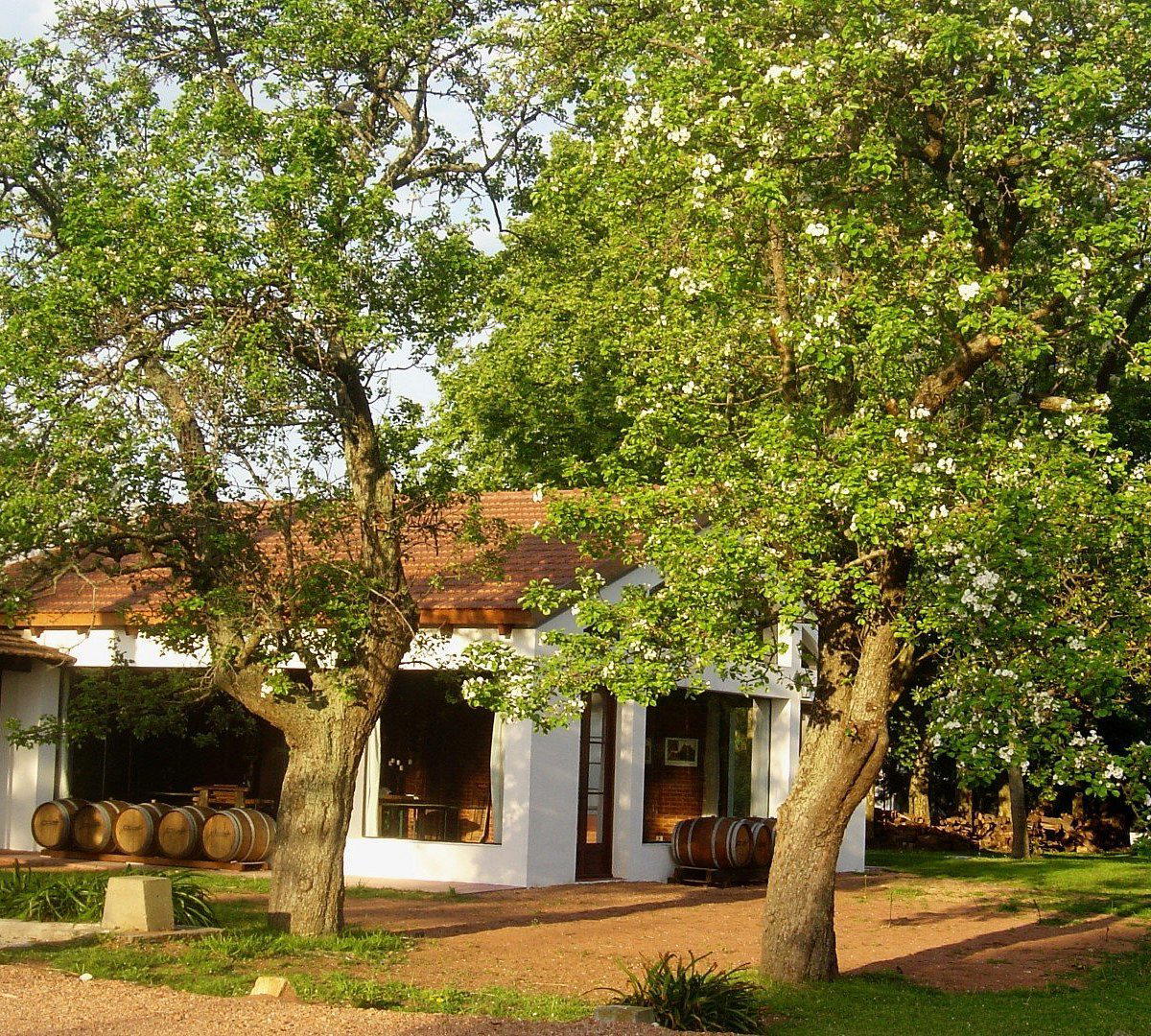
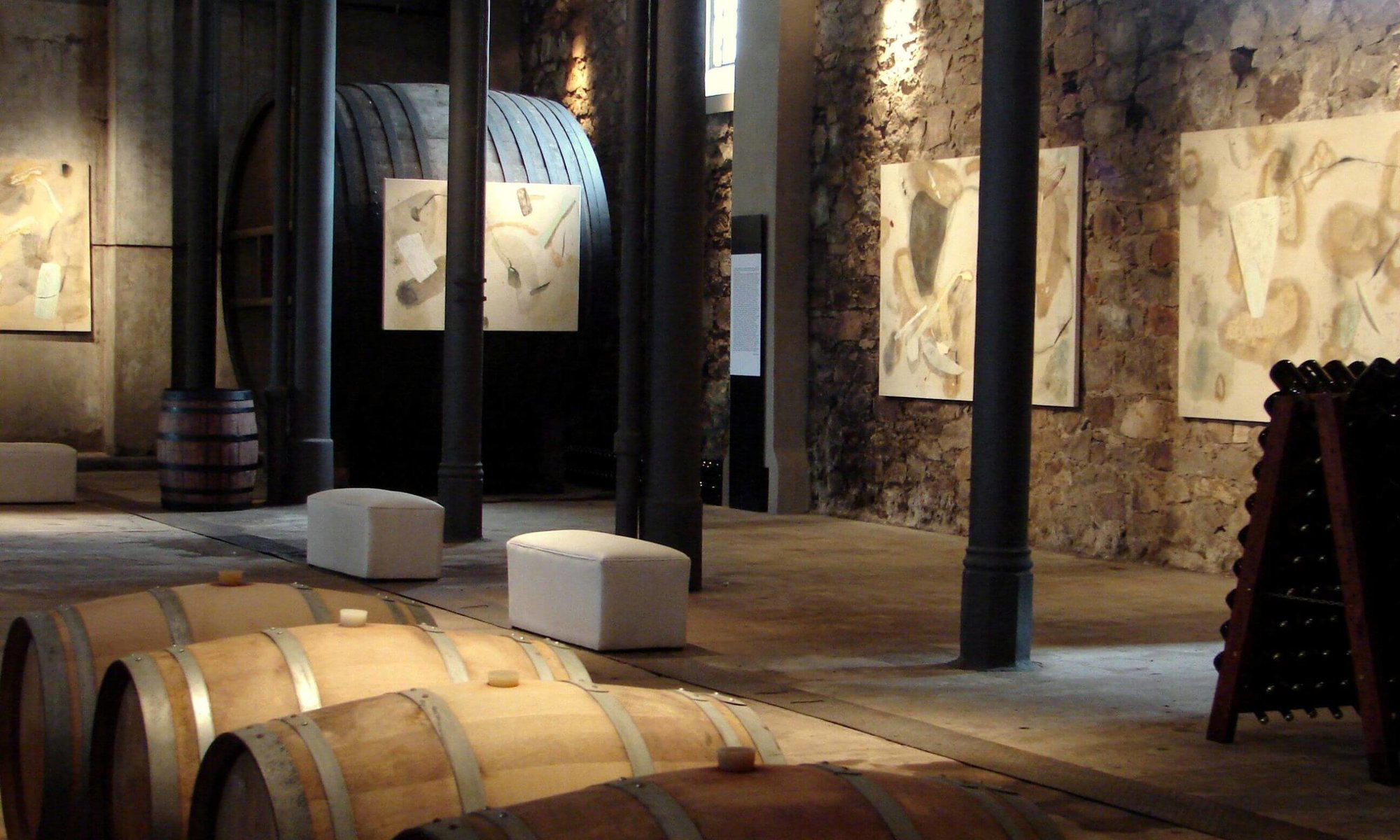
- Barrel Room
- Sustainable
- Vineyard
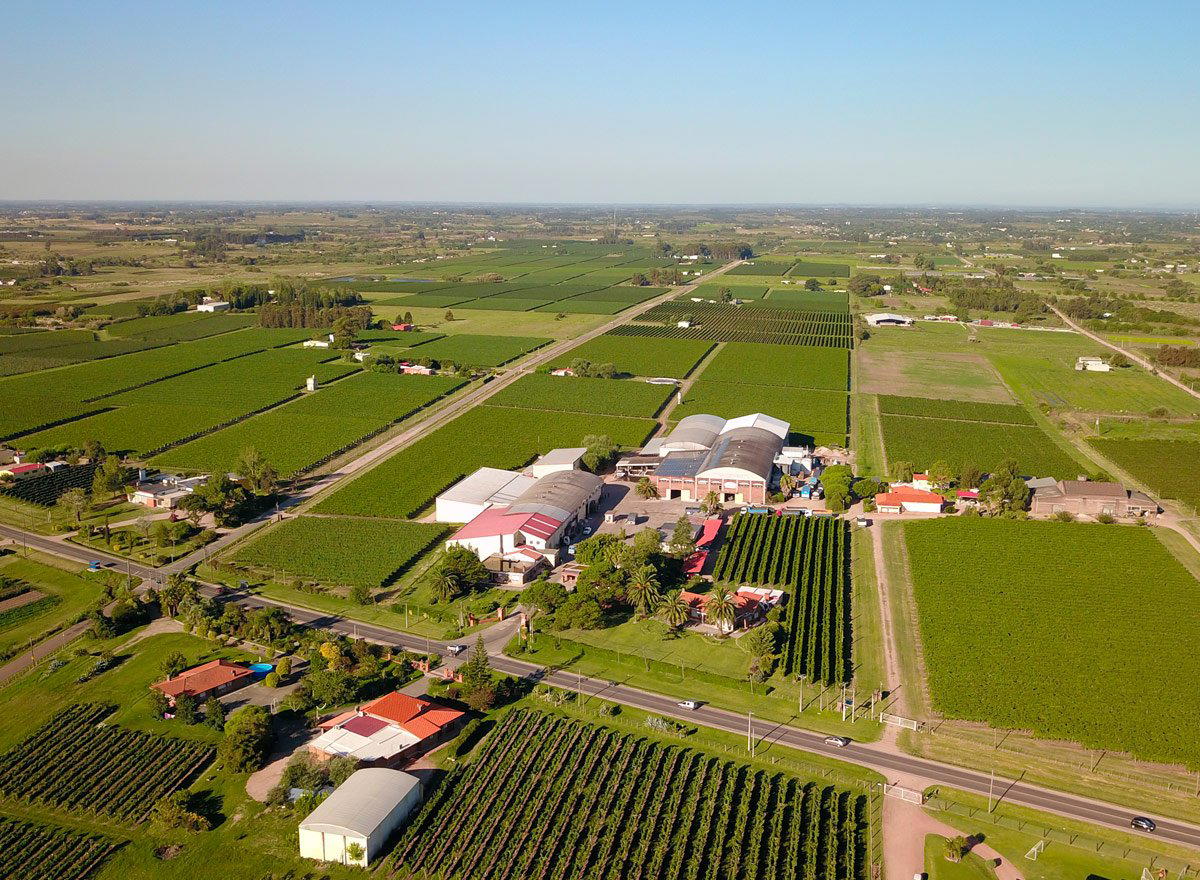
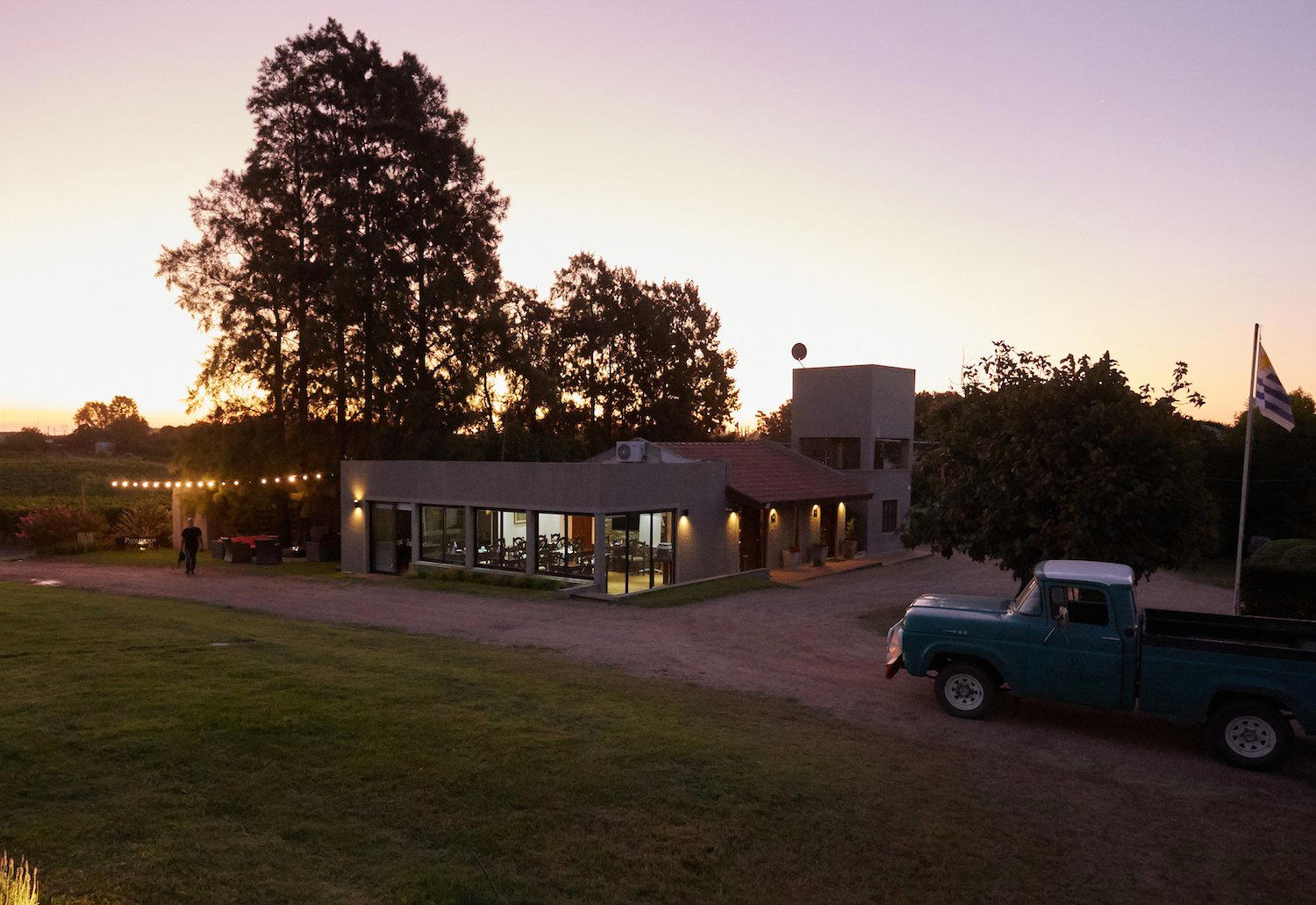
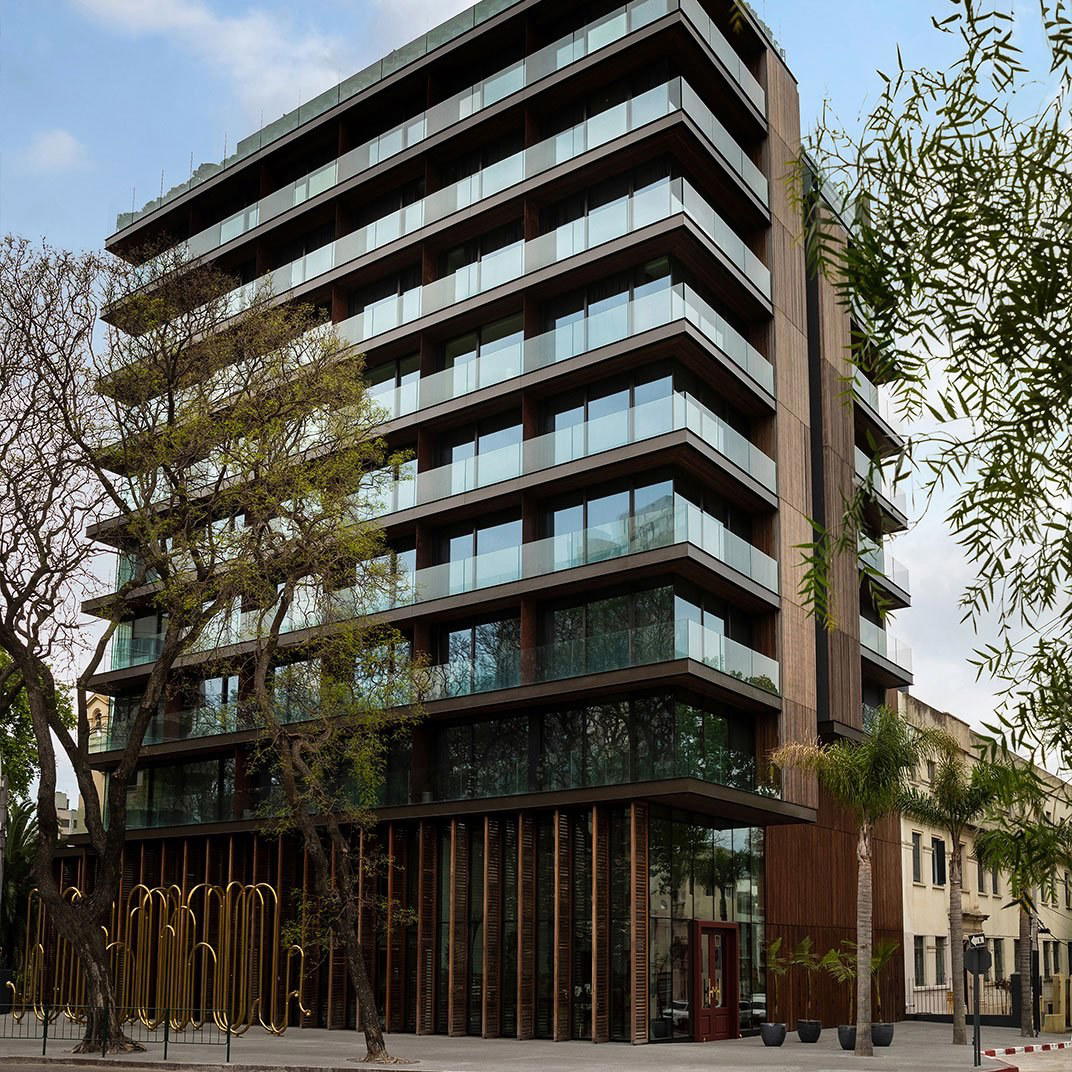
Modern winery facility blending traditional artisanal techniques with contemporary technology, set within extensive vineyard grounds near Montevideo.