Cantina del Vigía
Cantina del Vigía sits on Zelmar Michelini in Maldonado, the quieter municipal heart behind Punta del Este's resort peninsula. The address places it among the neighbourhood cantinas and informal dining rooms that serve the city's year-round population rather than its seasonal visitors, making it a reference point for understanding how the region eats when the summer crowds recede.
Pearl is the En Primeur Club membership app — saves, bookings, and concierge access live there. Same editors, same standards.
- Address
- Zelmar Michelini 744, 20000 Maldonado, Departamento de Maldonado, Uruguay
- Phone
- +598 4226 8075
- Website
- cantinadelvigia.com
- Directions
- Get directions
 Saves & bookings on Pearl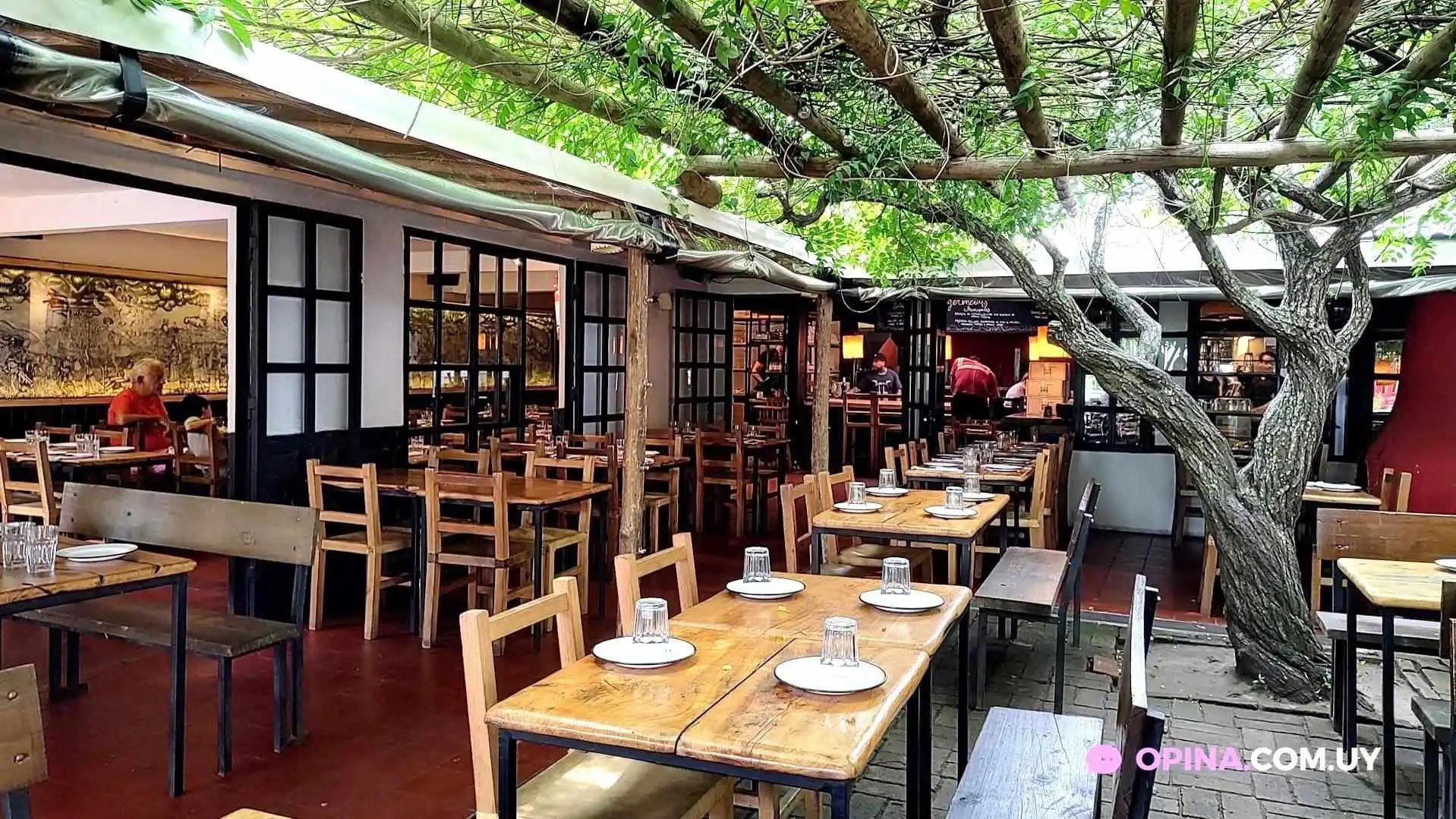
Cantina del Vigía is a restaurant in Maldonado, Uruguay, with a casual dress code, recommended reservations, and an average price of about US$30 per person. Where Maldonado Eats When the Season Ends
Punta del Este commands most of the editorial attention in this corner of Uruguay, but the dining story that actually persists across twelve months belongs to Maldonado, the departmental capital that shares a border with the resort city and houses much of its working population. Zelmar Michelini, the street where Cantina del Vigía is addressed at number 744, sits firmly in that municipal fabric, away from the beachfront restaurants and summer-season price premiums that define the peninsula. In Maldonado, the places that survive on local custom rather than seasonal traffic tend to develop more loyal clientele.
That tension between resort-facing and locally-rooted dining is worth holding in mind as context for any venue on this side of the Maldonado-Punta del Este boundary.
The Cantina Tradition in the Río de la Plata
The word cantina carries specific cultural weight in this part of South America. Brought to the Río de la Plata by Italian and Spanish immigrants in the late nineteenth and early twentieth centuries, the cantina format was never designed to impress visitors. It was designed to feed workers, families, and regulars with generosity rather than spectacle: long tables, wine served by the carafe, dishes that followed the week's market rather than a printed seasonal concept. Uruguay absorbed this tradition deeply, and the cantina remains among the more coherent dining formats in the country, distinct from the parrilla on one side and the contemporary restaurant on the other.
In Montevideo, places like Jacinto represent how the city's more refined dining culture has evolved from these neighbourhood roots, while the cantina form itself continues largely unchanged in residential barrios. In the Maldonado department, the same dynamic plays out across a smaller geography, with neighbourhood tables and local wine lists operating alongside destination restaurants aimed at the summer influx. Parador La Huella in José Ignacio sits at one end of that spectrum; Cantina del Vigía, by address and name, suggests the other.
Reading the Name as a Cultural Signal
Vigía translates from Spanish as a watchtower or lookout point, a word with maritime and frontier connotations that appear frequently in Uruguayan coastal toponymy. Paired with cantina, the name positions the venue inside a tradition of informal, rooted hospitality rather than aspirational dining. Its format and menu reflect the cantina tradition in Uruguay. What the name does signal is a deliberate alignment with a certain register of Uruguayan dining culture.
That register has real currency in a region where the summer economy creates enormous pressure toward the theatrical. Restaurants in the Punta del Este peninsula orbit like La Bourgogne operate in a different competitive set entirely, where French technique and formal service are the primary signals. The cantina format makes no such claim and is stronger for the refusal.
Maldonado's Position in the Regional Dining Map
The Maldonado department contains a more varied dining geography than its reputation as Punta del Este's hinterland suggests. Garzon Restaurant in Maldonado has brought significant international attention to the inland wine-country village of Garzón. Bodega Garzón in San Carlos anchors a serious wine-and-food destination that draws visitors from Montevideo and Buenos Aires. These are destination-format venues that operate in a global conversation about South American terroir and contemporary cooking.
The restaurant, positioned in the urban core of Maldonado city, belongs to a different layer of this geography. The venues that serve the city's resident population, from the parrillas on working-class corners to the neighbourhood restaurants that fill mid-week with local families, form the base of a dining culture that the destination venues depend on and occasionally draw from. Within Punta del Este's concentrated resort district, Las Nenas Steak House, Lo de Tere, and L'Incanto serve the seasonal premium market. The restaurant's address in Maldonado proper puts it outside that orbit and inside a more durable local economy.
Planning a Visit
Zelmar Michelini 744 in Maldonado is accessible from central Punta del Este in under ten minutes by car, a short distance that most summer visitors never cross because the peninsula's own density of restaurants absorbs attention before it becomes necessary. Travelling to Maldonado for a meal is a deliberate choice, and for that reason the cantina model tends to reward those who arrive with local rather than tourist expectations: no tasting-menu pacing, no wine pairing ceremony, no theatre. The restaurant is recommended for reservations and is open Tuesday through Thursday from 8 to 11 PM, Friday and Saturday from 12 to 3 PM and 8 to 11 PM, and Sunday from 12 to 3 PM; it is closed on Monday.
For visitors touring the wider region, the cantina visit pairs naturally with wine-country routes through the department. Bodega Garzón is a logical complement, offering a different register of Uruguayan hospitality within the same geography.
Price and Recognition
Comparable venues nearby, for context on price, style, and recognition.
| Venue | Cuisine | Price | Awards | Notes |
|---|---|---|---|---|
| Cantina del VigíaThis venue — the venue you are viewing | Not listed | $$ | Not listed | Not listed |
| Las Nenas Steak House | Not listed | $$$ | Not listed | Playa Mansa, Uruguayan Steakhouse Parrillada |
| L’Incanto | Not listed | $$$$ | Not listed | Gourmet Boulevard, Neapolitan Pizza & Italian Cuisine |
| Lo de Tere | Puerto, Uruguayan Seafood | $$$$ | World's 50 Best #92 | Not listed |
| El Rey del Chivito | Not listed | $$ | Not listed | :null, Uruguayan Chivito Specialists |
| Tianfu Restaurante Chino | Ciudad Vieja, Authentic Sichuan Chinese | $$ | Not listed | Not listed |
Continue exploring
More in Punta del Este
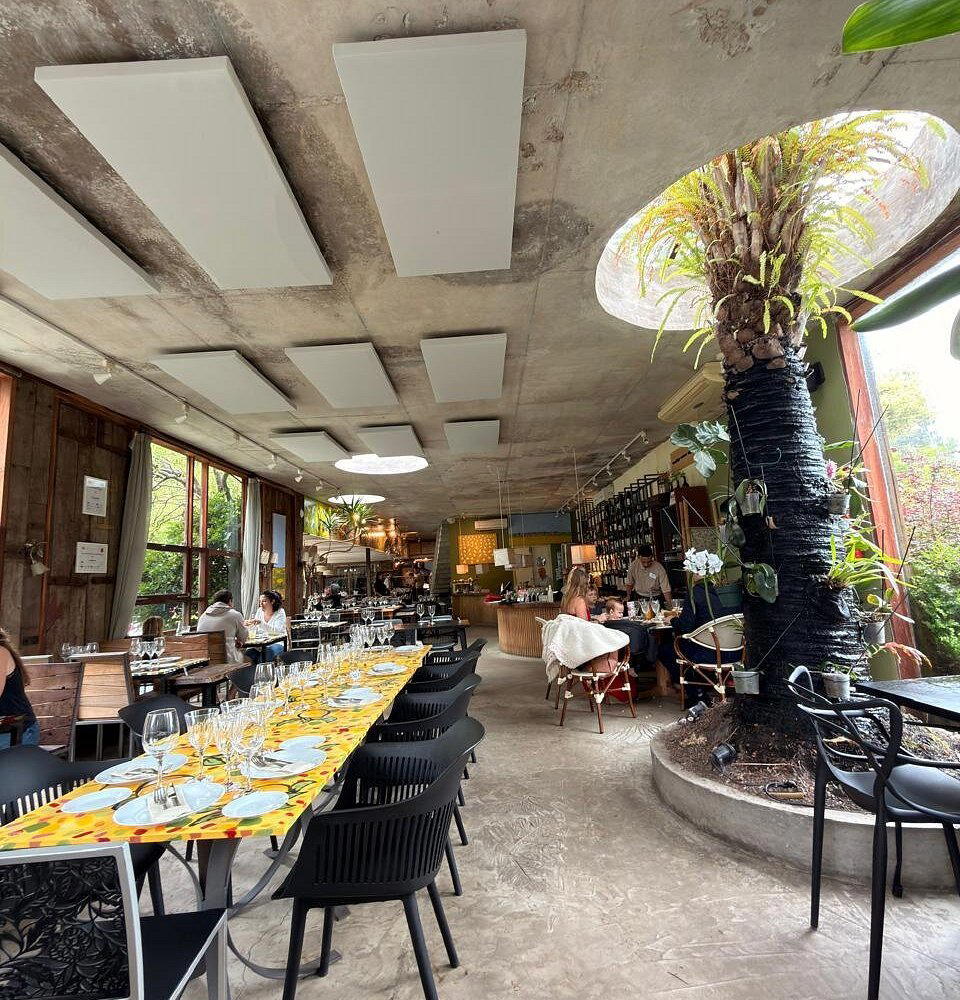
Restaurants in Punta del Este
Browse all →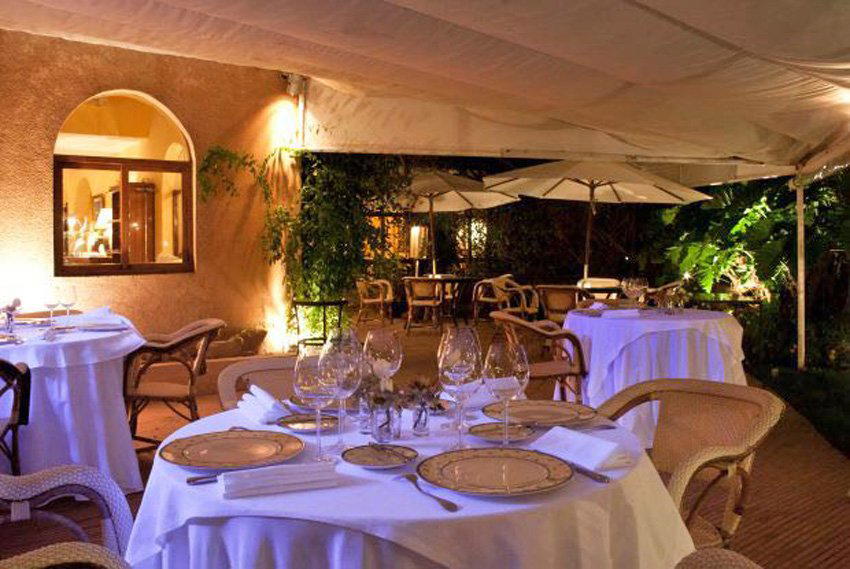
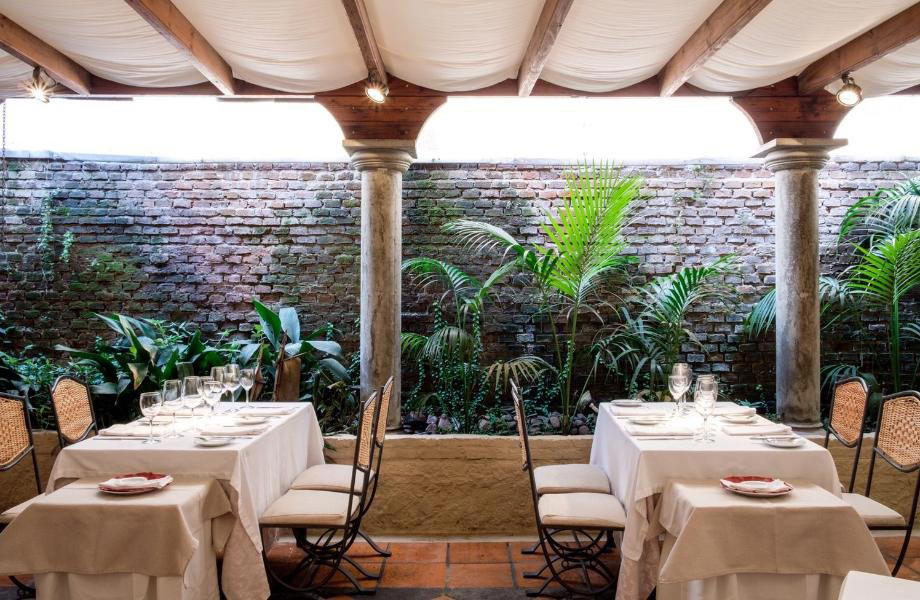
Hotels in Punta del Este
Browse all →
At a Glance
- Rustic
- Cozy
- Casual Hangout
- Open Kitchen
- Local Sourcing
- Street Scene
Current opening hours
- Monday
- Closed
- Tuesday
- 8–11 PM
- Wednesday
- 8–11 PM
- Thursday
- 8–11 PM
- Friday
- 12–3 PM, 8–11 PM
- Saturday
- 12–3 PM, 8–11 PM
- Sunday
- 12–3 PM
Hours can change for holidays and private events. Last verified .
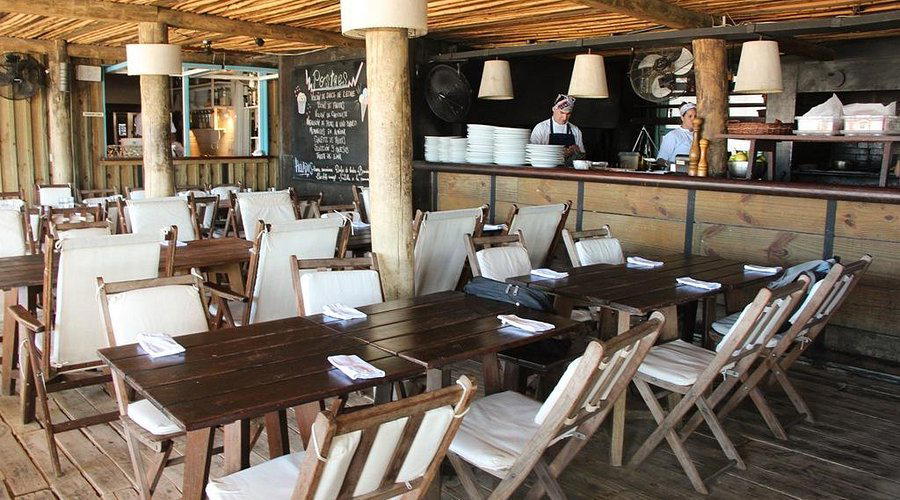
Warm rustic atmosphere centered around open wood-fired ovens with a casual cantina feel.