Sushi Wok Perú
Our verdict
On a residential stretch of Montevideo's Punta Carretas district, Sushi Wok Perú draws together the Nikkei and Chifa culinary traditions that have shaped Peruvian cooking over more than a century. The address on Manuel Vicente Pagola places it within walking distance of the neighbourhood's quieter dining circuit, offering a counterpoint to the city's dominant parrilla culture.

Pearl is the En Primeur Club membership app — saves, bookings, and concierge access live there. Same editors, same standards.
- Address
- Manuel Vicente Pagola 3247, 11300 Montevideo, Departamento de Montevideo, Uruguay
- Phone
- +598 2705 7777
- Hours
- Mon ClosedTue–Fri 5–11:30 PMSat 12–11:30 PMSun 12–5 PM, 7–11 PM
- Website
- sushiwokperu.com.uy
- Directions
- Get directions
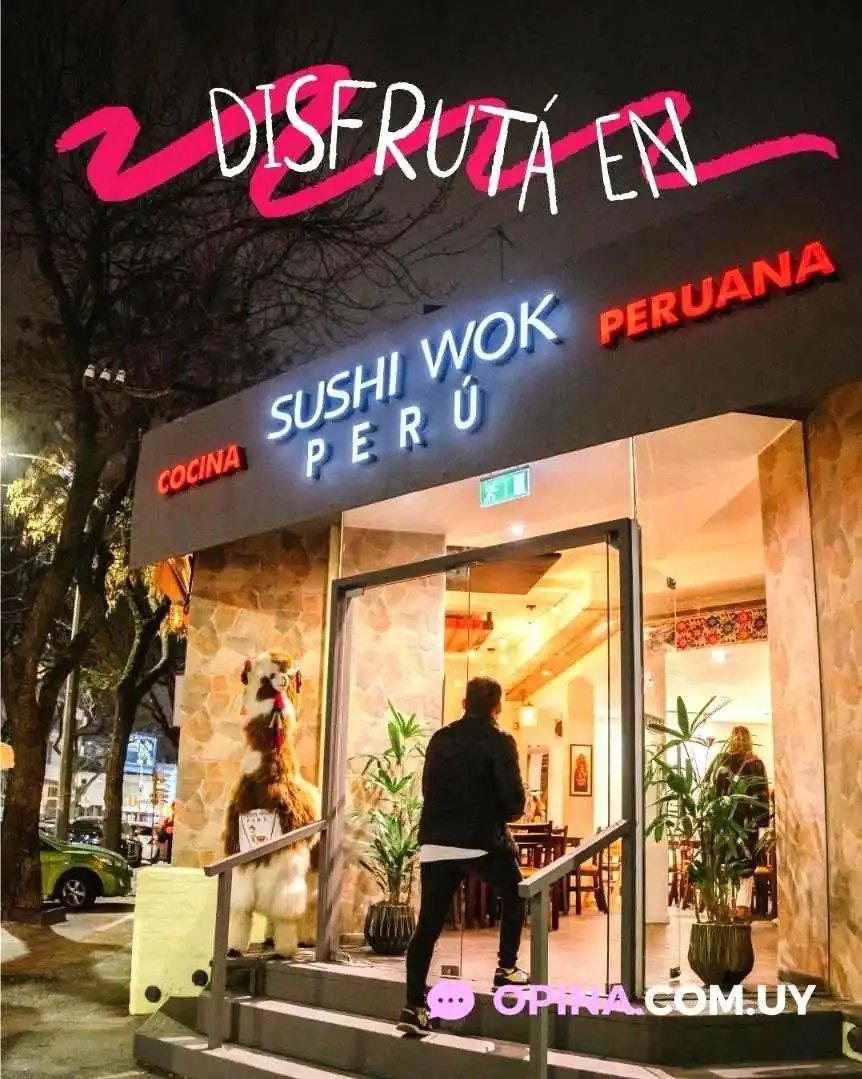
Where Peruvian-Asian Cooking Lands in Montevideo
Punta Carretas is one of Montevideo's more composed residential neighbourhoods: tree-lined streets, a converted prison turned shopping centre, and a dining scene that leans toward local families rather than tourist circuits. It is not the neighbourhood you arrive in looking for spectacle. What it offers instead is a kind of settled confidence, the feeling of streets that have been eating well, quietly, for decades. On Manuel Vicente Pagola, Sushi Wok Perú occupies that register — a neighbourhood address for a cuisine that, in most of Latin America, still reads as a specialist proposition.
Peruvian-Asian cooking has two primary lineages. Nikkei traces to the Japanese immigration waves of the late 19th and early 20th centuries, producing a cuisine that applies Japanese technique and fish-forward discipline to Peruvian ingredients: tiraditos in place of sashimi, leche de tigre acidifying dishes the way soy might tighten a Japanese dressing. Chifa is the older and more populous tradition, carried by Chinese immigrants from Guangdong who built fried rice, wok technique, and slow-braised proteins into a fully creolised Peruvian idiom. A restaurant that holds both under one name is describing a broad kitchen — which is precisely the point. In Lima, Chifa restaurants outnumber almost every other cuisine category. In Montevideo, the category is thin enough that any serious example carries significance by default.
The Neighbourhood as Context
Understanding why Sushi Wok Perú's location matters requires some sense of how Montevideo organises its eating. The capital's dining identity is built around the parrilla, the wood-fired grill that defines everything from corner bars to special-occasion restaurants. Venues like García Parrilla Clásica y Bar and El Rey del Chivito represent the city's confident centre of gravity. Outside that centre, international and fusion concepts tend to cluster in Pocitos or Ciudad Vieja, where foot traffic and tourism support the risk of something less familiar.
Punta Carretas sits between those poles. The neighbourhood has enough local spending power and culinary curiosity to sustain a Peruvian-Asian kitchen, but not the tourist density that turns a restaurant into an event. That positioning shapes what the experience probably feels like: a local's room rather than a destination dining address, with the informality that implies. For visitors staying in the area or moving between Pocitos and the old city, the address on Manuel Vicente Pagola 3247 is a reasonable detour from the main artery. For residents, it is a neighbourhood option in a category with very few local competitors.
Nikkei and Chifa in the Uruguayan Context
Uruguay has a smaller Asian immigrant population than Argentina or Brazil, which means the Nikkei and Chifa traditions arrived here more recently and in thinner concentrations. Buenos Aires has entire Peruvian restaurant districts; Montevideo's Peruvian dining scene is compact enough that each venue occupies a more solitary position in the category. That context does two things simultaneously: it makes the category feel more specialist than it would in Lima or São Paulo, and it means diners arrive with less reference for what the cooking should taste like at its finest.
For context on what those traditions look like when executed at high levels, the Nikkei influence has reached international benchmarks at venues like Le Bernardin in New York City, where Japanese-inflected precision meets seafood discipline, and the pan-Asian fine dining conversation in cities like Hong Kong is anchored by restaurants including 8 1/2 Otto e Mezzo Bombana. Closer to home, the broader Uruguayan dining scene is well covered in our full Montevideo restaurants guide, which maps the full spread from parrillas to the quieter international category.
Within Uruguay's wider culinary geography, the strongest signals of ambitious cooking have traditionally come from José Ignacio and the Maldonado coast. Parador La Huella in José Ignacio and Garzon Restaurant in Maldonado represent the international-profile end of Uruguayan dining; Bodega Garzón in San Carlos anchors the wine side of that conversation. Sushi Wok Perú operates at a different register entirely, closer in spirit to the everyday neighbourhood dining found at Jacinto or Café Misterio in Montevideo's central dining circuit.
Montevideo's Chinese restaurant presence offers one useful comparison point. Tianfu Restaurante Chino represents the more traditional end of Chinese-Uruguayan dining. Sushi Wok Perú's framing around Peruvian-inflected wok cooking and sushi positions it in a creolised middle ground that both categories occupy, and neither fully claims.
Planning a Visit
The address at Manuel Vicente Pagola 3247, in the 11300 postal zone, places the restaurant firmly in Punta Carretas. The neighbourhood is walkable from Pocitos and a short taxi or rideshare from Ciudad Vieja; Montevideo's bus network also serves the area. Hours and reservation policies are similarly unverified, meaning walk-in readiness is worth building into any visit.
For visitors building a wider Montevideo itinerary around local eating, the chivito, Uruguay's signature pressed sandwich, is worth tracking down at Chivitos Marco's, which represents a completely different register of local cooking. Further afield within Uruguay, the riverside setting at Costa Colonia Riverside Boutique Hotel in Colonia del Sacramento offers a different day-trip dining context, while Las Nenas Steak House in Punta Del Este covers the coast-facing parrilla angle. For those whose travels extend to Argentina's dining scene, La Bourgogne represents the French-Uruguayan fine dining tradition, and internationally, Korean-inflected tasting menus at Atomix in New York City or American chef-driven formats at Lazy Bear in San Francisco and Emeril's in New Orleans offer points of comparison for how Asian-influenced and fusion formats operate at their most ambitious.
Frequently asked questions
Would Sushi Wok Perú be comfortable with kids?
Punta Carretas is a residential neighbourhood with a family-oriented feel, and a casual Nikkei and Chifa format generally suits younger diners better than a formal omakase counter would. The address at Manuel Vicente Pagola 3247 is in a quiet, walkable zone rather than a high-traffic nightlife strip.
What is the atmosphere like at Sushi Wok Perú?
The setting is Punta Carretas, one of Montevideo's more composed residential quarters, which tends to produce neighbourhood restaurants with a relaxed, mid-week regulars feel rather than destination-dining theatre. Sushi Wok Perú sits at Manuel Vicente Pagola 3247, away from the busier Pocitos seafront crowds. The Nikkei and Chifa cooking traditions it draws from are typically served in informal, counter-friendly formats in their Lima and Lima-Chinatown originals.
Is Sushi Wok Perú one of the few places in Uruguay serving both Nikkei and Chifa cuisine together?
Uruguay has a smaller Asian-descended population than neighbouring Argentina or Brazil, which means the Nikkei and Chifa traditions common in Lima arrived here later and with fewer dedicated venues. For visitors familiar with Lima's Nikkei or Barrio Chino scenes, the Montevideo interpretation offers a point of comparison rather than a replica.
What do people recommend at Sushi Wok Perú?
What the Nikkei and Chifa traditions it references typically foreground are ceviche preparations with Japanese knife technique, tiradito, and wok-cooked rice dishes with Cantonese-Peruvian roots. Checking recent local reviews on platforms active in Montevideo will give the most current picture of standout orders.
Where exactly is Sushi Wok Perú?
Sushi Wok Perú is located at Manuel Vicente Pagola 3247, 11300 Montevideo, Departamento de Montevideo, Uruguay, Montevideo.
Do they take walk-ins at Sushi Wok Perú?
In Punta Carretas, neighbourhood restaurants of this format frequently accommodate walk-ins outside peak dinner hours, but weekend evenings in Montevideo's more active dining zones can fill quickly. Arriving early or contacting the venue directly before your visit is the safer approach.
The Essentials
Comparable venues nearby, for context on price, style, and recognition.
| Venue | Cuisine | Price | Notes |
|---|---|---|---|
| Sushi Wok PerúThis venue — the venue you are viewing | Peruvian-Japanese Nikkei Fusion | $20–30 | Not listed |
| Tianfu Restaurante Chino | Authentic Sichuan Chinese | $10–20 | Ciudad Vieja, Authentic Sichuan Chinese |
| Parrillada El Alemán | Traditional Uruguayan Asado Grill | $30–50 | Cordón, Traditional Uruguayan Asado Grill |
| La Milpa | Gluten-Free Mexican Taqueria | Not listed | Barrio Cordón, Gluten-Free Mexican Taqueria |
| El Rey del Chivito | Uruguayan Chivito Specialists | $10–20 | :null, Uruguayan Chivito Specialists |
| Café Misterio | Fusion Japanese / Nikkei | $30–50 | Dining |
Continue exploring
More in Montevideo
Restaurants in Montevideo
Browse all →
Bars in Montevideo
Browse all →
Hotels in Montevideo
Browse all →

Details
- Lively
- Trendy
- Casual Hangout
- Date Night
- Sake Program
- A La Carte
- Pisco Sour
- Gluten Free Options
Current opening hours
- Monday
- Closed
- Tuesday
- 5–11:30 PM
- Wednesday
- 5–11:30 PM
- Thursday
- 5–11:30 PM
- Friday
- 5–11:30 PM
- Saturday
- 12–11:30 PM
- Sunday
- 12–5 PM, 7–11 PM
Hours can change for holidays and private events. Last verified .
Lively and lively atmosphere well-suited for casual dining.