García Parrilla Clásica y Bar
A parrilla address on Avenida Arocena in Montevideo's Carrasco-adjacent corridor, García Parrilla Clásica y Bar operates within Uruguay's most deeply rooted dining tradition: the wood-fired grill. The name signals a deliberate classicism at a time when the city's restaurant scene has fractured into competing formats and influences. For visitors tracking how Montevideo treats its own culinary inheritance, it offers a grounded reference point.
Pearl is the En Primeur Club membership app — saves, bookings, and concierge access live there. Same editors, same standards.
- Address
- Avda. Arocena 1587 (Dr. Gabriel Otero), 11500 Montevideo Montevideo
- Directions
- Get directions
 Saves & bookings on Pearl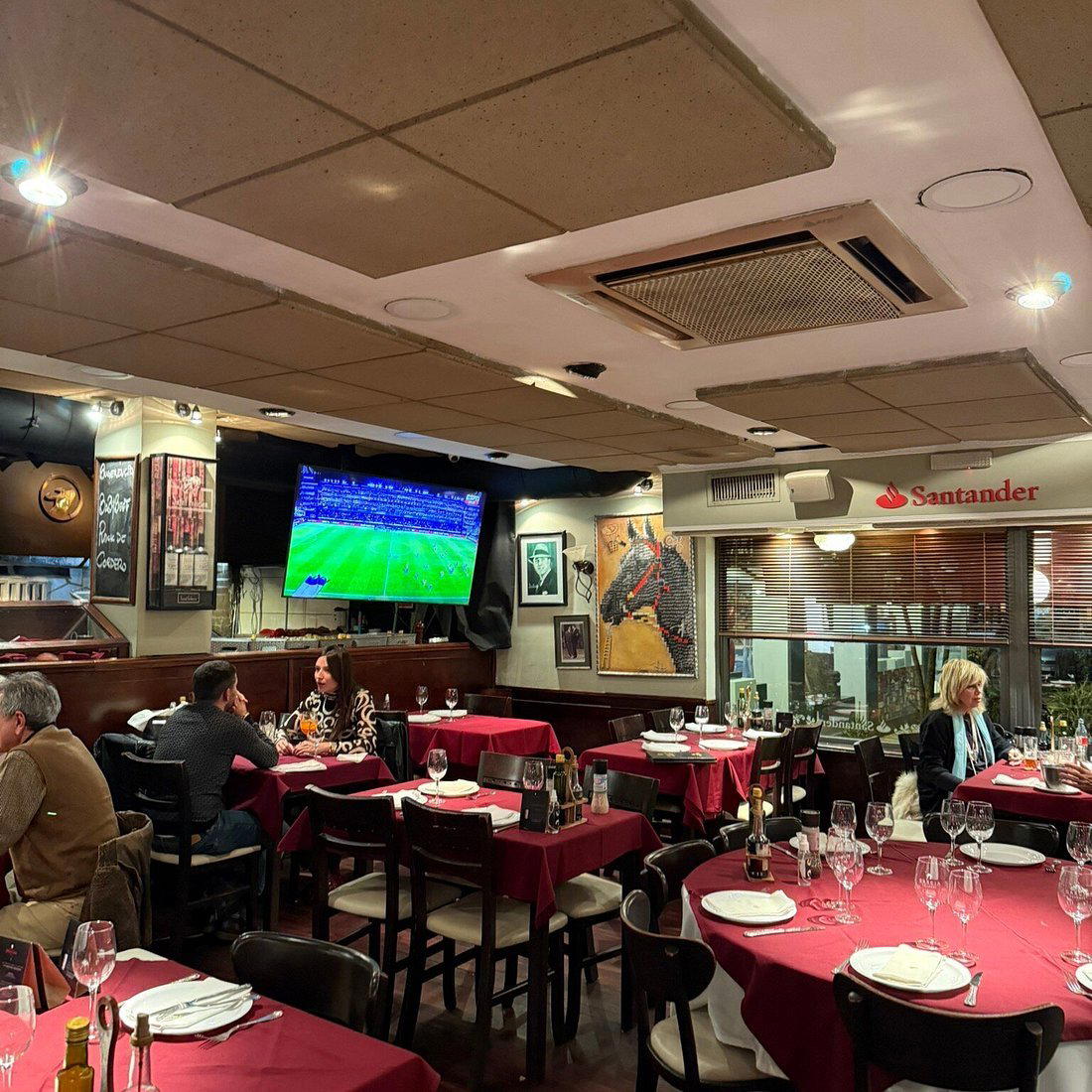
The Grammar of the Uruguayan Parrilla
Uruguay's relationship with fire and beef is not a trend or a marketing construct. It is a structural feature of the culture, present in domestic kitchens and neighbourhood restaurants in roughly equal measure, and the parrilla format, a dedicated wood-fire grill counter with cuts arranged by type and weight, is arguably the most honest expression of that relationship. In Montevideo, parrillas occupy a broad spectrum running from rough-edged neighbourhood spots with communal tables to more considered rooms that have absorbed technique and service conventions from Argentina's higher-tier parrilla circuit. García Parrilla Clásica y Bar, on Avenida Arocena in the residential corridor north of the centre, positions itself through its name alone: clásica is a declaration of intent, not a default.
What the Address Tells You
Avenida Arocena runs through a quieter, more residential zone of Montevideo than the tourist-facing rambla stretch or the Old City dining cluster. Restaurants in this corridor tend to serve a neighbourhood clientele with expectations shaped by frequency rather than occasion, which generally keeps menus grounded and prices calibrated to repeat custom rather than one-off visitors. That dynamic matters in a parrilla context because the wood-fire grill format rewards familiarity: regulars know which cuts are handled well, at what hour the coals are at their peak, and how the kitchen interprets the balance between flame and resting time. For visitors arriving from outside the neighbourhood, that embedded local knowledge is worth accounting for when reading the room.
The broader Carrasco-adjacent dining corridor in Montevideo has developed a character distinct from both the centro and the coastal tourist trail. Addresses like Café Misterio and Jacinto have helped define a more locally inflected register for the city's dining, and García Parrilla Clásica y Bar operates within that same broadly residential, non-performative register. For an overview of how Montevideo's restaurant scene distributes across neighbourhoods and formats, the full Montevideo restaurants guide provides the necessary map.
Menu Architecture and What Classicism Signals
A parrilla menu structured around the concept of classicism typically makes specific choices that a more modernised or fusion-adjacent grill house would not. The cuts on offer tend to follow established Uruguayan convention: asado de tira (short ribs, cross-cut), vacío (flank), entraña (skirt), and the standard offal progression of morcilla, chorizos, and mollejas that open a proper parrillada. The absence of imported technique or concept is the point. What classicism in this context promises is a focus on the quality and handling of the primary material rather than augmentation through marinade, glaze, or creative accompaniment.
This is architecturally different from the parrilla format as practiced at destination restaurants. Parador La Huella in José Ignacio has built international recognition on a version of wood-fire cooking that absorbs coastal informality and a broader ingredient range. Bodega Garzón in San Carlos frames its grill program within a wine-estate context that changes the register entirely. Garzon Restaurant in Maldonado carries Francis Mallmann's specific conceptual weight. García Parrilla Clásica y Bar operates at the other end of that axis, where the format's legitimacy comes from fidelity to convention rather than creative departure from it.
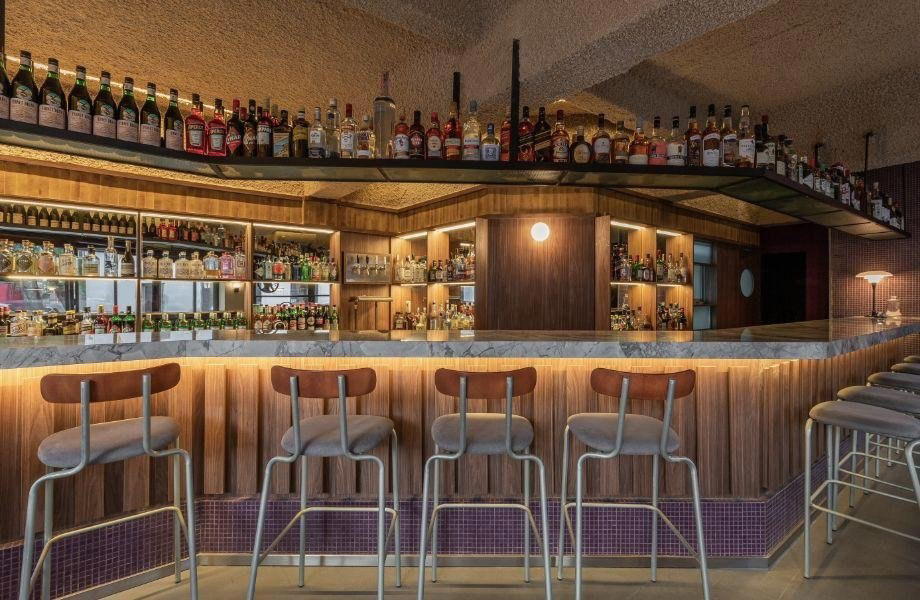
The bar component indicated in the name is also structurally meaningful. Parrillas with an integrated bar in Montevideo are generally places where the social rhythm extends beyond the meal itself, with a pre-dinner or post-dinner drink culture built into the space's function. That double identity, grill and bar, tends to produce rooms with a different energy from destination-dining parrillas that sequence precisely around a single tasting arc. The bar signals latitude, duration, and a certain informality of pace.
Placing García Within Montevideo's Parrilla Tier
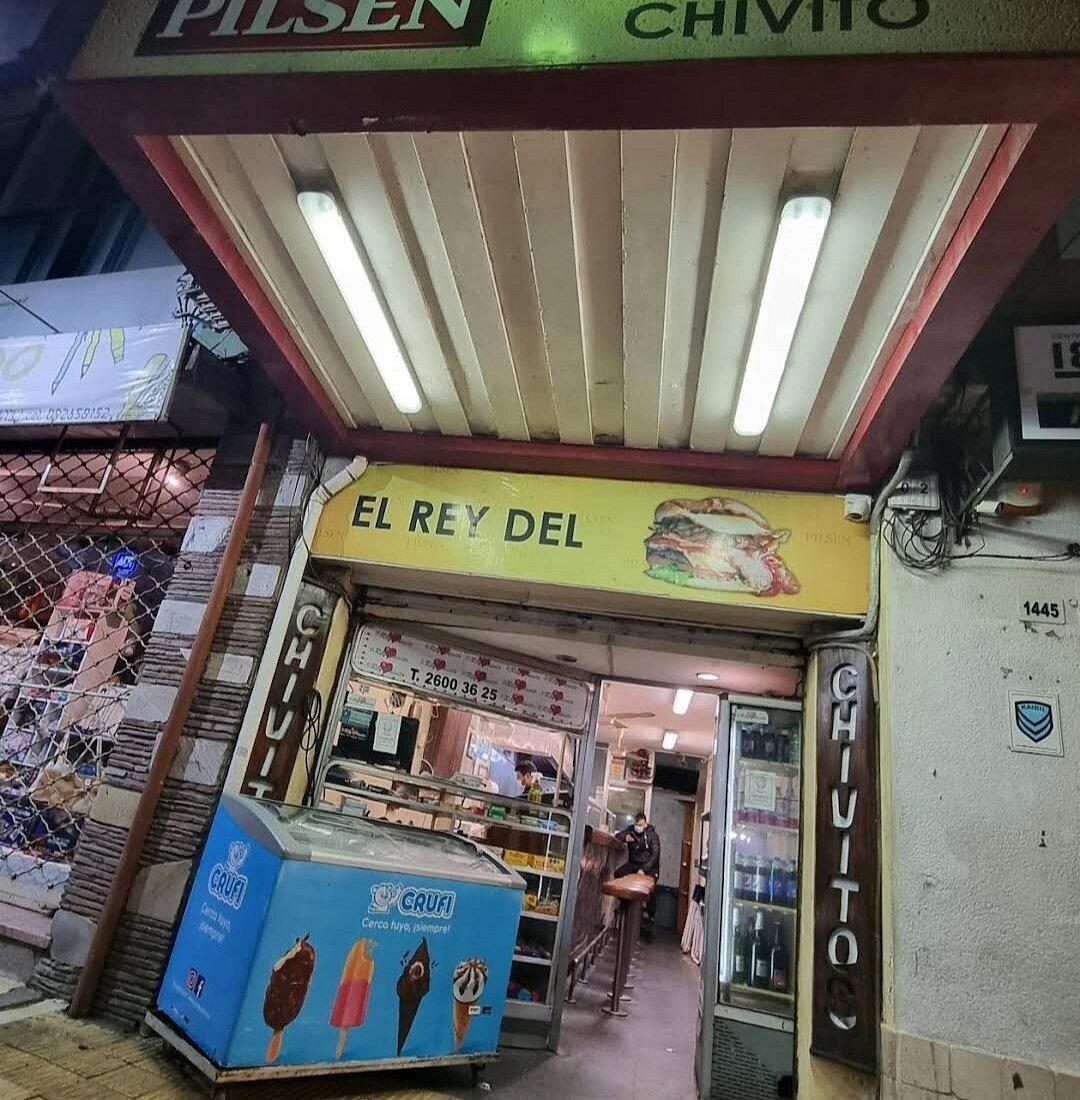
Montevideo's parrilla market is more internally differentiated than it appears from the outside. At the accessible end, chivito-centred spots like Chivitos Marco's and El Rey del Chivito serve a specific Uruguayan sandwich tradition that overlaps with but is not identical to the full parrilla format. La Milpa and others represent the market's drift toward broader menus and more eclectic influences. García Parrilla Clásica y Bar, through its explicit naming convention, stakes a position in the middle tier: committed to the format's traditional grammar without reaching toward the higher price points and design investment of Montevideo's more aspirational grill rooms.
For comparative reference beyond Uruguay, the contrast in approach between Montevideo's parrilla tradition and the way fire-and-protein formats operate at venues like Las Nenas Steak House in Punta Del Este is instructive. Resort-adjacent steak houses tend to calibrate presentation and service to an international visitor baseline, while Montevideo neighbourhood parrillas calibrate to local habit. The difference is not primarily one of quality but of audience orientation.
Internationally, the conceptual distance between a Montevideo clásica parrilla and the structured tasting formats at venues like Atomix in New York City or Atelier Moessmer Norbert Niederkofler in Brunico is total. Those formats use the menu as a sequential argument. The parrilla format uses the menu as a catalogue, and the guest's sequencing through it is the argument. That is a fundamental difference in hospitality philosophy, and it matters to how you read the room.
Planning a Visit
García Parrilla Clásica y Bar is located at Avenida Arocena 1587 (Dr. Gabriel Otero) in Montevideo's 11500 postal zone. The address sits in a residential stretch of the city that is most practically reached by taxi or rideshare from the centre or the rambla; the area is not densely served by foot traffic from major visitor hotels. No booking data is available in EP Club's current records, but neighbourhood parrillas of this type in Montevideo generally accommodate walk-ins on weeknights with less friction than at weekends, when local family lunch service tends to fill rooms earlier than visitors expect. Arriving by 1pm for lunch or shortly after 8pm for dinner typically aligns with the kitchen's rhythm rather than fighting it.
For visitors cross-referencing the broader Uruguayan dining scene, La Bourgogne and Costa Colonia Riverside Boutique Hotel in Colonia Del Sacramento offer strongly contrasting formats that clarify how different García's register is from the country's European-influenced fine dining tier.
Standing Among Peers
Comparable venues nearby, for context on price, style, and recognition.
| Venue | Cuisine | Price | Notes |
|---|---|---|---|
| García Parrilla Clásica y BarThis venue — the venue you are viewing | Classic Uruguayan Parrilla | $$$ | Not listed |
| Jacinto | Modern Mediterranean Bistro | $$$ | Ciudad Vieja |
| Sushi Wok Perú | Peruvian-Japanese Nikkei Fusion | $$ | Pocitos |
| Parador la Huella | Fire-Grilled Uruguayan Coastal Seafood | $$$ | Jose Ignacio |
| Tianfu Restaurante Chino | Authentic Sichuan Chinese | $$ | Ciudad Vieja |
| Parrillada El Alemán | Traditional Uruguayan Asado Grill | $$ | Cordón |
Continue exploring
More in Montevideo
Restaurants in Montevideo
Browse all →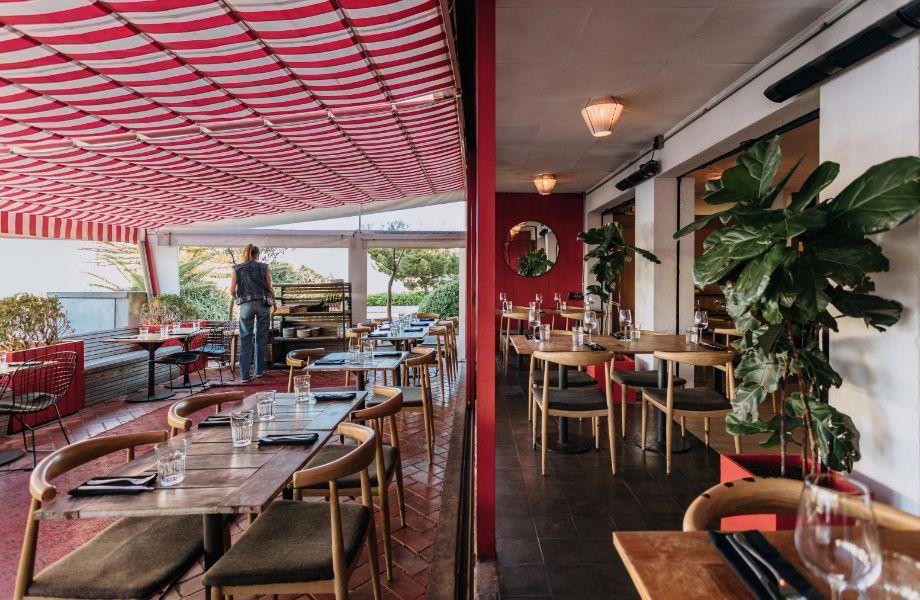

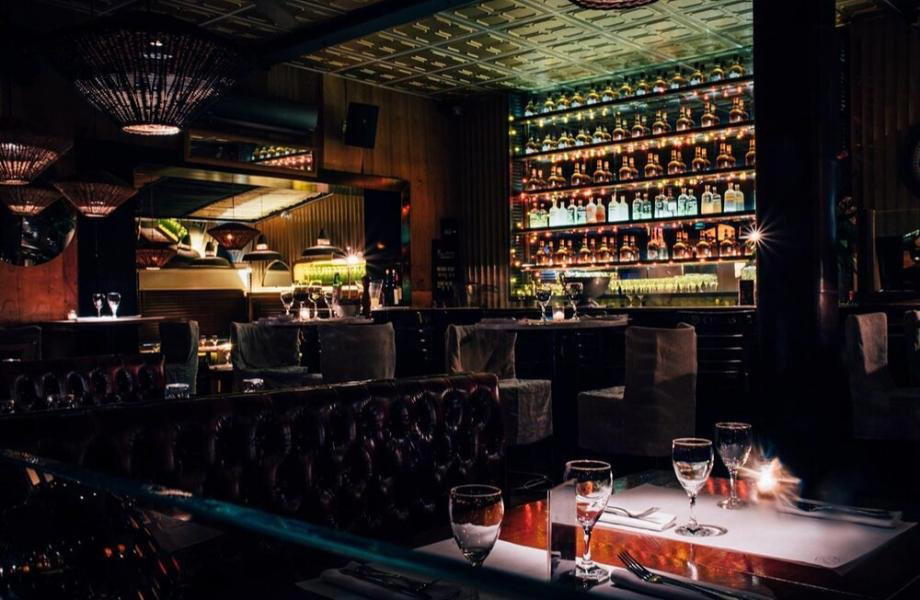
Bars in Montevideo
Browse all →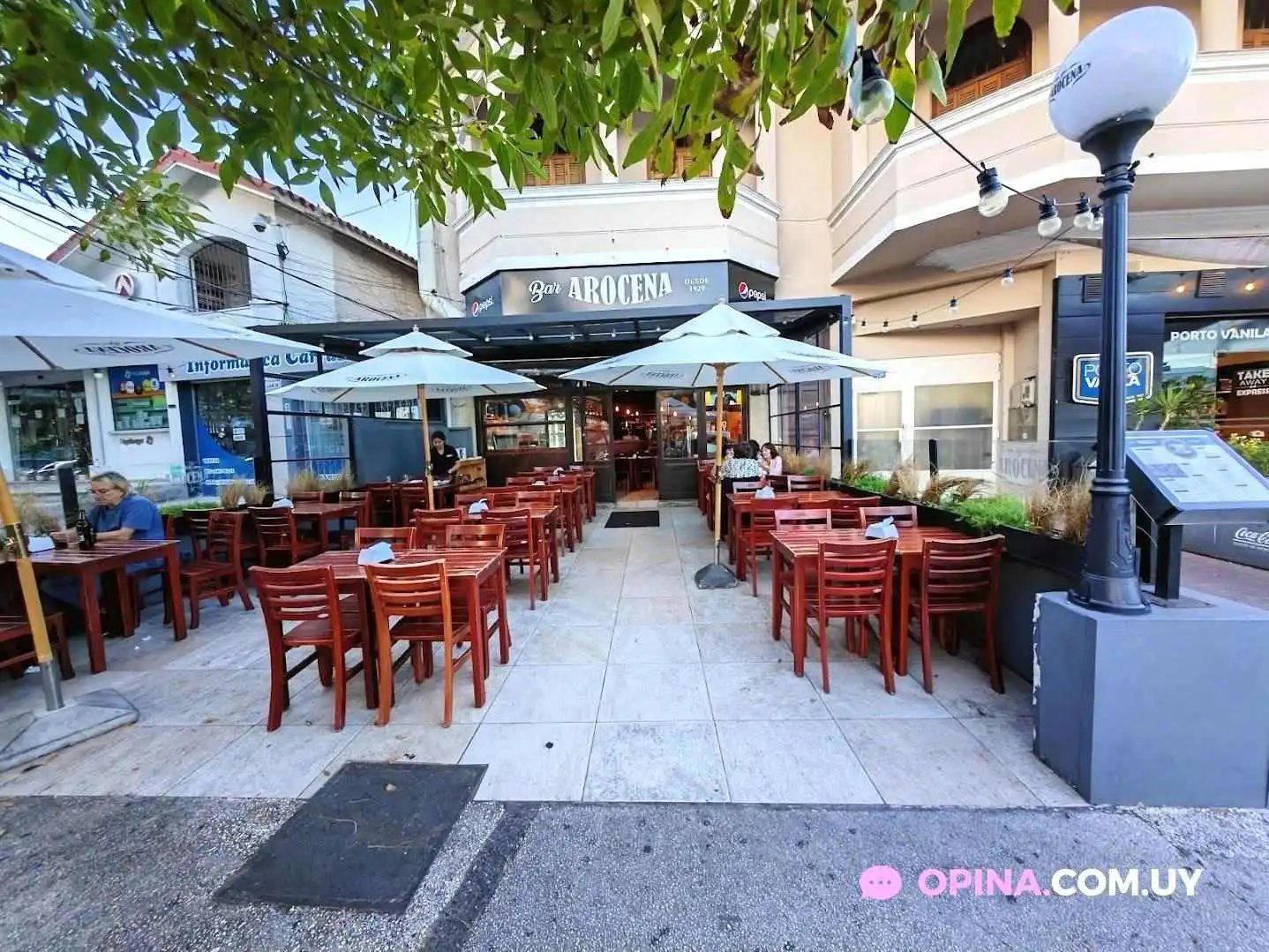
Hotels in Montevideo
Browse all →

At a Glance
- Classic
- Elegant
- Business Dinner
- Group Dining
- Family
- Celebration
- Terrace
- Open Kitchen
- Extensive Wine List
- Street Scene
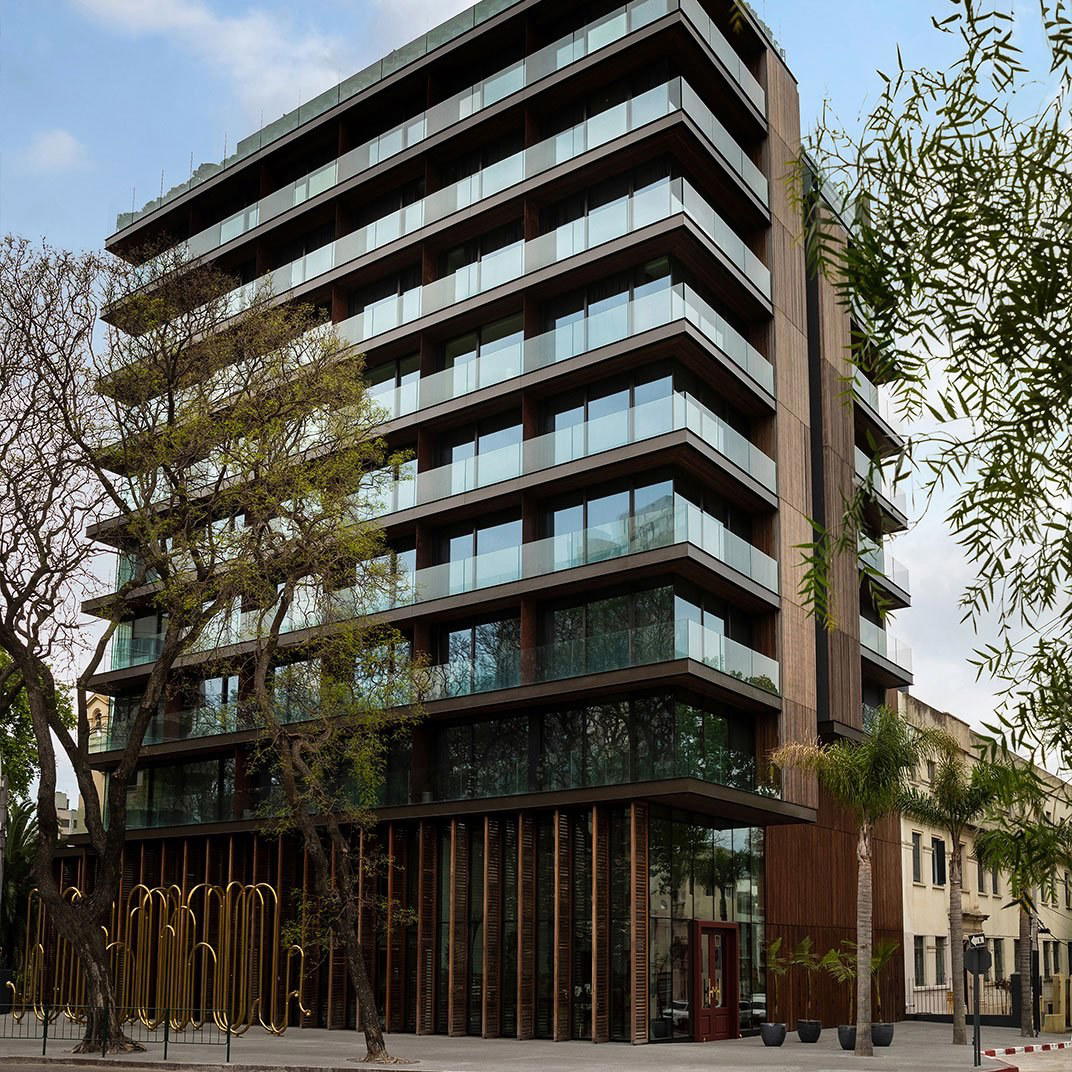
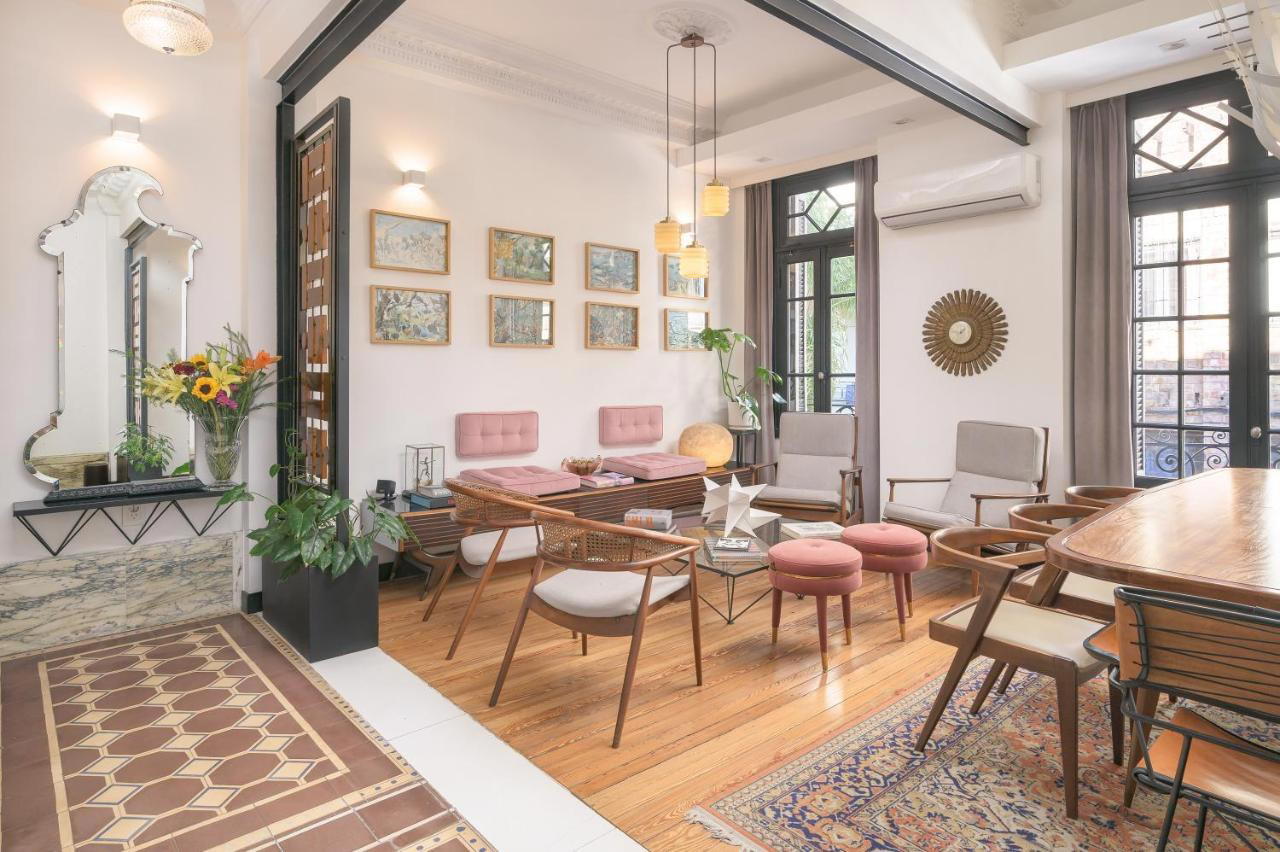
Elegant and comfortable with attentive service, peaceful indoor salon, and terrace offering rambla views.
Know Before You Go
- Getting there
- Avda. Arocena 1587 (Dr. Gabriel Otero), 11500 Montevideo Montevideo