Grappamiel del Uruguay operates from Camino Hudson 5425 in the Canelones wine belt, one of Uruguay's most consequential wine-producing departments. For visitors oriented around Uruguayan wine, Canelones is the natural starting point, and Grappamiel is among the addresses that justify the detour.
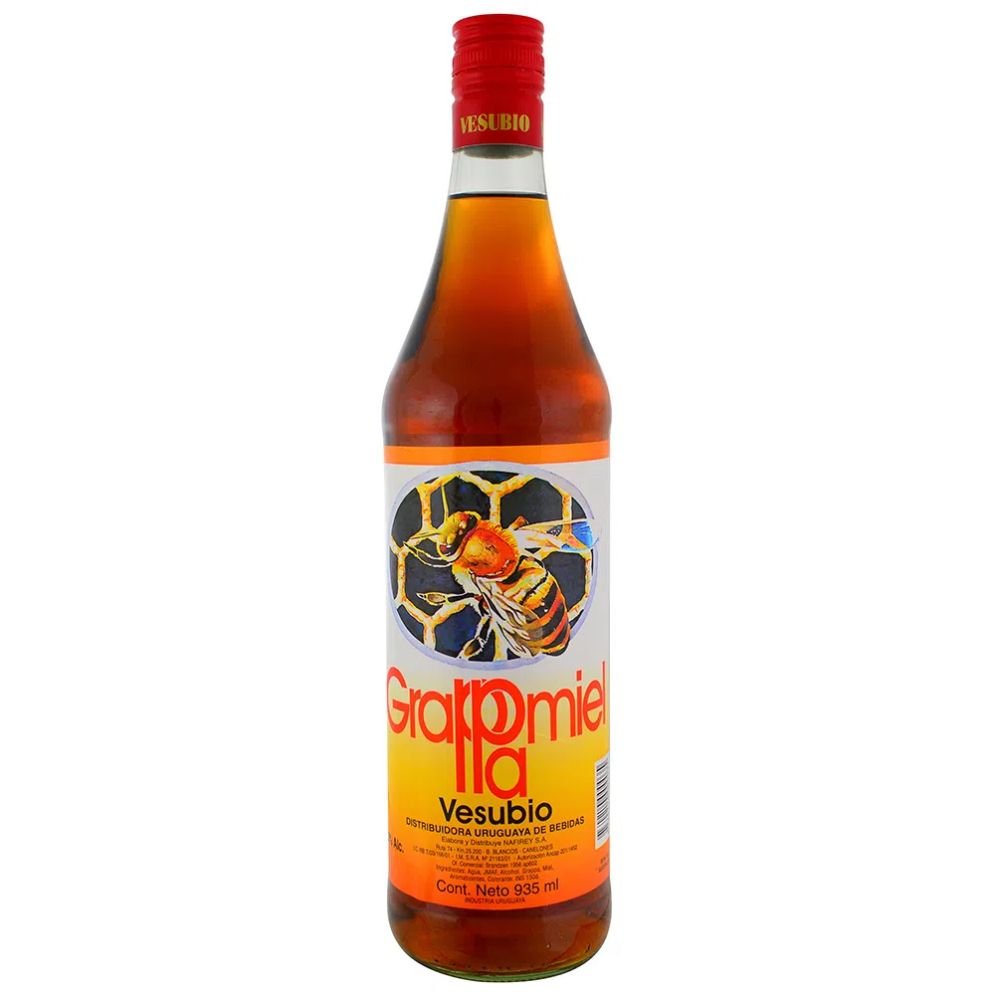
Canelones and the Case for Uruguay's Central Wine Belt
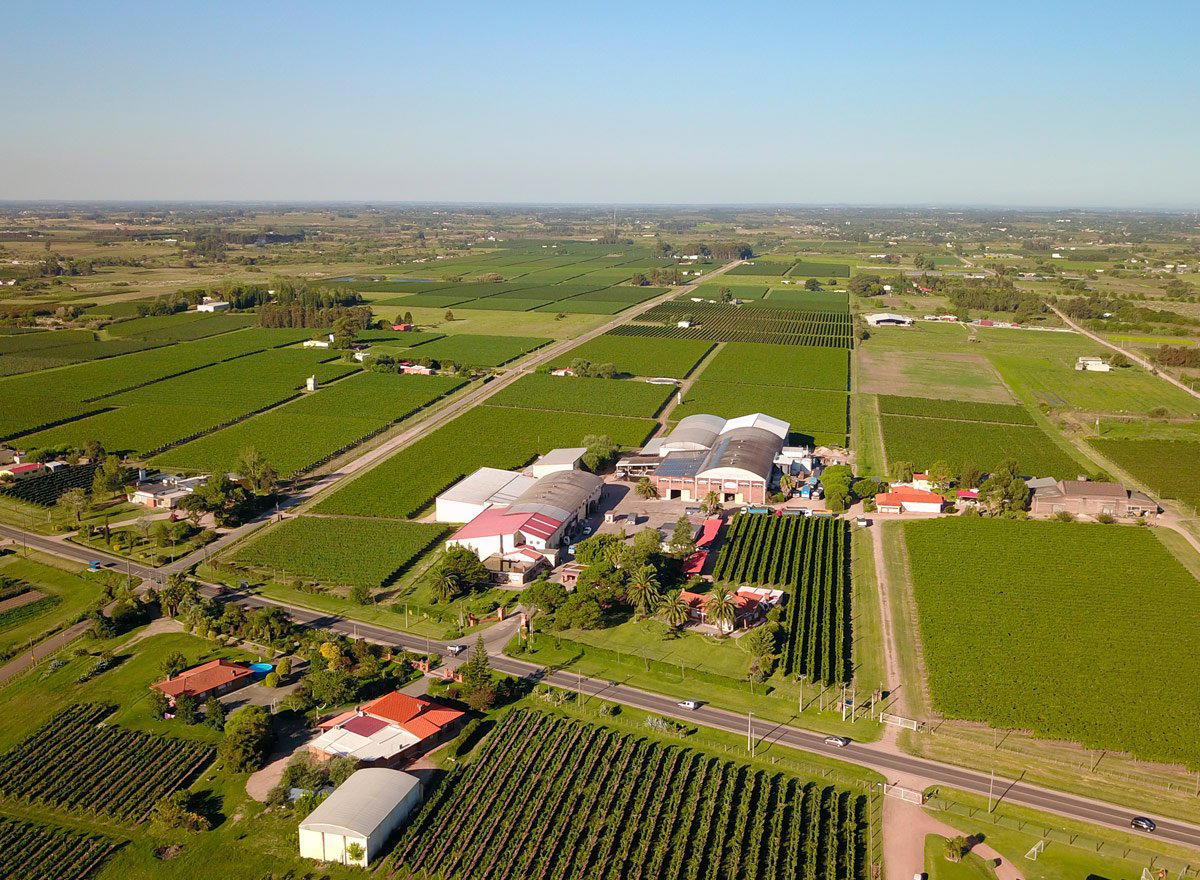
Uruguay's wine narrative tends to get told through Tannat, the thick-skinned Basque grape that arrived with 19th-century immigrants and stayed. But the fuller story plays out in Canelones, the department that encircles Montevideo and accounts for the largest share of the country's planted vineyard area. The soils here are varied enough to support multiple styles, and the proximity to the Río de la Plata tempers what would otherwise be a hot continental climate. That combination has made Canelones home to producers ranging from century-old family bodegas to newer operations working with international varieties alongside the regional staple.
Grappamiel del Uruguay sits inside that geography, at Camino Hudson 5425, in the broader Montevideo-adjacent wine zone. The address places it within reach of the capital while remaining embedded in the agricultural land that defines the department.
Context matters when reading a single wine address in Canelones. The department has a concentration of established producers, each occupying a slightly different position in terms of scale, style, and historical depth. Bodega Juanicó (Familia Deicas) represents the larger, export-oriented end of the spectrum, with a production history going back to the colonial period. Antigua Bodega Stagnari and Varela Zarranz both carry deep Italian-immigrant roots that shaped the department's early wine culture. Newer operations like Artesana and Bodega De Lucca have pushed toward more precise, low-intervention approaches that have drawn international attention to Canelones beyond its Tannat reputation.
Uruguay's Wine Geography Beyond Canelones
Understanding why Canelones producers like Grappamiel carry weight requires some sense of where the country's other wine zones fit. Bodega Bouza in Montevideo operates in an urban fringe context that emphasises gastronomy as much as viticulture. Further out, Bodega Carrau in Las Piedras has built a multi-generational reputation across several Uruguayan regions, while Cerro Chapeu (Carrau) in Rivera, near the Brazilian border, represents the country's most northerly fine wine experiment.
To the south and west, Bodega Los Cerros de San Juan in Colonia del Sacramento and El Legado in Carmelo occupy the Colonia department, where proximity to the Argentine bank of the Río de la Plata creates a cooler microclimate that suits white varieties and lighter red expressions. On the Atlantic side, Bodega Oceánica José Ignacio in Maldonado and Bodega Cerro del Toro in Piriápolis are working with maritime-influenced terroirs that produce a recognisably different profile from the inland Canelones norm.
What this map confirms is that Uruguay's wine geography is more fragmented and diverse than its international profile suggests. Canelones remains the dominant department by volume and historical significance, and producers operating there with a Pearl-level recognition carry an implied position at the sharper end of that diversity.
For visitors planning a wine itinerary through the department, this kind of rating functions as a prioritisation tool: it identifies where serious engagement is more likely to be rewarded.
The rating also implies a degree of international readiness. Properties operating at this tier within Canelones tend to receive visitors who arrive with context, whether Argentine tourists crossing the estuary, European wine professionals on exploratory buying trips, or the growing number of wine-focused travellers who have added Uruguay to a South American circuit that previously began and ended in Mendoza or the Colchagua Valley.
Planning a Visit to Grappamiel del Uruguay
The property sits at Camino Hudson 5425 in the Canelones zone adjacent to Montevideo, making it accessible from the capital without requiring an overnight stay, though the clustering of quality producers in the department makes a multi-stop day trip the more efficient approach. Visitors combining Grappamiel with other Canelones addresses can build a route that covers a meaningful cross-section of regional styles within a manageable radius.
For broader orientation in the department, the full Canelones guide covers the restaurant and producer landscape with neighbourhood-level detail. Visitors arriving from or returning to Montevideo will find the city's wine bar scene increasingly tuned to Uruguayan producers, making it a useful complement to a day among the Canelones bodegas.
Grappamiel in the Wider EP Club Universe
EP Club's rated properties span categories well beyond Uruguayan wine. For reference points from other wine regions, Accendo Cellars in St. Helena represents Napa Cabernet at a small-production, allocation-driven level, and Aberlour in Aberlour anchors the Speyside whisky tradition that informs how single-origin spirits are evaluated globally.
Frequently asked questions
Where can I find Grappamiel del Uruguay?
Grappamiel del Uruguay is located at Camino Hudson 5425, 12400 Montevideo, Uruguay, Canelones.
What wines should I try at Grappamiel del Uruguay?
Canelones producers at this level typically work with Tannat, the region's dominant variety, alongside Albariño and Marselan, which have gained ground in Uruguay's central wine belt.
What's the standout thing about Grappamiel del Uruguay?
The property sits at Camino Hudson 5425, accessible from Montevideo without an overnight stay.
Cost Snapshot
Comparable venues nearby, for context on price, style, and recognition.
| Venue | Cuisine | Price | Notes |
|---|---|---|---|
| Bodegas y Viñedos Angel FallabrinoThis venue (the venue you are viewing) | Etchevarria, Tannat | Not listed | Not listed |
| Artesana | Las Brujas, Tannat, Zinfandel | $20–30 | Not listed |
| Bodega Toscanini | Las Piedras, Tannat, Cabernet Sauvignon | Not listed | Not listed |
| Bodega Marichal | Not listed | Not listed | Etchevarría, Las Violetas, Tannat, Merlot |
| Los Nadies | Prado, Tannat, Merlot | $50–100 | Not listed |
| Pizzorno Family Estates | Not listed | $30–50 | Canelón Chico, Tannat, Cabernet Sauvignon |
Request a visit to Bodegas y Viñedos Angel Fallabrino
Tell us when you would like to go and how many people, and we put the request to the estate and reply to you by email.
Continue exploring
More in Canelones
Wineries in Canelones
All wineries in Canelones →

Bars in Canelones
Browse all →
Details
- Classic
- Historic
- Cozy
- Rustic
- Well Known
- Special Occasion
- Celebration
- Corporate Event
- Group Outing
- Family
- Historic Building
- Design Destination
- Private Tasting
- Vineyard
- Tannat
- Red Blends
- White Wines
- Still Red
- Still White
- Guided Tasting
- Private Tasting
- Spanish
Current opening hours
- Monday
- 8–11:30 AM, 12:30–5 PM
- Tuesday
- 8–11:30 AM, 12:30–5 PM
- Wednesday
- 8–11:30 AM, 12:30–5 PM
- Thursday
- 8–11:30 AM, 12:30–5 PM
- Friday
- 8–11:30 AM, 12:30–5 PM
- Saturday
- Closed
- Sunday
- Closed
Hours can change for holidays and private events. Hours as of .
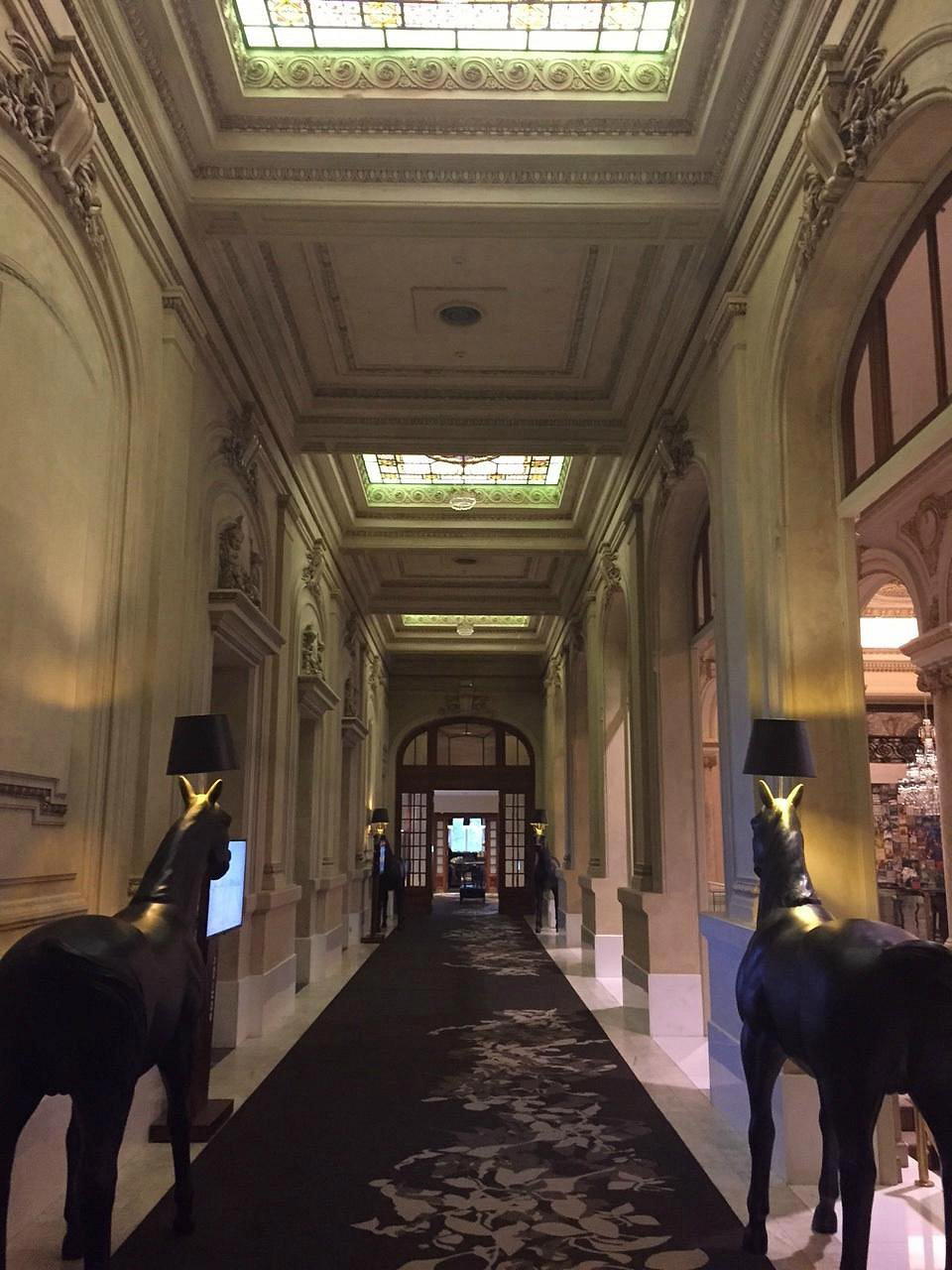
Historic, museum-like wine tourism setting with an intimate showroom, antique machinery exhibits, and a strong sense of tradition dating back to 1923.