Bar Sofitel
Bar Sofitel belongs to Montevideo’s waterfront hotel-bar circuit, a category shaped as much by the Rambla and international-hotel polish as by the city’s late, relaxed drinking rhythm.

Pearl is the En Primeur Club membership app — saves, bookings, and concierge access live there. Same editors, same standards.
- Address
- Rambla República de México 6451, 11500 Montevideo, Departamento de Montevideo, Uruguay
- Phone
- +598 2604 6060
- Website
- sofitel.accor.com
- Directions
- Get directions
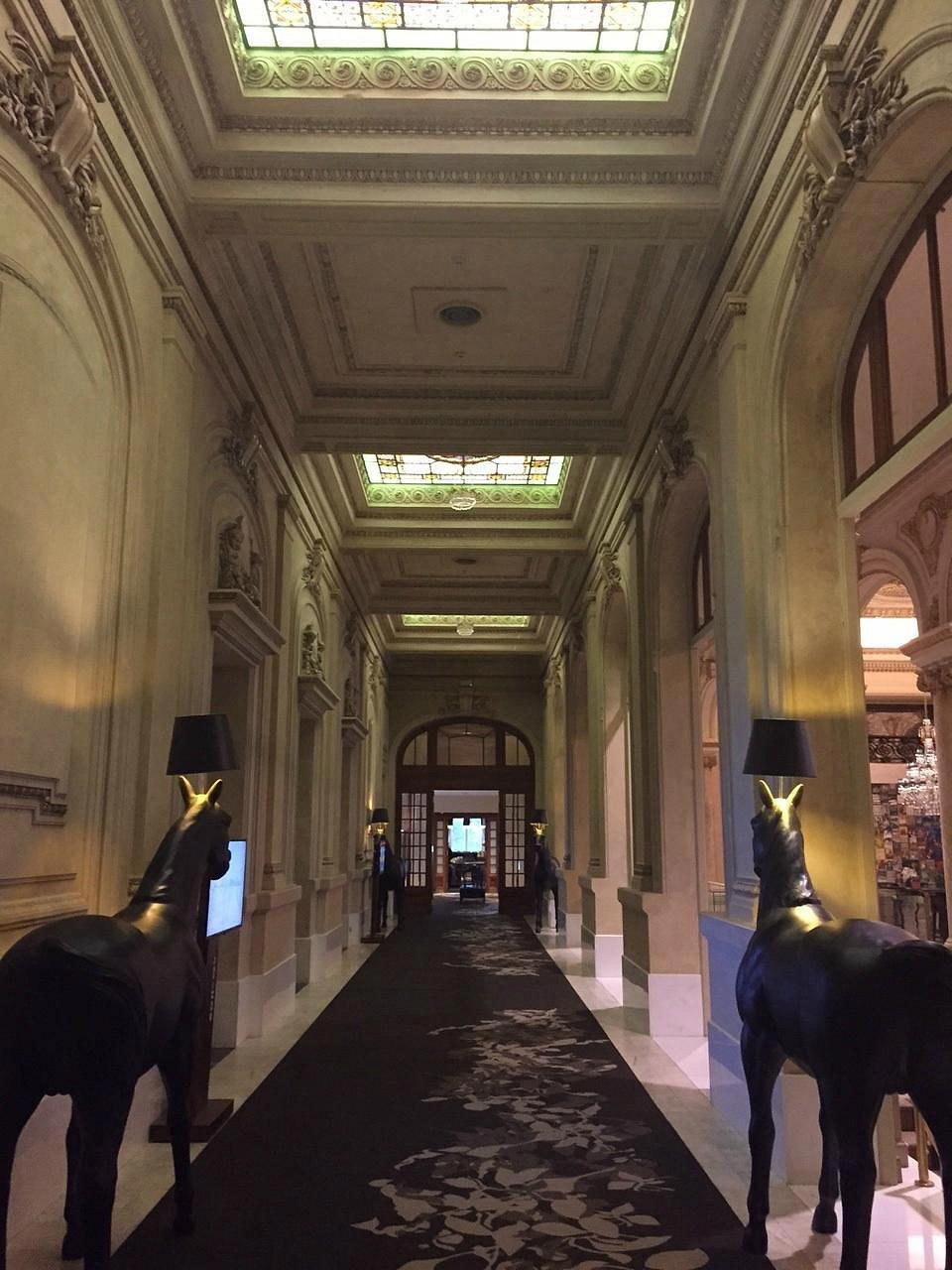
Montevideo's hotel-bar rhythm begins on the Rambla
Approaching Rambla República de México places the evening inside a recognisable Montevideo frame: river air, residential calm, and the long coastal road that separates Carrasco’s composed architecture from the broad Río de la Plata. Bar Sofitel sits at Rambla República de México 6451, in the 11500 postal district, a location that immediately changes the terms of a drink. This is not Ciudad Vieja’s after-office corridor or a Pocitos pavement table with passing traffic at shoulder height. It belongs to the city’s more measured waterfront circuit, where the hotel lobby, the coastline, and the late Uruguayan dinner schedule shape the tempo before a glass reaches the table.
Montevideo’s cocktail culture has never needed the theatrical density of larger Latin American capitals. The city works through intervals: a vermouth before dinner, a whisky in a hotel bar, a gin and tonic stretched over conversation, a night that starts later than visitors from northern schedules often expect. In that context, a hotel bar in Carrasco plays a particular role. It offers neutral ground for guests staying nearby, residents who prefer coastal quiet over central noise, and travellers who want a drink without turning the evening into a search project. Bar Sofitel fits that category through address and setting, rather than through public claims of awards or a published signature-drink canon.
The absence of listed awards, price range, chef, hours, phone, website, seat count, and cocktail details matters editorially. It means the serious reader should avoid treating the venue as a fully documented cocktail temple. The safer reading is more precise: this is a polished hotel-bar option on Montevideo’s Rambla, useful for its setting and category, with the drinks programme leading assessed through current on-site information rather than old assumptions. In a city where many strong evenings happen without heavy publicity, that distinction is not a criticism. It is a planning note.
The cocktail question: hotel polish versus bar-room authorship
In contemporary bar culture, there is a widening split between two models. One is the authorial cocktail bar, built around named bartenders, published menus, awards circuits, clarified serves, house ferments, and reservation scarcity. The other is the hotel bar, where consistency, room-service adjacency, bilingual ease, and an atmosphere that works for both locals and guests carry more weight than manifesto-style drinks. Bar Sofitel, based on the available record, should be understood within the second model unless current venue materials state otherwise.
That distinction helps set expectations. A guest looking for a bar where every drink is tied to a documented technique, a named creative lead, or international ranking evidence will find clearer public signals at heavily covered cocktail addresses elsewhere in the Americas. EP Club’s wider bar coverage makes that contrast useful: Café La Trova in Miami is inseparable from Cuban cantinero tradition and performance-led service; Happy Accidents in Albuquerque sits inside a more explicit modern American cocktail conversation; Roquette in Seattle belongs to a city where technique and spirits curation often drive the editorial story; and Viceversa in Miami reflects another version of Italianate bar culture filtered through a high-visibility dining city. Bar Sofitel’s current public record does not invite the same claims. Its editorial value lies in how Montevideo uses hotel bars: as composed rooms for conversation, arrival, and transition.
Montevideo also rewards a different kind of cocktail patience. Uruguay has strong wine and beef traditions, but the capital’s drinking culture is not limited to parrilla-adjacent bottles. Aperitif hours, whisky service, beer, vermouth, and mixed drinks overlap with the city’s habit of long evenings and late meals. In Carrasco, where residential formality and coastal leisure intersect, a hotel bar can be more functional than flashy: a place to begin before dinner, finish after a formal meal, or meet someone without choosing a louder neighbourhood bar. The drink may be the immediate reason to sit down, but the social format is the deeper point.
Carrasco changes the brief
Bar location carries unusually strong meaning in Montevideo. Ciudad Vieja and Centro carry office history, port movement, and older café culture. Pocitos and Punta Carretas work through apartments, shopping streets, and beach-adjacent evening routines. Carrasco is different: lower-rise, wealthier, more residential, and more closely associated with embassies, coastal hotels, and an older idea of leisure. A bar on this side of the city tends to be judged less by how hard it pushes nightlife and more by how well it handles calm, privacy, and ease.
The comparison is closer to other hotel-adjacent drinking rooms and coastal meeting places, where the question is whether the room can support several kinds of evening without feeling improvised. Travellers often underestimate this difference. In a compact city, crossing from a central restaurant district to Carrasco is a shift in mood as much as geography. The Rambla gives continuity, but the bar culture changes from urban compression to coastal spacing.
For readers mapping an evening, the stronger approach is to pair categories rather than chase a single verdict. A night might begin with a hotel-bar drink in Carrasco, then continue toward a restaurant elsewhere, or remain in the coastal zone for a quieter schedule. For a broader food map, Our full Montevideo restaurants guide gives the dining context that a bar listing alone cannot supply. For travellers deciding whether to stay near the water or nearer the centre, Our full Montevideo hotels guide is the better companion, because hotel geography will shape how often a Rambla bar is convenient rather than merely attractive on paper.
Where Bar Sofitel fits among Montevideo bars
Montevideo’s bar scene is easier to understand as a set of moods than a single hierarchy. There are neighbourhood bars with pizza and casual drinking, cocktail-led rooms with stronger standalone identities, hotel bars serving a mixed local-and-traveller audience, and late-night places where the value lies in atmosphere rather than formal technique. Bar Sofitel belongs to the hotel-bar and waterfront side of that map. The point is not that the category is lesser. It simply answers a different question.
For comparison, Baker's Bar and Bar Arocena help define the city’s bar range through different neighbourhood and format cues, while Las Flores Bar & Pizza points toward Montevideo’s habit of mixing casual food formats with drinking culture. Those references matter because they prevent the common traveller mistake of judging every bar against a single cocktail capital template. Montevideo is not competing with New York, London, or Mexico City by volume of ranked bars. Its strength is smaller-scale social drinking tied closely to neighbourhood rhythm.
Bar Sofitel should therefore be read as a useful address for a particular need: a composed drink by the Rambla in Carrasco, with hotel-bar predictability and a setting that suits conversation. It is not currently supported by public database evidence for awards, named bartending credentials, a published price tier, or documented house signatures. That absence places a ceiling on claims, but it also sharpens the recommendation. Choose it for the setting and format; choose a more explicitly cocktail-driven address if the evening depends on technical authorship or a specific drink list.
Readers building a wider drinking itinerary should cross-check the category against Our full Montevideo bars guide. The guide format is better suited to comparing hotel bars, neighbourhood rooms, pizza-and-drinks formats, and late-night choices across the capital. Bar Sofitel’s usefulness increases when it is placed in that map, rather than treated as an isolated venue with a grand claim attached.
Food, wine, and the broader Montevideo evening
That is especially important in Montevideo, where travellers often blur categories: bars may serve serious food, restaurants may function as wine rooms, and hotel lounges may offer enough to anchor a short evening without replacing dinner. Without specific published data, Bar Sofitel is better framed as a drinks-led planning point rather than a dining destination.
The broader city context is richer. Montevideo’s dining identity leans on beef, pasta, Spanish and Italian inheritance, river fish in certain settings, and a strong habit of long meals. Wine sits close to the centre of the national conversation, particularly through Tannat and the wineries surrounding the capital and Canelones. Anyone treating a bar drink as the start of a Uruguayan evening should think beyond cocktails alone. A pre-dinner drink may lead into steak, seafood, pasta, or wine-focused dining, depending on neighbourhood and timing.
For that reason, drinks planning in Montevideo benefits from a triangular view: bars, restaurants, and wineries. Our full Montevideo wineries guide helps frame why wine remains such a strong reference point in and around the capital, while Our full Montevideo experiences guide is useful for travellers who want food, wine, and cultural scheduling to work together rather than compete for the same evening. Bar Sofitel’s coastal-hotel format can slot into that plan as the controlled opening or closing note, especially when the main meal is elsewhere.
Planning the visit
The confirmed address is Rambla República de México 6451, 11500 Montevideo, Departamento de Montevideo, Uruguay. Public database fields for phone number, website, opening hours, price range, booking method, dress code, and seat count are not available, so planning should be practical and conservative. Treat the venue as a hotel-bar setting where schedules may vary by season, private events, hotel occupancy, or internal service policy. Anyone organising a tightly timed evening should verify current hours directly through the hotel or an up-to-date official channel before travelling across town.
Reservations cannot be assessed from the available record. Some hotel bars operate largely on walk-in rhythm; others restrict access during private functions or high-demand periods. Since no booking method is listed, the sensible approach is to confirm access before relying on it for a business meeting, date, or pre-dinner stop with a narrow window. This is especially relevant in Carrasco, where moving onward to another neighbourhood can take time relative to a compact old-city itinerary.
Price guidance is also unavailable. In practice, hotel bars in coastal or international-brand settings often sit above casual neighbourhood drinking rooms, but no exact range should be inferred here. The safer expectation is not bargain-bar pricing, particularly given the Rambla address and hotel context. For dress, no formal code is listed. The room’s category suggests polished casual clothing will feel more aligned than beachwear or heavily informal dress, but the record does not support a strict rule.
Timing matters more than visitors expect. Montevideo evenings often run late, and a bar before dinner may feel quiet if approached too early by local standards. Carrasco’s calmer rhythm can be an advantage for conversation, especially compared with denser central districts, but it also means the venue should be chosen for a composed evening rather than a search for high-volume nightlife. The strongest use case is simple: a Rambla-side hotel-bar drink when the evening calls for ease, privacy, and a setting that does not need to shout.
Continue exploring
More in Montevideo
Bars in Montevideo
Browse all →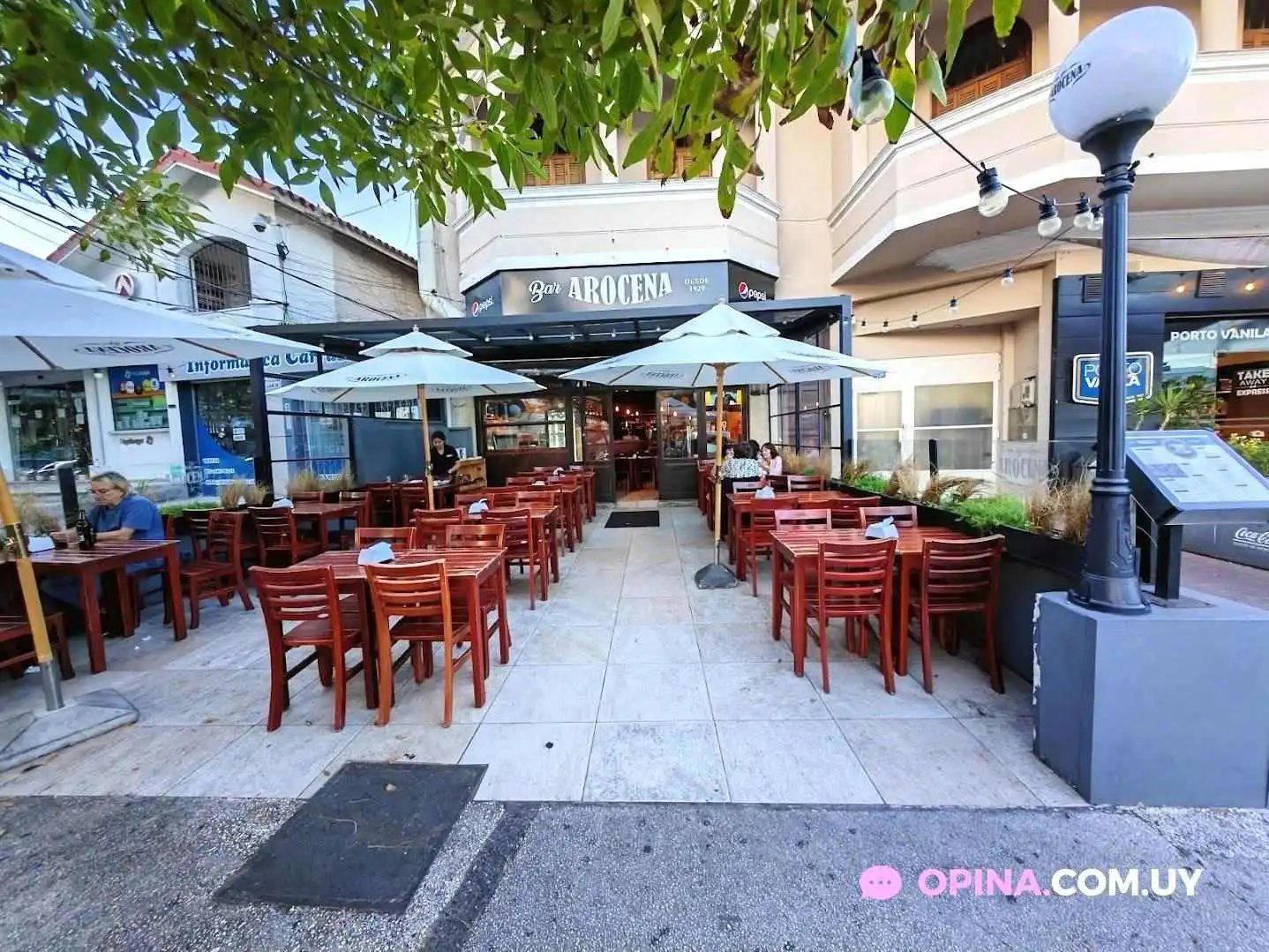
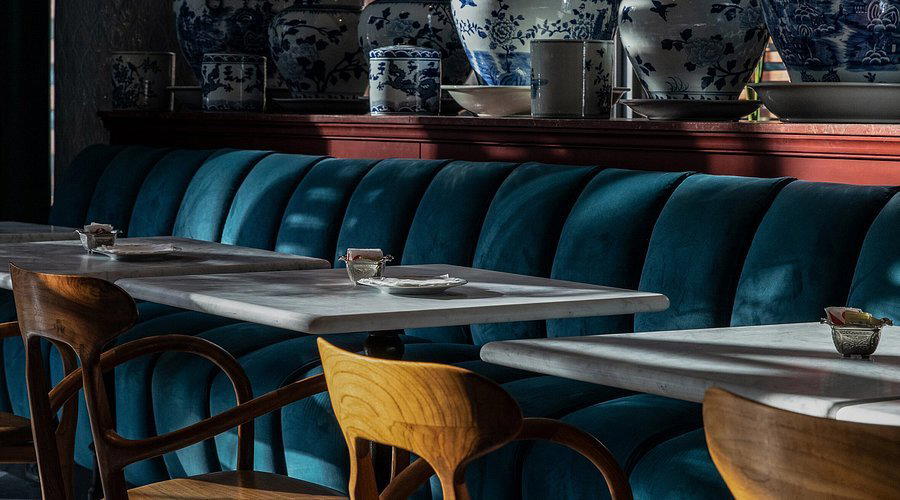
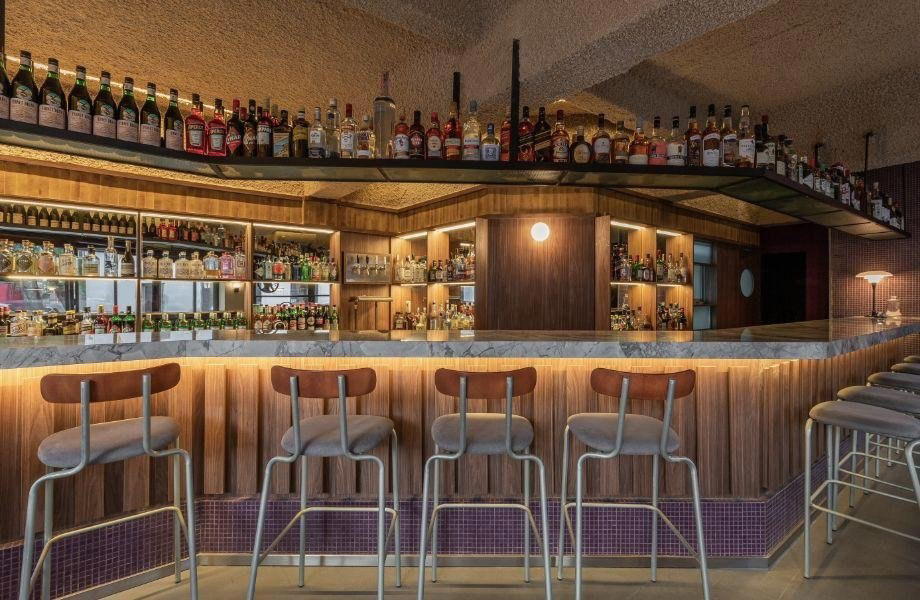
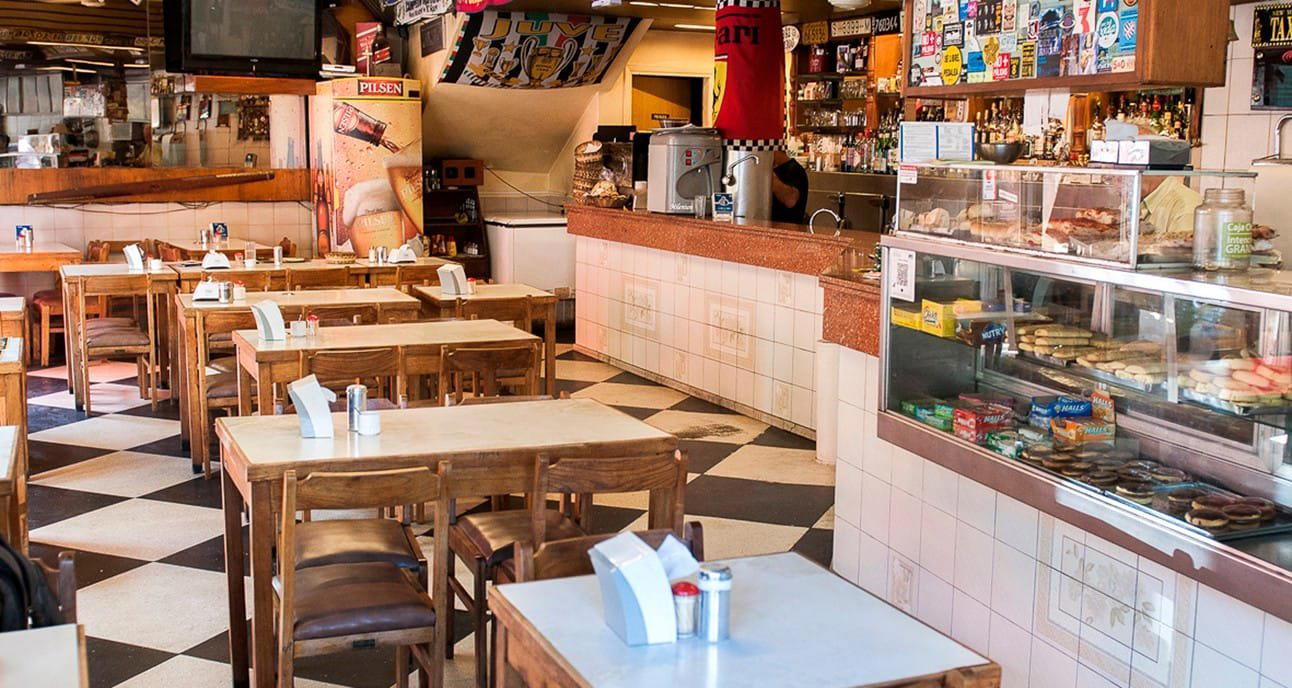
Restaurants in Montevideo
Browse all →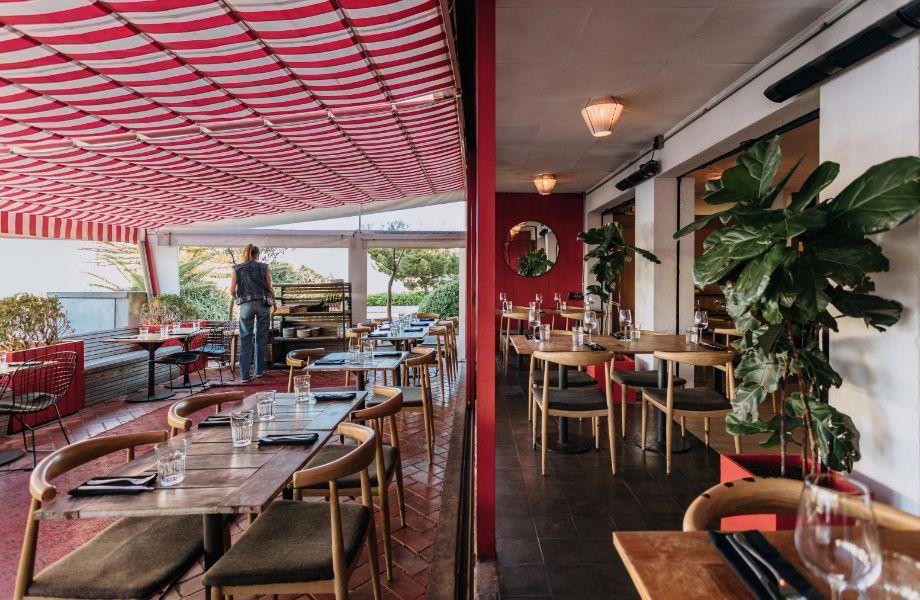

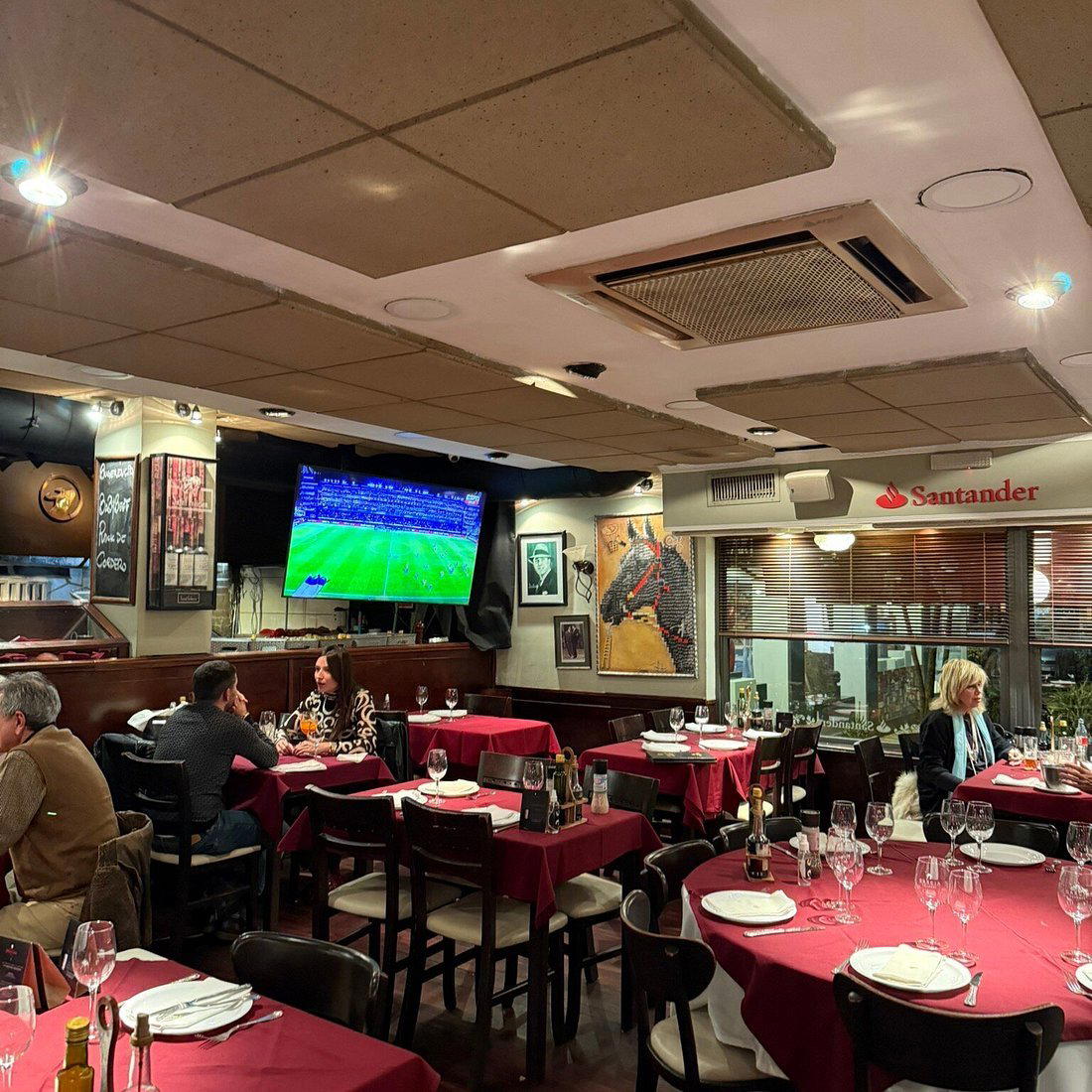
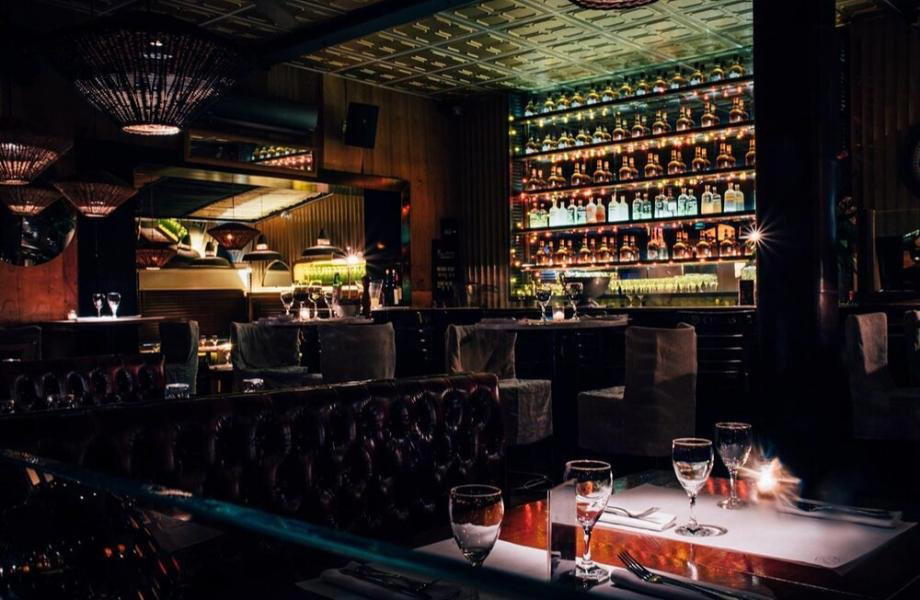
Hotels in Montevideo
Browse all →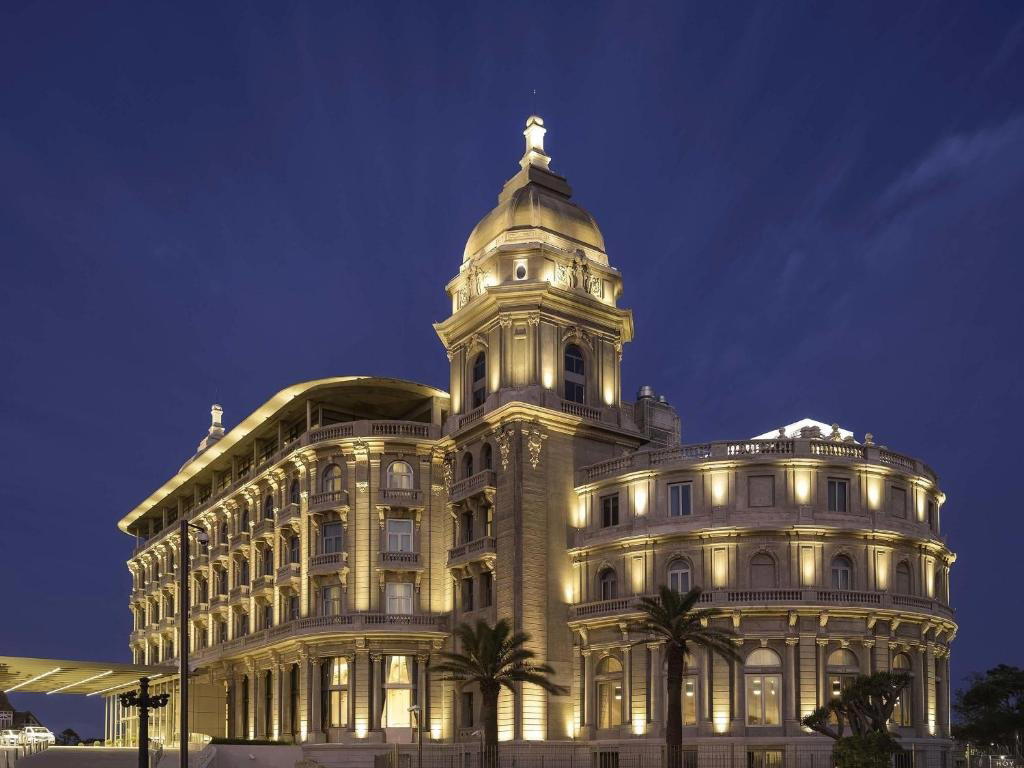

Details
- Elegant
- Modern
- Sophisticated
- Romantic
- Ornate
- Well Known
- Date Night
- After Work
- Celebration
- Special Occasion
- Private Event
- Waterfront
- Design Destination
- Hotel Bar
- Historic Building
- Seated Bar
- Lounge Seating
- Classic Cocktails
- Conventional Wine
- Waterfront
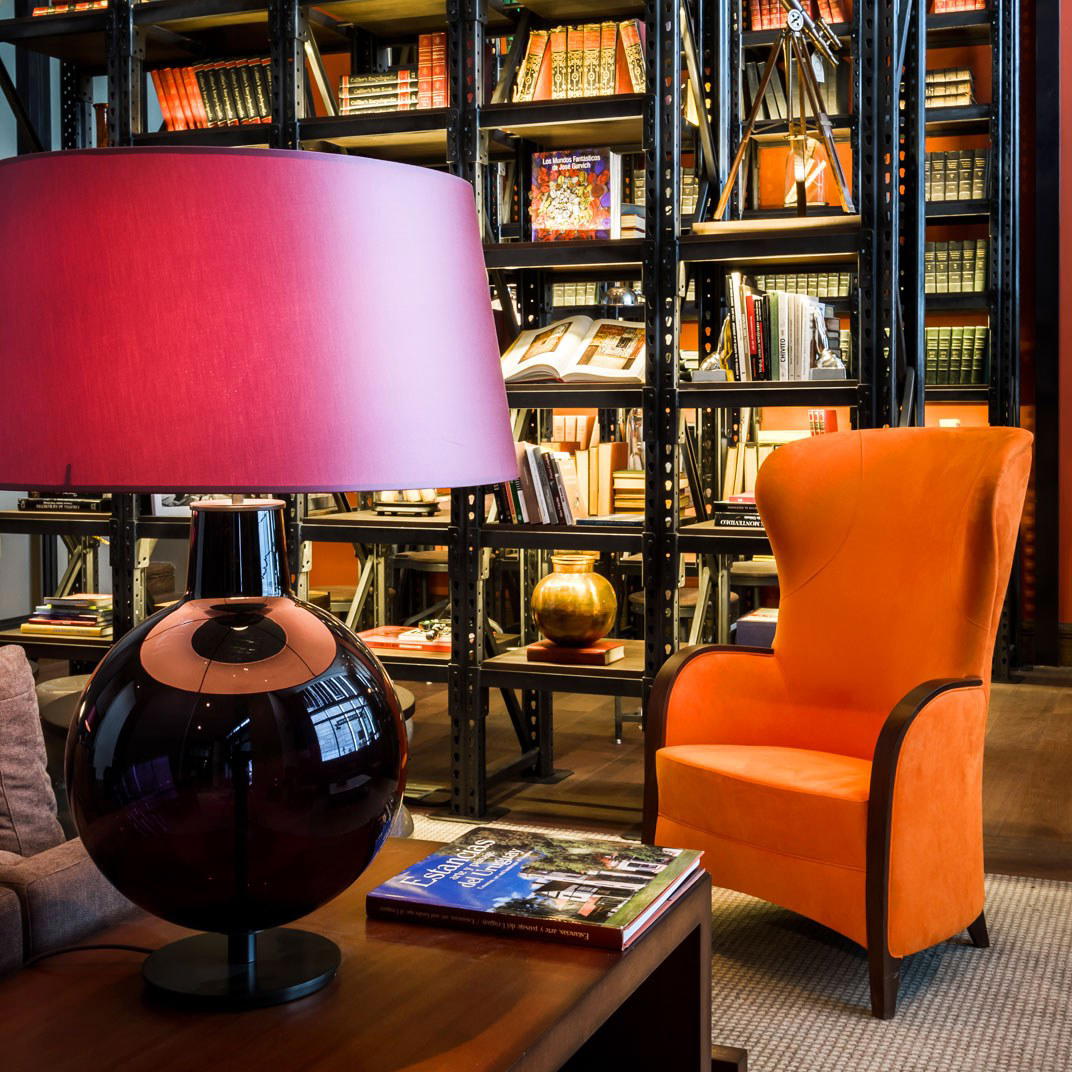
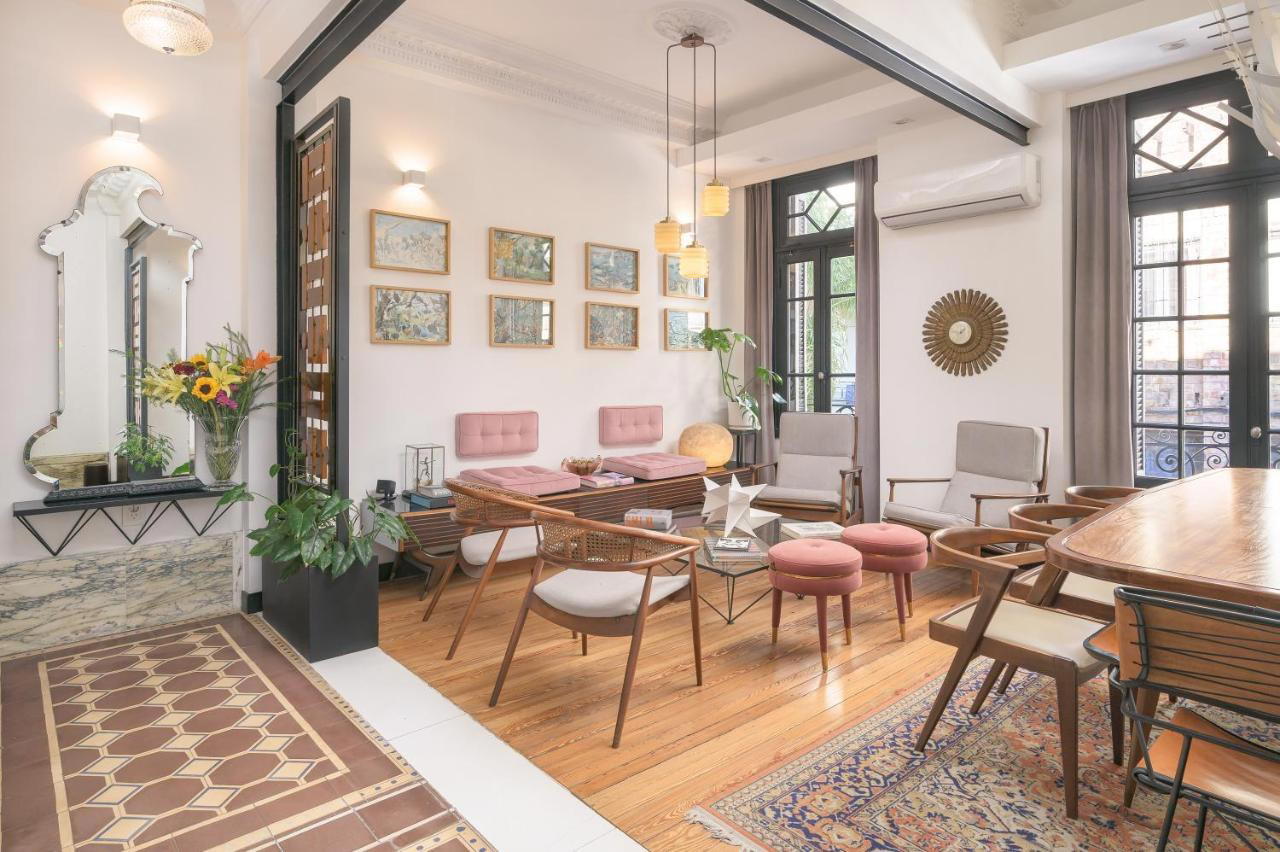
A chic, modern bar set within a restored Belle Époque palace hotel, with polished Sofitel design, elegant lighting and an upscale yet relaxed atmosphere suited to sunset drinks and evening cocktails.