Varela Zarranz sits along the Ruta 74 corridor in Joaquín Suárez, Canelones, where Uruguay's wine-country dining tradition runs deep. The address places it squarely within Canelones' agricultural heartland, where the line between winery, table, and landscape is deliberately thin.

Pearl is the En Primeur Club membership app — saves, bookings, and concierge access live there. Same editors, same standards.
- Address
- 74 Km 29, 91200 Joaquín Suárez, Departamento de Canelones
- Phone
- +598 92 532 646
- Website
- varelazarranz.com
- Directions
- Get directions
Recognition in this tier does not arrive by accident. Producers like Bodega Bouza in Montevideo, Bodega Carrau in Las Piedras, and Bodega Cerro del Toro in Piriápolis each represent different regional expressions of the same national ambition. Varela Zarranz's three-star rating places it near the upper end of that national conversation.
The Ritual of Eating in Wine Country
Dining in Uruguay's wine-producing interior operates according to a different set of conventions than a city restaurant. The meal is rarely hurried. The pacing reflects an expectation that the table is where the afternoon goes, and that each course exists in dialogue with what is being poured. This is not a cultural affectation, it is a practical consequence of where you are. When the producer is nearby, or the winery is the same entity as the kitchen, the sequence of the meal carries agricultural logic: what ripened, what was made, what the season left behind.
At properties operating in this tradition, the ritual of the meal includes the wine selection as a structural element rather than an afterthought.
That breadth matters when the dining format is built around multiple courses eaten at pace. The structure of a wine-country lunch or dinner in this part of Uruguay tends toward generosity rather than minimalism: a longer table, more time, less pressure on the clock. For a visitor arriving from Montevideo, roughly 30 to 40 minutes along the main arteries depending on which entry point you take, the shift in register is noticeable within the first course. That is a relatively recent development, two decades ago, serious wine tourism in South America pointed almost exclusively to Mendoza and the Douro, but Uruguayan producers have worked consistently to establish a regional identity based on Tannat's adaptability and the country's Atlantic-influenced climate.
The properties that have built lasting reputations in this space tend to share a few characteristics: they are producer-adjacent or producer-owned, they source close to home, and they treat the meal format as a form of hospitality rather than a transaction. That framework applies across the department, from properties in the Juanicó corridor to those further south toward Montevideo's outskirts. For a fuller picture of how the scene maps across the department, the Bodega Los Cerros de San Juan in Colonia del Sacramento, Bodega Oceánica José Ignacio in Maldonado, and the remote northern producer Cerro Chapeu (Carrau) in Rivera each represent different climate expressions of the same national grape canon. El Legado in Carmelo rounds out the picture to the west. The address situates it along a rural corridor rather than in a town centre, which means arriving by car is the functional approach for most visitors.
Credentials Lens
Comparable venues nearby, for context on price, style, and recognition.
| Venue | Cuisine | Price | Notes |
|---|---|---|---|
| Varela ZarranzThis venue — the venue you are viewing | Tannat, Cabernet Sauvignon | $30–50 | Not listed |
| Bodega Pisano | Tannat, Cabernet Sauvignon | Not listed | Progreso |
| H. Stagnari | Tannat, Cabernet Sauvignon | Not listed | La Puebla, La Paz |
| Bodega Juanicó (Familia Deicas) | Tannat, Merlot | $50–100 | Juanicó |
| Los Nadies | Tannat, Merlot | $50–100 | Prado |
| Bodega De Lucca | Tannat, Marsanne | Not listed | El Colorado |
Continue exploring
More in Canelones
Wineries in Canelones
Browse all →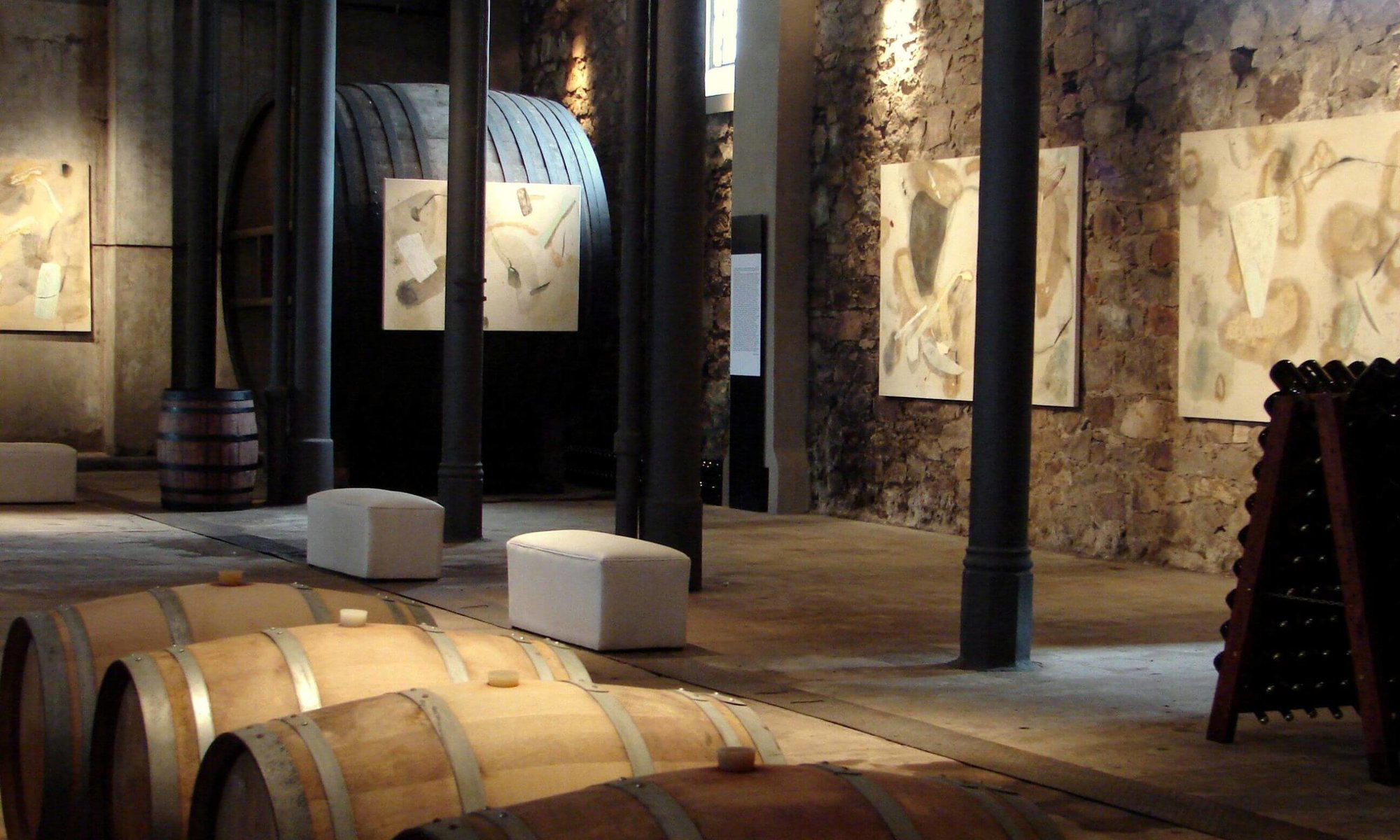
Bars in Canelones
Browse all →
Restaurants in Canelones
Browse all →

Details
- Historic
- Rustic
- Elegant
- Scenic
- Wine Education
- Special Occasion
- Group Outing
- Vineyard Tour
- Historic Building
- Estate Grounds
- Vineyard
- Garden
- Tannat
- Cabernet Sauvignon
- Cabernet Franc
- Merlot
- Chardonnay
- Sauvignon Blanc
- Muscat Petit Grain
- Marselan
- Still Red
- Still White
- Sparkling
- Classic Tasting
- Premium Tasting
- Spanish
- English
- Portuguese
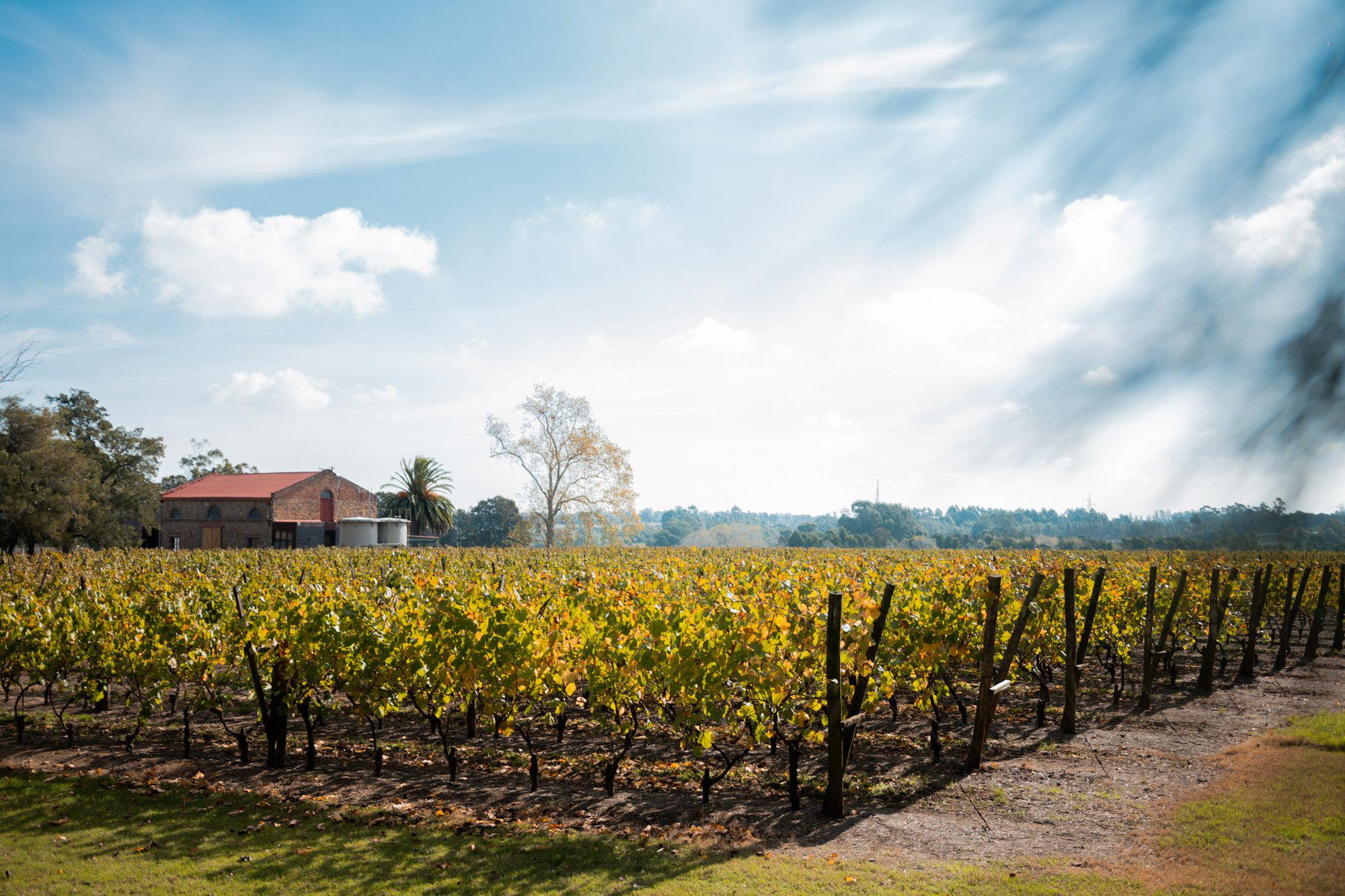
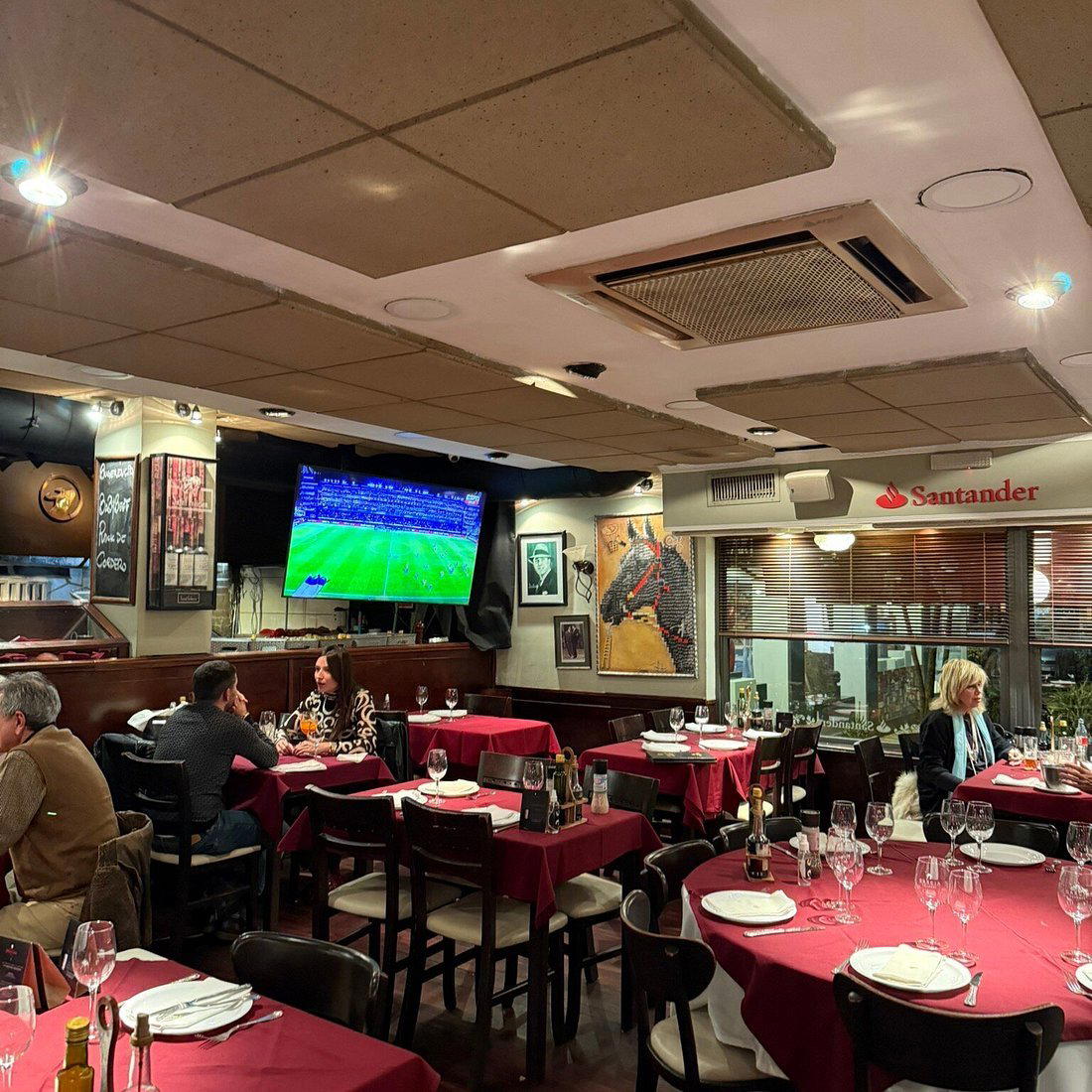
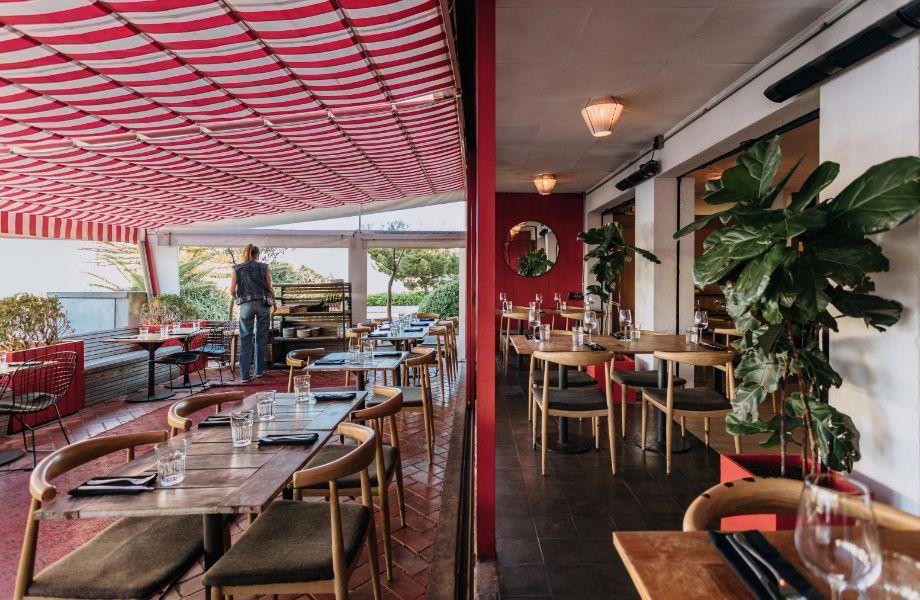
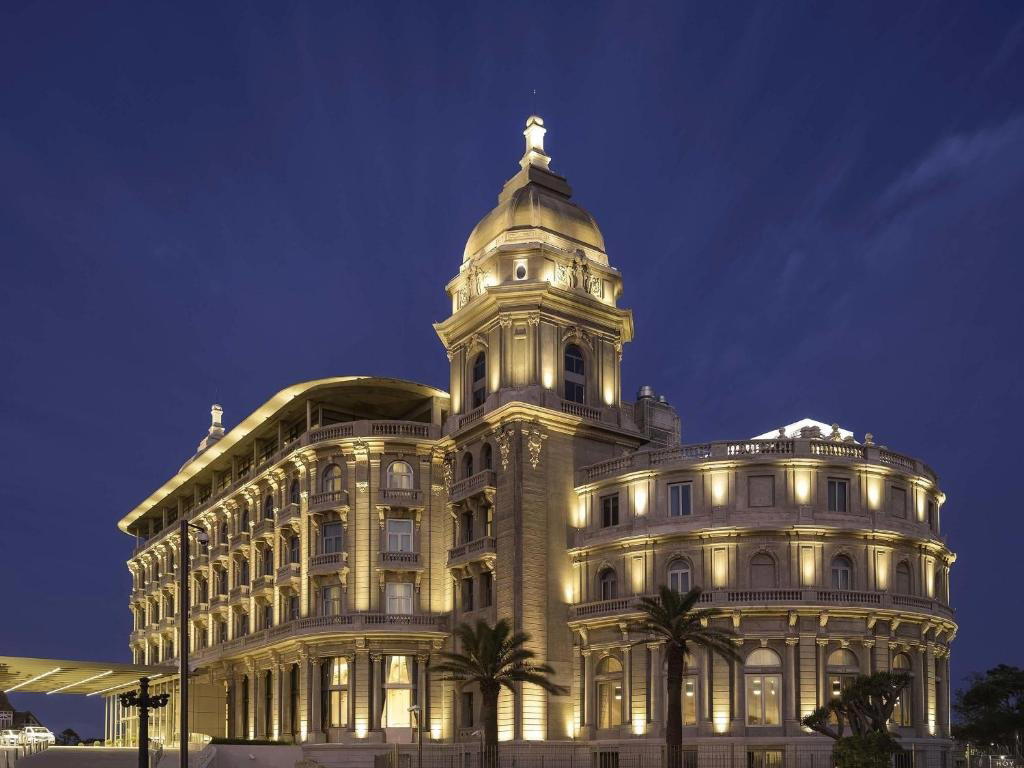
Romantic park-like setting with century-old trees, Italian sculptures, and an underground tasting room in a historic stone basement offering an intimate, heritage atmosphere.