Bodega Los Cerros de San Juan
Bodega Los Cerros de San Juan sits along Ruta 21 in the Colonia department, where the region's Atlantic-influenced climate and clay-heavy soils have shaped wine production for generations. For visitors making the journey from Colonia del Sacramento, it represents a grounded encounter with how this corner of the Río de la Plata estuary expresses itself in the glass.

Pearl is the En Primeur Club membership app — saves, bookings, and concierge access live there. Same editors, same standards.
- Address
- Ruta 21 Km 204, 70000 Cerros de San Juan, Departamento de Colonia
- Phone
- +598 91 949 494
- Website
- bodegaloscerrosdesanjuan.com
- Directions
- Get directions
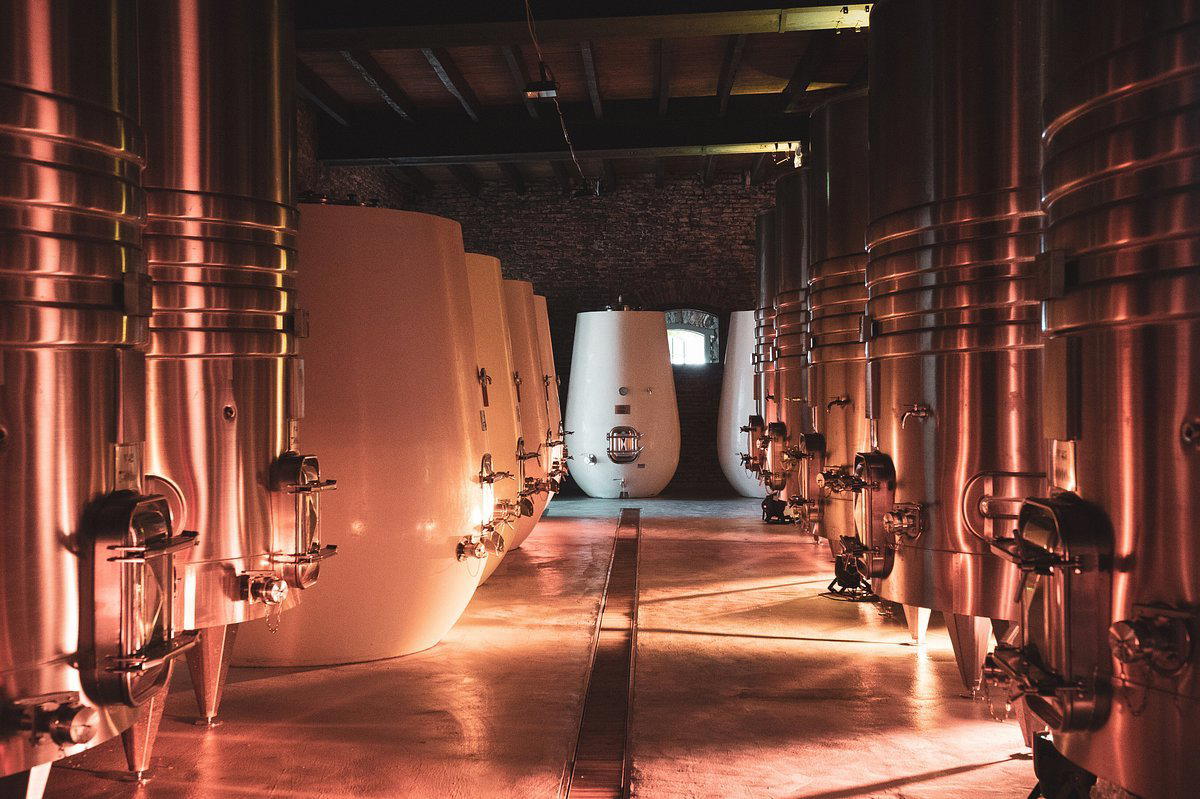
Where the Colonia Countryside Meets the River's Influence
Drive west from Colonia del Sacramento along Ruta 21, and the landscape shifts from colonial cobblestones to rolling agricultural terrain, the estuary never quite out of reach. At kilometre 204, Bodega Los Cerros de San Juan occupies land in the Departamento de Colonia that has long been shaped by the moderating proximity of the Río de la Plata. The river doesn't merely define the view; it conditions the air, softens the temperature swings between seasons, and slows the ripening curve in ways that accumulate, harvest after harvest, into a particular regional signature. This is the context in which the bodega operates, and it is the starting point for understanding what its wines are actually doing.
Uruguay's wine geography is often described through its Tannat concentration, but the Colonia department tells a more complex story. The soils in this corridor tend toward clay and alluvial deposits carried by centuries of river activity, which retain moisture through drier months and impose a natural discipline on vine vigour. That kind of soil pressure can produce intensity without the need for extraction-heavy intervention in the cellar.
The Terroir Case for the Colonia Department
To understand why the Colonia department produces wines with a distinct character from those made further east toward Canelones or Montevideo, it helps to think in terms of maritime exposure and thermal regulation. Producers like Bodega Bouza in Montevideo and Varela Zarranz in Canelones operate closer to the Atlantic's more direct influence, with sandier and schist-inflected soils that tend to produce wines with brighter acidity and earlier aromatic expression. Colonia's soils are heavier, the thermal range slightly wider once you move inland from the estuary, and the resulting wines often carry a denser mid-palate alongside the freshness that the river air still provides.
This is not an academic distinction. It shows up in how Tannat and other varieties behave here compared to their eastern cousins. The tannins can be firmer, the fruit darker, the structure more deliberate. Whether that's a virtue depends on what you're looking for, but it explains why producers in this department occupy a different creative position from those further up the coast.
Uruguay's Wine Identity and Where Colonia Sits Within It
Uruguay's premium wine scene remains anchored to Tannat in a way that has both defined and constrained international perception. Tannat arrived with Basque immigrants in the nineteenth century and found in Uruguay's humid, moderately warm climate a second home that produces a different expression than its ancestral Madiran. Uruguayan Tannat tends toward more supple tannins than the French original, a consequence of the climate and the incremental adjustments made by local producers over generations. The variety now functions as a calling card in export markets, but it also tends to overshadow the work being done with Merlot, Cabernet Franc, Albariño, and other varieties that perform well in the Río de la Plata basin.
Producers across the country have begun to push that conversation forward. Bodega Carrau in Las Piedras has worked for decades to demonstrate the country's range beyond Tannat. Cerro Chapeu (Carrau) in Rivera takes that exploration further north, into genuinely different altitude and temperature conditions. Bodega Oceánica José Ignacio in Maldonado is building a case for Atlantic-proximate vineyards near Punta del Este. And in Colonia, Bodega Los Cerros de San Juan contributes a voice shaped by alluvial clay soils and estuary proximity, a combination that sits apart from all of those contexts while still participating in the same national conversation about what Uruguayan wine can be.
The Bodega in Regional Context
Colonia del Sacramento itself is better known to most visitors as a weekend escape from Buenos Aires, a UNESCO World Heritage town of cobbled streets and Portuguese-era buildings than as a wine destination. That framing, while accurate, understates the department's agricultural depth. The hinterland along Ruta 21 supports both viticulture and diversified farming, and several producers have built serious operations at a distance from the tourist centre. El Legado in Carmelo, further west, is another point of reference in this sub-region, where the Río Uruguay's influence adds another variable to the terroir equation.
For a fuller picture of what the department is doing with spirits production alongside wine, Destilería Artesanal Sur 34 Gin represents a younger category of Colonia producer drawing on local botanical and water character. The broader Uruguayan craft and premium production story, including work being done at Gin Pinares (Sacramento Spirits) in Punta del Este and Bodega Cerro del Toro in Piriápolis, suggests a country increasingly interested in building regional producer identities rather than a single national brand.
Planning a Visit
Reaching the bodega requires transport, as the address on Ruta 21 at kilometre 204 sits outside the walkable town centre of Colonia del Sacramento. A rental car or arranged private transfer from the historic quarter is the practical approach, with the drive taking visitors through the agricultural corridor west of the city. Those crossing from Buenos Aires by ferry will find Colonia's port a natural entry point, with the bodega accessible on the return leg before catching an afternoon boat back across the estuary. The 2025 prestige recognition suggests the property is operating at a level where advance coordination will be expected rather than optional.
For visitors building a wider Uruguayan wine itinerary, our full Colonia del Sacramento restaurants and experiences guide maps the department's broader food and drink offer. Comparing Colonia producers against those in Canelones or along the Montevideo coast provides useful calibration for understanding how regional soil and climate differences translate into stylistic divergence in the glass. The difference between what Tannat does here and what it does 200 kilometres east is not marginal, and making that comparison in person, with both wines in hand, is one of the more instructive exercises Uruguay's wine geography makes possible.
Comparable Spots, Quickly
Comparable venues nearby, for context on price, style, and recognition.
| Venue | Cuisine | Price | Awards | Notes |
|---|---|---|---|---|
| Bodega Los Cerros de San JuanThis venue — the venue you are viewing | Tannat, Cabernet Sauvignon | $30–50 | Not listed | Not listed |
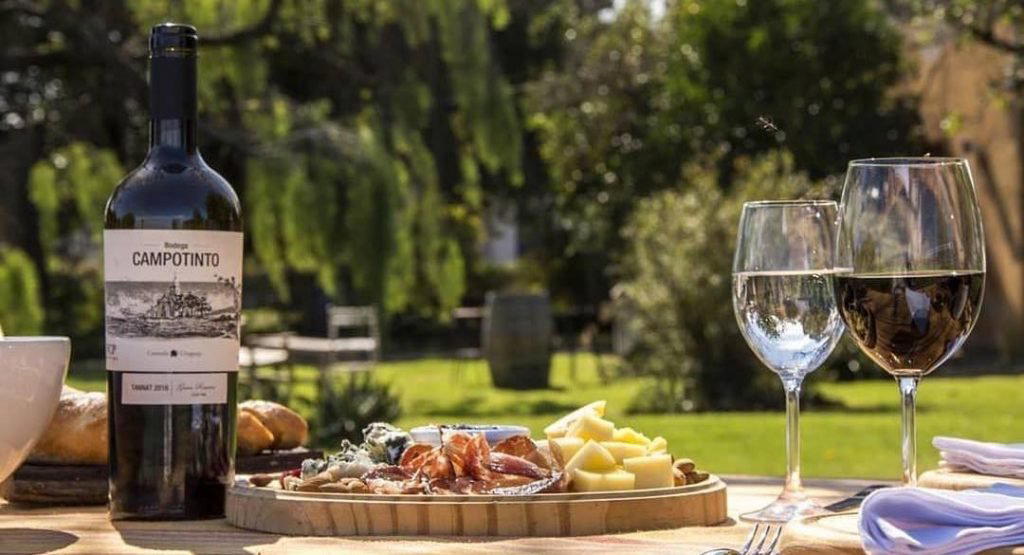
| Campotinto | Tannat, Viognier | Not listed | Not listed | Carmelo |
| Viña Progreso | Tannat, Albariño | Not listed | Not listed | Progreso |
| El Legado | Tannat, Syrah | $50–100 | Not listed | Carmelo |
| Bracco Bosca | Tannat, Moscatel de Hamburgo | Not listed | Falstaff Winery - Listed | Atlántida |
Continue exploring
More in Colonia del Sacramento
Wineries in Colonia del Sacramento
Browse all →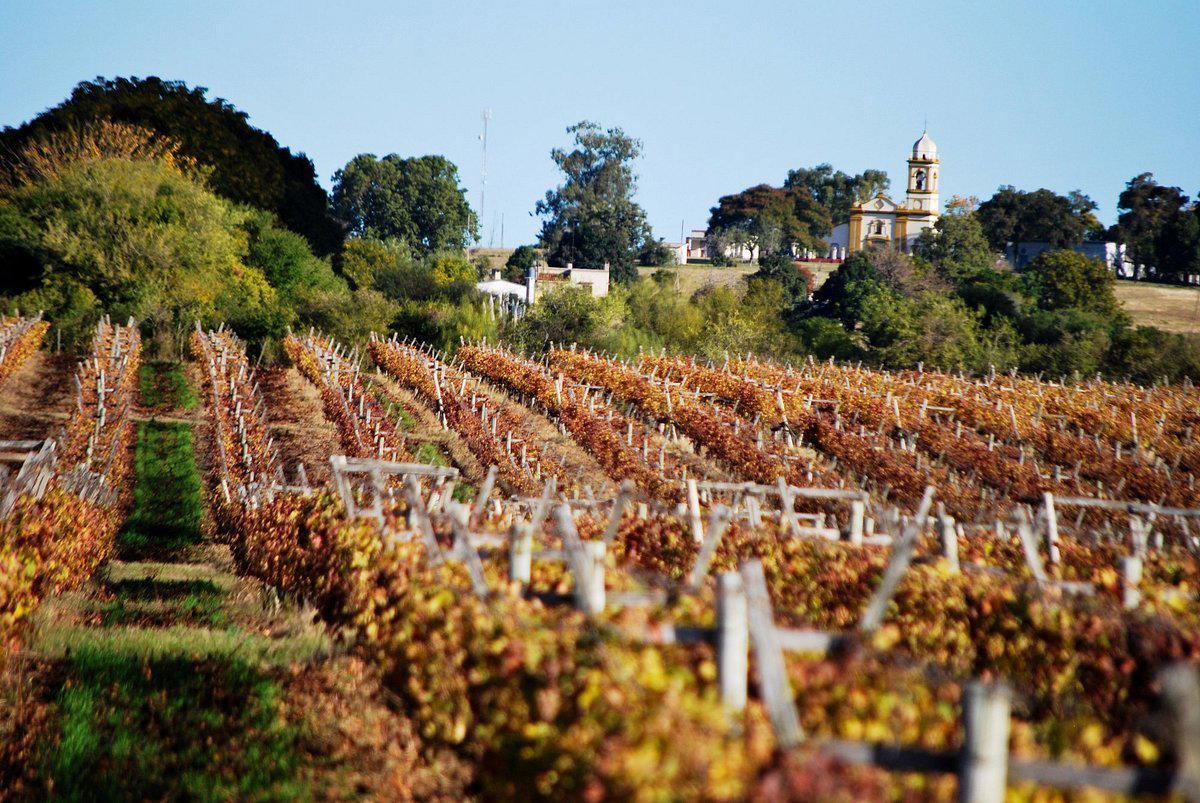
Bars in Colonia del Sacramento
Browse all →
Restaurants in Colonia del Sacramento
Browse all →

Details
- Romantic
- Classic
- Scenic
- Elegant
- Rustic
- Romantic Getaway
- Wine Education
- Group Outing
- Family
- Special Occasion
- Cave Tasting
- Vineyard Tour
- Estate Grounds
- Historic Building
- Barrel Room
- Terrace
- Sustainable
- Vineyard
- Mountain
- Tannat
- Cabernet Sauvignon
- Merlot
- Pinot Noir
- Tempranillo
- Riesling
- Sauvignon Blanc
- Chardonnay
- Gewürztraminer
- Cabernet Franc
- Still Red
- Still White
- Sparkling
- Guided Cave Tour
- Wine Tasting
- Food Pairing Lunch
- Spanish
- English
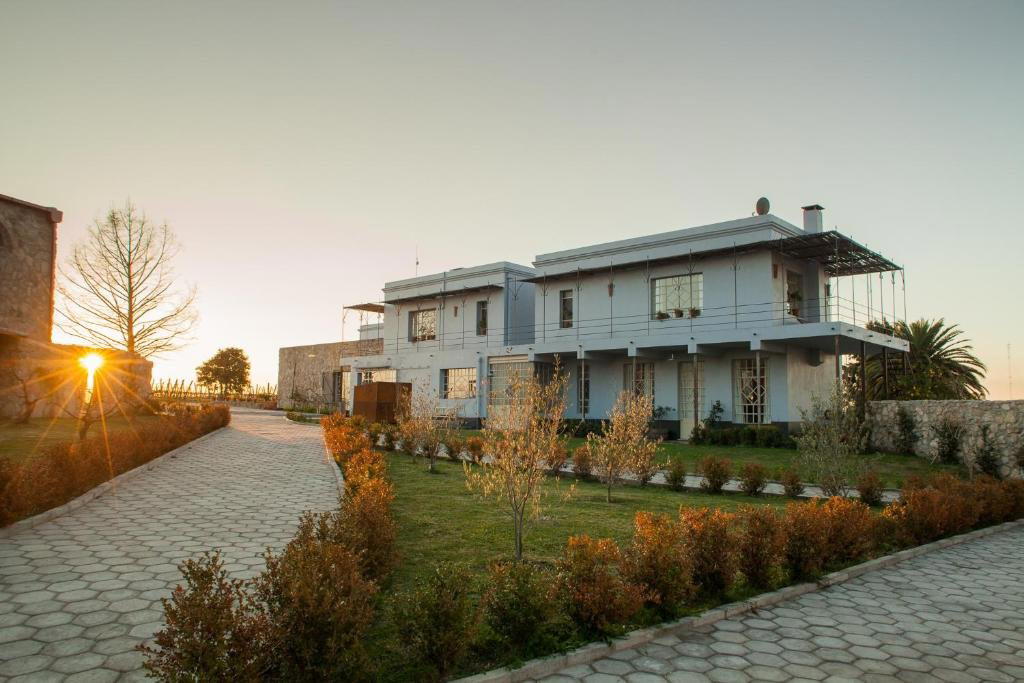
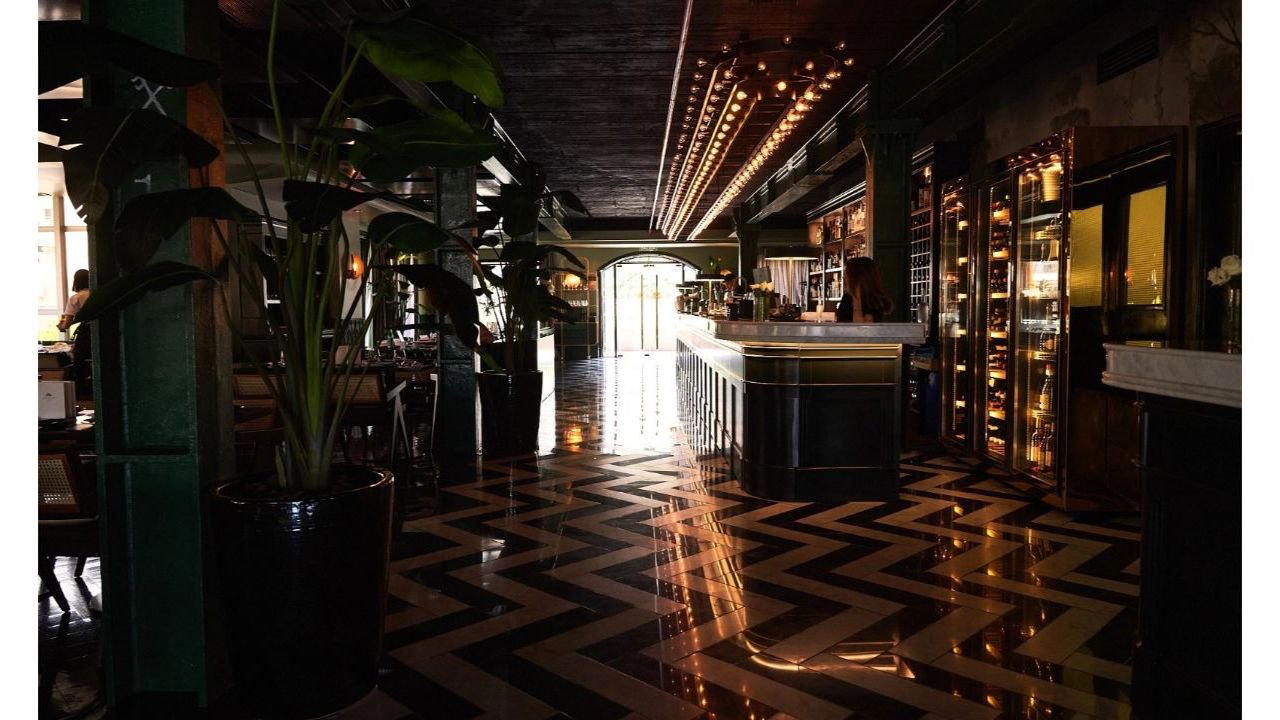
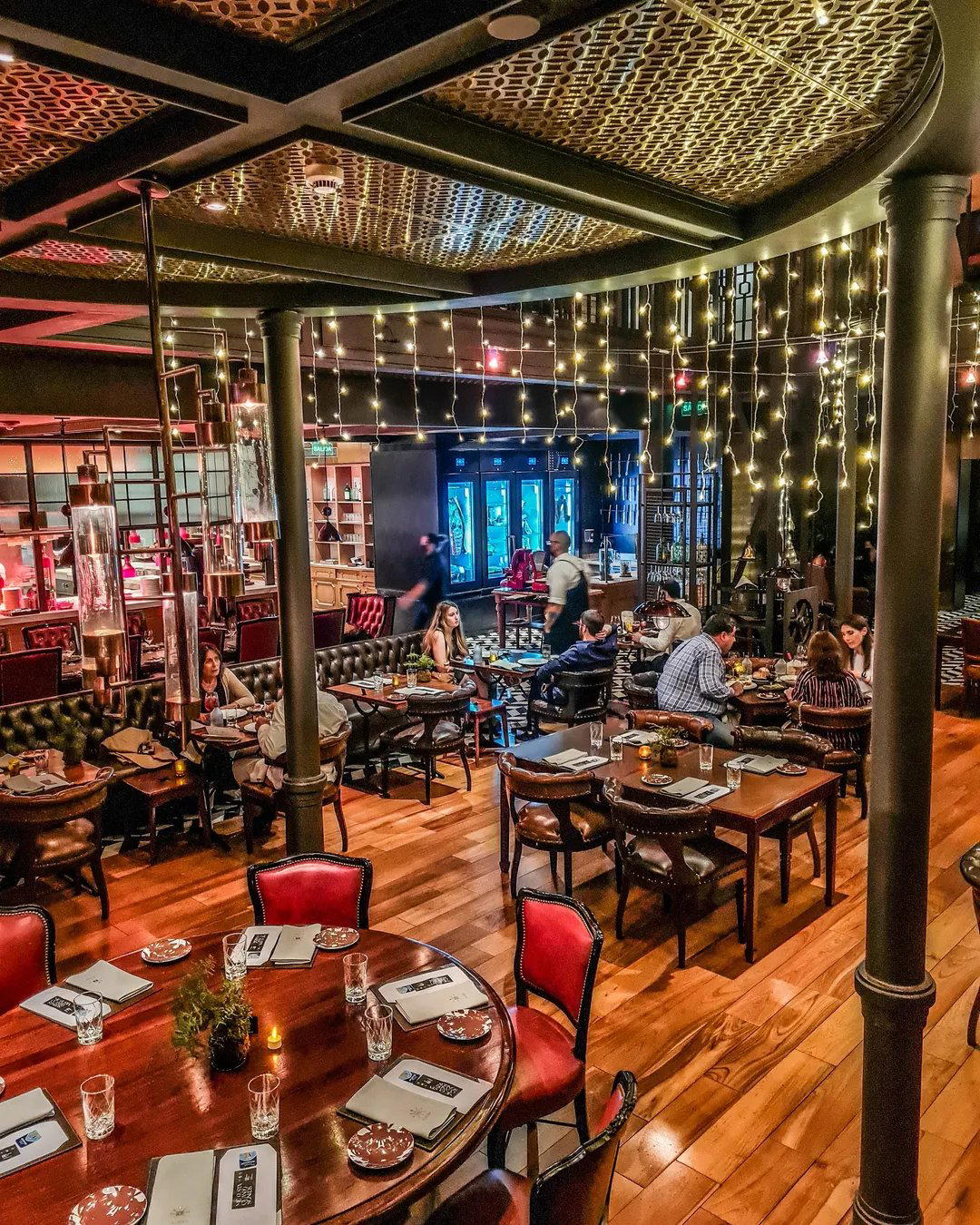
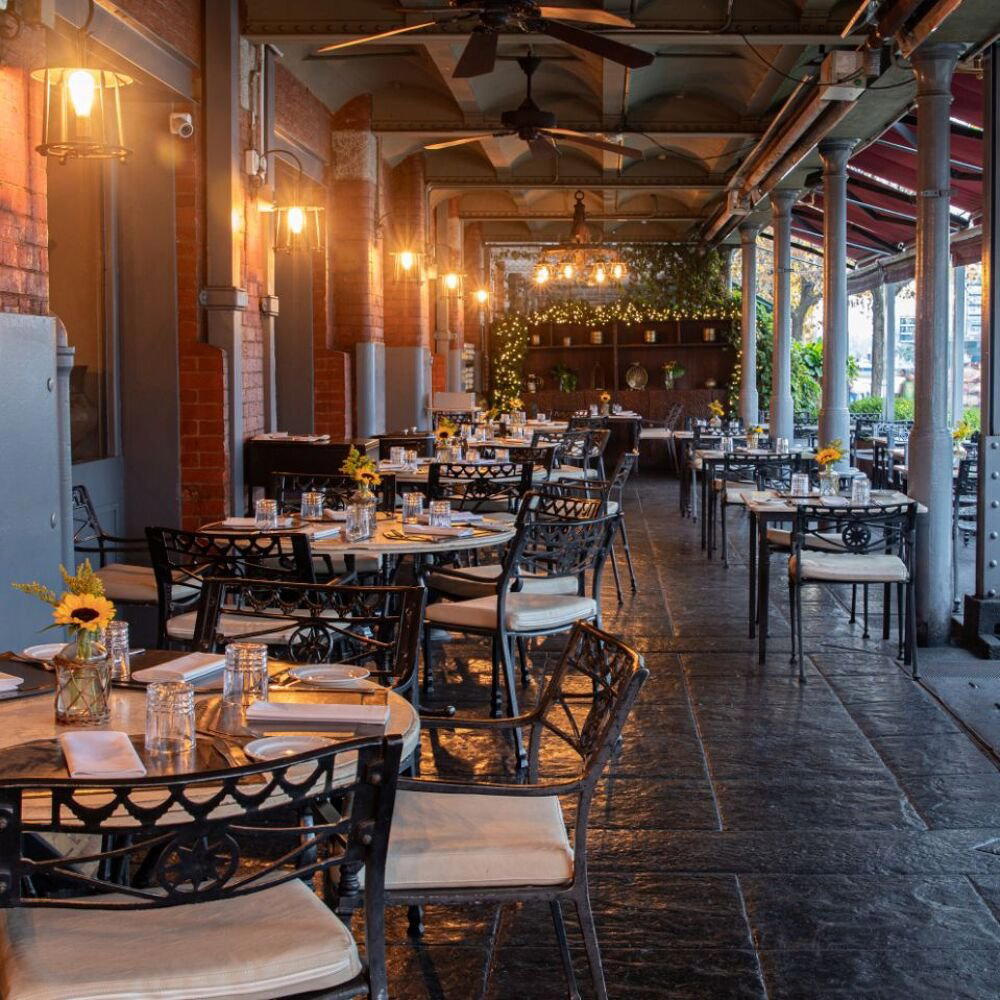
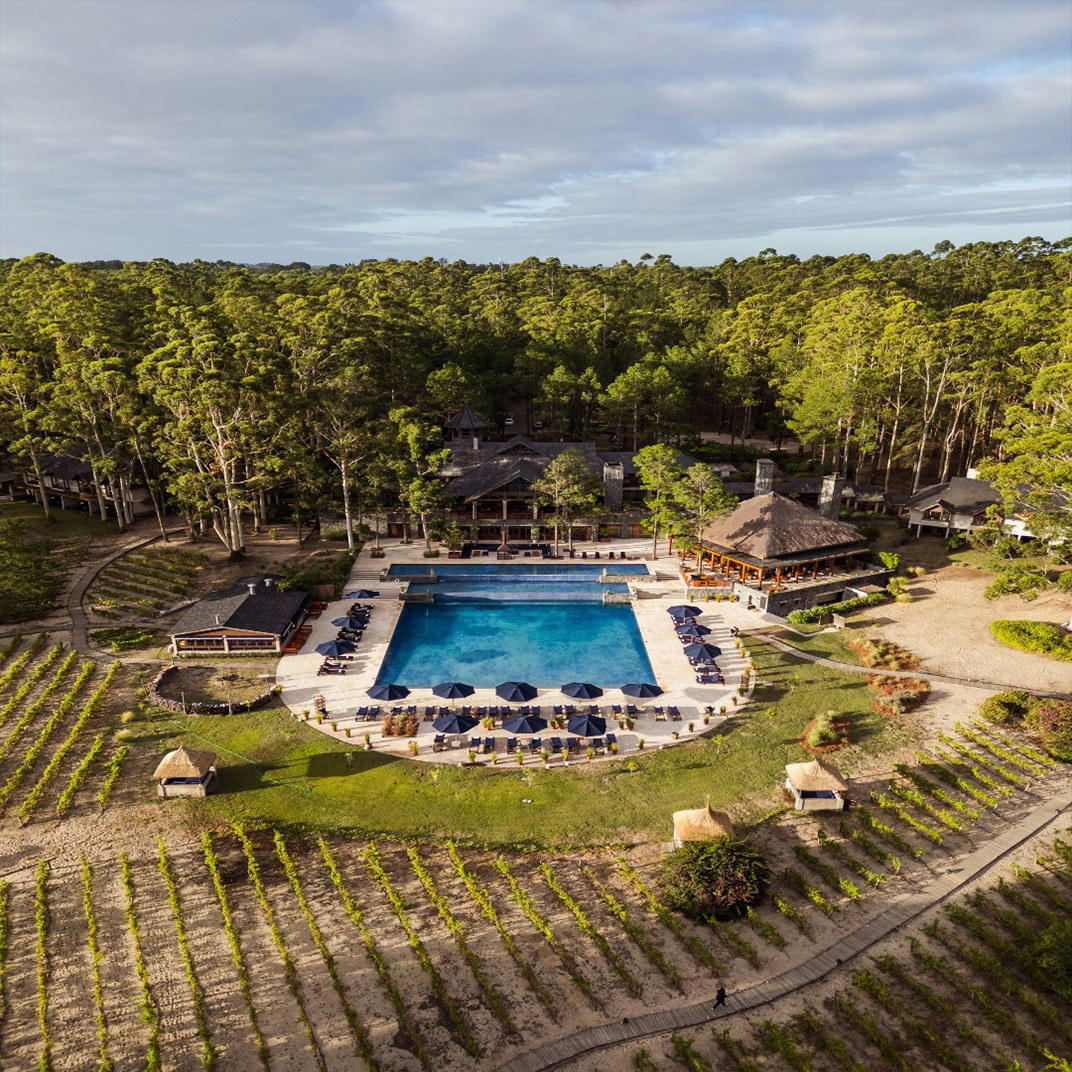
Historic stone cellars with natural temperature control, warm candlelit aging caves, rustic colonial architecture, and peaceful vineyard surroundings with natural lighting from hillside positioning.