For visitors coming from Montevideo, it represents a compact and credible entry point into the Canelones wine circuit.

Pearl is the En Primeur Club membership app — saves, bookings, and concierge access live there. Same editors, same standards.
- Address
- 8PG7+WV9, Cam. Reinaldo de Lucca, 15900 Las Piedras, Departamento de Canelones
- Phone
- +598 2367 8076
- Website
- deluccawines.com
- Directions
- Get directions
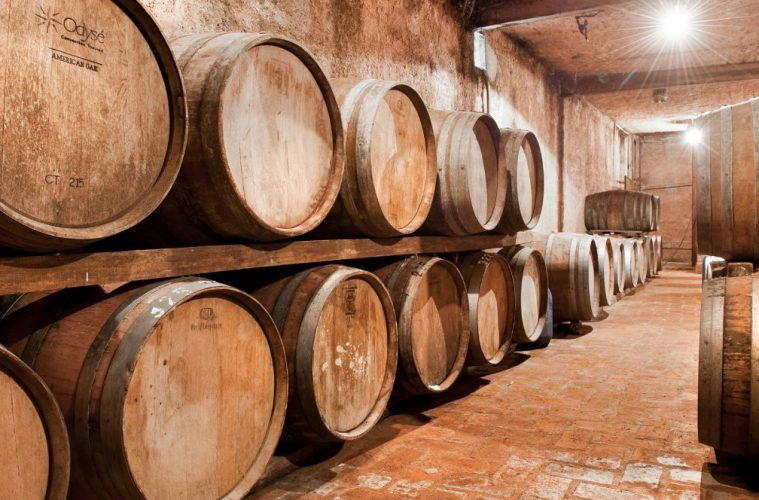
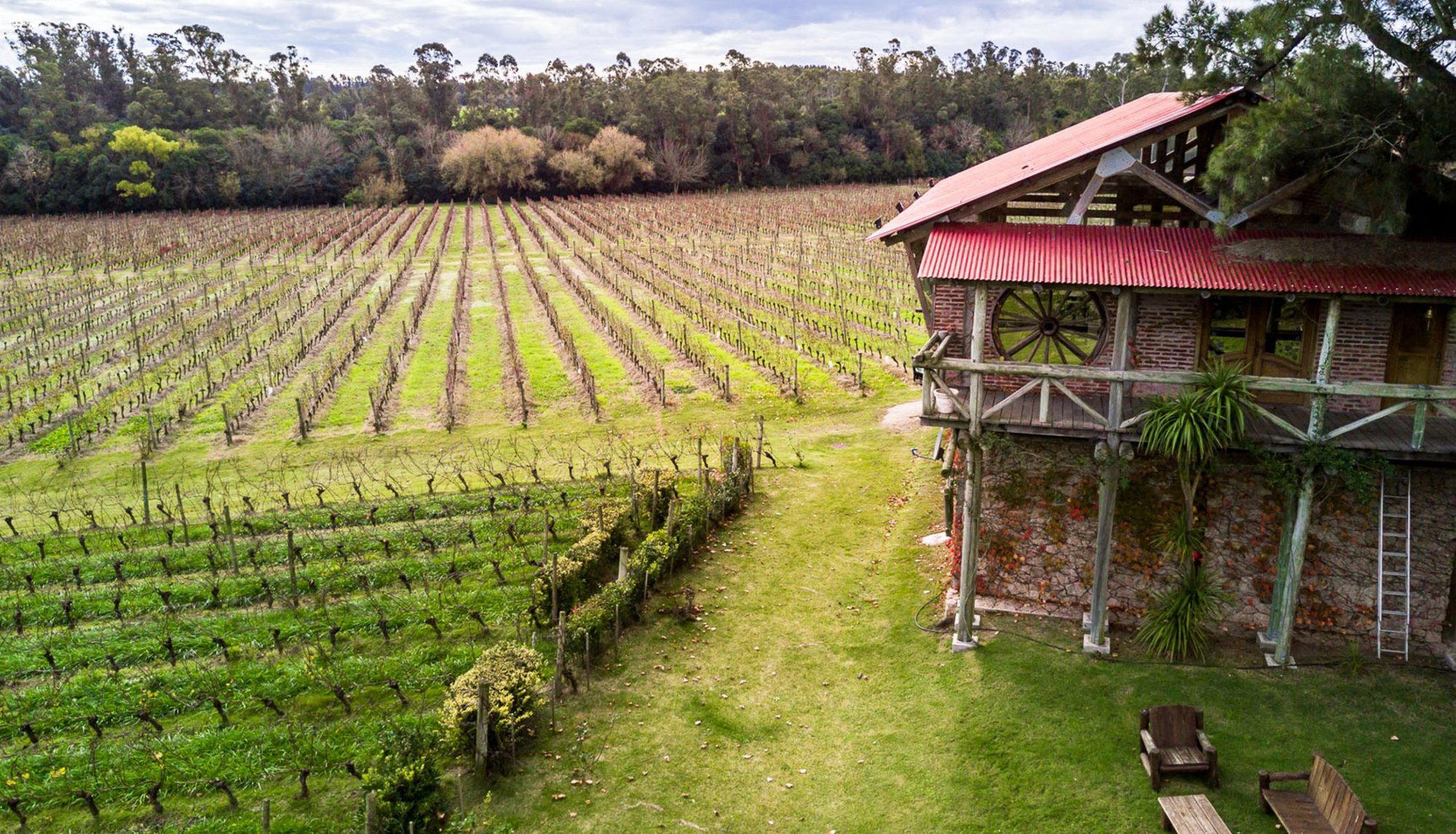
The road into Las Piedras, in the Canelones department south of Uruguay's interior, passes through a landscape that has been shaped by wine production for well over a century. European immigrants, principally from Spain and Italy, planted the first vines here in the late nineteenth century, and the department has remained the engine of Uruguayan viticulture ever since. Canelones accounts for a substantial share of the country's total wine output, and the zone around Las Piedras concentrates some of its most established family bodegas. Arriving at Bodega De Lucca along Camino Reinaldo de Lucca, the family name embedded in the road itself signals a rootedness that is common to this part of Canelones, where property, lineage, and wine production have long been intertwined.
Canelones and the Tradition Behind the Address
To understand what Bodega De Lucca represents, it helps to understand what Canelones has become within the wider context of South American wine. Unlike Argentina's Mendoza, which built its international identity around altitude and scale, or Chile's Maipo Valley, which leveraged proximity to Santiago and export infrastructure, Uruguay's Canelones built its reputation on a single grape: Tannat. Brought from the Basque Country in southern France, Tannat arrived in Uruguay in the nineteenth century and found conditions in Canelones that suited it in ways its original home did not always permit. The heavy, iron-rich soils and the Atlantic-influenced humidity that characterises this part of the country produce a Tannat with density and tannic structure, but also with a softness that distinguishes Uruguayan expressions from their French counterparts.
Within Canelones, the Las Piedras sub-zone sits at the geographic and historical centre of this tradition. Producers in this area operate within a compact peer group that includes Varela Zarranz, Antigua Bodega Stagnari, Artesana, Bodega Juanicó (Familia Deicas), and Bodega Marichal. These are bodegas shaped by generational continuity and by the particular character of the Canelones terroir, and Bodega De Lucca sits within that cohort by geography and by the recognition it has attracted.
That recognition matters in context. For a visitor planning a wine circuit through the department, a rated bodega offers a more reliable reference point than an unverified stop, particularly when time and logistics are limited.
The Las Piedras area is accessible from Montevideo in under an hour, which makes Bodega De Lucca a plausible half-day excursion for visitors based in the capital. Bodega Bouza in Montevideo represents the closest urban alternative, occupying a different position in the Uruguayan wine scene as a city-adjacent property with a restaurant and more structured visitor infrastructure. De Lucca's Las Piedras location is more agricultural in character, which aligns it with a different kind of visit: one oriented toward the production environment rather than the hospitality format.
What a Visit to Bodega De Lucca Involves
The editorial angle for any bodega in the Las Piedras zone is less about theatre and more about access to the production process itself. The bodegas here are working properties, and visits tend to reflect that: barrel rooms, fermentation tanks, and vineyards are the setting, rather than purpose-built visitor centres or elaborate tasting lounges. This is consistent with how several Canelones producers have historically operated, keeping their focus on wine production rather than hospitality infrastructure, and receiving visitors within the functional spaces of the bodega itself.
At Bodega De Lucca, the address along Camino Reinaldo de Lucca places the property within the agricultural fabric of Las Piedras rather than in any kind of commercial or touristic corridor. That positioning shapes what a visit feels like: it requires some initiative from the visitor in terms of planning and contact, and it rewards those who approach the experience as wine-first rather than experience-first. Visitors who have toured more developed wine tourism operations, such as Bodega Carrau in Las Piedras or Bodega Los Cerros de San Juan in Colonia del Sacramento, will notice a difference in the degree of visitor-facing programming. De Lucca occupies a more production-oriented register.
For those building a broader Uruguayan wine itinerary, the bodega connects logically to other regional stops. Further along the Canelones circuit, Bodega Juanicó (Familia Deicas) offers one of the department's most historically rooted estates, while properties further afield, such as Bodega Oceánica José Ignacio in Maldonado and Cerro Chapeu (Carrau) in Rivera, extend the itinerary toward Uruguay's coastal and northern wine zones. Each sub-region produces a meaningfully different expression of Uruguayan viticulture, and situating De Lucca within the Canelones core provides a useful baseline for that comparison.
Planning a Visit
Bodega De Lucca is located at 8PG7+WV9, Camino Reinaldo de Lucca, Las Piedras, in the Departamento de Canelones. The Las Piedras zone is leading approached by private vehicle or hired car from Montevideo; the road infrastructure is practical but rural in character. Timing a visit to coincide with the harvest period, typically March through April in Uruguay, offers access to the bodega in its most active production phase, though availability for visits during that period depends on the bodega's operational priorities. The full Canelones wine circuit, for those wanting regional depth, is covered in our full Canelones restaurants and wineries guide.
Within the Uruguayan context, it positions De Lucca within the upper tier of Canelones production, alongside properties such as El Legado in Carmelo and Bodega Cerro del Toro in Piriápolis, which each hold their own recognitions within a wine country still in the process of building its international profile.
Style and Standing
Comparable venues nearby, for context on price, style, and recognition.
| Venue | Cuisine | Price | Awards | Notes |
|---|---|---|---|---|
| Bodega De LuccaThis venue — the venue you are viewing | Tannat, Marsanne | Not listed | Not listed | Not listed |
| Bracco Bosca | Tannat, Moscatel de Hamburgo | Not listed | Falstaff Winery - Listed | Atlántida |
| Artesana | Tannat, Zinfandel | $20–30 | Not listed | Las Brujas |
| Pizzorno Family Estates | Tannat, Cabernet Sauvignon | $30–50 | Not listed | Canelón Chico |
| H. Stagnari | Tannat, Cabernet Sauvignon | Not listed | Not listed | La Puebla, La Paz |
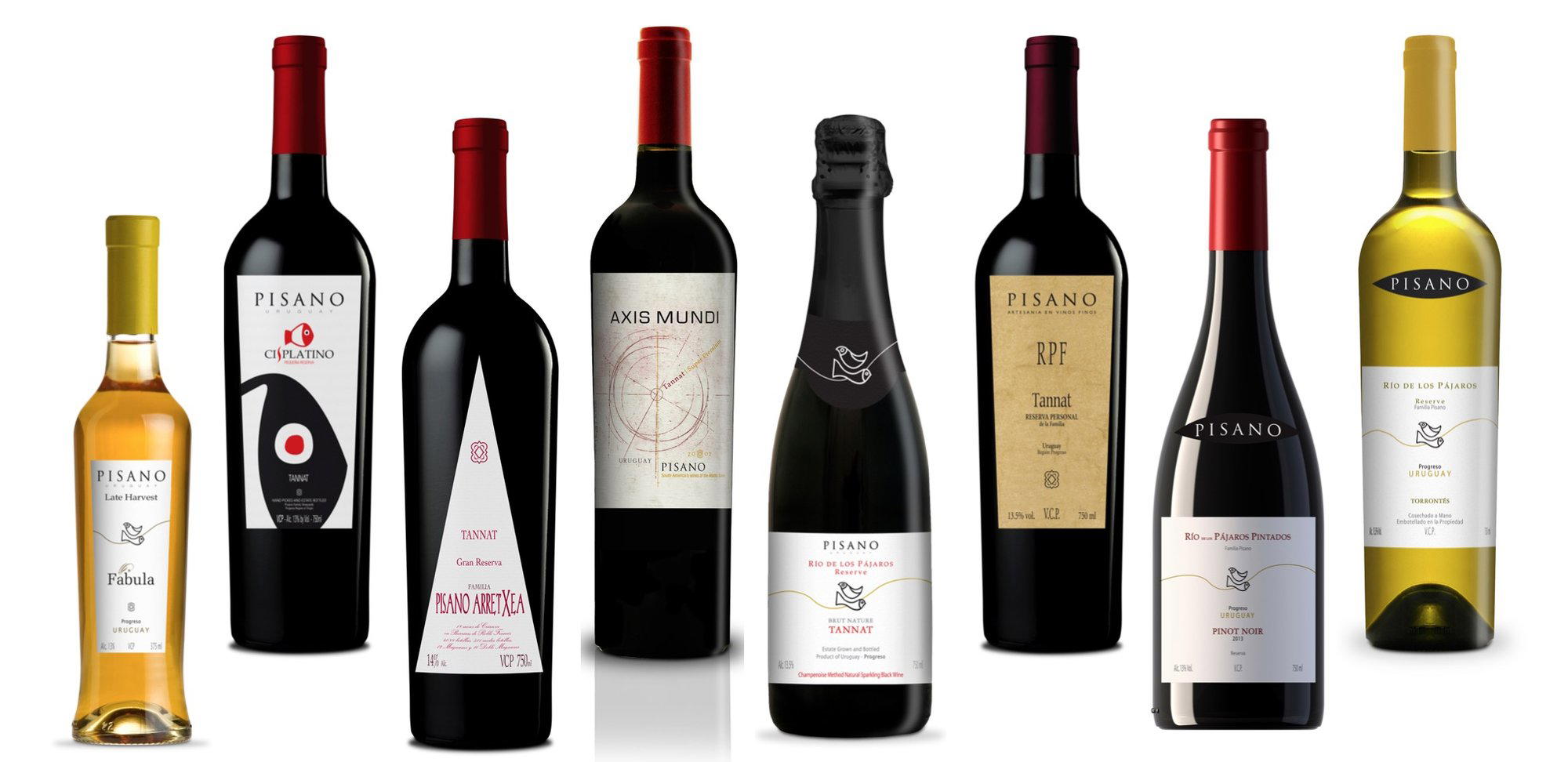
| Bodega Pisano | Tannat, Cabernet Sauvignon | Not listed | Not listed | Progreso |
Continue exploring
More in Canelones
Wineries in Canelones
Browse all →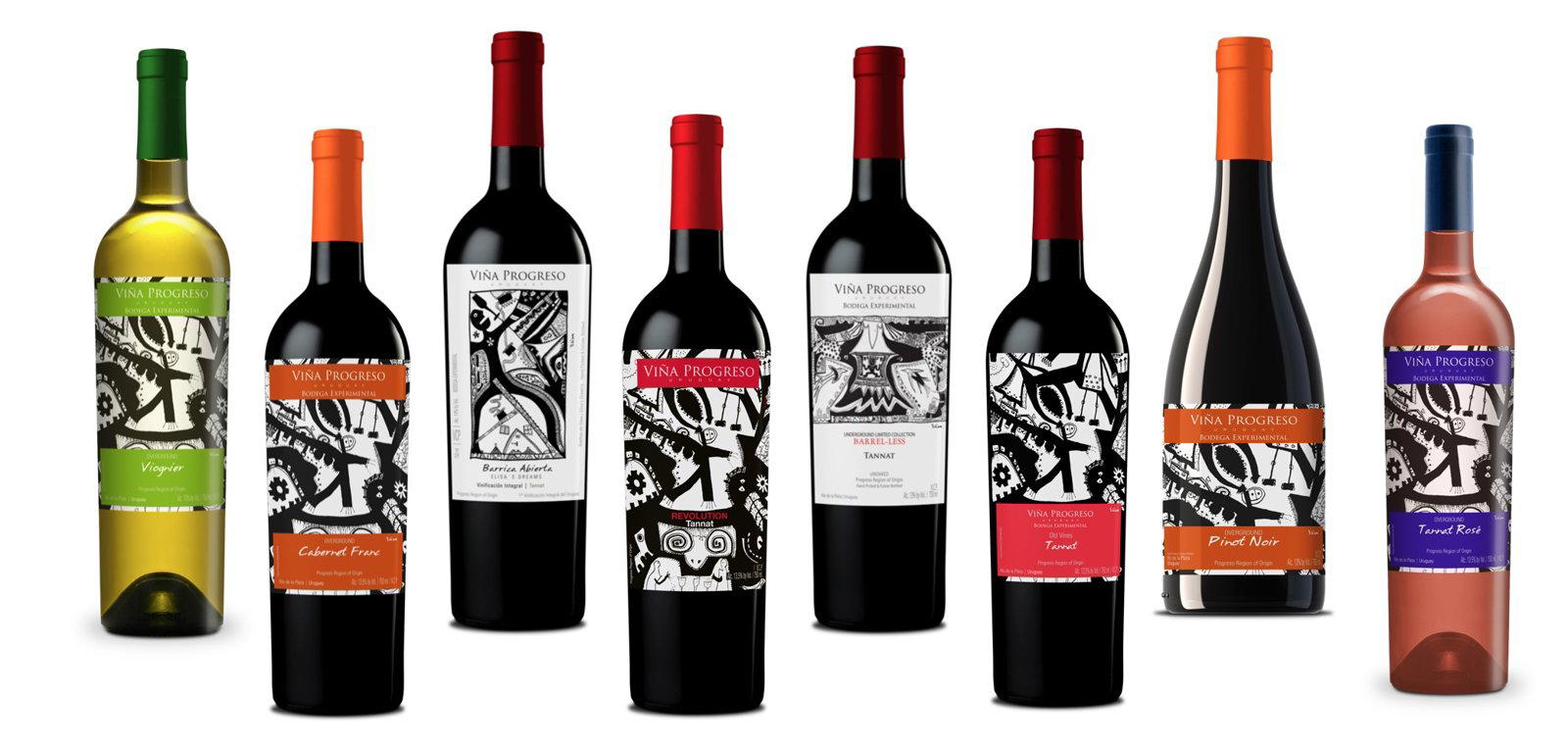
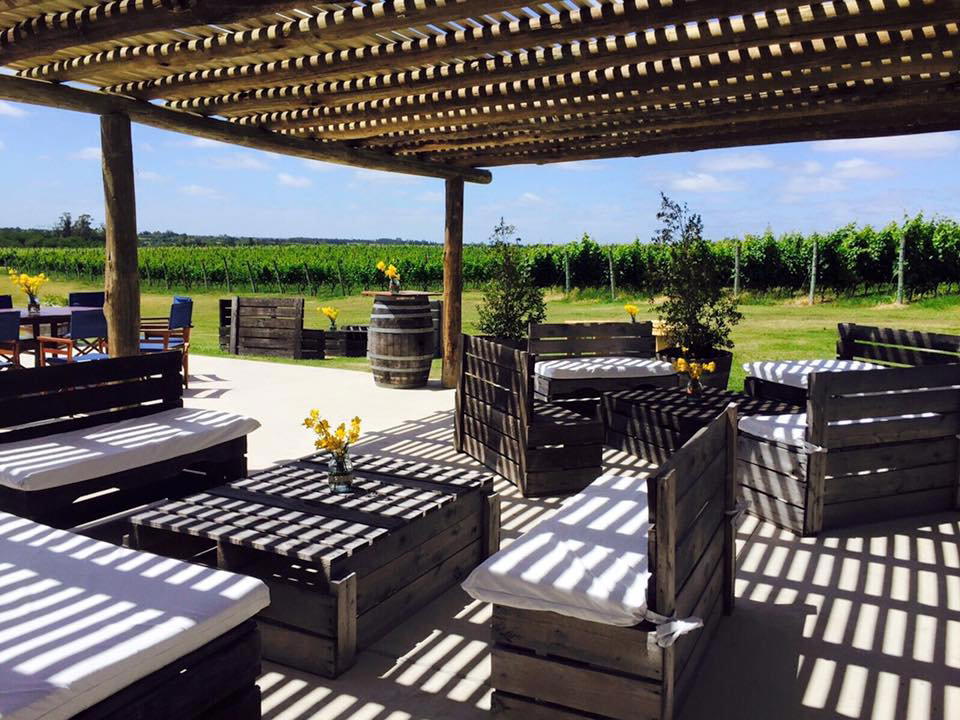
Bars in Canelones
Browse all →


Restaurants in Canelones
Browse all →





Details
- Rustic
- Intimate
- Classic
- Wine Education
- Solo Exploration
- Vineyard Tour
- Estate Grounds
- Vineyard
- Tannat
- Marsanne
- Aglianico
- Nero D’avola
- Syrah
- Merlot
- Cabernet Sauvignon
- Petit Verdot
- Still Red
- Still White
- Skin Contact
- Cave Tasting
- Tasting Tour
- Spanish
Cozy family-run boutique setting with artisanal production focus.