Parrillada El Alemán
A neighborhood parrillada on Acevedo Díaz in Montevideo's Cordón district, Parrillada El Alemán sits within a city where wood-fired beef is a civic ritual as much as a meal. The name signals the German immigrant thread woven into Montevideo's broader European-inflected food culture, and the address places it squarely in the residential grid that feeds locals rather than tourists. For those tracking where Uruguayan asado culture actually lives, this is the kind of address that matters.
Pearl is the En Primeur Club membership app — saves, bookings, and concierge access live there. Same editors, same standards.
- Address
- Acevedo Díaz 1156, 11200 Montevideo, Departamento de Montevideo, Uruguay
- Phone
- +598 2407 4770
- Website
- facebook.com
- Directions
- Get directions
 Saves & bookings on Pearl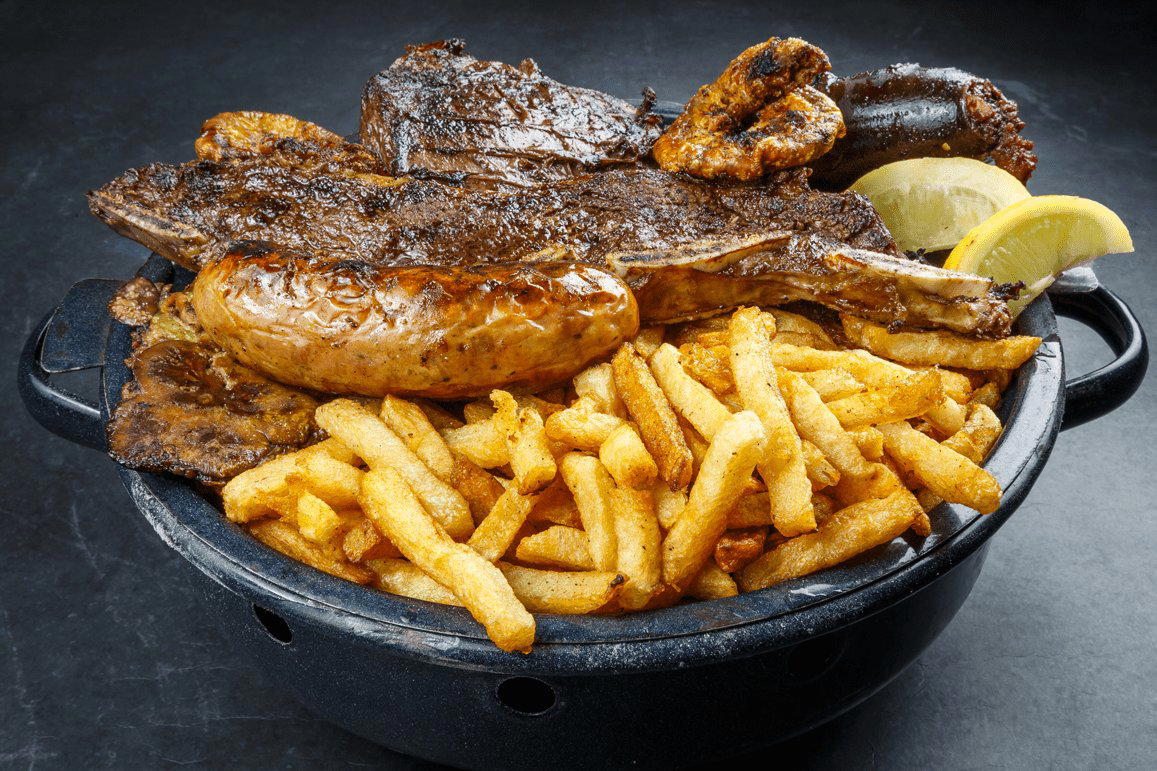
Where Cordón Meets the Grill
Walk along Acevedo Díaz on a weekday evening and the signs of a working neighborhood parrillada are hard to miss: the low drift of quebracho smoke crossing the pavement, the sound of cast iron against grate, the particular amber light that filtered through grill-house windows carries in cities where beef cookery is treated as a serious matter rather than a tourist spectacle. Parrillada El Alemán sits at number 1156, in Montevideo's Cordón district, a residential barrio that has never been overrun by the hospitality industry and is better for it. The dining rooms here answer to locals before they answer to anyone else.
In a city where asado is practiced with the same seriousness that wine regions apply to viticulture, the parrillada format is the primary vehicle for beef culture. These are not steakhouses in the international sense. They are institutions organized around the parilla itself, the wood-fire grill that determines what goes on the plate and in what order, and the name El Alemán — The German — signals one of the immigrant currents that shaped Montevideo's food identity across the nineteenth and twentieth centuries. German, Italian, Spanish, and Basque communities each left marks on how the city cooks and eats, and neighborhood addresses like this one carry those histories without needing to announce them.
The Source Question: What Uruguayan Beef Actually Means
Any serious engagement with a Montevideo parrillada begins with understanding what the raw material represents. Uruguay's cattle industry operates across roughly 16 million hectares of natural pasture, and the country's herd outnumbers its human population by a significant margin. What this produces is grass-fed beef with a flavor profile that differs from grain-finished South American alternatives: leaner through certain cuts, with a mineral depth that reflects the varied grasses of the Pampas. The country's INAC (Instituto Nacional de Carnes) certification system applies traceability standards from paddock to plate, and Uruguay has maintained foot-and-mouth-free status since 2001, which matters both commercially and in terms of how the national herd is managed.
For a neighborhood parrillada in Cordón, this means the supply chain is short and largely domestic. Uruguay does not import beef in any meaningful quantity because it does not need to. The entire cultural logic of the parrillada rests on proximity: local ranches, local abattoirs, local butchers who know which cuts suit the grill and which suit the pot. Achuras, the offal cuts that open any proper asado, come from animals raised within the same agricultural system that supplies the prime cuts. The whole animal logic that defines Argentine and Uruguayan asado culture is not a trend here; it is the baseline.
This sourcing context matters when assessing what a parrillada on Acevedo Díaz represents relative to the city's wider dining scene. Venues like García Parrilla Clásica y Bar operate in a similar register, neighborhood-facing and organized around the grill rather than a broader menu ambition, while higher-end addresses have repositioned Uruguayan beef within more composed formats. The neighborhood parrillada occupies a specific and irreplaceable tier: it is where the ingredient is central, the cooking technique is the craft, and the dining room exists to serve both rather than the reverse.
Cordón in Context
Cordón is not Ciudad Vieja and it is not Pocitos. It sits between Montevideo's historic center and the coastal residential districts, a barrio of early-twentieth-century apartment buildings, corner almacenes, and the kind of foot traffic that belongs to people who live nearby rather than people who traveled to be there. For dining, this matters. The restaurants and parrilladas that survive in Cordón survive because the neighborhood eats in them regularly, which applies a quality filter that tourist-facing venues do not face in the same way.
Acevedo Díaz, as a street, runs through a section of Cordón with enough residential density to support exactly the kind of address Parrillada El Alemán represents. Other barrio-level eating options in the city, from Chivitos Marco's to El Rey del Chivito, each occupy their own neighborhood logic, but the parrillada sits in a distinct category. The chivito and the asado are both Uruguayan institutions, but they serve different social functions: the chivito is street-level and portable, the parrillada is a sit-down, time-invested affair that typically runs longer than the food itself takes to prepare.
Those tracking how Montevideo's dining scene relates to broader Uruguayan food culture should note that the country's most celebrated tables, from Parador La Huella in José Ignacio to Garzon Restaurant in Maldonado, operate in a different register entirely, drawing international audiences and commanding price points that reflect both ingredient quality and culinary ambition. The neighborhood parrillada sits at the other end of that spectrum not because of lower quality in the raw material, but because the format prioritizes access and repetition over occasion dining. Regulars at a parrillada in Cordón eat there weekly; it functions as a communal infrastructure rather than a destination.
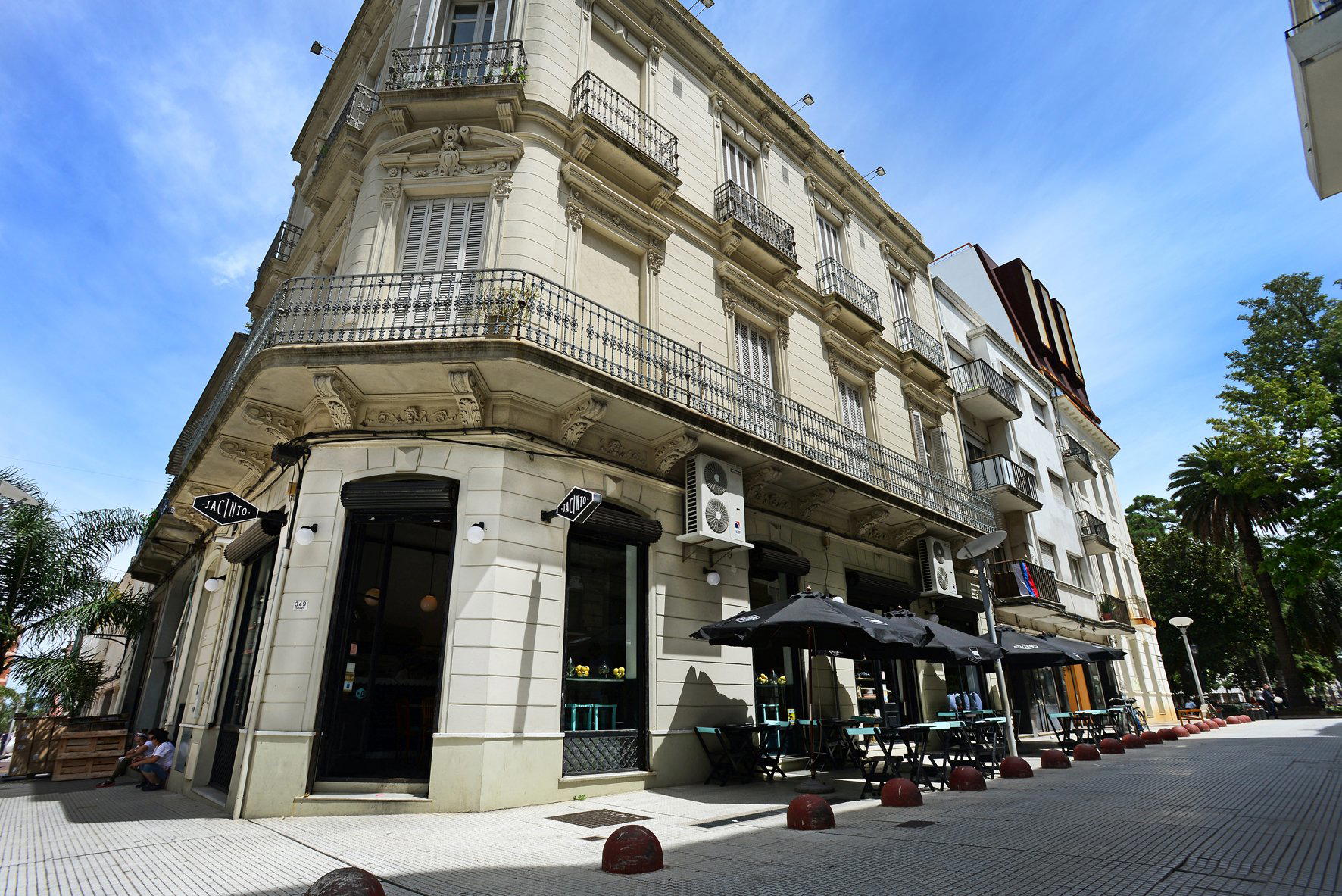
For a broader orientation to the city's options, the full Montevideo restaurants guide maps the range from addresses like this one through to the city's more composed dining rooms, including Jacinto and Café Misterio, which occupy a more contemporary tier of the local scene.
Planning Your Visit
Parrillada El Alemán is at Acevedo Díaz 1156 in the 11200 postal zone, within comfortable walking distance of Cordón's main transit corridors. For a neighborhood parrillada of this type, arriving early in the evening, before the local dinner rush builds, is typically the most reliable approach in Montevideo's barrios. Walk-in dining is the norm at this tier of the market; reservations are rarely required and sometimes not available. Those combining a Montevideo visit with broader Uruguay travel should note that wine accompaniment pairs naturally with a stop at Bodega Garzón in San Carlos, where the country's Tannat-led wine program reaches a different level of sophistication.
Continue exploring
More in Montevideo
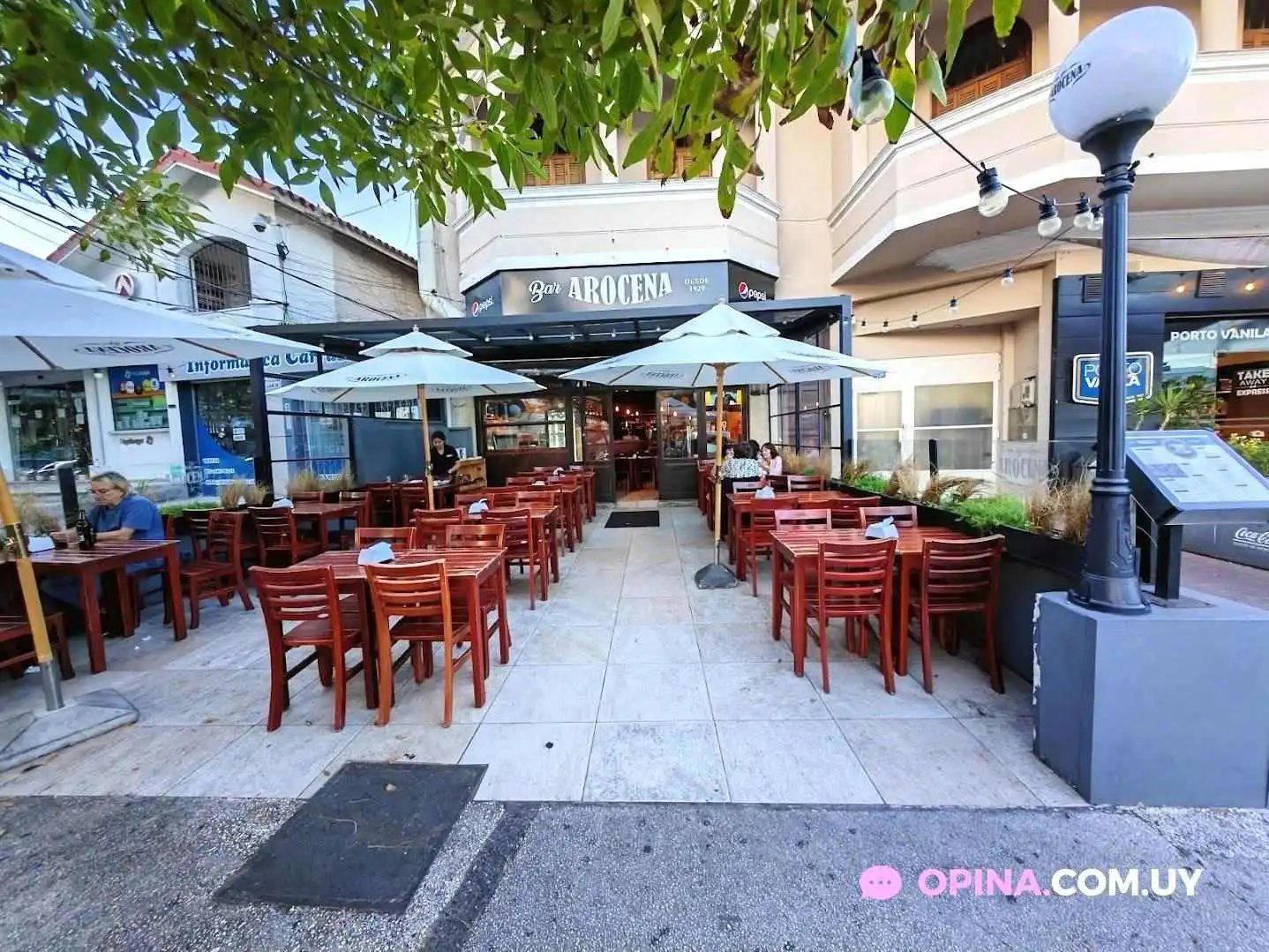
Restaurants in Montevideo
Browse all →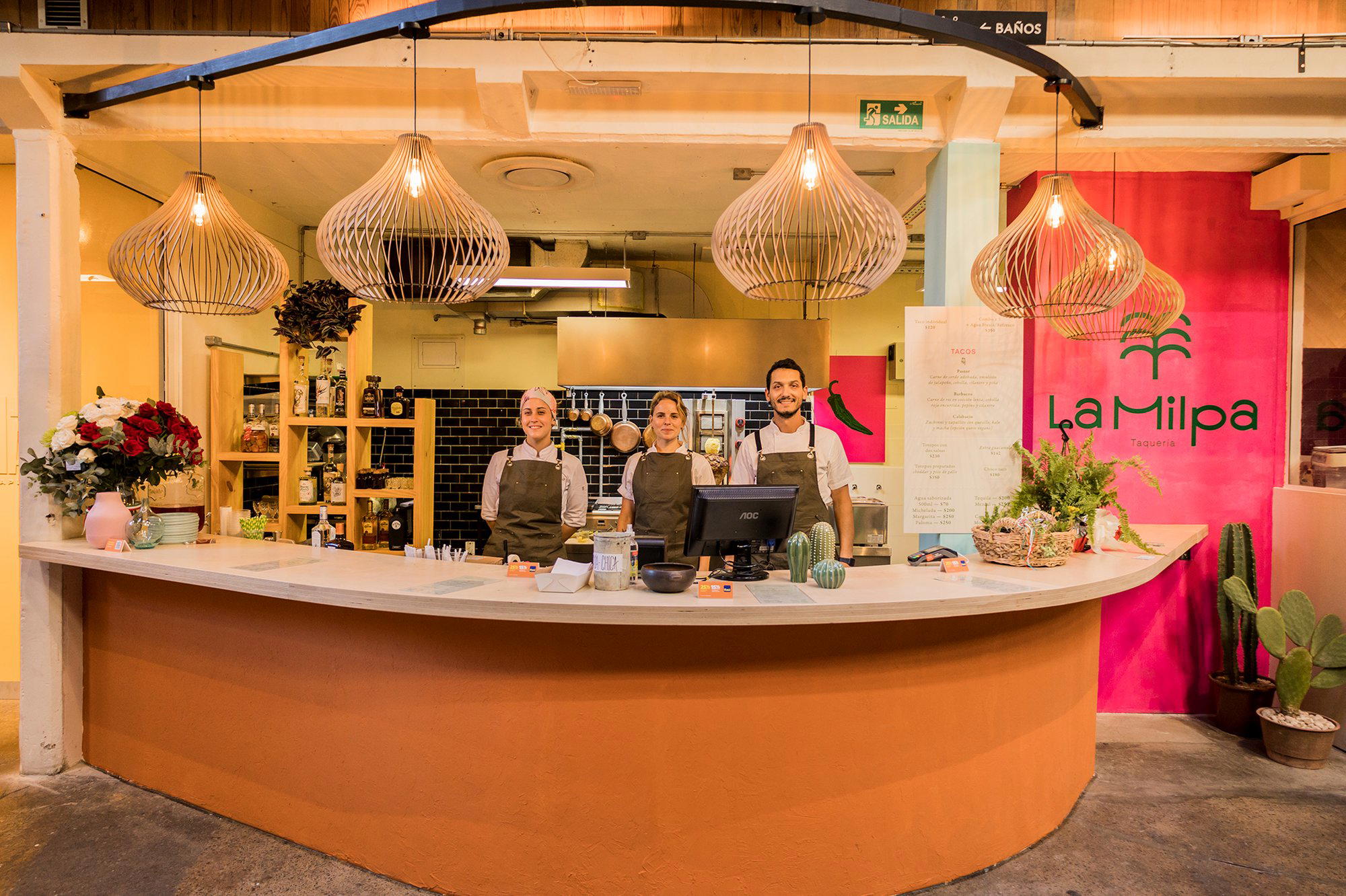
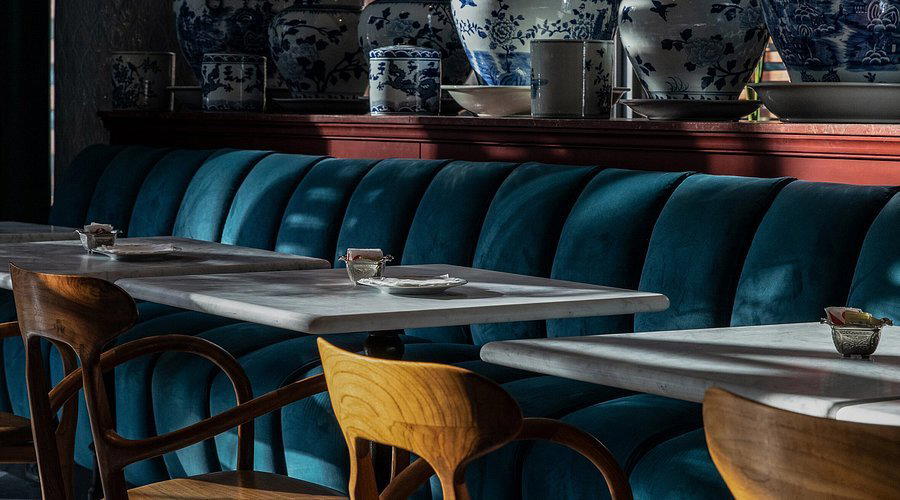
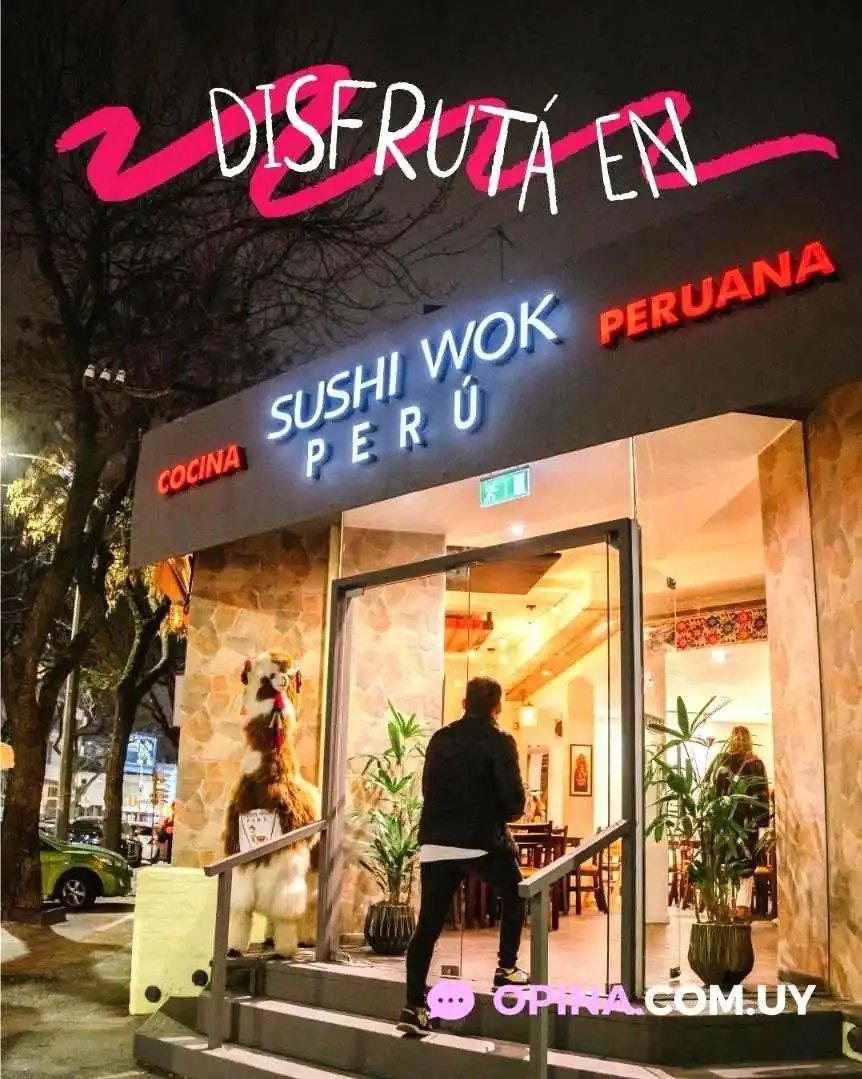
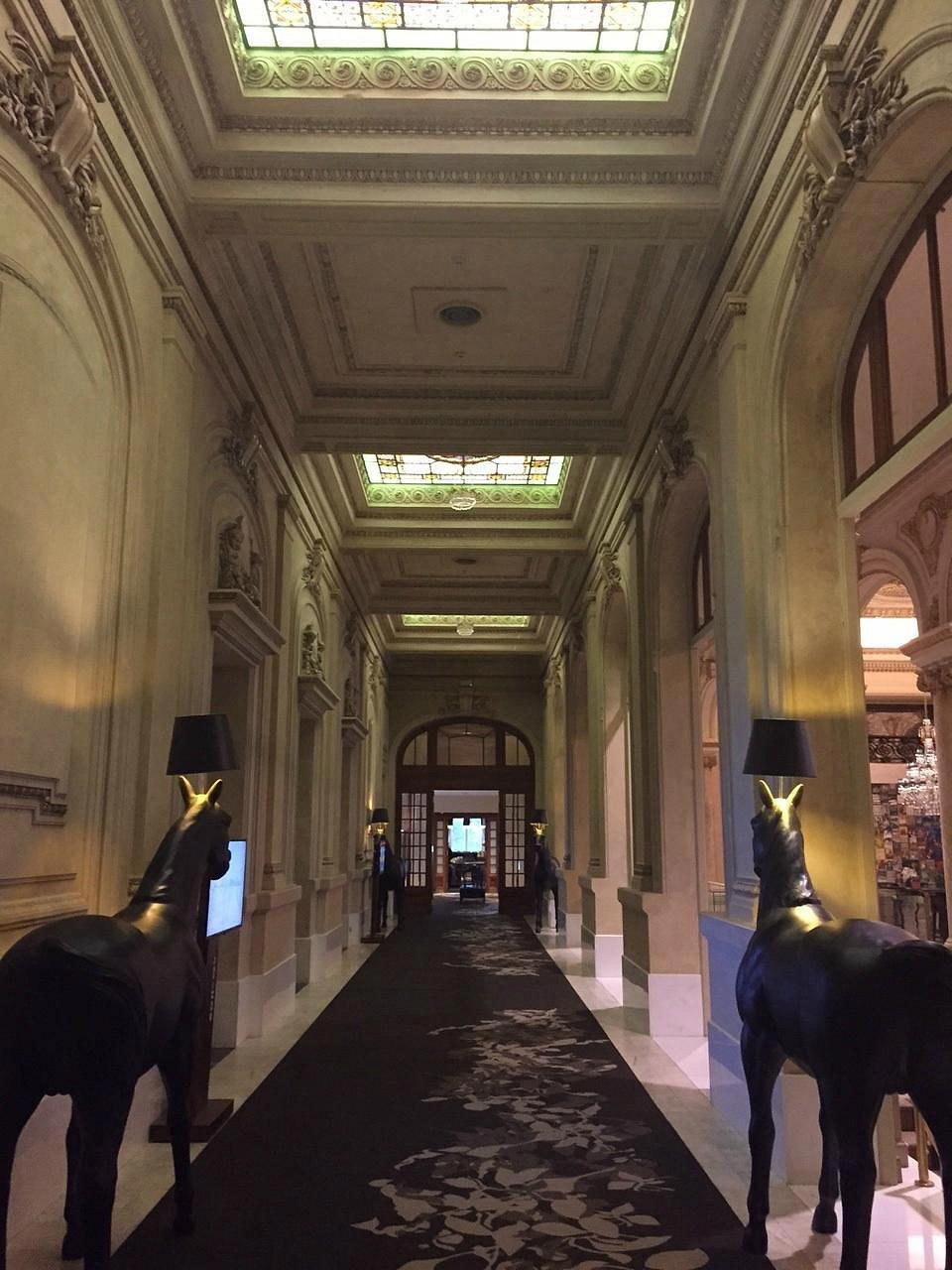
Bars in Montevideo
Browse all →
Hotels in Montevideo
Browse all →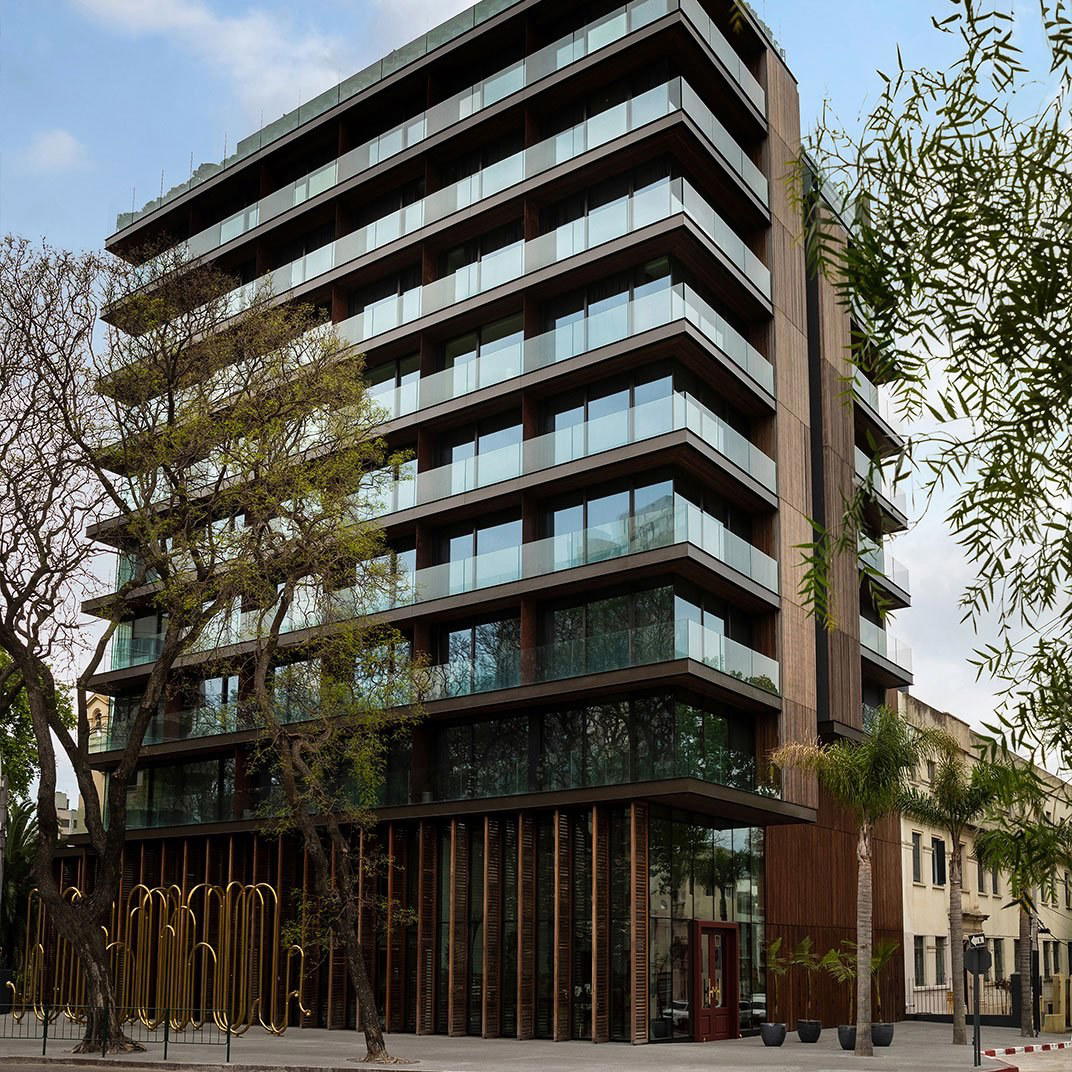

At a Glance
- Rustic
- Cozy
- Classic
- Casual Hangout
- Group Dining
- Family
- Standalone
Current opening hours
- Monday
- Closed
- Tuesday
- 11 AM–3 PM, 7:30 PM–12 AM
- Wednesday
- 11 AM–3 PM, 7:30 PM–12 AM
- Thursday
- 11 AM–3 PM, 7:30 PM–12 AM
- Friday
- 11 AM–3 PM, 7:30 PM–12 AM
- Saturday
- 11 AM–4 PM, 7:30 PM–12 AM
- Sunday
- 11 AM–4 PM
Hours can change for holidays and private events. Last verified .
Warm, familiar, and welcoming environment with a casual dining atmosphere; the aroma of charred meats fills the air, creating an authentic Uruguayan dining experience.
Know Before You Go
- Getting there
- Acevedo Díaz 1156, 11200 Montevideo, Departamento de Montevideo, Uruguay