The winery operates within a regional tradition where Italian immigrant heritage and Atlantic-influenced viticulture converge, producing wines shaped as much by cellar decisions as by terroir. For visitors exploring Canelones wine country, it occupies a distinct position in a comparable set built around quality-focused, estate-driven production.
Pearl is the En Primeur Club membership app — saves, bookings, and concierge access live there. Same editors, same standards.
- Address
- Ruta 69, Km 30.500, 90200 Departamento de Canelones
- Phone
- +598 2368 9696
- Website
- toscaniniwines.com
- Directions
- Get directions
 Saves & bookings on Pearl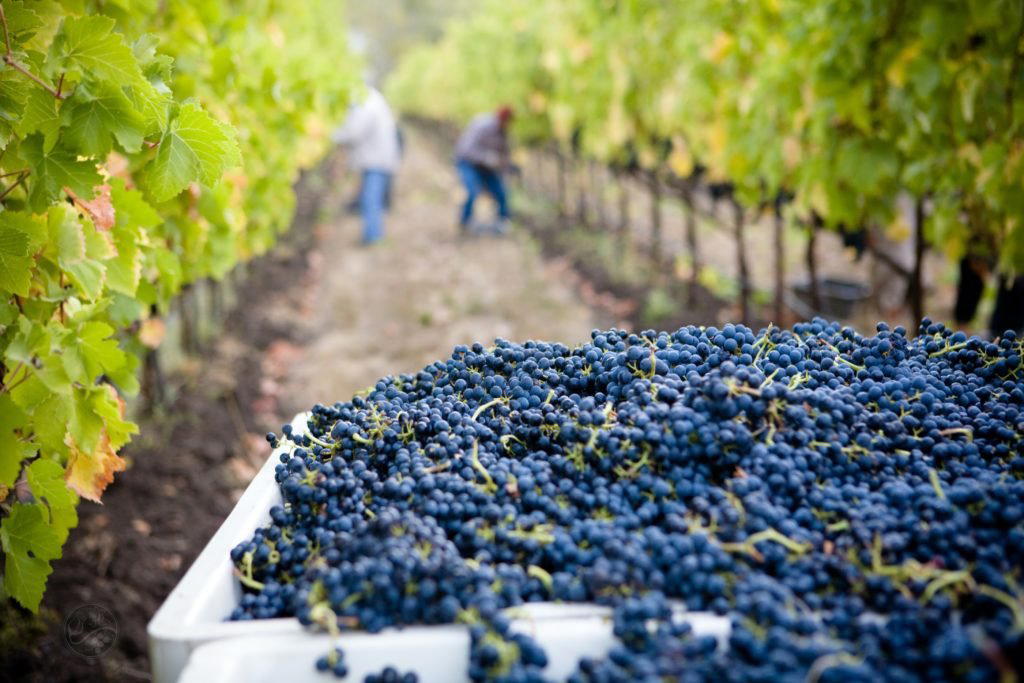
Canelones Wine Country and the Road to Ruta 69
The drive along Ruta 69 through Uruguay's Canelones department is an education in what South American wine production looks like outside the Andes. There are no dramatic altitudes here, no sun-bleached mountain slopes. Instead, rolling green hills, Atlantic humidity, and a patchwork of family-owned estates define the corridor. Canelones accounts for roughly 60 percent of Uruguay's total wine output, and the density of serious producers along its roads means that context, not just individual reputation, is how any winery earns its position.
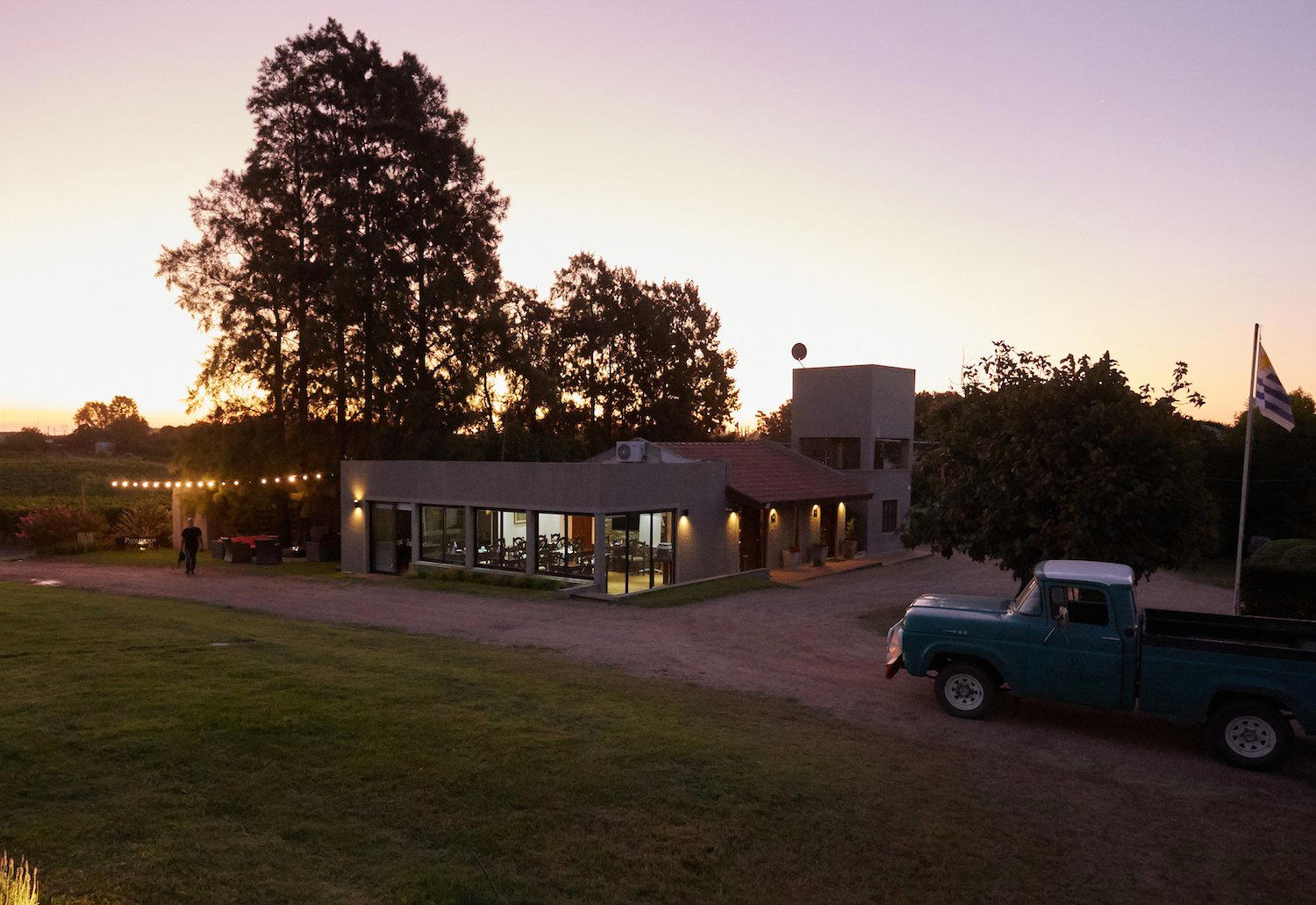
The address itself signals something about the Canelones model. Unlike the destination estates of Napa or Mendoza, many of the department's leading producers sit directly on working farm roads, without the theatrical gateways of New World wine tourism. Arriving at Toscanini, the surrounding landscape reads as agricultural before it reads as premium, which is part of what makes the region's wine identity coherent. Quality here is argued through the glass, not through architecture.
The Aging Programme: Where Canelones Decisions Get Made
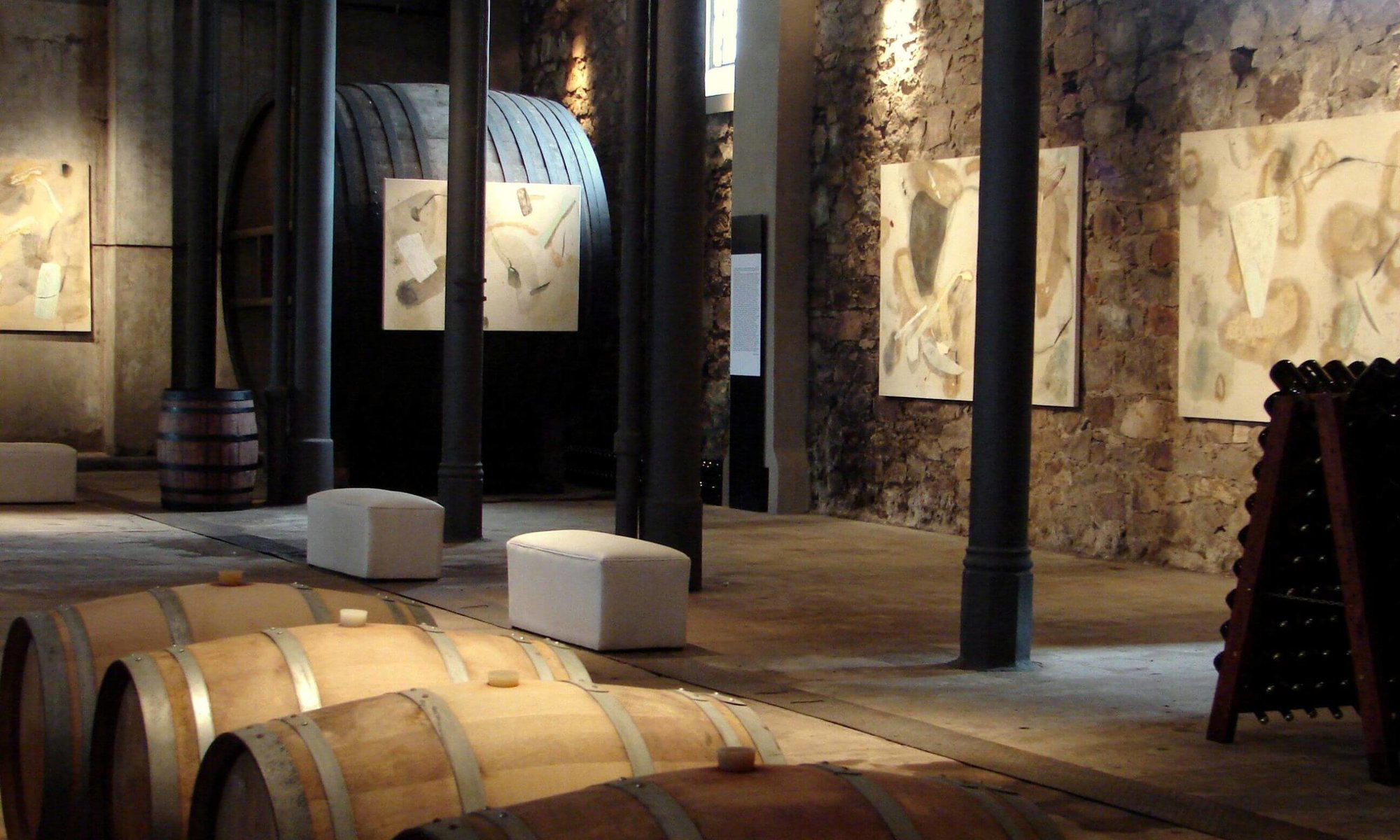
In the Canelones climate, the period between harvest and release is where a winery's real argument takes shape. Atlantic-influenced conditions, with their moderate temperatures and consistent humidity, create cellar environments that differ substantially from the arid warehouse aging common in drier wine regions. Wood integration tends to be gentler, and wines often need less intervention to reach structural balance. What this means in practice is that barrel selection and aging duration carry outsized weight in determining the character of a finished wine.
Uruguay's most serious producers in this corridor, from Varela Zarranz to Antigua Bodega Stagnari, have increasingly moved toward aging programmes that respect Tannat's structural density without overworking it. The grape, Uruguay's signature variety, produces wines with pronounced tannin architecture and dark fruit concentration that reward patient cellaring. Toscanini's 2025 prestige rating suggests its cellar programme is producing results that reviewers are marking against the department's upper tier.
The Italian immigrant heritage embedded in the winery's name, Toscanini, points to a lineage common across Canelones. Many of the department's founding wineries were established by Basque, Galician, and Italian families in the late nineteenth and early twentieth centuries. That heritage shaped not just grape variety preferences but also attitudes toward barrel aging, blending, and release timing, favouring restraint and structure over early, fruit-forward extraction. That tradition persists in the region's better cellars today.
Positioning Within the Canelones comparable set
The department contains producers operating across a wide quality range, from cooperatives and bulk producers to estate wineries with international recognition. Within the serious estate tier, Toscanini's rating puts it in conversation with peers such as Artesana, Bodega De Lucca, and Bodega Juanicó (Familia Deicas), each of which has built a reputation through estate-focused, variety-driven production rather than volume output.
Across Uruguay more broadly, the pattern holds. Canelones wineries compete not just against each other but against producers in other departments. Bodega Bouza in Montevideo and Bodega Carrau in Las Piedras represent the urban and peri-urban production model, while Bodega Los Cerros de San Juan in Colonia del Sacramento and Bodega Oceánica José Ignacio in Maldonado occupy distinct terroir positions further from the capital. Bodega Cerro del Toro in Piriápolis and El Legado in Carmelo extend the comparison into coastal and western zones. Cerro Chapeu (Carrau) in Rivera takes the country's northern extreme. Within that national map, Canelones remains the production heartland, and Toscanini's rating confirms its place within the department's quality cohort rather than its outlier fringe.
Italian Heritage and the Tannat Question
The Italian immigrant thread running through Canelones wine history is not merely sentimental context. It produced specific technical preferences, including a bias toward structured, age-worthy wines over early-release fruit bombs, and a tendency to blend across varieties rather than rely on single-grape expression alone. Tannat, which arrived via Basque immigrants rather than Italian ones, became the department's primary identity grape, but Italian-heritage estates often built their programmes around Tannat blended with Merlot or Cabernet Franc, seeking to moderate the grape's substantial tannin load while preserving its depth.
This blending philosophy has parallels in how Uruguayan producers approach barrel selection. New oak is used more conservatively in Canelones than in some other New World regions, partly because Tannat's structural intensity can absorb wood integration in ways that lighter varieties cannot, and partly because the regional aesthetic leans toward integration over extraction.
Planning a Visit: Ruta 69 in Practice
Canelones wine country sits within easy reach of Montevideo, with most Ruta 69 estates accessible within 45 to 60 minutes by car from the capital, making day-trip itineraries direct to construct. The department sees its most comfortable visiting conditions from October through April, when Atlantic temperatures moderate, harvest activity peaks between February and April, and estate tasting rooms are typically more active. Visiting in the shoulder months of October and November offers the advantage of pre-harvest vineyard conditions without summer heat spikes.
Bodega Toscanini is located at Ruta 69, Km 30.500, Departamento de Canelones, postal code 90200. Given the working-estate character of most Ruta 69 producers, pre-arranged visits tend to offer more depth than unannounced arrivals.
Same-City Peers
Comparable venues nearby, for context on price, style, and recognition.
| Venue | Cuisine | Price | Notes |
|---|---|---|---|
| Bodega ToscaniniThis venue — the venue you are viewing | Tannat, Cabernet Sauvignon | $$ | Not listed |
| H. Stagnari | Tannat, Cabernet Sauvignon | $$$ | La Puebla, La Paz |
| Bodega De Lucca | Tannat, Marsanne | $$ | El Colorado |
| Antigua Bodega Stagnari | Tannat, Merlot | $$$ | La Paz |
| Los Nadies | Tannat, Merlot | $$$ | Prado |
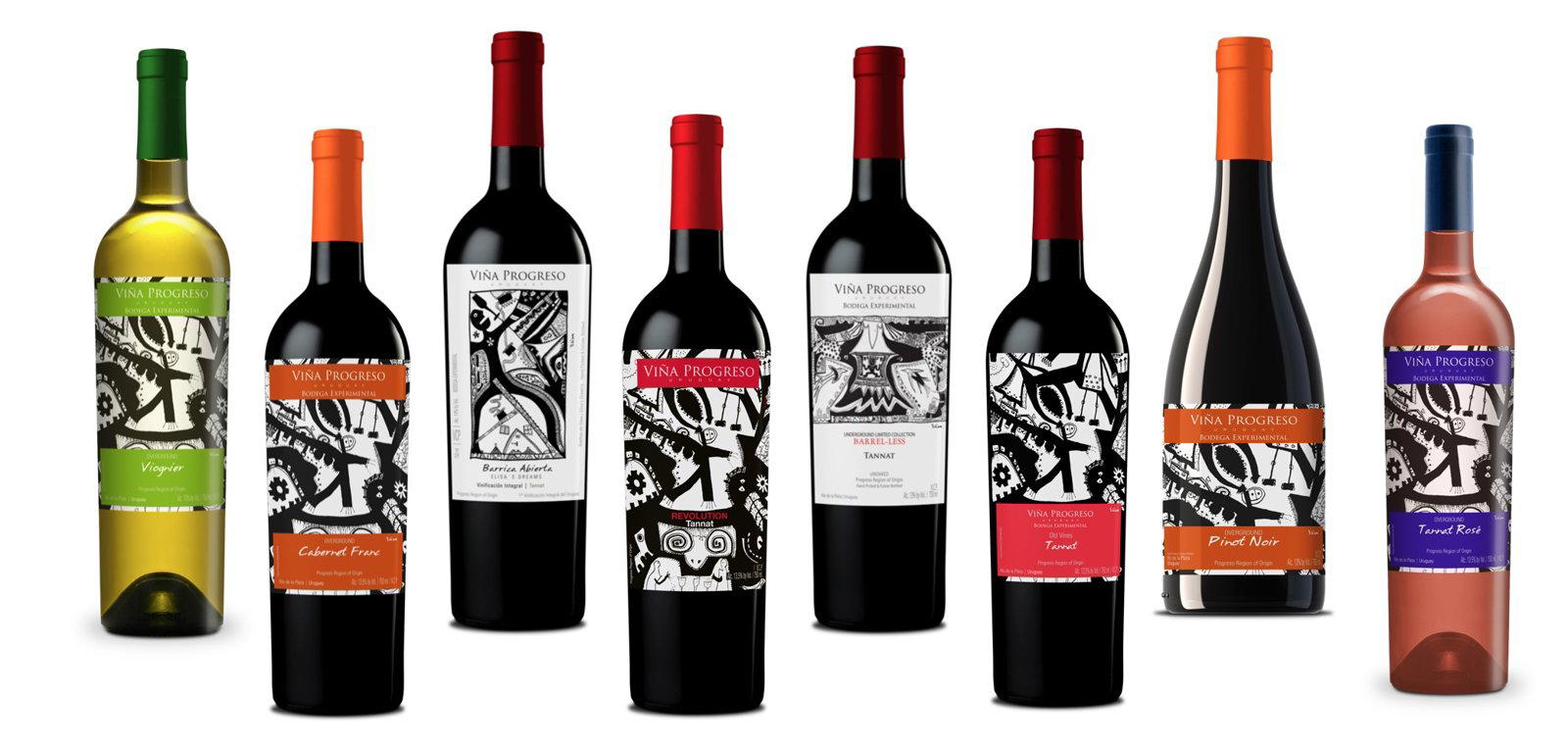
| Pizzorno Family Estates | Tannat, Cabernet Sauvignon | $$$ | Canelón Chico |
Continue exploring
More in Canelones
Wineries in Canelones
Browse all →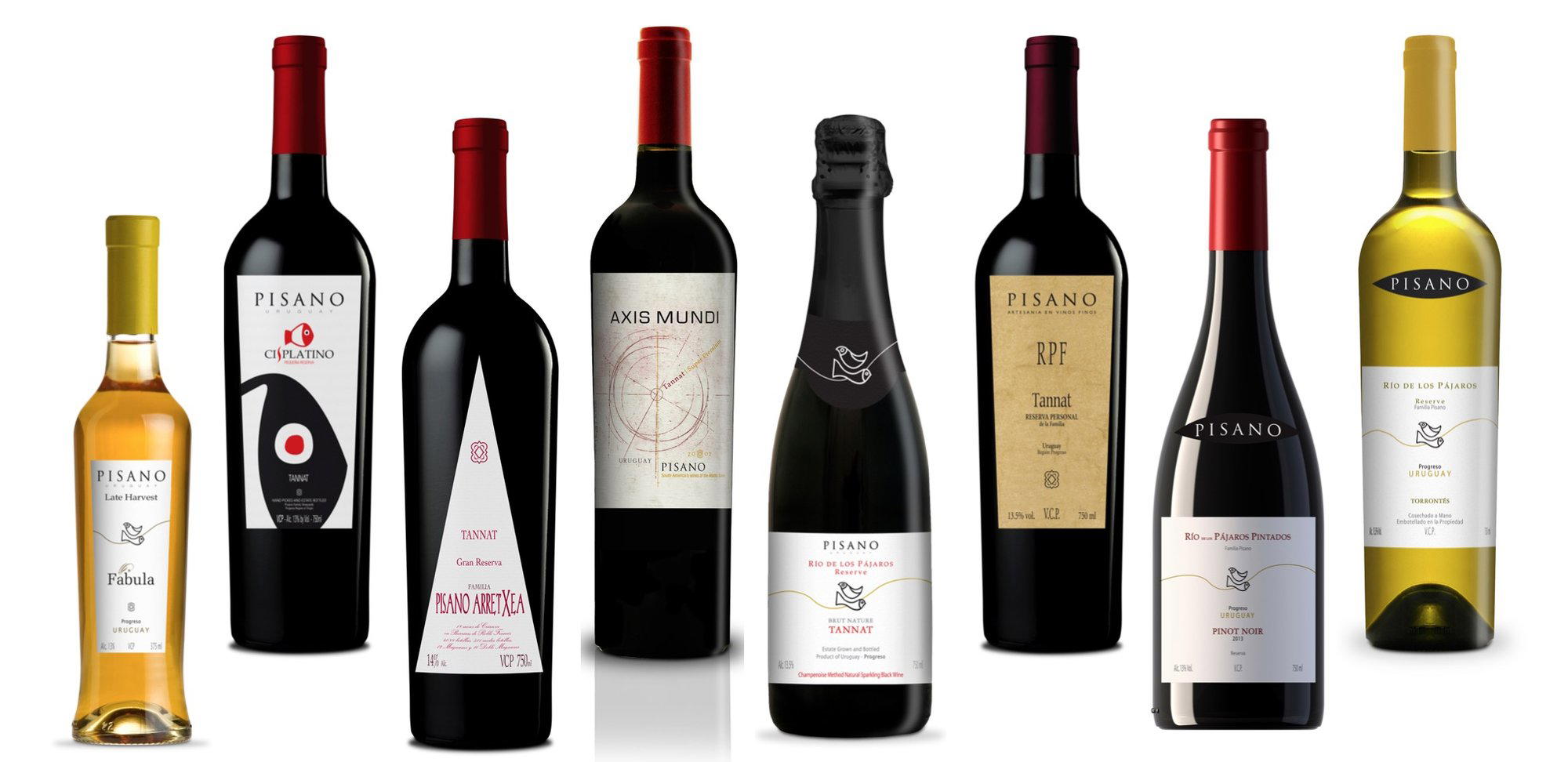
Bars in Canelones
Browse all →
Restaurants in Canelones
Browse all →



At a Glance
- Rustic
- Classic
- Elegant
- Wine Education
- Special Occasion
- Vineyard Tour
- Private Tasting
- Sustainable
- Vineyard
- Canelones
- Tannat
- Cabernet Sauvignon
- Merlot
- Syrah
- Cabernet Franc
- Marselan
- Chardonnay
- Sauvignon Blanc
- Viognier
- Still Red
- Dessert
- Sparkling
- Private Tasting
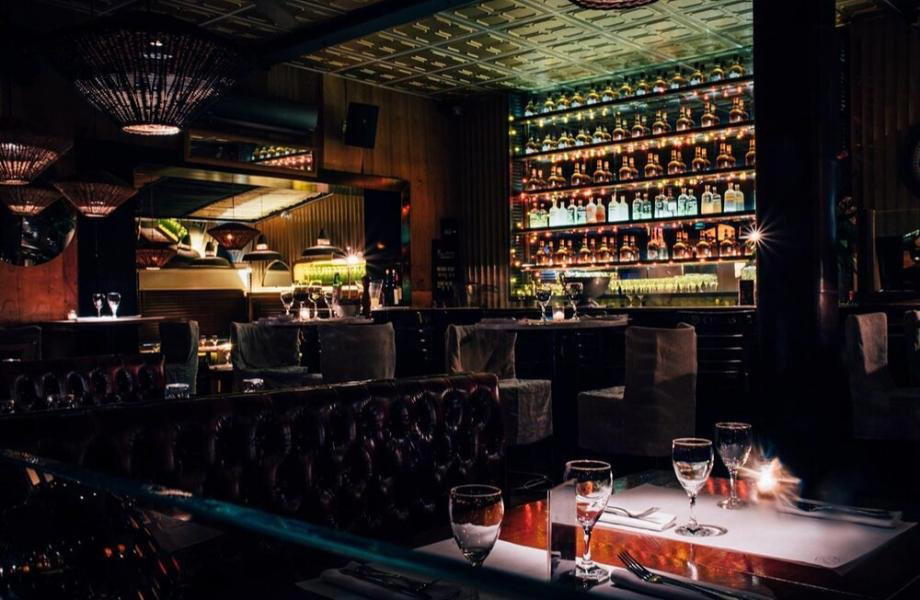
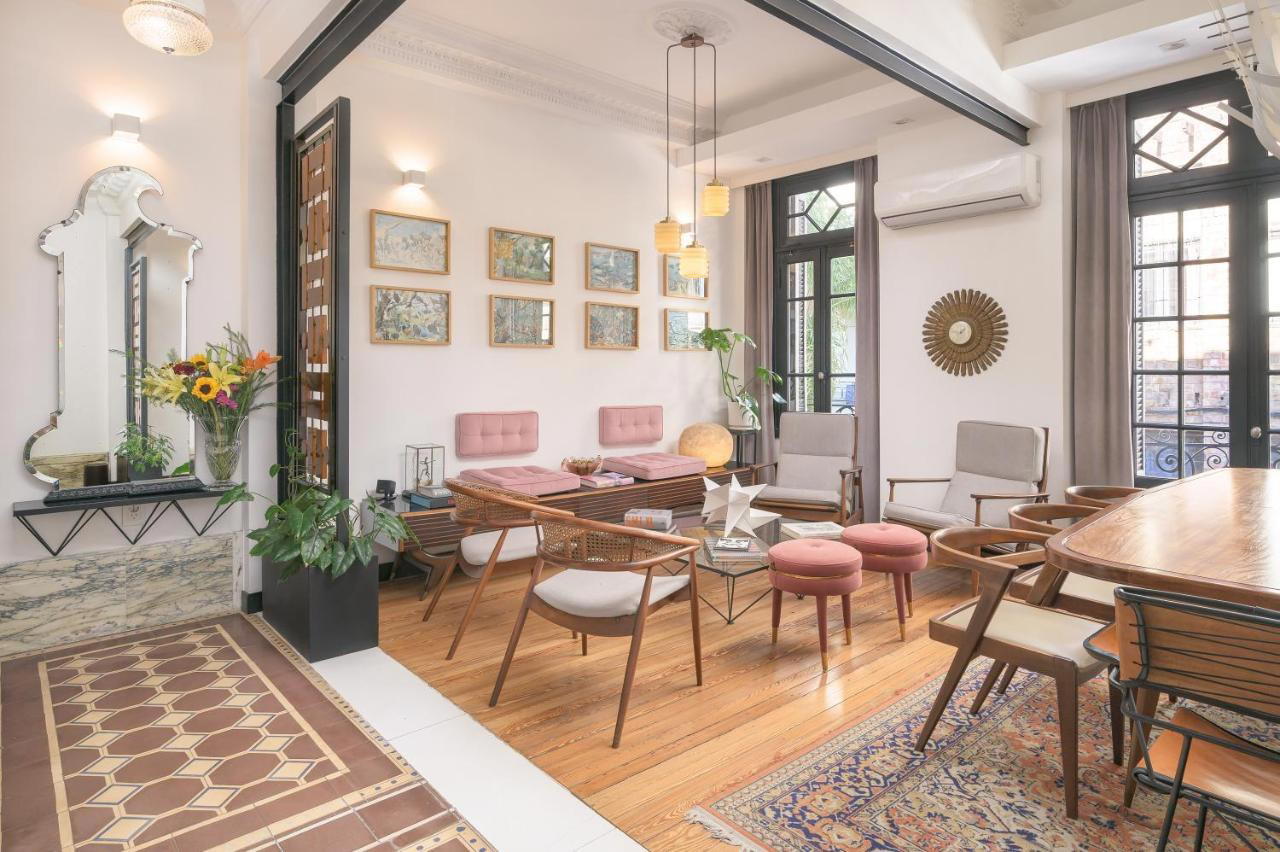
Classic and elegant family winery atmosphere with a focus on tradition and quality wine production.