Artesana sits on Ruta 48 in the Canelones wine corridor, where Uruguay's most concentrated winemaking activity plays out across Atlantic-influenced soils. Plan visits in advance; contact and booking details are best confirmed directly before travelling.

Pearl is the En Primeur Club membership app — saves, bookings, and concierge access live there. Same editors, same standards.
- Address
- Ruta 48 km. 3.600, 90100 Departamento de Canelones
- Phone
- +598 95 780 629
- Website
- artesanawinery.com
- Directions
- Get directions
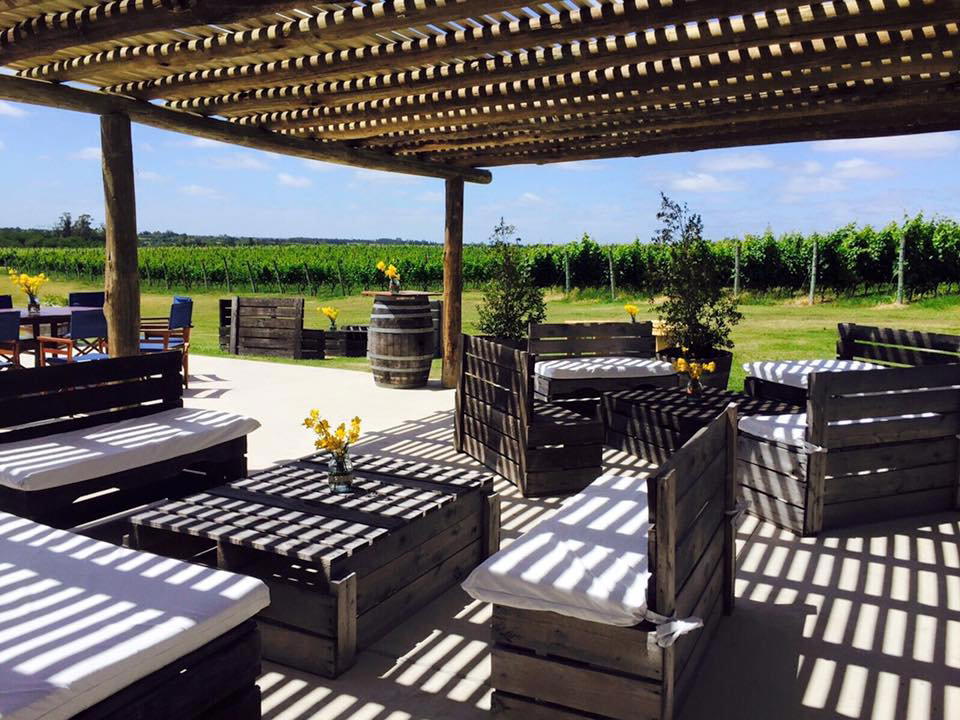
Where the Canelones Corridor Places Its Weight
The road along Ruta 48 in Canelones department carries a particular logic for anyone tracing Uruguay's wine geography. This is not a single appellation with neat borders but a dense concentration of production — family bodegas and older estates working in close proximity across soils shaped by Atlantic humidity and moderate diurnal variation. The vines here have been accumulating history since the late nineteenth century, and the winemaking conversation in this corridor is long, layered, and ongoing.
That designation matters as a positioning signal. For the traveller planning a Canelones itinerary, that credential is a useful anchor when deciding where to allocate limited days. See our full Canelones restaurants and winery guide for the broader departmental context.
The Philosophy the Region Rewards
Canelones has become Uruguay's clearest argument for Tannat as a fine wine variety rather than a workhorse grape. The variety arrived from southwestern France and found in this part of South America's Southern Cone something the Basque country could not offer: a softer diurnal range, ocean proximity, and soils that allow the grape's considerable tannic structure to resolve without aggressive extraction. The wineries that have built reputations here — including Varela Zarranz, Antigua Bodega Stagnari, and Bodega De Lucca, tend to share a commitment to letting site character speak rather than manufacturing a house style through heavy intervention.
The winemaking philosophy that this region has historically rewarded is one of restraint: careful canopy management, attention to harvest timing, and cellar work that preserves fruit definition rather than papering over it.
Situating Artesana against its Canelones peers requires some calibration. The department hosts everything from century-old family estates with deep export histories to newer projects oriented toward domestic fine dining and wine tourism. Bodega Juanicó (Familia Deicas) represents the large, export-oriented tier, a producer whose scale and market reach extend well beyond the region. Bodega Marichal occupies a different niche, with a wine tourism infrastructure that has made it a reference point for visitors combining vineyard visits with gastronomy.
Artesana's address on Ruta 48 positions it within the denser production zone of the department rather than in the more touristically oriented circuit closer to the capital. That geography tends to favour producers who attract visitors already engaged with Uruguayan wine at a more specific level, people who have moved past the introductory Tannat conversation and are looking for producers where the details of terroir and winemaking decision-making are the actual subject.
For comparison across Uruguay's broader wine geography, the conversation extends well beyond Canelones. Bodega Bouza in Montevideo has built one of the country's most recognised wine tourism formats. Bodega Carrau in Las Piedras maintains one of Uruguay's longest documented family wine histories. Further from the capital, Bodega Cerro del Toro in Piriápolis, Bodega Los Cerros de San Juan in Colonia del Sacramento, and Bodega Oceánica José Ignacio in Maldonado each demonstrate how Uruguay's wine production has dispersed from its Canelones core into coastal and estuary environments. Cerro Chapeu (Carrau) in Rivera and El Legado in Carmelo extend that geography further north and west respectively, demonstrating the range of environments Uruguay's producers are now working across.
In a department as competitive as Canelones, where the sheer density of producers makes distinction harder to achieve, formal recognition at this level is a meaningful data point for visitors constructing an itinerary with limited time.
The criteria prioritise quality output and producer identity over scale or market visibility, which makes the 2 Star Prestige result a more useful signal than sales volume or distribution reach would be.
Planning a Visit: What to Know Before You Go
Ruta 48 is accessible from Montevideo via the main arterials connecting the capital to the Canelones interior, making Artesana a viable day-trip destination for visitors based in the city. The property sits at kilometre 3.6, which places it close enough to the metropolitan edge to combine with other Canelones producers on the same day without excessive driving. The concentration of recognised bodegas along and adjacent to Ruta 48 means a well-planned route can cover three or four producers without retracing ground.
The address, Ruta 48 km. 3.600, Departamento de Canelones, 90100, is sufficient to locate the property via standard navigation, though rural road numbering in this part of Uruguay can occasionally differ between mapping platforms and physical signage.
Seasonal timing in Canelones follows the Southern Hemisphere wine calendar: harvest activity runs from late February through April depending on variety and vintage character, and visiting during that window offers the greatest cellar access. The winter months, June through August, tend to see quieter visitor traffic across the department, which can mean more direct engagement with the production team for those who prefer a less structured visit.
Price and Positioning
Comparable venues nearby, for context on price, style, and recognition.
| Venue | Cuisine | Price | Awards | Notes |
|---|---|---|---|---|
| ArtesanaThis venue — the venue you are viewing | Las Brujas, Tannat, Zinfandel | $20–30 | Not listed | Not listed |
| Bodega Toscanini | Las Piedras, Tannat, Cabernet Sauvignon | Not listed | Not listed | Not listed |
| Los Nadies | Prado, Tannat, Merlot | $50–100 | Not listed | Not listed |
| Bodega Juanicó (Familia Deicas) | Juanicó, Tannat, Merlot | $50–100 | Not listed | Not listed |
| H. Stagnari | Not listed | Not listed | Not listed | La Puebla, La Paz, Tannat, Cabernet Sauvignon |
| Antigua Bodega Stagnari | La Paz, Tannat, Merlot | $30–50 | Falstaff Winery - Listed | Not listed |
Continue exploring
More in Canelones
Wineries in Canelones
Browse all →
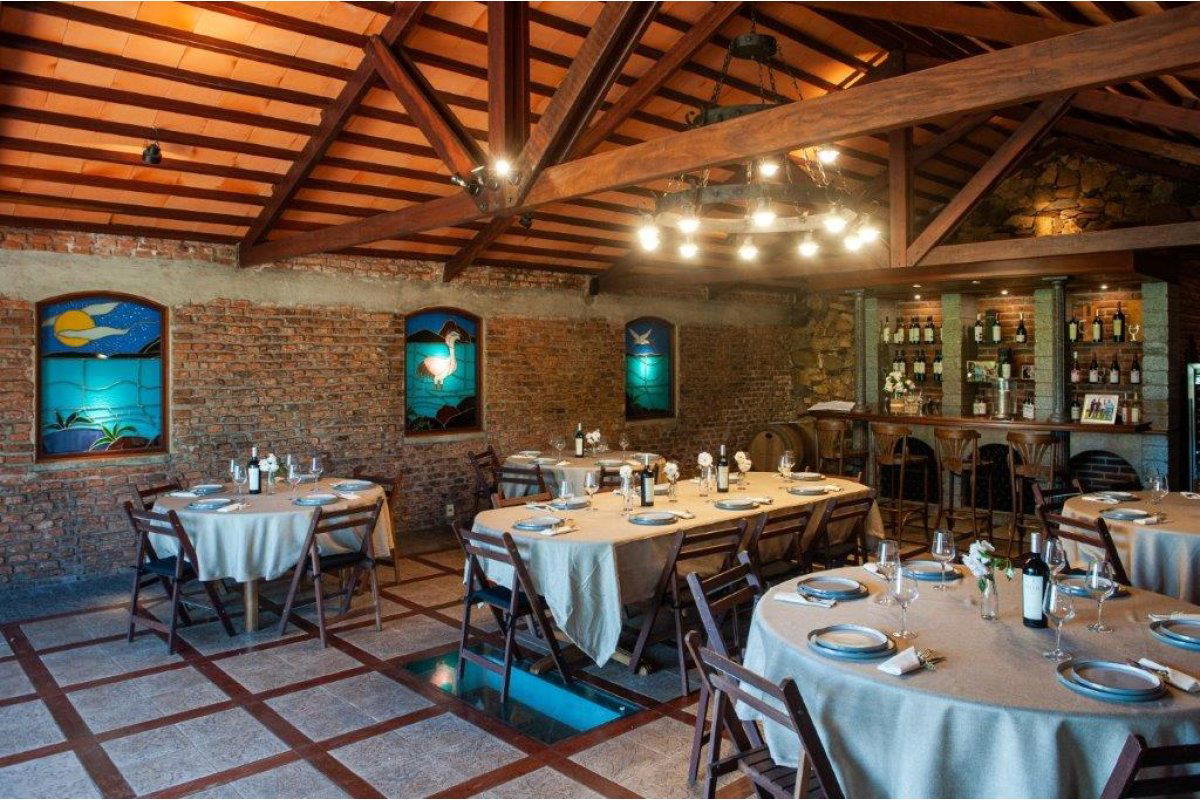
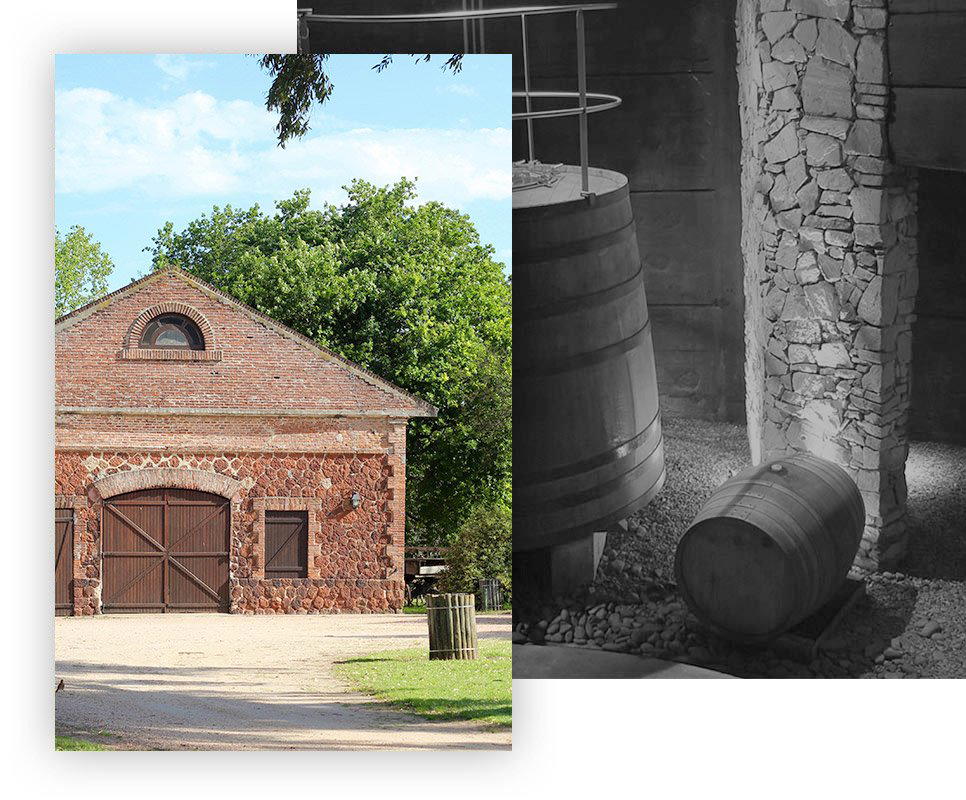
Bars in Canelones
Browse all →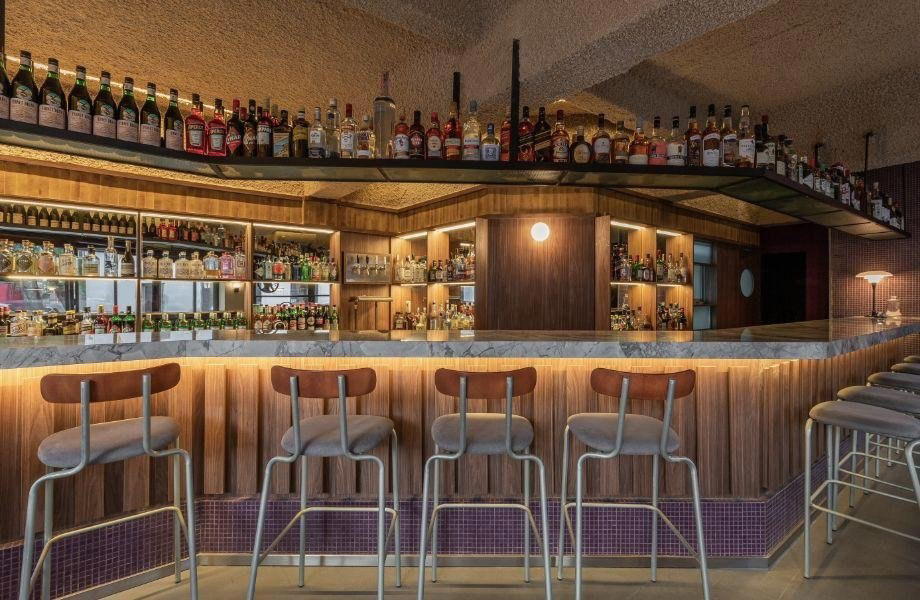
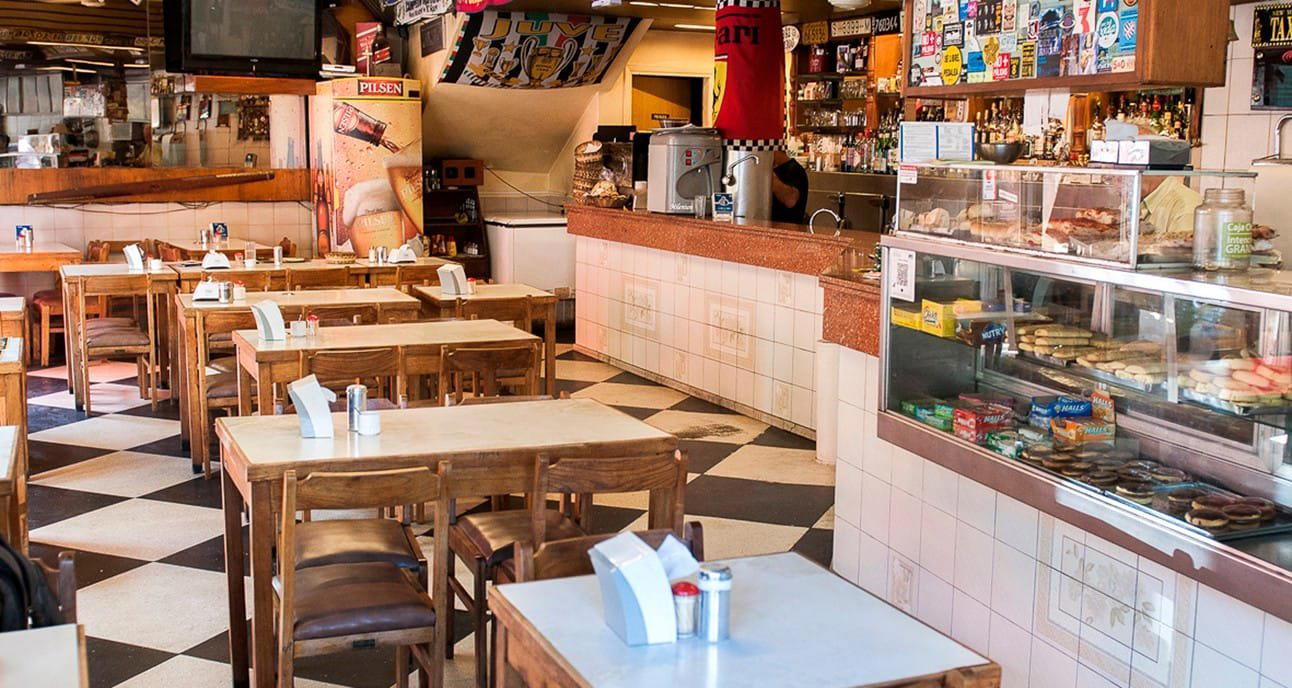

Restaurants in Canelones
Browse all →


Details
- Scenic
- Rustic
- Quiet
- Sophisticated
- Wine Education
- Special Occasion
- Group Outing
- Vineyard Tour
- Estate Grounds
- Terrace
- Design Destination
- Sustainable
- Dry Farmed
- Vineyard
- Tannat
- Zinfandel
- Merlot
- Cabernet Franc
- Still Red
- Guided Tasting
- Vineyard Tasting
- Private Tasting
- English
- Spanish
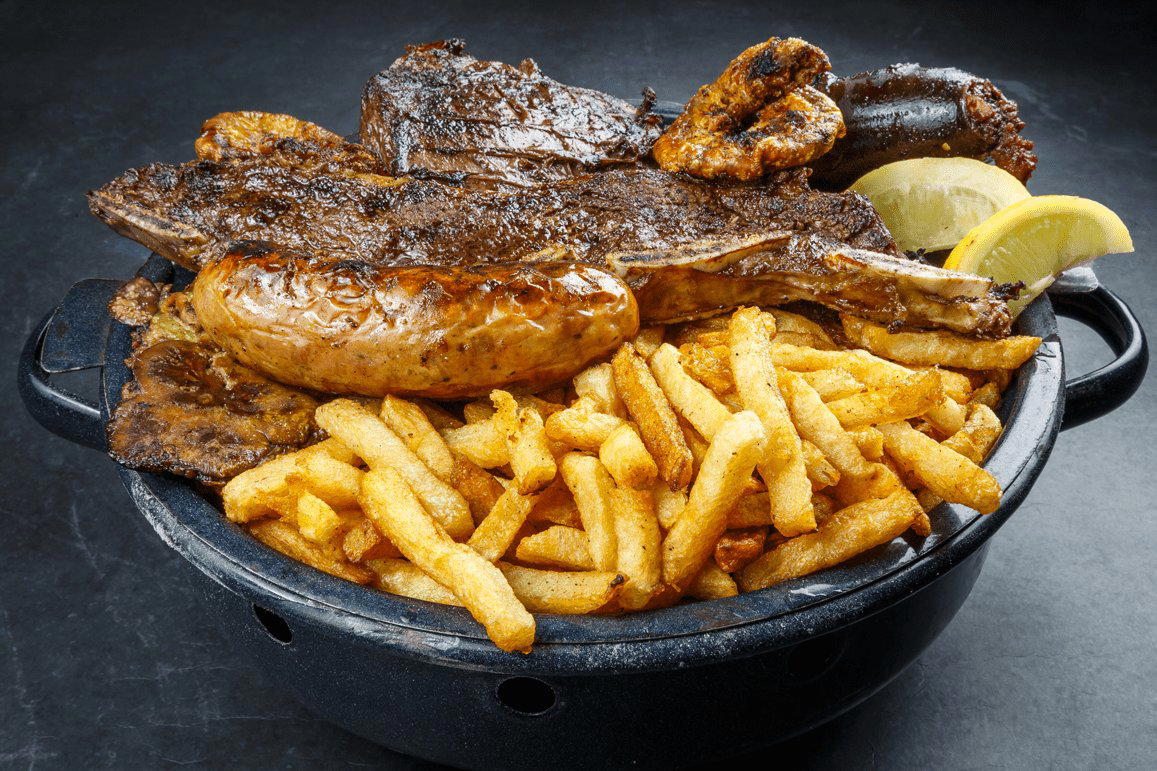
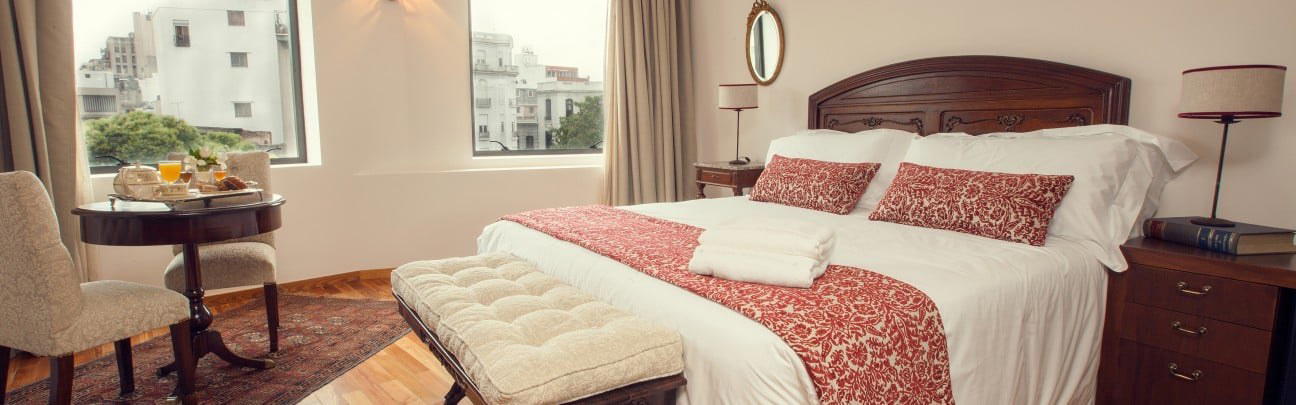
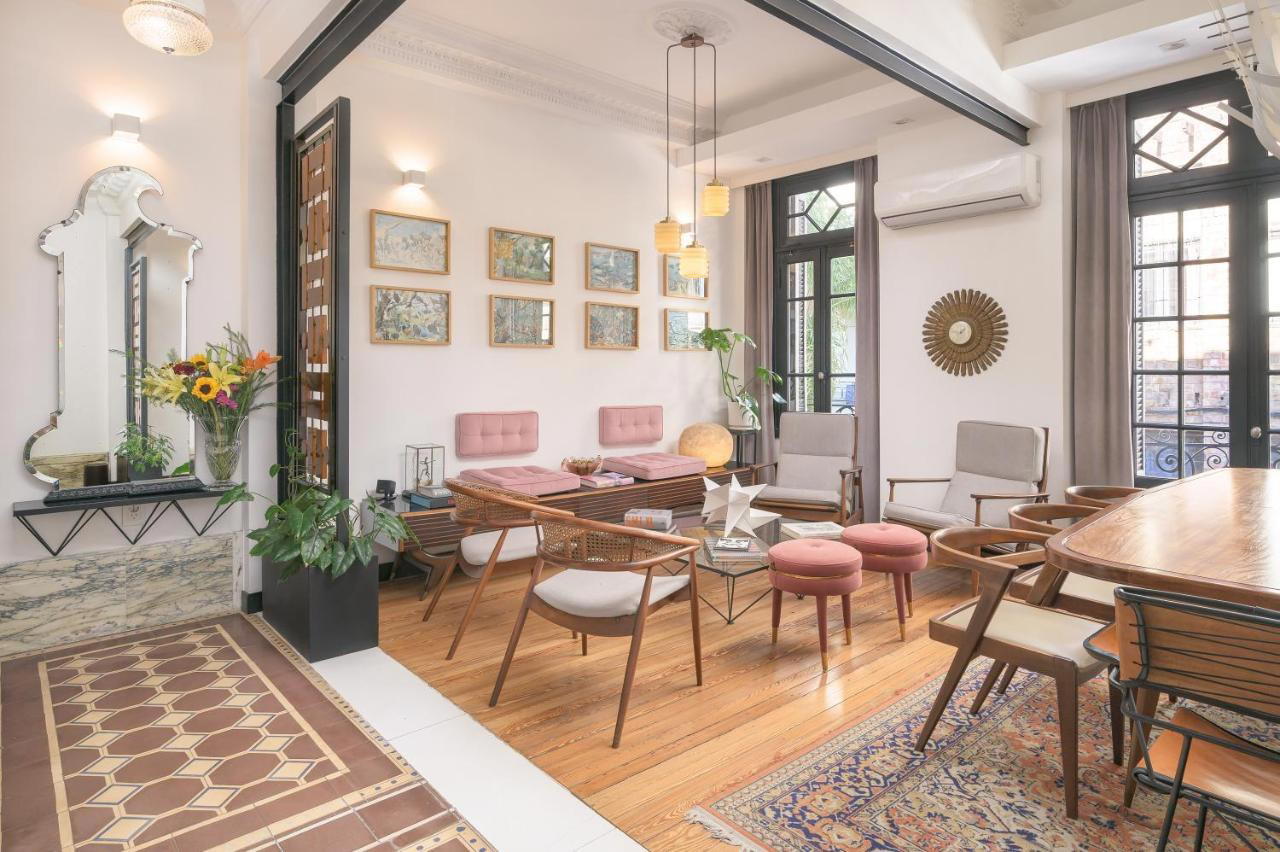
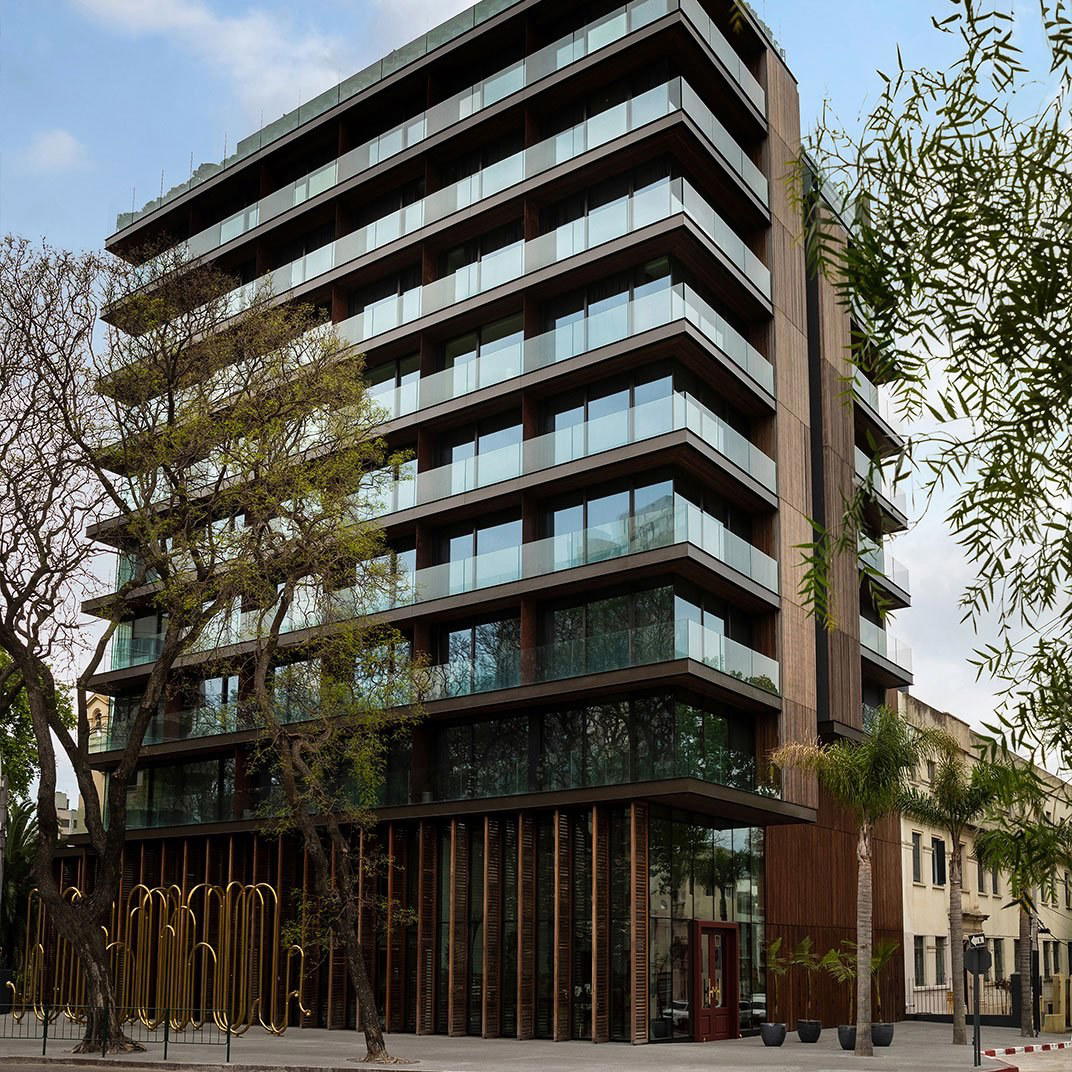
Boutique estate winery atmosphere with a scenic vineyard setting and terrace/lunch experiences in Las Brujas.